
Tiny House in Iowa
Thinking about a tiny house in Iowa? It’s a big decision, but one that can lead to a simpler, more affordable way of life. These smaller homes are getting popular for a reason. They let you focus on what really matters, cutting down on clutter and costs. This guide will walk you through everything you need to know to make your tiny house dream a reality right here in the Hawkeye State.
Key Takeaways
- Tiny homes are generally defined as dwellings between 100 and 400 square feet, and they can be either stationary or built on wheels.
- Planning is a big part of building a tiny house, including deciding on mobile versus stationary, designing for your specific needs, and figuring out financing.
- Building involves steps like downsizing belongings, sourcing materials, setting up the foundation or trailer, and handling the structural work.
- Don’t forget the systems and finishes! Flooring, exterior look, and interior design all play a role in making your tiny house feel like home.
- There are many resources available, from books and websites to specialized trailer companies and insurance providers, to help you with your tiny house project.
Understanding the Tiny House Movement in Iowa
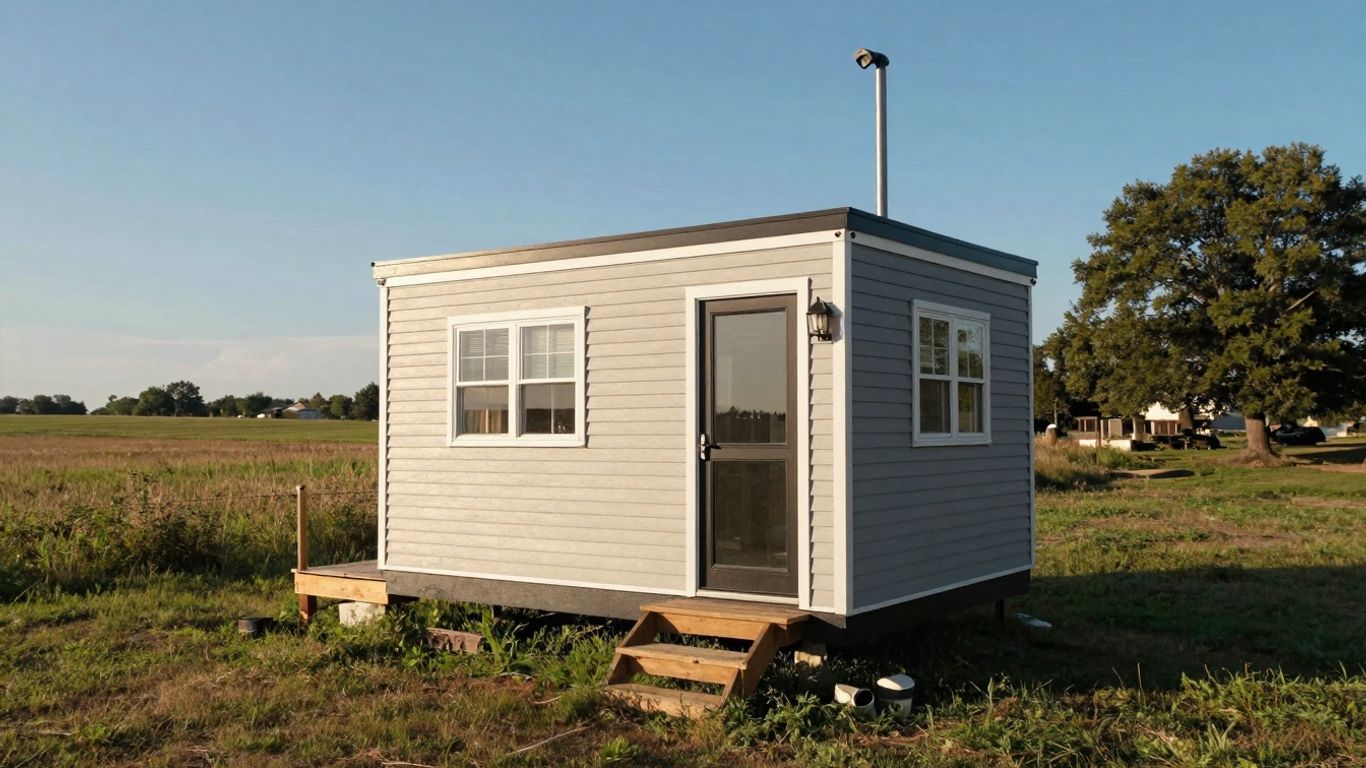
So, you’re thinking about going tiny in Iowa? It’s a pretty cool idea, and honestly, it’s catching on everywhere, not just here. People are starting to realize that maybe owning a giant house isn’t all it’s cracked up to be. It’s about simplifying, cutting down on stuff, and honestly, saving some cash.
What Defines a Tiny House?
Generally speaking, a tiny house is a dwelling that’s usually between 100 and 400 square feet. That’s not a lot of space, right? But it’s amazing what you can do with it. Some are built on foundations, like a regular house, while others are on wheels, making them mobile. You’ll see all sorts of finishes, from super basic to surprisingly fancy, like little porches or even fancy tubs. It really depends on who’s building it and what they want. Remember, there are many tiny home communities in Iowa so you have many options in the state.
The Growing Popularity of Tiny Homes
It feels like everywhere you look, someone’s talking about tiny homes. Searches for these smaller dwellings have really taken off, and it’s easy to see why. The appeal is about more than just saving money; it’s a lifestyle shift. People are looking for less clutter, less maintenance, and more freedom. This trend is definitely picking up steam, and Iowa is no exception. You can find resources to help you get started with tiny home builds.
Tiny Homes as an Investment
Think a tiny home is just a place to live? Think again. For some folks, these little houses are becoming a smart investment. They can be rented out, offering a different kind of income stream. Because they cost less to build and maintain, they can be more attractive to renters looking for affordable options. It’s a different way to think about property ownership, for sure.
Here’s a quick look at some common tiny house sizes:
| Size Category | Square Footage |
|---|---|
| Small Tiny | 100 – 200 |
| Standard Tiny | 200 – 400 |
| Large Tiny | 400 – 600 |
It’s not just about the size, though. It’s about how you use the space and what you prioritize. A well-designed tiny home can feel much larger and more functional than its square footage suggests. The key is thoughtful planning and making every inch count.
Planning Your Tiny House Journey in Iowa
So, you’ve decided a tiny house is the way to go, and Iowa is your chosen spot. That’s awesome! But before you start sketching out floor plans, there are a few big decisions to make. It’s like planning any big trip – you need a map and a solid itinerary.
Mobile or Stationary: Choosing Your Foundation
This is probably the first major fork in the road. Do you want your tiny house to be on wheels, or will it have a permanent foundation? Building on a trailer means your home is technically personal property, which can affect zoning and taxes. It also gives you the freedom to move it, though that’s a big undertaking. On the other hand, a foundation makes it feel more like a traditional home, but it’s fixed in place. You’ll need to think about weight limits if you go the trailer route, and what kind of trailer can actually support your build. There are some great companies that specialize in tiny house trailers designed for this purpose.
Designing for Your Iowa Lifestyle
Iowa has distinct seasons, right? You’ve got hot, humid summers and cold, snowy winters. Your design needs to account for that. Think about insulation – a lot of it! Also, consider how you’ll use the space. Do you need a mudroom for snowy boots? A good spot for a dehumidifier in the summer? Maybe a screened-in porch for those nice evenings? Designing for your specific needs and climate is key to making tiny living comfortable year-round. You might want to check out some free design software to play around with layouts. It’s amazing what you can fit when you plan it right.
Securing Financing for Your Tiny Home
Unless you’ve got a pile of cash saved up, you’ll likely need a loan. This can be a bit trickier than a standard mortgage. Not all banks are set up to finance tiny homes, especially if they’re on wheels. It’s worth talking to your local credit union or bank first. They might have specific programs or be more willing to work with you. If you’re building on a foundation, it might be easier to get traditional financing, as it can be classified more like real estate. Be prepared to show detailed plans and cost estimates. The average cost can vary a lot, but knowing your budget upfront is super important.
Planning ahead saves a lot of headaches down the road. Thinking through these foundational choices now will make the rest of your tiny house journey much smoother. It’s better to figure out if you want wheels or a foundation before you start buying lumber.
Building Your Tiny House in Iowa: A Step-by-Step Guide
So, you’ve got the vision, you’ve crunched the numbers, and now it’s time to actually put hammer to nail. Building a tiny house in Iowa, or anywhere for that matter, is a process. It’s not just about slapping some walls together; it’s about creating a functional, safe, and comfortable living space that fits your needs. Let’s break down the construction phase.
Downsizing Your Belongings
Before you even think about lumber and nails, you’ve got to tackle your stuff. If your current home is bursting at the seams, moving into a tiny house means a serious decluttering effort. Start early. Go room by room, and be honest with yourself about what you truly need and use. Think about selling, donating, or recycling items you won’t be bringing. The less you have to move, the smoother the transition will be.
Sourcing Building Materials
This is where your plans really start to take physical form. The materials you choose will depend on your design and whether your tiny house will be on wheels or a foundation. For those building on trailers, keeping things lightweight is key. Consider using recycled or reclaimed materials; it’s good for your wallet and the planet. You’ll need everything from framing lumber and insulation to roofing, siding, wiring, and plumbing supplies. Steel framing, for instance, offers great strength and durability.
Foundation or Trailer Setup
This is the literal groundwork for your home. If you’re going stationary, you’ll be preparing a foundation. This could range from concrete slabs to pier foundations, depending on your location and local regulations. If your tiny house is on wheels (THOW), then securing a sturdy, purpose-built trailer is your first construction step. Make sure the trailer can handle the estimated weight of your finished home.
Framing and Structural Considerations
Framing is when your tiny house really starts to look like a house. This is a critical stage where you build the skeleton of your home. Precision here is important for the overall strength and integrity of the structure.
You’ll be working with studs, joists, and rafters to create the walls, floor, and roof structure. Don’t skimp on quality or attention to detail during this phase; it’s the backbone of your tiny home. After framing, you’ll typically add sheathing, followed by house wrap for weatherproofing, and then the installation of windows and doors. Finally, the roof structure is completed and covered.
Building a tiny house requires careful planning and execution. Each step, from decluttering your life to framing the structure, builds upon the last. Taking your time and focusing on quality will result in a home you can be proud of for years to come.
Essential Tiny House Systems and Finishes
Flooring Choices for Tiny Living
When you’re thinking about the floors in your tiny house, you’ve got a few things to consider. It’s not just about how it looks, but also how easy it is to clean and how much weight it adds. Hardwood can look really nice and is pretty durable, but it can be pricey and heavy. Tile is super easy to clean, but it’s also heavy and can be cold underfoot. Some folks go with laminate or vinyl plank flooring because it’s lighter, more affordable, and still looks good. The key is finding a balance between aesthetics, practicality, and weight.
Exterior Finishes and Curb Appeal
Making your tiny house look good on the outside is important, even if it’s small. Think about the siding – you could go with wood, metal, or even some of those composite materials. Colors matter too; a bright color can make it pop, or you might prefer something more subtle that blends in. Don’t forget details like window trim, a small porch or deck, and maybe even some flower boxes. It’s your little slice of Iowa, after all, so make it feel like home.
Interior Design and Personalization
This is where your tiny house really starts to feel like yours. After all the building is done, you get to pick the paint colors, choose your furniture, and add those personal touches. Think about multi-functional furniture to save space, like a couch that turns into a bed or a table that folds away. Lighting is also a big deal in small spaces; good lighting can make a tiny house feel much bigger and more inviting. Consider built-in storage solutions too, like shelves or cabinets that fit perfectly into nooks and crannies. Personalization is what transforms a structure into a home.
Here are some ideas for making your interior shine:
- Paint: Light colors can make the space feel larger, but don’t be afraid of an accent wall for some personality.
- Furniture: Look for pieces that serve multiple purposes or can be easily stored.
- Decor: Add plants, artwork, and textiles to bring warmth and character.
- Storage: Get creative with shelving, under-bed storage, and wall-mounted solutions.
When planning your interior finishes, always keep the overall weight of your build in mind, especially if your tiny house is on wheels. Every material adds up, and staying within your trailer’s weight limit is non-negotiable for safety.
Resources for Your Iowa Tiny House Build
So, you’re ready to start putting your tiny house dream into action here in Iowa. That’s awesome! But where do you even begin to find the right stuff and the right help? It can feel a bit overwhelming, I get it. Let’s break down some of the places and things that can make this whole process smoother.
Helpful Books and Online Guides
There’s a ton of information out there, and sometimes a good old-fashioned book or a well-written blog can be a lifesaver. For building principles, Dan Louche’s “Tiny House Design & Construction Guide” is pretty straightforward. If you’re into the design side of things, Jay Shafer’s “The Small House Book” offers good ideas for making small spaces work well. Online, Jenna Spesard’s “Tiny House Giant Journey” blog has been a go-to for many, with detailed lists and budgeting tips. And don’t forget about sites like Ana White’s, which is packed with free plans for furniture and even whole tiny houses.
Finding reliable information is key to avoiding costly mistakes down the road.
Finding the Right Trailer and Foundation
This is a big one, especially for Iowa’s varied terrain. If you’re going mobile, you’ll need a solid trailer. Companies like Trailer Made Trailers build custom ones specifically for tiny homes, and they even offer frame kits. It’s worth looking into their options. For stationary builds, you’ll need to research foundation types that work best for your specific Iowa location. Think about frost lines and soil conditions. You can find a good starting point for understanding different foundation types on resources like The Tiny Life.
Insurance and Legal Considerations
Okay, this part isn’t the most exciting, but it’s super important. You’ll need to figure out insurance for your tiny home. MAC Insurance, for example, specializes in tiny home insurance and can be a good place to start asking questions. Also, look into local zoning laws and building codes in the specific area of Iowa where you plan to put your tiny house. Sometimes these can be tricky, so doing your homework early can save you a lot of headaches. You might find that understanding the initial steps of building is easier with a guide like this one that outlines a 7-step process.
Here’s a quick look at some common material needs:
- Framing: Wood or steel, depending on your design and weight considerations.
- Insulation: Crucial for Iowa’s weather extremes.
- Plumbing & Electrical: Plan these systems carefully for efficiency.
- Siding & Roofing: Choose materials that can withstand the elements.
Real-Life Tiny House Stories from Iowa and Beyond
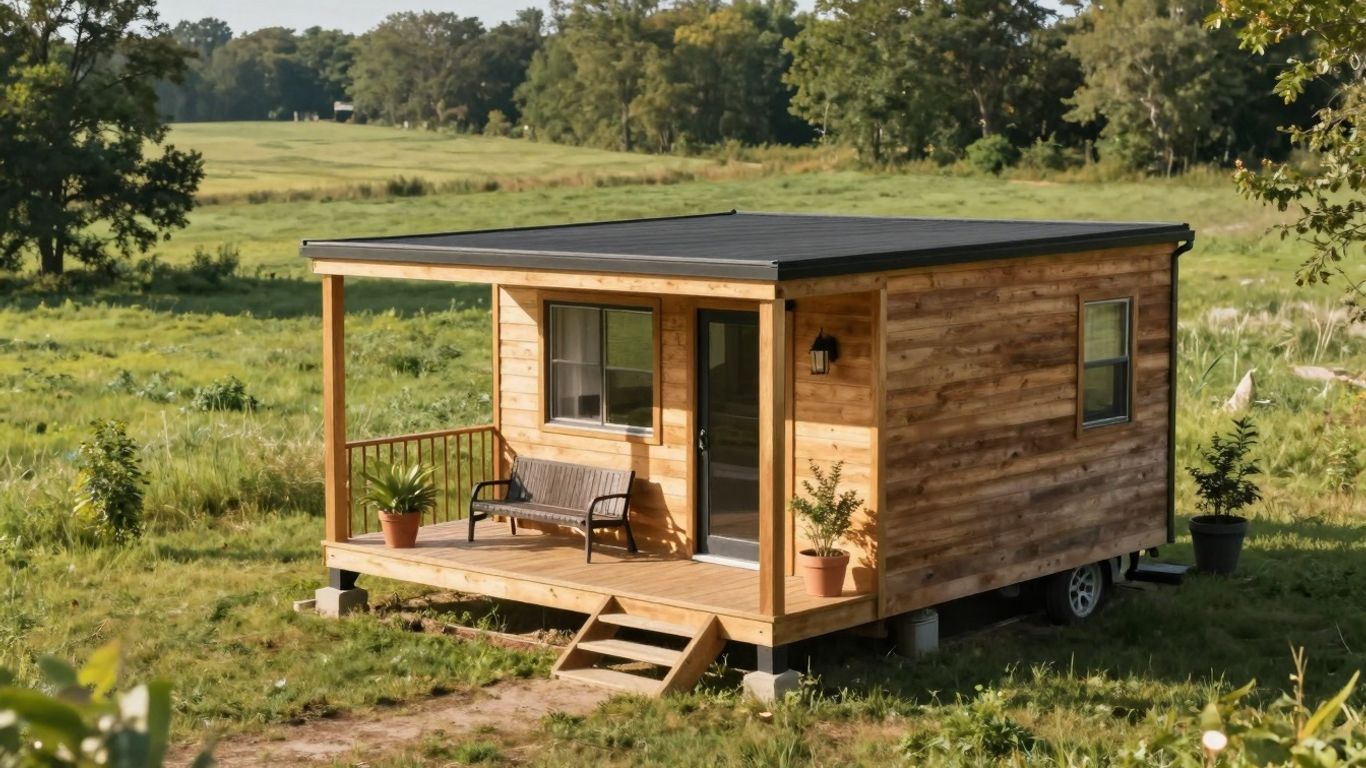
Customization is Key
Lots of people think tiny living means giving up everything you love, but that’s just not true. Take Jessica Rienstra, for example. She and her husband built a 280-square-foot tiny home on wheels back in 2018. They hired out the building, but they were hands-on with the design. Jessica says the most important thing is figuring out what matters most to you.
Want a big kitchen for cooking? You can have it. Need a special spot for your hobbies? Make it happen. Their tiny home has a jetted soaking tub and plenty of insulation, proving that comfort and luxury aren’t off the table. They even have a system for their cats! Their rule is simple: if it doesn’t fit comfortably, it doesn’t belong. It’s all about smart design and knowing your priorities.
Tiny Homes as a Rental Investment
Thinking about your tiny house as more than just a place to live? Some folks are turning them into income generators. While not strictly in Iowa, Melanie Copeland built a 144-square-foot tiny home in Virginia in just seven days. She and her husband, along with their two dogs, enjoy the simpler life it offers. They even chose to keep it mobile because they live in a hurricane-prone area, allowing them to move it if needed.
Melanie is now involved with the American Tiny House Association, helping others get started. Her build cost around $33,000 after finishes, with very low monthly costs for land and electricity. This shows how a tiny home can provide financial freedom and a different way of living.
Adapting to the Tiny House Lifestyle
Moving into a tiny home is a big change, and it requires a shift in mindset. It’s not just about the physical space; it’s about how you live in it. Kelsey Rasmuson and her partner Ryan Dailey in Arizona are building a larger tiny home, around 792 square feet with two bedrooms and two bathrooms. They decided this was best for potential resale value in their area.
They’re doing a lot of the work themselves but hired professionals for concrete, plumbing, and electrical. Kelsey encourages others to just go for it, saying it’s less daunting than a bigger project. They’re looking forward to minimizing their belongings and reducing their environmental impact. It’s a journey that involves downsizing possessions and embracing a more conscious way of living.
Ready to Find Your Iowa Tiny Home?
So, you’ve read all about building and living in a tiny house. It’s a big decision, for sure, but it can also be a really rewarding one. Whether you’re drawn to the simplicity, the lower costs, or just the idea of a cozier life, Iowa offers a great backdrop for your tiny home adventure. Remember all the steps we talked about, from planning and design to finding the right spot and making it feel like home. Don’t be afraid to get creative and make it truly yours. Happy house hunting!
Frequently Asked Questions
What exactly is a tiny house?
A tiny house is a small home, usually between 100 and 400 square feet. Think of it as a cozy, compact living space that’s much smaller than a typical house. Some are built on wheels, making them movable, while others are placed on a permanent foundation.
Why are so many people interested in tiny houses?
People love tiny houses because they can be more affordable, simpler to maintain, and encourage a less cluttered lifestyle. Many see it as a way to gain more freedom and focus on experiences rather than owning a lot of stuff.
Can I get a loan to build a tiny house?
Getting financing for a tiny house can be a bit tricky. Some banks offer loans, especially if the house is on a permanent foundation. If it’s on wheels, it might be considered an RV, which could change how you get a loan. It’s best to talk to lenders early on to see what options are available.
Do I need to downsize my belongings before moving into a tiny house?
Yes, absolutely! Since tiny houses are so small, you’ll need to get rid of a lot of things. Start by sorting through your belongings and deciding what you truly need and love. Selling, donating, or recycling items you don’t need will make the move much easier.
What are some good resources for planning and building a tiny house?
There are many helpful resources! You can find books on tiny house design and building, websites with free plans and tutorials, and even online communities where people share tips. Companies also offer specialized trailers and building kits to make the process simpler.
Are tiny houses a good investment?
Tiny houses can be a good investment, especially for rentals. They are often appealing to young professionals or retirees looking for affordable and private living spaces. Renting out a tiny home, or even using one as a vacation rental, can bring in income.