
Tiny Home Kansas
Have you been seeking a tiny house and looking for more details pertaining to a tiny home Kansas? Thinking about a tiny home in Kansas? It’s a pretty neat idea, right? Kansas seems to be a good spot for it, with a lower cost of living and not a ton of strict building rules everywhere. But, like anything, there are things you need to know before you start. We’re going to break down what you need to consider, from the official stuff to how to actually make it work for you.
Key Takeaways
- Tiny homes are generally legal in Kansas, but rules can change a lot depending on the specific city or county you’re looking at.
- Homes built on a permanent foundation are usually easier to get approved than tiny homes on wheels (THOWs).
- You might need permits for building or placing a tiny home, so always check with your local planning or zoning office first.
- Kansas weather can be extreme, so good insulation and plans for severe weather are important for your tiny home.
- There are a few tiny home communities in Kansas, offering shared amenities and a sense of community, with some focused on supportive housing.
Understanding Tiny Home Regulations in Kansas
Legal Status of Tiny Homes in Kansas
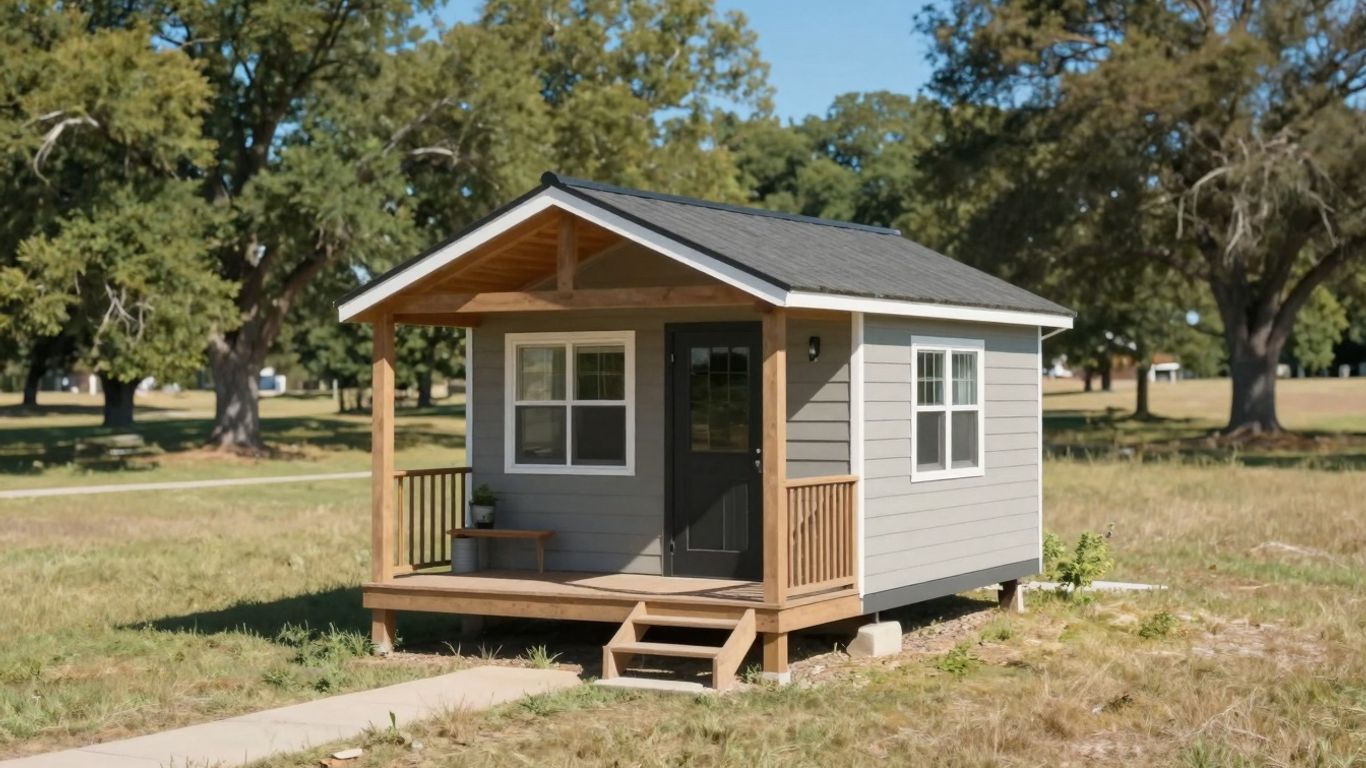
So, are tiny homes legal in Kansas? The short answer is yes, but it’s not quite as simple as just picking a spot and parking your tiny house. Kansas doesn’t have a statewide building code for private properties, which is actually good news for tiny home builders in many ways. This means that the rules are mostly decided at the local level – by individual cities and counties. This local control is key to understanding where and how you can place your tiny home. While the state does follow certain building codes for its own projects, your specific location will dictate the exact requirements.
Generally, tiny homes built on permanent foundations are more straightforward to get approved. Tiny homes on wheels (THOWs), on the other hand, often fall under different rules. They might be treated like recreational vehicles (RVs) and typically need to be placed in RV parks, mobile home communities, or campgrounds. It’s always best to check with your local zoning office to make sure you’re following all the rules.
Permitting Requirements for Tiny Homes
Do you need a permit for a tiny home in Kansas? Most of the time, yes. Any construction project usually requires a permit. However, because many rural counties in Kansas don’t have their own county-wide building codes, you might find yourself in a situation where a permit isn’t strictly required, especially in unincorporated areas. But don’t assume! Even if your county doesn’t have specific codes, it’s wise to contact your local zoning or building department. They can tell you if a permit is needed, how to get one, and what the fees might be.
If your city or county does have building codes, you’ll likely need a permit for your tiny home, whether it’s on wheels, a foundation, or an accessory dwelling unit (ADU). The exact requirements will depend on the type of structure and the local regulations. It’s better to be safe and check.
County and City Specific Regulations in Kansas
This is where things get really specific. Because Kansas leaves building and zoning up to local jurisdictions, regulations can change quite a bit from one town to the next, or even from one county to another. Some cities, like Kansas City, KS, have adopted parts of the International Residential Code (IRC), including Appendix Q, which provides guidelines for tiny homes. This often means your tiny home needs to be on a permanent foundation and meet certain standards for things like ceiling height, window size for escape, and utility hookups. Remember, there are tiny home communities in Kansas you can become a part of as well.
Other areas, especially rural ones, might have very few regulations. It’s not uncommon for tiny homes to be allowed with minimal oversight in these places. However, even in areas with fewer rules, it’s still a good idea to understand what’s expected. Here’s a general idea of what to look for:
- Foundation vs. Wheels: Homes on foundations are usually treated more like traditional houses, while THOWs are often regulated as RVs.
- Size and Height: Some areas might have specific limits on square footage or height, especially for THOWs.
- Zoning: You’ll need to make sure your tiny home is allowed in the specific zone where you plan to place it.
- Utilities: Requirements for water, sewer, and electricity hookups can vary.
Always confirm with your local planning and zoning department. They are the ultimate source for understanding the rules in your specific area of Kansas. What’s allowed in one town might not be in the next.
Types of Tiny Homes Allowed in Kansas
Permanent Tiny Homes on Foundations
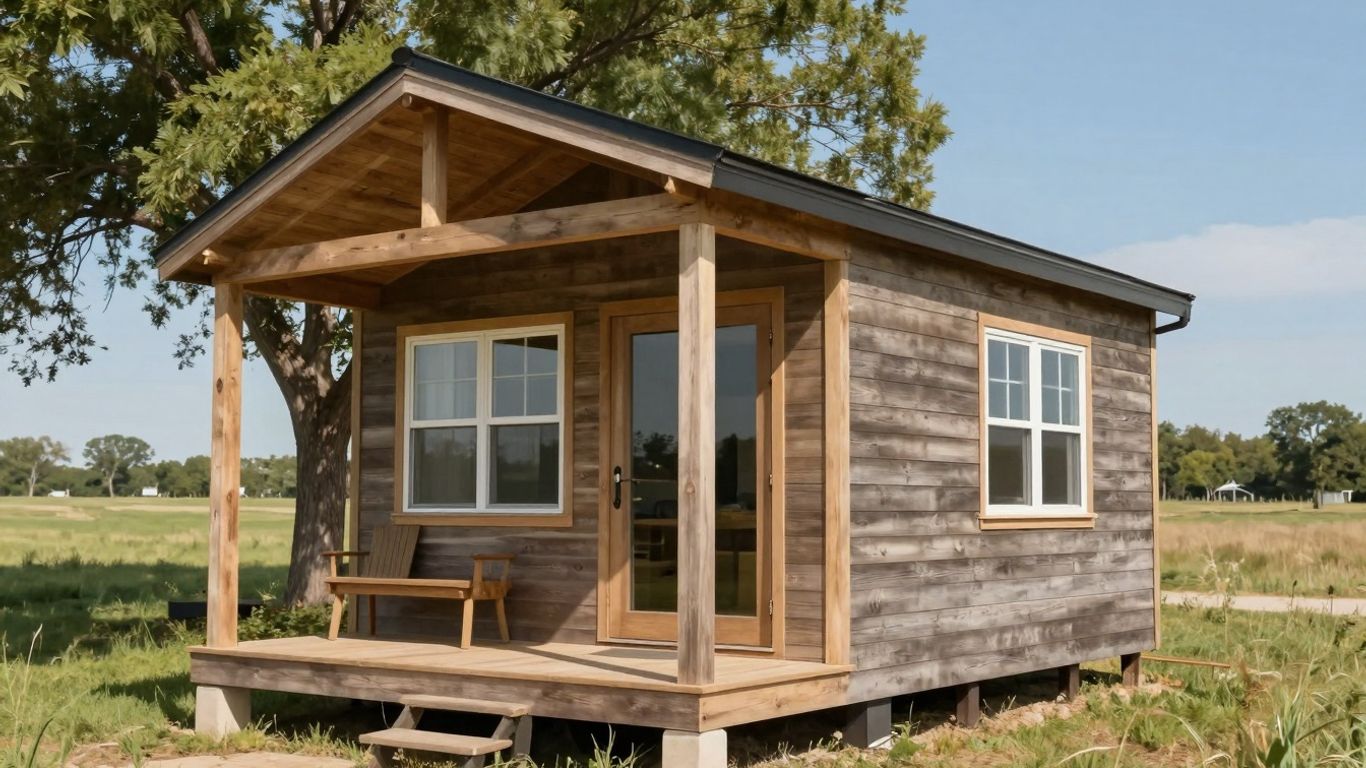
These are the most straightforward type of tiny home when it comes to regulations in Kansas. Think of these as traditional houses, just smaller, built on a permanent foundation. They need to meet all the usual building codes and zoning requirements for residential structures in their specific location.
Because Kansas doesn’t have a statewide building code for private properties, these rules are set by individual cities and counties. So, while they’re generally accepted, you’ll still need to check with your local planning office to make sure everything is up to snuff.
- Must be on a permanent foundation.
- Needs to comply with local zoning laws.
- Requires utility hookups (water, sewer, electricity).
- Often need to meet specific room size and ceiling height requirements, especially if adopting Appendix Q of the IRC.
Tiny Homes on Wheels (THOWs) and Park Models
THOWs, often called park models, are built on trailers and are designed to be moved. Because of their mobile nature, they’re usually regulated more like recreational vehicles (RVs). This means they’re typically allowed in RV parks, campgrounds, or specific zones set aside for RV living. Kansas has specific guidelines for these, often limiting their size to 400 sq ft, with maximum height and width restrictions (like 13.5 feet high and 8.3 feet wide). It’s really important to understand that these are generally not considered permanent residences.
- Built on a chassis with wheels.
- Often restricted to RV parks or designated areas.
- Subject to size and dimension limits (e.g., max 400 sq ft, 13.5 ft height, 8.3 ft width).
- May need to meet RV Industry Association Standards.
Accessory Dwelling Units (ADUs) in Kansas
ADUs are essentially secondary housing units on the same property as a primary home. They can be attached or detached. In Kansas, tiny homes can sometimes function as ADUs. The rules for ADUs can differ from primary residences; some areas might limit their size or even restrict kitchens. They’re becoming more common in larger cities like Kansas City, Lawrence, and Ottawa. Again, local zoning is key here.
- A secondary living space on an existing property.
- Can be attached to or separate from the main house.
- Local regulations might impose size limits or other restrictions.
- Often a good option for multi-generational living or rental income.
Building and Design Considerations for Kansas
When you’re thinking about building a tiny home in Kansas, you’ve got to keep a couple of big things in mind. First off, the weather here can be pretty wild. We get scorching hot summers and then bone-chilling winters. Good insulation is your best friend for keeping your tiny space comfortable year-round without running up a huge energy bill.
Think about spray foam insulation; it’s got a great R-value and really helps seal things up tight against those temperature swings. Also, consider the exterior. Materials that can handle fluctuating temperatures without warping or cracking are a smart choice. LP SmartSide, for example, is a durable siding that holds up well and can be painted any color you like.
Beyond just comfort, Kansas is known for its severe weather, including tornadoes and strong winds. It’s really important to think about how to keep your tiny home safe. This means looking into proper anchoring and skirting techniques. You’ll want to make sure your home is securely fastened to the ground.
Here are some key areas to focus on:
- Insulation: Aim for high R-values to combat both heat and cold. Spray foam is a top contender.
- Siding: Choose materials that are durable and resistant to temperature changes.
- Anchoring: Proper tie-downs and foundation methods are vital for wind resistance.
- Roofing: Consider materials that can withstand hail and high winds.
Planning for severe weather isn’t just about structural integrity; it’s also about having a plan for your safety and well-being. Think about where you’ll go if a tornado warning is issued and how you’ll secure your home before a storm hits.
Finally, even though tiny homes are small, making the most of every inch is key. Think about multi-functional furniture and smart storage solutions. Also, consider how the placement of your home on its site can help. Planting trees for shade in the summer or using landscaping to block harsh winds in the winter can make a big difference in comfort and energy use. If you’re thinking about going off-grid, solar power is a great option, but remember to factor in space for batteries, maybe in a small separate shed, so they don’t take up your living area.
Tiny Home Communities Across Kansas
Living in a tiny home doesn’t always mean living solo. Kansas has a growing number of communities where people choose to live tiny together, sharing resources and building connections. These spots offer a unique blend of personal space and communal living, often with a focus on affordability and a lighter environmental footprint.
Community Living and Amenities
Many tiny home communities in Kansas are designed with shared spaces and conveniences in mind. Think of common areas for gathering, maybe a shared garden where residents can grow their own food, or even outdoor spots like fire pits and BBQ areas for socializing. Some communities also provide practical amenities like dedicated parking and Wi-Fi. It’s a great way to get a feel for tiny living and see if it fits your lifestyle before committing.
Here’s a look at what some communities might offer:
- Shared Gardens: Opportunities to grow fresh produce.
- Community Centers: Spaces for events, workshops, or just hanging out.
- Outdoor Recreation: Fire pits, picnic areas, or nearby walking trails.
- Utility Hookups: Easy access to water, sewer, and electricity.
Supportive Housing Initiatives in Kansas
Beyond just shared living, some tiny home communities in Kansas are specifically created to offer support for individuals and families facing challenges. These initiatives often focus on providing stable housing as a foundation for residents to improve their lives, whether that means finding employment, maintaining sobriety, or simply building a stronger sense of community. These projects aim to create a safety net and a pathway to more permanent housing solutions.
Examples of these supportive communities include:
- Eden Village in Kansas City: This gated community is dedicated to helping individuals experiencing chronic homelessness find stability, focusing on sobriety and community involvement.
- Monarch Village in Lawrence: Designed as a village-style setting, this community provides dignified shelter and aims to be a stepping stone toward permanent housing, with a beautiful community vegetable garden and butterfly trail.
Historical Revitalization Through Tiny Homes
In some parts of Kansas, tiny homes are playing a role in breathing new life into historic areas. The Nicodemus Tiny Homes Project is a prime example. Nicodemus, Kansas, holds a special place in history as the last remaining Black homesteader settlement in the United States. This project seeks to revitalize the town by encouraging new residents and rebuilding community spaces, using tiny homes as a way to attract people back to this culturally significant location. It’s a fascinating way to blend historical preservation with modern, small-scale living.
Customizing Your Tiny Home in Kansas
So, you’ve decided a tiny home is the way to go in Kansas. That’s awesome! Now comes the really fun part: making it all your own. It’s not just about a smaller footprint; it’s about creating a space that truly fits your life.
Size and Layout Options
When we talk about tiny homes, the size is obviously a big deal. In Kansas, you’ll find options ranging from cozy 255 sq ft park models all the way up to larger units around 848 sq ft if you’re looking at accessory dwelling units (ADUs). The key is to think about how you actually live. Do you need a dedicated workspace? A big kitchen for entertaining? Or is a simple, comfortable sleeping area your main priority?
Here’s a quick look at typical sizes:
| Type of Tiny Home | Typical Size Range (sq ft) |
|---|---|
| Park Model | 255 – 400 |
| Accessory Dwelling Unit (ADU) | 491 – 848 |
| Permanent Primary Residence | Under 400 |
Don’t just pick a size; consider the layout. Think about flow. How will you move from the kitchen to the living area? Where will storage go? Many builders offer custom designs, so you can really tailor the interior to your needs. Some even offer options like lofts for extra sleeping or storage space, which can be a game-changer.
Material and Color Choices
This is where your tiny home really starts to feel like yours. For the exterior, you can often choose between durable metal siding or classic wood. Both have their pros and cons, especially with Kansas weather. Metal holds up well against hail and wind, while wood offers a more traditional look. Roofing options usually include metal or asphalt shingles.
And the colors! You can go bold or keep it subtle. Think about how the colors will look against the Kansas sky.
- Siding: Metal or wood options available.
- Roofing: Metal or asphalt shingles.
- Colors: Wide selection of paint and stain colors.
Inside, you’ve got even more choices. Flooring can range from practical vinyl tile to warmer wood-look options. Cabinetry, countertops, and even interior wall finishes can be customized. Some builders even offer options like interior car siding for a unique look.
Financing and Building Your Dream
Okay, let’s talk about making it happen. Building your dream tiny home often involves figuring out the money side of things. Many companies that build tiny homes in Kansas offer flexible financing options. This can include traditional loans or rent-to-own programs, which can make it easier to get started.
When you’re ready to build, remember that quality construction matters, especially in Kansas. Look for builders who use good insulation, like spray foam, to handle those hot summers and cold winters. Also, consider how the home will be secured, particularly if you’re in an area prone to severe weather.
Don’t forget about delivery and setup. Some companies will deliver your tiny home across Kansas and even help with the setup process. It’s a big step, but with the right planning and customization, you can build a tiny home that’s perfect for your Kansas adventure. You can find locally made, custom-designed tiny homes that fit your vision.
Wrapping Up: Tiny Home Living in Kansas
So, that’s the scoop on tiny homes in Kansas. Honestly, it’s kind of wild how much freedom you have here compared to other states. Whether you’re thinking about building a backyard ADU, joining a tiny home community, or just want a cozy spot out in the country, Kansas has a lot of options.
The rules can get a little confusing since every county and city does things their own way, but that’s also what makes it possible to find a spot that fits what you want. If you’re serious about going tiny, just make sure to check with your local zoning office before you start building or buying. And if you’re not sure if tiny living is for you, maybe visit one of the communities or talk to someone who’s already made the switch. Who knows? You might end up loving the simple life out here in the Sunflower State.
Frequently Asked Questions
Can I put a tiny house on my land in Kansas?
Generally, yes! Many places in Kansas allow tiny homes, especially if they’re used as an extra living space on a property that already has a main house. These are often called accessory dwelling units, or ADUs. Some places might have rules about how big an ADU can be or if it can have a kitchen. It’s always best to check with your local city or county planning office to be sure.
What’s the size limit for a tiny house?
Tiny homes that are meant to be your main home are usually 400 square feet or less. However, some can be a bit bigger, up to around 1,000 square feet. Smaller ones, like park models, can start as small as 255 square feet.
Are tiny homes legal in Kansas?
Yes, tiny homes are legal in Kansas. The state doesn’t have strict rules for building private homes, so each town or county makes its own decisions. This means rules can be different depending on where you are. Homes built on a foundation are usually easier to get approved than homes on wheels.
Do I need a permit to build a tiny home in Kansas?
Most of the time, you’ll need a permit for building or placing a tiny home. However, since Kansas doesn’t have statewide building codes for private property, some rural areas might not require one. It’s smart to contact your local building or zoning department first to find out what you need and if there are any fees.
Are there tiny home communities in Kansas?
Yes, Kansas has several tiny home communities! These places are great for living with others who like tiny living. They often come with extra benefits like shared spaces, parking, and Wi-Fi. Some communities are even focused on helping people who are experiencing homelessness find stable housing.
What should I consider for Kansas weather in my tiny home?
Kansas weather can be extreme, with hot summers and cold winters. Good insulation is super important to keep your home comfy and save energy. Also, Kansas can get severe weather like storms and tornadoes. You might want to look into ways to make sure your tiny home is safe and secure during bad weather.