
Tiny House in Maryland
Thinking about a tiny house in Maryland? It’s a big decision, but it can lead to a simpler, more affordable lifestyle. Whether you’re drawn to the coast or the countryside, finding the right tiny home involves a bit of planning. This guide will walk you through what you need to know, from understanding local rules to designing your perfect little space.
Key Takeaways
- Research Maryland’s specific rules for tiny houses on wheels and foundations.
- Consider how you’ll handle utilities like water, sewer, and electricity for your tiny house.
- Explore financing options, as traditional mortgages might not apply to tiny homes.
- Think about how to maximize space and choose materials that fit Maryland’s environment.
- Prepare for a lifestyle shift that includes downsizing and connecting with the local tiny house community.
Finding Your Ideal Tiny House in Maryland
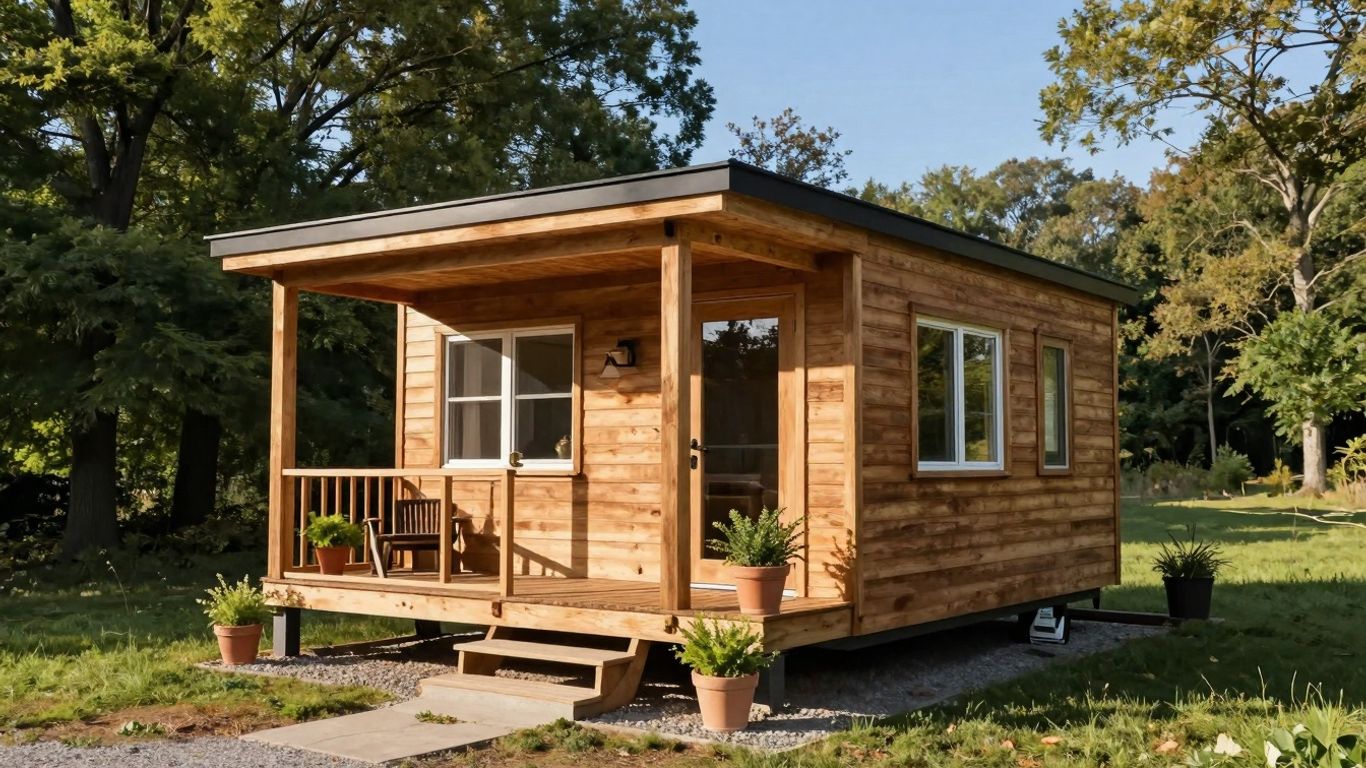
So, you’re thinking about a tiny house in Maryland or perhaps living in tiny home communities in Maryland. That’s awesome! It’s a big change, for sure, but it can be a really rewarding one. Before you get too far down the road, though, let’s talk about how to actually find the right one for you.
Understanding Maryland’s Tiny House Regulations
This is probably the most important part, and honestly, it can be a bit of a maze. Maryland doesn’t have one single, statewide law that covers tiny houses everywhere. Instead, it often comes down to local zoning laws and building codes. What’s allowed in one county or town might be a no-go in another. Some places are more welcoming to tiny homes, especially if they’re on wheels and considered an RV, while others have strict rules about minimum square footage for permanent dwellings.
- Check local zoning ordinances: This is your first stop. Look up the specific town or county where you plan to put your tiny house. Search for terms like “accessory dwelling units (ADUs)” or “minimum square footage requirements.”
- Understand building codes: If you’re building or buying a tiny house on a foundation, it needs to meet state and local building codes. This can be tricky for tiny homes, as they might not fit neatly into existing categories.
- Consider “tiny houses on wheels” (THOWs): These are often classified as RVs. You’ll need to find a place zoned for RVs or a private lot where they are permitted. Some communities are specifically designed for THOWs.
It’s really about doing your homework on a local level. Don’t assume what works in one part of Maryland will work in another. A little upfront research can save you a lot of headaches later.
Key Considerations for Tiny House Living in Maryland
Beyond the rules, think about what living tiny actually means for you, especially here in Maryland. The weather here can be pretty varied – hot, humid summers and cold winters. You’ll want a tiny house that can handle that.
- Climate: How well-insulated is the home? Does it have adequate heating and cooling systems? Consider the humidity, especially near the coast.
- Location: Where do you want to be? Near the mountains, the bay, or a city? This will affect land availability, regulations, and your daily commute or lifestyle.
- Utilities: How will you get water, power, and sewer or septic? Hookups can be a challenge, especially if you’re not in a traditional neighborhood or a tiny house community.
- Foundation vs. Wheels: A tiny house on wheels offers flexibility but might have more restrictions on where you can park it long-term. A tiny house on a foundation is more permanent but subject to traditional building codes and zoning.
Popular Tiny House Styles for Maryland Living
Maryland has a lot of different vibes, from historic towns to coastal areas and rolling farmland. Your tiny house can reflect that!
- Modern Farmhouse: Think clean lines, a simple roofline, and maybe a nice porch. This style fits well with Maryland’s rural landscapes.
- Coastal Cottage: If you’re near the bay or the ocean, a style with light colors, maybe some shiplap inside, and plenty of windows to catch the breeze could be perfect.
- Rustic Craftsman: This style often features natural materials, exposed beams, and a cozy feel, which can be great for a wooded setting or a more traditional feel.
Finding the right tiny house is a journey, but by understanding the regulations and thinking through your needs, you’ll be well on your way to making your Maryland tiny house dream a reality.
Exploring Tiny House Options in Maryland
So, you’ve decided a tiny house is the way to go, and Maryland is your chosen spot. That’s awesome! Now comes the fun part: figuring out exactly what kind of tiny house you want and where to find it. It’s not just about picking a model; it’s about finding a home that fits your life and your vision.
Custom-Built Tiny Homes in Maryland
If you have a very specific idea in mind, going the custom route might be perfect. This is where you work directly with a builder to design and construct a tiny house tailored to your needs. Think of it like getting a bespoke suit, but for your home. You get to choose the layout, the finishes, the windows – everything.
- Pros: Exactly what you want, unique design, potential for specialized features.
- Cons: Can be more expensive, longer build times, requires clear communication with the builder.
When looking for custom builders in Maryland, check out local workshops or companies that specialize in small-scale construction. Many builders who focus on RVs or modular homes also offer custom tiny house services. It’s worth asking around and getting quotes from a few different places to compare.
Pre-Owned Tiny Houses for Sale
Buying a used tiny house can be a smart way to get into the tiny house lifestyle without the full cost and wait time of a new build. You might find a great deal on a home that someone else has already put a lot of thought and effort into. It’s kind of like buying a used car – you can often get more for your money, but you’ll want to do your homework.
Here are a few things to look for when checking out a pre-owned tiny house:
- Condition: Inspect the structure, roof, plumbing, and electrical systems carefully. Are there any signs of water damage or wear and tear?
- History: Ask the seller about the home’s history. How long has it been used? Has it been moved often?
- Upgrades: Has the previous owner made any improvements or upgrades that would benefit you?
Websites dedicated to selling used tiny homes, as well as general classifieds and local real estate listings, can be good places to start your search. Sometimes, people sell their tiny homes when their life circumstances change, so you might find a well-maintained gem.
Tiny House Communities in Maryland
Living in a tiny house doesn’t mean you have to be isolated. Maryland is seeing a growing interest in tiny house communities. These are neighborhoods specifically designed for tiny homes, often offering shared amenities and a built-in social network. It’s a great way to experience tiny living with the support of like-minded people.
These communities can vary a lot. Some might be more like traditional neighborhoods with tiny homes on individual lots, while others could be more communal, with shared gardens, workshops, or gathering spaces. It’s a good idea to visit any community you’re interested in to get a feel for the atmosphere and the residents.
Finding the right community often comes down to shared values and lifestyle preferences. Some people want a quiet, rural setting, while others prefer a more urban or social environment. Researching what’s available and talking to current residents can help you decide if a community is the right fit for you.
Financing Your Maryland Tiny House
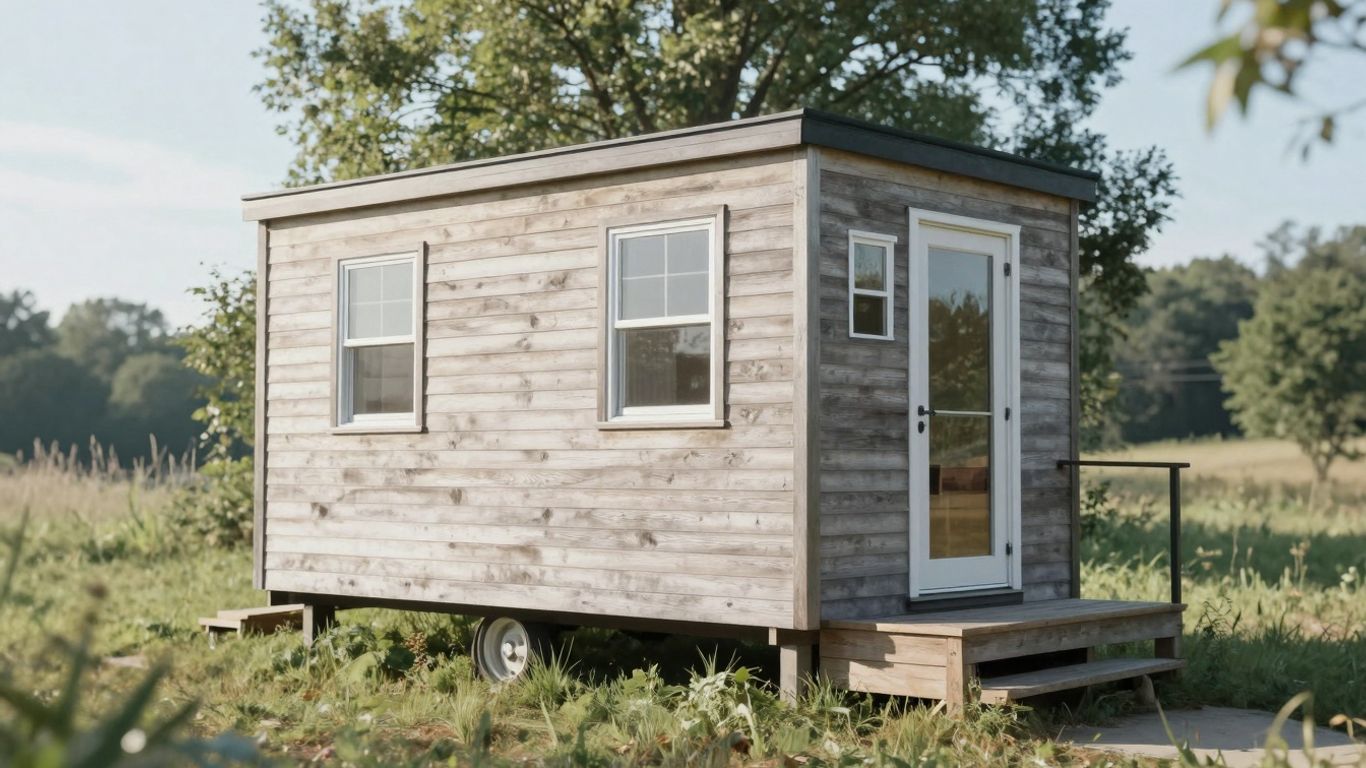
So, you’ve found the perfect tiny house plan or even a ready-made model in Maryland, and now comes the part that can feel a bit daunting: figuring out the money. It’s not quite like getting a regular mortgage for a big house, but there are definitely paths to explore. Getting your finances in order is key before you get too far down the road.
Mortgage Options for Tiny Homes
Traditional mortgages are usually out for tiny homes, especially if they’re on wheels or don’t meet certain foundation requirements. However, some lenders are starting to offer specific tiny house loans. These often function more like RV loans or personal loans, depending on the structure and how it’s classified. It’s worth checking with local Maryland banks and credit unions; some might have programs tailored for alternative housing.
- RV Loans: If your tiny house is built on a trailer and meets RV standards, you might qualify for an RV loan. These typically have shorter terms than traditional mortgages.
- Personal Loans: A personal loan can cover the cost of a tiny home, especially for smaller builds. Interest rates can be higher, and loan amounts might be capped.
- Home Equity Loans: If you already own a home, you might be able to tap into its equity to finance your tiny house.
Personal Loans and Other Funding
Beyond specific tiny house loans, a few other avenues exist. Personal loans are a common choice, offering a fixed interest rate and repayment schedule. You’ll need a good credit score to get the best rates. Another option is looking into specialized tiny house builders who may offer in-house financing or have partnerships with lenders. Sometimes, a simple savings plan or borrowing from family can also be a way to go, though that comes with its own set of considerations.
Budgeting for Your Tiny House Purchase
When you’re budgeting, don’t just think about the sticker price of the tiny house itself. There are other costs to factor in. You’ll need to consider land purchase or rental, site preparation (like utility hookups), transportation of the house, insurance, and any necessary permits. It’s easy to get excited about the house and forget these other expenses.
Here’s a quick breakdown of what to budget for:
- The Tiny House: The actual cost of the structure, whether custom-built or pre-owned.
- Land: Buying land or paying monthly lot rent in a community.
- Site Prep: Costs for foundation, utility connections (water, sewer/septic, electricity).
- Transportation: Getting the house to your chosen location.
- Insurance: Protecting your investment.
- Permits & Fees: Local government requirements.
It’s a good idea to create a detailed spreadsheet. List every potential cost, research average prices in Maryland, and add a buffer for unexpected expenses. Being thorough now will save you headaches later.
Designing Your Dream Tiny House
So, you’ve decided a tiny house is the way to go, and Maryland is your chosen spot. That’s fantastic! Now comes the really fun part: making it your own. Designing a tiny house isn’t just about picking colors; it’s about smart planning and making every inch count. The goal is to create a space that feels spacious, functional, and truly reflects your personality.
Maximizing Space in a Tiny Home
This is where creativity really shines. Think vertically! Lofted beds are a classic for a reason, freeing up floor space below. Built-in storage is your best friend – think benches with hidden compartments, stairs that double as drawers, or wall-mounted shelving that goes all the way up. Sliding doors or pocket doors can save valuable swing space. Even furniture can be multi-functional; a sofa that converts into a bed or a dining table that folds away can make a huge difference. Don’t forget about outdoor space, too. A well-designed porch or deck can extend your living area significantly, especially during warmer months.
Choosing Sustainable Materials
Living tiny often goes hand-in-hand with a desire to live more sustainably. When picking materials, consider their environmental impact. Reclaimed wood can add character and history to your home while reducing waste. Look for low-VOC paints and finishes to keep your indoor air quality healthy. Energy-efficient windows and good insulation are key for reducing heating and cooling costs, which is a big win for both your wallet and the planet. Many people are also exploring options like bamboo flooring or recycled metal roofing.
Incorporating Maryland’s Coastal or Rural Aesthetics
Maryland offers such diverse scenery, from the Chesapeake Bay’s coastal charm to the rolling hills of its rural countryside. You can bring that local flavor right into your tiny home design. For a coastal vibe, think light, airy colors, natural wood tones, and perhaps some nautical accents. Large windows can help capture water views if you’re lucky enough to have them. If you’re leaning towards a rural aesthetic, consider more rustic materials, earthy colors, and perhaps a design that feels more grounded and connected to nature. Maybe a small porch with rocking chairs for those quiet country mornings? You can even find DIY tiny house plans that offer inspiration for various styles.
Designing a tiny house is an exercise in thoughtful living. It forces you to consider what you truly need and how you use your space. This intentionality can lead to a more organized and peaceful life, even before you move in.
Here are a few ideas to get you started:
- Multi-functional Furniture: Ottomans that store things, tables that fold down, sofa beds.
- Vertical Storage: Shelving units, wall-mounted cabinets, loft spaces.
- Natural Light: Large windows, skylights, light paint colors.
- Outdoor Living: Decks, porches, screened-in areas.
When you’re ready to start sketching, remember that the best tiny homes are designed with the owner’s lifestyle at the forefront. What activities do you love? How much time do you spend cooking versus relaxing? Answering these questions will guide you toward a design that feels just right.
The Lifestyle of Tiny House Living in Maryland
So, you’ve found your perfect tiny house in Maryland. Awesome! But what’s it really like to live in one? It’s a big change, for sure, and it comes with its own set of joys and challenges. Embracing a tiny lifestyle means rethinking how you use space and what you truly need. It’s not just about the square footage; it’s about a shift in perspective.
Downsizing and Decluttering Strategies
This is probably the first hurdle for most people. Going from a traditional home to a tiny one requires some serious decluttering. Think of it as a treasure hunt for the things you actually use and love.
Here are a few ideas to get you started:
- The One-Year Rule: If you haven’t used something in a year, it’s probably time to let it go. Exceptions for seasonal items, of course!
- Categorize and Conquer: Go room by room, or category by category (clothes, books, kitchen gadgets). Tackle one area at a time so it doesn’t feel overwhelming.
- The ‘Maybe’ Box: If you’re really unsure about an item, put it in a box and label it with a date six months out. If you haven’t needed or missed anything in that box by then, donate it.
- Digitalize: Scan important documents, photos, and even sentimental letters to save physical space.
Living tiny isn’t about deprivation; it’s about intentionality. It’s about making room for what truly matters by letting go of the excess.
Connecting with the Tiny House Community
Tiny house living often goes hand-in-hand with a strong sense of community. You’ll find that people who choose this lifestyle are often very supportive and eager to share their experiences. Maryland has a growing network of tiny house enthusiasts. Look for local meetups, online forums, or even workshops. Sharing tips on everything from building techniques to dealing with local zoning can be incredibly helpful. You might even find neighbors who are also living tiny, creating a unique neighborhood vibe. It’s a great way to feel connected and less alone in your journey. You can find resources and inspiration from places that focus on custom tiny homes.
Enjoying the Maryland Outdoors from Your Tiny Home
One of the biggest perks of a tiny house is how it encourages you to spend more time outside. Maryland offers so much natural beauty, from the Chesapeake Bay to the Appalachian Mountains. Your tiny home becomes a cozy basecamp for exploring. Imagine waking up and stepping out onto your porch with a cup of coffee, ready to hike a nearby trail, visit a local farm, or simply enjoy the fresh air. The reduced maintenance of a tiny home also frees up your time and resources to enjoy these activities. It’s about living in your environment, not just in your house. Think of weekend trips to Assateague Island or exploring the trails in Western Maryland – your tiny home makes these adventures more accessible.
Ready to Make the Tiny Move?
So, you’ve been thinking about a tiny house in Maryland. It’s a big decision, for sure, but it can also be a really rewarding one. We’ve gone over a lot, from figuring out what you actually need in a small space to looking at the rules and finding places to put your dream home. It might seem like a lot to sort through, but remember, it’s all about finding what works for you. Take your time, do your homework, and picture yourself living that simpler, more intentional life. Maryland has a lot to offer, and your perfect tiny home is out there waiting.
Frequently Asked Questions
Are tiny houses legal in Maryland?
Maryland has rules about where you can put a tiny house. Sometimes, they’re allowed as guest houses or in special tiny home communities. It’s important to check with the local town or county where you want to put your tiny home to make sure it follows their rules. Zoning laws can be tricky, so doing your homework first is key!
What’s the difference between a tiny house on wheels and a foundation?
A tiny house on wheels (THOW) is built on a trailer and can be moved. It’s often treated like an RV. A tiny house on a foundation is built like a regular house and can’t be moved. The rules for where you can park or place them can be very different depending on whether it has wheels or a foundation.
How much does a tiny house in Maryland cost?
The price can change a lot! A basic tiny house kit might start around $30,000, but a fully built, custom tiny home with nice finishes could cost $70,000 or more. Don’t forget to add costs for land, setting it up, and maybe even transportation.
Can I get a loan for a tiny house?
Getting a loan can be a bit harder than for a regular house. If your tiny home is on wheels, it might be seen as an RV, and you could get an RV loan. If it’s on a foundation, you might be able to get a traditional mortgage. Sometimes, personal loans or financing through the builder are options too.
What are the benefits of living in a tiny house?
Living tiny can mean saving money on bills and housing costs. It also encourages you to own less stuff, which can simplify your life. Many people find it leads to more freedom, less stress, and more time for things they enjoy, like exploring Maryland’s beautiful outdoors.
Where can I find tiny houses for sale in Maryland?
You can look for builders who specialize in tiny homes in Maryland or nearby states. Websites that list homes for sale might have tiny house listings, too. Sometimes, people sell their used tiny homes, so checking online marketplaces or tiny house forums can be helpful.