
Tiny House in Missouri
Thinking about a tiny house in Missouri? It’s a big decision, but one that can lead to a simpler, more affordable way of life. These smaller homes are gaining popularity, and for good reason. They offer a unique lifestyle that many are finding more fulfilling. This guide is here to help you figure out all the details, from finding the right spot to making it your own.
Key Takeaways
- Tiny homes, generally between 100 and 400 square feet, are a growing trend offering a simpler lifestyle.
- Decide if your tiny house will be mobile (on wheels) or stationary (on a foundation) early on, as this impacts many decisions.
- Zoning laws and building codes are important to research for your chosen location in Missouri to avoid issues.
- Financing a tiny house can be different from a traditional home; explore loan options and budget carefully.
- Downsizing your belongings is a significant part of the tiny house journey, requiring thoughtful decisions about what to keep.
Understanding Tiny Homes in Missouri
Defining the Tiny House Movement
The tiny house movement is all about simplifying life by living in a smaller space. Think of it as a conscious choice to reduce your footprint, both environmentally and financially. People are drawn to tiny homes for a variety of reasons – maybe it’s the desire for less debt, more freedom to travel, or simply a wish to own less stuff. It’s a shift from the traditional idea of a big house being the ultimate goal. These homes are typically between 100 and 400 square feet, but that’s just a general guideline. What truly defines a tiny home is the lifestyle it supports: intentional living with fewer possessions.
The Growing Market for Tiny Homes
It might surprise you, but the market for tiny homes is really taking off. It’s not just a passing fad anymore. More and more people are realizing the benefits of downsizing, and builders are responding. This means you’ll find a wider variety of options available, from pre-built models to custom designs. The demand is growing, and it’s projected to keep expanding in the coming years. This trend is fueled by a desire for affordability and a simpler way of life, making tiny homes an attractive option for many.
Mobile vs. Stationary Tiny Homes
When you’re looking at tiny homes in Missouri or tiny home communities in Missouri, you’ll quickly notice there are two main types: mobile and stationary. Mobile tiny homes, often called Tiny Homes on Wheels (THOWs), are built on a trailer and can be moved from place to place. This offers incredible flexibility if you like to travel or want the option to relocate your home. Stationary tiny homes, on the other hand, are built on a foundation, much like a traditional house. They offer a more permanent dwelling but lack the mobility of a THOW. Your choice between the two will depend a lot on your personal needs and how you plan to use your tiny home.
Here’s a quick look at the differences:
- Mobile Tiny Homes:
- Built on a trailer.
- Can be moved.
- Often classified as RVs, which can affect zoning and parking.
- Stationary Tiny Homes:
- Built on a permanent foundation.
- Cannot be easily moved.
- May be subject to traditional building codes and zoning laws.
Choosing between mobile and stationary often comes down to your long-term plans and local regulations. It’s worth looking into how each type is treated in the specific areas of Missouri you’re considering.
Finding Your Ideal Tiny House Location
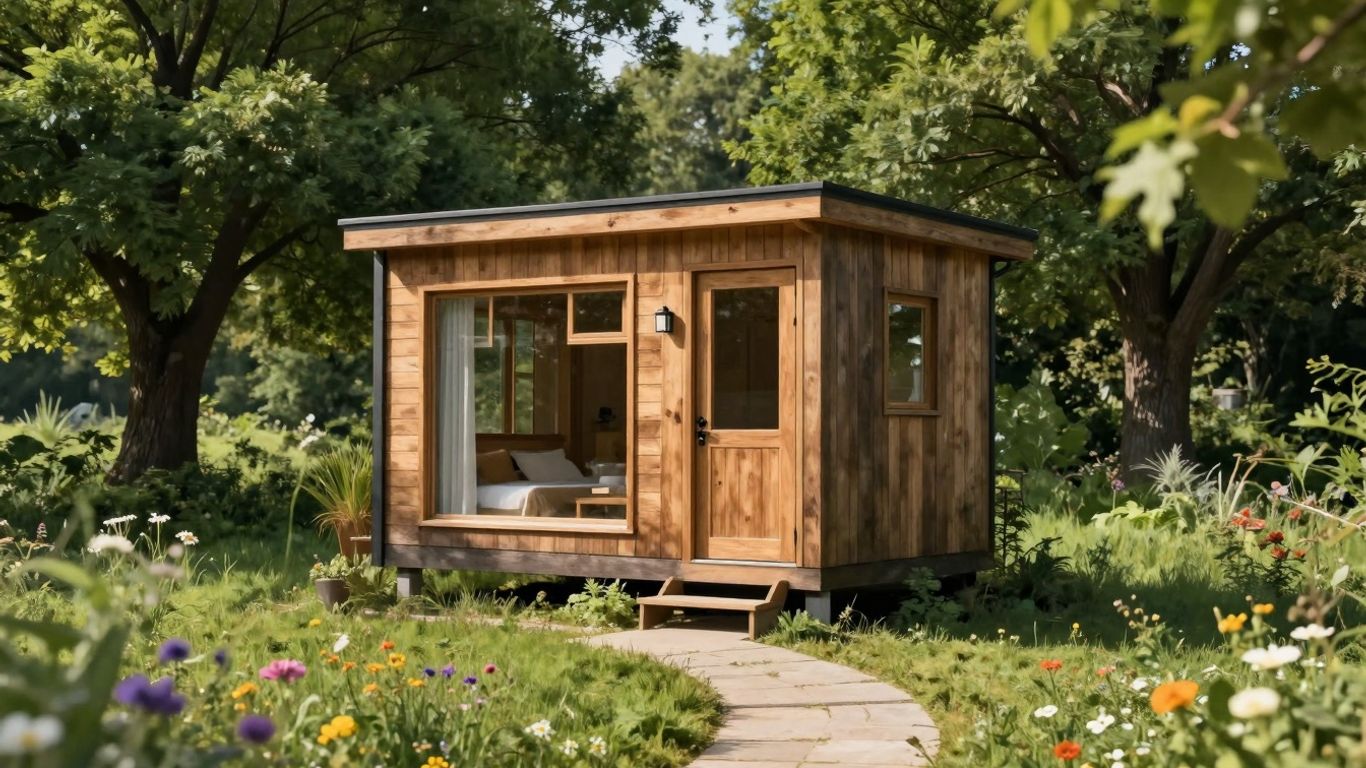
So, you’ve decided a tiny house is the way to go. Awesome! But before you start picking out paint colors, you’ve got to figure out where this little dream home will actually live. This isn’t just about finding a pretty spot; it’s about making sure your tiny house fits legally and practically into the Missouri landscape.
Navigating Land Purchases in Missouri
Buying land for your tiny house can feel a bit different than buying a regular plot. You’re not just looking for a place to park; you’re looking for a place to build or place your home. In Missouri, like anywhere, land prices can swing wildly depending on the county, the acreage, and what’s already on it. Are you looking for a few acres out in the country, or a smaller lot closer to a town? Think about what kind of environment you want. It’s super important to get a clear title and understand any existing easements or restrictions on the property before you hand over any cash.
Here are a few things to keep in mind when looking at land:
- Location, Location, Location: How close do you want to be to amenities like grocery stores, healthcare, or work? Missouri has vast rural areas and growing towns, so there’s a lot of choice.
- Topography: Is the land flat, sloped, or hilly? This can affect building costs and where you can place your home.
- Access: Does the property have easy road access? This is key for moving in building materials and, of course, your tiny house itself.
- Future Development: Is the area likely to see a lot of new construction nearby? This could impact your privacy and the feel of your neighborhood.
Understanding Zoning and Building Codes
This is where things can get a little tricky, but it’s absolutely vital. Missouri doesn’t have one single set of rules for tiny homes that applies everywhere. Each county and even some cities have their own zoning ordinances and building codes. What’s allowed in one town might be a no-go in the next county over. Some areas might classify tiny homes as Accessory Dwelling Units (ADUs), while others might have specific rules about minimum square footage or foundation requirements. If your tiny house is on wheels, you might be looking at regulations similar to RVs, which can also vary. You absolutely need to check with the local planning and zoning department before you buy land or start building.
Here’s a quick rundown of what to ask about:
- Permitted Uses: Is a tiny house allowed on the property? Are there size restrictions?
- Setbacks: How far does your home need to be from property lines, roads, or other structures?
- Foundation Requirements: If you’re building a stationary home, what kind of foundation is needed?
- Septic and Well Regulations: If you’re in a rural area, what are the rules for installing your own water and waste systems?
Don’t assume anything. What seems like common sense to you might not be covered by local laws. A little bit of homework upfront can save you a massive headache down the road. It’s better to find out now if your dream spot has a hidden legal hurdle.
Considering Utility Access for Your Tiny Home
Power, water, and waste disposal are non-negotiable. How will your tiny house get these essentials? This is a big one, especially if you’re looking at remote land. Connecting to existing utility lines can be expensive, sometimes costing thousands of dollars, depending on how far away the nearest hookups are. If you’re going off-grid, you’ll need to plan for solar panels, a generator, water collection systems (like rain barrels), and a composting toilet or septic system. Each option has its own costs and maintenance requirements.
Think about these utility questions:
- Electricity: Can you hook up to the grid? If not, what’s your plan for power generation (solar, generator)?
- Water: Is there access to a municipal water supply? Will you need to drill a well or set up a water catchment system?
- Wastewater: Can you connect to a sewer system? If not, what are your options for sewage disposal (septic tank, composting toilet)?
- Internet/Phone: How important is reliable internet access to you? Check for cell service and broadband availability.
Figuring out the location is a big step, but it lays the groundwork for everything else. Take your time, do your research, and talk to local officials. It’s all part of building your perfect tiny home life in Missouri.
Designing and Building Your Missouri Tiny Home
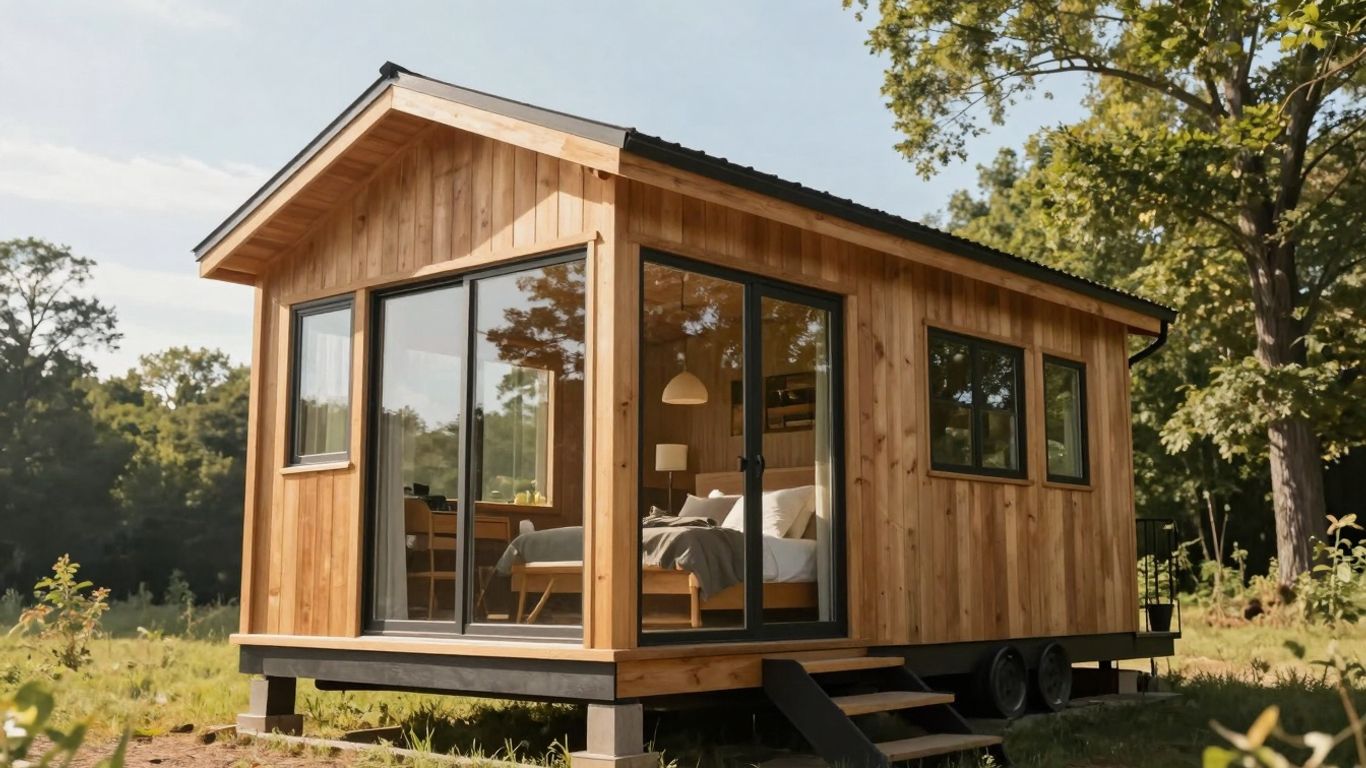
So, you’ve decided a tiny house is the way to go. Awesome! Now comes the fun part: actually making it happen. This is where you get to put your personal stamp on everything, from the layout to the paint color. It’s not just about having a smaller space; it’s about creating a space that works perfectly for you.
Prioritizing Your Design Needs
Before you even think about picking out flooring, you need to figure out what’s most important in your daily life. What do you absolutely need? What would be nice to have? Think about how you use your current space. Do you cook a lot? Do you work from home? Do you have hobbies that require a dedicated area? Your tiny home should be a reflection of your lifestyle, not a compromise.
Here are some things to consider:
- Functionality: How will you use each area? Think about multi-purpose furniture and smart storage solutions.
- Comfort: What makes a space feel cozy and livable to you? Consider natural light, ventilation, and temperature control.
- Aesthetics: What style are you going for? Modern, rustic, minimalist? This will guide your material and finish choices.
- Future Needs: Will your needs change in the next few years? It’s worth a thought, even in a small space.
Don’t get bogged down in trying to fit everything from a large house into a tiny one. Instead, focus on what truly adds value and joy to your life. It’s about intentional living, after all.
Choosing the Right Building Materials
What you build your tiny home with matters. For a tiny house on wheels (THOW), weight is a big factor. Lighter materials mean you can tow it more easily and potentially avoid needing a super heavy-duty trailer. Steel framing, for example, is strong but can add weight. Wood is a common choice, but consider its durability and resistance to moisture, especially here in Missouri with our varied weather.
- Framing: Wood or steel are common. Steel is durable but heavier. Wood is lighter and easier to work with for DIYers.
- Insulation: This is key for comfort and energy efficiency. Spray foam offers great insulation value and seals well, but can be pricier. Fiberglass batts are a more budget-friendly option.
- Siding and Roofing: Think about longevity and maintenance. Metal roofing is popular for its durability and low upkeep. Wood or vinyl siding are other options.
- Interior Finishes: Plywood, shiplap, or drywall can all be used for walls. For flooring, consider ease of cleaning and weight – hardwood or laminate are good choices, but tile can be heavy.
DIY vs. Hiring a Builder
This is a big decision, and honestly, there’s no single right answer. Building it yourself can save a significant amount of money, but it takes a lot of time, skill, and patience. You’ll need to be comfortable with tools, problem-solving, and potentially learning new skills on the fly. Many people find workshops or online plans helpful if they go the DIY route.
On the other hand, hiring a professional builder or a company that specializes in tiny homes can take a lot of the stress out of the process. They have the experience to handle building codes, structural integrity, and efficient construction. While it costs more upfront, it can lead to a faster build and a professionally finished product. Customization is still very possible when working with a builder; you just need to communicate your vision clearly.
The average cost for a tiny home can range from $30,000 to $60,000, but this can vary wildly based on materials, labor, and finishes.
Financing Your Tiny House Dream
Okay, so you’ve got the vision, you know where you want to put it, and you’re ready to build or buy. But how do you actually pay for it all? This is where things can get a little tricky, but don’t worry, it’s totally doable.
Exploring Loan Options for Tiny Homes
First off, not every bank is going to be thrilled about giving you a loan for a tiny house, especially if it’s on wheels. Traditional mortgages are usually for stick-built homes on permanent foundations. However, there are options. Some lenders are starting to offer specific loans for tiny homes, sometimes categorized under RV loans if it’s mobile, or personal loans. You might also look into ADU-specific loans if your tiny home is considered an Accessory Dwelling Unit in your area. It’s worth talking to your local credit union or bank; they might have more flexible options than you’d expect.
Here’s a quick look at potential financing avenues:
- Personal Loans: These are unsecured loans, meaning you don’t need collateral. They often have higher interest rates but can be a good option for smaller amounts.
- RV Loans: If your tiny home is built on a trailer and meets certain criteria, it might qualify for an RV loan. These are specifically for recreational vehicles.
- Home Equity Loans: If you already own a home, you might be able to tap into its equity to finance your tiny house project.
- Tiny Home Builders: Some builders offer in-house financing or have partnerships with lenders who understand the tiny home market.
Budgeting for Your Tiny House Project
This is super important. You need a realistic number. Think about everything: the cost of the structure itself (whether you build or buy), land, permits, utility hookups, and any furnishings or appliances. Don’t forget about potential moving costs if your home is mobile. A good rule of thumb is to add a buffer of 10-20% for unexpected expenses. It’s easy to get caught up in the excitement and forget a small detail that ends up costing more than you thought.
Understanding the Costs of Tiny Home Ownership
Beyond the initial purchase or build, there are ongoing costs. If your tiny home is on wheels, you might have storage fees or land rent. If it’s on a foundation, you’ll have property taxes. Utilities are usually lower, but still a factor. Insurance is another thing to consider; it can be harder to find and more expensive for tiny homes compared to traditional houses. Some people find that the overall cost savings are still significant, leading to greater financial freedom. For instance, one homeowner reported paying only $98 a month for land and $20-$30 for electricity, a far cry from typical housing expenses.
The financial benefits of tiny living are often a major draw. Many tiny homeowners report significantly less debt and more savings compared to those in larger homes. This shift in spending priorities can lead to a less stressful financial life and more opportunities for travel or other pursuits.
Making the Move to a Tiny House Lifestyle
So, you’ve found your perfect tiny home in Missouri, or maybe you’re about to build one. That’s fantastic! But before you start packing, let’s talk about what it really means to embrace this lifestyle. It’s more than just living in a smaller space; it’s a shift in how you approach life, possessions, and even your finances.
The Art of Downsizing Your Belongings
This is probably the biggest hurdle for most people. Going from a traditional home to a tiny one means you can’t take everything. Think of it as a treasure hunt for the things that truly matter. Start early, maybe six months to a year before your move. Go room by room, drawer by drawer. Ask yourself: Do I use this regularly? Does it bring me joy? Is it essential for my daily life in a tiny home?
- Sell: Online marketplaces, garage sales, or consignment shops can help you make some cash back.
- Donate: Local charities, shelters, or thrift stores are always in need.
- Recycle/Dispose: For items that are broken or no longer useful, responsible disposal is key.
- Gift: Pass on sentimental items to family or friends who will cherish them.
The less you have to move, the smoother the transition will be. It’s a chance to declutter not just your home, but your mind too.
Adapting to Minimalist Living
Minimalism isn’t about deprivation; it’s about intentionality. It’s about surrounding yourself with things you need and love, and letting go of the rest. Living tiny forces you to be mindful of every item you bring into your home. You’ll become more resourceful, finding creative ways to store and use your belongings. This often leads to a more peaceful existence, free from the clutter and distractions of excess.
Living with less can actually mean gaining more – more time, more freedom, and more focus on what truly matters in life. It’s a conscious choice to simplify and live more deliberately.
Tiny Homes as Investment Opportunities
While many people choose tiny homes for the lifestyle benefits and cost savings, they can also be a smart financial move. The market for tiny homes is growing, and they can be more affordable to build or buy than traditional houses. This can mean lower mortgage payments or even no mortgage at all, freeing up your finances. Plus, with the increasing interest in alternative living, a well-maintained tiny home can hold its value or even appreciate, especially if it’s in a desirable location or has unique features.
Consider these points:
- Lower Cost of Entry: Significantly less capital is needed compared to a standard home.
- Reduced Utility Bills: Smaller spaces mean lower heating, cooling, and electricity costs.
- Potential for Rental Income: In some areas, tiny homes can be rented out, providing an additional income stream.
- Resale Value: While the market is still developing, demand is increasing, particularly for well-built and aesthetically pleasing tiny homes.
Exploring Tiny House Options in Missouri
Discovering Available Tiny Homes
So, you’re ready to find your perfect tiny home in Missouri. That’s awesome! The market here is really picking up, and there are more options popping up all the time. You can find pre-built tiny homes ready to go, or you can work with builders who specialize in custom designs. Think about what you really need in a home. Do you want something super minimalist, or do you need a bit more space for hobbies? Some places offer homes on wheels, which gives you flexibility, while others are more permanent structures. It’s worth checking out local builders and even online marketplaces. You might even find a gem like The Big’er Tiny, which is super versatile.
Customizing Your Tiny Home Purchase
Customization is where the magic really happens with tiny homes. It’s not just about picking a color; it’s about making the space work perfectly for you. Maybe you dream of a gourmet kitchen, or perhaps a dedicated craft area is more your speed. You can prioritize features that matter most, like extra storage solutions or a specific type of bathroom. Don’t be afraid to talk to builders about your ideas. They can help you figure out how to fit everything you want into a smaller footprint. It’s all about smart design and making every square inch count.
Delivery and Setup in Missouri
Once you’ve found or designed your dream tiny home, the next step is getting it to its new Missouri home. If you’ve chosen a tiny home on wheels, delivery is usually straightforward. Most builders will arrange transport for you. For stationary homes, the process might involve more planning, especially if you’re setting it up on land you’ve purchased. You’ll want to consider:
- Site preparation: Making sure the ground is level and ready.
- Utility connections: Hooking up water, electricity, and sewage.
- Permits: Checking if any local permits are needed for setup.
It’s a good idea to discuss delivery and setup logistics with your builder early on to avoid any surprises. They can often guide you through the process or connect you with services that handle it.
Ready to Find Your Tiny Home in Missouri?
So, you’ve read through the stories and the steps, and maybe you’re feeling that pull towards a simpler, smaller way of life right here in Missouri. It’s not just about having a cute, affordable place; it’s about rethinking what ‘home’ really means. Whether you’re drawn to building one yourself, customizing a pre-fab, or even just exploring the idea through a rental, the tiny house movement offers a unique path. Remember, it’s a journey, and taking it one step at a time, just like planning your build, is key. If this guide has sparked your interest, the next step is to start exploring what’s out there. Your dream tiny home in Missouri might be closer than you think.
Frequently Asked Questions
What exactly is a tiny house?
A tiny house is a smaller home, usually between 100 and 400 square feet. It’s a way for people to live with less stuff and often save money. Think of it as a cozy, efficient living space that’s much smaller than a typical house.
Are tiny houses on wheels different from ones built on the ground?
Yes, they are! Tiny houses on wheels are built on a trailer, making them movable. Stationary tiny houses are built on a permanent foundation, like a regular house. This difference can affect where you can put them and the rules you need to follow.
Is it hard to find land for a tiny house in Missouri?
Finding land can take some effort. You’ll need to look into local rules about where you can place a tiny home, especially if it’s on wheels. Sometimes, people find plots of land that aren’t ideal for bigger houses, which can be perfect for a tiny home.
How do I get electricity and water to a tiny house?
This depends on whether your tiny house is mobile or stationary. For stationary homes, you can connect to regular utility lines like any other house. For mobile homes, you might use special hookups, generators, or even solar power and water tanks. Planning this early is super important!
Can I build a tiny house myself, or should I hire someone?
You can definitely build it yourself if you’re handy! Some people build their entire tiny home in just a week with help. However, if you want a professional job or have specific needs, hiring a builder or a company that specializes in tiny homes is a great option. It’s all about what works best for you and your skills.
How much does a tiny house usually cost in Missouri?
The cost can vary a lot! A basic tiny house might cost around $27,000, but with upgrades and special features, it can go up to $60,000 or even more. Remember to also factor in the cost of land, utilities, and any building permits you might need.