
Tiny Home in Montana
Thinking about a tiny home in Montana? It’s a big dream, but totally doable. Montana’s wide-open spaces and simpler way of life really call to the tiny house idea. This guide is here to help you figure out all the steps, from dreaming it up to actually living in your cozy little place. We’ll cover what you need to know about building, the rules, and how to make it all work financially. Let’s get started on your tiny home Montana adventure! Remember, there are also tiny home communities in Montana as well. So, you have so many options.
Key Takeaways
- Figure out what kind of tiny home you want and why you want it. Think about simplicity and what Montana’s landscape offers.
- Plan your build carefully. This includes design, making a budget you can stick to, and picking the right materials.
- Understand Montana’s specific rules for tiny homes, like zoning laws and how to get permits.
- Explore your options for paying for your tiny home, whether through loans, saving up, or insurance.
- Decide if you’ll build it yourself or hire someone, and consider how you’ll get utilities and if you want to go off-grid.
Understanding Tiny Home Living in Montana
So, you’re thinking about ditching the McMansion for a cozy little place in Montana? That’s awesome cause tiny homes are as well! Tiny home living isn’t just about having less stuff; it’s a whole different way of looking at life, especially out here where the mountains are big and the skies are wide. It’s about intentionality and making space for what truly matters.
Defining Your Tiny Home Vision
Before you start sketching floor plans, take a moment to really think about why you want a tiny home. Is it about saving money, reducing your environmental footprint, or maybe just simplifying your life so you have more time for adventures? Your reasons will shape everything, from the size of your home to where you decide to put it. Some people dream of a mobile tiny home they can move around Montana’s stunning landscapes, while others want a permanent, minimalist dwelling. There’s no one-size-fits-all answer here.
The Appeal of Simplicity and Minimalism
Let’s be real, most of us have way too much stuff. Tiny living forces you to confront that. It’s a chance to declutter, to get rid of things you don’t need or use, and to focus on quality over quantity. Think about it: less cleaning, less maintenance, and more money and time for things like hiking, skiing, or just enjoying that incredible Montana view from your porch. It’s about freeing yourself from the burden of possessions and embracing a lighter way of living.
Montana’s Unique Landscape and Lifestyle
Montana is a special place. It’s rugged, beautiful, and offers a lifestyle that many people crave. When you combine that with a tiny home, you get something pretty magical. Imagine waking up to mountain vistas, having easy access to national parks, and being part of a community that values self-reliance and the outdoors. However, Montana’s climate can be harsh, with cold winters and significant snowfall. This means your tiny home needs to be well-insulated and built to withstand the elements. Also, consider how you’ll access services like water, power, and internet, especially if you’re looking at more remote locations.
Living tiny in Montana means embracing both the grandeur of nature and the practicalities of a simpler existence. It’s a commitment to a lifestyle that prioritizes experiences over possessions, and connection with the natural world over the complexities of a large home.
Here are a few things to ponder as you define your vision:
- Mobility: Do you want to move your home, or will it be stationary?
- Seasonality: How will your home handle Montana’s distinct seasons?
- Self-Sufficiency: Are you aiming for off-grid living, or will you connect to utilities?
- Community: Do you envision being part of a tiny home community or living more secluded?
Planning Your Tiny Home Montana Build
So, you’ve got the tiny home bug and Montana is calling your name. Awesome! But before you start picturing yourself sipping coffee on a tiny porch overlooking a mountain range, there’s some groundwork to do. Planning is where the real magic happens, turning that dream into something solid and buildable. It’s not just about picking out cute fixtures; it’s about making sure your tiny house actually works for you and the Montana environment.
Designing Your Dream Tiny Home
This is where you get to be the architect of your own little world. Think about how you actually live. Do you cook a lot? Need a dedicated workspace? Love hosting friends? Your design needs to reflect your daily life. Don’t just copy a Pinterest board; tailor it to your needs. Consider the flow of the space – how will you move from the kitchen to the living area? What about storage? Tiny homes demand clever storage solutions, so think vertical, under-bed, and built-in. Also, remember Montana’s weather. You’ll want good insulation, sturdy windows, and a design that can handle snow load and wind. Maybe a mudroom area is a good idea for shedding snowy boots.
Creating a Realistic Budget
Okay, let’s talk money. Tiny homes can be cheaper than traditional houses, but they aren’t free. You need to break down every potential cost. This includes:
- Materials: Lumber, insulation, roofing, windows, doors, interior finishes.
- Appliances and Fixtures: Fridge, stove, toilet, shower, sink, water heater.
- Trailer/Foundation: If it’s on wheels, the trailer is a big cost. If it’s on a foundation, that’s another expense.
- Labor: Even if you DIY, you might need help with certain tasks like electrical or plumbing.
- Permits and Fees: Don’t forget these! They can add up.
- Contingency Fund: Always, always have a buffer for unexpected costs. Aim for at least 10-15% extra.
It’s easy to get excited and overlook small costs, but they accumulate. A detailed spreadsheet is your best friend here. You might find that buying pre-made plans, which often include a materials list, can save you money and headaches down the line.
Essential Materials and Tools
Choosing the right materials is key for durability and comfort, especially in Montana. For the structure, consider Structural Insulated Panels (SIPs). They’re efficient, strong, and can speed up construction significantly. For insulation, look into options that offer a high R-value to keep you warm in the winter and cool in the summer. Think about the exterior siding – something that can withstand harsh weather.
As for tools, if you’re building it yourself, you’ll need the basics: saws, drills, measuring tapes, levels, safety gear. If you’re hiring professionals, your main job is to ensure they’re using quality materials and have the right experience for tiny home builds. Sometimes, prefab cabins or ADUs are a great option, as they are built in a controlled environment, ensuring quality and reducing on-site labor needs. Companies in Montana and Wyoming offer these, often with customization options and delivery included.
Navigating Montana’s Regulations for Tiny Homes
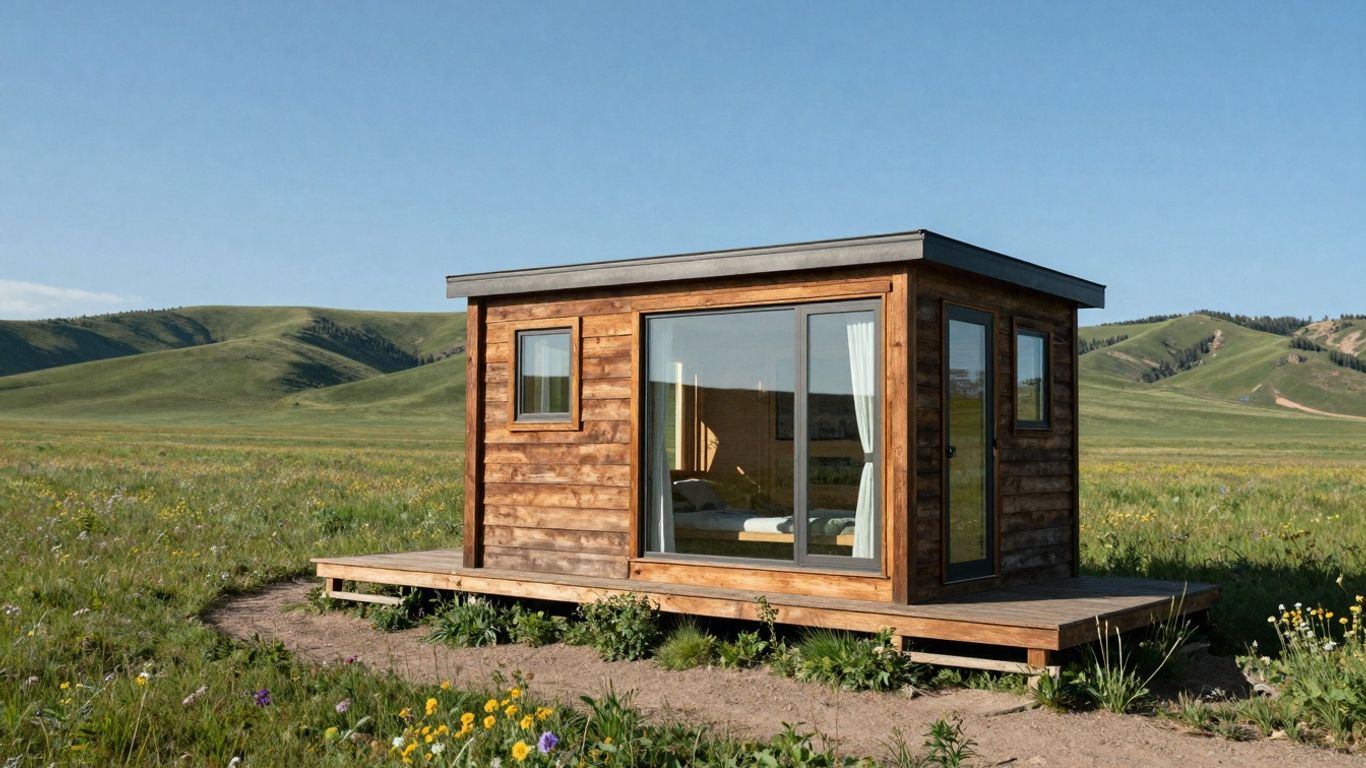
Okay, so you’ve got the dream of a tiny home in Montana. That’s awesome! But before you start picking out paint colors, we really need to talk about the rules and regulations. It’s not the most exciting part, I know, but it’s super important if you want to avoid headaches down the road. Montana, with its wide-open spaces, can seem pretty laid-back, but when it comes to building and housing, there are definitely codes to follow.
Zoning Laws and Building Codes
This is where things can get a little tricky. Zoning laws dictate what you can build and where. Some areas might have minimum square footage requirements that a tiny home just won’t meet. Others might have specific rules about accessory dwelling units (ADUs) or guest houses. It’s not just about the size of your home, either; it’s about where you plan to put it.
Rural areas might have different rules than towns or cities. And then there are the building codes themselves. All construction projects must adhere to or surpass the State of Montana Building Code requirements, whether or not a specific locality has officially adopted them. This means your tiny home, no matter how small, needs to be built to safety standards. You’ll want to check with the local planning and zoning department for the specific county or town you’re interested in. They’re the ones who can tell you what’s allowed and what’s not.
Permitting Processes for Tiny Structures
Getting permits can feel like a maze sometimes. Depending on how your tiny home is classified – whether it’s on wheels (like an RV) or on a foundation – the permitting process will differ. Homes on foundations usually go through a more traditional building permit process, similar to any other house.
If your tiny home is on wheels, it might be classified as an RV, which comes with its own set of rules and potential limitations on long-term occupancy. Some areas are starting to create specific guidelines for tiny homes, but many still rely on existing RV or ADU regulations. It’s a good idea to talk to your builder or architect early on about the permit requirements for your specific design and location.
Finding Legal Parking and Land
This is often the biggest hurdle for tiny home dwellers. Where can you actually put your tiny house legally? Some counties in Montana are more tiny-home-friendly than others. You might find that RV parks or designated tiny home communities are an option, but these can be limited. Another route is to find private land where zoning allows for tiny homes or ADUs.
Sometimes, people will buy a larger piece of land and place their tiny home on it, perhaps with an existing main house. You’ll need to investigate local ordinances carefully. Some places might allow tiny homes as long as they meet certain utility hookup requirements or are on a permanent foundation. It’s also worth looking into areas that are more open to alternative housing solutions. The landscape of regulations is always changing, so staying informed is key.
Be prepared for some legwork. Researching zoning, understanding building codes, and securing a legal spot for your tiny home takes time and effort. Don’t get discouraged; many people have successfully navigated these waters in Montana. Patience and persistence are your best friends here.
Financing Your Tiny Home Montana Adventure
So, you’ve got the dream of a tiny home in Montana, but how do you actually pay for it? It’s a big question, and honestly, it’s one of the first things you should really think about. Getting the money sorted is key before you get too far down the road.
Securing Loans for Tiny Homes
Traditional mortgages aren’t always an option for tiny homes, especially if they’re on wheels. This is where things can get a little tricky. You might find yourself looking at personal loans, RV loans (if your tiny home is built on an RV chassis), or even specialized tiny home loans. The classification of your tiny home is super important here. A mortgage broker can help figure out how lenders see your property, which then tells you what loan products are available. It’s a good idea to shop around and compare rates from different lenders. Don’t be afraid to ask questions about terms and what’s included.
Saving Strategies for Your Build
Saving up is always a solid plan. Many people building tiny homes put aside money for years. It means making some tough choices, like cutting back on non-essentials or picking up extra work. Some folks even sell off possessions they don’t need anymore to fund their build. It’s a gradual process, but it can save you a lot in interest payments down the line. Think about setting up a dedicated savings account just for your tiny home project.
Understanding Insurance Options
Once your tiny home is built, you’ll need to insure it. This can also be a bit different from insuring a standard house. Depending on whether your home is on wheels or a foundation, and how it’s classified, you’ll need specific types of insurance. This might include RV insurance, homeowner’s insurance, or even a combination. It’s wise to talk to an insurance agent who understands tiny homes to make sure you’re properly covered for everything from theft to natural disasters. You want to be sure you’re protected.
The cost of building a tiny home can vary wildly. Some people manage to build for under $10,000 if they’re doing almost all the work themselves and sourcing a lot of reclaimed materials. Others spend upwards of $100,000 for a high-end, custom-built home. It really depends on your choices and your budget.
Here’s a quick look at potential costs:
| Item | Estimated Cost Range | Notes |
|---|---|---|
| Trailer/Foundation | $5,000 – $15,000 | Crucial for mobility or stability |
| Lumber & Building Materials | $10,000 – $30,000 | Varies with size and quality |
| Appliances & Fixtures | $3,000 – $10,000 | Energy-efficient options can save later |
| Solar/Off-Grid Systems | $5,000 – $20,000+ | Depends on your energy needs |
| Permits & Fees | $500 – $2,000 | Varies by local regulations |
Building and Setting Up Your Tiny Home
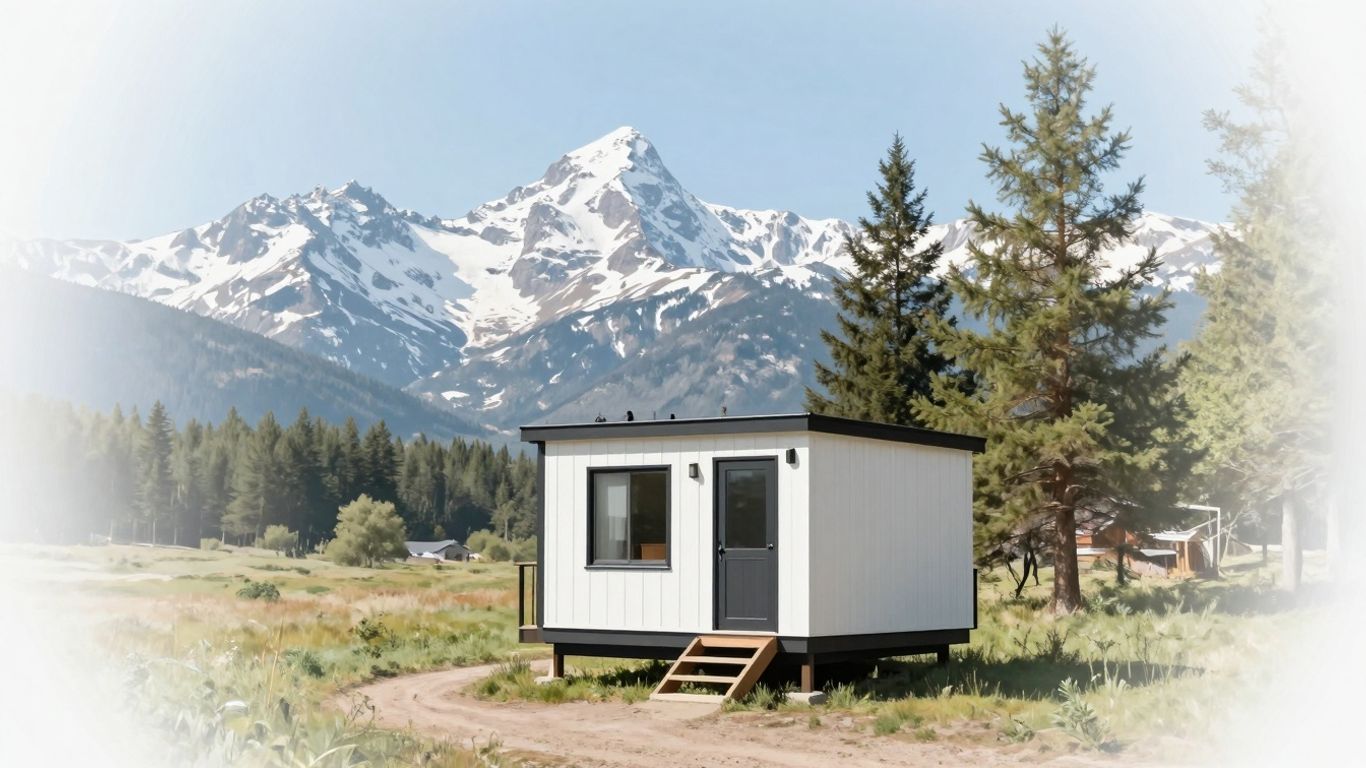
So, you’ve got your plans, your budget is set, and you’re ready to start putting hammer to nail, or maybe you’re hiring someone to do the heavy lifting. This is where the dream really starts to take shape. It’s exciting, sure, but it can also feel a bit overwhelming. Let’s break down what goes into actually building and setting up your tiny home in Montana.
DIY vs. Hiring a Builder
This is a big one, and honestly, there’s no single right answer. It really depends on your skills, your time, and your budget. If you’re handy and enjoy hands-on projects, going the DIY route can save you a good chunk of money. You’ll learn a ton, too. But be realistic about your abilities. Building a house, even a tiny one, is complex. You’ll need to understand framing, electrical, plumbing, and more. Asking for advice often is key here, and taking your time to get things right the first time will save you headaches later.
On the flip side, hiring a builder or a specialized tiny home company means less stress for you. They have the experience and the tools to get the job done efficiently and often to a higher standard. It’s definitely more expensive, but for many, the peace of mind is worth it. You can also opt for a hybrid approach: maybe you do some of the finishing work yourself while a professional handles the structural aspects.
Trailer Considerations for Mobility
If your tiny home is on wheels, the trailer is its foundation, and it needs to be robust. Think about the weight your trailer can handle – not just the weight of the structure itself, but also all your belongings and appliances. You’ll want a trailer specifically designed for tiny homes, as they’re built to withstand the stresses of being towed and to provide a stable base. Consider the length and width, too, as these will impact your design possibilities and also Montana’s road regulations.
- Durability: Look for heavy-duty steel construction and proper rust protection.
- Axles and Brakes: Ensure they are rated for your estimated total weight and are in good working order.
- Leveling Jacks: These are super helpful for stabilizing the house once it’s in place.
- Decking: A solid, treated wood deck is standard, but check its condition.
Essential Utilities and Off-Grid Potential
How will you power your home and manage waste? This is where you decide if you’re staying connected to the grid or going fully off-grid. For grid-tied living, you’ll need to connect to a power source, water supply, and potentially a sewer or septic system. This often involves working with local utility companies and adhering to their hook-up requirements.
Going off-grid opens up a world of possibilities, especially in Montana’s vast landscapes. Solar panels are a popular choice for electricity, often paired with battery storage. For water, you might consider a well, rainwater harvesting systems, or hauling water. Waste management is a big consideration too; composting toilets are common in tiny homes, and greywater systems can help manage water from sinks and showers. It takes careful planning, but the independence is a huge draw for many.
Setting up your utilities is more than just hooking things up; it’s about designing a system that works for your lifestyle and the specific location you choose in Montana. Think about how much power you’ll realistically use and what your water needs are. Don’t underestimate the importance of a reliable waste disposal plan, whether you’re on or off the grid.
Embracing the Tiny Home Lifestyle in Montana
So, you’ve got your tiny home plans sorted and maybe even the foundation laid (or trailer parked!). Now comes the really interesting part: actually living the tiny life, especially here in Montana. It’s more than just having a smaller house; it’s a shift in how you approach pretty much everything.
Downsizing Your Possessions
This is probably the first hurdle most people think about. You can’t just shove all your stuff into a tiny home. It forces you to get real about what you actually need and use. Think about it – do you really need five different kinds of spatulas? Probably not. It’s a process, and it can be tough, but letting go of clutter is incredibly freeing. You’ll find that most of the things we hold onto don’t actually add much to our lives.
- Start Small: Don’t try to tackle your whole house in one weekend. Pick a drawer, a shelf, or a single category (like books or clothes) and go from there.
- The “One In, One Out” Rule: For every new item that comes into your home, something similar has to go.
- Ask Yourself: Have I used this in the last year? Does it bring me genuine joy or serve a real purpose? If not, it might be time to let it go.
- Consider Storage: If you have sentimental items you can’t part with, look into off-site storage, but try to keep it minimal.
Sustainable Living Practices
Tiny homes naturally lend themselves to a more sustainable way of living. Less space means less energy needed for heating and cooling. Plus, the whole point for many is to reduce their environmental footprint. This could mean setting up a composting system, collecting rainwater, or being really mindful of your energy and water usage. Montana’s natural beauty is a big draw, and living tiny can be a way to help preserve it.
Living in a tiny home often means becoming more aware of your resource consumption. You start to notice how much water you use, how much electricity you draw, and where your waste goes. This awareness can lead to making more conscious choices that benefit both your wallet and the planet.
Community and Connection
While tiny living is often associated with solitude and independence, it can also lead to deeper connections. When you have less stuff and less house to maintain, you have more time and energy for people. This might mean joining local community events, sharing resources with neighbors, or simply having more meaningful interactions. In a place like Montana, where community can be really important, finding your tribe, whether it’s other tiny home dwellers or just like-minded folks, can make all the difference. It’s about quality over quantity, both in possessions and in relationships.
Ready to Make Your Montana Tiny Home Dream a Reality?
So, you’ve been dreaming about that little slice of Montana heaven, a tiny home all your own. We’ve talked about the planning, the building, and what life might look like once you’re there. It’s a big step, for sure, and it takes some serious thought. But remember, people are doing it, finding ways to live simpler and more intentionally. Whether you’re looking at building it yourself or finding a builder, doing your homework on local rules and what you can realistically manage is key. Don’t get discouraged by the challenges; think of them as just part of the adventure. Your Montana tiny home is out there waiting for you.
Frequently Asked Questions
What’s the very first thing I should do if I want a tiny home in Montana?
The best starting point is to figure out what you want your tiny home to look like. You can use design software to create a 3D model, make a list of all the materials you’ll need, and then create a budget. After that, you’ll want to save up as much money as possible. It’s also super important to read a lot and do your research so you know what you can realistically handle.
Is it hard to downsize my stuff for a tiny home?
Downsizing can be a big step, but many people find it really freeing! Instead of focusing on what you have to get rid of, try thinking about what you truly need and what brings you joy. You might be surprised how much less you actually need to live comfortably. It’s all about choosing experiences over owning a lot of things.
What are the biggest challenges with tiny homes in Montana?
One of the main hurdles is finding a legal spot to put your tiny home. Montana has specific rules about where you can build and park, so you’ll need to look into zoning laws and building codes. Finding land or a place to park that allows tiny homes can take some effort.
Can I really afford a tiny home?
Tiny homes are often cheaper than regular houses, but costs can add up. You’ll need to budget for the trailer, building materials, and any labor. Some people save up for years, while others might take out a small loan. There are also options like looking for deals on used materials or doing a lot of the work yourself to save money.
Do I have to be a master builder to create a tiny home?
Not at all! Many people build their own tiny homes, but you can also hire professionals. If you’re going the DIY route, start small and learn as you go. There are tons of resources, like books and online guides, that can help you. If you’re not comfortable with certain tasks, it’s okay to get help from experts.
What’s the best way to handle utilities like water and electricity in a tiny home?
You have a few choices! You can connect to regular power and water lines like a normal house, which is called being ‘on-grid.’ Or, you can set up systems to be ‘off-grid,’ using things like solar panels for electricity and collecting rainwater. Some people start on-grid and plan to go off-grid later.