
Tiny House in NC
Thinking about a tiny house in NC? It’s a big decision, for sure, but also super exciting. Whether you’re drawn to the simpler life, saving money, or just want something unique, a tiny home could be your perfect fit. This guide is here to walk you through everything you need to know, from understanding what living tiny really means in North Carolina to actually getting your dream home built. We’ll cover the rules, the building process, how to pay for it, where to put it, and how to love the lifestyle.
Key Takeaways
- North Carolina has a growing interest in tiny houses, offering unique living options.
- Understanding local zoning and building codes is vital for any tiny house project in NC.
- Careful planning for design, materials, and builders is key to a successful tiny house build.
- Financing a tiny house can be different from traditional homes, requiring specific approaches.
- Finding the right spot and setting up utilities are important steps for placing your tiny house in NC.
Understanding Tiny House Living in NC
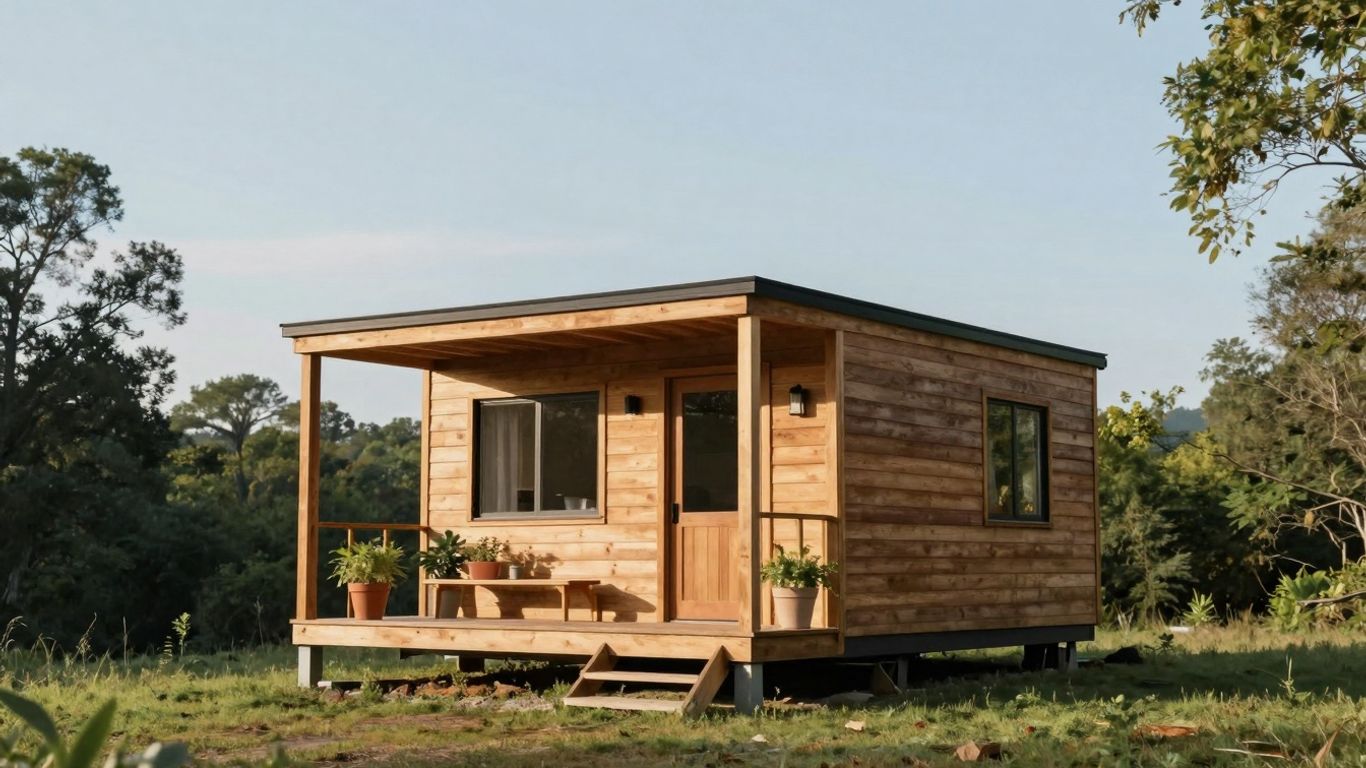
The Appeal of a Tiny House in NC
So, you’re thinking about a tiny house in North Carolina? It’s a pretty popular idea these days, and for good reason. People are drawn to the simplicity, the lower cost of living, and the chance to really pare down their stuff. It’s about living more intentionally, not just living small. For many, it’s a way to escape the constant pressure of accumulating more and more things. Instead, the focus shifts to experiences and freedom. Imagine having less to clean, less to maintain, and more money left over for travel or hobbies. That’s the dream for a lot of folks considering this lifestyle in the Tar Heel State. Remember, there are many tiny home communities in North Carolina too.
Defining Your Tiny House Needs
Before you get too far down the road, it’s smart to figure out what you really need in a tiny house. It’s not just about square footage, though that’s a big part of it. Think about:
- Your daily routine: Do you work from home? Do you entertain often? Do you need a dedicated space for a hobby?
- Your possessions: Be honest about what you own and what you’re willing to let go of. You’ll need to be ruthless!
- Your climate: North Carolina has varied weather. Will you need extra insulation for the mountains or good ventilation for the coast?
- Your future plans: Are you planning to stay put, or might you want to move your tiny house later on?
Thinking through these questions now can save you a lot of headaches down the line. It’s easy to get caught up in the cute aesthetics, but functionality is key to long-term happiness in a small space.
Tiny House Communities in North Carolina
North Carolina is seeing a growing interest in tiny house communities. These places offer a unique blend of private living with shared resources and a built-in social network. It can be a great way to ease into tiny living, especially if you’re concerned about zoning or finding a place to park your home.
Some communities are specifically designed for tiny homes, while others might be more like co-housing projects that welcome smaller dwellings. Researching these options can give you a clearer picture of where and how you might be able to live your tiny house dream in NC. Keep an eye out for developments in areas like Asheville and the Triangle, where the movement seems to be gaining traction.
Navigating Regulations for Your Tiny House in NC
So, you’ve got your heart set on a tiny house in North Carolina. That’s awesome! But before you start picking out paint colors, we need to talk about the nitty-gritty: the rules and regulations. It’s not the most exciting part, I know, but it’s super important to get this right so you don’t run into headaches later.
Zoning Laws and Tiny Homes
Zoning laws are basically the rules about what you can build and where. In North Carolina, like many places, these laws can be a bit tricky for tiny homes. Some towns or counties might not have specific rules for tiny houses, which can lead to confusion. Others might have rules that make it hard to place a tiny home legally, especially if it’s on wheels.
- Check Local Ordinances: The first step is always to look up the zoning ordinances for the specific town or county where you plan to put your tiny house. Don’t assume rules are the same across NC.
- Accessory Dwelling Units (ADUs): Some areas are starting to allow tiny homes as ADUs, which are smaller homes on the same property as a main house. This can be a good route if available.
- Minimum Square Footage: Be aware that some zoning laws have minimum square footage requirements for primary dwellings that a tiny house might not meet.
It’s really about understanding the local government’s perspective. They want to ensure safety and maintain neighborhood standards, and sometimes tiny homes don’t fit neatly into existing categories. Patience and clear communication with zoning officials are key.
Building Codes for Tiny Houses
Building codes are the standards for how structures should be built to be safe. For tiny houses, this can get complicated depending on whether your home is on a foundation or on wheels.
- Foundation Homes: If your tiny house is built on a permanent foundation, it generally needs to meet the same building codes as any other single-family home in NC. This usually involves inspections during construction.
- Tiny Houses on Wheels (THOWs): These are often classified as RVs (Recreational Vehicles). They might need to meet RV standards (like ANSI or NFPA) rather than traditional building codes. However, where you park it can affect this. Some places might still want it to meet certain safety standards even if it’s on wheels.
Permitting Your Tiny House Project
Getting the right permits is your official permission slip to build and occupy your tiny home. The process can vary a lot.
- Identify Permit Needs: Figure out what permits are required by your local municipality. This could include building permits, zoning permits, electrical permits, and plumbing permits.
- Submit Plans: You’ll likely need to submit detailed building plans for review. If your tiny house is on wheels, you might need to show compliance with RV standards or specific local rules for THOWs.
- Inspections: During construction, you’ll have inspections to make sure everything is being built according to code. For THOWs, the final inspection might happen at the factory or a designated inspection site.
- Certificate of Occupancy: Once everything is approved, you’ll get a certificate of occupancy, which means your tiny house is legally ready to live in.
The permitting process can be the most challenging part of going tiny in NC, so start early and be prepared for some paperwork. It’s always a good idea to talk to your local building department well before you start building to understand their specific requirements for tiny homes.
Designing and Building Your Tiny House in NC
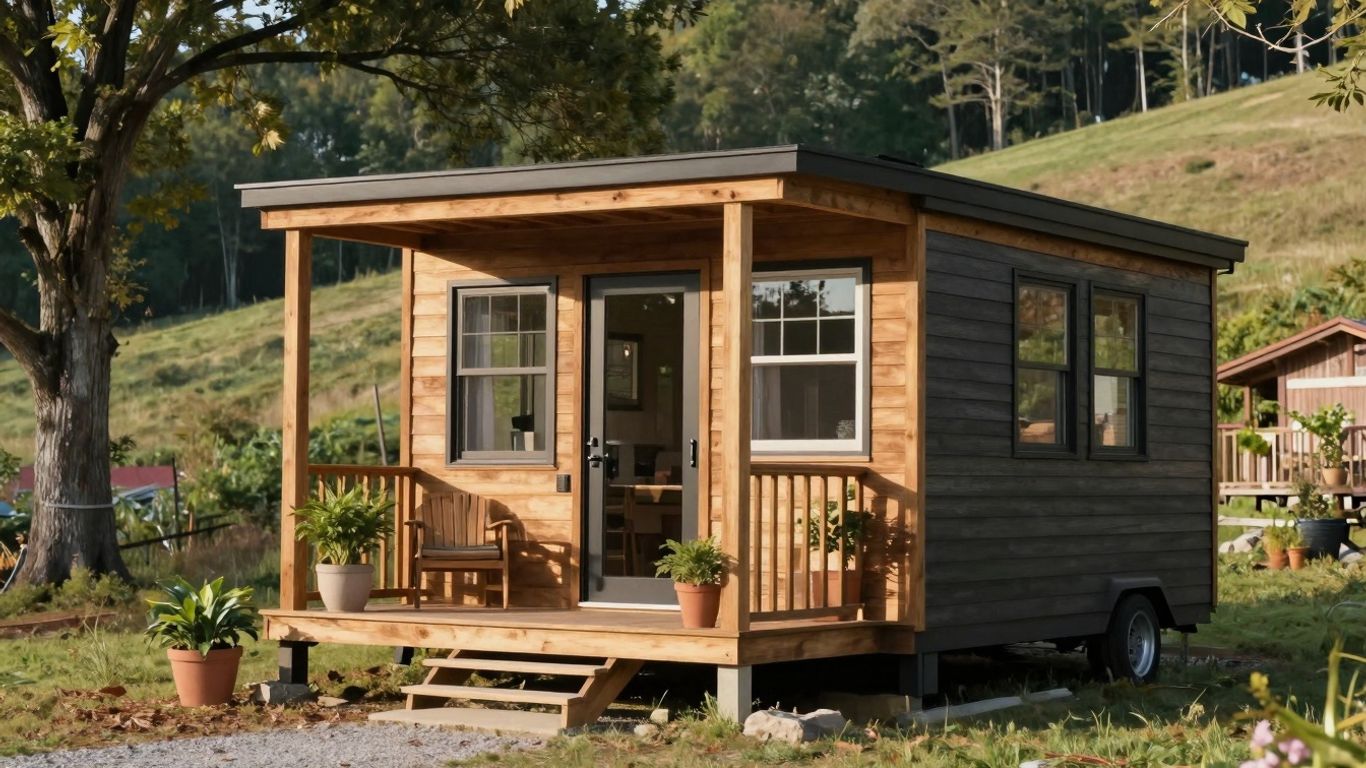
So, you’ve decided a tiny house is the way to go, and you’re dreaming of building one right here in North Carolina. That’s awesome! But before you start sketching out floor plans on napkins, let’s talk about what goes into actually making it happen. This part is all about turning that dream into a solid structure.
Customizing Your Tiny House Design
This is where your personality really shines. Think about how you actually live. Do you cook a lot? You’ll want a decent kitchen. Love reading? Maybe a cozy nook is in order. Your tiny house should work for you, not the other way around. Many builders offer custom designs, or you can work with an architect who specializes in small spaces. Consider:
- Layout: How will rooms flow? Where will the bathroom and kitchen go? Think about multi-functional spaces.
- Storage: This is huge in tiny homes. Built-in shelves, under-stair storage, clever cabinets – plan it all.
- Windows and Light: More windows can make a small space feel bigger. Think about natural light and ventilation.
- Aesthetics: What style are you going for? Modern, rustic, farmhouse? This affects everything from siding to fixtures.
Choosing the Right Building Materials
What your tiny house is made of matters. It affects durability, cost, and how eco-friendly it is. For North Carolina’s climate, you’ll want materials that can handle humidity and occasional storms.
- Framing: Wood is common, but steel framing is an option too, offering durability and pest resistance.
- Insulation: Good insulation is key for comfort and energy savings. Options include fiberglass, spray foam, or rigid foam boards.
- Siding: Options range from traditional wood siding to metal, vinyl, or even composite materials. Consider maintenance and cost.
- Roofing: Metal roofs are popular for tiny homes due to their longevity and low maintenance.
Here’s a quick look at some common material choices:
| Material Type | Pros |
|---|---|
| Wood | Affordable, easy to work with |
| Metal | Durable, low maintenance, modern look |
| Vinyl | Low cost, easy to install |
| Composite | Durable, low maintenance, various looks |
Finding Tiny House Builders in NC
Building a tiny house yourself can be rewarding, but it’s a lot of work. Many people opt to hire professionals. In North Carolina, there are builders who specialize in tiny homes, from fully custom builds to pre-designed models.
- Research Local Builders: Look for companies with good reviews and a portfolio that matches your style.
- Ask for References: Talk to past clients to get a feel for their experience.
- Get Detailed Quotes: Make sure you understand exactly what’s included in the price. This should cover materials, labor, and any permits.
Building a tiny house, whether you DIY or hire a pro, involves a lot of decisions. It’s easy to get caught up in the excitement, but taking the time to plan your design and choose your materials carefully will save you headaches down the road. Think about the long term – how will this structure hold up, and how will it feel to live in day to day?
Some companies, like Tiny Homes Raleigh, focus on stick-built homes using traditional methods, which can be a great option if you’re looking for something permanent and well-constructed. Others might specialize in tiny homes on wheels (THOWs), which have their own set of considerations.
Financing and Budgeting for Your Tiny House
So, you’re dreaming of a tiny house in North Carolina. That’s awesome! But before you start picking out paint colors, let’s talk about the money side of things. It’s probably the biggest hurdle for most people, and honestly, it can feel a bit overwhelming. But don’t worry, we’ll break it down.
Tiny House Costs in North Carolina
The price tag on a tiny house can swing wildly. You’ve got everything from DIY builds using salvaged materials that can cost as little as $10,000, to professionally built, custom homes with all the bells and whistles that can easily hit $80,000 or more. It really depends on what you want and how much of the work you’re willing to do yourself. Think about finishes, appliances, and whether it’s on wheels or a foundation. A good rule of thumb is to budget for the unexpected, too. Things always pop up!
Here’s a rough idea of what you might see:
| Type of Tiny House | Estimated Cost Range (NC) |
|---|---|
| DIY Build (Basic) | $10,000 – $30,000 |
| DIY Build (Mid-Range) | $30,000 – $50,000 |
| Professionally Built (Standard) | $50,000 – $80,000 |
| Professionally Built (Custom/Luxury) | $80,000+ |
Financing Options for Tiny Homes
Getting a loan for a tiny house isn’t always as straightforward as a traditional mortgage. Since they often don’t sit on permanent foundations or might not meet standard home size requirements, banks can be hesitant. But there are options:
- Personal Loans: These are unsecured loans that you can use for almost anything, including a tiny house. Interest rates can be higher, though.
- RV Loans: If your tiny house is built on a trailer and meets RV standards, you might qualify for an RV loan. These often have shorter terms and different interest rates.
- Home Equity Loans: If you already own a home, you could tap into its equity.
- Tiny House Specific Lenders: A few lenders are starting to specialize in financing tiny homes. It’s worth researching these.
- Savings/Cash: The simplest way, if possible, is to save up and pay cash. This avoids interest and loan complexities entirely.
It’s important to remember that many people who go tiny do so to reduce their financial burden. While building or buying a tiny house still requires capital, the goal is often to spend less overall than on a conventional home. This means looking at financing that aligns with that minimalist financial goal.
Budgeting for Your Tiny House Build
Creating a detailed budget is your best friend here. Don’t just guess! Break down every single cost, from the trailer or foundation to the lumber, insulation, windows, doors, plumbing, electrical, and all those little finishing touches.
- Materials: This will likely be your biggest expense. Research prices for everything. Can you find good quality used materials?
- Labor: Are you hiring professionals for certain parts, or doing it all yourself? Factor in tool rentals if needed.
- Permits and Fees: Don’t forget these! They can add up.
- Appliances and Fixtures: Even small appliances have a cost.
- Contingency Fund: Always add a buffer of 10-20% for unexpected costs. Trust me, they happen.
Being realistic about costs upfront will save you a lot of headaches down the road. It’s better to overestimate a bit than to run out of money halfway through your build.
Location, Location, Location: Placing Your Tiny House
Finding Land for Your Tiny House
So, you’ve got your tiny house plans all sorted, maybe even the trailer or foundation picked out. Now comes the big question: where will it actually go? Finding the right spot in North Carolina is a whole adventure in itself. It’s not just about having a patch of dirt; it’s about making sure that patch of dirt is legal, practical, and feels like home.
You’ll want to look into zoning laws first, of course, because some areas have specific rules about where you can park or build a tiny home, especially if it’s on wheels. Think about what you want nearby – do you need to be close to work, family, or maybe a quiet spot in the woods? Don’t forget to consider the land itself. Is it sloped? Does it have good drainage? These things matter more than you might think when you’re living small.
Here are a few things to keep in mind when you’re scouting for land:
- Zoning and Local Ordinances: This is your first hurdle. Check with the county or city planning department. Some places are more tiny-house-friendly than others.
- Accessibility: Can you easily get to the property? Think about road access for moving your house in and any future visitors.
- Natural Features: Consider trees, water sources, and the general terrain. These can add beauty but also present challenges.
- Proximity to Amenities: How far are you from grocery stores, healthcare, and your job? This is a personal choice, but worth thinking about.
Tiny House Foundations and Setups
Once you’ve found your perfect spot, you need to decide how your tiny house will sit on it. For houses on wheels (often called THOWs), this usually means finding a level spot and making sure it’s secure. Some folks opt for a permanent foundation, which can make your tiny house feel more like a traditional home and might even help with insurance or financing. There are a few common options:
- On Wheels (THOW): This is the most flexible option. Your house is built on a trailer, allowing you to move it. You’ll need to ensure the trailer is rated for the weight of your finished home and that you have a legal place to park it.
- Slab Foundation: A concrete slab poured directly on the ground. It’s a permanent and stable option.
- Crawl Space Foundation: This involves building short foundation walls that create a space between the ground and the floor of your house. It allows for easier access to plumbing and electrical.
- Pier Foundation: Concrete or block piers are used to support the house. This is a good option for sloped sites.
The choice of foundation can significantly impact the cost and permanence of your tiny home.
Utilities for Your Tiny House
Living tiny doesn’t mean you have to rough it completely. Hooking up utilities is a big part of making your tiny house livable. This can range from simple off-grid solutions to connecting to existing municipal services. If you’re buying land, check what utilities are already available or if you’ll need to bring them in. This can be a major expense, so it’s good to know upfront.
Here’s a look at common utility needs:
- Water: You might connect to a public water supply, drill a well, or use a water catchment system. If you’re using a well or catchment, you’ll need a pump and filtration system.
- Sewer/Wastewater: Options include connecting to a municipal sewer system, installing a septic tank, or using a composting toilet. Composting toilets are popular in tiny homes for their water-saving and eco-friendly aspects.
- Electricity: You can connect to the grid, or go off-grid with solar panels, a wind turbine, or a generator. Many tiny homes use a combination of these.
- Internet/Phone: Depending on your location, you might have access to cable, DSL, or rely on satellite internet or cellular hotspots.
Planning your utility setup early is key. Sometimes, the cost and complexity of bringing utilities to a remote piece of land can be a deal-breaker. It’s always best to get quotes and understand the requirements before you commit to a location.
Embracing the Tiny House Lifestyle in NC
Downsizing and Minimalism Tips
Moving into a tiny house isn’t just about a smaller footprint; it’s a chance to really think about what you own and what you need. It’s a big shift, for sure. You’ll probably find yourself looking at your stuff and asking, “Do I really use this?” It’s a good question to ask. Many people find that letting go of excess things is actually pretty freeing. Think about it: less to clean, less to organize, and less to worry about. Start small, maybe with one drawer or one closet. See how it feels. You might be surprised at how much you can live without.
Here are a few ideas to get you started:
- The One-In, One-Out Rule: For every new item you bring into your tiny home, get rid of something similar. Bought a new shirt? Donate an old one.
- Seasonal Swaps: Store seasonal items (like holiday decorations or bulky winter clothes) somewhere else, or get rid of them if you don’t use them every year.
- Digitalize: Scan important documents, photos, and even old letters to reduce paper clutter.
- Multi-functional Items: Choose furniture and tools that can serve more than one purpose. A storage ottoman can be a coffee table and a place to sit.
The goal isn’t to live with nothing, but to live with intention. It’s about making space for what truly matters to you.
Living Sustainably in a Tiny House
Tiny houses naturally lend themselves to a more sustainable way of living. Because they’re smaller, they require less energy to heat and cool. Many tiny home dwellers also choose to incorporate eco-friendly features. Think solar panels for electricity, composting toilets to save water and create fertilizer, and rainwater harvesting systems. These choices not only reduce your environmental impact but can also save you money on utility bills over time. It’s a win-win, really. Plus, building with reclaimed or sustainable materials is a popular choice, giving old items a new life and reducing waste.
Consider these sustainable practices:
- Energy Efficiency: Proper insulation and energy-efficient appliances are key. Look into passive solar design if you’re building from scratch.
- Water Conservation: Low-flow fixtures and composting toilets make a big difference.
- Waste Reduction: Composting food scraps and recycling diligently are simple but effective steps.
- Local Sourcing: When possible, buy local produce and goods to reduce transportation emissions.
The Future of Tiny Living in NC
The tiny house movement is still growing, and North Carolina is seeing more interest. As more people explore this lifestyle, we’re likely to see changes in how tiny homes are viewed and regulated. Communities specifically designed for tiny homes are popping up, offering a sense of belonging and shared resources. Building codes are slowly adapting, making it easier for people to build and place their tiny homes legally.
It’s an exciting time for tiny living. More people are realizing that a smaller, simpler home can lead to a richer, more fulfilling life. Expect to see more innovative designs and more support for tiny home enthusiasts across the state in the coming years. It’s not just a trend; it’s becoming a recognized and accepted way to live.
Ready to Start Your Tiny NC Adventure?
So, you’ve read through all this, and maybe you’re feeling a little more ready to take that leap into tiny living here in North Carolina. It’s a big decision, for sure, but it doesn’t have to be overwhelming. Whether you’re looking to build from scratch with reclaimed materials or work with a builder to get exactly what you want, there are options out there. Remember to check local rules, think hard about what you truly need, and don’t be afraid to ask questions. This journey is about finding a simpler, more intentional way to live, and your perfect tiny home in NC is waiting.
Frequently Asked Questions
What’s the biggest challenge when building a tiny house in North Carolina?
One of the trickiest parts is figuring out the local rules, like zoning laws and building codes. These can be different from town to town, so it’s super important to check with the city or county where you plan to put your tiny house. Sometimes, finding a legal spot for it can be tough because not all areas are set up for tiny homes yet.
How much does a tiny house typically cost in NC?
The price can really change depending on how fancy you want it and who builds it. You could spend anywhere from $30,000 to $80,000, or even more for a custom-built home. Building it yourself might save money, but it takes a lot of time and effort. Remember to also budget for land and setting up utilities!
Can I get a loan for a tiny house?
Getting a traditional mortgage for a tiny house can be difficult, especially if it’s on wheels. Some people look into personal loans, RV loans, or even loans from credit unions. You might also need to save up more money beforehand or consider financing options specifically offered by tiny house builders.
Where can I legally put my tiny house in North Carolina?
This is a big question! Some areas have specific tiny house communities, which are great options. Otherwise, you’ll need to find land that allows tiny homes, which might mean looking at rural areas or checking specific zoning ordinances. Sometimes, a tiny house can be an ‘accessory dwelling unit’ (ADU) on someone’s existing property, but you need to make sure that’s allowed.
What are the main benefits of living in a tiny house?
People love tiny houses because they can be cheaper to build and maintain, leading to less debt and more financial freedom. They also encourage a simpler lifestyle with less stuff, which can be less stressful. Plus, they often have a smaller environmental footprint, which is good for the planet.
Are there tiny house builders in North Carolina?
Yes, absolutely! North Carolina has several companies and individuals who specialize in designing and building tiny homes. Some popular areas for tiny house builders include places like Asheville and the Raleigh-Durham region. It’s a good idea to research local builders, check out their work, and get quotes to see who fits your style and budget best.