
Tiny House in Nebraska
Thinking about a tiny house in Nebraska? It’s a growing trend, and for good reason. Nebraska offers a lower cost of living, making it an attractive spot for those looking to downsize. But before you pack your bags and buy that miniature dream home, there are a few things you should know. This guide will walk you through the ins and outs of tiny house living in the Cornhusker State, from understanding the rules to finding the perfect spot.
Key Takeaways
- Nebraska is generally welcoming to tiny homes, but rules change from town to town. Always check local zoning and building codes before you start.
- You can build permanent tiny homes (on foundations) or temporary ones (on wheels). They have different rules.
- Some counties and cities in Nebraska are more friendly to tiny houses than others, like Omaha and Lincoln.
- Tiny homes in Nebraska can range from 120 to 400 square feet, depending on the type and local rules.
- Living tiny in Nebraska can save you money, but be aware of property taxes, especially if you own the land.
Understanding Tiny House Legality in Nebraska
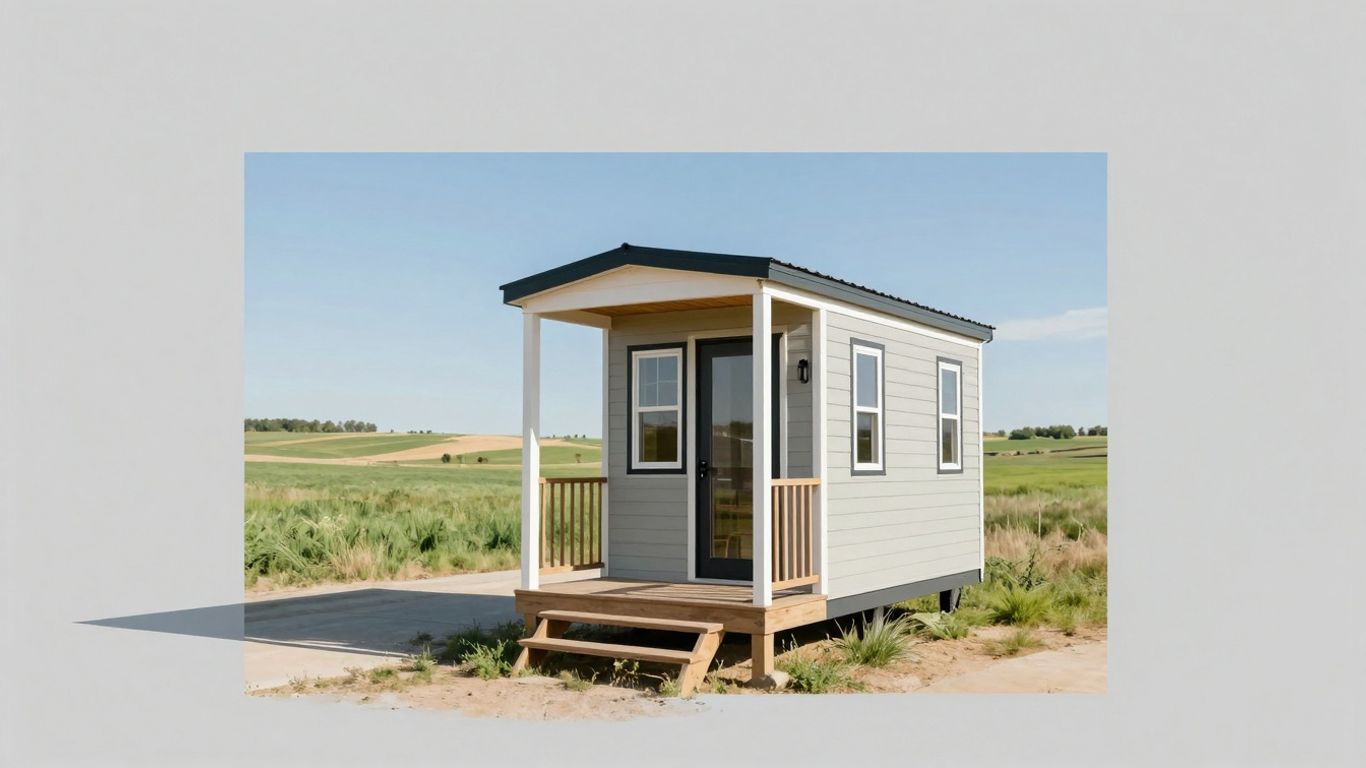
Nebraska’s Approach to Tiny Home Regulations
When it comes to tiny houses and tiny home communities in Nebraska, things are a bit of a patchwork. There aren’t any statewide laws that specifically cover tiny homes. Instead, the rules are mostly decided at the local level, meaning what’s allowed in one town might be a no-go in another. This is why checking with your local city or county government is the absolute first step before you even think about buying land or starting construction.
Nebraska does distinguish between tiny homes built on-site and those built off-site. For off-site built homes, like those constructed in a factory, there are specific requirements. These homes generally need to have a state or federal label attached, which shows they meet certain building standards. It’s like a stamp of approval, making sure the home is built safely.
Types of Tiny Homes Recognized in Nebraska
Nebraska officially recognizes a few categories of tiny homes. Understanding these can help you figure out which type fits your needs and what regulations might apply:
- Manufactured Homes: These are built according to the U.S. Department of Housing and Urban Development’s (HUD) Federal Manufactured Home Act. They have to pass a HUD inspection and get a special label.
- Modular Housing: These are built following Nebraska’s adopted codes, like the International Residential Code (IRC) and National Electrical Code. If they pass inspection, they get a Nebraska Modular Housing Unit label.
- Recreational Vehicles (RVs) / Park Model RVs: Tiny homes built on a vehicle chassis, often called Tiny Houses on Wheels (THOWs), fall into this category. They need to meet standards like ANSI A119.5 or NFPA 1192 and usually require a federal label.
It’s important to know which category your potential tiny home falls into, as the rules can differ quite a bit.
Navigating Local Zoning and Building Codes
This is where things can get tricky, but also where you’ll find the most specific information. Local zoning laws dictate a lot, including:
- Land Use: Where you’re allowed to place a tiny home.
- Location: Whether it can be a primary dwelling, an accessory dwelling unit (ADU), or only allowed in specific zones.
- Building Size: Minimum or maximum square footage requirements might exist.
Even if a county is generally considered tiny-house friendly, like Douglas or Lancaster County, you still need to dig into the specific city or township ordinances. Don’t assume that because tiny homes are seen in one part of a county, they’re automatically permitted everywhere within it.
For example, a tiny house on wheels (THOW) might be treated differently than a tiny house on a permanent foundation. The latter often needs to meet foundation requirements and utility hookups similar to a traditional home, while a THOW might be regulated more like an RV, depending on local rules. Always get this information in writing from the local planning or building department before you commit to anything.
Finding Your Ideal Tiny House Location in Nebraska
So, you’ve decided Nebraska is the place for your tiny house adventure. That’s great! But where exactly can you put it? This is where things get a little interesting, because Nebraska doesn’t have a single, statewide rule for tiny homes. Instead, it’s all about checking with the local folks in each county and city.
Counties and Cities Welcoming Tiny Homes
While almost every county in Nebraska technically allows tiny houses, some are definitely more welcoming than others. Think of it like finding a friendly neighborhood. Counties like Douglas (especially Omaha) and Lancaster (with Lincoln leading the charge) are known for being pretty open to the tiny house movement. You’ll also find a good number of tiny homes popping up in places like Garden County (Oshkosh), Adams County (Hastings), and Custer County. These areas often have a more relaxed approach to zoning, making it easier to set up your tiny dwelling.
It’s always a good idea to do your homework. What works in one town might not fly in the next. You’ll want to look into the specific zoning laws for any area you’re considering. These laws dictate things like where you can build and what size your home can be.
Building on Private Land and Backyards
One of the most common ways people place their tiny homes is on their own land. This could be a rural plot or even a larger backyard in a more suburban setting. If you’re thinking about putting a tiny house in your backyard, you’ll likely need to look for land zoned for multi-family housing and make sure accessory dwelling units (ADUs) are permitted. This means your tiny home would be a secondary dwelling on a property that already has a main house.
Parking a tiny house on wheels (THOW) can sometimes be tricky. While you might be able to put it on your own land, you’ll need to confirm if it meets local codes for permanent or temporary structures. Some areas might classify it as an RV, which has its own set of rules.
The Emergence of Tiny Home Communities
While Nebraska doesn’t have a ton of established tiny home communities just yet, the landscape is starting to change. The Siena Francis House in Omaha is working on a project called “The Cottages,” which aims to be one of the state’s first dedicated tiny home communities. These communities are exciting because they offer a built-in neighborhood feel and often come with shared amenities like community centers or gardens. Keep an eye out for more developments like this as the tiny house movement grows in Nebraska. They can provide a great option if you don’t own land or prefer to live among like-minded individuals.
Key Considerations for Tiny House Living in Nebraska
So, you’re thinking about ditching the McMansion for a cozy little abode in Nebraska? That’s awesome! But before you start sketching floor plans, let’s chat about a few things you’ll want to keep in mind. It’s not just about the cute factor; there are some practicalities to sort out.
Permanent vs. Temporary Tiny House Dwellings
This is a big one. In Nebraska, like elsewhere, there’s a difference between a tiny house that’s meant to stay put and one that’s designed to roll.
- Permanent Tiny Houses (Tiny Houses on Foundation – THOF): These are built on a permanent foundation, much like a traditional house. They generally face fewer regulatory hurdles because they’re treated more like standard homes. The catch? You can’t just hitch it up and move it.
- Temporary Tiny Houses (Tiny Houses on Wheels – THOW): These are built on a trailer base, making them mobile. Think of them as RVs or park models. The rules for these can be a bit tighter, especially regarding where you can park them long-term and what standards they need to meet (like ANSI A119.5 or NFPA 1192).
- Transitional Structures: These are often portable shelters meant for temporary use, like addressing homelessness. They have very strict safety regulations, and you’ll definitely need to check with local authorities before considering one for living.
Understanding whether your tiny house will be classified as permanent or temporary is the first step in figuring out the rules that apply to you. It impacts everything from where you can place it to what permits you’ll need.
Minimum and Maximum Size Requirements
Tiny doesn’t mean no rules when it comes to size. Nebraska doesn’t have a single, statewide minimum or maximum, so it really depends on the type of tiny house and the local jurisdiction. Generally, though, you’ll see these ranges:
- HUD-Approved Manufactured Homes: These typically have a size limit of around 320 square feet.
- Modular Homes (built to IRC standards): These can range from about 120 square feet up to 400 square feet.
- Recreational Vehicle (RV) style Tiny Homes: These also tend to have a maximum size, often around 400 square feet, to comply with park model standards.
It’s always best to confirm the specific size requirements with your local planning or building department. They’ll have the final say.
Understanding Property Taxes for Tiny Homes
This is where things can get a little tricky, and it’s worth looking into early. While Nebraska‘s overall cost of living is low, its property tax rate is actually one of the higher ones in the U.S. (around 1.61%).
- Permanent Tiny Homes: If your tiny house is on a permanent foundation and considered a permanent dwelling, it will likely be taxed like any other home on your property. This means it’ll be assessed and taxed based on its value.
- Tiny Homes on Wheels (THOWs): The tax situation for THOWs can vary. Sometimes, if they are registered as an RV, they might be subject to different taxes or fees. If you’re parking it on your own land, local rules might treat it differently than if you’re in a dedicated tiny home community or RV park.
It’s super important to talk to your local tax assessor’s office. They can tell you exactly how your specific situation will be taxed. Don’t assume anything; get it in writing if you can!
Designing and Building Your Nebraska Tiny House
So, you’ve decided to go tiny in Nebraska. That’s awesome! Now comes the fun part: actually designing and building your dream little abode. It might seem a bit daunting at first, but with a solid plan, it’s totally doable. Think of it like putting together a really cool, life-sized puzzle.
Essential Planning Steps for Tiny Homes
Before you even think about picking out paint colors, there are some important steps to get through. It’s all about laying a good foundation, literally and figuratively.
- Check Local Rules (Again!): Seriously, this can’t be stressed enough. Even if you think you know the rules for where you want to build, double-check. Zoning laws and building codes are the gatekeepers, and you don’t want to get caught on the wrong side of them. What’s allowed in one town might be a no-go in the next.
- Figure Out Your Foundation: Will your tiny house sit on a permanent foundation, or will it be on wheels? This makes a big difference in how it’s regulated. Homes on foundations are usually treated more like traditional houses, while those on wheels often fall under RV regulations.
- Sketch It Out: Start drawing. Even rough sketches help. Think about how you’ll use the space. Where will the kitchen go? How much storage do you really need? What about windows for natural light? Getting the layout right is key to making a small space feel comfortable.
- Budget Wisely: Tiny doesn’t always mean cheap. Factor in materials, labor (if you’re not doing it all yourself), permits, and any site prep needed. It’s better to overestimate a little than to run out of funds halfway through.
Resources for Tiny House Plans and Design
Don’t feel like you have to reinvent the wheel. There are tons of resources out there to help you get inspired and get the actual plans.
- Online Plan Marketplaces: Websites like TinyHousePlans.com or Tumbleweed Tiny House Company offer a huge variety of pre-designed plans. You can often filter by size, style, and features.
- Architects and Designers: If you have a very specific vision, consider hiring a designer or architect who specializes in small spaces. They can create custom plans tailored just for you.
- Books and Magazines: There are plenty of publications dedicated to tiny living. Flipping through them can give you ideas for layouts, clever storage solutions, and aesthetic choices.
Expert Advice for a Smooth Building Process
Building a house, even a tiny one, involves a lot of moving parts. Getting some guidance can save you a lot of headaches.
When you’re planning your build, think about the climate in Nebraska. Summers can get hot and humid, and winters can be cold. Good insulation and a reliable heating/cooling system aren’t luxuries; they’re necessities for comfort year-round.
- Connect with Local Builders: Even if you’re doing most of the work yourself, talking to local contractors who have experience with small structures or alternative building methods can be incredibly helpful. They know the local climate and common issues.
- Understand the Codes: Make sure your chosen plans meet Nebraska’s building codes, especially if you’re going for a permanent structure. This includes things like electrical, plumbing, and structural integrity. If your tiny house is on wheels, ensure it meets RV standards if that’s how it will be classified.
- Permits are Your Friend: Don’t skip the permit process. It might seem like a hassle, but it ensures your build is safe and legal. Plus, trying to build without permits can lead to much bigger problems down the road, like having to tear it down.
The Financial Benefits of Tiny Living in Nebraska
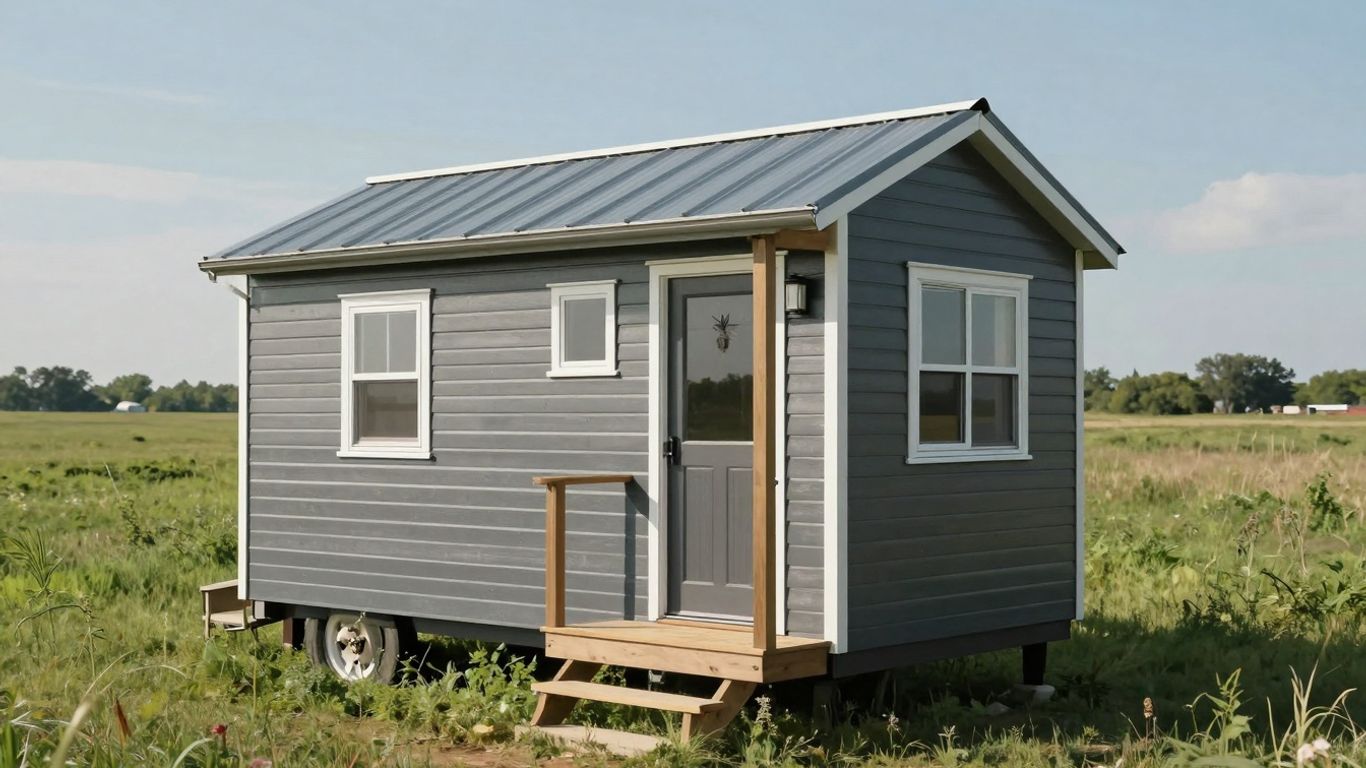
Thinking about a tiny house in Nebraska? Beyond the charm and simplicity, there are some pretty solid financial upsides to consider. Nebraska’s generally lower cost of living compared to the national average makes it an attractive spot for tiny home enthusiasts looking to stretch their dollars further. It’s not just about saving on the initial build or purchase; it’s about ongoing savings too.
Nebraska’s Cost of Living Advantage
Let’s face it, housing is a big chunk of anyone’s budget. In Nebraska, that chunk tends to be smaller. When you combine this affordability with the inherent lower cost of a tiny home, you’re looking at a significant reduction in your overall living expenses. This means more money in your pocket for savings, travel, or whatever else makes you happy.
Potential Property Tax Savings
Property taxes can be a real sting, and Nebraska’s rates are on the higher side nationally. However, the way property taxes work with tiny homes can sometimes offer a break. If your tiny home is on wheels and you don’t own the land it sits on, you might avoid property taxes on the structure itself, though you’d likely pay personal property taxes on it as an RV.
If you own the land, you’ll pay taxes on that, but the value of the tiny home itself might be assessed differently than a traditional house. It’s definitely worth looking into local tax authorities to see how your specific situation might play out. Sometimes, there are even exemptions, like the homestead exemption, that could further reduce your tax burden.
Tiny Homes as Investment Opportunities
While not always the primary goal, tiny homes can sometimes be viewed as an investment. They can be easier to rent out, either as a guest house or a short-term rental, potentially generating income. Plus, with the growing interest in minimalist living and affordable housing, a well-built and well-located tiny home could hold its value or even appreciate, especially if it’s situated in an area that’s becoming more popular or has limited housing options.
Here’s a quick look at how Nebraska stacks up:
| Category | Nebraska Average (vs. National) | Tiny Home Impact |
|---|---|---|
| Housing Costs | Below Average | Significantly lower with a tiny home |
| Utilities | Below Average | Lower due to smaller space and efficient design |
| Transportation | Below Average | Potentially lower if tiny home is centrally located |
| Overall Cost of Living | Below Average | Substantial savings potential |
Living tiny in Nebraska isn’t just a lifestyle choice; it’s a smart financial move. The combination of a lower cost of living and the reduced footprint of a tiny home can lead to significant savings, freeing up resources and simplifying your financial life. It’s about making your money work harder for you while enjoying a more intentional way of life.
Ready to Build Your Nebraska Tiny Dream?
So, you’ve read all about making the move to a tiny house in Nebraska. It’s definitely doable, and honestly, pretty appealing with the lower cost of living here. Remember, the key is to check those local rules because Nebraska leaves a lot of the tiny house specifics up to each town. Whether you’re looking at a permanent spot on a foundation or a cozy little place on wheels, there’s a way to make it work.
We’ve seen that places like Omaha and Lincoln are pretty open to the idea, but it’s always best to confirm with the county or city you have in mind. It might take a little digging into zoning laws and building codes, but finding that perfect little spot for your dream tiny home in the Cornhusker State is totally within reach. Good luck with your tiny adventure!
Frequently Asked Questions
Are tiny houses legal in Nebraska?
Yes, tiny houses are generally legal in Nebraska. However, since there aren’t state-wide rules, each city or county has its own rules about where you can build and what standards your tiny house must meet. It’s super important to check with the local government where you want to put your tiny house.
What types of tiny houses does Nebraska recognize?
Nebraska recognizes a few types of tiny homes. These include manufactured homes (built to HUD standards), modular housing units (built to state building codes), and trailer parks (built to RV standards). Each type has different rules it needs to follow to be considered legal.
Can I live in a tiny house permanently in Nebraska?
You can live permanently in some tiny houses in Nebraska, like those built as manufactured homes or modular buildings, as long as they follow local rules. However, tiny houses on wheels that are like RVs are usually seen as temporary places to stay.
What are the size requirements for tiny houses in Nebraska?
The size rules for tiny houses in Nebraska depend on the local area and the type of tiny house. Generally, they can be between 120 square feet and up to 400 square feet. Homes with a HUD label usually can’t be bigger than 320 square feet, while modular homes can be up to 400 square feet.
Where can I build or park a tiny house in Nebraska?
You can usually build or park a tiny house on your own land, in a backyard (if allowed), or in special tiny house communities. Some counties, like Douglas and Lancaster, are very welcoming. Always check the local zoning laws because they decide exactly where you can place your tiny home.
Do I have to pay property taxes on my tiny house in Nebraska?
It depends. If you own the land your tiny house is on, you’ll pay property taxes on the land. If your tiny house is on wheels and considered an RV, you might pay personal property taxes on the house itself. Sometimes, you might be able to get tax breaks, so it’s best to ask your local tax office.