
Tiny Home in Nevada
Thinking about a tiny home in Nevada or have interest in tiny home communities in Nevada? It’s a neat idea, right? Moving away from big houses and all the stuff that comes with them. A tiny home nevada adventure could mean less money spent on bills and more freedom to, well, live. But it’s not just about buying a small house; it’s a whole different way of living. Let’s figure out if this minimalist dream fits you in the Silver State.
Key Takeaways
- Tiny homes offer a simpler, more affordable lifestyle compared to traditional houses in Nevada.
- Understand Nevada’s specific rules for tiny homes, whether they’re permanent or on wheels.
- Finding the right spot for your tiny home is key, considering both land and location.
- Carefully choose a tiny home that fits your personal style and how you plan to use it.
- Explore various options like local builders, online listings, and expos to find your perfect tiny home nevada.
Understanding Tiny Home Living in Nevada
The Growing Appeal of Compact Dwellings
So, you’re thinking about a tiny home in Nevada? It’s a pretty big shift from the usual way of living, but honestly, it’s catching on for good reasons. People are realizing that maybe they don’t need all that extra space and all the stuff that comes with it. Tiny homes offer a way to simplify, cut down on expenses, and live a bit more intentionally. It’s not just about having a smaller house; it’s about a different approach to life. The movement is about efficiency and a lighter footprint.
Embracing a Minimalist Lifestyle
Living tiny really pushes you to think about what you actually need. You can’t just hoard things when you have limited square footage. This often leads to a more minimalist lifestyle, where you focus on experiences rather than possessions. It’s about decluttering your life, both physically and mentally. Think about it: less cleaning, less maintenance, and more time and money for things you actually enjoy doing. It’s a conscious choice to live with less, but often, people find they gain more in return.
Key Considerations Before You Buy
Before you get too excited and start looking at floor plans, there are a few things to really think about. First off, where will you put it? Zoning laws can be tricky, and not every place allows tiny homes, especially if you plan to live in it full-time. You’ll want to look into local zoning laws to make sure you’re on the right side of the rules. Also, consider the climate in Nevada, it can get pretty hot but still great for tiny homes! Make sure the home you choose is well-insulated. And don’t forget about utilities like water, electricity, and sewage. These aren’t always straightforward with tiny homes.
Here are some points to ponder:
- Your Budget: Be realistic about what you can afford, including the home itself, land, and any necessary modifications.
- Lifestyle Fit: Does this kind of living suit your personality and daily routine?
- Future Plans: Are you planning to stay put, or might you want to move the home later?
- Community: Are there tiny home communities nearby, or will you be more isolated?
Tiny homes are more than just small structures; they represent a deliberate choice to live differently, focusing on what truly matters. It’s a lifestyle that prioritizes freedom, sustainability, and a deeper connection to one’s surroundings.
Navigating Nevada’s Tiny Home Regulations
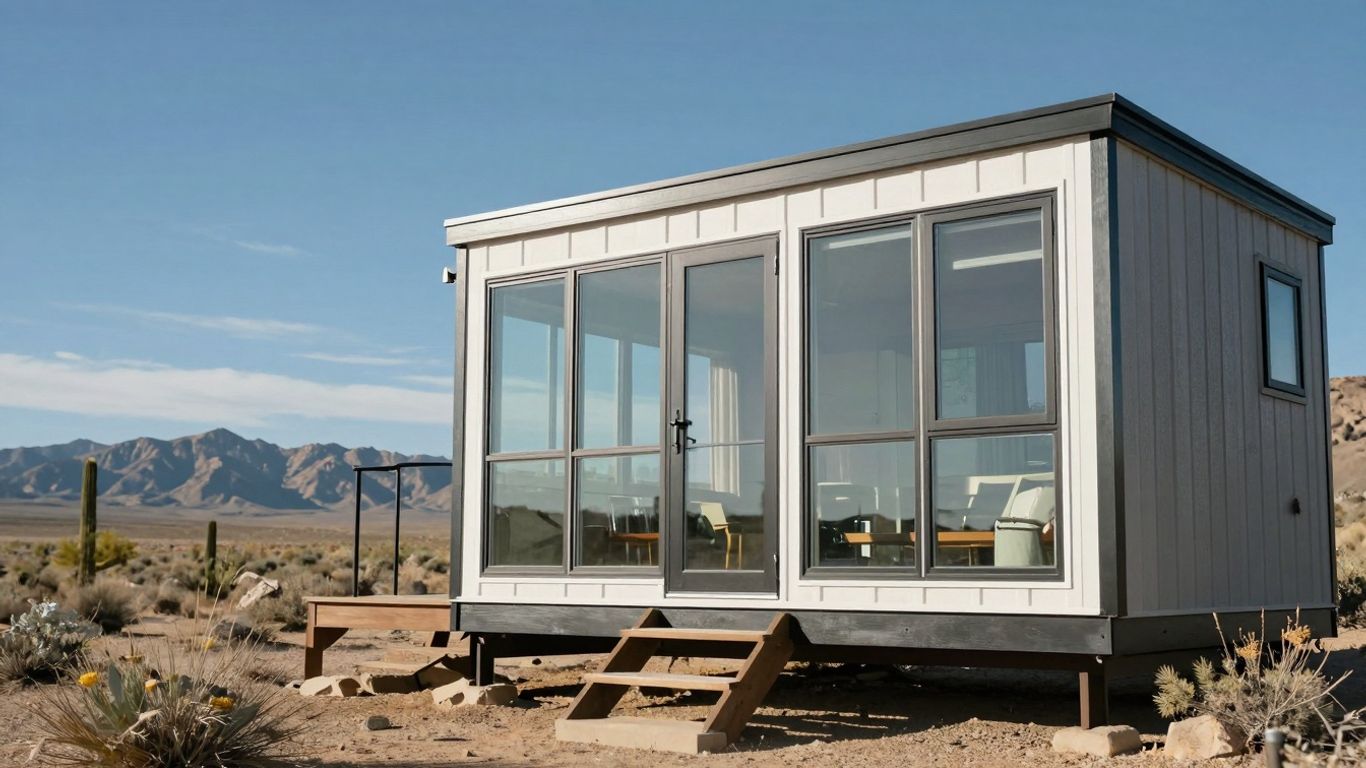
So, you’re thinking about a tiny home in Nevada? That’s awesome! But before you start dreaming about your cozy little spot, we need to talk about the rules. It’s not always straightforward, and understanding these regulations is a big step towards making your tiny home dream a reality.
Permanent Residences: Meeting Building Codes
If you’re planning to set down roots with a tiny home that’s on a foundation, it’s generally treated like any other single-family dwelling. This means it needs to meet all the standard building codes. Think about things like:
- Foundation requirements: It has to be built on a proper foundation.
- Setbacks: You’ll need to follow rules about how far your home must be from property lines.
- Utilities: Hooking up to water, sewer, and electricity needs to meet local standards.
- Safety features: This includes things like smoke detectors and proper egress windows.
It’s really important to check with your local county building department because the specifics can vary quite a bit from one area to another within Nevada. They’ll have the exact requirements you need to follow to get permits and inspections.
Tiny Homes on Wheels: Seasonal and Temporary Stays
Now, if your tiny home has wheels, things get a bit different. These are often classified more like Recreational Vehicles (RVs). In many parts of Nevada, you might be looking at rules that allow for temporary or seasonal stays rather than permanent residency.
- Time Limits: Often, there are limits on how long you can stay in one spot per year, sometimes around 90 days. This is usually for non-permanent setups.
- Licensing: Your home on wheels needs to be properly licensed and registered, just like an RV.
- Fire Safety: You’ll likely need to meet specific fire safety standards, like having a fire extinguisher readily available.
It’s a good idea to think of these as more for vacation spots or temporary living situations unless specific local ordinances allow for full-time THOW (Tiny Home on Wheels) living. Some areas are starting to create specific rules for THOWs as permanent dwellings, so always do your homework for the exact location you have in mind.
Essential Safety Requirements for Mobile Homes
Whether it’s a permanent structure or a mobile one, safety is always number one. For tiny homes on wheels, there are a few extra things to keep in mind:
- Vegetation Clearance: Especially in rural or fire-prone areas, you might need to maintain a certain distance between your home and flammable vegetation.
- Fire Extinguisher: A standard requirement is having a working fire extinguisher accessible inside or on the exterior of the unit.
- Utility Connections: Making sure your electrical, water, and propane connections are safe and up to code is vital to prevent hazards.
Always get the latest information directly from the county or city planning and building departments where you intend to place your tiny home. Regulations can change, and what’s allowed today might be different tomorrow.
Finding Your Ideal Tiny Home Nevada Location
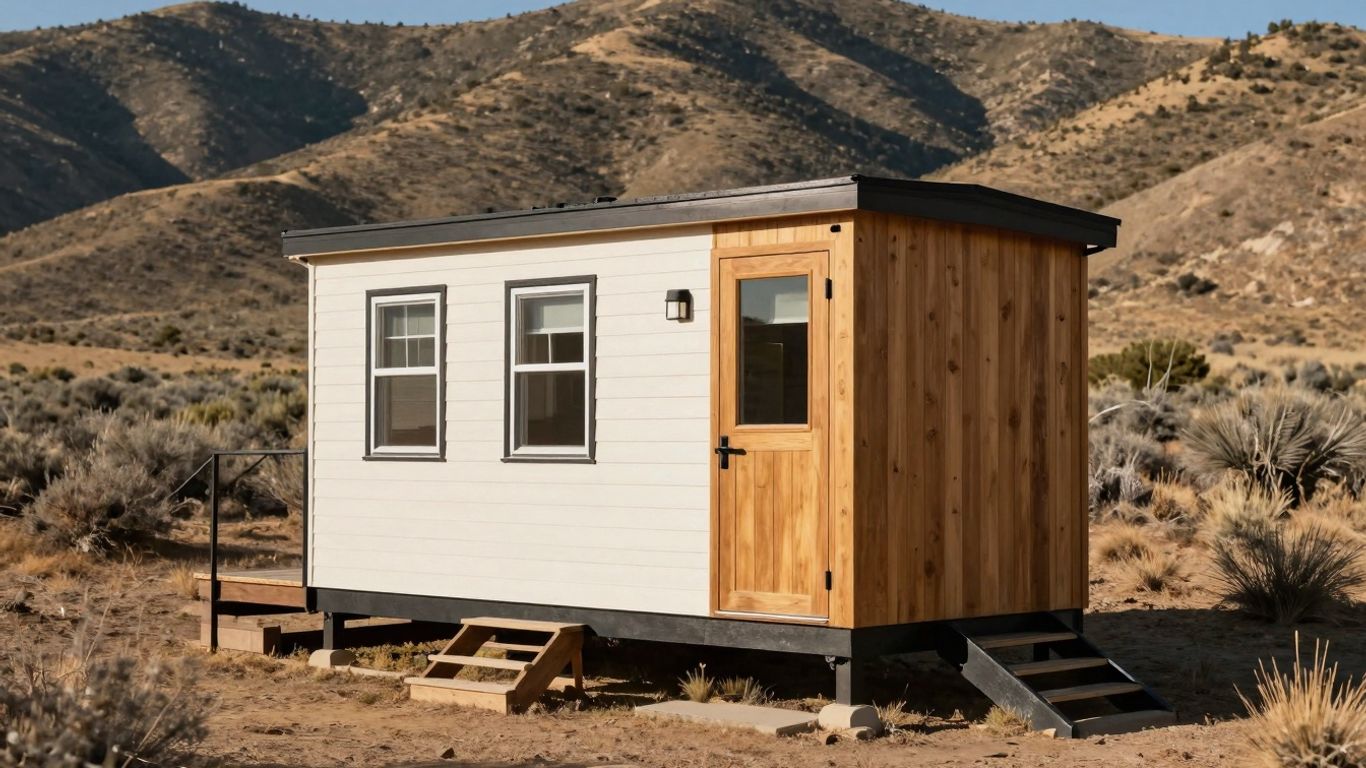
So, you’ve decided a tiny home is the way to go. Awesome! But before you start picturing yourself sipping coffee on a miniature porch, you’ve got to figure out where this dream is going to happen. Nevada’s a big state, and the perfect spot for your compact dwelling really matters. It’s not just about finding a patch of land; it’s about finding a place that fits your lifestyle and Nevada’s unique vibe.
Exploring Land Options and Market Dynamics
When you’re looking for land for your tiny home, things can get a little tricky. You’ll want to understand what the local market is doing. Are prices going up? Are there many plots available? It’s a good idea to get a feel for the area before you commit. Sometimes, you might find land that’s already zoned for accessory dwelling units (ADUs), which can make things a lot simpler. Other times, you might be looking at agricultural land or even just vacant lots. Each has its own set of rules, so doing your homework is key. The availability and cost of land will heavily influence your overall tiny home budget.
Proximity to Nature and Urban Amenities
This is where you get to decide what kind of life you want. Do you dream of waking up to the vast Nevada desert stretching out before you, or do you prefer being close enough to grab a latte in a bustling town? Many people are drawn to tiny living for its connection to nature. Think about areas near state parks or national forests. On the flip side, you might want the convenience of city life – easy access to grocery stores, healthcare, and maybe even a job. Finding that balance is part of the fun. For instance, areas around Boulder City offer a great mix of outdoor access and proximity to the Las Vegas metro area.
Nevada’s Diverse Landscapes for Tiny Homes
Nevada isn’t just one thing. You’ve got everything from the stark beauty of the desert to the cooler, mountainous regions in the north. Each landscape offers a different experience:
- Desert Living: Think wide-open spaces, incredible stargazing, and a unique, rugged beauty. You’ll need to consider water access and extreme temperatures.
- Mountain Retreats: Cooler climates, pine trees, and a more traditional
Choosing the Perfect Tiny Home for Your Needs
So, you’ve decided a tiny home is the way to go. Awesome! But now comes the fun part: figuring out exactly which tiny home is the right fit for you. It’s more than just picking a cute little structure; it’s about finding a space that truly matches how you want to live.
Defining Your Tiny Home Vision
First off, let’s get real about what you want. Are you picturing yourself traveling around Nevada, maybe hitting up different state parks? Or is this more about having a cozy, permanent spot that’s just yours, maybe with a small garden? Think about your daily routine. Do you cook a lot? Do you need a dedicated workspace? What about hobbies that need room? Your tiny home should support your lifestyle, not cramp it.
Here are some questions to get you thinking:
- What’s the primary purpose of this tiny home? (e.g., full-time living, weekend getaway, guest house)
- How much time will you spend inside versus outside?
- What are your must-have features? (e.g., a full bathroom, a specific kitchen setup, lots of natural light)
- How much storage do you realistically need?
Prioritizing Quality and Craftsmanship
When you’re looking at tiny homes, especially if you’re buying one that’s already built, pay close attention to how it’s put together. A well-built tiny home will last longer and be more comfortable. Look at the materials used for the walls, the insulation (super important in Nevada’s climate!), the windows, and the roof. Are the doors solid? Is the flooring durable?
Consider these points:
- Insulation: Nevada can get hot and cold, so good insulation is key for comfort and saving on energy bills.
- Windows and Doors: Check for drafts and how well they seal. Double-pane windows are a good idea.
- Structural Integrity: Does it feel solid? Are there any visible signs of poor construction?
- Utilities: How are plumbing and electrical systems set up? Are they accessible for maintenance?
Considering Lifestyle and Purpose
Your tiny home needs to make sense for your life. If you plan on moving it around a lot, you’ll want something built on a sturdy trailer with easy hookups. If it’s staying put, you might have more flexibility with foundations and design. Think about the vibe you’re going for, too. Do you want something rustic and woodsy, or sleek and modern?
The choices you make now will shape your daily experience. A home that’s designed for mobility will feel different from one intended to be a stationary retreat. It’s about finding that sweet spot where your needs and desires meet the practicalities of tiny living.
Here’s a quick look at how purpose can influence your choice:
| Purpose | Key Considerations |
|---|---|
| Full-Time Residence | Durability, insulation, efficient use of space, storage |
| Weekend Getaway | Simplicity, ease of setup, basic amenities |
| Mobile Living | Trailer quality, weight distribution, compact design |
Where to Discover Tiny Homes for Sale
So, you’ve decided a tiny home is the way to go. Awesome! Now comes the fun part: actually finding one. It’s not like popping down to the regular housing market, but there are definitely some solid avenues to explore. The key is knowing where to look and what to expect.
Connecting with Local Builders and Dealerships
Sometimes, the best finds are right in your own backyard, or at least, close by. Checking out local builders and dealerships can be a really rewarding experience. You get to see the homes up close, talk to the people who built them, and really get a feel for the craftsmanship. Plus, you’re supporting local businesses, which is always a good thing.
- Physical Inspection: You can actually walk through the homes, check out the finishes, and make sure everything feels right. No surprises!
- Personal Connection: Building a relationship with a local builder can be super helpful, especially if you want any customizations down the line.
- Community Support: Buying local means your money stays in the community, which is a nice bonus.
Exploring Online Marketplaces and Apps
The internet has opened up a whole new world for tiny home hunters. There are dedicated websites and apps where builders and private sellers list their creations. It’s a great way to see a huge variety of styles and price points without leaving your couch. You can often find detailed descriptions, photos, and even virtual tours. Just remember to do your homework and read reviews if possible.
Some popular online spots include:
- Tiny House Listings
- Tiny Home Builders
- Craigslist (for local finds)
- Facebook Marketplace
It’s a good idea to compare prices and features across different platforms to get the best deal. You might even find some amazing park model tiny homes available in Nevada here.
The Excitement of Tiny Home Expos
If you really want to get inspired and see a ton of different tiny homes all in one place, you’ve got to check out a tiny home expo. These events are like a festival for tiny living enthusiasts. You’ll see everything from quirky DIY builds to professionally designed models. It’s a fantastic opportunity to talk to builders, designers, and even other tiny home owners. You might discover a style or layout you never even considered before.
Attending an expo can give you a real sense of the possibilities. It’s more than just looking at houses; it’s about experiencing the lifestyle and getting ideas you might not find anywhere else. Plus, sometimes you can snag special deals or connect with builders who are showcasing their work.
These expos are a great place to get a feel for the market and see what’s new and innovative in the tiny home world.
The Financial Landscape of Tiny Homes in Nevada
When you start looking into tiny homes in Nevada, the money side of things is definitely something to think about. It’s not always as straightforward as you might imagine, and there are a few key areas to consider. Tiny homes can offer a more affordable entry into homeownership compared to traditional houses, but the overall cost can vary quite a bit.
Affordability Compared to Traditional Housing
Generally, tiny homes are cheaper to build or buy than a standard-sized house. Think about it: less material, less labor, and less land needed. This can be a huge draw for people wanting to escape high rent or hefty mortgage payments. However, it’s important to remember that the cost per square foot for a tiny home can sometimes be higher than for a larger home, due to specialized construction and fittings. This means that while the total price is lower, the efficiency of the build is key. You can find more details on the cost differences in tiny home pricing.
Estimated Costs for a Tiny Home Nevada Purchase
The price tag for a tiny home in Nevada can really run the gamut. You might find a basic DIY shell for around $10,000 to $20,000, while a fully finished, custom-built model could easily be in the $50,000 to $100,000 range, or even more if you’re going high-end. Factors like the materials used, the complexity of the design, and whether it’s on wheels or a foundation all play a big role. For example, a common price point for a tiny home in Nevada might hover around $35,000, but this is just a rough estimate.
Here’s a general idea of what you might expect:
- DIY Build: $10,000 – $30,000
- Kit Home: $30,000 – $60,000
- Professionally Built: $50,000 – $100,000+
Understanding Potential Hidden Expenses
Beyond the sticker price, there are other costs to keep in mind. If your tiny home is on wheels (THOW), you’ll need to factor in costs for land or a place to park it legally. This could mean paying monthly lot rent, setting up utilities (which can sometimes be more complex for tiny homes), or even purchasing land. Don’t forget about insurance, which can be tricky for non-traditional dwellings, and potential transportation costs if you plan to move your home. Maintenance is usually lower, but unexpected repairs can still pop up.
Securing financing for a tiny home can also be a hurdle. Traditional mortgages aren’t always an option, so you might need to look into personal loans, RV loans (for THOWs), or even financing directly through a builder. It’s wise to get pre-approved for any type of loan early in the process.
Other costs to budget for include:
- Permits and inspections (depending on location and type of home)
- Utility hookups (water, sewer/septic, electricity, propane)
- Landscaping or site preparation
- Moving or delivery fees
- Ongoing insurance premiums
Making Tiny Home Living a Reality in Nevada
The Flexibility of Mobile Living
So, you’ve decided a tiny home is the way to go. That’s awesome! One of the coolest parts about tiny homes, especially those on wheels (THOWs), is how much freedom they offer. Think about it: if you decide you want a change of scenery, or maybe a new job pops up in a different part of Nevada, you can actually pack up your home and move it. It’s not like a traditional house that’s stuck in one spot forever. This kind of flexibility is a huge draw for people who don’t want to be tied down to one location. It really opens up possibilities for exploring different Nevada landscapes, from the desert expanses to areas closer to the mountains.
Addressing Space and Storage Solutions
Living small means you’ve got to be smart about space. It’s not just about having less stuff; it’s about making every inch count. Think multi-functional furniture – a couch that turns into a bed, a table that folds away, or stairs that have built-in drawers. Vertical space is your best friend here. Shelving units that go all the way up to the ceiling can hold a surprising amount. Many tiny homes also incorporate clever storage solutions like under-floor compartments or wall-mounted nooks. It takes a bit of planning, but you can create a surprisingly organized and comfortable living area.
- Built-in shelving: Maximize vertical space.
- Multi-functional furniture: A bed that folds into a wall, a table that tucks away.
- Under-floor storage: Utilize every available cubic foot.
- Wall-mounted solutions: Think hooks, racks, and shallow cabinets.
Parking and Lease Agreements for Tiny Homes
Finding a place to park your tiny home is probably one of the biggest hurdles, especially if it’s on wheels. Unlike traditional homes, you can’t just buy a plot of land and build anywhere without checking the rules. For permanent tiny homes, you’ll need to meet local building codes, just like any other house. If your home is mobile, you’ll likely be looking at RV parks, private land rentals, or specific tiny home communities. It’s super important to have a clear lease agreement. This should spell out everything: rent, utilities, duration of stay, and any rules about pets or modifications. Don’t skip the details in your parking agreement; it’s key to avoiding headaches down the road.
When securing a parking spot, always get a written agreement. This protects both you and the property owner and clarifies expectations for your tiny home setup.
Your Nevada Tiny Home Adventure Awaits
So, there you have it. Tiny home living in Nevada offers a unique path to a simpler, more intentional life. Whether you’re drawn to the wide-open spaces or the charm of local communities, finding your perfect little spot is totally doable. Remember to check the local rules, think about what you really need in a home, and don’t be afraid to explore all the options out there. It’s a big decision, for sure, but with a little planning and a lot of heart, your dream tiny home in Nevada is well within reach. Happy house hunting!
Frequently Asked Questions
Are tiny homes a good investment in Nevada?
Tiny homes can be a good investment, similar to regular houses. Their value can go up or down depending on how well they are built, where they are located, and how many people want to buy them. The quality of the materials used, like windows, doors, and insulation, also plays a big part.
Can I get insurance for my tiny home in Nevada?
Yes, you can! Many insurance companies now offer special plans for tiny homes. These plans are often affordable and made just for the unique needs of tiny home owners.
Do I need a special permit if my tiny home has wheels in Nevada?
It depends on the area. Some places treat tiny homes on wheels like RVs, and you might need specific paperwork. It’s always best to check the local rules where you plan to park or live.
How do I connect water, power, and other utilities to my tiny home?
Most tiny homes are designed to make connecting utilities easy. They often have hookups built into the floor or walls. You should talk to the builder or seller to understand how to connect everything for your appliances.
What are the biggest challenges of living in a tiny home in Nevada?
The main challenges are having less space, which means you need good storage solutions, and understanding the local rules about where you can place your tiny home. Sometimes, finding a good place to park can also be tricky.
How much does a tiny home typically cost in Nevada?
The cost can vary, but a tiny home in Nevada might cost around $35,000. This is usually much less than a traditional house, but remember to also think about other costs like land, setup, and utilities.