
Tiny House in New Hampshire
Thinking about a tiny house in New Hampshire or living in tiny home communities in New Hampshire? It’s a cool idea, right? They’re smaller, often cheaper, and can be a way to live a bit more simply. But before you start dreaming about your miniature abode, there’s a bunch of stuff you need to know about the rules. New Hampshire is pretty open to tiny homes, but there are specific codes and local laws you’ll have to deal with. This guide breaks down what you need to know so you can find your perfect tiny house spot without any major headaches.
Key Takeaways
- Tiny houses are generally legal in New Hampshire, but they need to follow specific building codes, often referencing the 2015 International Building Code (IBC) Appendix Q.
- House Bill 588 is a significant piece of legislation aiming to establish clearer rules and regulations specifically for tiny homes across New Hampshire.
- Where you can place your tiny house in New Hampshire depends heavily on local zoning ordinances; some counties have no zoning, making it easier, while specific cities like Concord and Manchester treat them as accessory dwelling units.
- Tiny houses on wheels are often classified as recreational vehicles, which can limit year-round residency options, while permanent tiny structures have their own set of building requirements.
- While New Hampshire doesn’t have a state sales tax, property taxes can apply to tiny houses, especially those on wheels considered real estate under certain conditions, and joining a tiny house community can offer shared amenities and social benefits.
Understanding Tiny House Legality in New Hampshire
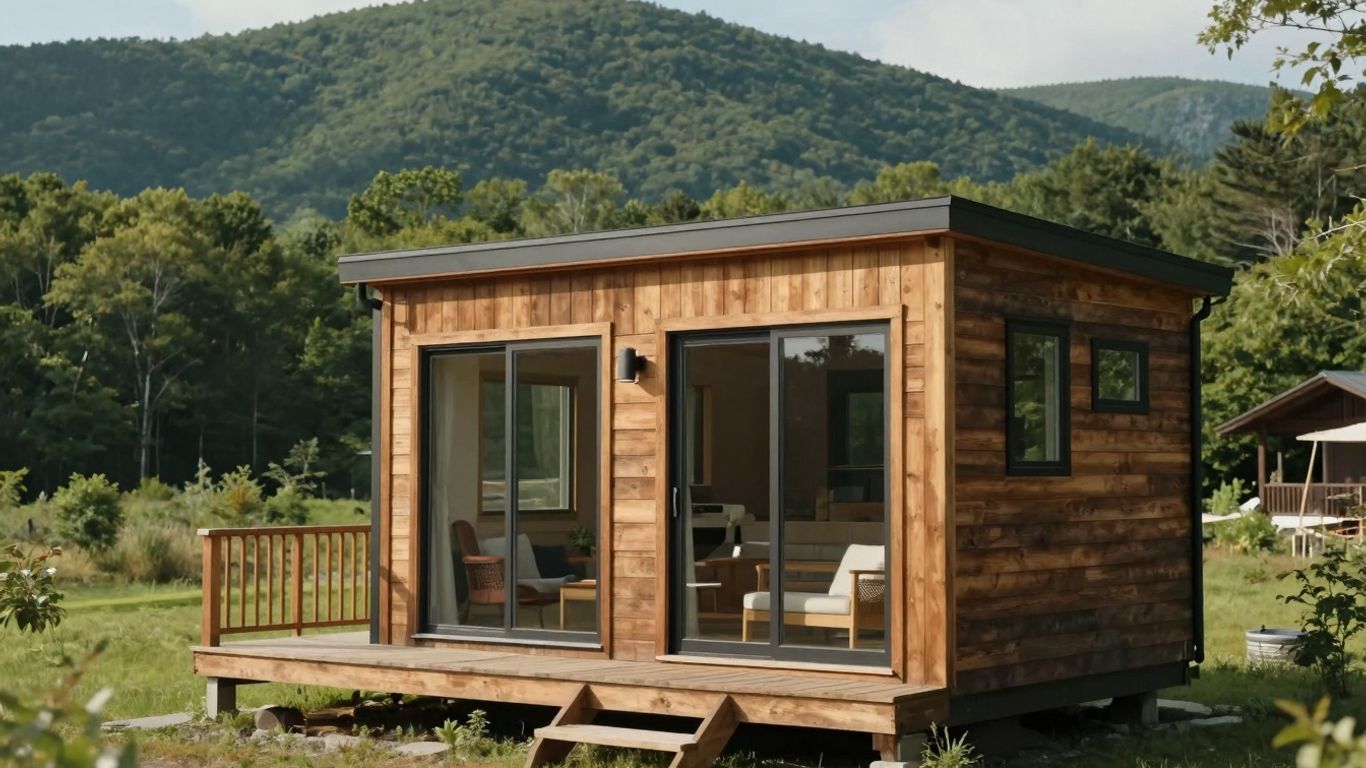
Is a Tiny House Legal in New Hampshire?
Yep, tiny houses are totally legal in New Hampshire. There isn’t a state law that outright bans them, which is good news for anyone dreaming of downsizing. For a while, New Hampshire has been working with the 2015 International Building Code, and while that code didn’t really have a place for tiny homes, they’ve since added Appendix Q, which is specifically for them. This means there are now established guidelines to follow.
Navigating Building Codes for Tiny Homes
So, while there’s no ban, you do need to pay attention to the building codes. The state is using the 2015 International Residential Code, specifically Appendix Q. This appendix sets a minimum standard, including things like:
- A minimum net floor area of 400 square feet or less (lofts don’t count towards this).
- Requirements for plumbing fixtures, sanitation, and a water supply.
- Specific egress requirements, like an emergency roof access window.
It’s not just about the size, though. You’ll also need to make sure your tiny home meets safety and energy efficiency standards. Think of it like this: even though it’s small, it still needs to be a safe and functional place to live.
The Impact of House Bill 588
There’s a new bill, House Bill 588, that’s making waves for tiny home enthusiasts in New Hampshire. This bill is designed to create more specific rules and regulations tailored just for tiny houses. It aims to make things clearer and potentially open up more opportunities for tiny living across the state. It’s still working its way through the system, but it’s a big step towards making tiny homes even more accessible and accepted. Keep an eye on this one, as it could change how tiny homes are viewed and regulated in New Hampshire.
Where Can You Place Your Tiny House in New Hampshire?
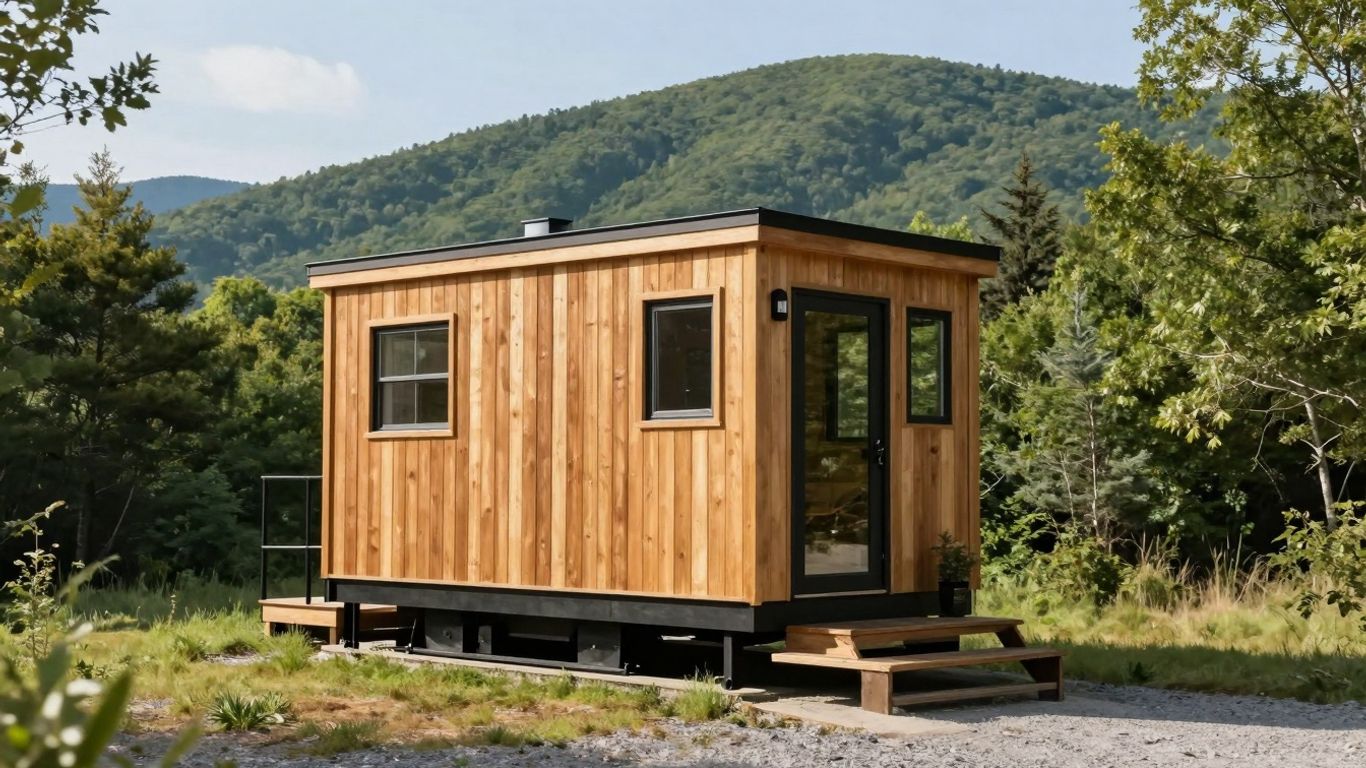
So, you’ve decided a tiny house is the way to go in New Hampshire. Awesome! But before you start dreaming about your cozy new abode, the big question is: where exactly can you put it? This isn’t always as straightforward as you might think, and it really depends on where you’re looking to settle.
County Zoning Ordinances and Tiny Homes
When it comes to placing your tiny house, the local rules are key. Some counties in New Hampshire are more welcoming than others. For instance, counties like Grafton, Carroll, Coos, and Sullivan historically haven’t had strict zoning ordinances. This can make things a bit simpler because there’s less red tape to cut through. However, it’s always wise to double-check current regulations, as these can change. Having no zoning doesn’t mean anything goes; there are still general building and safety standards to consider.
Cities Welcoming Tiny Dwellings
Beyond county lines, some individual cities have taken steps to be more friendly to tiny homes. Places like Concord and Manchester are notable examples. These cities often treat tiny houses as Accessory Dwelling Units (ADUs). This means they might fit into existing residential zones, especially if they’re built to meet specific ADU requirements.
Manchester, for example, has ordinances that allow for small, rentable apartments, which could include tiny homes, often in structures like detached garages or carriage houses. It’s a good idea to research the specific zoning codes for any city you’re considering to see how they classify and permit tiny dwellings. You can often find this information on the city’s official website or by contacting their planning department. Understanding these local zoning ordinances is a big step.
Parking Your Tiny House: Options and Restrictions
Where you park your tiny house can vary quite a bit. You might find dedicated tiny house communities, which often come with amenities like hookups for water and electricity, and sometimes even shared common spaces. These communities can be a great way to connect with other tiny home dwellers. Another option is to park on private land, but this is where zoning becomes really important.
If you’re looking at a tiny house on wheels (THOW), it’s often treated more like an RV. This means year-round residency might be restricted in some areas, and you’ll need to ensure it’s properly registered and insured. Some folks find spots in RV parks or campgrounds, but these are typically for temporary stays. Parking on your own land is possible, especially in areas without strict zoning, but permanent placement often requires meeting residential building codes, similar to how ADUs are regulated.
Here’s a quick rundown of common parking scenarios:
- Tiny House Communities: Often offer dedicated spots with utilities and community features.
- Private Land (with zoning): May require the tiny house to meet local building codes for permanent structures or ADUs.
- Private Land (without zoning): Can be more flexible, but still requires adherence to general safety and building standards.
- RV Parks/Campgrounds: Generally for temporary stays, not permanent living.
When considering where to place your tiny house, always start by checking the local zoning laws. What’s allowed in one town or county might be a complete no-go in another. Don’t assume anything; do your homework to avoid potential headaches down the road.
Key Regulations for Tiny House Living
So, you’re thinking about going tiny in New Hampshire? Awesome! But before you start dreaming about your cozy little abode, let’s talk about the nitty-gritty rules. It’s not just about picking a cute design; there are some specific regulations you’ll need to be aware of to make sure your tiny house is legal and livable.
Minimum Size Requirements for Tiny Homes
While there isn’t a single, statewide minimum square footage for all tiny homes, local ordinances and building codes often come into play. Generally, for a tiny house to be considered a permanent dwelling, it needs to meet certain habitability standards. This usually means having dedicated spaces for sleeping, cooking, eating, and sanitation.
The International Residential Code (IRC), which New Hampshire follows, has specific guidelines. For instance, habitable spaces and hallways typically need a ceiling height of at least 6 feet 8 inches. Bathrooms and kitchens might have a slightly lower minimum of 6 feet 4 inches, but obstructions like beams or lights can’t dip below these heights.
Rules for Permanent Tiny Structures
If your tiny house is going to be a permanent fixture on a foundation, it’s treated much like a traditional single-family home in terms of building codes. This means it needs to comply with state and local building, zoning, fire, and safety regulations. Think about utilities too – you’ll likely need to connect to public water and sewer systems, or have approved private well and wastewater disposal systems.
House Bill 588 aims to clarify these rules, often allowing tiny houses as a matter of right in zones where single-family homes are permitted. It’s also worth noting that if a town allows Accessory Dwelling Units (ADUs), they may permit a tiny house as one, though there might be extra lot size requirements.
Guidelines for Tiny Houses on Wheels
Tiny houses on wheels (THOWs) often fall into a different category, sometimes being treated like Recreational Vehicles (RVs). This can affect where you can park them and for how long. To be legally habitable, a THOW usually needs to be mounted on a registered and inspected chassis. A really important step here is getting a seal of approval from an authorized third-party inspection company. This certification confirms your tiny house meets structural, safety, and energy efficiency standards. This seal needs to be permanently attached to your home, and a local engineer will likely need to certify the connection to the chassis.
It’s super important to remember that rules can change and vary a lot from town to town. What’s allowed in one place might be a no-go just a few miles down the road. Always check with the local planning and zoning department before you buy or build.
Here’s a quick rundown of what to consider:
- Utilities: Permanent structures usually need hookups to water, sewer, and electricity. THOWs might have more flexibility with self-contained systems, but check local rules.
- Foundation vs. Wheels: Permanent homes follow traditional building codes. THOWs often have to meet RV standards and may have restrictions on long-term occupancy.
- Zoning: This is a big one. Some towns are very tiny-house friendly, others less so. Check if tiny homes are allowed as primary dwellings, ADUs, or only in specific zones.
- Safety Features: Like any home, tiny houses need to meet safety standards, including emergency escape and rescue openings.
Tiny House Communities and Neighborhoods
Benefits of Joining a Tiny House Community
Living tiny doesn’t have to mean living alone. In fact, many people find that the tiny house movement naturally leads them to connect with like-minded individuals. Communities offer a built-in social network, which can be a huge plus, especially if you’re new to an area or looking to simplify your life. Think shared resources, group activities, and a general sense of belonging. It’s a way to experience the minimalist lifestyle without feeling isolated.
Examples of New Hampshire Tiny Home Villages
While New Hampshire is still developing its landscape for tiny home living, there are emerging pockets and possibilities. Some areas are starting to see dedicated tiny home neighborhoods or developments that are more open to tiny structures. It’s worth investigating local initiatives and even looking at adjacent towns that might be more progressive with zoning. Sometimes, a cluster of tiny homes might exist informally on private land where owners have worked out agreements, though this often comes with its own set of challenges regarding official recognition and services.
Intentional Living and Shared Amenities
Many tiny house communities are built around the idea of intentional living. This means residents often choose to live there with a specific purpose, like reducing their environmental footprint, fostering a stronger sense of community, or simply enjoying a more focused, less materialistic lifestyle.
Shared amenities can really make this work. Imagine having access to a communal garden, a shared workshop space, laundry facilities, or even a common house for gatherings and meals. These shared resources not only reduce individual costs but also encourage interaction and cooperation among residents. It’s about creating a supportive environment where everyone contributes and benefits.
The dream of tiny living often includes a sense of connection and shared purpose. Communities can provide this, offering a structured way to live simply alongside others who value the same things. It’s a modern take on the village concept, adapted for those who prefer smaller spaces and a lighter impact on the planet.
Financial Considerations for Tiny Homeowners
So, you’re thinking about going tiny in New Hampshire? That’s awesome! Beyond the charm and simplicity, there are some real financial aspects to consider. It’s not just about the sticker price of the house itself; there are taxes, potential resale value, and how you’ll actually pay for it all.
Property Taxes on Tiny Houses
This can be a bit of a gray area, and it really depends on whether your tiny house is considered a permanent structure or a vehicle. If it’s on a foundation, it’s generally treated like any other home, meaning it’ll be subject to local property taxes. The amount will vary a lot depending on the town and the assessed value of your property. If your tiny house is on wheels and you’re parking it somewhere, it might be classified differently, potentially avoiding traditional property taxes but maybe incurring other fees depending on the land use agreement.
Sales Tax Implications in New Hampshire
Good news for Granite Staters! New Hampshire doesn’t have a general sales tax. This means when you purchase materials to build your tiny home or buy a pre-built one, you generally won’t have to worry about adding sales tax to the bill. This can be a significant saving compared to other states. However, always double-check if any specific components or services might have a different tax applied, though it’s unlikely for the structure itself.
Tiny Houses as Investments
People often think of tiny houses as a way to save money, and they definitely can be. But can they be an investment in the traditional sense? The resale market for tiny homes is growing, but it’s not as established as for conventional houses. If you build a well-designed, high-quality tiny home, especially one that meets local codes and is in a desirable location, it can hold its value. Tiny homes on wheels might depreciate like an RV, while stationary ones on a foundation are more likely to appreciate, though perhaps at a different rate than larger homes. It’s really about the build quality, location, and current demand.
Here’s a general idea of what people spend, though costs can swing wildly:
| Cost Category | Estimated Range (USD) |
|---|---|
| DIY Build (Materials) | $10,000 – $30,000 |
| Professionally Built | $40,000 – $80,000+ |
| Land (Varies Greatly) | $5,000 – $50,000+ |
| Site Prep & Utilities | $5,000 – $20,000+ |
Remember, these are just ballpark figures. Your specific choices, like high-end finishes or complex utility hookups, will impact the final cost. It’s always wise to get detailed quotes for everything.
Thinking about financing? You might look into personal loans, RV loans if it’s on wheels, or even a construction loan if you’re building on a foundation. Not all banks are familiar with tiny home financing, so you might need to shop around a bit. Some people opt to pay cash, which avoids interest but requires having the funds upfront. The financial freedom that comes with lower housing costs is a huge draw for many tiny dwellers, often leading to less debt and more savings compared to traditional homeowners.
Building and Permitting Your Tiny Dwelling
So, you’ve decided to build your own tiny house in New Hampshire. That’s exciting! But before you start swinging hammers, there are a few things you’ll need to sort out regarding permits and building rules. It’s not quite as simple as just slapping some walls together, even if it’s a small space.
Building in Areas Without Zoning
Sometimes, you might find land that doesn’t have specific zoning ordinances. This can seem like a free-for-all, but it doesn’t mean you can build whatever you want without any oversight. You’ll still need to make sure your structure is safe and meets basic building standards. Think about things like structural integrity, fire safety, and proper sanitation. It’s a good idea to consult with local building officials, even if zoning isn’t strictly enforced, to understand what’s expected. Getting a permit, even in an unzoned area, can prevent a lot of headaches down the road.
Accessory Dwelling Unit Regulations
Accessory Dwelling Units, or ADUs, are becoming more popular, and tiny houses can often fit this description. New Hampshire law, particularly through House Bill 588, has provisions for ADUs. If your municipality allows detached ADUs, you might be able to place a tiny house on your property as one. However, there are often rules about lot size and dimensional standards that apply. It’s important to check with your local planning or zoning department to see if your tiny house qualifies as an ADU and what specific requirements you’ll need to meet. Remember, a property can typically have either a tiny house or an ADU, but not both.
Third-Party Inspections and Certifications
Depending on your location and the type of tiny house you’re building (especially if it’s on wheels), you might need inspections from third-party agencies. These inspections help verify that your home meets safety and construction standards. For tiny houses on wheels (THOWs), certifications like those from RVIA (Recreational Vehicle Industry Association) can be important for insurance, financing, and sometimes even for parking legally. Even for stationary tiny homes, having professional inspections can give you peace of mind and help ensure your home is built to last. It’s all about making sure your dream dwelling is safe and sound.
Building a tiny house involves more than just the physical construction. You’ll need to understand the local rules, get the right permits, and ensure your home meets safety codes. Don’t skip these steps; they are vital for a successful and legal tiny home build.
Ready to Live Tiny in New Hampshire?
So, you’re thinking about making the move to a tiny house in New Hampshire. It’s definitely an exciting prospect, offering a simpler, more affordable way to live. We’ve covered a lot of ground, from understanding the state’s building codes and the ongoing legislative changes like House Bill 588, to figuring out where you can actually park or build your tiny home.
Remember, doing your homework on local rules is key to avoiding headaches down the road. Whether you’re drawn to the idea of a cozy permanent structure or a mobile tiny home, New Hampshire has options, but they come with specific guidelines. Take your time, do the research, and you’ll be well on your way to finding your perfect tiny living situation in the Granite State.
Frequently Asked Questions
Are tiny houses allowed in New Hampshire?
Yes, tiny houses are legal in New Hampshire! The state follows building codes that allow for tiny homes, and there’s even a new bill, House Bill 588, that makes things clearer for tiny house living. So, you don’t have to worry about them being banned.
What’s the smallest size a tiny house can be in New Hampshire?
New Hampshire follows a rule that says tiny homes should have a main living area of 400 square feet or less. This measurement doesn’t include any lofts you might have. It’s a good guideline to keep in mind when you’re designing or looking for a tiny home.
Where can I put my tiny house in New Hampshire?
You have a few options! You can look into tiny house communities, which often have shared spaces and amenities. Some towns, like Concord and Manchester, are also welcoming and treat tiny homes like extra living spaces on a property. If a county doesn’t have strict zoning rules, that can also make it easier to place your tiny home.
Do I have to pay property taxes on my tiny house?
It depends on the type of tiny house. If your tiny house is on wheels and considered a recreational vehicle, you generally don’t pay property taxes. However, if it’s a more permanent structure or built on a chassis and used as a home, it might be taxed like real estate. New Hampshire doesn’t have a sales tax on tiny homes if you register them properly.
Can I live in a tiny house on wheels all year round?
Generally, tiny houses on wheels are seen as recreational vehicles (RVs). While you can live in them, some towns might have rules about how long you can stay year-round. Permanent tiny structures usually have fewer restrictions for full-time living, especially if they meet building codes.
What are the rules for building a tiny house on wheels?
For tiny houses on wheels, they need to have the basic living areas like a place to sleep, cook, eat, and a bathroom. Importantly, they must be on a registered and inspected trailer, and you’ll need a special seal from a certified inspection company showing it’s safe and meets standards. This seal needs to be attached to the house permanently.