
Tiny House in New Jersey
Thinking about a tiny house in New Jersey? It sounds pretty great, right? Smaller living, maybe more freedom and there are many tiny home communities in New Jersey too. But before you get too caught up in the dream, there are some real-world things to sort out. It’s not as simple as just buying a small house and parking it. We’re talking about rules, where to put it, and how to pay for it. This guide will walk you through what you need to know for 2025.
Key Takeaways
- Understand if your tiny house is on wheels (THOW) or on a foundation, as this changes how it’s treated legally in New Jersey.
- Check New Jersey’s specific zoning laws and building codes, especially minimum size rules and Accessory Dwelling Unit (ADU) regulations.
- Figure out where you’ll put your tiny house – buying land, leasing space, or joining a community all have different rules.
- Explore financing options like RV loans or personal loans, as traditional mortgages are often not an option for tiny homes.
- Always get professional advice and put everything in writing, from land agreements to permits, to avoid future problems.
Understanding Tiny House Classifications in New Jersey
So, you’re thinking about a tiny house in New Jersey. That’s awesome! But before you get too far, we need to talk about how these homes are actually classified. It’s not as simple as just “tiny house.” The way your tiny home is built and where you plan to put it really matters, legally speaking. This classification affects everything from where you can park it to how it’s taxed.
Tiny Houses on Wheels (THOWs)
These are the ones that look like they could be towed down the highway. Think of them as mobile dwellings. In New Jersey, and many other places, THOWs often fall under the umbrella of recreational vehicles (RVs) or mobile homes. They might be built to certain standards, like those from the RV Industry Association (RVIA), but here’s the catch: they’re not always recognized as permanent residences. This means they might be restricted to specific locations, like RV parks or designated areas, and might not be allowed for year-round living in many residential zones.
Tiny Houses on Foundations
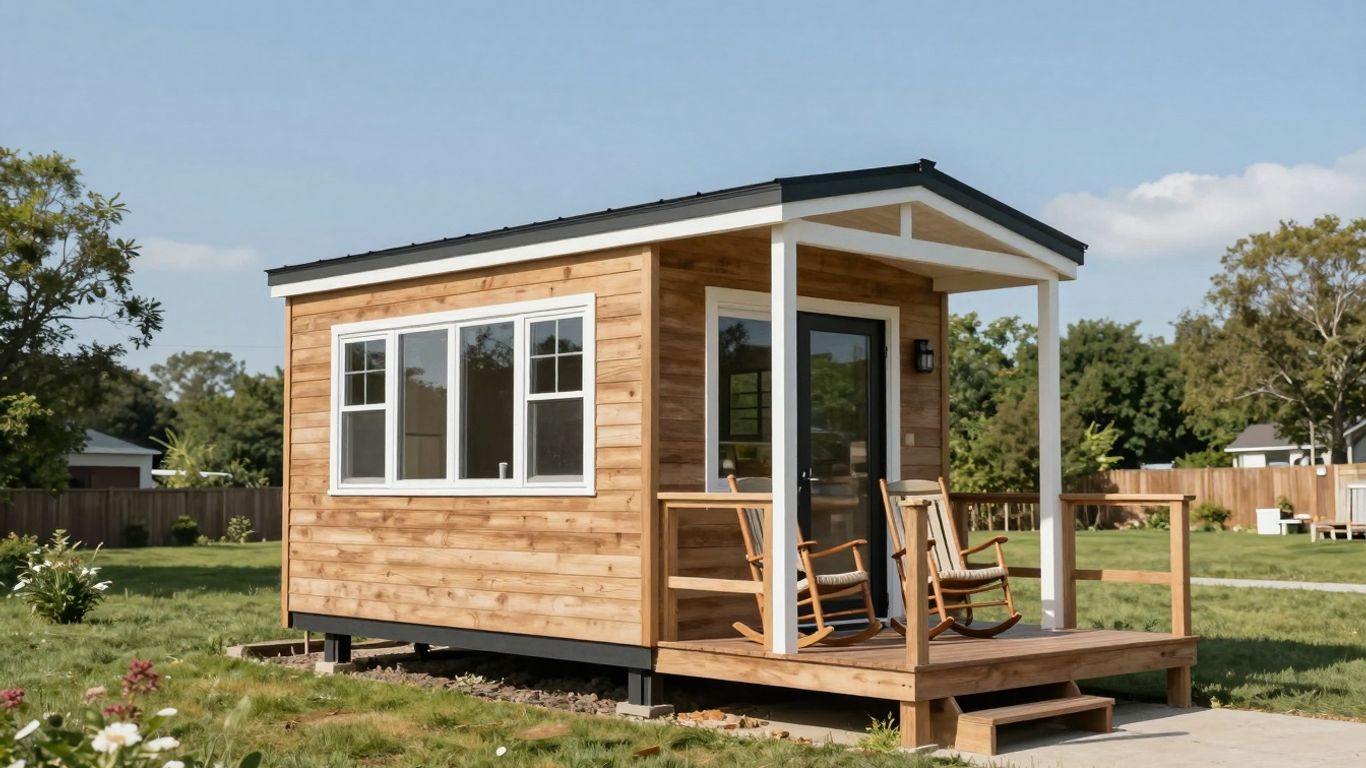
Now, if your tiny house is built on a permanent foundation, it’s a different ballgame. These are typically treated more like traditional homes. Depending on local rules, they might be considered an Accessory Dwelling Unit (ADU) – like a small guest house or in-law suite on an existing property – or even a primary residence if they meet all the state and local building codes. Because they’re fixed in place, they generally have a clearer path to being considered a permanent dwelling, but this also means they have to adhere strictly to all standard building regulations.
Legal Implications of Classification
This is where things get really important. Your tiny house’s classification dictates a lot:
- Placement: Can it be your permanent home, or is it just for temporary stays?
- Zoning: Does it fit into the existing zoning laws of the area you want to live in?
- Taxes: How will it be assessed for property taxes?
- Permits: What kind of permits are needed for building and occupancy?
The biggest hurdle for tiny homes often comes down to local ordinances. What’s allowed in one town might be completely forbidden in the next. It’s not just about the house itself, but also about fitting it into the existing community structure and regulations.
Understanding these classifications upfront is key. It will save you a lot of headaches down the road when you’re trying to find a place to put your dream tiny home in the Garden State.
Navigating New Jersey’s Zoning and Building Codes
Alright, so you’re thinking about a tiny house in New Jersey. That’s awesome! But before you start dreaming about your cozy little place, we’ve got to talk about the rules of the road, or in this case, the rules of the town. Zoning and building codes can feel like a maze, but understanding them is super important for actually making your tiny house dream a reality.
Minimum Dwelling Size Regulations
This is a big one. Many towns, not just in New Jersey but across the country, have rules about how small a house can be. These regulations were often put in place a long time ago, and they might not even consider tiny homes as a possibility. So, you’ll need to check with the specific municipality where you plan to put your tiny house. They’ll have a minimum square footage requirement, and if your tiny house is smaller than that, you might run into trouble. It’s not always a dead end, though; some places are starting to update their rules.
Accessory Dwelling Unit (ADU) Rules
If you’re thinking about placing your tiny house on a piece of land that already has a main house on it, like in a backyard, you’ll likely be dealing with Accessory Dwelling Unit (ADU) rules. These rules are designed to manage smaller, secondary living spaces on a property. They often have specific requirements for things like setbacks from property lines, parking, and even how the ADU connects to utilities. Sometimes, a tiny house on wheels might be classified differently than a tiny house built on a permanent foundation when it comes to ADU regulations.
State Building Code Compliance
No matter where you are in New Jersey, your tiny house needs to meet the state’s building codes. This covers everything from the electrical wiring and plumbing to insulation and structural integrity. If you’re building your tiny house from scratch, you’ll need to make sure it’s designed and constructed to meet these standards. If you’re buying a pre-built tiny house, especially a Tiny House on Wheels (THOW), you’ll want to confirm it was built to relevant codes, like RVIA standards, and if those are accepted by your local building department. Getting the right permits and passing inspections is key to legal occupancy.
It’s really about making sure your home is safe and sound, not just for you but for the community too. Local officials are there to help guide you through this, but you have to do your homework first.
Here’s a quick rundown of what to look into:
- Contact your local zoning and building department: This is your first stop. Get their specific ordinances and requirements in writing.
- Understand the classification: Is it a permanent dwelling or a recreational vehicle? This impacts everything.
- Check for minimum square footage: Don’t assume your tiny house will automatically be allowed.
- Review ADU regulations: If it’s a secondary dwelling, these rules apply.
- Confirm building code adherence: Ensure all systems (electrical, plumbing, etc.) meet state standards.
It might seem like a lot, but taking the time to understand these codes upfront will save you a massive headache down the road. Seriously, it’s better to know the rules before you buy land or start building.
Securing Land for Your Tiny House in New Jersey
Finding the right spot for your tiny house is probably the biggest hurdle you’ll face. It’s not as simple as just parking it anywhere, unfortunately. You’ve got a few main paths to consider, and each has its own set of rules and potential headaches.
Purchasing Land for Tiny Homes
Buying land outright gives you the most control, but it comes with responsibilities. First off, you need to make sure the land is zoned for residential use. Some areas might be strictly single-family homes, while others could be agricultural or commercial, none of which might allow a tiny house.
You’ll also need to check for utility access – water, sewer or septic, and electricity. Can you hook up to existing lines, or will you need to install new ones? That can get expensive fast. Don’t forget to look into any Homeowners Association (HOA) rules if the land is part of one; they can have their own restrictions on dwelling size and type. A clear title is also a must, meaning no one else has a claim on the property.
Leasing Land or Backyard Placement
If buying feels like too much, leasing land or placing your tiny house in someone’s backyard (as an Accessory Dwelling Unit, or ADU) can be a good option. For leasing, you absolutely need a solid, written agreement. This contract should spell out everything: how long you can stay, how much rent is, what happens when the lease ends, and who’s responsible for what.
Make sure the lease complies with New Jersey’s tenant laws. Backyard placement often falls under ADU regulations, which vary by town. Some municipalities are more open to this than others, so you’ll need to check local ordinances carefully. It’s a way to get a foot in the door without the commitment of buying land.
Tiny House Communities in New Jersey
These are becoming more popular, and for good reason. They offer a ready-made solution for tiny home dwellers. Think of them as mini-neighborhoods specifically designed for smaller homes, often with shared amenities and utilities. It can simplify a lot of the setup process. However, you’ll need to review the community’s rules very carefully. What are the monthly fees? What are your responsibilities regarding shared services? Joining a community can be a great way to bypass some of the trickier zoning issues, but make sure you understand all the terms before you commit.
Finding a legal place to put your tiny house is often the most challenging part of the whole process. A perfectly built tiny home can still be considered illegal to live in if it’s not situated in a place that allows it according to local laws.
Financing and Insuring Your Tiny House in New Jersey
Okay, so you’ve got your tiny house plans all sorted out, but how do you actually pay for it and protect your investment? This is where things can get a little tricky, especially with tiny homes being a newer concept in the housing world. Traditional mortgages aren’t usually an option, so you’ll need to get creative.
Mortgage Alternatives for Tiny Homes
Since most banks don’t offer standard mortgages for tiny homes, especially those on wheels, you’ll likely be looking at other ways to finance your dream. Think about personal loans or lines of credit. These can work, but be aware that interest rates might be higher than what you’d find with a traditional mortgage. Some tiny home builders even offer their own financing plans, which can sometimes be a good route to explore. It’s all about finding what fits your financial situation best. Securing financing for a tiny home can be challenging as traditional mortgages are often unavailable. Alternative loan options are out there, but they require careful consideration.
Securing RV Loans
If your tiny house is built on wheels (a THOW), you might be able to get an RV loan. This is often the case if your tiny home meets certain standards and has the necessary certifications, like those from the RV Industry Association (RVIA). You’ll also need to make sure it’s registered as a recreational vehicle. This route can sometimes offer better terms than a personal loan, but it really depends on the lender and the specifics of your tiny house.
Insurance Policies for Tiny Homes
Insurance is another big piece of the puzzle. For a tiny house on wheels, you’ll typically need RV or mobile home insurance. This type of policy is designed to cover things like damage during transport, theft, and liability. If your tiny house is on a foundation and meets all local building codes, you might be able to get a more traditional homeowner’s insurance policy. It’s super important to talk to your insurance agent and make sure they understand exactly what kind of tiny house you have and how it’s classified. You want a policy that covers you for liability, damage, and any other risks specific to your situation.
Here’s a quick rundown of what to consider:
- Classification is Key: Is it an RV, a mobile home, or a permanent dwelling? Your insurance needs will change based on this.
- Coverage Needs: Think about liability, damage from weather, theft, and even transit if it’s a THOW.
- Lender Requirements: If you financed your home, your lender will have specific insurance requirements you’ll need to meet.
- Policy Review: Always read the fine print. Understand what’s covered and what’s not.
Getting the right insurance is about peace of mind. It means knowing that if something unexpected happens, you won’t be left completely out of pocket. Take the time to research and compare different policies to find the best fit for your tiny home and your budget.
Essential Legal Steps Before Buying a Tiny House in New Jersey
Alright, so you’re dreaming of that cozy tiny house life in New Jersey. That’s awesome! But before you start picking out paint colors, let’s talk about the not-so-glamorous, but super important, legal stuff. Skipping these steps can lead to some serious headaches down the road, and nobody wants that.
Consulting Professionals
First things first, don’t go it alone. Think of this like trying to assemble IKEA furniture without the instructions – it’s possible, but messy. You’ll want to chat with a few key people. A real estate attorney who knows the ins and outs of New Jersey property law is a must. They can help you understand any weird clauses in contracts or land agreements. Also, consider talking to a certified builder or architect, especially if you’re planning to build from scratch or modify an existing structure. They can tell you if your dream design actually meets building codes before you spend a dime.
Verifying Land and Permits
This is a big one. Where will your tiny house actually live? You can’t just plop it anywhere. You need to make sure the land you’re eyeing is zoned correctly for your type of dwelling. Is it a tiny house on wheels (THOW) that might be classified as an RV, or a tiny house on a foundation that could be an Accessory Dwelling Unit (ADU)? Each has different rules.
Here’s a quick rundown of what to check:
- Zoning Laws: Does the municipality allow tiny homes? Are there minimum square footage requirements that your tiny house won’t meet?
- Permits: What permits do you need? This could include building permits, zoning permits, or even special permits for THOWs.
- Utilities: Is there access to water, sewer or septic, and electricity? Hooking these up can be complicated and costly if not planned for.
- Land Ownership/Lease: If you’re buying land, get a title search done. If you’re leasing, make sure you have a solid, written agreement that clearly outlines terms, duration, and responsibilities.
Remember, even if a tiny house is built perfectly, it can still be illegal to live in if it’s not situated on properly zoned land with the correct permits. Don’t assume anything; verify everything with the local planning and building departments.
Written Agreements and Documentation
Seriously, get everything in writing. This applies to buying a pre-built tiny home, hiring a builder, purchasing land, or leasing a spot. A handshake deal just doesn’t cut it in the legal world. You’ll want clear purchase agreements, land contracts, lease agreements, and any warranties or guarantees from builders. Make sure you read these documents carefully, and have your attorney review them if possible. This documentation is your best protection if any disputes pop up later on. It’s all about covering your bases so you can enjoy your tiny house adventure without legal worries.
Ready to Build Your Tiny Dream?
So, you’re thinking about a tiny house in New Jersey. It’s a cool idea, right? Living smaller can mean more freedom and less stuff to worry about. But, as we’ve seen, it’s not just as simple as picking out a cute little house and parking it. You’ve got to figure out the rules, like where you can actually put it and what kind of permits you need. Plus, getting the money and insurance sorted can be a bit tricky since tiny homes are still pretty new. Take your time, do your homework, and maybe talk to a few experts. It might take some effort, but that tiny home life in the Garden State could be totally worth it.
Frequently Asked Questions
What’s the difference between a tiny house on wheels and one on a foundation in New Jersey?
A tiny house on wheels (THOW) is like a big RV and can be moved around. A tiny house on a foundation is built right onto the land, like a regular house. This difference matters a lot for where you can put it and what rules you have to follow.
Can I just put a tiny house anywhere in New Jersey?
Not exactly. New Jersey has rules about where you can build or place homes, called zoning laws. Some towns have minimum size rules for houses, and you need to make sure your tiny house fits those rules or is allowed as a special type of home, like an ‘accessory dwelling unit’ (ADU).
How do I find land to put my tiny house on in New Jersey?
You have a few choices. You could buy land, but make sure it’s zoned for homes. You could also rent a spot, maybe in someone’s backyard if they allow it, or join a tiny house community, which is like a neighborhood just for tiny homes.
Is it hard to get a loan or insurance for a tiny house in New Jersey?
It can be trickier than for a normal house. Regular mortgages are hard to get. You might need an RV loan if it’s on wheels, or a personal loan. Insurance also depends on if it’s on wheels or a foundation, and you’ll need to find companies that understand tiny homes.
What are the most important legal things to check before buying a tiny house in New Jersey?
First, talk to experts like lawyers or builders who know about tiny homes. Then, make sure the land you want to put it on is okay for it and that you have all the right permits. Always get everything important, like land leases or purchase papers, in writing.
Do tiny houses count as permanent homes in New Jersey?
It really depends on how the house is built and where you plan to put it. A tiny house on wheels might only be allowed for temporary stays or in special RV parks. A tiny house built on a foundation, if it meets all the building codes and local rules, has a better chance of being considered a permanent home.