
Tiny Homes in New Mexico
Thinking about a tiny home in New Mexico? It’s a pretty cool idea, especially with all the amazing scenery and the growing interest in simpler living. Whether you’re dreaming of a cozy spot in the mountains or a place closer to town, this guide will walk you through what you need to know. We’ll cover why New Mexico is a great spot for tiny homes, who can help you build one, and what rules you’ll need to follow. Let’s explore the possibilities for your own tiny home New Mexico adventure. Remember, there are also tiny home communities in New Mexico as well.
Key Takeaways
- New Mexico offers a great environment for tiny home living due to its landscapes, potential for affordability, and interest in sustainable lifestyles.
- Before building or buying, it’s important to understand local zoning laws and building codes, as these can differ significantly between counties.
- Several builders in New Mexico specialize in tiny homes, from custom Southwestern designs to off-grid solutions like Earthships.
- Some counties, like Santa Fe and Taos, are more open to tiny homes, while others, like Bernalillo, might have stricter rules in urban areas but more flexibility in rural zones.
- Designing your tiny home with the New Mexico climate in mind, including off-grid capabilities and durable materials, is a smart approach.
Embracing The Tiny Home Lifestyle In New Mexico
Why Choose A Tiny House In New Mexico?
New Mexico, with its wide-open spaces and stunning natural beauty, is a pretty fantastic place to think about living in a tiny home. It’s not just about saving money, though that’s a big part of it for a lot of folks. People are drawn here for the chance to simplify, to connect more with the outdoors, and honestly, to just have less stuff to worry about. The state’s generally affordable land prices make it easier to find a spot for your tiny dwelling, whether you’re dreaming of a desert retreat or a mountain hideaway.
The Allure Of Sustainable Living
Living tiny in New Mexico often goes hand-in-hand with a desire for a more sustainable lifestyle. Think solar panels soaking up that abundant New Mexico sun, rainwater harvesting systems, and composting toilets. It’s about reducing your footprint on this beautiful land. Many tiny homes here are designed with off-grid capabilities in mind, allowing for a more independent way of living. It’s a chance to be more self-sufficient and live in harmony with the environment.
The appeal of a tiny home in New Mexico is deeply tied to the state’s unique landscape and a growing interest in self-sufficiency. It offers a path to a simpler life, closer to nature, with a reduced environmental impact.
Financial Freedom Through Downsizing
Let’s be real, the cost of traditional housing can be a huge burden. Tiny homes offer a way out from under that weight. By downsizing, you’re not just reducing your physical space; you’re often significantly cutting down on expenses. Think lower utility bills, less maintenance, and, of course, a much smaller mortgage or even no mortgage at all. This financial freedom can open up possibilities for travel, pursuing hobbies, or simply having more disposable income. It’s about living more intentionally and spending your resources on what truly matters to you.
Navigating Tiny Home Regulations In New Mexico
So, you’re dreaming of a tiny home in New Mexico? That’s awesome! But before you start picking out paint colors, we need to talk about the nitty-gritty: the rules and regulations. It can feel a bit like a maze, but understanding these is key to making your tiny house dream a reality without running into trouble.
Understanding Zoning And Land Use
This is probably the biggest hurdle. Zoning laws dictate what kind of structures can go where. In New Mexico, these rules can change quite a bit from one county to the next, and even within different parts of the same county. Generally, tiny homes on wheels (often called THOWs) are treated like recreational vehicles (RVs). This means they might only be allowed in designated RV parks or campgrounds. If you’re thinking of parking your THOW on private land, you’ll need to check the local ordinances very carefully. Tiny homes on a permanent foundation are usually viewed more like traditional houses, but there might still be minimum square footage requirements or rules about connecting to utilities.
- Check local zoning ordinances: This is your first and most important step.
- THOWs vs. Foundation Homes: Understand how your chosen type of tiny home is classified locally.
- Rural vs. Urban: Rural areas often have more flexibility than densely populated cities.
It’s not uncommon for areas to have minimum square footage requirements for new construction. Some places might say a home has to be at least 600 or even 1,000 square feet. This can be a real roadblock for tiny homes, though some communities are starting to make exceptions or offer special permits.
Building Codes For Tiny Dwellings
Once you’ve figured out where you can put your tiny home, you need to make sure it’s built to code. For tiny homes on a foundation, they generally need to follow the New Mexico Residential Code, which is based on the International Residential Code (IRC). This covers all the important stuff like plumbing, electrical systems, insulation, and structural safety. If your tiny home is on wheels, it’s usually expected to meet RV standards, like those from the RV Industry Association (RVIA). However, remember that local zoning laws still have the final say on where you can park and live in it.
Tiny Homes On Wheels Versus Foundations
Deciding between a tiny home on wheels (THOW) and one built on a permanent foundation is a big choice, and the regulations play a huge role in this decision. THOWs offer mobility and can sometimes bypass certain building codes by being classified as RVs. However, finding a legal place to park and live in a THOW long-term can be challenging due to zoning restrictions. They are often limited to RV parks or specific zones. Tiny homes on foundations are typically treated more like traditional homes.
They must meet standard building codes and are subject to local zoning, including potential minimum size requirements. While they lack mobility, they often have an easier time getting approved for permanent placement and utility hookups, especially if they can be classified as an Accessory Dwelling Unit (ADU) on an existing property.
Top Tiny Home Builders Serving New Mexico
So, you’ve decided a tiny home is the way to go in New Mexico. Awesome! Now comes the fun part: finding someone to actually build it. Luckily, there are some great folks out there who know their stuff when it comes to small-space living, especially with that New Mexico vibe in mind.
Southwest Tiny Homes: Custom Southwestern Designs
If you’re looking for a tiny home that really feels like it belongs in New Mexico, Southwest Tiny Homes is a solid choice. They focus on designs that work well with the local climate and style. Think about homes that can handle the sun and maybe even incorporate some of that classic adobe look, but in a tiny package. They’re known for building homes that are not just small, but also smart and suited for the region.
Tumbleweed Tiny House Company: Nationwide Options
While not exclusively a New Mexico builder, Tumbleweed is a big name in the tiny house world across the country, and they do serve the Land of Enchantment. They offer a range of models, from ones you can get fully built to kits if you’re feeling hands-on. Their reputation is built on solid craftsmanship and a focus on making tiny living work for people everywhere. They’ve been around for a while, so they have a lot of experience.
New Mexico Earthships: Sustainable Off-Grid Living
This one’s a bit different, but super interesting if you’re into sustainability and living off the grid. Earthships are unique structures built using recycled materials and designed to work with nature. They harness solar power and collect rainwater, making them incredibly eco-friendly. While they might not look like a typical tiny house, they offer a small, self-sufficient way to live that’s perfect for New Mexico’s wide-open spaces and sunny days.
Prefab Solutions For Quick Setups
Sometimes, you just want a tiny home without the long wait of a custom build. That’s where prefab or modular tiny homes come in. Companies offer units that are built off-site and then brought to your land. This can be a faster and often more budget-friendly way to get into a tiny home. These are great for adding an extra dwelling to your property, like a guest house or a dedicated workspace, without a huge construction project.
When looking at builders, it’s always a good idea to ask about their experience with New Mexico’s specific building codes and zoning laws. What works in one state might need adjustments here.
Counties Welcoming Tiny Homes In New Mexico
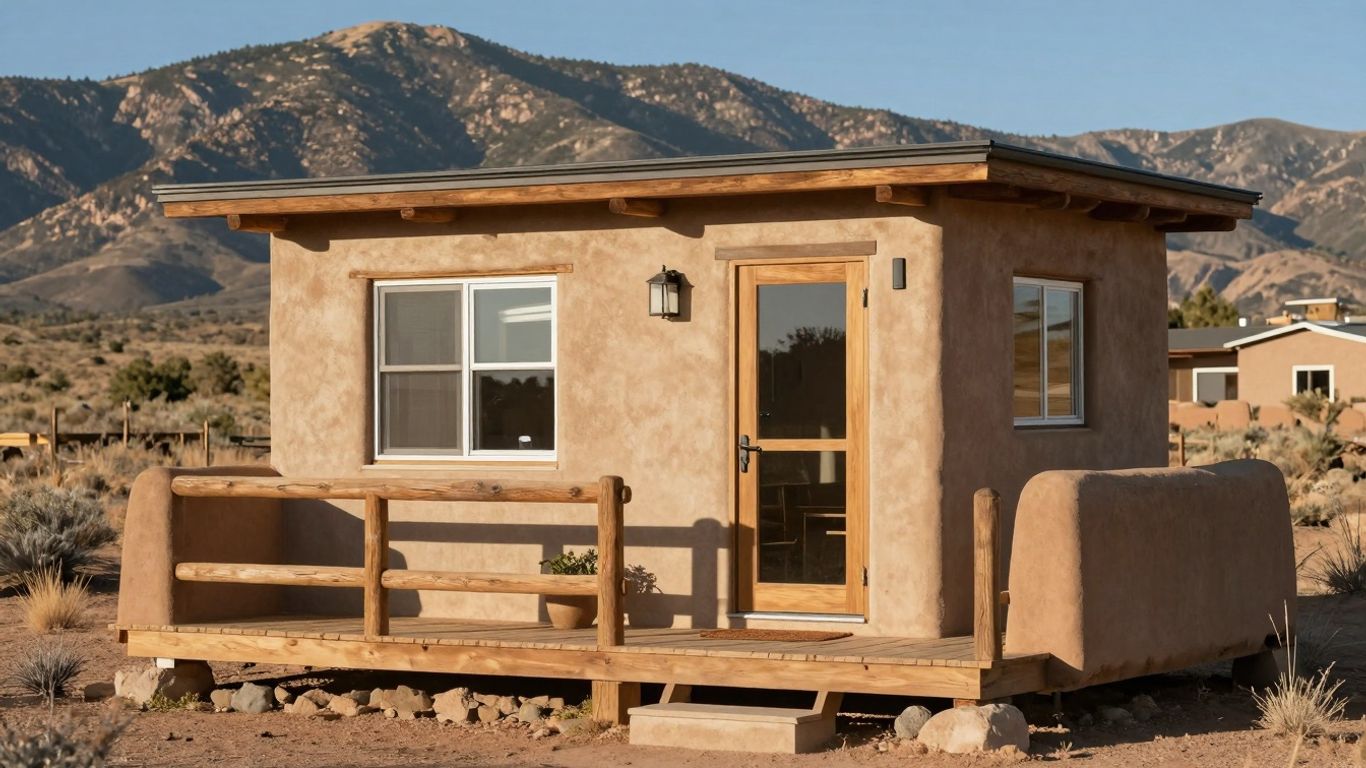
So, you’re thinking about a tiny home in New Mexico, huh? That’s awesome! But before you start sketching out floor plans, you gotta know where you can actually put the thing. New Mexico’s counties are a mixed bag, some are super welcoming, others… not so much. It really depends on where you’re looking.
Santa Fe County: Progressive Tiny Home Policies
Santa Fe County is often seen as a leader when it comes to embracing alternative housing. They’ve been pretty open to tiny homes, whether they’re on wheels or a permanent foundation. Of course, there are rules to follow – think zoning and building codes – but generally, they’re more flexible. If you’re looking at tiny homes on wheels, they might need to meet RV standards, and sometimes you’ll need a special permit for long-term stays. The rural parts of Santa Fe County tend to be even more laid-back, especially if you’re interested in off-grid living.
Bernalillo County: Urban Restrictions, Rural Opportunities
Bernalillo County, which includes Albuquerque, is a bit more of a mixed bag. In the city and more developed areas, zoning can be pretty strict. Minimum square footage requirements are common, which can be a hurdle for tiny homes. However, if you head out to the more rural parts of the county, you’ll find more wiggle room. Tiny homes on foundations usually need to meet standard building codes, and those on wheels might be limited to RV parks or require temporary permits. It’s all about checking the specific local ordinances.
Taos County: A Haven For Alternative Housing
Taos has a reputation for being a bit quirky and definitely a place that supports unique living situations. This extends to tiny homes. The county has been working on updating its rules to be more tiny-home friendly. You’ll find that in the rural areas, there’s a good chance you can get approval for tiny homes on foundations or wheels, sometimes with a variance. It’s a great spot if you’re drawn to the idea of alternative and sustainable living.
Doña Ana And Rio Arriba Counties: Rural Flexibility
Down in Doña Ana County, especially in the more rural and agricultural areas around Las Cruces, they’ve been making an effort to accommodate tiny homes. Permanent tiny homes can be built if they meet the International Residential Code (IRC) and local building rules. Homes on wheels might fall under RV regulations. Similarly, Rio Arriba County offers more flexibility, particularly for those looking to go off-grid. Permanent structures are generally more accepted here, while mobile tiny homes might face similar restrictions to RVs. It’s always best to contact the county planning and zoning department directly before making any big decisions.
When considering a tiny home, remember that local regulations are key. What works in one county might not fly in another. Always do your homework on zoning, building codes, and any specific ordinances related to tiny dwellings in the area you’re interested in. This upfront research can save you a lot of headaches down the road.
Designing Your Tiny Home For The New Mexico Landscape
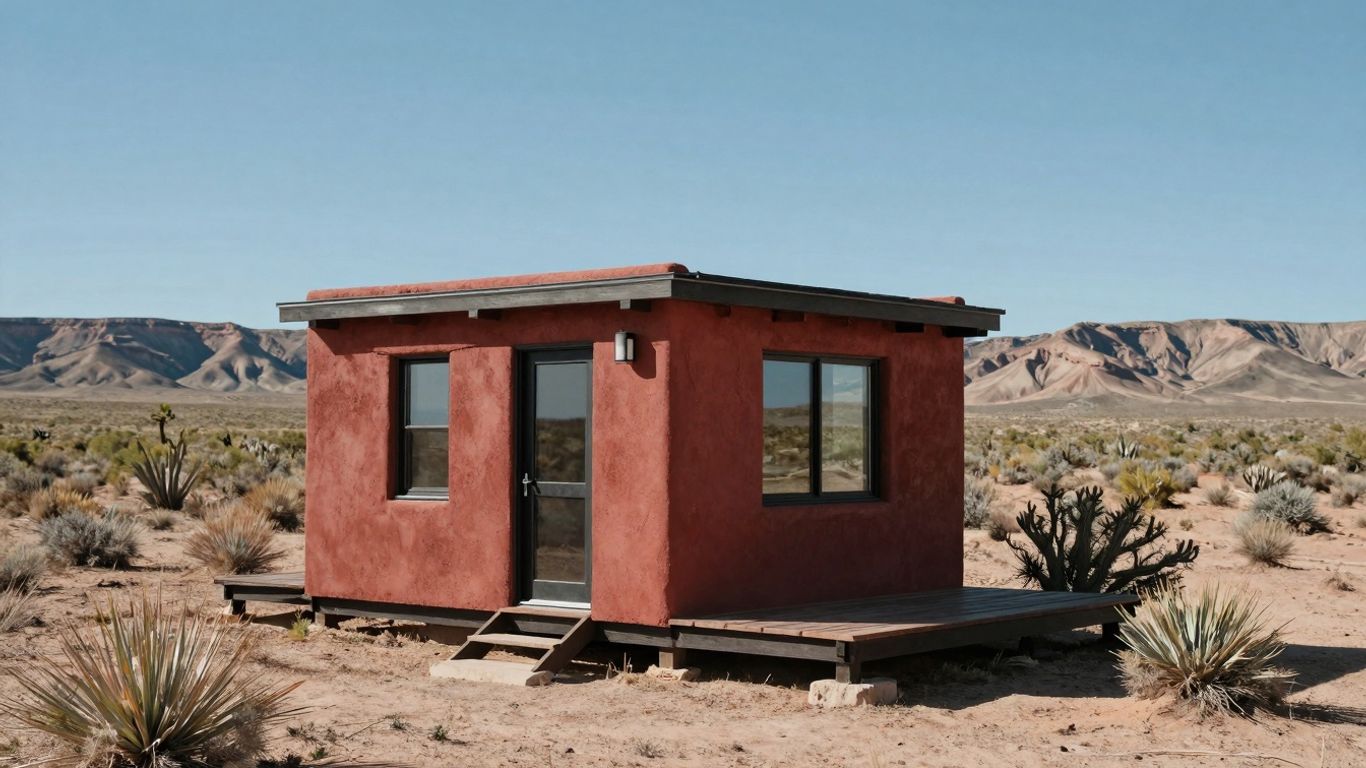
So, you’re thinking about a tiny home in New Mexico. Awesome! But before you start picking out paint colors, let’s talk about making sure your little place fits right in with the Land of Enchantment’s unique vibe and environment. It’s not just about shrinking your square footage; it’s about designing a home that works with New Mexico, not against it.
Maximizing Space And Functionality
This is where tiny living really shines, especially in a place with so much natural beauty to enjoy. You want every inch to count. Think about built-in furniture that does double duty – a bench that’s also storage, or a table that folds away. Vertical space is your best friend. Shelving that goes all the way to the ceiling can hold a surprising amount of stuff. And windows? More is usually better, especially if you can position them to capture those incredible New Mexico views. Smart design means your small space feels open and livable.
Incorporating Off-Grid Capabilities
New Mexico’s wide-open spaces and sunny skies practically beg for off-grid living. Many folks choose tiny homes precisely for this reason. Solar panels are a no-brainer here, and you can often get a really good setup. Rainwater harvesting systems are also super practical, especially in areas that don’t get a ton of precipitation. And let’s not forget composting toilets – they save water and are pretty low-maintenance once you get the hang of them. It’s all about being more self-sufficient and reducing your impact on the land.
Here are some key off-grid components to consider:
- Solar Power: Panels, batteries, and an inverter to keep your lights on and appliances running.
- Water Systems: Rainwater catchment, filtration, and storage tanks. Consider a well if feasible.
- Waste Management: Composting toilets are common, but greywater systems for sinks and showers are also important.
- Heating & Cooling: Passive solar design, wood stoves, and efficient mini-split systems can work wonders.
Choosing Materials For Durability And Aesthetics
When you’re building small, the materials you choose really matter. You want things that can stand up to the New Mexico climate – think intense sun, wind, and sometimes dramatic temperature swings. Stucco is a classic for a reason; it’s tough and looks great. Metal roofing is also a solid choice for durability and can help reflect heat. For the interior, natural wood finishes can bring a warm, earthy feel that complements the landscape. It’s about finding a balance between something that looks good and something that will last.
Designing a tiny home for New Mexico means embracing its unique character. It’s about working with the environment, not against it. Think about how the sun moves across the sky, how the wind blows, and how you can use natural resources to your advantage. This approach not only makes your home more sustainable but also more comfortable and beautiful.
Your New Mexico Tiny Home Adventure Awaits
So, you’re thinking about a tiny home in New Mexico? It’s a pretty cool idea, honestly. The state has so much to offer, from wide-open spaces to a growing interest in simpler living. We’ve looked at why it makes sense here, who can help you build one, and what rules you need to keep in mind. It might seem like a lot to figure out, but with a little research and planning, your dream of living small in the Land of Enchantment could totally happen. Don’t forget to check those local rules, though – that’s always the tricky part. But hey, imagine waking up to those New Mexico views from your own little place. It’s definitely worth exploring!
Frequently Asked Questions
Can I legally live in a tiny house in New Mexico?
Yes, you can live in a tiny house in New Mexico! However, the rules change depending on if your home is on wheels or has a permanent foundation. Homes on wheels are often treated like RVs and might only be allowed in special RV spots. Homes with foundations follow regular building rules, but some places might have rules about how small a house can be.
How much money does it usually cost to build a tiny house in New Mexico?
Building a tiny house can be cheaper than a regular house, but the price really depends on what you want. You could spend anywhere from about $20,000 to $100,000. A custom-designed home with fancy materials will cost more than a simpler, pre-made one.
Is it possible to live completely off the grid in a tiny house in New Mexico?
Absolutely! New Mexico has lots of sunshine and wide-open spaces, making it a great spot for off-grid living. Many tiny homes can be set up with solar panels for electricity, systems to collect rainwater, and composting toilets, so you can live freely without needing city utilities.
What are the rules about where I can put my tiny house in New Mexico?
The rules for where you can park or build a tiny house depend a lot on the specific town or county. Some areas are more welcoming than others. Tiny houses on wheels often have more limits, especially in cities, where they might need to be in an RV park. Houses on foundations usually have fewer issues, but you’ll need to check local rules about things like lot size and having access to water and power.
What’s the difference between a pre-built tiny house and one I design myself?
A pre-built (or prefab) tiny house is made in a factory and then brought to your land. This is usually faster and can be less expensive. A custom-built tiny house is designed and built right where you want it, giving you more freedom to choose every detail, but it often takes longer and costs more.
Are there specific counties in New Mexico that are more open to tiny homes?
Yes, some counties are known for being more tiny-home friendly. Santa Fe County, for example, is quite progressive. Taos County also has a reputation for supporting alternative housing. Even in counties with stricter rules, like Bernalillo, you might find more options in the rural areas outside the main cities.