
Tiny House in New York
Thinking about a tiny house in New York? It’s a big idea, and honestly, it can be a bit overwhelming to figure out where to start. Whether you’re picturing a cozy spot upstate or a clever urban dwelling, there’s a lot to consider. We’re going to break down what you need to know to make that tiny house dream a reality in the Empire State.
Key Takeaways
- New York has specific rules for tiny houses, especially in NYC, so understanding local laws and zoning is your first step to getting involved with tiny home communities in New York.
- Designing your tiny house means thinking about how you’ll use space, whether you’re in a city or the country, and what eco-friendly features you want.
- Building a tiny house involves costs for land, materials, and permits, but there are financing options and ways to save money.
- Living tiny in New York involves community dynamics and understanding your rights and responsibilities as an owner.
- Finding land or a community for your tiny house often means looking into specific resources and connecting with others who share your vision.
Navigating Tiny House Regulations in New York
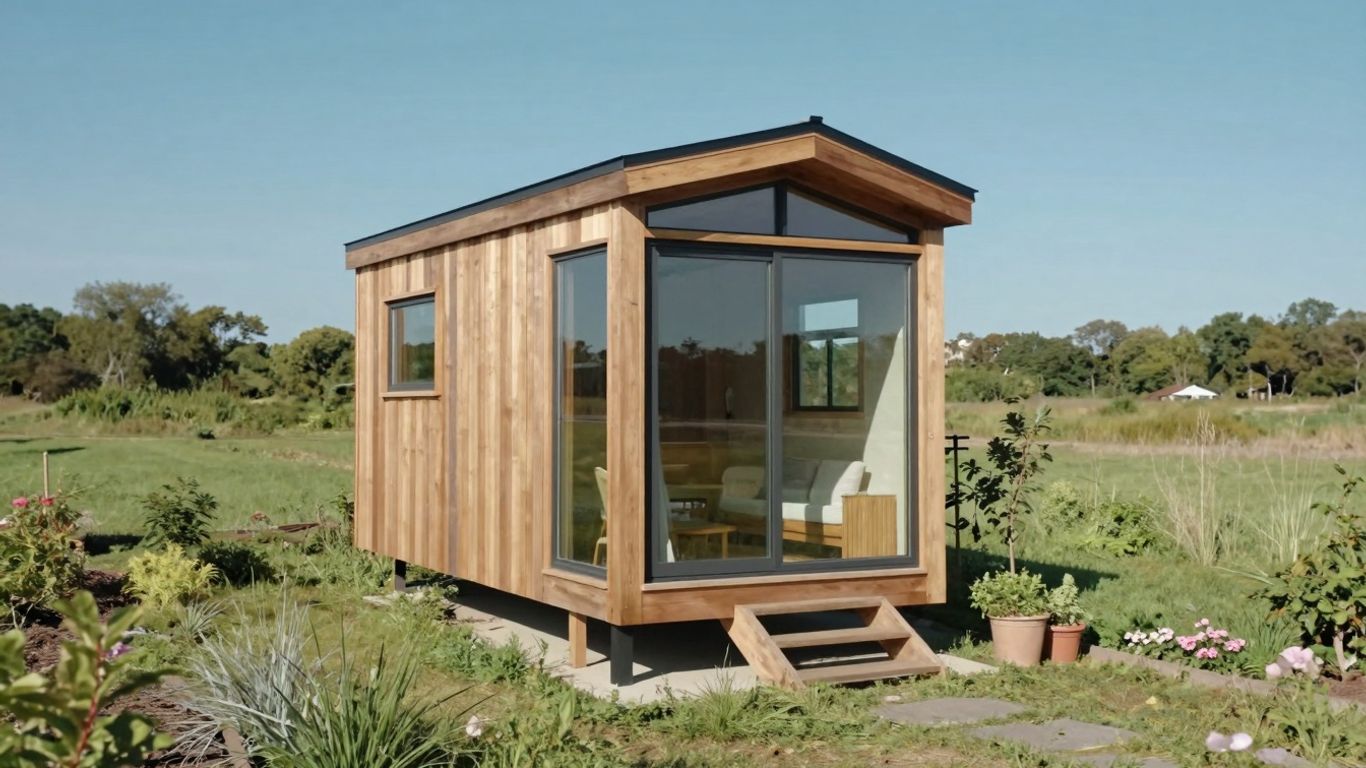
So, you’re thinking about a tiny house in New York? That’s awesome! But before you start sketching out floor plans, we really need to talk about the rules. It’s not always as straightforward as you might hope, especially in a place like New York.
Understanding Legal Status in New York City
New York City is a whole different ballgame. Tiny houses on wheels can be legal, but finding a legal place to park them is the real puzzle. Zoning laws are pretty strict, and they dictate where you can even consider setting up shop. It’s super important to check the specific zoning ordinances for the area you’re interested in. Don’t just assume it’s okay; you could end up with a hefty fine or worse, have to move your home.
Building a Tiny House as an Accessory Dwelling Unit
One popular route is building a tiny house as an Accessory Dwelling Unit (ADU). This often means it’s a secondary structure on an existing property, like a backyard cottage. The process for getting permits can be involved. You’ll need to understand the building codes and requirements, which can vary quite a bit depending on the town or city. It’s a good idea to get familiar with resources like the Residential Code of New York, and specifically Appendix Q if it’s adopted in your area, as this appendix is designed for tiny homes.
Key Resources for Tiny House Rules
Where do you even start looking for this info? It can feel overwhelming, but there are places to turn.
- Local Municipalities: Your first stop should always be the building department or planning office for the specific town, village, or city where you want to place your tiny house. They have the most up-to-date local zoning and building codes.
- New York State Department of State: This department oversees building codes statewide. While they set the baseline, local governments can have amendments.
- Online Resources: Websites dedicated to tiny homes in New York, like “New York Tiny Home Rules & Regulations” or guides on ADUs in New York, can offer a good starting point for understanding the general landscape. Just remember to always cross-reference with official local sources.
Getting the legal side sorted out upfront saves a ton of headaches later. It might not be the most exciting part of building your tiny dream, but it’s definitely one of the most important steps to ensure you can actually live in it without worry.
Designing Your Tiny House in New York
So, you’re thinking about building a tiny house in New York. That’s awesome! Whether you’re picturing yourself in a bustling city or out in the quiet countryside, the design process is where your dream really starts to take shape. It’s not just about making things small; it’s about making them smart and functional.
Urban Tiny House Design Strategies
Designing for New York City or another urban area is all about making every inch count. Think vertical! You’ll want to get creative with storage, maybe build shelves all the way up to the ceiling. Furniture that does double duty is your best friend here – a couch that turns into a bed, a table that folds away. Maximizing space is the name of the game.
You also need to consider things like soundproofing, because, well, it’s the city. And don’t forget about how you’ll get utilities hooked up; that can be a bit tricky in dense areas. But the upside? You’re close to everything, work, culture, and a vibrant community. For those looking to add a tiny home to an existing property in NYC, understanding the rules around Accessory Dwelling Units (ADUs) is key. Applications for building an ADU are now being accepted through the DOB NOW.
Rural Tiny House Design Considerations
Out in the country, you’ve got a bit more freedom. Designs can spread out a little more and really connect with the natural surroundings. This is where you might think about going off-grid, using natural materials, and really blending your home into the landscape. Of course, there are different challenges, like getting to services easily, dealing with wildlife, and handling the weather. But the payoff is peace, quiet, and a real sense of self-sufficiency. It’s a different vibe, for sure.
Sustainable Features for Eco-Conscious Living
No matter where you build, making your tiny house eco-friendly is a big win. It’s good for the planet and can save you money in the long run. Here are some ideas:
- Renewable Energy: Solar panels are a popular choice, especially in sunnier parts of the state. Wind power is another option if your location is suitable.
- Water Conservation: Think low-flow fixtures, systems that reuse water from sinks and showers (greywater), and collecting rainwater.
- Green Building Materials: Using things like reclaimed wood, bamboo, or recycled glass not only reduces waste but also creates a healthier indoor space.
Building sustainably means your tiny house can be both a cozy retreat and a responsible choice for the environment. It’s about living lighter on the earth while still enjoying all the comforts of home.
Here’s a quick look at some material choices:
| Material Type | Urban Focus | Rural Focus |
|---|---|---|
| Exterior Siding | Durable, low-maintenance (e.g., metal) | Natural, rustic (e.g., wood, stone veneer) |
| Insulation | High R-value for energy efficiency | Natural fibers (e.g., wool, cotton) |
| Interior Finishes | Space-saving, multi-functional | Natural, sustainable (e.g., bamboo, cork) |
| Windows | Double or triple-paned for sound/heat | Large to maximize views, energy-efficient |
The Financial Aspects of Tiny House Ownership
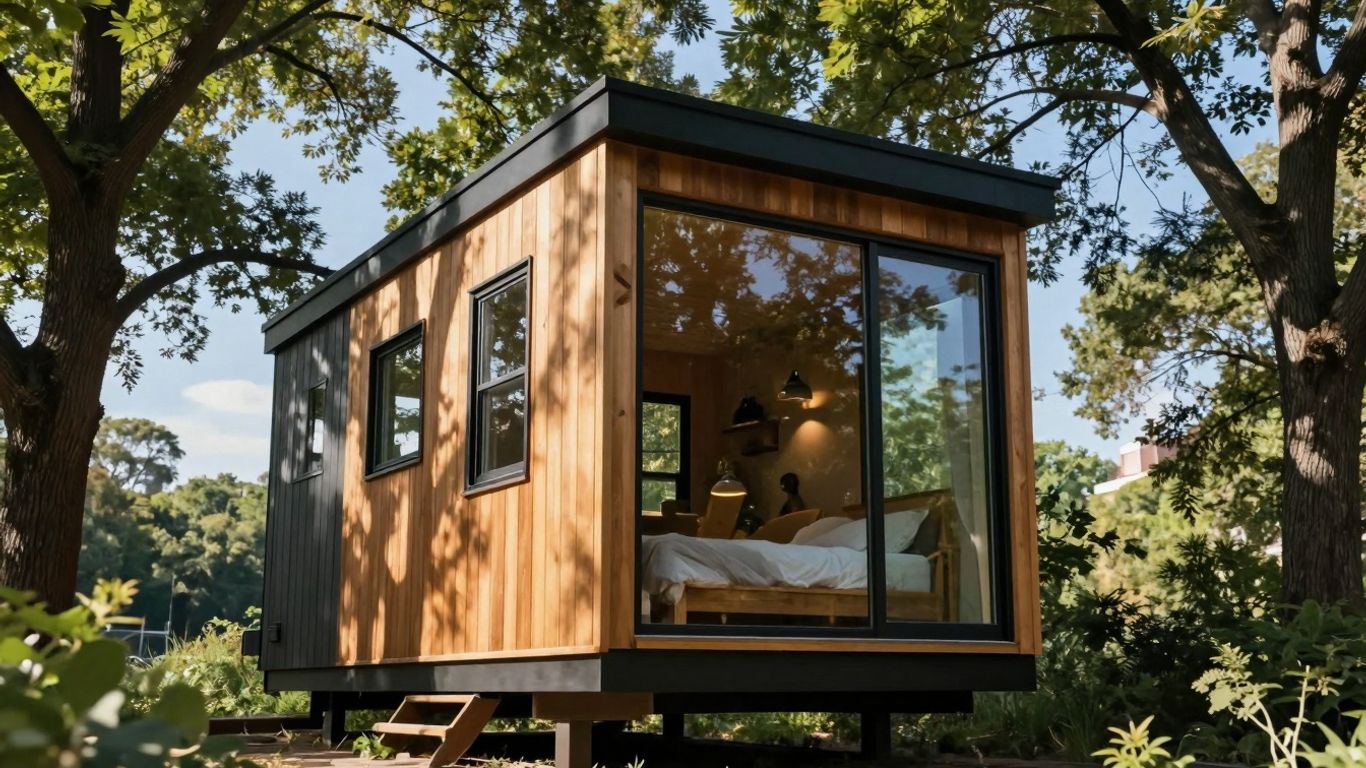
So, you’re thinking about a tiny house in New York. That’s awesome! But before you start dreaming about your cozy little abode, let’s talk about the money side of things. It’s not always as simple as it looks, and New York can have its own quirks.
Cost Breakdown for Building in New York
Building a tiny house anywhere isn’t exactly cheap, and New York is no exception. You’ve got to factor in a bunch of stuff. First off, land. Prices can swing wildly depending on whether you’re looking upstate or closer to the city. Then there are the materials – lumber, insulation, windows, plumbing, the works. Don’t forget about permits and inspections; those can add up faster than you’d think. Sometimes, you might even need special equipment like a crane if your house needs to be lifted into place, which can be a hefty fee. The total cost can really vary, but many people end up spending between $50,000 and $150,000 for a well-built tiny home.
Here’s a rough idea of what you might encounter:
- Land Acquisition: Varies greatly by location.
- Construction Materials: Lumber, roofing, insulation, fixtures.
- Labor: If you’re not doing it all yourself.
- Permits & Inspections: Essential for legal compliance.
- Utilities Hookups: Water, sewer/septic, electricity.
- Specialty Equipment: Like cranes, if needed.
Exploring Financing Options for Your Project
Finding the money for your tiny house dream is a big hurdle for many. Traditional mortgages can be tricky because tiny homes often don’t fit the standard mold. However, there are options. Some lenders specialize in alternative housing, and you might find loans specifically for tiny homes. Another route is looking into home equity loans or lines of credit if you already own a primary residence. There are even programs like MOVE-IN NY that aim to make homeownership more accessible. It’s worth doing your homework to see what fits your situation best.
Securing financing often requires a clear plan and understanding of how your tiny house will be classified legally and where it will be situated. Lenders want to see a solid proposal.
Property Taxes and Insurance Coverage
Once your tiny house is built and you’re living in it, you’ll need to think about ongoing costs. Property taxes are a big one. Depending on where your tiny house is located and how it’s classified (is it on wheels? Is it a permanent structure?), you’ll likely owe taxes. It’s super important to check with your local tax assessor’s office to understand exactly what you’ll be responsible for. Insurance is also key. You’ll need to find a policy that covers your tiny home, which might require a bit of searching since it’s not a standard house. This coverage protects you against damage, theft, or other unexpected events. Don’t skip this step; it’s your financial safety net.
Embracing the Tiny House Lifestyle in New York
Living in a tiny house in New York is more than just a housing choice; it’s a lifestyle shift. It often means becoming part of a community, whether that’s a dedicated tiny house village or simply being a good neighbor in a more traditional setting. You’ll find that sharing resources and spaces can be a big part of this life.
Community Considerations and Shared Living
Tiny house living really shines when there’s a sense of community. Think about shared gardens, common areas for gathering, or even shared tool sheds. This kind of setup can make a small space feel much bigger and more functional. It’s about working together and supporting each other.
Social Interactions and Potential Challenges
Of course, living closely with others isn’t always easy. You might run into different ideas about noise levels, how common areas are used, or even just personal space preferences. Open communication and a willingness to compromise are key to making these situations work smoothly. It’s about building relationships and respecting everyone’s needs.
Legal Rights and Responsibilities of Owners
When you own a tiny house, especially in New York, you have rights and responsibilities. This includes understanding local zoning laws, property taxes, and any specific rules for tiny homes or accessory dwelling units (ADUs). It’s important to know your legal standing to avoid any headaches down the road.
- Know your local ordinances: Every town or city can have different rules.
- Understand property taxes: Even tiny homes usually have property tax implications.
- Insurance is a must: Make sure your tiny house is properly insured.
- Respect community agreements: If you’re in a village, follow the established rules.
Finding Your Tiny House Community
Strategies for Locating Tiny House Villages
So, you’ve decided a tiny house is the way to go, but where do you actually live in one, especially in a place like New York? Finding a spot can feel like a treasure hunt. One of the most direct routes is to look for established tiny house villages. These are planned communities specifically designed for tiny homes, often with shared amenities and a built-in social structure. Searching online for “tiny house villages New York” or “cohousing New York” can turn up some options. Sometimes, these villages are part of larger intentional communities or eco-villages, so broadening your search terms might help.
Connecting with Like-Minded Individuals
Beyond formal villages, there’s a whole network of people interested in tiny living. Facebook groups are surprisingly active for this. Look for groups like “Tiny House Hosting” or “Tiny House Community” – people often post opportunities for land sharing or looking for housemates. Don’t underestimate local meetups either. Check community boards, local sustainability groups, or even Craigslist for postings from people looking to share land or create a shared living situation. Putting yourself out there and clearly stating your vision is key. It might feel a bit awkward at first, but you’ll find others who share your dream.
The Role of Land in Tiny House Planning
Honestly, the land is usually the biggest piece of the puzzle. Where you plan to put your tiny house will heavily influence what’s possible. Some areas might have specific zoning laws that favor tiny homes as accessory dwelling units (ADUs) on existing properties, while others might be more open to dedicated tiny house communities. If you don’t own land, you might be looking at arrangements where you rent a spot in someone’s backyard or on a larger rural property. This often involves figuring out utility hookups – water, electricity, and sewage. It’s not always straightforward, but many people are finding creative solutions.
When you’re looking for a place to put your tiny house, remember that local rules really matter. What works in one town might not fly in the next. It’s always a good idea to do some homework on zoning and building codes before you get too attached to a specific location or plan. Sometimes, just talking to your local planning department can save you a lot of headaches down the road.
Here are some common ways people find land or community spots:
- Tiny House Villages: Purpose-built communities. Often have a waiting list.
- Land Sharing/Hosting: Renting a space on private property. Requires good communication with the landowner.
- Accessory Dwelling Units (ADUs): Placing a tiny home in a backyard, if local laws allow.
- Intentional Communities/Eco-Villages: Larger communities that may have space for tiny homes.
- Online Platforms: Facebook groups, dedicated tiny house forums, and websites connecting hosts and guests.
Ready to Start Your Tiny House Adventure in New York?
So, you’ve read all about tiny houses in New York. It’s a lot to think about, right? From figuring out where to put it to making sure it’s legal, it’s definitely a journey. But honestly, the idea of living simpler, saving some cash, and being a bit kinder to the planet? That sounds pretty good. Whether you’re dreaming of a cozy spot upstate or a clever setup closer to the city, there are options out there. It might take some digging and maybe a few calls, but finding your own little slice of New York to call home, tiny style, is totally doable. Go ahead, start planning!
Frequently Asked Questions
What are the basic rules for tiny houses in New York?
In New York, tiny houses have different rules depending on if they’re on wheels or a foundation. For houses on wheels, they’re often treated like RVs, meaning you need to find places where RVs are allowed. If you plan to build a tiny house on a foundation, it usually needs to meet local building codes, which can be tricky because many places haven’t updated their rules for tiny homes specifically. It’s best to check with your local town or city hall about zoning and building requirements.
Can I build a tiny house in New York City?
Building a tiny house in New York City is quite challenging. While tiny houses on wheels might be allowed in some spots, finding a legal place to park one long-term is difficult due to strict zoning laws. Building a permanent tiny home would also need to meet city building codes, which are complex and often don’t account for tiny structures. It’s much easier to find opportunities outside the immediate city limits.
What’s an Accessory Dwelling Unit (ADU) and how does it relate to tiny houses in New York?
An Accessory Dwelling Unit, or ADU, is a second, smaller living space on a single-family home lot, like a backyard cottage or an apartment over a garage. Some towns in New York are starting to allow tiny houses to be built as ADUs. This can be a good way to make a tiny house legal, especially if you own land and want to add extra housing for family or renters.
How much does it cost to build a tiny house in New York?
The cost can vary a lot! Factors like the size of your tiny house, the materials you choose, and where you build it in New York all play a role. You’ll need to consider the price of land, building supplies, permits, and any labor costs. While building a tiny house is generally cheaper than a traditional home, it’s still a significant investment. Some people save money by doing a lot of the work themselves.
Are there special financing options for tiny houses in New York?
Finding loans specifically for tiny houses can be tough, as they don’t always fit traditional mortgage rules. Some banks might offer RV loans for tiny homes on wheels, or personal loans. You might also look into loans for building or renovating, or see if there are any local programs or grants that support alternative or eco-friendly housing. It often requires some creative searching.
What are the benefits of living in a tiny house community in New York?
Living in a tiny house community can offer a strong sense of belonging and shared support. You’re surrounded by people who value a simpler, more sustainable lifestyle. These communities often share resources, like laundry facilities or gardens, which can make living small easier. Plus, you get built-in social connections and a network of neighbors who understand the tiny house way of life.