
Tiny House in North Dakota
Thinking about a tiny house north dakota adventure? It’s a big decision, but it can lead to a simpler, more affordable way of life. Imagine a cozy home that fits your needs without all the extra stuff. This guide will walk you through what you need to know, from planning to actually living in your new, small space. Let’s see if a tiny home is the right move for you.
Key Takeaways
- Tiny homes are generally between 100 and 400 square feet and can be built on wheels or a foundation.
- Living tiny can offer financial freedom and a less cluttered lifestyle, but requires careful planning.
- Consider your priorities for design, budget, and location when planning your tiny house project.
- Financing and finding suitable land with understanding local rules are important steps.
- Building a tiny house involves choosing materials, deciding on DIY or professional help, and finishing the interior and exterior.
Understanding Tiny House Living in North Dakota
Defining the Tiny House Movement
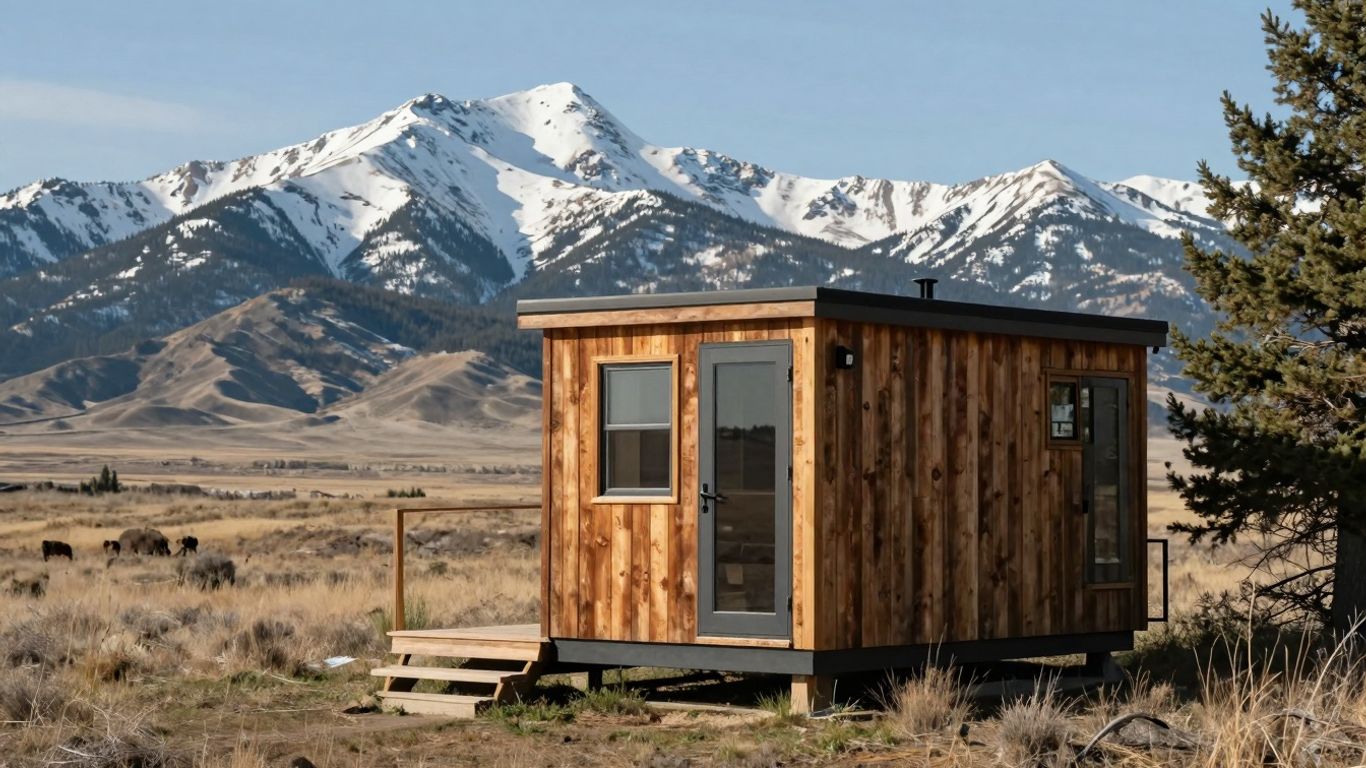
The tiny house movement is all about living with less and there are many tiny home communities in North Dakota too. It’s a lifestyle choice where people intentionally downsize their living space, typically to under 400 square feet. Think of it as a reaction against the big-house, big-debt culture. People are choosing smaller, more manageable homes for a variety of reasons, from financial freedom to environmental concerns. It’s not just about the size of the house, though; it’s about a shift in mindset towards simplicity and intentionality. This movement encourages a more mindful approach to consumption and living.
Benefits of a Minimalist Lifestyle
Choosing to live tiny often goes hand-in-hand with embracing minimalism. When you have less space, you naturally have to be more selective about what you own. This can lead to a surprising number of benefits. For starters, you’ll likely save money. Less house means lower utility bills, less maintenance, and often, a lower overall cost of living. It can also mean less debt, giving you more financial freedom.
Beyond the money, many people find that living with fewer possessions reduces stress and clutter, leading to a more peaceful home environment. It frees up time and energy that would otherwise be spent on cleaning, organizing, and maintaining a larger home. Plus, it encourages you to focus on experiences rather than material things.
Is a Tiny House Right for You?
So, is this lifestyle a good fit for you? It’s definitely worth thinking about. Consider your current living situation and what you truly need. Do you have a lot of stuff? Are you prepared to pare down significantly? Think about your daily routines and how a smaller space might impact them.
For example, if you work from home and need a dedicated office space, or if you love hosting large gatherings frequently, a tiny house might present some challenges. On the other hand, if you value financial independence, simplicity, and a lower environmental impact, it could be a fantastic option. It’s also important to consider your tolerance for close quarters, especially if you’ll be sharing the space with others.
Here are a few questions to ask yourself:
- How much space do you really need?
- What are your long-term financial goals?
- Are you comfortable with a simpler, less consumer-driven lifestyle?
- How do you feel about potentially limited space for hobbies or entertaining?
Living tiny isn’t just about the physical structure; it’s about a deliberate choice to simplify and focus on what truly matters. It requires a willingness to adapt and rethink conventional notions of ‘home’.
Planning Your Tiny House North Dakota Project
So, you’re thinking about a tiny house in North Dakota. That’s exciting! But before you start dreaming about cozy interiors, there are some big decisions to make. It’s not just about picking out paint colors; it’s about laying the groundwork for your entire tiny living adventure.
Mobile or Stationary: Choosing Your Foundation
This is probably the first major fork in the road. Do you want your tiny home to be on wheels, giving you the freedom to move it, or will it be a more permanent fixture on a foundation? If you’re leaning towards a mobile home, you’ll need to think about the trailer. What’s the weight capacity? Will it handle the structure you envision? For a stationary home, you’ll be looking at traditional foundation options, which might involve different zoning considerations. The choice between mobile and stationary impacts everything from where you can park it to how you build it.
Designing for Your Needs and Priorities
Tiny living is all about making smart use of space, but that doesn’t mean you have to sacrifice what’s important to you. Think about your daily routine. Do you love to cook? You might need a more robust kitchen setup. Are you a remote worker? A dedicated workspace is a must. Maybe you love hosting friends – how will your tiny home accommodate that? It’s about figuring out what makes your life tick and designing your space around those priorities. Don’t just think about square footage; think about functionality and flow.
Here are some design considerations:
- Kitchen: How much counter space do you need? What appliances are non-negotiable?
- Bathroom: Shower size, composting toilet, or standard flush?
- Living Area: Multi-functional furniture is key here. Think sofa beds or built-in storage.
- Sleeping Area: Loft or ground floor? How much headroom do you need?
- Storage: This is huge in a tiny home. Built-in shelves, under-stair storage, clever nooks – plan for it all.
Budgeting for Your Tiny Home
Let’s talk money. Tiny homes are often seen as a more affordable housing option, and they can be, but costs can add up quickly. You’ll need to factor in the cost of the structure itself, whether you’re buying plans, building from scratch, or converting an existing structure. Then there’s the foundation or trailer, materials, labor (if you’re not DIYing everything), and potential land costs. It’s wise to create a detailed spreadsheet. Remember, unexpected expenses pop up, so having a little buffer is always a good idea.
| Cost Category | Estimated Range (USD) |
|---|---|
| Trailer/Foundation | $3,000 – $10,000+ |
| Building Materials | $15,000 – $40,000+ |
| Appliances/Fixtures | $2,000 – $8,000+ |
| Labor (if applicable) | $10,000 – $30,000+ |
| Permits/Fees | $500 – $2,000+ |
Planning is more than just sketching out a floor plan. It involves thinking about the practicalities of where you’ll build, how you’ll get utilities, and what your budget realistically looks like. Taking the time to map out these details upfront can save you a lot of headaches down the road.
Financing and Acquiring Land for Your Tiny House
Okay, so you’ve decided a tiny house is the way to go. Awesome! But before you start sketching out floor plans, we need to talk about the practical stuff: money and land. This is where things can get a little tricky, but don’t worry, we’ll break it down.
Securing Loans for Tiny Homes
Getting a loan for a tiny house isn’t quite like getting a mortgage for a traditional home. Many banks aren’t set up for it, especially if your tiny house is on wheels. You might have better luck with personal loans or RV loans if you’re going the mobile route. Some credit unions are more flexible, so it’s worth talking to your local bank or credit union first. Be prepared to shop around for lenders who understand tiny home financing.
Here’s a quick look at loan types:
- Personal Loans: These are often unsecured, meaning you don’t need collateral. They can be easier to get but might have higher interest rates.
- RV Loans: If your tiny house is built on a trailer and meets certain RV standards, you might qualify for an RV loan. These are secured by the home itself.
- Home Equity Loans: If you already own a home, you might be able to tap into its equity to finance your tiny house.
Finding the Perfect Plot in North Dakota
North Dakota has a lot of wide-open spaces, which sounds perfect for a tiny house, right? But finding a place to put it involves more than just picking a pretty spot. You’ll need to consider zoning laws, access to utilities (water, electricity, sewer or septic), and how you’ll get to your land. Some areas might have restrictions on accessory dwelling units (ADUs) or minimum square footage requirements for homes.
It’s a good idea to talk to the local planning or zoning department in the county you’re interested in. They can tell you what’s allowed and what’s not. You can also look into rural land sales; sometimes, these offer more flexibility. Remember to thoroughly review zoning regulations before you buy land for your tiny house.
Understanding Land Use Regulations
This is a big one, and it varies a lot. Some towns or counties have specific rules about where you can park or build a tiny house, especially if it’s on wheels. You might need to find a designated tiny house community or a property zoned for RVs or ADUs. If you’re planning to build on a foundation, you’ll likely need to follow standard building codes, which can be a hurdle for tiny homes. It’s really important to do your homework here. You don’t want to buy land and then find out you can’t legally put your dream tiny home on it.
Don’t assume anything about land use. Always verify with the local authorities. What works in one county might be a complete no-go in the next. Getting this wrong can lead to a lot of headaches, fines, or even having to move your home later on.
Tiny homeowners often report that dealing with zoning and permits was one of the tougher parts of their journey. Being persistent and creative in your approach can help you work through these challenges. Many people find that talking directly with building officials and explaining their plans can lead to solutions. It’s all about finding that sweet spot where your vision meets local regulations.
Building and Customizing Your Tiny House
So, you’ve got your plans, your budget, and maybe even your land. Now comes the exciting part: actually putting your tiny house together and making it feel like yours. This is where the vision starts to become a reality, and honestly, it can be a bit of a journey. Think of it like building with LEGOs, but, you know, way more permanent and with actual tools.
Essential Building Materials and Resources
When you’re gathering what you need, think about what kind of tiny house you’re building. Is it going on wheels or a foundation? This makes a big difference. For a mobile home, keeping things light is key. You’ll need materials for the frame, walls, roof, insulation, plumbing, and electrical. Don’t forget things like house wrap to keep the weather out and let the inside breathe. Some folks like to use recycled or reclaimed materials to save a buck and be a bit kinder to the planet. It’s a good idea to have a list of what you need before you start buying, so you don’t end up with a pile of stuff you can’t use.
Here’s a quick rundown of what you’ll likely need:
- Structural: Lumber or steel for framing, plywood or OSB for sheathing.
- Exterior: Siding (wood, metal, vinyl), roofing material (shingles, metal), windows, and doors.
- Interior: Insulation (fiberglass, foam), drywall or wood paneling, flooring (hardwood, laminate, vinyl).
- Systems: Wiring, plumbing pipes, fixtures, and possibly an HVAC unit.
DIY vs. Hiring Professionals
This is a big decision, and it really depends on your skills, your time, and your comfort level. If you’re handy and have the time, doing it yourself can save a lot of money. You can learn a lot from online guides and videos. However, some parts, like electrical or plumbing, can be tricky and might be worth hiring someone for. Getting these systems right is important for safety and function. If you’re not confident, bringing in a professional for specific tasks can give you peace of mind. It’s a balance between saving money and making sure the job is done right.
Exterior and Interior Design Choices
Once the main structure is up, you get to make it look good! For the outside, think about siding colors and styles that fit the North Dakota landscape, or whatever look you’re going for. Windows and doors aren’t just functional; they add to the style. Inside, this is where you really personalize your space. Paint colors, flooring, and even the type of cabinets you choose make a huge difference. Think about how you’ll use each space and pick finishes that are durable and easy to clean. It’s your home, so make it a place you love spending time in.
Remember that even though your home is small, every square inch counts. Plan your layouts carefully to maximize space and functionality. Think about multi-purpose furniture and smart storage solutions. What looks good on paper might feel different in reality, so be prepared to adapt your design as you build.
Here are some popular material choices for tiny house exteriors:
| Material | Pros | Cons |
|---|---|---|
| Wood Siding | Natural look, customizable | Requires regular maintenance, can be costly |
| Metal Siding | Durable, low maintenance, modern look | Can be noisy in rain, can dent |
| Vinyl Siding | Affordable, low maintenance | Can fade, less natural appearance |
| Fiber Cement | Durable, fire-resistant, low upkeep | Heavier, can be more expensive |
Navigating the North Dakota Tiny House Market
So, you’ve decided a tiny house is the way to go, and North Dakota is your chosen spot. That’s great! But before you start picking out paint colors, there are a few practical things to sort out. It’s not quite as simple as just finding a plot and parking your house, even if it’s a cute little one.
Local Regulations and Building Codes
This is probably the most important part to get right. Every state, and often every county or city within a state, has its own rules about where you can put a tiny house and how it needs to be built. North Dakota is no different. You’ll need to figure out if your tiny house will be classified as an RV, a permanent dwelling, or something else entirely. This classification really matters because it dictates what kind of permits you’ll need and where you’re allowed to set it up.
- Check zoning laws: See if tiny homes are permitted in the areas you’re interested in. Some places might only allow them in specific RV parks or designated tiny home communities.
- Understand building codes: If you’re building from scratch, even on wheels, there might be specific safety and construction standards you have to meet. This can include things like electrical, plumbing, and structural integrity.
- Permitting process: Don’t skip this! Getting the right permits upfront can save you a massive headache down the road. It might involve submitting plans and undergoing inspections.
It’s easy to get excited about the freedom a tiny house offers, but overlooking local rules can lead to costly problems. Always do your homework on regulations before you buy land or start building.
Finding a Tiny House Builder in North Dakota
If you’re not planning a DIY build, you’ll need to find someone to construct your tiny home. North Dakota might not have as many dedicated tiny house builders as some other states, but there are definitely options. You might find builders who specialize in custom homes, RV conversions, or even modular construction that can be adapted for tiny living.
- Ask for recommendations: Connect with local tiny house enthusiasts or communities online. They often have the inside scoop on reliable builders.
- Review portfolios: Look at examples of their past work. Does their style match what you’re looking for? Are their builds well-finished?
- Get multiple quotes: Don’t just go with the first builder you find. Get detailed quotes from a few different ones to compare pricing and services.
Finding the right builder is key to getting a quality home that meets your needs and local standards.
Insurance and Utilities for Your Tiny Home
Once your tiny house is built or purchased, you’ll need to insure it and set up utilities. Insurance for tiny homes can be a bit tricky. Some standard homeowner’s policies won’t cover them, especially if they’re on wheels. You might need specialized RV insurance or a policy designed specifically for tiny homes.
- Insurance: Look for companies that understand the tiny house market. MAC Insurance, for example, is known for offering coverage for these unique dwellings.
- Utilities: How will you get power, water, and sewer? This depends heavily on whether your home is mobile or stationary and where it’s located. Options can range from connecting to existing hookups, using solar power, composting toilets, and water tanks. Planning for utilities needs to happen early in the process, often before you even buy land.
It’s all about making sure your tiny dream is safe, legal, and functional in the Peace Garden State.
Embracing the Tiny House Lifestyle in North Dakota
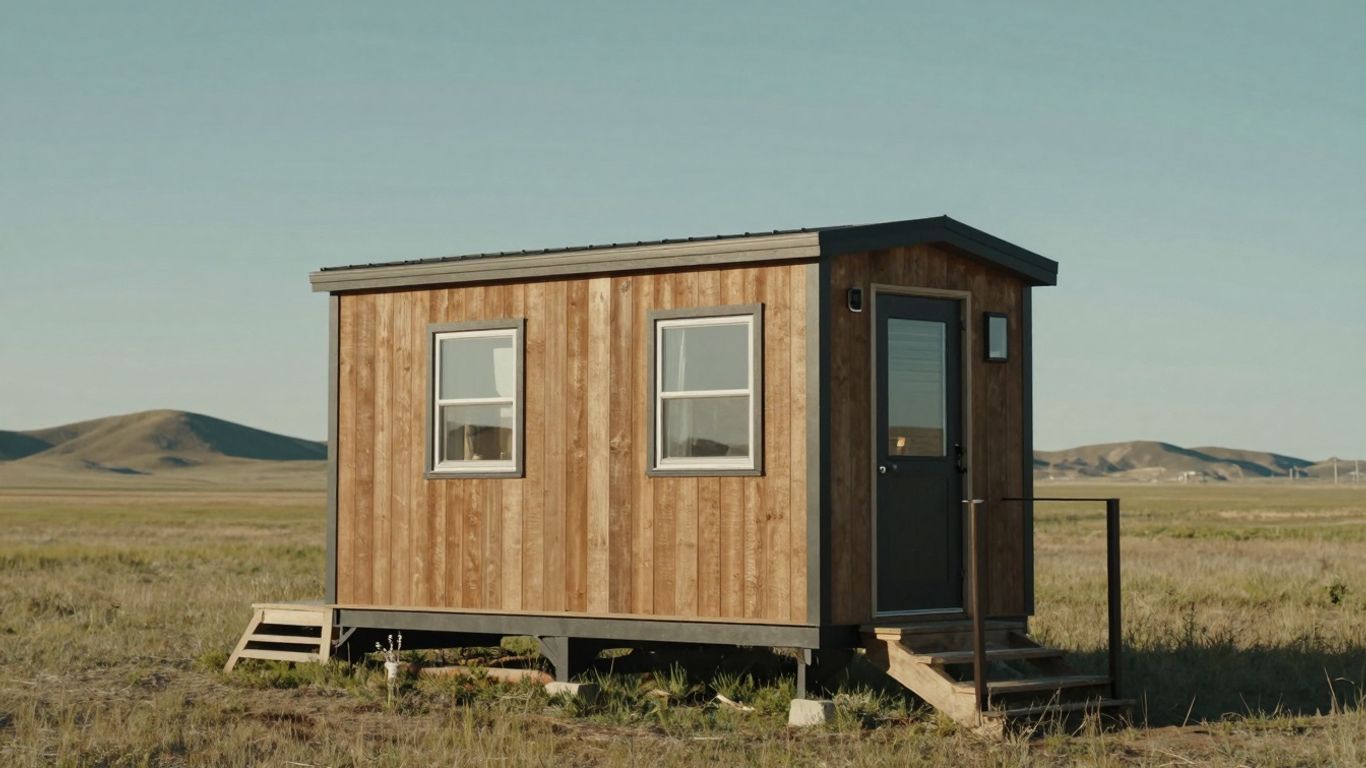
So, you’ve planned, budgeted, and maybe even built your tiny house in North Dakota. Now comes the really fun part: actually living in it! It’s a big shift, for sure, and it’s not just about the physical space. It’s about a whole new way of looking at your stuff and your life.
Downsizing Your Belongings
This is probably the first thing people think about when they hear ‘tiny house.’ And yeah, it’s a big deal. You can’t just cram your whole life into 400 square feet. It means really looking at what you own and asking yourself if you actually need it. Think about it like this:
- Sentimental items: Keep a few truly special things, but maybe take photos of the rest. Do you really need five souvenir t-shirts from places you visited once?
- Clothing: Seasonal clothes can be stored, but do you need 20 pairs of shoes? Probably not. Consider capsule wardrobes.
- Furniture: Multi-functional pieces are your best friend. A storage ottoman, a sofa bed, a dining table that folds away – these are lifesavers.
- Kitchenware: Do you need every single gadget? Probably not. Stick to the basics and things you use regularly.
The goal isn’t deprivation; it’s intentionality. You’re choosing to surround yourself with things that bring you joy or serve a real purpose. It’s about making space for what matters.
Connecting with the Tiny House Community
Living tiny can sometimes feel isolating, especially if you’re the only one you know doing it. But there’s a whole community out there! In North Dakota, you might find local meetups or online groups. These folks get it. They understand the challenges and the joys. Sharing tips on everything from composting toilets to finding affordable land can be a huge help. Plus, it’s just nice to connect with people who share your unique lifestyle choice.
Building a tiny home is one thing, but truly living in one means embracing a different mindset. It’s about valuing experiences over possessions and finding freedom in simplicity. This shift can be incredibly liberating, allowing you to focus on what truly makes you happy.
Maximizing Your Tiny Home Experience
Living small in North Dakota means getting creative. Think vertical storage, smart furniture, and making the most of every inch. Outdoor space becomes an extension of your home, especially during those beautiful North Dakota summers. A good deck or patio can feel like a whole extra room. Also, consider how you use your space. Can your living room double as a workspace? Can your dining table fold up when not in use? Smart design and a willingness to adapt are key to making tiny living work long-term. It’s about making your small space feel big and functional, not cramped and inconvenient.
Ready to Find Your North Dakota Tiny Home?
So, you’ve read all about tiny homes, from planning and building to living the life. It’s a big decision, for sure, but North Dakota offers a unique backdrop for this kind of adventure. Whether you’re drawn to the wide-open spaces or the cozy, simpler way of living, a tiny house could be your perfect fit. Don’t be afraid to explore all the options, talk to people who’ve done it, and really think about what you want. Your dream tiny home in the Peace Garden State might be closer than you think.
Frequently Asked Questions
What exactly is a tiny house?
A tiny house is a smaller home, usually between 100 and 400 square feet. Think of it as a mini-version of a regular house, but with less stuff and more focus on living simply. Some tiny houses can be moved around, while others stay in one spot.
Why are people choosing to live in tiny houses?
Many people love tiny houses because they can save money, reduce their clutter, and live a simpler life. It’s a way to focus more on experiences and less on owning a lot of things. Plus, they’re often more eco-friendly!
Can I get a loan to buy or build a tiny house?
Getting a loan for a tiny house can be a bit different than for a regular house. Some banks and credit unions offer loans, especially if the tiny house is on a permanent foundation. If it’s on wheels, it might be considered an RV loan or a personal loan.
How do I find land for a tiny house in North Dakota?
Finding land involves looking for plots that allow tiny homes. You’ll need to check local rules about where you can park or build your tiny house. Sometimes, people find land that isn’t ideal for big houses, which can be a good spot for a tiny home.
Do I have to build my tiny house myself?
Not at all! You can build it yourself if you’re handy, or you can hire professionals or companies that specialize in building tiny homes. There are also options like buying a used RV and turning it into your tiny house.
What are the rules for tiny houses in North Dakota?
Rules can vary a lot! You’ll need to research specific city and county rules about zoning, building codes, and where tiny houses are allowed. Some places are more welcoming to tiny homes than others.