
Tiny Home in Oregon
Oregon. It’s a beautiful state, right? Lots of forests, mountains, and a cool coastline. And if you’ve been thinking about living a simpler life, maybe in a tiny home, Oregon might just be the place. But before you start sketching out floor plans, there’s a bit to know. We’re going to look at some neat tiny home spots around the state, what the rules are, and what you need to think about to make your tiny home dream a reality in Oregon. You may even aspire to living in tiny communities in Oregon too.
Key Takeaways
- Oregon generally permits tiny homes, with specific rules often found in the Oregon Residential Specialty Code.
- You can often place a tiny home on your property as an Accessory Dwelling Unit (ADU), but local rules vary.
- Several tiny home communities exist across Oregon, offering different living experiences from luxury to nature-focused.
- Parking options include RV parks, tiny home communities, or your own property, depending on local zoning.
- Building or placing a tiny home in Oregon typically requires permits, and tiny homes on wheels may need DMV registration.
Exploring Oregon’s Tiny Home Communities
Oregon is a fantastic state for tiny home living, and part of that appeal comes from the unique communities popping up across the landscape. These places aren’t just about small houses; they’re about building a certain kind of lifestyle, often with a focus on community and connection. Trying out a tiny home in one of these spots can be a great way to see if this way of life is for you before you commit to buying.
Hope Valley Resort: Luxury Meets Sustainability
Located in Turner, Hope Valley Resort aims to blend high-end living with eco-friendly practices. Imagine a place where your small footprint doesn’t mean sacrificing comfort. This community boasts a lodge, fitness center, hot tub, pool, and courts for tennis and pickleball. Plus, there are walking trails, a dog park, and a garden. It’s a spot that really tries to offer a lot for its residents.
Mt. Hood Tiny House Village: Nature and City Proximity
If you love the idea of being surrounded by nature but still want easy access to a city, the Mt. Hood Tiny House Village in Welches might be perfect. You can immerse yourself in the beauty of the Pacific Northwest while being less than an hour away from Portland. It’s a nice balance for those who appreciate both the outdoors and urban conveniences. You can find more information about places like this at Mt. Hood Tiny House Village.
My Tiny House Village: A Northwest Excursion
Just south of Portland, in Sherwood, My Tiny House Village is designed with the tiny home enthusiast in mind. It’s a great choice if you’re looking for that quintessential Northwest experience in a small package. They offer various amenities and booking options, making it a good place to get a feel for tiny living.
Tiny Tranquility: Dedicated Tiny Home Living
In Waldport, Tiny Tranquility is a community specifically set up for tiny homes and vintage RVs. You can rent sites here either for a short stay or long-term, and they come with utility hookups. The community offers a dog park, outdoor areas with fire pits, a gathering space, and even a greenhouse. It’s a place built from the ground up for people living the tiny life.
Here’s a quick look at what some of these communities offer:
- Hope Valley Resort: Pool, hot tub, tennis, pickleball, trails, dog park.
- Mt. Hood Tiny House Village: Close to nature, near Portland.
- My Tiny House Village: Northwest charm, amenities available.
- Tiny Tranquility: Dedicated tiny home sites, fire pits, greenhouse.
Choosing a community can really shape your tiny home experience. It’s not just about the house itself, but the environment and people around you. These Oregon communities offer different vibes, so finding the right fit is key.
Understanding Oregon Tiny Home Regulations
So, you’re thinking about a tiny home in Oregon? That’s awesome! But before you start sketching out floor plans, let’s talk about the rules. Oregon has specific guidelines for tiny living, and knowing them upfront can save you a lot of headaches. It’s not as complicated as it might sound, and honestly, most people find that tiny homes are totally legal here.
Are Tiny Houses Legal in Oregon?
Yes, they absolutely are! Oregon has embraced tiny living by adopting the Oregon Residential Specialty Code, which includes a special section for small homes. This means there’s a framework in place for building and living in dwellings under 400 square feet. The key is that these homes must be built to specific residential code standards. It’s not a free-for-all, but rather a regulated path to smaller living. You can find more details about what constitutes a “Small Home” in Oregon law.
The Small Home Specialty Code Explained
This code is basically Oregon’s way of saying tiny homes are welcome, but they need to meet certain safety and construction requirements. It’s based on national standards, like the International Residential Code (IRC), and includes things like requirements for fire detection, sprinkler systems, and proper utility hookups. Think of it as a checklist to make sure your tiny home is safe and sound, just like any other house. It covers permanent tiny homes, which are attached to a foundation, and has specific rules about things like loft access and required safety features.
Permits and Registration Requirements
Getting the green light for your tiny home usually involves permits. For permanent tiny homes, you’ll likely need building permits, and the contractors you hire (like electricians and plumbers) need to be licensed. If you’re looking at a tiny home on wheels (often called THOWs or temporary tiny homes), the rules can be a bit different and often depend on the specific city or county. These are generally regulated locally. Also, if your tiny home is designed to be moved on public roads, it needs to be registered with the Oregon Department of Motor Vehicles, and it has to meet federal safety standards for width, usually capped at 8.5 feet.
Here’s a quick rundown of what you might need:
- Building Permits: For permanent structures or significant modifications.
- Zoning Permits: To ensure your tiny home complies with local land-use rules.
- DMV Registration: For tiny homes on wheels intended for travel.
- Licensed Contractors: For electrical, plumbing, and structural work on permanent homes.
It’s always a good idea to connect with your local city or county building department early in the process. They are the ultimate source for understanding the specific requirements in your chosen location and can guide you through the permit application process. Don’t skip this step – it’s vital for a smooth build and legal occupancy.
Placing Your Tiny Home in Oregon
So, you’ve found the perfect tiny home and you’re ready to set it up in Oregon. That’s awesome! But before you start picturing yourself sipping coffee on your tiny porch, let’s talk about where it can actually go. It’s not quite as simple as just parking it anywhere.
Tiny Homes on Your Property: ADUs and Beyond
Putting a tiny home on your own land is a popular choice, and in many parts of Oregon, it’s totally doable. If your property already has a main house, your tiny home can often be classified as an Accessory Dwelling Unit, or ADU. This is great because it can add value to your property and provide extra living space. However, not every city or county is on board with tiny homes as ADUs, and rules can differ a lot.
Some places are cool with tiny homes on wheels as secondary residences, while others only allow them on foundations. Always check with your local city or county building and zoning department to see if your specific property allows for an ADU or a secondary tiny home. It’s the best way to avoid headaches later.
Where Can I Park My Tiny Home?
Beyond your own property, there are other options for parking your tiny home. Tiny home communities are popping up, offering a ready-made neighborhood vibe with shared amenities. These can be fantastic for trying out tiny living or for long-term stays. RV parks are another possibility, especially if your tiny home is built to RVIA standards. Just keep in mind that RV parks are often geared more towards short-term stays. Some places might allow you to park on private land you don’t own, but this usually requires specific agreements and permits. It really boils down to local rules, so research is key.
Here’s a quick look at some types of places you might be able to park:
- Tiny Home Communities: Designed specifically for tiny living, often with shared facilities.
- RV Parks: Suitable for RVIA-certified tiny homes, typically for shorter durations.
- Private Land: With owner permission and adherence to local zoning.
- Your Own Property: As a primary dwelling or an ADU.
Land Requirements for Tiny Homes
How much space do you actually need? Well, it depends. For a tiny home on wheels, there isn’t a strict statewide minimum lot size in Oregon. But, and this is a big but, your local zoning ordinances might have their own requirements. You still need to make sure there’s enough room for setbacks, utility hookups, and any other building codes. If you’re thinking about a permanent tiny home on a foundation, then the minimum lot size will definitely be dictated by the zoning district your land falls into. Basically, even a small house needs enough land to meet all the legal requirements for a dwelling.
Don’t assume anything when it comes to land. What’s allowed in one county might be a no-go in the next. Getting the official word from your local planning office is the only way to be sure you’re following all the rules.
Key Considerations for Your Oregon Tiny Home
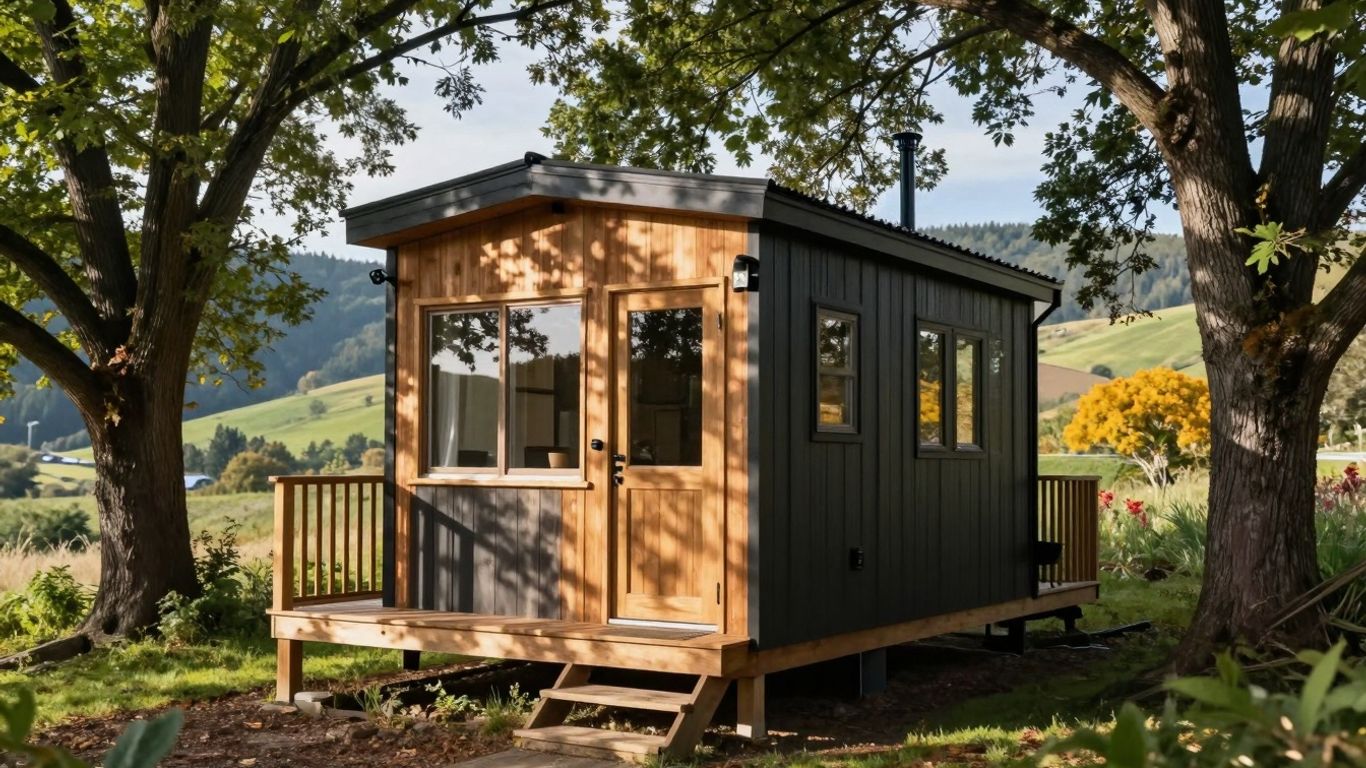
So, you’re thinking about a tiny home in Oregon? That’s awesome! But before you start picking out paint colors, let’s talk about some important stuff to think through. It’s not just about the cute factor; it’s about making sure your tiny dream fits your life and Oregon’s landscape.
Determining Your Needs and Lifestyle
First off, really think about how you live. Are you a homebody who loves to cook elaborate meals, or are you usually out and about exploring the Oregon trails? Your daily routine is a big clue. If you work from home, you’ll need a dedicated workspace, which might mean sacrificing a bit of living room space. If you entertain a lot, think about how you’ll host guests – maybe a fold-out couch or a nice outdoor area is key. It’s all about being honest with yourself about what you truly need versus what you want.
Here are some questions to get you started:
- What are your hobbies, and do they require a lot of space or equipment?
- How much time do you actually spend at home?
- Do you plan to have pets? If so, what are their needs?
- Will you be working from home, and if so, what kind of setup do you need?
- How often do you have visitors, and what kind of space do they need?
Cost of Building a Tiny House
Okay, let’s talk money. Tiny homes are often seen as a budget-friendly option, and they can be, but the costs can add up faster than you might think. You’ve got the structure itself, which can range from a DIY build using a kit to a professionally constructed home. Then there are the finishes, appliances, and any custom features. Don’t forget about land costs, permits, and utility hookups. It’s easy to get excited and overlook these hidden expenses.
Here’s a rough idea of what to expect:
| Cost Category | Estimated Range (USD) |
|---|---|
| DIY Build (Materials) | $15,000 – $40,000 |
| Professionally Built | $50,000 – $100,000+ |
| Land (Varies Widely) | $10,000 – $100,000+ |
| Permits & Fees | $500 – $5,000 |
| Utility Hookups | $1,000 – $10,000 |
Remember, these are just ballpark figures. Your specific choices will greatly influence the final price.
Do Tiny Homes Add Property Value?
This is a great question, especially if you’re thinking about resale down the line. Generally, yes, a well-built tiny home can add value to your property. Permanent tiny homes, especially those built to code and with quality materials, can be seen as a desirable addition, particularly in areas where housing is in demand or for people looking for alternative living situations. They can also be rented out, providing an income stream. However, the value really depends on the quality of the build, the location, and the current real estate market. A poorly constructed or oddly placed tiny home might not see the same appreciation.
It’s important to remember that while tiny homes can be a fantastic way to live more simply and affordably, they require careful planning. Understanding your personal needs, budgeting realistically, and knowing how your tiny home fits into the local regulations are all part of making your dream a reality.
Tiny Home Options in Specific Oregon Cities
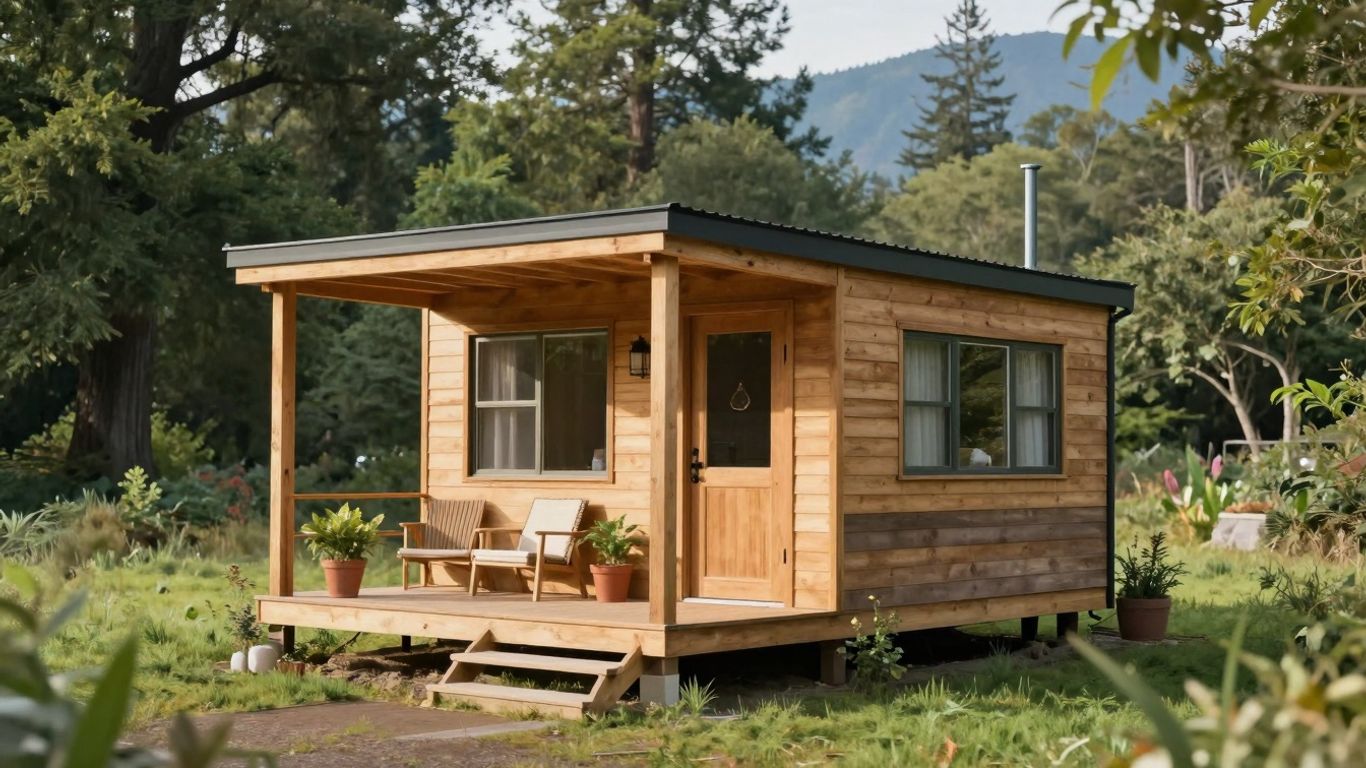
So, you’re thinking about a tiny home in Oregon, but where do you even start looking? While there are fantastic communities scattered across the state, let’s zero in on a few key cities and what they offer for tiny living.
Tiny Homes in Portland: Regulations and Possibilities
Portland is pretty welcoming to tiny homes, but it’s not a free-for-all. They generally classify tiny homes into two categories: permanent ones on a foundation and temporary ones on wheels. Permanent tiny homes can go pretty much anywhere as long as they fit the standard residential rules for the area. For the wheeled variety, things get a bit more specific. You can often have them as an extra dwelling on your property, but they usually need to be hooked up to water and sewer, and meet safety standards. It’s always a good idea to check with Portland’s Permitting & Development Center for the latest rules.
Eugene’s Approach to Tiny Living
Eugene is a real gem for tiny home enthusiasts, especially if you’re into community living. They’ve got places like Emerald Village Eugene, which is Oregon’s first permanently affordable tiny home co-op. It’s all about building communities that are both affordable and good for the planet. These kinds of places often come with shared amenities like clubhouses and laundry facilities, making that small footprint feel even more manageable.
Tiny Home Rules in Salem and Turner
In Salem, tiny homes on wheels are generally treated more like RVs and are best suited for RV parks or campgrounds. If you’re looking for a more permanent setup, a tiny home on a foundation is allowed, but it needs to follow the same rules as any other residential or accessory dwelling unit in its zone. Turner, while smaller, also has options. It’s worth noting that places like Hope Valley Resort are located near Turner, offering a more community-focused approach to tiny living with a lot of amenities.
Here’s a quick rundown of what to consider when looking at these cities:
- Portland: More flexible for tiny homes on wheels as ADUs, but requires utility hookups and safety checks.
- Eugene: Strong focus on community living and affordability, with co-op models available.
- Salem: Tiny homes on wheels are best in RV parks; foundation homes follow standard zoning.
- Turner Area: Look to nearby communities for structured tiny home living options.
Always remember that local zoning laws can change, and what’s allowed today might be different tomorrow. Double-checking with the city or county planning department is your best bet before making any big decisions.
Designing Your Dream Tiny Home
So, you’re ready to design your tiny home. This is where the fun really begins, right? It’s all about making a small space feel like your perfect sanctuary. Forget cookie-cutter designs; this is your chance to get creative and build something that truly fits how you live.
Customizing Park Model Tiny Homes
Park model tiny homes offer a great starting point, but they’re not set in stone. Think of them as a well-designed shell that you can really make your own. You can tweak layouts, swap out finishes, and add features that matter to you. Maybe you want more counter space in the kitchen, or perhaps a bigger window in the living area. Most builders are happy to work with you on these kinds of changes. It’s about finding that balance between a proven design and your personal touch.
Essential Features for Tiny Home Comfort
When you’re living tiny, every square foot counts, and the features you choose make a big difference. It’s not just about fitting things in; it’s about making them work for you.
- Multi-functional Furniture: Think sofa beds, ottomans with storage, or tables that fold down from the wall. These pieces are lifesavers in a small footprint.
- Smart Storage Solutions: Built-in shelves, under-stair drawers, and vertical storage systems are your best friends. Get creative with how you stow things away.
- Natural Light: Big windows can make a tiny space feel so much larger and more open. Consider skylights too, especially if you have a loft.
- Efficient Appliances: Look for compact, energy-saving appliances designed for smaller kitchens and laundry areas.
Shed Conversions for Tiny Living
Got an old shed lying around? It might just be the perfect starting point for a tiny home. Shed conversions are a popular DIY route, and they can be surprisingly cost-effective. The key is to plan carefully.
- Assess the Structure: Make sure the shed is sound. You might need to reinforce walls or the roof.
- Insulation is Key: Proper insulation is non-negotiable for comfort, no matter the season.
- Plumbing and Electrical: This is where things can get tricky. You’ll need to figure out how to add water, waste, and power hookups.
- Layout Planning: Just like any tiny home, a smart layout is vital. Think about where you’ll sleep, cook, and relax.
Building a tiny home, whether from scratch or by converting an existing structure, is a journey. It requires patience and a willingness to problem-solve. Don’t be afraid to ask for help or advice when you need it. The end result – a cozy, functional home that’s all yours – is totally worth the effort.
Remember, the goal is to create a space that feels spacious and livable, not cramped. With thoughtful design and smart choices, your tiny home can be everything you dreamed of and more.
Ready to Start Your Tiny Oregon Adventure?
So, you’ve read all about tiny homes in Oregon, from the cool communities like Hope Valley Resort and Mt. Hood Tiny House Village to the nitty-gritty of local laws. It might seem like a lot to take in, but really, it’s all about finding what works for you.
Whether you’re drawn to the coast, the mountains, or just a quiet spot near Portland, Oregon has a lot to offer for tiny homes. Don’t let the rules scare you off; most places are pretty welcoming if you do your homework. Start small, maybe visit a tiny home community first, and see if this lifestyle clicks. Your dream tiny home in Oregon is out there, waiting for you to find it.
Frequently Asked Questions
Are tiny houses legal in Oregon?
Yes, they are! Oregon has a special code for small homes, which is part of the bigger Oregon Residential Specialty Code. This code basically says that tiny homes, which are homes 400 square feet or less, need to follow certain building rules, kind of like regular houses. So, you can definitely build or buy a tiny home in Oregon.
Can I put a tiny house on my own land in Oregon?
In most places in Oregon, you can put a tiny house on your property. If you already have a house, the tiny house can be like a second small home on your land, often called an Accessory Dwelling Unit (ADU). Some cities, like Portland, are okay with tiny houses on wheels as these second homes too. It’s always best to check with your local city or county to be sure.
What is the Small Home Specialty Code?
This code is a set of rules specifically for tiny homes in Oregon, meaning houses that are 400 square feet or smaller. It’s based on a national building code and makes sure tiny homes have important safety features like smoke detectors and proper connections for water and electricity. Think of it as the safety checklist for small homes.
How much does it cost to build a tiny house in Oregon?
The price can vary a lot, from less than $8,000 to over $100,000. It really depends on how big you want it, what cool features you want inside, and if you need to buy land. Don’t forget to factor in costs for permits and any other extra things you might need.
Where can I park or place my tiny house in Oregon?
You have a few options! You can put it on your own property, sometimes as a second home (ADU). Tiny house communities or RV parks are also good spots, especially if you have a tiny house on wheels. Some places might have specific rules about where you can park, so it’s smart to look up the local laws for the city or county you’re interested in.
Do I need a permit for a tiny house in Oregon?
Most of the time, yes. You’ll likely need a building permit and maybe a zoning permit to build or live in a tiny house. If it’s a tiny house on wheels, you might also need to register it with the state’s DMV. Your local government office is the best place to find out exactly what permits you need.