
Thinking about a tiny house in PA? It’s a growing trend for a reason. People are looking for simpler, more affordable ways to live. Whether you’re drawn to the idea of a smaller footprint, saving money, or just a different lifestyle, a tiny house could be for you. This guide will help you figure out how to find or build the perfect tiny house in Pennsylvania.
Key Takeaways
- The tiny house movement is about living with less but focusing on quality.
- When looking for a tiny house in PA, consider what you need and what builders offer.
- Options range from building it yourself with kits to buying a fully finished home.
- Costs can vary widely, from basic kits to custom-built homes, so budgeting is key.
- Designing your tiny space means making every square foot count and adding your personal touch.
Finding Your Ideal Tiny House in PA
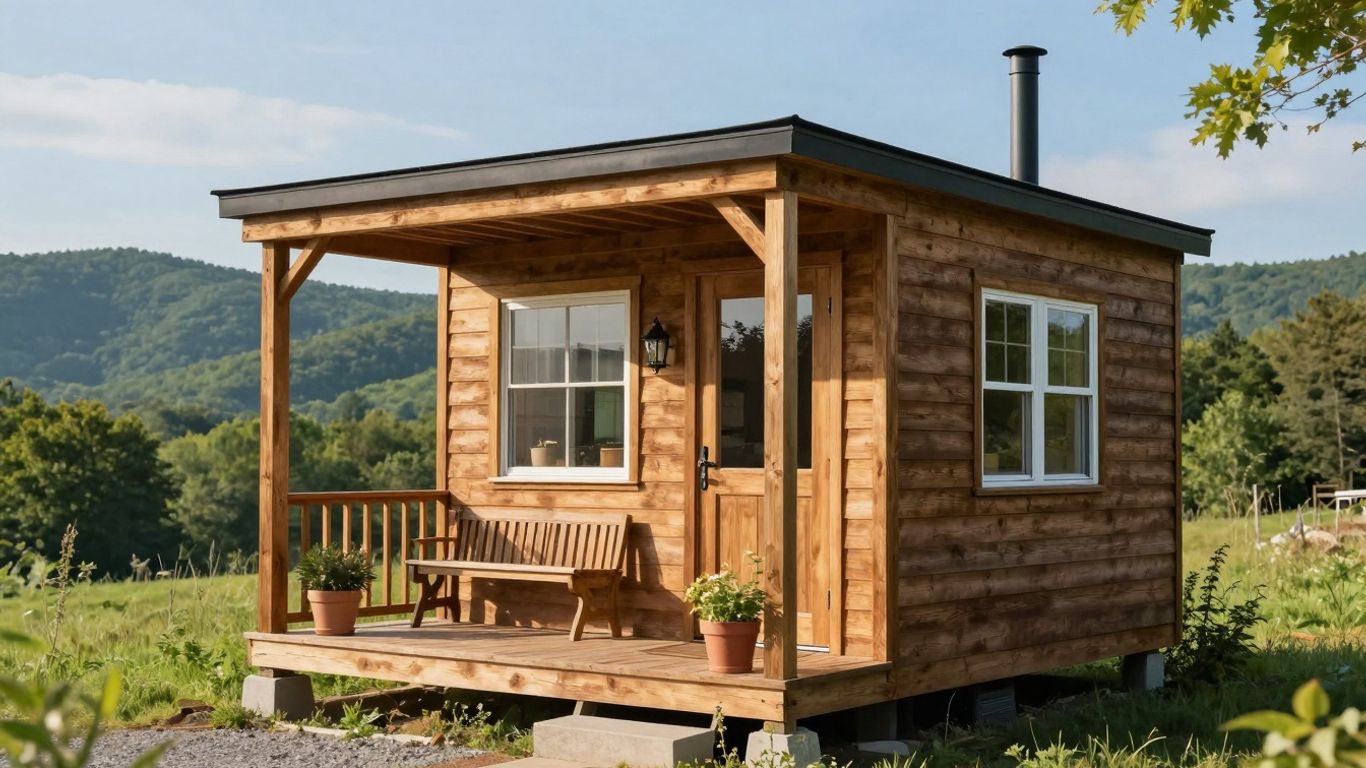
So, you’re dreaming of a tiny house in Pennsylvania? That’s awesome! It’s a big step, but totally doable. The tiny house movement is all about living simpler, using less stuff, and often, saving a good chunk of change. It’s not just about having a small house; it’s a lifestyle choice that many folks are embracing.
Understanding The Tiny House Movement
The core idea behind tiny living is efficiency and intentionality. People are realizing they don’t need a massive space to live a full life. This movement is about reducing your environmental footprint, cutting down on expenses, and gaining more freedom. Think less cleaning, less maintenance, and more money for experiences or savings. It’s a shift away from consumerism towards a more mindful way of living.
Key Considerations For Your Tiny House in PA
Before you get too far, let’s talk about what really matters when looking for a tiny home in PA. You’ll want to think about:
- Location: Where do you plan to put your tiny house? Zoning laws can be tricky, so research local regulations first. Some areas are more welcoming to tiny homes than others.
- Foundation Type: Will it be on wheels (THOW) or on a permanent foundation? This impacts where you can legally park it and how it’s built.
- Size and Layout: Even in a tiny house, space is precious. How much room do you really need? Think about sleeping, cooking, bathing, and living areas.
- Utilities: How will you connect to water, sewer, and electricity? Off-grid options are available, but they require careful planning.
It’s important to remember that building codes and zoning ordinances vary significantly from one municipality to another. What’s allowed in one town might be completely prohibited in the next. Thorough research into local regulations is absolutely vital before you commit to buying or building.
The Appeal Of Prefab Tiny Homes
Prefab tiny homes are becoming super popular, and for good reason. They offer a way to get a quality tiny house without the full DIY stress. These homes are built off-site, often in controlled factory conditions, which can lead to better quality control and faster construction times. They’re a great middle ground if you want something more substantial than a kit but don’t have the time or skills for a full custom build.
Many companies offer these, and you can often find options that are built to withstand different weather conditions, which is definitely a plus here in Pennsylvania. You can find some great options from builders like Wunderbar Structures who focus on quality craftsmanship.
Navigating Tiny House Builders in Pennsylvania
Finding the right builder is a big step when you’re dreaming of a tiny house in Pennsylvania. It’s not just about picking someone who can slap some walls together; you want a partner who understands your vision and can bring it to life with quality craftsmanship. Pennsylvania has some great options, especially with its rich history of skilled trades.
Liberation Tiny Homes: A Pennsylvania Builder
Based right in the heart of Pennsylvania’s Amish country, Liberation Tiny Homes is a standout choice. They really know how to mix that traditional, time-tested building style with modern needs. You can get a tiny house on wheels from them, or if you’re feeling creative, they can build a shell for you to finish out yourself. The founder, James, has a ton of building experience and a good eye for design, which is pretty important when you’re trying to make a small space feel just right.
What To Look For In A Tiny House Builder
When you’re shopping around for a builder, there are a few things that really matter. You want someone who is upfront about their process and costs. Good communication is key – you should feel like you can talk to them easily and that they’re listening to your ideas. Also, check out their past work. Do their homes look well-built? Are the finishes clean? It’s also smart to see if they use quality materials. A well-built tiny home is an investment, so you want it to last.
Here are some points to consider:
- Experience: How long have they been building tiny homes specifically?
- Portfolio: Can you see examples of their finished projects?
- Reviews: What do past clients say about their experience?
- Materials: What kind of materials do they typically use?
- Warranty: Do they offer any kind of warranty on their work?
Questions To Ask Potential Builders
Don’t be shy about asking questions! It’s better to know now than to have surprises later. Here are some good ones to get you started:
- What is your typical building timeline from start to finish?
- Can you provide a detailed breakdown of the costs involved?
- What kind of customization options are available?
- How do you handle unexpected issues or changes during the build?
- What are the warranty details for your tiny homes?
- Can you provide references from previous clients?
Choosing a builder is a personal decision. Take your time, do your homework, and trust your gut. The right builder will make the process smoother and help you create the tiny home you’ve been imagining.
Types Of Tiny Homes Available
So, you’re thinking about a tiny house in PA, huh? That’s awesome! But before you get too far, let’s chat about the different kinds of tiny homes you can actually get. It’s not just one-size-fits-all, thankfully. You’ve got a few main routes you can go down, and each one has its own vibe and price tag.
DIY Tiny House Kits
This is for you if you like getting your hands dirty and want to be super involved in building your place. Think of it like a really, really big LEGO set for adults. These kits come with all the pieces and instructions you need. It’s a fantastic way to save money and learn a ton about construction. You can often find kits that are designed for pretty straightforward assembly, sometimes even doable with just a friend and no prior building experience. It’s a great option if you’re on a tighter budget and don’t mind putting in the sweat equity. Prices can start pretty low, maybe around $10,000 to $20,000, depending on what’s included.
Turn-Key Ready Tiny Homes
If the idea of building sounds like a headache, then a turn-key home is probably more your speed. These are basically tiny houses that are already built and ready for you to move right in. They get delivered to your spot, and you can start living in them pretty much immediately. It’s the easiest way to go tiny if you want to skip the whole construction process. These can vary a lot in price, but you’re generally looking at something in the $35,000 to $80,000 range, depending on the size, fancy features, and how it’s finished out. It’s all about convenience here.
Custom Built Tiny Houses
This is where you get to design your dream tiny home from the ground up, or at least work closely with a builder to make it happen. You pick the layout, the materials, the finishes – everything. It’s perfect if you have a very specific vision or unique needs that a standard kit or pre-built model just won’t cover. You can get really creative with this, blending traditional styles with modern touches, or focusing heavily on sustainability and energy efficiency. Of course, this route usually comes with a higher price tag because you’re paying for that specialized design and construction. It’s an investment in a home that’s truly yours, down to the last detail.
Building Your Tiny House in PA
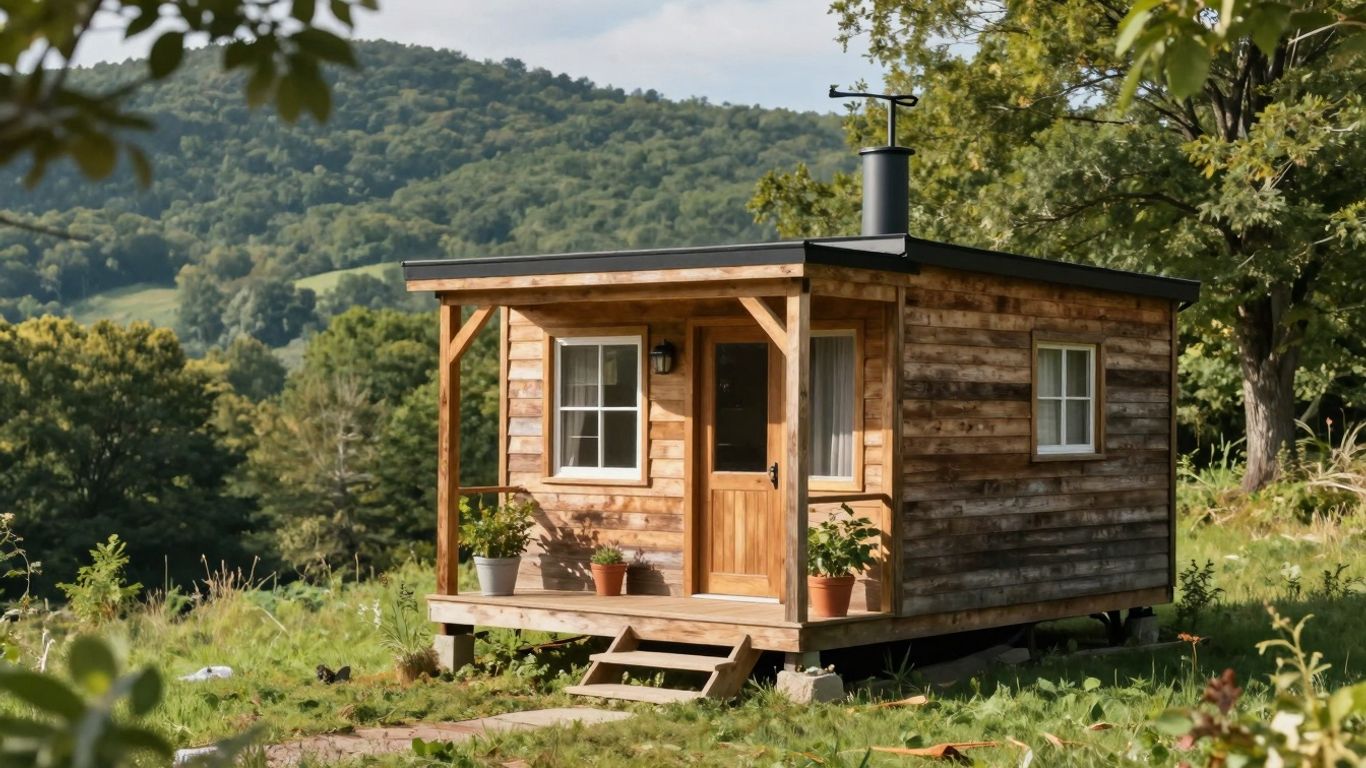
So, you’ve decided to build your own tiny house in Pennsylvania. That’s a big step, and honestly, it can feel a little overwhelming at first. But don’t worry, it’s totally doable. Think of it like putting together a really cool, scaled-down puzzle that you get to live in.
Materials And Craftsmanship
When you’re building, the stuff you use really matters. You want materials that are going to last, especially with Pennsylvania’s changing weather. Think about good quality lumber, proper insulation, and windows that can handle a chill. It’s not just about making it look nice; it’s about making it sturdy and comfortable year-round. Good craftsmanship means your tiny house will feel like a real home, not just a temporary structure.
Blending Traditional And Modern Design
Pennsylvania has a rich history, and you can totally bring that into your tiny house. Maybe you like the look of a classic farmhouse or a rustic cabin. But you also want modern conveniences, right? You can mix those things. Think about using reclaimed wood for a cozy feel, but then adding sleek, modern kitchen cabinets. Or maybe a traditional exterior with smart home tech inside. It’s all about finding that balance that feels right for you.
Energy Efficiency And Sustainability
Living tiny often goes hand-in-hand with wanting to be more eco-friendly. This is where you can really get creative. Consider things like solar panels for power, a composting toilet to save water, and excellent insulation to keep heating and cooling costs down. Even the types of materials you choose can make a difference. Using recycled or locally sourced materials is a great way to reduce your impact.
Building a tiny house is a chance to be really intentional about how you live and what you use. It’s a great opportunity to make choices that are good for your wallet and good for the planet.
Here are some things to think about for energy efficiency:
- Insulation: Proper insulation in walls, floors, and ceilings is key. Look into options like spray foam or rigid foam boards.
- Windows and Doors: High-performance, double or triple-paned windows can make a huge difference in keeping heat in and out.
- Appliances: Opt for energy-efficient appliances. Many tiny homes use smaller, specialized appliances that consume less power.
- Water Heating: Consider tankless water heaters, which only heat water when you need it, saving energy.
The Cost Of A Tiny House in PA
So, you’re dreaming of a tiny house in Pennsylvania, but what about the price tag? It’s a question on everyone’s mind, and honestly, the answer isn’t a simple number. The cost can swing quite a bit depending on what you’re looking for. Think of it as a spectrum, not a fixed point.
Affordability Of Tiny Living
One of the biggest draws of the tiny house movement is the promise of lower costs. And for the most part, that holds true. Compared to a traditional stick-built home, a tiny house generally means less land, fewer materials, and lower utility bills. You’re looking at significantly reduced monthly expenses for things like heating, cooling, and property taxes. This financial freedom is a huge part of the appeal for many.
Investment In Quality And Customization
While DIY kits can be incredibly budget-friendly, starting around $10,000 to $20,000, they require your time and labor. If you’re leaning towards a professionally built home, the prices jump. A pre-built, stationary tiny home might range from $35,000 to $68,000. Mobile tiny homes, offering that sweet flexibility to relocate, typically fall between $60,000 and $80,000. And if you’re going the custom route, where every detail is exactly to your liking, you could be looking at anywhere from $25,000 up to $200,000 or more. It really depends on the complexity, the materials you choose, and the builder’s reputation. For instance, some custom builds from companies like Liberation Tiny Homes can be quite elaborate.
Budgeting For Your Tiny House Project
When you’re planning your tiny house budget, don’t forget the extras. Beyond the purchase price, you’ll need to factor in:
- Land: Whether you buy or rent, this is a significant cost.
- Site Preparation: This could include utility hookups (water, sewer, electricity) and foundation work.
- Permits and Inspections: Depending on your location in PA, these are necessary.
- Insurance: You’ll need to insure your investment.
- Furnishings and Appliances: Even in a tiny space, these add up.
- Transportation (if mobile): Moving your home isn’t free.
Building or buying a tiny house is a big decision, and understanding the full financial picture upfront is key. It’s not just about the initial purchase; it’s about the ongoing costs and the long-term value you’re creating. Taking the time to research and get detailed quotes will save you headaches down the road.
Here’s a general idea of what you might expect:
| Type of Tiny House | Estimated Cost Range | Notes |
|---|---|---|
| DIY Kit | $10,000 – $20,000 | Requires significant labor and time. |
| Pre-built (Stationary) | $35,000 – $68,000 | Ready to place on foundation. |
| Pre-built (Mobile) | $60,000 – $80,000 | Built on a trailer, can be moved. |
| Custom Built | $25,000 – $200,000+ | Highly variable based on features/materials |
Remember, these are just estimates. The actual cost for your tiny house in PA will depend heavily on your specific choices and circumstances.
Designing Your Dream Tiny House
So, you’ve decided to go tiny, and now it’s time for the really fun part: making it your own. Designing a tiny house isn’t just about fitting things into a small space; it’s about creating a functional, beautiful home that truly reflects you. It’s a chance to be really intentional with every square inch.
Maximizing Space and Functionality
This is where creativity really shines. Think about how you actually live. Do you cook a lot? You’ll want a more robust kitchen. Love reading? Maybe a cozy nook is in order. Every element should serve a purpose, and ideally, multiple purposes.
- Multi-functional Furniture: Think sofa beds, ottomans with storage, or tables that fold down from the wall. It’s all about pieces that can do more than one thing.
- Vertical Space: Don’t forget about the walls! Shelving, hanging storage, and even lofted areas can add a ton of usable space without taking up floor area.
- Smart Layouts: Consider flow. How will you move from the kitchen to the living area? A well-thought-out layout makes a small space feel much larger and easier to live in.
Personalizing Your Tiny Home
This is your chance to inject your personality. Forget cookie-cutter designs; your tiny house should feel like you.
- Color Palette: Even in a small space, color can make a big impact. Lighter colors can make it feel more open, while pops of color can add personality.
- Materials and Finishes: From reclaimed wood to unique tile work, the materials you choose tell a story.
- Built-in Features: Custom shelving for your book collection, a dedicated spot for your plants, or a window seat – these personal touches make it a home.
Incorporating High-Tech Add-Ons
Tiny living doesn’t mean going without modern conveniences. In fact, many tiny homes are embracing technology to make life easier and more efficient.
- Smart Home Systems: Think integrated lighting, thermostats, and even security systems that you can control from your phone.
- Energy-Efficient Appliances: Smaller appliances often use less energy, and many are designed with tiny living in mind.
- Innovative Storage Solutions: From pull-out pantries to hidden compartments, technology can help you make the most of every inch.
Designing a tiny house is a balancing act. You’re constantly weighing needs against wants, and space against functionality. It requires a bit of planning, a lot of imagination, and a willingness to think outside the traditional box. But the reward is a home that’s perfectly suited to your lifestyle and your dreams.
Ready to Start Your Tiny Adventure?
So, you’re thinking about a tiny house in Pennsylvania? It’s a big decision, but totally doable. We’ve talked about what to look for, some builders who do great work, and the different ways you can get your own little place. Whether you want a fully built home or a kit to put together yourself, there are options out there. It might seem like a lot, but taking it step-by-step makes it manageable. Finding the right builder and asking the right questions will get you closer to that cozy, simpler life you’re dreaming of. Happy house hunting!
Frequently Asked Questions
What exactly is a tiny house?
A tiny house is a small home, usually 500 square feet or less. They’re all about living with less stuff and focusing on what’s really important. Think of it as a cozy, efficient living space that’s much smaller than a typical house.
Why are people interested in tiny houses in PA?
Many people in Pennsylvania are drawn to tiny houses for a few big reasons. They’re more affordable than regular homes, which is great for saving money. Plus, they’re better for the environment because they use fewer resources. It’s also a way to live a simpler life with less clutter.
Can I build a tiny house myself in PA?
Yes, you can! There are companies that sell DIY kits with all the parts and instructions you need. It’s a great option if you like hands-on projects and want to save money. You can also buy plans and get all the materials yourself.
What’s the difference between a DIY kit and a turn-key tiny home?
A DIY kit is like a puzzle you put together yourself with all the pieces provided. A turn-key tiny home is already built and ready for you to move into as soon as it’s delivered. It’s a faster, no-fuss option.
How much does a tiny house cost in Pennsylvania?
The price can vary a lot! Simple DIY kits might start around $10,000 to $20,000. Fully built, custom tiny homes can cost much more, sometimes $60,000 or even over $100,000, depending on the size, materials, and features you choose.
Are there builders in PA that specialize in tiny homes?
Absolutely! Pennsylvania has builders like Liberation Tiny Homes, located in Amish country, who are experts at creating tiny houses. They often blend traditional building skills with modern designs and can build homes on wheels or custom shells for you to finish.