
Thinking about a tiny house in South Carolina? It’s a great idea, honestly. The state has a lot to offer, from the mountains to the coast, and a tiny home can be a way to live more simply and affordably. But before you jump in, there are a few things you should know. We’ll cover the rules, what to look for in a builder, and how to make sure your tiny house is ready for the South Carolina weather. It’s not as complicated as it sounds, and finding the right tiny house in South Carolina could be easier than you think.
Key Takeaways
- South Carolina has specific building rules for tiny houses that change depending on where you want to put it. Always check local zoning laws first.
- The weather here can be tricky – think humidity and hurricanes near the coast. Your tiny house needs to be built to handle it.
- When picking a builder for your tiny house in South Carolina, look at their experience, what others say about them, and how much delivery will cost.
- Popular styles include log cabins, modern designs, and coastal-themed homes, fitting the state’s diverse scenery.
- Expect to spend between $45,000 and $115,000 for a professionally built tiny house, plus extra costs like delivery.
Understanding South Carolina Tiny House Regulations
Navigating Local Zoning Laws
So, you’re thinking about a tiny house in South Carolina? That’s awesome! But before you start dreaming about your cozy little spot, we’ve got to talk about the rules. It’s not quite as simple as just parking your tiny home anywhere. Zoning laws are the big one here, and they can change a lot depending on the specific town or county you’re looking at.
Some rural areas might be pretty laid-back, but if you’re closer to a city like Charleston or Greenville, things get a bit more complicated. It’s really important to do your homework on the specific location you have in mind. You don’t want to buy a tiny house only to find out you can’t legally put it where you want it.
- Always check with the local planning or zoning department first. They’re the ones who know the ins and outs for that particular area.
- Look into rules about minimum square footage for dwellings, even if your tiny house is on wheels.
- See if there are specific zones where tiny homes are permitted, or if they’re generally disallowed.
It’s a bit of a puzzle, but figuring out the zoning is a major step. You can find some general information about Accessory Dwelling Units (ADUs) across the US, but South Carolina tends to have more restrictive rules compared to some other states statewide allowances.
Tiny House Placement Options
Once you’ve got a handle on the zoning, the next big question is where your tiny house will actually live. This really ties into those zoning laws we just talked about. If your tiny house is on wheels (often called an RV or park model), you might have more flexibility. Think about RV parks, which are becoming more popular and sometimes have dedicated spots for tiny homes.
Some private landowners might allow you to park on their property, but you’ll definitely need their permission and to make sure it aligns with local ordinances. For tiny houses that are built on a foundation, the placement options are much more tied to traditional housing rules, often requiring you to meet the same standards as a larger home.
- RV Parks: A growing number of these are becoming tiny-house friendly.
- Private Land: Requires owner permission and adherence to local zoning.
- Tiny House Communities: Some areas are developing specific communities for tiny homes.
The key is to find a spot that’s not only legal but also fits your lifestyle and needs for utilities like water, sewer, and electricity. Don’t forget to factor in accessibility for deliveries and potential visitors.
Permitting and Building Codes
This is where things can get a little technical, but it’s super important. Building codes are basically safety standards that all homes need to meet. For tiny houses, whether they’re on wheels or a foundation, you’ll need to figure out which codes apply. If your tiny house is built on a foundation, it will likely need to go through the same permitting process as a conventional home, meaning it has to meet all the standard building codes for South Carolina.
For tiny houses on wheels, it can be a bit trickier. Some might be classified as RVs and need to meet RV standards, while others might fall into a gray area. It’s best to assume you’ll need some form of inspection or certification, especially if you plan to hook up to permanent utilities or live in it full-time.
- Foundation Homes: Generally follow standard residential building codes and require permits.
- Tiny Homes on Wheels: May need to meet RVIA standards or specific local regulations for placement.
- Utility Hookups: Connecting to water, sewer, and electricity often requires inspections and permits.
Getting the right permits and making sure your build meets all the codes is non-negotiable. It ensures your home is safe and sound, and it avoids a lot of headaches down the road.
Key Considerations for Your South Carolina Tiny House
So, you’re thinking about a tiny house in South Carolina or living in tiny home communities in South Carolina? That’s exciting! But before you get too far, let’s talk about some things you really need to think about, especially with the local weather and environment. It’s not just about picking a cute design; it’s about making sure your tiny home can handle living here.
Climate-Specific Design Needs
South Carolina has a humid subtropical climate, which means hot, sticky summers and mild winters. This humidity is a big deal for tiny homes. You’ll want to pay close attention to how your house handles moisture. Good ventilation is non-negotiable. Think about exhaust fans in the bathroom and kitchen that vent directly outside.
Using mold-resistant building materials can also save you a lot of headaches down the road. For cooling, efficient systems like mini-splits are a smart choice because they can cool different zones without needing a lot of ductwork. Plus, consider things like reflective roofing and good insulation to keep the heat out.
Hurricane Preparedness for Coastal Builds
If you’re dreaming of a tiny house near the coast, like around Charleston, you absolutely must factor in hurricane season. This isn’t just about having a sturdy structure; it’s about specific building requirements. We’re talking about proper anchoring systems to keep your home secured, windows that can withstand high winds and debris, and construction methods designed for serious wind loads.
Builders who work in these coastal areas are usually well-versed in these South Carolina zoning laws and build accordingly. It’s worth asking potential builders about their experience with coastal construction.
Moisture and Humidity Management
This ties back to the climate, but it’s worth its own point. Dealing with humidity is a constant battle in the Palmetto State. Beyond just ventilation, you might want to look into whole-house dehumidification systems. These can make a big difference in comfort and, more importantly, prevent mold and mildew growth. Proper vapor barriers in your walls and roof are also key. It’s all about creating a healthy living environment inside your tiny home, no matter what the weather is doing outside.
Building a tiny house is a big step, and understanding the local environment is just as important as the floor plan. Taking these climate and weather factors into account from the start will save you time, money, and a whole lot of stress later on.
Finding the Right South Carolina Tiny House Builder
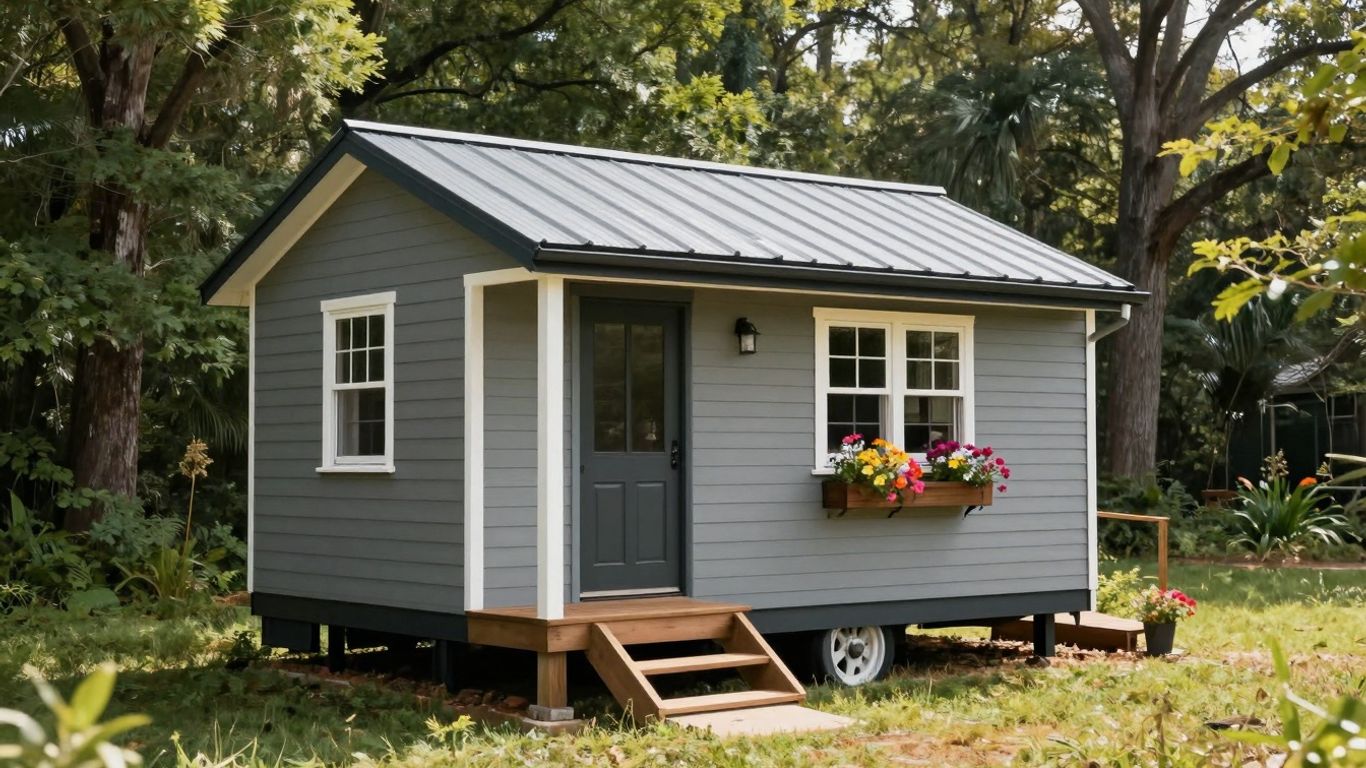
So, you’ve decided a tiny house is the way to go, and South Carolina is your chosen spot. That’s awesome! But now comes the big question: who’s going to build it? It’s not like picking up a pre-fab shed, you know. You want someone who really gets what you’re after, especially with the unique South Carolina climate and all.
Evaluating Builder Experience and Reputation
When you’re looking at builders, don’t just go for the first one you see. Experience really matters here. Think about how long they’ve been in the business. Have they built a lot of tiny homes, or are they just dabbling? Check out their past projects – do they look solid? Are there reviews from happy customers? A builder with a good track record and plenty of positive feedback is usually a safer bet. It’s worth spending a bit of time looking into this, maybe even talking to a couple of their previous clients if possible.
Understanding Delivery Costs and Logistics
This is a big one, and people often forget about it until the last minute. Where is the builder located, and where will your tiny house be delivered? South Carolina builders often have a sweet spot for deliveries within the Southeast, which can save you a good chunk of change. But many can deliver nationwide. You’ll want to get a clear quote for delivery, usually priced per mile. It’s not just about the cost, though; ask about their delivery process. How do they transport it? What kind of equipment do they use? Make sure they have a solid plan for getting your home to its final destination safely.
Comparing Custom Builds vs. Pre-built Homes
This is a classic decision point. Do you want a completely custom-designed tiny house, built exactly to your specifications from the ground up? Or are you leaning towards a pre-built model that you can perhaps customize a bit, but is already mostly finished? Custom builds give you ultimate freedom but can take longer and cost more. Pre-built homes are often quicker to get and might fit a tighter budget, but you’ll have less say in the layout and features. Think about what’s more important to you: personalization or speed and cost.
Choosing between a custom build and a pre-built home really comes down to your priorities. If you have a very specific vision and budget flexibility, custom is the way to go. If you need something sooner or want to keep costs more predictable, a pre-built option might be a better fit. Either way, ask the builder about their process for each.
Here’s a quick look at what to consider:
- Custom Builds:
- Full design control
- Tailored to your lifestyle
- Potentially longer build times
- Can be more expensive
- Pre-built Homes:
- Faster availability
- More predictable costs
- Limited customization options
- May require compromises on layout
Popular Tiny House Styles in South Carolina
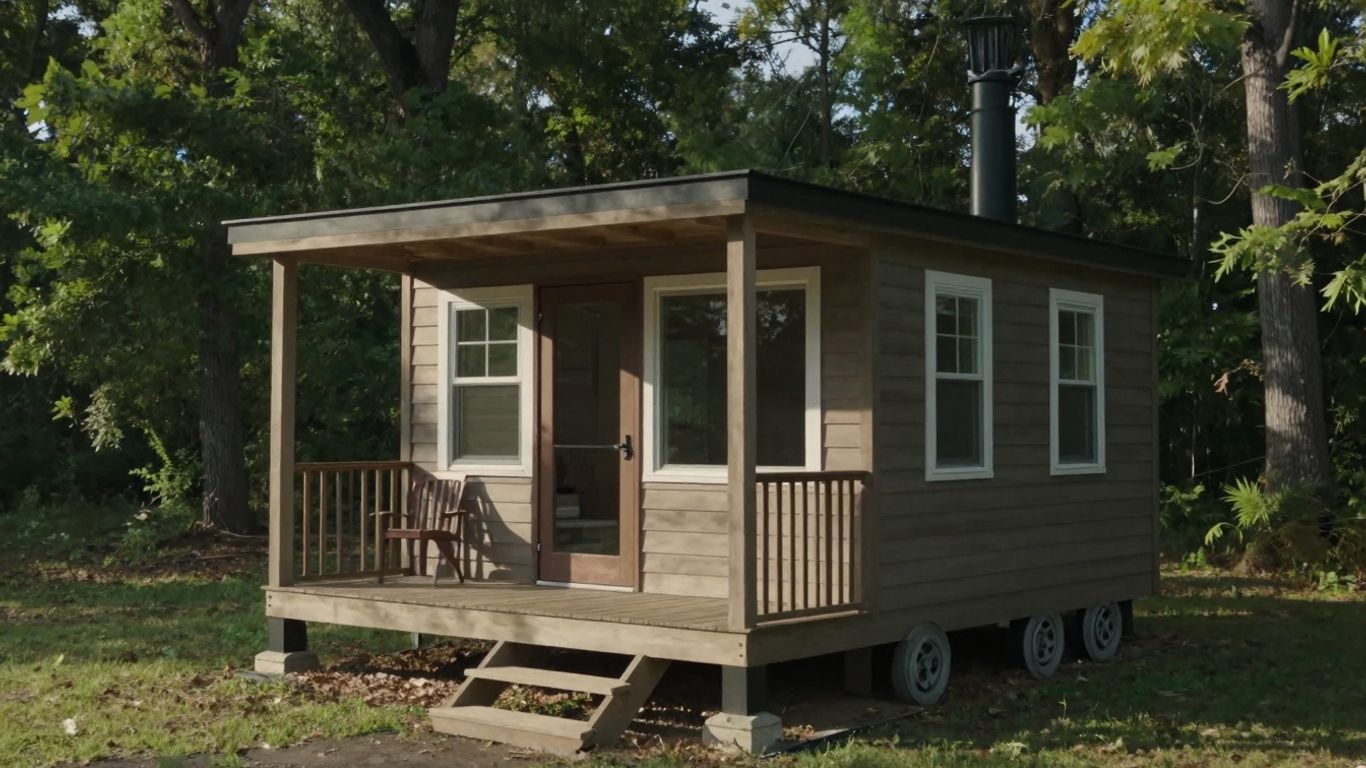
South Carolina’s diverse landscape, from the rolling Upstate hills to the sandy coast, inspires a variety of popular tiny house designs. Whether you’re drawn to rustic charm or sleek modern lines, there’s a style to fit your vision.
Classic Log Cabin Designs
This style is a real hit, especially in the Upstate region. Think cozy evenings by the fire and a connection to nature. These homes often feature natural wood finishes, exposed beams, and a sturdy, timeless appeal. Many builders in the area have generations of experience crafting these beauties. They’re built to last and feel like a permanent part of the landscape. If you’re looking for that quintessential cabin feel, this is definitely the way to go. You can find some amazing examples from builders who really know their craft, like those specializing in log cabin construction.
Modern and Sustainable Options
For those who prefer clean lines and eco-friendly living, modern and sustainable tiny houses are gaining traction. These designs often incorporate energy-efficient features, reclaimed materials, and smart layouts to maximize space. Think large windows for natural light, minimalist interiors, and perhaps a green roof. Many of these homes are designed with South Carolina’s climate in mind, focusing on good ventilation and cooling. Builders are getting creative with materials, making these homes both stylish and kind to the planet. It’s a great way to live smaller and greener.
Coastal-Inspired Tiny Homes
Down along the coast, tiny homes often take on a breezy, beach-cottage vibe. These designs usually feature lighter colors, ample windows to catch the sea breeze, and durable materials that can withstand the salty air. Hurricane preparedness is a major consideration here, so these homes are built with resilience in mind, often incorporating specific anchoring and wind-resistant features.
They aim to capture that relaxed, seaside lifestyle. You might see features like wrap-around porches or outdoor living spaces perfect for enjoying the coastal environment. These homes are designed to be both beautiful and tough against the elements, offering a perfect retreat near the water. For a look at a spacious model designed with comfort in mind, check out The Charleston – All Wood.
Budgeting for Your Tiny House in South Carolina
Alright, let’s talk about the money side of things. Getting a tiny house in South Carolina is exciting, but you’ve got to have a handle on the costs involved. It’s not just the sticker price of the house itself; there are other bits and pieces that add up. Understanding your total budget upfront will save you a lot of headaches later on.
Typical Price Ranges for Tiny Homes
Prices can really swing depending on what you’re after. A basic, no-frills tiny home, maybe a simple log cabin style, could start around $35,000. If you’re looking for something a bit more custom, with nicer finishes or specific features, you’re probably looking at the $45,000 to $115,000 range. And if you’re dreaming big with high-end materials or really unique designs, well, you could easily go over $140,000. South Carolina builders often have competitive pricing, which is a nice bonus.
Additional Costs to Consider
Don’t forget these extras:
- Delivery: This is a big one. Most builders charge by the mile, often around $2 to $4 per mile. So, the further away you are, the more it’ll cost to get your tiny home to your spot.
- Site Preparation: You might need to clear land, level the ground, or even set up a foundation or piers, depending on where you’re putting your tiny house.
- Utilities Hookups: Connecting to water, sewer or septic, and electricity can involve costs for trenching, wiring, and plumbing work.
- Permits and Inspections: Depending on your local rules, you might need permits, which come with fees.
- Land: If you don’t already own land, that’s a whole other expense to factor in.
- Furnishings and Appliances: Unless the tiny house comes fully furnished, you’ll need to budget for everything inside.
Financing Your Tiny House Purchase
Getting a loan for a tiny house can be a bit different than a traditional home. Here are a few avenues to explore:
- Personal Loans: These are unsecured loans, but they might have higher interest rates.
- RV Loans: If your tiny house is built on wheels and meets certain criteria, you might be able to get an RV loan.
- Home Equity Loans: If you own a traditional home, you could tap into its equity.
- Credit Unions: Sometimes credit unions are more flexible with unique loan types.
- Cash: If you’ve saved up, paying cash avoids interest altogether.
It’s really important to talk to lenders early in the process. Not all banks are set up to finance tiny homes, so doing your homework on financing options before you fall in love with a specific model is a smart move. You want to make sure the numbers work for your situation.
Choosing a South Carolina Builder for Your Project
Alright, so you’ve decided a tiny house in South Carolina is the way to go. That’s awesome! Now comes the part where you find the folks who are actually going to build it. This isn’t like picking out a new couch; you want someone who really knows their stuff, especially when it comes to building in the Palmetto State.
Builders with Proven Track Records
When you’re looking at builders, you’ll want to see who’s been around the block a few times. Think about it – building a tiny house isn’t just slapping some wood together. It involves understanding materials, local weather, and making sure everything is sturdy. Builders with a long history, maybe building hundreds of homes, usually have their process down pat. They’ve likely seen all sorts of challenges and figured out how to handle them. This means fewer headaches for you and a better-built home.
- Look for builders with at least 10-15 years of experience.
- Check how many homes they’ve built and delivered.
- Ask about their warranty and what it covers.
Building a tiny house is a big step, and picking the right builder makes all the difference. You want someone you can trust to create a safe, comfortable, and well-made home that fits your needs and the South Carolina environment.
Builders Specializing in Reclaimed Materials
If you’re into the eco-friendly vibe or just love the unique character that reclaimed materials bring, you’ll want to find builders who specialize in this. Using old wood, salvaged metal, or other recycled items can give your tiny house a story and a look you just can’t get with brand-new stuff. It’s a bit more of an art form, and not every builder is set up to do it well. These builders often have a knack for finding great materials and incorporating them beautifully into the design.
Builders Focused on Compact Quality
This is where you want to find someone who truly gets the “tiny” part of tiny house living. They understand how to maximize small spaces, make things functional, and build with a focus on durability and smart design. It’s not just about making something small; it’s about making a quality small space. They’ll know how to use every inch wisely, from clever storage solutions to efficient layouts. The best builders in this category will make you forget you’re in a tiny house because it feels so well-designed and comfortable.
| Feature | What to Look For |
|---|---|
| Space Efficiency | Smart storage, multi-functional furniture options |
| Material Quality | Durable, low-maintenance, and sustainable materials |
| Craftsmanship | Attention to detail, solid construction, good finishes |
| Climate Adaptability | Proper insulation, ventilation for SC humidity |
Ready to Start Your Tiny Home Adventure?
So, you’ve explored the possibilities and learned about what makes South Carolina a great spot for tiny homes. From understanding the climate to finding builders who know the local scene, you’re now better equipped to find that perfect little place. Whether you’re drawn to the mountains or the coast, remember to check local rules and talk to builders about your specific needs. Your dream tiny house is out there, waiting for you in the Palmetto State. Happy house hunting!
Frequently Asked Questions
Are tiny houses allowed in South Carolina?
Yes, tiny houses are generally allowed in South Carolina, but rules can differ a lot from one town or county to another. Some country areas are pretty relaxed, but bigger cities like Greenville, Columbia, and Charleston have their own building rules. It’s super important to check the specific rules for the exact spot where you want to put your tiny house before you buy anything.
How much does a tiny house typically cost in South Carolina?
You can expect to pay anywhere from about $45,000 to $115,000 for a professionally built tiny house in South Carolina. If you’re looking for something simpler, like a basic log cabin, you might find options starting around $35,000. Really fancy custom ones made with special recycled materials could cost over $140,000. Don’t forget to add delivery costs, which are usually around $2 to $4 for every mile.
What should I know about South Carolina’s weather for my tiny house?
South Carolina has hot, sticky summers and mild winters. This means your tiny house needs good ways to handle moisture and stay cool. In areas near the coast, you also need to think about hurricanes. Builders in South Carolina know how to design homes that can handle these weather challenges, using things like good ventilation, mold-proof materials, and strong anchoring for windy conditions.
Can South Carolina tiny house builders deliver homes anywhere?
Many builders in South Carolina do deliver homes all over the country. Some have even delivered to as many as 36 different states! Delivery usually costs between $2 and $4 per mile. Because South Carolina is in a good spot on the East Coast, delivering to nearby states like Georgia and North Carolina is often quite affordable.
What are some popular tiny house styles in South Carolina?
You’ll see a few different styles of tiny houses in South Carolina. Classic log cabin designs are popular, especially in the northern part of the state. Many people also like modern and eco-friendly designs. Near the coast, you’ll find homes built with a style that fits the beachy vibe. There are options for almost any taste!
How do I find a good builder for my tiny house in South Carolina?
To find the best builder, look for companies with lots of experience and good reviews from past customers. Check out their past projects to see if their style matches what you want. It’s also smart to ask them about their experience building for South Carolina’s weather and how much delivery will cost. Talking to a few different builders will help you find the right fit for your dream tiny home.