
Tiny House in Washington
Thinking about a tiny house in Washington State? It’s a cool idea, right? Washington’s got amazing nature, and a tiny home fits that vibe. But before you start dreaming of mountain views from your mini-kitchen, there are some things to figure out. It’s not as simple as just parking a small house anywhere. We’ll look at the rules, where you can actually put your tiny house, and what it’s like to live that life here. Let’s get you started on finding your perfect tiny house Washington adventure.
Key Takeaways
- Washington State has specific rules for tiny homes, and they change depending on the county or city.
- Understanding zoning laws and building codes is the first step to legally placing your tiny house.
- Tiny homes on wheels (THOWs) have their own set of regulations that differ from permanent structures.
- Popular areas like Seattle have stricter rules, while some smaller towns or rural spots might be more open.
- Exploring tiny house communities can offer a supportive environment and shared resources.
Understanding Washington’s Tiny House Regulations
Navigating Zoning Laws Across Washington Counties
So, you’re thinking about a tiny house in Washington? That’s awesome! But before you start dreaming about your cozy little abode, we gotta talk about the rules. Zoning laws are basically the local playbooks that decide what can go where. And let me tell you, they can get a bit tricky with tiny homes, especially if yours is on wheels.
Most counties and cities in Washington have their own specific rules. Some are pretty welcoming to tiny homes, while others… not so much. For instance, if your tiny house is on wheels (often called a THOW), many places will treat it like an RV. This means it might only be allowed in RV parks or specific zones, and you might face limits on how long you can stay there – think 60 days max in some spots. It’s not usually allowed for full-time living outside of designated areas.
Here’s a quick look at how some areas handle it:
- King County: Generally treats THOWs like RVs, meaning they aren’t considered permanent residences and have strict time limits for parking. You’ll need to follow rules for large vehicles and can’t just park them on empty land.
- Seattle: Is a bit more open, allowing tiny homes if they’re registered as Accessory Dwelling Units (ADUs). However, they don’t allow THOWs within city limits.
- Clark County: Might permit tiny homes as a main house or a guest house, and they even have a special hardship permit option.
- Pierce County: Has specific rules about room sizes for tiny homes, so definitely check their guidelines before you plan.
- Snohomish County: Has seen a rise in interest due to the cottage housing movement, making tiny homes more popular there.
It’s super important to check with the specific city or county where you want to put your tiny house. What works in one town might be a no-go in the next. Don’t skip this step – it could save you a lot of headaches later!
The biggest hurdle often comes down to whether your tiny house is considered a permanent structure or a recreational vehicle. This distinction heavily influences where it can be legally placed and occupied long-term.
Building Codes for Tiny Homes in Washington State
Okay, so zoning is one piece of the puzzle. The other big one is building codes. These are the safety standards that all homes need to meet, no matter their size. In Washington, the Washington State Building Code (WSBC) is the main guide.
For tiny homes that are built on a permanent foundation, they generally need to follow the standard residential building codes. This covers things like structural integrity, electrical, plumbing, and fire safety. If your tiny home is under 400 square feet and built on a foundation, it might be able to use Appendix Q of the International Residential Code (IRC). This appendix has some relaxed rules, like for loft stairs and ceiling heights, making it a bit easier for tiny spaces.
What about those tiny homes on wheels (THOWs)? These are a bit different. The state defines a THOW as a dwelling on wheels, no larger than 400 square feet, with a kitchen, bathroom, and living area. Crucially, any THOW built in Washington must get full inspections and approvals from the Department of Labor and Industries (L&I). This applies even if you buy it from out of state. L&I oversees the construction standards for these mobile dwellings.
If you’re building a structure on wheels that doesn’t fit the tiny house definition, it might be classified as a park model or an RV, which have their own set of rules and inspections, also often handled by L&I.
Legalizing Tiny Homes on Wheels (THOWs)
Legalizing a Tiny House on Wheels (THOW) in Washington can feel like a bit of a maze, but it’s definitely doable if you know the steps. The main thing to remember is that THOWs have a unique set of regulations because they’re mobile.
First off, as mentioned, any THOW built in Washington needs to be inspected and approved by the Washington State Department of Labor and Industries (L&I). This is a big deal. They’ll check to make sure your home meets the state’s building code for tiny homes. This process includes plan reviews and inspections, and it’s required whether you build it yourself in your backyard or buy it from a manufacturer, even if that manufacturer is in another state.
Once your THOW has L&I approval, you still need to figure out where you can legally park and live in it. This is where local zoning laws come back into play. Many cities and counties treat THOWs as recreational vehicles (RVs). This often means:
- They can only be parked in designated RV parks or campgrounds.
- There might be a limit on how long you can stay in one spot, often around 60 days per year.
- They usually can’t be used as a permanent dwelling on a residential lot.
Some areas are starting to create specific ordinances for THOWs, allowing them in certain zones or as accessory dwelling units (ADUs), but this isn’t universal. You’ll need to contact the local planning or building department for the specific area you’re interested in.
The key to legalizing a THOW is a two-part approach: state-level approval from L&I for the build itself, and local zoning approval for its placement and occupancy. Both are non-negotiable.
Finding Your Ideal Tiny House Location in Washington
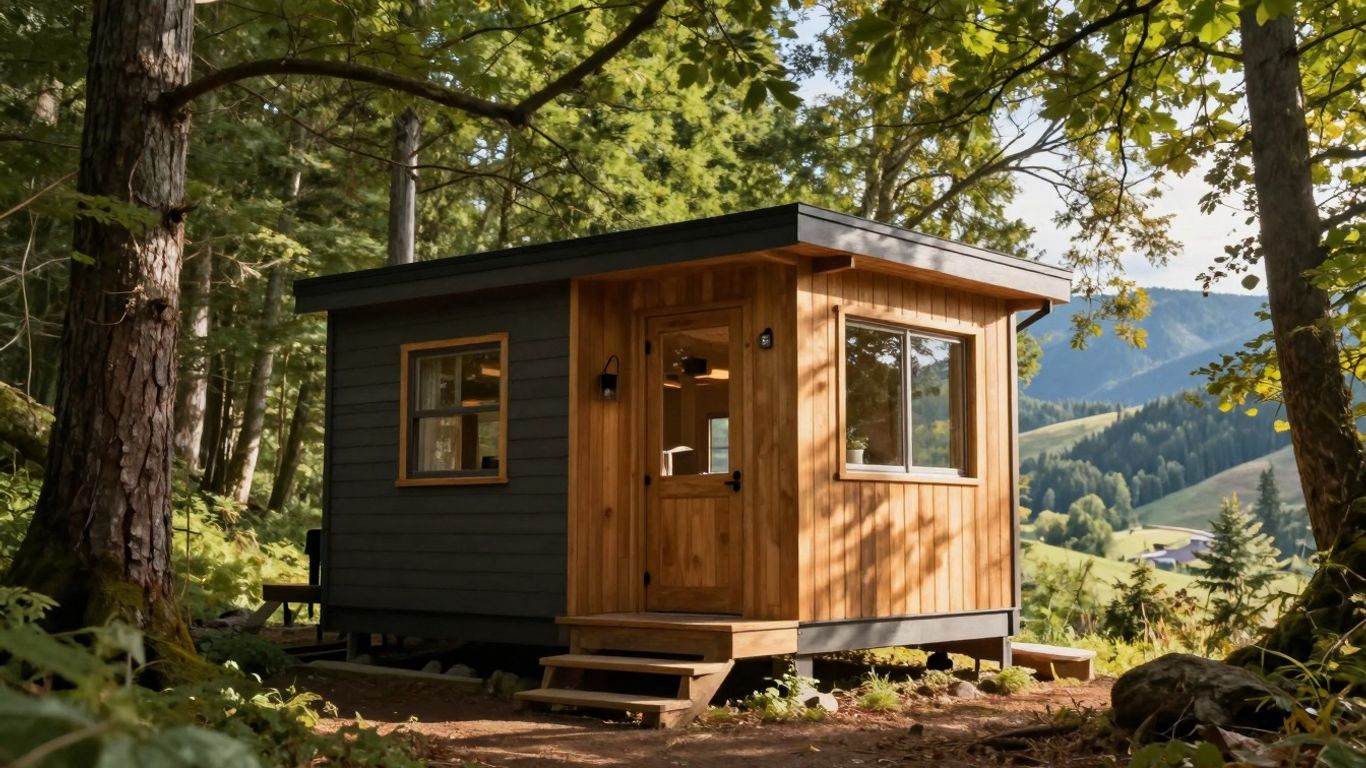
Washington State, with its stunning natural beauty and diverse landscapes, offers a lot of promise for tiny house living. But finding the right spot isn’t just about picking a pretty view; it’s about understanding the local scene and what works for your lifestyle.
Tiny House Living in Seattle and Surrounding Areas
Seattle and its nearby areas present a unique mix of opportunities and challenges for tiny home enthusiasts. The city itself is a hub of innovation and sustainability, attracting people who value eco-friendly living and a connection to nature. However, land can be pricey, and zoning laws are often quite strict. This means you’ll need to do some serious digging to find legal spots for tiny homes, especially if you’re looking for something within the city limits. Think about areas just outside the immediate city center, where things might be a bit more flexible.
- High demand for housing means creative solutions are often needed.
- Look into accessory dwelling units (ADUs) if local laws permit.
- Consider areas with a strong community focus on sustainability.
Finding a legal place for a tiny house in a major metropolitan area like Seattle often requires patience and a good understanding of local ordinances. Don’t get discouraged; sometimes the perfect spot is just a little further out than you initially planned.
Exploring Olympia and Spokane for Tiny Homes
Moving away from the immediate Seattle metro, cities like Olympia and Spokane offer a different vibe. Olympia, the state capital, is known for being a bit more laid-back and affordable than Seattle, while still offering access to nature and a growing community. Spokane, located in Eastern Washington, boasts a “Near Nature, Near Perfect” motto and lives up to it with its proximity to mountains, forests, and a river running right through town. Both cities are generally considered more welcoming to alternative housing options.
Here’s a quick look at what they offer:
| City | Vibe | Cost of Living | Nature Access | Tiny Home Friendliness |
|---|---|---|---|---|
| Olympia | Laid-back, Capital City | Moderate | Good | Growing |
| Spokane | Outdoorsy, Cultural Hub | Lower | Excellent | Welcoming |
Rural Opportunities for Tiny House Dwellers
If city life isn’t your main goal, Washington’s rural areas can be a fantastic option for tiny house living. These locations often have more lenient zoning laws and more affordable land. You might find yourself closer to vast stretches of wilderness, offering unparalleled access to hiking, camping, and a quieter pace of life. However, it’s important to consider utility access and infrastructure. Many rural spots might require off-grid solutions, like solar power or composting toilets, which adds another layer to your planning.
- Research local zoning for agricultural or undeveloped land.
- Investigate utility hookup possibilities (or lack thereof).
- Consider the trade-off between solitude and access to amenities.
Ultimately, the best location for your tiny house in Washington will depend on your personal priorities, whether that’s proximity to work, access to nature, or a specific community feel.
Building Your Tiny House in Washington State
So, you’ve decided to build your own tiny house here in Washington. That’s pretty cool! It’s a big step, and honestly, it can feel a little overwhelming at first. You’ve got to figure out the practical stuff, like where you’re going to put it and how you’re going to build it so it’s safe and legal. It’s not quite as simple as just buying a plot of land and throwing up some walls, but with a bit of planning, it’s totally doable.
Getting Started with Tiny Home Construction
Before you even think about picking out paint colors, the very first thing you need to do is get a handle on the local rules. This means digging into zoning laws and building codes. Every county and city in Washington has its own set of regulations, and they can be quite different. What’s allowed in Seattle might not fly in Spokane, and vice versa. It’s super important to contact your local planning or zoning department early on. They’re the ones who can tell you what’s permitted on specific types of land and what kind of structures you can build. Don’t skip this step – it could save you a lot of headaches later.
Here’s a basic rundown of what to expect:
- Zoning Laws: These dictate how land can be used. You need to find out if tiny homes are allowed as primary residences, accessory dwelling units (ADUs), or if they’re restricted to certain zones.
- Building Codes: These are about safety and habitability. Washington State has its own building code, but local jurisdictions might have amendments or specific requirements for tiny homes.
- Permits: Most likely, you’ll need a building permit. This involves submitting plans and undergoing inspections during construction.
Consulting Experts for Your Tiny House Project
Look, you don’t have to figure all this out alone. There are people who know this stuff inside and out. Think about talking to a local architect who has experience with small homes, or a builder who specializes in tiny houses. They can help you understand the regulations, design a home that meets code, and even help with the permit application process. It might cost a bit upfront, but it can prevent costly mistakes and delays. Plus, they’ll know the ins and outs of specific areas, like King County or Pierce County, which can have their own quirks.
Building a tiny house involves more than just construction; it’s about understanding and adhering to a complex web of local ordinances and state-level building standards. Early consultation with professionals familiar with these regulations is key to a smooth and legal building process.
Budgeting for Your Washington Tiny House
Okay, let’s talk money. Building a tiny house isn’t always as cheap as people think, especially when you factor in land, permits, materials, and labor. You’ll want to create a detailed budget. Don’t forget to include a buffer for unexpected costs – they always seem to pop up, right? Consider whether you’re building from scratch, buying a pre-built shell, or hiring a contractor. Each option has a different cost structure.
Here’s a rough idea of what to budget for:
- Design and Plans: Costs can vary widely depending on complexity.
- Materials: Lumber, insulation, roofing, windows, doors, plumbing, electrical.
- Labor: If you’re not doing all the work yourself.
- Foundation or Trailer: Depending on your chosen method.
- Permits and Fees: Don’t underestimate these.
- Utilities Hookups: Water, sewer/septic, electricity, internet.
It’s a good idea to get quotes from suppliers and contractors early on to get a realistic picture of your expenses. And remember, sometimes spending a little more on quality materials or professional help upfront can save you money in the long run.
Embracing the Tiny House Lifestyle in Washington
So, you’re thinking about going tiny in Washington? It’s a big shift, for sure, but one that comes with some pretty sweet perks. The biggest draw is often the freedom it offers – freedom from a massive mortgage, freedom from endless upkeep, and freedom to live a life that’s a bit more intentional. Washington, with its stunning natural beauty, really lends itself to this kind of living. Imagine waking up to mountain views or being just a short drive from the coast, all while having a home that’s easy to manage and kind to the planet.
Benefits of Downsizing to a Tiny Home
Let’s be real, most of us have too much stuff. Downsizing means decluttering not just your physical space, but your mental space too. It’s about focusing on what truly matters. Think about these advantages:
- Financial Freedom: Lower utility bills, less property tax (usually), and significantly reduced or eliminated mortgage payments. This frees up cash for travel, hobbies, or saving.
- Simpler Living: Less cleaning, less maintenance, and less to worry about. This translates to more time for activities you actually enjoy.
- Mobility: Depending on your setup, you might have the option to move your home, opening up possibilities for new locations or job opportunities without uprooting your entire life.
- Reduced Environmental Footprint: Smaller homes use fewer resources to build and maintain, and typically consume less energy.
Sustainability and Eco-Friendly Tiny Living
Tiny homes are practically built for a sustainable lifestyle. They inherently use fewer materials and less energy. In Washington, a state that values its natural resources, this is a big plus. You can take it even further with features like:
- Solar Panels: Harnessing the sun’s energy for electricity.
- Rainwater Harvesting: Collecting water for non-potable uses.
- Composting Toilets: Reducing water usage and creating valuable compost.
- Sustainable Building Materials: Opting for reclaimed wood, recycled insulation, and low-VOC paints.
Living tiny in Washington means you can be closer to nature without feeling like you’re imposing on it. It’s about finding a balance between enjoying the incredible landscapes and minimizing your impact. This approach aligns perfectly with the state’s appreciation for the outdoors and its growing interest in eco-conscious living.
Connecting with Washington’s Natural Beauty
Washington is a wonderland for outdoor enthusiasts, and a tiny house makes it easier to embrace that. Whether you’re drawn to the Olympic Peninsula’s rainforests, the Cascades’ majestic peaks, or the San Juan Islands’ rugged coastline, a tiny home can be your basecamp for adventure. You’ll find that with less home maintenance, you have more time for hiking, kayaking, skiing, or simply enjoying a quiet moment surrounded by the state’s breathtaking scenery. It’s a lifestyle that encourages you to spend more time outside your home, experiencing all that Washington has to offer.
Here’s a quick look at how tiny living can fit into different Washington settings:
| Setting | Potential Benefits | Considerations |
|---|---|---|
| Urban Fringe | Access to city amenities, lower cost than downtown | Zoning, utility hookups, finding legal parking |
| Rural | More space, potential for off-grid living | Access to services, internet, transportation |
| Coastal | Proximity to beaches and ocean activities | Weatherproofing, potential for salt air corrosion |
| Mountainous | Stunning views, access to trails and recreation | Snow load, access in winter, potential remoteness |
Exploring Washington Tiny House Communities
Finding a place to legally park or build your tiny house is a big part of the journey, and thankfully, Washington State is making strides in this area. Tiny house communities are popping up, offering a supportive environment and shared resources. These aren’t just random collections of small homes; they’re often planned developments designed to make tiny living work.
Tiny Home Villages and Eco-Villages
These communities are becoming more common as Washington works to address housing needs. Think of them as planned neighborhoods specifically for tiny homes. Some are designed with sustainability in mind, hence the “eco-village” label, focusing on shared green spaces and environmentally friendly practices. Others are more straightforward developments that simply provide a legal spot for your tiny home, often with hookups for utilities. The state has even passed laws to make it easier for cities to approve these types of multi-unit tiny home developments. It’s a big shift from just a few years ago when finding a legal spot could feel like a treasure hunt.
Community Amenities and Shared Resources
What really sets these communities apart are the shared amenities. You’re not just getting a patch of land; you’re often gaining access to things like:
- Water and sewer hookups
- Electricity access
- Communal laundry facilities
- Shared garden spaces
- Community centers for gatherings or events
- Sometimes even workshops or tool sheds
These shared resources can significantly reduce the cost and complexity of living tiny, especially if you’re going off-grid or need help with maintenance. For example, Lost Lake Resort offers lake access and a host of recreational activities, while Quixote Communities focuses on providing stable housing and community support for veterans, complete with shared meals and classes.
Supportive Environments for Tiny House Owners
Beyond the physical amenities, the social aspect of tiny house communities is a huge draw. You’re surrounded by people who have chosen a similar lifestyle, which means shared understanding and mutual support. This can be incredibly helpful, especially when you’re new to tiny living. Many communities organize potlucks, work parties, or social events, helping residents connect and build relationships. It’s a way to have neighbors who truly get it, offering advice, lending a hand, or just sharing a cup of coffee. This sense of belonging is often as valuable as the practical benefits of community living.
Living in a tiny house community can simplify many aspects of daily life. Instead of worrying about individual utility hookups or finding a legal place to park, you have a designated spot within a supportive network. This allows you to focus more on the lifestyle benefits of tiny living, like reduced expenses and a smaller environmental footprint, without the constant logistical headaches.
Key Considerations for Tiny Home Builders
So, you’re thinking about building a tiny house in Washington? That’s awesome! But before you start sketching out floor plans and picking out paint colors, there are a few things you really need to get straight. It’s not just about the fun stuff; there’s some important groundwork to lay.
Understanding Local Building Department Requirements
Every city and county in Washington has its own set of rules. It’s like a secret handshake you need to learn before you can even start. You can’t just plop a tiny house anywhere and call it a day. You’ll need to figure out what permits are needed for your specific project. This can range from simple accessory dwelling unit (ADU) permits to more complex ones involving water, septic, and electrical hookups. Don’t skip this step; it’s the gatekeeper to your tiny home dream.
Here’s a general idea of what you might encounter:
- Zoning Laws: Does the area allow tiny homes? Are there size restrictions? Can it be a primary residence or just an ADU?
- Building Codes: Even tiny homes need to be safe and livable. This means meeting certain standards for structure, plumbing, electrical, and fire safety.
- Permits: You’ll likely need permits for construction, electrical, plumbing, and possibly even land use. The exact list depends heavily on your location and the type of tiny home.
Tiny House Builder Rules in King County
King County, which includes Seattle, has its own specific take on tiny homes. They’ve been working to make ADUs, including tiny homes, more accessible. You’ll want to check their specific guidelines for ADUs, as these often apply to tiny homes placed on a permanent foundation. If your tiny home is on wheels (THOW), it might fall under different rules, potentially related to RVs, which can be a whole other ballgame.
- ADU Focus: King County often categorizes tiny homes as ADUs, so look for those regulations first.
- Foundation vs. Wheels: The rules can differ significantly depending on whether your tiny home is fixed to the ground or mobile.
- Permit Process: Expect a detailed application process, possibly involving site reviews and multiple inspections.
Tiny House Regulations in Pierce and Snohomish Counties
Moving south to Pierce County or north to Snohomish County, you’ll find similar but distinct regulations. Both counties are generally becoming more open to tiny homes, but the specifics matter. For instance, Snohomish County has beautiful rural areas, and regulations there might focus on how tiny homes fit into agricultural or undeveloped land. Pierce County, with areas like Tacoma, might have more urban-focused ADU rules.
Always contact the local planning and building departments directly. Websites are a good starting point, but a phone call or in-person visit can clear up a lot of confusion and prevent costly mistakes down the road. They are there to help you understand the process, even if it feels a bit overwhelming at first.
Remember, building a tiny home is a big project, and understanding these local rules is just as important as choosing your appliances. It sets the stage for a smooth build and a legal, happy home.
Ready to Start Your Tiny Home Adventure?
So, you’ve explored the possibilities and learned a bit about making a tiny house a reality in Washington State. It’s definitely more than just picking a spot and building; there are rules and things to figure out, especially with zoning. But honestly, the idea of living a simpler life surrounded by all that natural beauty? It’s pretty appealing. Whether you’re drawn to the mountains, the coast, or a lively city, Washington has a lot to offer. Don’t let the details scare you off. With a little research and maybe some help from local experts, your dream of a cozy, efficient home could be closer than you think. It’s a big step, for sure, but it could lead to a really rewarding way of life.
Frequently Asked Questions
What are the main rules for tiny houses in Washington State?
Washington has rules about where you can put a tiny house and how it needs to be built. These rules can change a lot depending on the city or county. It’s super important to check with your local government, like the zoning department, to know exactly what’s allowed in your chosen spot. This helps make sure your tiny house is legal and you won’t have problems later.
Can I live in a tiny house on wheels (THOW) in Washington?
Living in a tiny house on wheels (THOW) in Washington can be tricky. Some places treat them like RVs, meaning you can only stay for a short time, like 60 days. Other areas might let you live in one full-time, but you often need to put it on a permanent foundation. Always ask your local city or county about their specific rules for THOWs.
How do I find a good place to put my tiny house in Washington?
Finding a spot for your tiny house involves looking at zoning laws. Some cities like Seattle have strict rules because land is expensive. Smaller towns or rural areas might be more open. You can also look into tiny house communities or eco-villages, which are becoming more common and offer a supportive place to live.
What are the benefits of living in a tiny house?
Living tiny means you spend less money on housing, which can free up your finances. It’s also better for the environment because you use fewer resources. Plus, it helps you simplify your life, get rid of clutter, and focus on what’s really important, like spending time outdoors in Washington’s beautiful nature.
Do I need a special builder for my tiny house in Washington?
While you don’t always need a ‘special’ builder, it’s wise to work with someone who knows Washington’s building codes and local rules. They can help make sure your tiny house is built safely and meets all the legal requirements. Some builders specialize in tiny homes and can guide you through the whole process.
Are there communities for tiny house owners in Washington?
Yes, tiny house communities are popping up in Washington! These places, sometimes called eco-villages, offer a spot to park or build your tiny home and often share resources like water and electricity. They provide a friendly environment with other tiny house fans and can make living tiny much easier.