
Tiny House in Wisconsin
Thinking about a tiny house in Wisconsin? It’s a growing trend for a reason. People are finding that living smaller can mean a simpler, more affordable, and often happier life. Whether you’re drawn to the idea of a cozy cabin feel or just want to cut down on expenses, a tiny home might be just the ticket. This guide will walk you through what you need to know to make your tiny house dream a reality right here in Wisconsin.
Key Takeaways
- A tiny house in Wisconsin offers a path to simpler, more affordable living, with a market that’s seeing steady growth.
- Careful planning is needed, from deciding between a mobile or stationary build to designing for Wisconsin’s climate and securing the right financing.
- Building a tiny house involves selecting materials, setting a foundation or trailer, framing, roofing, and installing systems like plumbing and electricity.
- Understanding local Wisconsin building codes and finding suitable land are important steps in the process.
- Tiny homes can be personal residences, vacation rentals, or investment properties, offering flexibility for different goals.
Understanding the Tiny House Movement in Wisconsin
So, you’re thinking about going tiny in Wisconsin or living in tiny home communities in Wisconsin, huh? It’s a pretty cool idea, and honestly, it’s catching on like wildfire. People are starting to realize that maybe that giant house isn’t all it’s cracked up to be. It’s not just about having less stuff, though that’s a big part of it. It’s more about simplifying your life and focusing on what really matters.
Defining the Tiny House
What exactly is a tiny house? Generally, we’re talking about homes that are between 100 and 400 square feet. That’s pretty small, right? But the size can change a bit depending on who you ask. Some are super basic, while others have some nice touches, like a little porch or a fancy tub. They can either be set up in one spot for good, or they can be built on wheels, which gives you a lot more flexibility. The key is that it’s a dwelling designed for one or two people, prioritizing efficiency and simplicity.
The Growing Appeal of Minimalist Living
Why are so many folks drawn to this? Well, the cost of living is no joke these days. Plus, a lot of us are just tired of the clutter and the upkeep that comes with a big house. Tiny living is all about getting rid of the excess and making room for more experiences, less debt, and a simpler routine. It’s a way to live more intentionally. Think about it: less cleaning, less maintenance, and more money and time for things you actually enjoy doing. It’s a shift in priorities, moving away from accumulating possessions to valuing freedom and experiences.
Tiny Homes as an Investment Opportunity
Believe it or not, tiny homes can also be a smart financial move. The market for them is growing, and they can be quite popular. Some people even use them as guest houses or rental properties. Because they cost less to build and maintain, they can offer a good return, especially in areas where housing is expensive. It’s a different way to think about real estate, one that’s more accessible and adaptable to changing needs. The flexibility of a tiny home, especially one on wheels, can make it a unique asset.
Planning Your Wisconsin Tiny House Project
So, you’ve decided a tiny house is the way to go, and Wisconsin is your chosen spot. That’s awesome! But before you start picking out paint colors, there are some big decisions to make. It’s like planning a big trip – you wouldn’t just hop in the car without a map, right? This part is all about laying the groundwork so your tiny house dream doesn’t turn into a construction nightmare.
Mobile or Stationary: Key Initial Decisions
This is probably the first big fork in the road. Do you want your tiny house to be on wheels, or will it sit on a permanent foundation? Each has its own set of pros and cons, and it really depends on your lifestyle and where you plan to put it. A mobile tiny home gives you flexibility, letting you move if you need to. Think of it like a really sturdy, custom RV. On the other hand, a stationary home on a foundation might feel more permanent and could potentially be easier to get certain permits for. The choice between mobile and stationary will influence everything from your budget to where you can legally park it.
Designing for Your Wisconsin Lifestyle
Wisconsin has distinct seasons, right? You’ve got hot summers and, well, cold winters. Your tiny house design needs to account for this. Think about insulation – you’ll want something robust to keep you warm without costing a fortune in heating. Also, consider how you’ll use the space. Do you love hosting friends in the summer? Maybe you need good outdoor living space. Are you a homebody in the winter? Then a cozy, well-designed interior is key. It’s not just about fitting your stuff; it’s about making the space work for how you actually live, especially with Wisconsin’s weather in mind. You might want to look at plans from builders like Smith Tiny Homes who have experience with different climates.
Here’s a quick rundown of design considerations:
- Climate: Prioritize excellent insulation and efficient heating/cooling systems.
- Space Usage: Think about multi-functional furniture and smart storage solutions.
- Outdoor Living: Plan for porches, decks, or screened-in areas if you enjoy the outdoors.
- Natural Light: Maximize windows to make the space feel bigger and brighter.
Securing Financing for Your Tiny Home
Let’s talk money. Tiny homes are generally more affordable than traditional houses, but they can still be a significant investment. If you’re not paying cash, you’ll need to figure out financing. Traditional mortgages can be tricky for tiny homes, especially those on wheels. You might need to look into RV loans, personal loans, or even specialized tiny house financing options. It’s a good idea to start talking to lenders early in the process to see what’s available and what your options are. Getting pre-approved can give you a clearer picture of your budget.
Building a tiny house is a journey, and careful planning upfront saves a lot of headaches later. Think about your daily routines, your hobbies, and how you want to feel in your space. Don’t just focus on the square footage; focus on the quality of life it can provide.
Building Your Tiny House in Wisconsin: Step-by-Step
Alright, so you’ve got the plans, you’ve figured out the money situation, and now it’s time to actually build this thing. It might seem a little daunting, but breaking it down makes it way more manageable. Think of it like putting together a really cool, really small puzzle.
Finding the Right Materials
This is where you start gathering everything you’ll need. The specific materials will depend on your design, but you’ll generally need things for framing, insulation, wiring, plumbing, and roofing. If you’re building a tiny house on wheels, keeping things lightweight is a good idea. Using recycled or reclaimed materials can save you some cash and is also a nice nod to the environment. It’s all about finding that balance between cost, weight, and durability.
Foundation or Trailer: The Base of Your Home
This is a big decision that ties back to whether your tiny house will be mobile or stationary. If it’s stationary, you’ll be pouring a foundation. There are different types, so do a little research to see what works best for your site and budget. If it’s on wheels, you’ll be securing your house to a trailer. You’ll need to make sure the trailer is rated to handle the weight of your finished home – that’s super important.
Framing and Structural Integrity
This is when your tiny house really starts to look like a house. Framing involves building the skeleton of your home – the walls, the roof structure. Taking your time here is key. You want to make sure everything is strong and square. It’s the backbone of your entire build, so don’t rush it. Think about how everything connects and supports itself.
Roofing and Weatherproofing Essentials
Once the frame is up, it’s time for the roof. Whether you go with metal, shingles, or another option, make sure it’s installed correctly to keep the Wisconsin weather out. After the roof, you’ll add house wrap. This is a protective layer that keeps moisture from getting in while still letting the walls breathe. It’s a simple step, but it makes a big difference in keeping your home dry and comfortable.
| Material Type | Considerations |
|---|---|
| Framing Lumber | Strength, weight, cost |
| Insulation | R-value, type (foam, fiberglass, etc.) |
| Roofing | Durability, weight, cost, aesthetics |
| Siding | Weather resistance, maintenance, appearance |
Building a tiny house is a process. It’s easy to get caught up in the excitement of the finished product, but paying close attention to each step, especially the structural ones, will save you headaches down the road. Think of it as building a solid foundation for your new, smaller life.
Essential Systems and Finishes for Wisconsin Tiny Homes
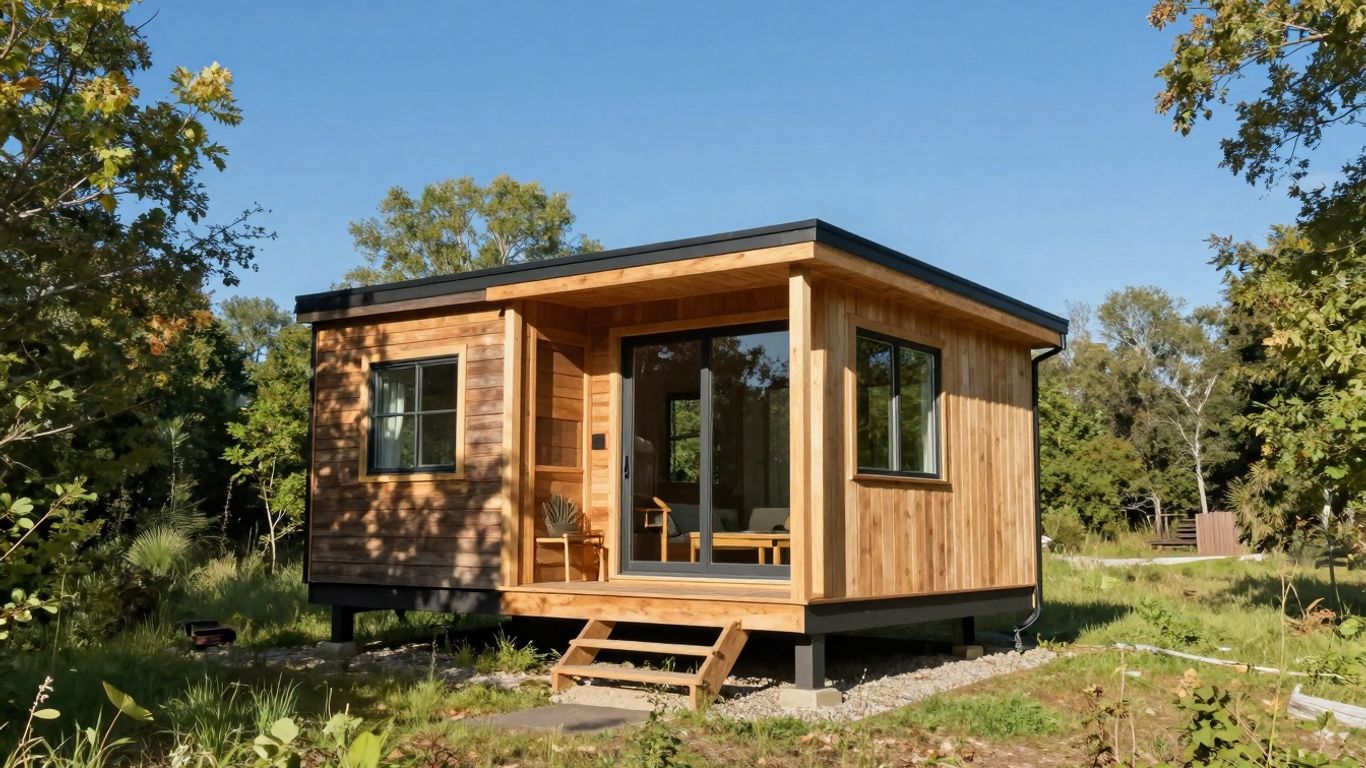
Alright, so you’ve got your tiny house framed up and the roof is on. Now comes the part where you actually make it livable and, you know, cozy. This is where we talk about all the guts of the house – the plumbing, the wiring, the insulation – and then the fun stuff, like paint and flooring.
Integrating Utilities and Insulation
Getting your utilities sorted is a big step. You’ll need to think about how you’ll get power, water, and deal with waste. For Wisconsin, good insulation is super important. You don’t want to be freezing in January, right? Spray foam insulation is a popular choice because it fills all the little gaps and really seals things up. It’s a bit more expensive upfront, but it can save you a lot on heating bills.
Here’s a quick look at common utility considerations:
- Electrical: Will you go with a standard hookup, solar panels, or a generator? Think about how much power you’ll actually use.
- Plumbing: Connecting to a municipal water source, a well, or using a water tank are all options. For waste, a composting toilet is a common and eco-friendly choice for tiny homes.
- Heating and Cooling: A mini-split system is a popular, energy-efficient option for tiny spaces. Wood stoves are also an option, but require careful installation and ventilation.
Selecting Windows, Doors, and Appliances
These are the things you’ll interact with every day, so picking the right ones matters. For windows and doors, look for energy-efficient models. Double-paned windows are a good idea, especially for Wisconsin’s colder months. When it comes to appliances, think small and smart. Many companies make apartment-sized refrigerators, compact stoves, and even combo washer-dryer units that fit perfectly in tiny homes.
- Windows: Prioritize double-pane, low-E coatings for better insulation.
- Doors: Consider a well-insulated exterior door. Sliding doors can save space compared to traditional swing doors.
- Appliances: Look for energy-star rated models. Consider propane for stoves if you’re off-grid.
Exterior and Interior Design Choices
This is where your tiny house really starts to feel like yours. For the exterior, you can go with classic wood siding, metal, or even reclaimed materials. Think about how it will hold up to Wisconsin weather. Inside, it’s all about making the most of your space. Light colors can make the space feel bigger, and built-in furniture can save a ton of room. Don’t forget about storage – clever storage solutions are key to keeping a tiny home tidy.
Making smart choices with your finishes can dramatically impact the comfort and usability of your tiny home. It’s about balancing aesthetics with practicality, especially when dealing with limited square footage and varying weather conditions.
Think about how you’ll use each space. Do you need a dedicated workspace? A cozy reading nook? Planning these details now will make a big difference later. And remember, even in a tiny house, you can create a space that’s both functional and beautiful.
Navigating Wisconsin’s Tiny House Landscape
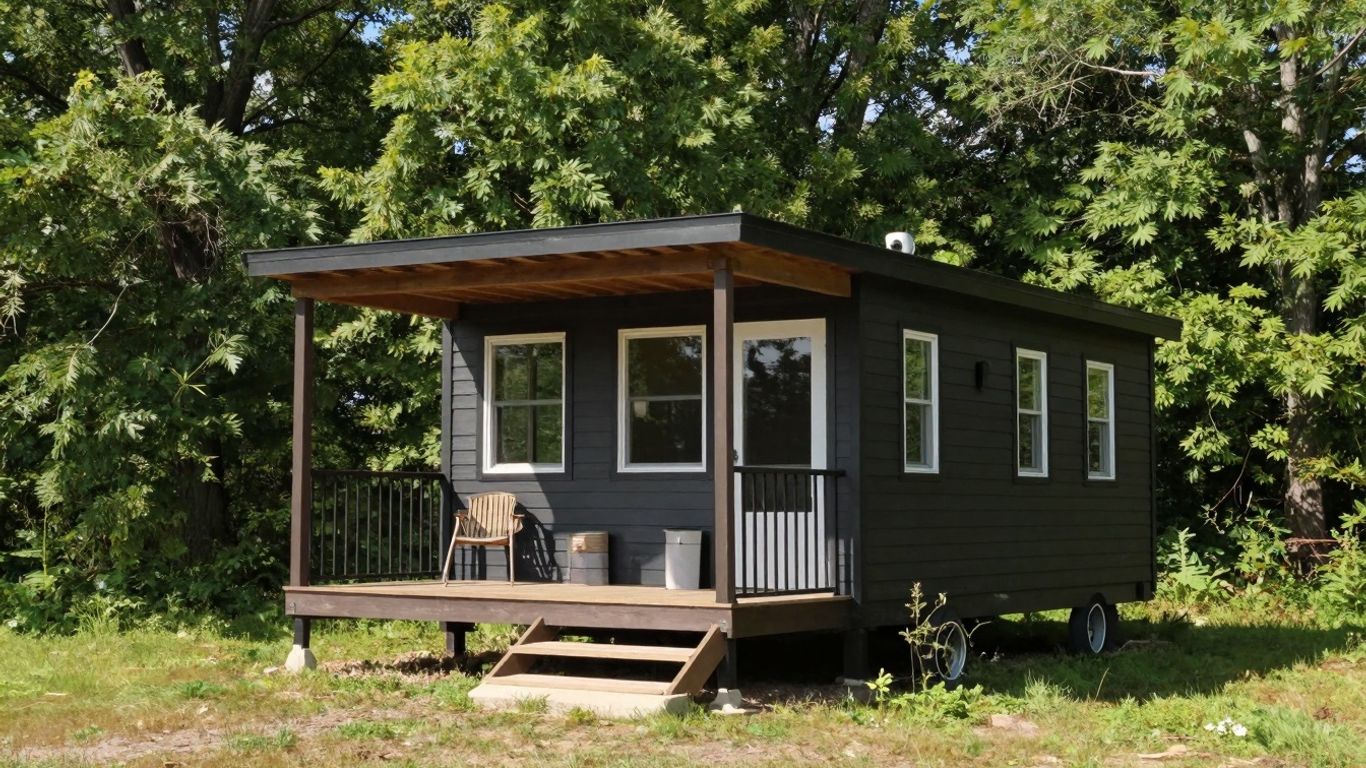
So, you’ve got your tiny house plans all sorted out, and you’re dreaming of setting up shop in Wisconsin. That’s awesome! But before you start picturing yourself sipping coffee on your tiny porch, there are a few important things to figure out. It’s not just about the house itself; it’s about where it’s going to live and what rules you need to follow. This part can feel a bit like a maze, but don’t worry, we’ll break it down.
Finding Land for Your Tiny House
This is often the first big hurdle. Where can you actually put your tiny home? In Wisconsin, like many places, zoning laws are key. You can’t just plop your house down anywhere. Sometimes, people find success by looking for land that’s already zoned for accessory dwelling units (ADUs) or by connecting with folks who have extra space. Think about looking for shared land arrangements or even tiny house communities. Putting out feelers on local community housing groups or Facebook pages dedicated to tiny homes can sometimes connect you with landowners who are open to the idea. Remember, the land itself often dictates what kind of tiny house plan is even possible.
Understanding Local Building Codes
This is where things can get a little tricky. While national standards exist, Wisconsin counties and municipalities have their own specific rules. It’s super important to check with your local town or county planning department before you buy land or start building. They’ll tell you what’s allowed, what’s not, and what permits you might need. Sometimes, a tiny house that meets national guidelines might still run into issues with local zoning, which can be the main roadblock. Don’t assume anything; always verify directly with the authorities in the area you’re interested in.
Connecting with Wisconsin Tiny Home Communities
Sometimes, the best way to figure out the local landscape is to talk to people who are already living the tiny life in Wisconsin. There are online groups and forums where you can ask questions and get real-world advice. You might even find existing tiny house villages or co-housing projects that are looking for new residents. These communities can offer support, shared resources, and a built-in network of like-minded individuals. Plus, they often have a good handle on the local regulations and can point you toward available land or opportunities. It’s all about finding your people and your place.
Here’s a quick rundown of things to consider:
- Zoning Laws: These are the rules about how land can be used. Tiny homes might be restricted in certain zones.
- Building Permits: You’ll likely need permits to build, especially if your tiny house is on a foundation.
- Utility Hookups: Figure out how you’ll connect to water, sewer, and electricity. This can vary greatly depending on the location.
- Land Availability: Finding affordable and legal land is a major step.
Don’t get discouraged by the regulations. Many people have successfully navigated these waters in Wisconsin. Patience and thorough research are your best friends here. Connecting with local resources and other tiny home dwellers can make a huge difference in finding a spot for your dream home. You can find more information on zoning and regulations at local building codes.
If you’re looking for inspiration or a place to start your search for land and community, checking out resources like tiny house hosting websites or local sustainable living groups can be a good move. Sometimes, people are looking for help with land management in exchange for a place to park their tiny home, which can be a win-win situation.
Real-Life Wisconsin Tiny House Experiences
Sometimes, hearing about other people’s journeys can really make the idea of a tiny house feel more real. We’ve seen folks in Wisconsin and beyond tackle this lifestyle in all sorts of ways, proving that “tiny” doesn’t mean “limited.”
DIY Tiny Home Success Stories
Many people decide to build their own tiny homes, and it’s totally doable. Take Melanie Copeland, for example. She and her husband built their 144-square-foot home on wheels in just seven days! They even brought their two big dogs along for the ride. It cost them about $27,000 for the basic build, with finishes bringing it up to $33,000. They chose to keep it mobile because they live in a coastal area prone to hurricanes, so they can move it if needed. They found a spot on what Melanie calls “junk land” – a wooded lot with a stream that nobody else wanted. Now, they enjoy a simpler, cheaper life, with electricity bills around $20 to $30 a month.
Customizing Your Tiny House for Comfort
It’s not just about being small; it’s about making that small space work perfectly for you. Jessica and her husband built a 280-square-foot tiny home on wheels for $61,400, adding lots of upgrades. Jessica stresses that you should figure out what’s most important to you before you even start designing. Want a craft area? A fancy kitchen? Space to host friends? You can have it. Their builder, Tiny Idahomes, helped them include things like a jetted soaking tub and good insulation. They even have a rule: if it doesn’t fit comfortably, it doesn’t stay. It’s all about smart storage and prioritizing what you really need.
Tiny Homes as Vacation Rentals
Tiny homes aren’t just for full-time living; they’re also becoming popular spots for getaways. Imagine renting out a charming tiny home for a weekend trip in the Wisconsin countryside. This can be a great way for owners to earn some extra income, and for travelers to experience the tiny lifestyle without a long-term commitment. It’s a win-win, offering unique stays that are often more affordable and eco-friendly than traditional hotels. Plus, it gives people a taste of what tiny living is like, potentially inspiring them to consider it for themselves.
The beauty of the tiny house movement lies in its adaptability. Whether you’re building it yourself from the ground up, customizing every inch to fit your life, or using it as a unique rental property, the core idea remains: living with less stuff and more intention. It’s about finding freedom in simplicity and creating a home that truly serves your needs and desires, no matter the square footage.
Ready to Find Your Wisconsin Tiny Home?
So, you’ve learned a lot about tiny homes, from what they are to how to build one. It’s clear that going tiny in Wisconsin offers a unique way to live. Whether you’re drawn to the simplicity, the lower costs, or just the idea of a smaller footprint, there’s a tiny house out there for you. It might take some planning and maybe a bit of downsizing, but the reward of a cozy, personalized home in the Badger State could be totally worth it. Don’t be afraid to explore the options, talk to people who’ve done it, and really think about what you want. Your dream tiny home in Wisconsin is waiting!
Frequently Asked Questions
What exactly is a tiny house?
A tiny house is a small home, usually between 100 and 400 square feet. Think of it as a mini-version of a regular house, but with everything you need packed into a smaller space. Some are built on foundations, while others are on wheels and can be moved around.
Why are so many people interested in tiny houses?
People are drawn to tiny houses for a few reasons! Many want to live a simpler life with fewer things, which is called minimalism. Tiny houses are also often cheaper to build and maintain than big houses, saving money. Plus, they’re a way to have a smaller impact on the environment.
Can a tiny house be a good investment?
Yes, absolutely! Some people buy tiny houses to rent out to others, especially in popular vacation spots. Because they are more affordable, they can attract renters who might not be able to afford a larger home. It’s a growing trend for investors.
What’s the first step in planning a tiny house project?
The very first thing to decide is whether you want your tiny house to be something you can move (on wheels) or something that stays in one place (on a foundation). This big choice affects everything else, like where you can put it and how you build it.
How do I find a place to put my tiny house in Wisconsin?
Finding land can be tricky. You’ll need to check local rules and zoning laws because not all areas allow tiny houses. Sometimes people find empty lots, work with landowners, or join tiny house communities that have designated spots.
What are some common challenges when building a tiny house?
Building a tiny house can be challenging! You need to be smart about using every bit of space, figure out how to connect to water and electricity, and make sure it’s well-insulated for Wisconsin’s weather. Finding the right materials and understanding building rules are also important steps.