
Tiny Home in Wyoming
Thinking about a tiny home in Wyoming? It’s a great idea, especially with the state’s generally open approach to these smaller dwellings. Wyoming offers a lot of freedom for those looking to downsize and live a simpler life, surrounded by incredible natural beauty. But like anything, there are things to know before you start. We’re going to break down what you need to know about tiny home wyoming living, from the rules to the cool places you might want to set up shop.
Key Takeaways
- Wyoming is generally welcoming to tiny homes, but rules can change from county to county because there’s no statewide building code.
- Park model tiny homes are a popular option, often built on wheels and under 400 sq ft, but they might be treated differently than other tiny homes.
- You’ll need to check local zoning and building departments for specific requirements on size, permits, and where you can place your tiny home.
- Some areas in Wyoming have specific communities or counties that are more open to tiny home living, offering unique opportunities.
- While building from scratch can save money, consider the total cost including land, utilities, and potential permits when budgeting for your tiny home.
Understanding Tiny Home Legality in Wyoming
So, you’re thinking about a tiny home in Wyoming? That’s awesome! But before you start dreaming about mountain views from your miniature abode, let’s talk about the nitty-gritty: the laws and rules. Wyoming is pretty unique when it comes to tiny homes, mostly because it doesn’t have a statewide building code. This can be a good thing, but it also means things can get a little… varied.
Are Tiny Houses Legal in Wyoming?
Yes, tiny houses are generally legal in Wyoming. That’s the good news! You won’t find a blanket ban across the state. However, the devil is in the details, and those details change depending on where you want to put your tiny home. Because there’s no overarching state law dictating everything, each county, and sometimes even each city within a county, can have its own set of rules. It’s like a choose-your-own-adventure book, but for housing regulations.
Navigating Wyoming’s Varied Regulations
This lack of a statewide code means you really need to do your homework for your specific location. Some areas might be super laid-back, while others might have specific requirements that your tiny home needs to meet. Think of it this way: you wouldn’t show up to a formal dinner in your hiking gear, right? Similarly, your tiny home might need to meet certain standards depending on the local vibe. It’s important to check with the local building and zoning departments. They’re the gatekeepers of what’s allowed and what’s not. You can find more information about how tiny homes are classified and regulated by looking into local zoning laws.
Park Models vs. Traditional Tiny Homes
It’s also worth knowing the difference between a park model tiny home and what some might call a traditional tiny home (often on wheels). Park models are usually built to RV standards and are often found in designated parks or communities. Traditional tiny homes might be built on trailers or foundations. The way they’re classified can affect how they’re treated legally. For instance, some areas might allow park models as accessory dwelling units (ADUs), while others might have different rules. Always clarify how your chosen type of tiny home fits into the local framework.
Key Considerations for Your Wyoming Tiny Home
So, you’re thinking about a tiny home or living in tiny home communities in Wyoming? Before you start sketching out floor plans, let’s chat about a few things you’ll want to keep in mind. It’s not just about the cute factor, though there’s plenty of that. We’re talking about the practical stuff that makes a tiny house a home.
Minimum Size and Ceiling Height Requirements
Wyoming doesn’t have a statewide building code, which is kind of a double-edged sword. It means more freedom, but also more homework for you. Generally, most places you’ll look at will want your tiny home to have at least 220 square feet of living space. And for ceiling height, aim for at least 6 feet 8 inches. If you’re planning a loft, the main living area should still be a decent size, and the loft itself usually needs to be at least 35 square feet. It’s always best to double-check with the specific county or town you’re interested in, as rules can change from one spot to another.
Land Requirements for Tiny Homes
This is another area where Wyoming is pretty flexible. Unlike some states with strict minimum acreage rules, Wyoming often doesn’t have a set minimum for tiny homes. However, practically speaking, you’ll want enough space for the home itself, plus any utilities, setbacks from property lines, and maybe a little outdoor area. A quarter to half an acre is usually a good bet for comfort. Again, local zoning is your best friend here – check with the planning office in your chosen area.
Essential Utilities and Connections
This is where things can get a bit more involved than just parking a tiny house. You’ll need to figure out how you’re going to get power, water, and deal with waste. Options include:
- Electricity: Hooking up to the grid is the most common, but off-grid solar is also an option if you’re really going remote.
- Water: You might connect to a municipal water supply, drill a well, or use a water tank system.
- Wastewater: This could mean connecting to a sewer system, installing a septic tank, or using a composting toilet system.
Planning for utilities early on is super important. It can significantly impact your build costs and where you can legally place your tiny home. Don’t underestimate this step!
Making sure you have these basics covered will make your tiny home living experience much more comfortable and compliant with local regulations.
Exploring Tiny Home Communities in Wyoming
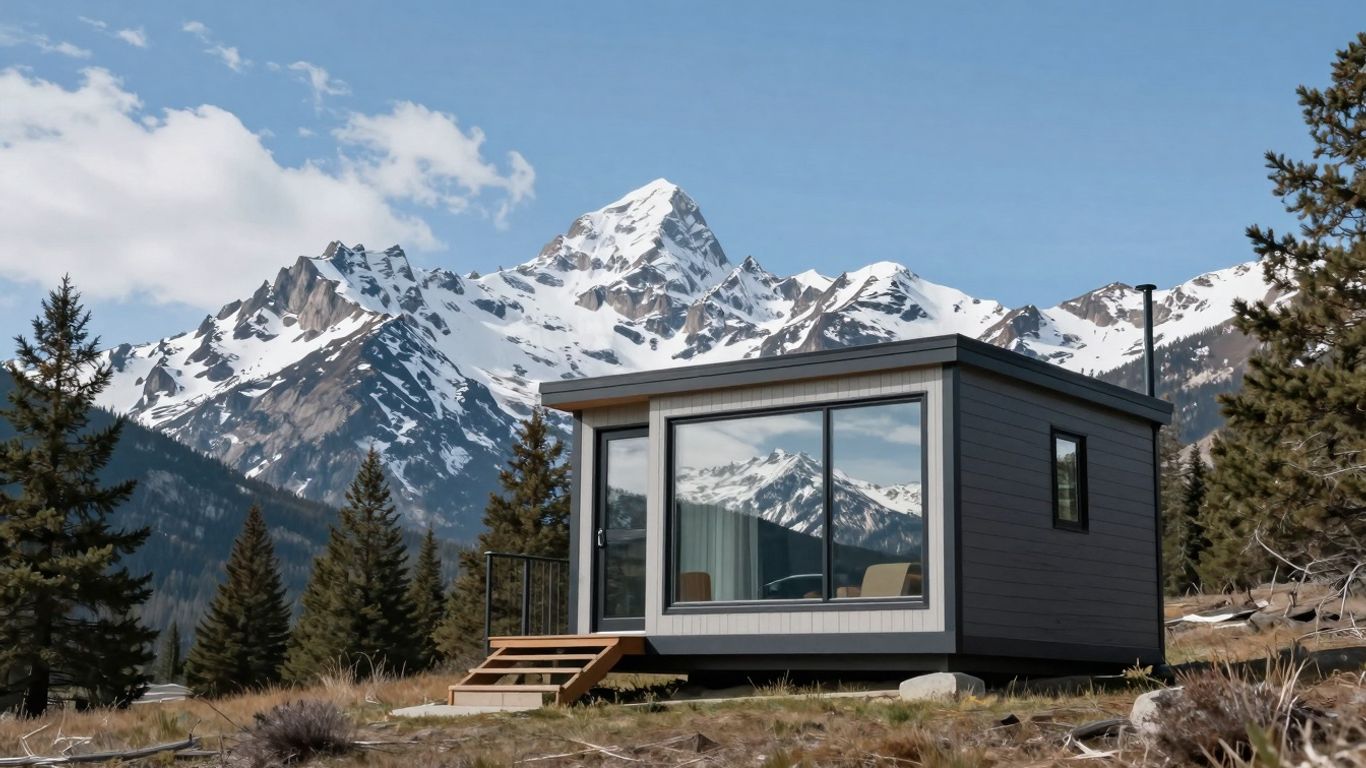
Thinking about going tiny in Wyoming? It’s a great idea, especially since the state is pretty welcoming to these smaller dwellings. Living in a community can make the whole experience even better, offering built-in support and amenities you might not get otherwise. Plus, it’s often easier on the wallet and the planet. Here are a few spots to check out:
Etna Shire: Sustainable Living Near Jackson Hole
Located just south of the popular Jackson Hole area, Etna Shire is all about eco-friendly living. They’ve set up a community with a focus on sustainability. You can rent or buy a tiny home here and take advantage of things like a community center, a yoga studio, and even a salon. And if you love the outdoors, you’re right near hiking and skiing trails.
Fireside Resort: Gateway to National Parks
Want to try out tiny home life with easy access to some of the country’s most famous natural wonders? Fireside Resort in Wilson is the place. These tiny homes are super close to Jackson Hole and the Teton Wilderness. You’ve got whitewater rafting, tons of hiking, and Yellowstone National Park is within reach. It’s a perfect basecamp for exploring.
Fireside Buffalo Valley: Full-Service RV and Tiny Home Park
This spot in Moran offers a bit more of a full-service experience. Fireside Buffalo Valley is set up for both RVs and tiny homes, with all the hookups you’d need. They’ve got picnic areas, fire rings, a convenience store, and even a gas station and bar right there. Its location is fantastic, just a few miles east of Grand Teton National Park and a short drive from Yellowstone, Jackson, and DuBois.
Choosing a community can simplify a lot of the logistical hurdles associated with tiny home living, especially when it comes to utilities and zoning. These places often have established systems in place, making the transition smoother for new residents.
Here’s a quick look at what these communities offer:
- Etna Shire: Focus on sustainability, community center, yoga, salon, near outdoor recreation.
- Fireside Resort: Proximity to Jackson Hole, Teton Wilderness, and national parks; great for outdoor enthusiasts.
- Fireside Buffalo Valley: Full amenities including hookups, store, gas, and bar; close to Grand Teton and Yellowstone.
These communities offer a great way to experience tiny living before fully committing.
Permitting and Zoning for Tiny Homes in Wyoming
So, you’ve found the perfect spot for your tiny dream home in Wyoming, but what about the paperwork? It can feel a bit like a maze, honestly. Wyoming doesn’t have a single, statewide building code for tiny homes, which sounds freeing, but it means rules can change a lot from one county or town to the next. It’s not always straightforward, and you’ll definitely want to do your homework before you start building or even buying.
Do You Need a Permit for Your Tiny Home?
This is the million-dollar question, right? The short answer is: it depends. For tiny homes on wheels, many places in Wyoming don’t require a traditional building permit, but you’ll likely need to register it with the Department of Motor Vehicles, just like any other vehicle. If you’re planning to build a tiny home on a foundation or place a park model, then permits become much more likely, especially in areas that follow established building codes. Some counties, like Weston County, might not have countywide regulations, but the cities within them often do. It’s always best to check with the local planning and zoning office for your specific location. You can find information on local zoning ordinances to get started.
Accessory Dwelling Unit (ADU) Possibilities
Accessory Dwelling Units, or ADUs, are becoming a popular option for tiny homes. Some Wyoming counties, including Campbell, Park, Sheridan, Sublette, and Sweetwater, along with cities like Cheyenne and Cody, permit ADUs. This can be a great way to place a tiny home on your property legally. However, just because ADUs are allowed doesn’t automatically mean a park model tiny home can be used as one. Often, if the park model is skirted and the area allows ADUs, it’s a go, but you still need to confirm with your local building department. It’s a bit of a gray area in some places.
Understanding Local Zoning Ordinances
Zoning is where things get really specific. What’s allowed in one neighborhood might not be in another, even within the same town. For example, while Jackson has adopted the International Residential Code (IRC) with specific tiny home provisions, Cody might classify tiny homes on wheels as RVs, limiting where they can be placed. Cities like Gillette require permits and specific utility hookups. It’s wise to look into the zoning codes for the specific area you’re interested in. Here’s a quick look at what some cities require:
- Cheyenne: Permits tiny homes in residential districts if they meet set standards, including being skirted or on a foundation and connected to public utilities.
- Cody: Tiny homes on wheels are treated as RVs and are only allowed in certain zones.
- Gillette: Requires a building permit and secure fastening to the ground, along with utility connections.
- Casper: Tiny homes must be at least 220 sq ft, with specific requirements for additional occupants, ceiling height, and separate bathroom/kitchen areas. Tiny homes on wheels need to meet HUD codes.
Always remember that even in areas with fewer regulations, safety and basic habitability standards are usually implied. It’s better to over-prepare and check than to face issues down the road.
Getting the permits and understanding zoning can be a bit of a headache, but it’s a necessary step. Taking the time to research your specific location’s rules will save you a lot of trouble later on. It’s all about finding that sweet spot where your tiny home dream meets Wyoming’s reality.
Cost and Investment Potential of Tiny Homes
Thinking about building a tiny home in Wyoming? It’s a big decision, and the cost is definitely a major factor. While generally more affordable than traditional houses, the price tag for a tiny home can swing quite a bit. The average cost to build a tiny home in the US hovers around $52,000, but this can change based on what you want.
Average Cost to Build a Tiny Home in Wyoming
Wyoming’s costs can be influenced by location and the specific materials you choose. Some folks opt for a DIY approach to save money, while others bring in contractors. For a basic build, you might be looking at something in the $27,000 range, but once you add in all the finishes and personal touches, that number can climb. For example, a 280-square-foot home with upgrades could easily reach over $60,000. Remember, unique design elements, like those inspired by the Southwest, can add 20-50% to the base costs.
Building from Scratch vs. Pre-built Models
Deciding whether to build it yourself or buy a pre-built model is a big fork in the road. Building from scratch gives you total control over every detail, from the layout to the fixtures. You can even convert an RV into a tiny home if that’s your preference. On the flip side, pre-built models can sometimes offer a more streamlined process, though customization might be limited. It really depends on how much time and effort you’re willing to put in.
Tiny Homes as a Lucrative Investment
Beyond just being a place to live, tiny homes are increasingly seen as a smart investment. They’re becoming popular for rental properties, especially in desirable locations. Think about it: a cozy, well-designed tiny home near natural attractions or a vibrant town could attract renters looking for a unique experience. Some people even use tiny homes as a way to “test drive” the lifestyle before committing to a larger purchase. The market for these compact dwellings is growing, and they’re selling quite well.
Here’s a general idea of what you might spend:
| Cost Component | Estimated Range (USD) |
|---|---|
| Basic Build | $25,000 – $40,000 |
| Mid-Range Build | $40,000 – $60,000 |
| High-End/Custom Build | $60,000+ |
| Land (Varies Widely) | $100 – $500+ per month |
| Utilities Hookup | $1,000 – $5,000+ |
When considering the financial aspect, it’s wise to think about long-term costs too. While the initial build might be less than a traditional home, factor in ongoing expenses like land rent, utilities, and potential maintenance. Planning your budget carefully from the start will help avoid surprises down the road and make your tiny home dream a reality.
Wyoming Counties and Their Tiny Home Policies
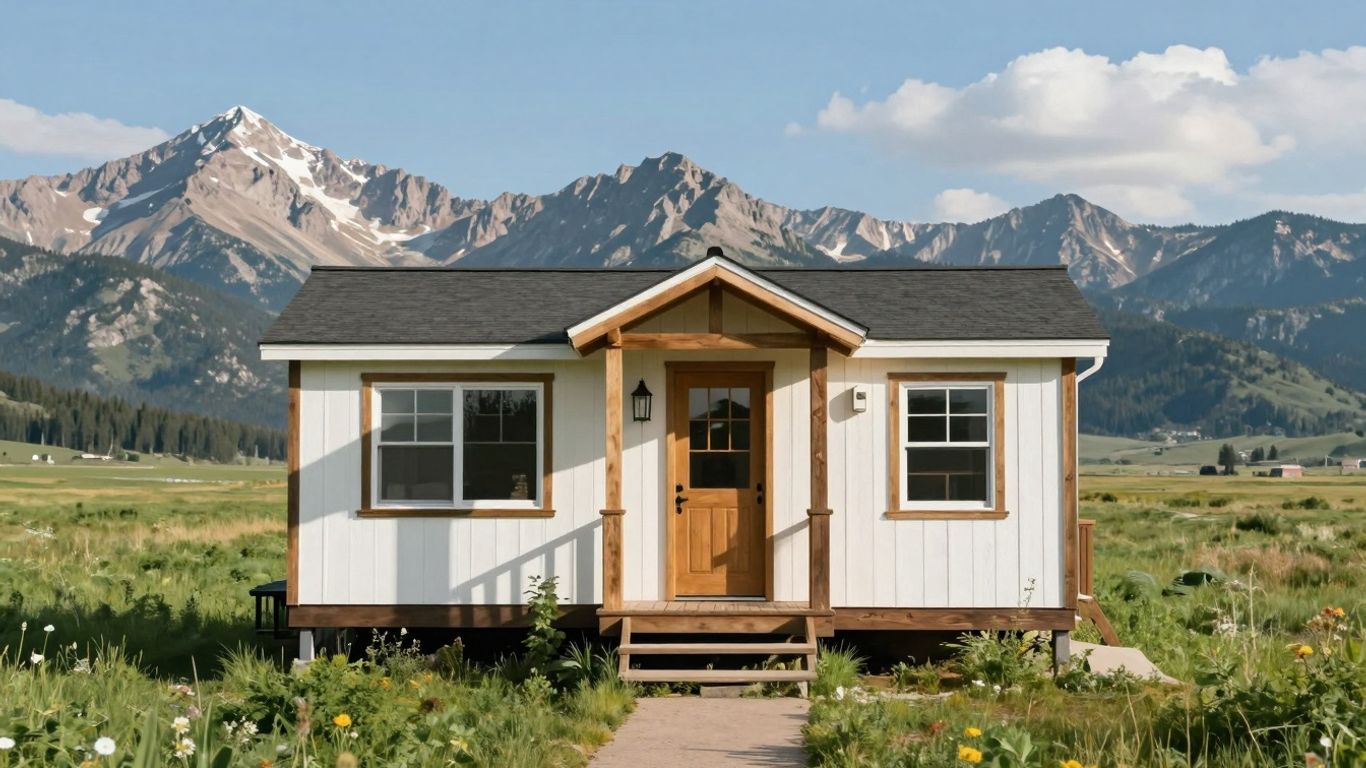
When you’re looking at tiny homes in Wyoming, it’s not just about the house itself; you’ve got to think about where you’re going to put it. And that’s where county policies really come into play. Wyoming is a big state with a lot of open space, but that also means regulations can vary quite a bit from one county to the next. Some counties are really on the ball with specific tiny home rules, while others are more hands-off.
Counties Without Statewide Building Codes
It’s interesting to note that not all counties in Wyoming have adopted statewide building codes. This can actually make things a bit simpler for tiny home builders in those areas. For instance, counties like Converse and Crook have minimal building laws. This doesn’t mean anything goes, though. You’ll still need to make sure your home has proper septic and wastewater systems, which are pretty standard requirements everywhere. It’s always a good idea to double-check with the county planning department, even if they don’t have a specific code for tiny homes. They can point you to any general land use rules that might apply.
Cities Embracing Tiny Home Living
While we’re talking about counties, it’s worth mentioning that sometimes the cities within those counties have their own specific ordinances. For example, Worland, the county seat of Washakie County, has adopted its own version of the International Residential Code. This means that even if the county is pretty relaxed, the city might have stricter requirements. It’s all about checking the local level. Some cities are actively looking for ways to incorporate tiny homes into their communities, which is great news for folks wanting to live small.
Specific County Regulations to Note
Let’s look at a few examples to give you a better idea:
- Sublette County: They require homes to be at least 400 square feet and you’ll need a permit. They’re pretty clear about their requirements.
- Sweetwater County: Tiny homes are allowed, but you’ll need a zoning permit. Given it’s a more rural, desert area, following their land use rules is key.
- Teton County: This county follows the International Residential Code, which includes specific provisions for tiny houses. Expect requirements like egress roof access windows and a minimum ceiling height of 6 feet 8 inches. Permits are definitely needed here.
- Carbon County: While they have county-wide zoning, there aren’t specific tiny home rules. They’re often regulated like manufactured homes, so you’ll need to check where those are permitted.
It’s really important to remember that regulations can change, and what’s true today might be different next year. Always get the most up-to-date information directly from the county or city planning department where you intend to place your tiny home. Tiny homes for sale in Wyoming typically require permits for placement and utility connections. Contacting local officials is your best bet for accurate details.
The landscape of tiny home regulations in Wyoming is diverse. While some counties have clear guidelines, others rely on broader land use rules. Understanding these local nuances is a critical step before you commit to a location for your tiny home.
Ready to Start Your Wyoming Tiny Home Adventure?
So, you’ve learned a lot about making a tiny home a reality in Wyoming. It’s not as complicated as it might seem, and the wide-open spaces here really do feel like they’re calling your name. Whether you’re dreaming of mountain views or just a simpler way of life, Wyoming offers a welcoming environment for tiny living. Remember to check local rules for your specific spot, but overall, the state is pretty open to the idea. Get out there and find that perfect little place to call your own!
Frequently Asked Questions
Are tiny homes actually allowed in Wyoming?
Yes, tiny homes are generally welcome in Wyoming! It’s a pretty friendly state for them. However, since there aren’t strict building rules for the whole state, what’s allowed can change a lot depending on the specific county or even the town you’re looking at. So, it’s always a good idea to check the local rules where you want to put your tiny home.
What’s the difference between a park model and a regular tiny home?
Think of ‘tiny home’ as a big umbrella term for any small house. A ‘park model’ is a specific type of tiny home, usually built on wheels, less than 400 square feet, and made to be moved. Park models are built to standards similar to RVs. So, while a park model is a tiny home, not all tiny homes are park models.
Do I need a permit to build or place a tiny home in Wyoming?
It really depends on where you are! If your tiny home is on wheels, you might just need to register it like a vehicle. But if you’re building or setting up a tiny home that stays put, you might need a building permit. In areas without strict building codes, permits might not be required, but in places with codes, they usually are. Always ask your local city or county office to be sure.
How much space do I need for a tiny home in Wyoming?
The amount of land needed can differ by location. Many places in Wyoming don’t have a set minimum size for the land. However, it’s usually recommended to have at least a quarter to half an acre. This gives you enough room for the house itself, any hookups for utilities, and some outdoor space. Because Wyoming doesn’t have statewide rules, this is often more flexible.
What are some tiny home communities in Wyoming?
Wyoming has some cool spots for tiny home living! You can check out Etna Shire, which is near Jackson Hole and focuses on sustainable living. Fireside Resort, also near Jackson Hole, offers a great way to try out tiny home life with easy access to parks. There’s also Fireside Buffalo Valley, which is an RV and tiny home park with lots of amenities and is super close to Grand Teton National Park.
Can a park model tiny home be a good investment?
Yes, park model tiny homes can be a smart investment in Wyoming! They are often more affordable to build and can bring in good returns, especially if you use them as a short-term rental, like an Airbnb. Wyoming’s less strict rules in some areas can make it easier to use them for rentals. Just be sure to check local rules about rentals in your specific area.