
Cheapest Tiny Homes for Sale (2026 Prices)
Back to Tiny House Laws By State
Tiny homes have exploded in popularity for good reason. They offer a cheaper way to own a home, cut utility bills, and embrace simpler living. Plus, models on wheels give you freedom to relocate whenever you want.
You’re hunting the cheapest tiny homes for sale, right? Basic prefabs start as low as $2,000 from builders like Kaldees, but expect $20,000 or more for livable U.S. options with lofts and basics. Real totals climb quick with delivery, setup, and hookups, often doubling the sticker price.
In this post, you’ll get straight budget ranges from current listings, top spots to shop like Tiny House Listings, key hidden costs to watch, and tips to snag a deal without regrets. Stick around; we’ll keep it real and practical.
How much do the cheapest tiny homes for sale cost right now?
You want the real scoop on prices for the cheapest tiny homes for sale? Current listings show a wide range based on finish level. Ultra-budget shells start around $5,000; these are bare frames you finish yourself. Basic builds with kitchen and bath run $13,000 to $20,000. Move-in ready models, fully equipped, begin at $25,000 to $30,000 and climb from there. Many listings hit higher because they include wheels, insulation, or appliances. Check seller sites like Tiny House Listings for live quotes, as prices shift with materials and demand. Factor in delivery and setup, which add $2,000 to $10,000 easy.

Photo by Melike B
The three budget tiers: shell, basic build, and move-in ready
Shells give you the cheapest entry. A shell means the basic structure: frame, roof, walls, and floor. No interior finishes, wiring, or plumbing. You handle insulation, drywall, and fixtures. Think $5,000 to $10,000 for a 100-200 square foot kit. Builder finish adds some labor, like rough electrical or plumbing stubs, but still needs your sweat. Turnkey or move-in ready covers everything: appliances, cabinets, flooring, and systems tested.
Basic builds step it up. They include insulation, a simple kitchen sink, toilet, and wiring to code. No fancy appliances or full HVAC. Prices hit $13,000 to $20,000. Move-in ready ones pack lofts, full baths, fridges, and heat pumps. Expect $30,000 plus.
To compare quotes fairly, ask these specifics:
- Insulation type (foam board or fiberglass batts)?
- Wall finish (drywall or plywood)?
- Electrical panel size and location?
- Plumbing rough-in (pipes in place)?
- HVAC setup (mini-split or propane)?
Sellers who dodge details? Walk away.
Tiny home on wheels vs small prefab cabin, which is usually cheaper?
Prefab cabins often win on price. They start around $8,000 to $15,000 for basic models. No trailer means lower upfront cost and simpler shipping. Skid cabins sit on blocks; you add a foundation later. Tradeoffs include less mobility and stricter permanent zoning.
Tiny homes on wheels cost more, from $14,000 up. The trailer adds $3,000 to $5,000, plus road-ready rules like weight limits and lights. Great for renters or nomads, but transport runs $5 to $14 per mile. Here’s a quick cost breakdown:
| Type | Starting Price | Main Tradeoffs |
|---|---|---|
| On Wheels | $14,000 | Mobile but pricier to move |
| Prefab Cabin | $8,000 | Cheaper, stable, site-specific |
Your spot matters most. Rent land? Wheels shine. Own acres? Go cabin. Check local rules quick; some spots ban wheels outright.
A quick reality check on “too good to be true” prices
Sub-$5,000 deals scream trouble. Spot these red flags in cheapest tiny homes for sale ads:
- No trailer or clear title/bill of sale.
- Vague materials (no steel frame specs?).
- Stock photos, not real builds.
- Zero delivery details or quotes.
- “Deposit only” with no contract.
Scammers vanish after cash. Follow this rule: Get a written contract spelling every spec. Buy from verified builders with reviews (think Escape or Home Depot kits). Demand clear material lists and warranties. Use credit cards or escrow for payments. Verify on-site if you can. Real bargains exist around $10,000 for shells, but cheap junk costs more long-term. Shop smart; you’ll sleep better.
Budget tiny home types that usually cost the least
Shoppers chasing the cheapest tiny homes for sale often land on designs that cut material needs and build time. These picks prioritize simple shapes and prefab kits. They start low, around $6,000 to $40,000, but smart buyers watch add-ons like insulation or utilities. Let’s break down the top low-cost categories, with real examples you can search today. Each suits different needs, from weekend getaways to full-time pads.
Small A-frame cabins: simple shape, simpler builds
A-frames shine for tight budgets thanks to their basic triangle design. Prefab versions hit 120 to 200 square feet and cost less than bigger homes. You get a sturdy frame, roof, walls, and floor in the base kit. Finishes stay simple: plywood interiors or basic siding outside.
Take the BZB Cabins “Charmer” at 93 square feet for $6,250 plus shipping. It’s a kit you assemble fast. Plans from Elevated Spaces run $29 for a 118 square foot model; materials add about $2,500. These work great as backyard offices or guest spots.
Expect extras to bump costs. Builders skip full bathrooms, kitchens, or plumbing to keep prices down. Add those yourself, or pay $5,000 more through the seller. Best for DIY fans with land who want quick shelters. Check local codes; many need no permits under 120 square feet.
Compact container-style homes: fast setup, but watch the finish level
Container homes promise speed, using recycled shipping boxes as shells. Compact prefab options near 160 square feet pop up from overseas sellers. Base prices look sharp at $6,000 to $10,000, but that’s just the steel box.
A Chinese prefab at 400 square feet (scalable down) lists for $6,798. It ships flat-packed for easy truck delivery. Insulation, windows, doors, and interior walls add up quick, often doubling the total. Utility hookups like electric or septic push it higher.
Before buying, grill sellers with these questions:
- Does it meet U.S. building codes or IBC standards?
- How do you handle condensation and rust inside?
- What’s the insulation R-value for cold climates?
- Are doors and windows energy-rated?
These fit off-grid spots or temporary housing. Skip if you hate metal vibes or live where zoning blocks them.
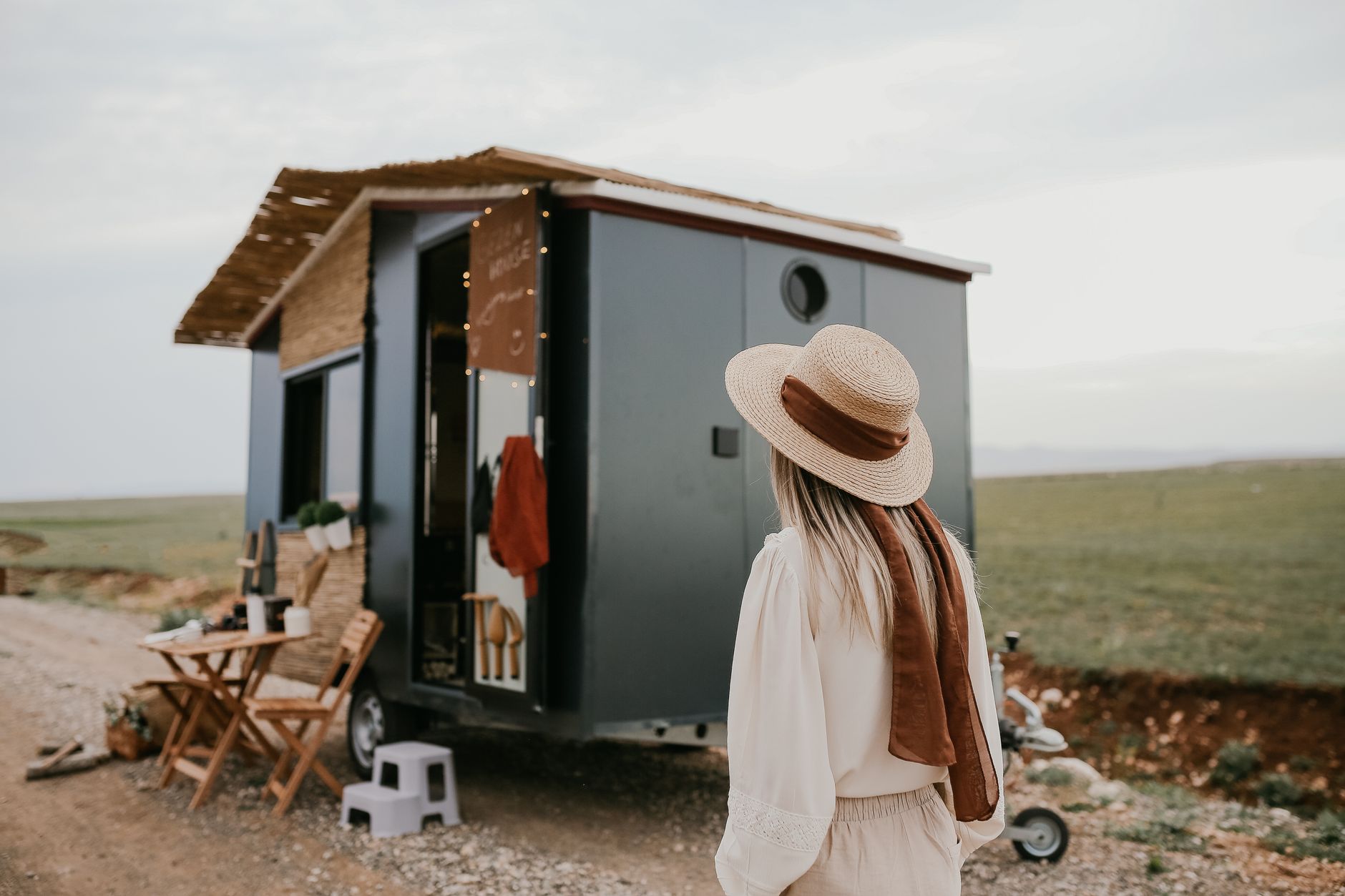
Photo by Melike B
Ultra-small “micro” tiny homes: cheaper upfront, tougher to live in full time
Micro homes under 200 square feet tempt with rock-bottom prices, like $10,000 shells. Models at 150 to 200 square feet use A-frame or dome kits for max space. The EcoHouseMart Moon House dome kit (close at 330 square feet) starts at $8,490.
Upfront savings come from tiny footprints. But daily life pinches. Storage crams into lofts or under beds. Bathrooms squeeze to wet rooms; cooking means a two-burner stove. Full-time dwellers feel the squeeze fast.
Run this liveability check before committing:
- Bed size: Queen fits? Or just a twin?
- Shower space: Stand-up only, no tub?
- Winter heating: Electric baseboard or wood stove?
- Workspace: Desk nook without blocking the door?
Ideal for singles or seasonal use, like hunting cabins. Couples test overnight first.
Manufactured and park-model style options: sometimes the best price per square foot
Manufactured units beat DIY on value in some spots. They pack more room per dollar, with small ones under $100,000 fully finished. Park models on chassis slide into RV spots easy.
Texas listings show a 12×24 Outpost at 288 square feet for $39,509 on sale. A 14×20 Studio hits $42,478. Used ones dip lower, like a 16×36 at $34,950.
Prices swing by region; add land or site fees that change the deal. Compare these factors:
- Monthly lot rent (RV parks run $300 to $600)?
- Home age and warranty left?
- Delivery cost (flatbed truck)?
- Roof and floor condition?
Families or retirees love them for turnkey comfort. Search Zook Cabins or local dealers for fresh stock. They often win on space without breaking the bank.
Where to find legit low-priced tiny homes without wasting weeks scrolling
You can skip the endless scroll through sketchy ads. Focus on a few solid spots: builder sites like Kaldees and Pacifica Tiny Homes, prefab marketplaces, resale platforms such as Tiny House Listings, Facebook Marketplace, Craigslist, and local listings. These cut your search time while pointing you to the cheapest tiny homes for sale. Builders like Kaldees offer shells from $1,999, but always request a full spec sheet and delivery quote to your zip code. True savings show in the total delivered cost, not just the base price. Here’s how to shop smart in each spot.
Buying direct from builders and prefab sellers (best for warranties and clear specs)
Builders give you peace of mind with detailed specs and backup. You get a clear materials list right up front, so no surprises on insulation or framing. Many offer upgrade options like better windows or lofts. Some provide financing plans or payment spreads. Plus, their support teams answer questions fast and handle tweaks.
The catch? Base prices often skip delivery and setup, which add $2,000 to $10,000. A Kaldees 901-LKB shell lists at $1,999 for 200 square feet, but factor in trucking to your spot.
Copy this quick script to request a quote:
“Hi, I’m interested in a [size, e.g., 200 sq ft] tiny home. Please quote with [insulation type, e.g., foam panels], full bath, basic kitchen, and delivery to [your zip code]. Include total price, lead time, and warranty details. Thanks!”
Pacifica Tiny Homes starts at $44,900 for move-in ready models with water heaters and siding. Regional builders like Zook Cabins quote park models affordably for areas like California.
Shopping resale tiny homes (best for deals, but inspect carefully)
Resales beat new builds on price if you dig right. Check Tiny House Listings first; it has thousands of options filtered by price and location. Facebook Marketplace and Craigslist turn up owner sales under $30,000. Local Facebook groups or community boards list gems nearby, saving on shipping.
Verify key details to avoid lemons. Ask for the trailer VIN and title if on wheels. Note the build year and original builder. Hunt for leaks around windows and roof seams. Test the electrical panel for proper grounding. Check propane systems for safe valves if equipped.
Low prices scream “inspect hard.” Bring a contractor buddy or hire a tiny home inspector for $300 to $500. They spot soft floors, bad wiring, or frame cracks you miss. Real deals exist, like used shells around $10,000, but skip anything without a bill of sale.
How to compare listings fast using a simple “apples to apples” checklist
Low base prices trick you every time. Use this checklist to stack listings side by side and spot the real winner on total cost.
Here’s your go-to list:
- Total price delivered: Includes shipping, setup, and taxes to your zip.
- Square footage: Aim for 120 to 200 sq ft for value.
- Bathroom type: Composting toilet or full shower?
- Kitchen included: Sink, stove, fridge at minimum.
- Heating and cooling: Mini-split, propane, or electric baseboard?
- Insulation: R-value for your climate (R-13 walls minimum).
- Windows: Dual-pane for energy savings.
- Electrical and plumbing status: Code-compliant and tested?
- Warranty: At least 1 year on structure.
- Lead time: 4 to 12 weeks typical.
Print it, fill one per listing. A $15,000 shell beats a $25,000 “deal” if delivery evens out. This method saves weeks and cash.
The hidden costs that decide whether a tiny home is truly cheap
You spot a cheapest tiny home for sale at $10,000 and think you scored big. Hold that thought. Those low sticker prices skip the real budget killers: delivery, utilities, permits, and site work. They push totals up 50% to 100% fast. Builders quote base prices clean, but add-ons like trailers or hookups turn deals sour. Smart buyers plan for these from day one. Let’s unpack them so you avoid sticker shock.
Delivery, setup, and trailers: the costs people forget first
Delivery hits hard because distance, weight, and road rules jack up fees. Expect a $2,500 minimum, then $8 to $18 per mile. A 14-foot-wide home to Texas or nearby states runs $8 per mile; bigger ones or farther trips hit $18. Heavy loads over 13 feet tall need escorts, adding $1,000 or more. Keep homes under 12 feet wide and tall to cut rates.
Many cheapest tiny homes for sale sell as shells without trailers. That drops the price $7,000 to $15,000, but you buy one separate. No trailer means no wheels, so hire a crane or flatbed for $3,000 plus. Setup adds crane fees, leveling blocks, or skirting at $1,000 to $5,000.
Ask these before you commit:
- Is delivery included, or just a base quote?
- Who handles setup: you, them, or a third party?
- What site access do you need: wide roads, low branches, permits for oversize loads?
Get a full quote to your zip code. Skip vague answers.
Utilities and wastewater: the make-or-break part of the budget
Hookups decide if your tiny home stays cheap or balloons. City power runs $750 to $3,000 for a basic panel tie-in. Water taps into municipal lines for $1,000 to $5,000. Sewer connections cost $5,000 to $20,000, depending on distance to the main.
Off-grid saves upfront. RV hookups at a park run $300 to $600 monthly, no big install. Composting toilets cost $1,000 to $2,000; skip septic digs at $10,000 to $25,000. Well water adds $5,000 to $15,000. Solar panels for power start at $3,000, but pair with batteries for $10,000 total.
Composting or RV setups lower bills short-term. You trade comfort: no flush toilet means more upkeep, and parks lock your spot. Full septic or city ties boost resale but eat cash now. Match your land: rural? Go well and compost. Near town? City lines pay off.
Site prep fits here too. Blocks for wheels cost $500; concrete foundation runs $5,000 to $8,000. Skip foundations for mobile keeps it cheap.
Permits, zoning, and where you can place it (without getting forced to move)
Rules flip a bargain into a headache. One county okays tiny homes on wheels as RVs; the next demands 400 square feet minimum. Cities push accessory dwelling units (ADUs) with hookup rules. Park it wrong, and fines or tow trucks follow.
This isn’t legal advice; check your spot. Call the zoning office first. Ask:
- Can I place a tiny home on wheels here?
- What about ADUs or minimum square footage?
- Do hookups need permits, and how much?
Permits run $500 to $3,100, plus $200 to $800 inspections. Insurance adds $500 to $1,500 yearly; furniture $2,000 to $5,000. Rural spots flex more; suburbs clamp down.
A simple starter budget plan for first-time buyers
Build your total like this: home price + delivery/setup ($5,000 to $15,000) + site prep ($500 to $8,000) + utilities ($3,000 to $25,000) + permits ($1,000 to $5,000) + insurance/furniture ($3,000 to $7,000) + 20% cushion.
Here’s a mini worksheet. Plug in your numbers:
| Item | Low Estimate | High Estimate | Your Quote |
|---|---|---|---|
| Home Price | $10,000 | $30,000 | |
| Delivery/Setup | $3,000 | $10,000 | |
| Site/Utilities | $5,000 | $20,000 | |
| Permits/Other | $2,000 | $8,000 | |
| Cushion (20%) | Varies | Varies | |
| Grand Total |
Set aside that cushion for surprises like soil tests or upgrades. Ready to buy? Hit this checklist:
- Full quotes for all add-ons to your site.
- Zoning green light in writing.
- Contract locks specs and payments.
- Inspection booked for used buys.
- Financing or cash lined up.
Nail these, drop that deposit, and own your cheap tiny home.
Conclusion
The cheapest tiny homes for sale deliver real value when you focus on total ownership cost, not just the sticker price. Shells from builders like Kaldees start under $2,000, but add delivery, setup, and utilities to hit your true budget. Basic A-frames or prefab cabins often win for simplicity and low extras.
Pick a type that matches your land and lifestyle first. Got wheels in mind for mobility? Or a stable cabin on acres? Use the checklist to compare listings apples to apples. Always verify inclusions like insulation, plumbing, and warranties.
Your next step stays simple. Shortlist three models from Tiny House Listings or direct builders. Request full quotes with delivery to your zip code. Price out site prep and hookups now. That way, you lock in savings without surprises. Start today; your affordable escape waits.
Back to Tiny House Buying Guide