
Tiny Tiny Homes for Sale
Back to Tiny Home Tips
Are rising housing costs nudging you toward simpler living this January 2026? If so, tiny tiny homes for sale offer a surprisingly doable path to affordable, mobile spaces that fit your budget and lifestyle. These super small dwellings, typically under 100 square feet, are even tinier than standard tiny homes, yet they open up real options for backyards, remote work, or off grid getaways.
Despite the rapid pace of the market, true under 100 square feet remains rare, but close alternatives are affordable and surprisingly practical. Budget options often land under $10,000 for flat pack kits, with fully equipped models edging toward the $20,000 to $90,000 range when you add basics like a kitchen or bath. For curious buyers, reputable sites and marketplaces can help you compare options, layouts, and delivery details quickly.
What makes these compact homes appealing is simple, eco friendly design that travels with you. A growing number of builds use insulated panels, steel frames, and solar ready setups, delivering warmth, durability, and lower energy costs. If you crave a flexible footprint that fits a remote work routine or a backyard studio, there’s real value in a well chosen tiny home on wheels or a compact prefab.
Below are quick tips to navigate current listings and avoid buyer’s remorse. Start with a clear budget, then compare proximity, transport options, and finished features. Look for verified sellers, reliable warranties, and transparent timelines to turn a dream into a practical everyday space. And yes, the primary keyword, tiny tiny homes for sale, captures the niche you’re exploring while keeping the focus on real options you can act on.
What Exactly Are Tiny Tiny Homes and Why Choose One?
Tiny tiny homes are incredibly compact living spaces that truly fit in under 100 square feet (about 9 square meters). They’re perfect for minimalists who want to simplify without sacrificing functionality. In practice, they sit on a spectrum between micro cabins and full-fledged tiny homes, offering a range of layouts that keep essentials close at hand while trimming wasteful space.
Compare them to standard tiny homes, which usually span 100 to 400 square feet, and you’ll notice a sharper focus on light, heat, and multi-use areas. These ultra-small homes come in several forms: mobile on wheels (tiny house on wheels or THOWs), stationary models, and prefab modular builds. Their popularity in 2026 isn’t just about price; it’s driven by remote work, flexibility, and a growing desire for sustainable living. Expect to see a mix of eco-friendly materials, off-grid options, and designs that maximize every inch without feeling cramped.
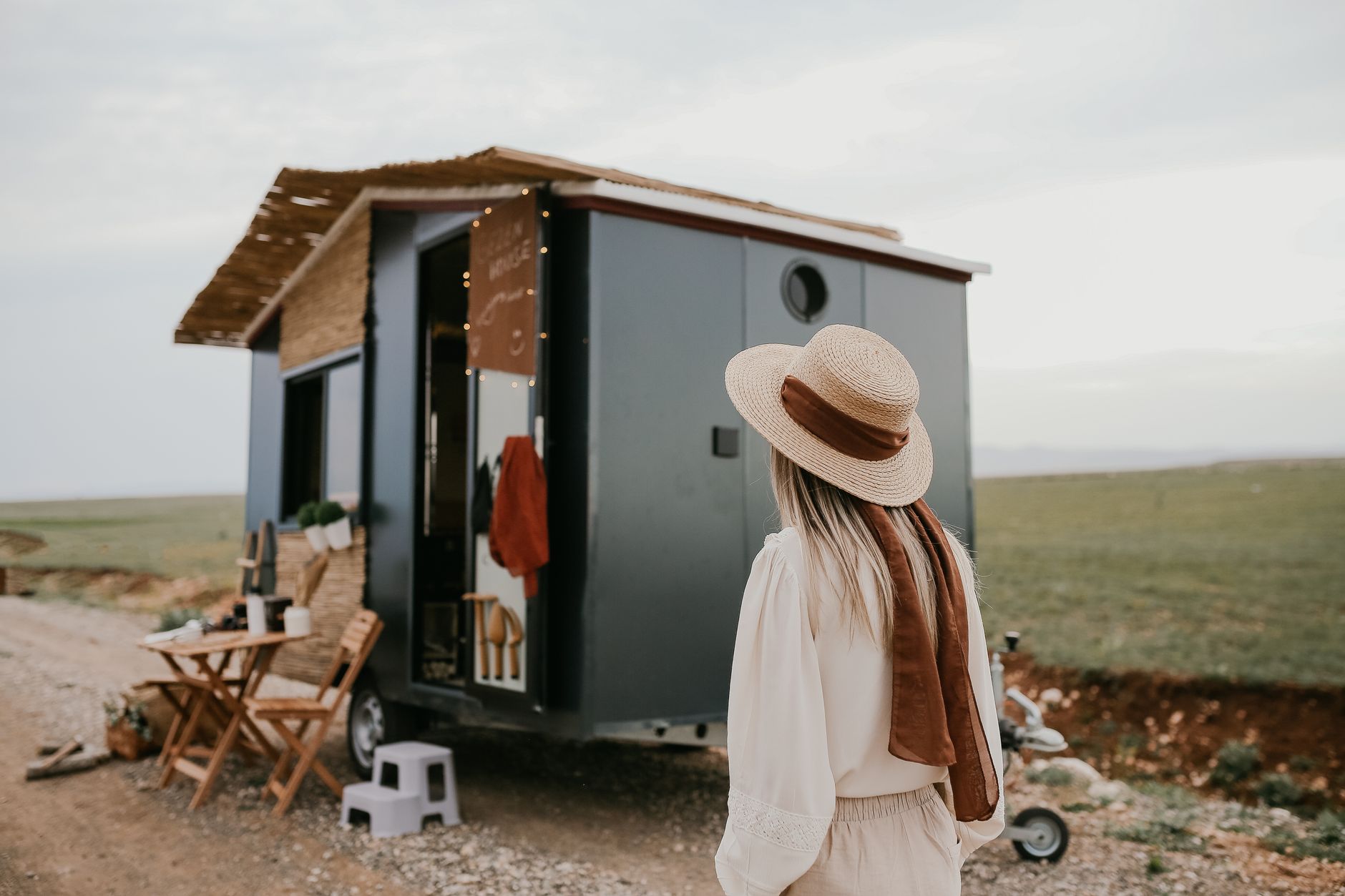
Photo by Melike B
Key Features That Make Them Livable
Tiny tiny homes deliver real livability through smart, space-saving design. A compact kitchen often uses vertical storage, a two-burner stove, and multi-purpose countertops that double as workspaces. Bathrooms are typically efficient, with showers sized for quick use and integrated storage to keep towels and toiletries organized. Sleeping lofts reclaim floor space for a comfortable bed and a small sitting area below.
Eco-friendly builds are common, with insulated panels, energy-efficient appliances, and options for solar power or composting toilets. Off-grid capabilities are not a curiosity but a practical option in many listings, especially for those seeking a weekend retreat or a remote studio. A-Frame styles and cabin designs from builders like Tumbleweed or TruForm Tiny showcase bright, open interiors, large windows, and simple, durable construction. Real-world examples show that even the smallest models can feel airy and welcoming when built with thoughtful detailing and daylight in mind.
Popular Models from Top Builders
Top builders offer a range of models that fit under 28 feet, many with wheels for mobility or as park models for stationary setups. Tumbleweed Tiny Homes, known for eco-certifications and thoughtful layouts, offers iconic designs such as the Cypress and Elm, celebrated for their open feel and large windows.
Tiny Heirloom emphasizes custom craftsmanship and efficient use of compact footprints, while Great Lakes Tiny Home features A-Frame styles that maximize loft space and natural light. Zook Cabins brings rugged, cabin-inspired aesthetics, and TruForm Tiny blends modern efficiency with warm, livable interiors. Notable models to explore include Traveler, Cedar Dream, and Grizzly, each designed to maximize function in tight spaces. Expect sizes ranging from 10 to 28 feet, with options on wheels for mobility or as stationary park models. These choices let you tailor your tiny home to climate, lifestyle, and location, from backyards to off-grid retreats.
Standout Listings by Location and Price
If you’re shopping for tiny tiny homes for sale in January 2026, the market is surprisingly active across several states. You’ll find a broad mix of options that stay under 100 square feet, with price points that make compact living more accessible than you might expect. Florida, California, and Texas lead the pack in sheer volume, while Idaho, Oregon, Indiana, and New York offer solid regional picks.
Expect quick inventory turns, with many listings ready to deliver within 1–2 weeks for off-the-shelf units and 4–6 months for custom builds. Deposits typically range from $8,000 to $25,000, and most sellers provide clear timelines, warranties, and transport details. In this market, the phrase tiny tiny homes for sale isn’t just a tagline; it’s a practical path to a flexible, wallet-friendly footprint.
Florida beach vibes
- The sunshine state is rich with styles that suit shorefront lots and backyards alike. Look for about 24-foot on wheels models priced around $84,900 to $119,000, with many configurations designed for quick set up at a beachside retreat. You’ll also see smaller, fully equipped micro-units in the under-100-square-foot range that pair well with a tide-driven lifestyle. Delivery times remain short, and several listings include options for park model placement if you want a more stationary setup. For buyers chasing coastal charm on a tight budget, Florida listings frequently balance price with durable, weather-ready builds.
California eco-spots
- In California, the pull is toward eco-friendly materials, solar-ready systems, and designs that maximize natural light. Expect a mix of tiny on wheels and compact prefab options that suit hillside yards, vineyard plots, or sunny backyards. While many park models hover in the mid-sized range, there are standout under-100-square-foot options that emphasize low energy use and smart storage. For those who crave off-grid flexibility, some California listings include composting toilets, ethanol or induction cooking, and compact water systems, all aimed at minimizing footprint without sacrificing comfort.
Texas rentals and flexible living
- Texas markets lean toward value and rugged practicality. Look for 24-foot on wheels models in the $84,900 neighborhood, with many listings offering turnover around 1–2 weeks for standard units. If you want more customization, builders frequently provide off-grid configurations with basic solar setups and water storage. For renters and short-term buyers, Texas options often present affordable monthly costs and export-friendly logistics, making it easy to relocate a tiny home to a different property or campground when the mood or work shifts.
Across the board
- Across these states, the under-100-square-foot niche remains tightly focused on essential living. Expect efficient kitchens with vertical storage, compact bathrooms, and lofted sleeping areas. The best buys combine durable construction, thoughtful light, and a clear move-in timeline. If you’re weighing a purchase, consider how transport, delivery time, and the possibility of off-grid features align with your ideal lifestyle. The current market shows that tiny tiny homes for sale deliver real value for people who want a portable, affordable foothold in 2026.
Best Websites to Shop for Tiny Tiny Homes for Sale
Finding the right tiny tiny home for sale starts with knowing where to look. The best platforms curate verified builders, transparent timelines, and clear pricing. They also offer filters by size, mobility, and finish level, so you can compare options quickly. Below is a concise, table-like breakdown to help you weigh cost across different build approaches. Think of it as a quick cheat sheet before you dive into listings.
Comparing Costs Across Builders and Types
| Category | Typical price range | Size/scope | What you’ll find | Best use cases |
|---|---|---|---|---|
| DIY under $20K | Under $20,000 | 100 sq ft or smaller shells | Plans, kits, or shells you finish yourself | Great for hands-on buyers who want tight control over features |
| Ready-made $20K-$90K | $20,000-$90,000 | 100–140 sq ft; some up to 150 sq ft | Move-in ready with kitchen and bath options; wheels or park models | Fast setup, lower risk, suitable for backyard studios or mobile retreats |
| Luxury $90K-$150K+ | $90,000 and up | 160+ sq ft | High-end finishes, full kitchens, premium fixtures, smart systems | Weekend homes or office spaces with more comfort and style |
| Prefab shells $30K-$50K | $30,000-$50,000 | 100–120 sq ft shells | Insulated shells ready for interiors; add your own appliances | Quick build, customization later, strong value for budget-conscious buyers |
Notes to keep in mind:
- Prefab shells in the $30K-$50K range are a practical bridge between DIY and full customization. You get a solid structure and insulation, with the freedom to finish interiors on your timeline.
- Ready-made options often include delivery and basic setups, making them a reliable choice if you want to move sooner rather than later.
- In the luxury tier, you’ll pay for durability, better insulation, and higher-end fittings. Expect longer lead times but a more comfortable living experience from day one.
If you want a quick starter, look for platforms that offer verified builders, state directories, and clear transport details. These factors save you time and reduce surprises once you sign a deal.
Budgeting, Financing, and Smart Buying Tips
If you’re exploring tiny tiny homes for sale, getting the financial side right makes the dream practical. In 2026, flexible financing options and smarter buying strategies are helping more buyers close on compact homes without tying up every dollar. This section offers practical budgeting steps, financing paths that work with your situation, and quick buying tips to keep the process smooth from first search to final delivery.
Navigating Regulations in Your Area
2026 updates show easing rules for THOWs and ADUs, but the details vary by state and city. Start with zoning, foundations, and utilities because those will shape what you can actually build and live in. Rural areas tend to be more forgiving, while urban spots often require a clear foundation plan or ADU permit. Builders with local knowledge can save you time by identifying compliant layouts and delivery options before you fall in love with a design.
Look for a plan that fits within size limits (often under 400 sq ft on a foundation) and check parking, setback, and setback requirements for tiny homes on wheels or park models. A quick call to the county zoning office can prevent costly red tape later. For many buyers, the right approval path is the difference between a dream and a stalled project. Photograph by RDNE Stock Project
 Photo by RDNE Stock project
Conclusion
Buying tiny tiny homes for sale in 2026 means embracing affordability, mobility, and smarter use of space. These ultra-compact options let you move freely, set up in a backyard, or carve out afocused remote work nook without a huge price tag. Start with trusted platforms like Little Houses For Sale to compare verified builders, delivery options, and finish levels, then pin down a budget that covers transport and setup.
If you’re DIY inclined, begin with plans and a clear interior layout to keep projects on track and cost predictable. The right choice should feel liberating, not limiting—think clean lines, daylight, and a home that grows with your needs.
Back to Tiny Home Buyer Guide