Navigating Tiny House Laws in Kansas: A Comprehensive Guide

The idea of living in a tiny house is really catching on in Kansas. People are drawn to the simpler lifestyle and the potential cost savings. But before you pack your bags and move into a miniature abode, you need to know about the rules. Because Kansas doesn’t have one single set of laws for tiny homes, things can get a bit confusing. You’ll need to figure out what your specific town or county allows, and that’s where this guide comes in handy. We’ll break down the important stuff about tiny house laws in Kansas so you can get started on the right foot.
Key Takeaways
- Kansas doesn’t have a single statewide law for tiny homes, so local rules are key.
- Tiny homes on foundations are often treated like accessory dwelling units (ADUs) and must meet building codes.
- Tiny homes on wheels are usually seen as RVs and have restrictions on where and how long you can stay.
- Check specific county and city zoning ordinances for minimum square footage, utility requirements, and placement rules.
- Understanding these tiny house laws in Kansas is vital before you buy or build to avoid legal issues.
Understanding Tiny House Laws in Kansas
The whole idea of tiny houses is really taking off, right? People are looking for simpler, more affordable ways to live, and Kansas is no exception. But here’s the thing: it’s not quite as straightforward as just buying a tiny house and parking it anywhere. Kansas doesn’t have one big, overarching law that covers every tiny house situation. Instead, it’s more like a puzzle with pieces scattered across different towns and counties.
The Evolving Legal Landscape for Tiny Homes
Honestly, the laws are still catching up to the tiny house movement. What was true last year might not be true today. Local governments are starting to figure out where these homes fit in. Some places are actually welcoming them, seeing them as a good way to help with housing shortages. Others? Not so much. It really depends on where you want to put your tiny home. You’ve got to do your homework to see what the local rules are.
Key Classifications: Foundation vs. Wheels
When you’re looking at tiny houses in Kansas, they generally fall into two main groups. You’ve got the ones built on a permanent foundation, which are often treated more like traditional homes. Then there are the tiny houses on wheels (THOWs). These are usually seen as temporary structures, kind of like RVs. This difference is a big deal because the rules for each type can be totally different. It affects where you can put them and how long you can stay.
The Patchwork of Local Ordinances
This is where it gets a bit tricky. Because there isn’t a single state law, each city and county gets to make its own rules. So, a tiny house that’s perfectly fine in one town might be a no-go just a few miles down the road. You’ll find that some counties are really on board and have specific rules to allow tiny homes, maybe even adopting standards like Appendix Q of the International Residential Code. Others might not have any rules at all, leaving you in a gray area, or they might have strict zoning that makes it tough. It’s like a patchwork quilt of regulations, and you need to know which patch you’re planning to live in.
Permitted Tiny House Structures and Requirements
Permanent Foundation Tiny Homes as ADUs
So, you’re thinking about a tiny house on a permanent foundation in Kansas? That’s great! These are often treated as Accessory Dwelling Units, or ADUs, which is a big deal. This means they can usually be placed on a lot that already has a main house. Think of it as a guest house, an in-law suite, or even a rental unit. Different zoning districts have different rules, of course. For example, you might find them allowed in zones like RS7, RS10, or RS20, but maybe not in the super dense RS5 areas. It really depends on the specific county’s rules.
Minimum Square Footage and Safety Essentials
Now, let’s talk about size and safety. Kansas doesn’t have one single statewide rule for minimum square footage for tiny homes on foundations, but many counties that adopt Appendix Q of the International Residential Code (IRC) have specific guidelines. Generally, you’re looking at a minimum of 120 square feet for the main living space, with bathrooms and kitchens often having their own smaller minimums, like 50 square feet. But it’s not just about size; safety is super important. You’ll need to make sure there are proper emergency exits, adequate ceiling height (usually at least 7 feet, with some allowances for lofts), and safe ways to get into lofts, like stairs or sturdy ladders. Propane use also needs to follow fire codes, and if you’re thinking about solar panels or other alternative energy, there are usually height restrictions to keep in mind.
Foundation Anchoring and Weather Resistance
Kansas can get some wild weather, right? We’re talking wind, sometimes pretty strong wind. So, any tiny house built on a permanent foundation needs to be properly anchored and built to withstand these conditions. This isn’t just about comfort; it’s about safety and making sure your home lasts. The anchoring requirements will depend on your specific location and the potential wind loads. Building codes will dictate how the foundation needs to be secured to the ground. This robust construction means that these homes are treated more like traditional houses, and you’ll likely get the same property tax assessments as a standard home, which is a good thing for long-term ownership. It really shows that these aren’t just temporary shelters but actual, durable homes.
Navigating Regulations for Tiny Houses on Wheels
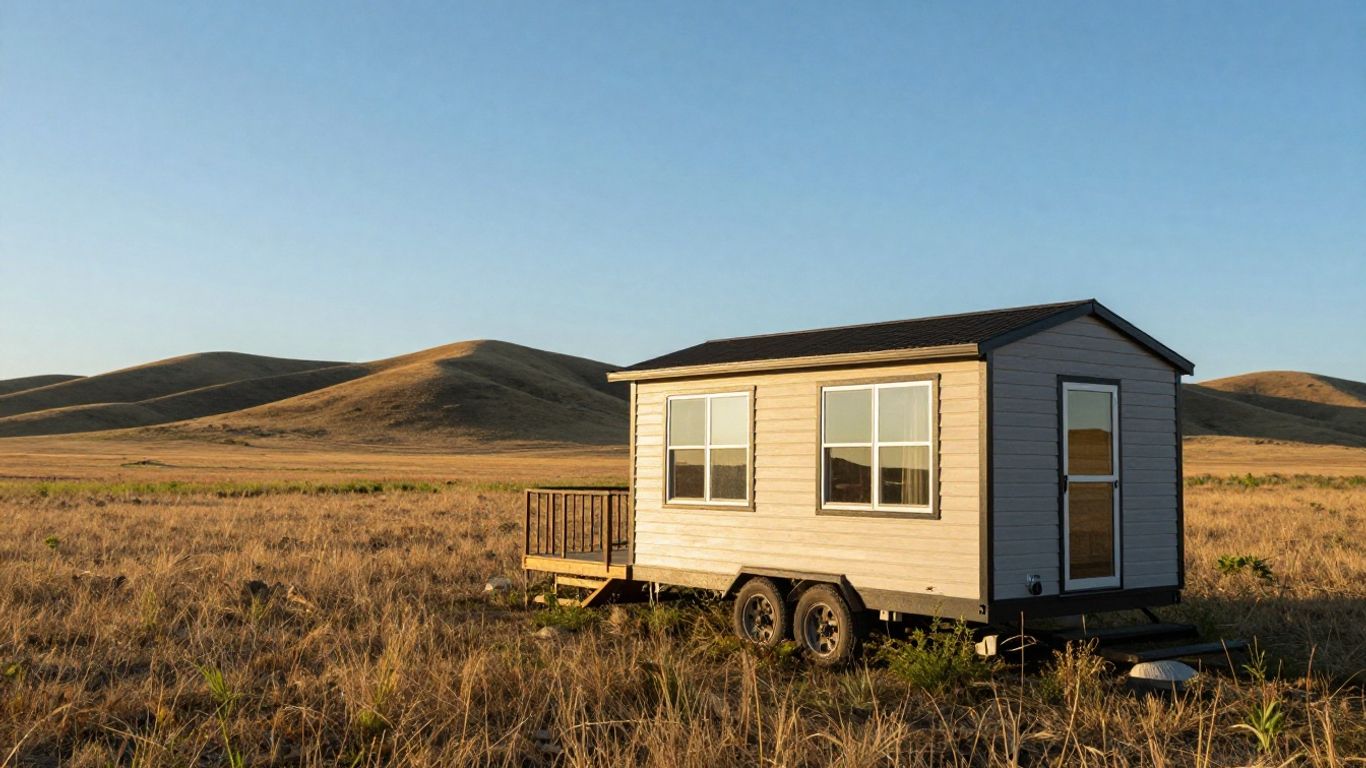
Tiny houses on wheels (THOWs) in Kansas are generally treated differently than their foundation-based counterparts. The state doesn’t have a specific law just for tiny houses, so these mobile dwellings often fall under regulations for recreational vehicles (RVs). This means they’re usually considered temporary structures.
This classification has some pretty big implications for where you can legally park and live in your THOW. It’s not as simple as just finding an empty lot and setting up shop. You’ll need to be aware of specific rules that govern RVs and temporary housing.
Here’s a breakdown of what that typically involves:
- RV Registration: Most THOWs will need to be registered as RVs. This usually involves getting license plates and paying annual registration fees, similar to a car or motorhome. The exact process can vary, so it’s good to check with the Kansas Department of Revenue or your local county treasurer’s office.
- Approved Placement: You can’t just park your THOW anywhere. Generally, they are permitted in:
- Designated RV parks that explicitly allow tiny homes.
- Campgrounds.
- On private property for short-term stays, often with specific time limits (like 30-180 days) and requiring permits. This is common while a permanent home is being built or for visiting family.
- Some agricultural zones might have specific exemptions, but this is highly dependent on the county.
- Limitations on Extended Residency: Because they’re classified as temporary, living in a THOW full-time in one spot might be restricted. Many places won’t allow you to set up a THOW as a permanent dwelling. You might need to move it periodically or adhere to strict time limits for occupancy in a single location. Some areas might even prohibit skirting or permanent utility hookups, as these could be seen as attempts to make the structure permanent, which goes against its RV classification. It’s really important to understand these nuances before you buy or build a THOW if you plan to live in it long-term. You can find more information on local rules by checking county zoning ordinances.
The key takeaway here is that while Kansas is generally open to tiny living, THOWs require a different approach than stationary homes. Think of them as mobile dwellings first and foremost, and plan your placement and residency accordingly. It’s all about understanding the RV classification and its associated rules.
Specific County Regulations and Support
Getting approval for a tiny house in Kansas is like opening a box of puzzle pieces—you can’t just force them all to fit. Every county has its own set of rules, exceptions, and, sometimes, unwritten policies about what’s allowed for tiny homes and accessory dwelling units (ADUs). Here’s what you should expect (and look out for) when checking tiny house laws in different Kansas counties:
Counties Embracing Tiny House Living
Some counties have taken clear steps to support tiny houses, especially as ADUs. Here’s where it gets easier:
- Franklin County: Has a specific ordinance for ADUs—minimum 500 sq ft., max 1,200 sq ft., and a limit of two bedrooms. Plus, owner-occupancy and setback rules apply.
- Kiowa County: Allows ADUs under 900 sq ft, but you’ve got to connect to county or city utilities. The city inside the county follows recognized building codes for added structure.
- Labette County: As of May 2024, allows ADUs in specific rural districts (RR-1), with clear zoning language under "Accessory Dwellings."
Counties like Miami and Jefferson also have codes supporting ADUs, though details often require a call or a deep look at the zoning PDFs.
Appendix Q Adoption and Size Limits
Appendix Q from the International Residential Code is a fairly recent development. It lets local governments recognize tiny houses (sometimes down to 400 square feet) as legal. But not all counties have jumped on board.
| County | Appendix Q Adopted? | Minimum Size | Special Limits |
|---|---|---|---|
| Douglas | Yes | 400 sq ft | 33% of main dwelling or max 960 sq ft |
| Franklin | Partially | 500 sq ft | Max 1,200 sq ft (ADUs only) |
| Most Rural | Not yet | Varies | Often default to state/neighboring codes |
If you don’t see your county adopting Appendix Q, always ask—they might permit tiny homes as ADUs under older sections, just without using that label.
Zoning Districts for Accessory Dwelling Units
Zoning districts are the filter through which your tiny house dreams pass—or sometimes get blocked. Here’s what typically matters:
- Residential and Rural Residential: Often the most open to ADUs, but look for rules about lot size, setbacks, and how big your tiny home can be compared to the main house.
- Agricultural: Some rural/ag zones will allow a detached tiny home if it’s used for family or farm help. Sometimes less restrictive if you have some land.
- Inside City Limits: Cities like Lawrence (in Douglas County) and the City of Meade follow their own building and zoning codes—you’ll want to check with their planning or building department since city limits almost always mean more hoops to jump through.
If your county ordinance doesn’t spell out rules for ADUs or tiny houses, that doesn’t mean it’s not possible. It just means you’ll need to track down the zoning administrator, ask directly, and sometimes file for a conditional use permit. County staff often know what the document doesn’t say in black and white.
Quick Checklist
- Find your county (and city) zoning document online.
- Search for “accessory dwelling,” “tiny home,” or "minimum dwelling size."
- If it’s missing or unclear, call your zoning/planning department for answers.
- Always clarify setback, utility, and permit requirements—nothing’s worse than spending time on an idea that won’t pass the first hurdle.
In Kansas, how easy it is to build or park a tiny house really depends on where you want to live—and how much legwork you feel like doing.
Essential Considerations for Tiny Home Placement
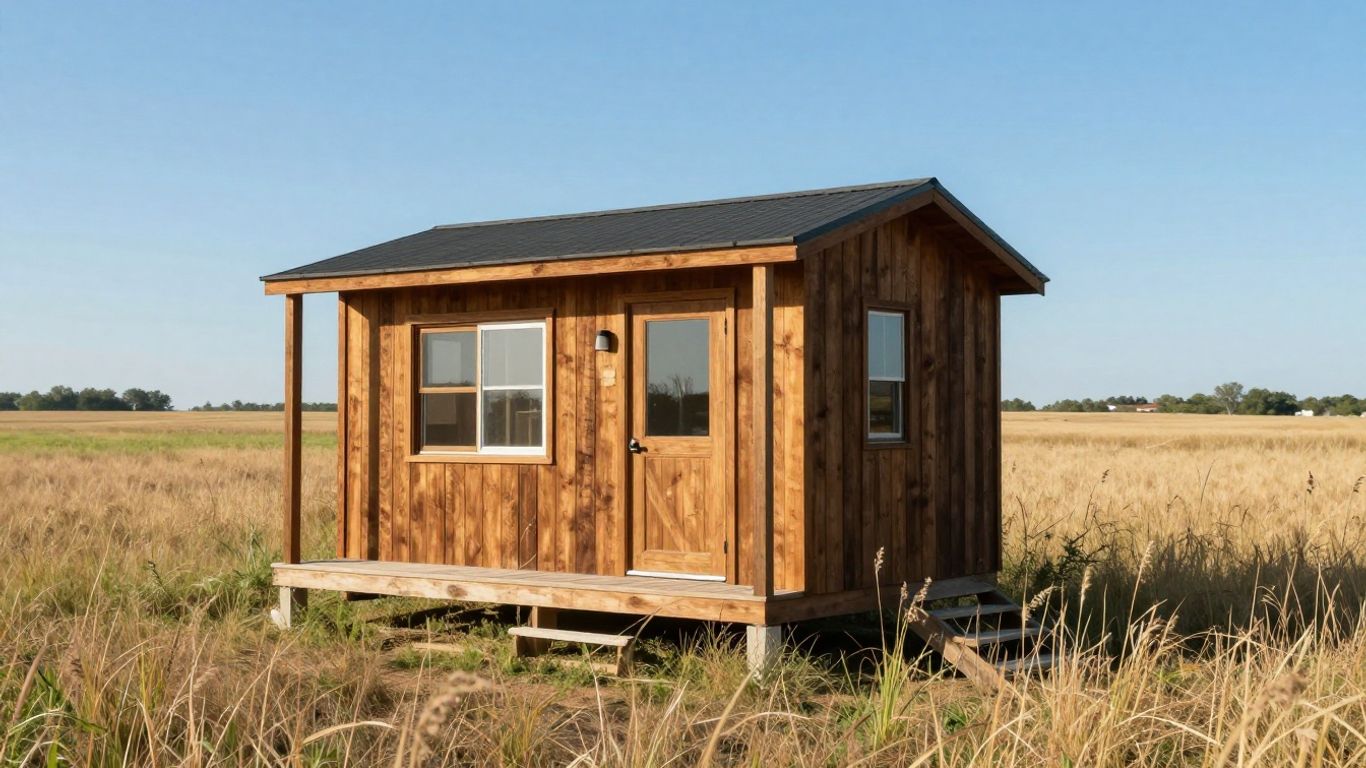
Placing your tiny house in Kansas comes with a lot more to think about than just picking out land. The spot you choose affects everything, from your access to utilities to whether you even have the legal right to park or build there. Take a look at these key factors before settling on a location.
Site Selection Based on Zoning Harmony
Not all parcels are equal when it comes to tiny home placement. Your tiny house must fit within the existing zoning laws of a given area, or you could risk fines or removal. Check with the county or city planning department to confirm the rules for:
- Minimum lot size and property lines
- Whether tiny homes are recognized as primary or accessory dwellings
- Permitted use (residential vs. agricultural vs. mixed-use)
- Setback requirements from roads and neighbors
Urban parcels tend to have tighter restrictions, while rural areas might offer more flexibility for tiny home enthusiasts.
Utility Access and Independent Systems
If your lot doesn’t already have water, electricity, and sewage connections, you’ll need a strategy for handling these basics.
- Connect to the grid (utility company hookups)
- Go fully off-grid (solar panels, composting toilets, water tanks)
- Hybrid of the two, depending on what’s allowed
| Utility Type | Typical Cost Range | Notes |
|---|---|---|
| Water (Well) | $3,000 – $8,000 | Maintenance required |
| Septic System | $3,000 – $10,000 | Needs health dept. approval |
| Electric Meter | $1,500 – $5,000 | Depends on distance to nearest hookup |
Think about whether going off-grid makes sense for your lifestyle—maintenance, cost, and self-reliance matter a lot more than you might expect.
Navigating Urban vs. Rural Parcel Differences
There’s a big difference between parking your tiny home in the heart of a city versus out in the country. Here’s what to expect:
Urban Settings:
- Stricter zoning
- More permit requirements
- Better access to utilities, but less privacy
Rural Settings:
- Looser regulations (sometimes)
- More options for off-grid living
- Possible HOA restrictions, even far from city limits
Consider these three steps when evaluating any site:
- Review zoning and permit requirements before spending any money.
- Assess utility access—cost, feasibility, and rules.
- Look into HOA or neighborhood covenants beyond county or city rules.
The work you do upfront—checking rules, planning for utilities, figuring out what matters most for your daily life—will make all the difference once you move into your tiny home. It’s not just about the house; it’s about setting yourself up so you can actually enjoy living in it every day.
Future Trends in Kansas Tiny House Legislation
The landscape for tiny homes in Kansas is definitely shifting, and it’s pretty exciting to think about what’s next. As more people get interested in smaller, more sustainable living, lawmakers are starting to pay attention. We’re seeing a move towards making things clearer and more welcoming for tiny house dwellers.
Anticipated Revisions to Zoning and Codes
Right now, Kansas doesn’t have one single, statewide law just for tiny houses. This means you have to check the rules in every single town or county you’re interested in, which can be a real headache. But, that’s likely to change. Expect to see more local governments updating their zoning laws to specifically include tiny homes, whether they’re on foundations or wheels. This could mean clearer guidelines on where you can put a tiny house, what size it can be, and what kind of utilities you need. The goal is to make it easier for people to build and live in tiny homes without running into legal roadblocks.
The Role of Prefabricated and Modular Designs
Building a tiny house from scratch can be a big undertaking. That’s why prefabricated and modular tiny homes are becoming super popular. These are homes built off-site in a factory and then brought to your location. They often come with a lot of customization options, and importantly, they can be designed to meet specific building codes. As these methods get more common, they’ll likely play a big role in how tiny houses are approved and built in Kansas. It’s a way to get a well-built, compliant tiny home without all the usual construction stress.
Addressing Housing Shortages with Tiny Homes
Let’s face it, housing can be expensive, and finding affordable places to live is a challenge for many. Tiny homes offer a real solution to this problem. They’re cheaper to build and maintain, and they take up less space. Because of this, you might see more cities and counties in Kansas looking at tiny homes as a way to increase their housing options, especially for young people, seniors, or those on a tighter budget. It’s a smart way to use land more efficiently and provide more housing choices for everyone.
The trend towards smaller living spaces isn’t just a fad; it’s a response to economic realities and a growing desire for simpler, more sustainable lifestyles. As Kansas adapts its regulations, it has the potential to become a more accessible and welcoming place for tiny home enthusiasts, offering diverse housing solutions that benefit both individuals and communities.
Wrapping Up Your Tiny House Journey in Kansas
So, you’ve been looking into tiny houses in Kansas. It’s a neat idea, right? Living smaller can be really appealing, and thankfully, it’s becoming more possible here. Just remember, the rules aren’t the same everywhere in the state. You’ll need to do your homework for the specific town or county you have in mind. Checking with local officials is always the best first step. It might seem like a lot, but getting the details right now means fewer headaches later. Good luck with your tiny house plans!
Frequently Asked Questions
Are tiny houses allowed in Kansas?
Yes, tiny houses can be built and lived in across Kansas, but it really depends on the specific town or county you choose. There isn’t one single rule for the whole state. Some places are very welcoming and have clear rules, while others might have stricter requirements or might not allow them at all. It’s super important to check the local rules where you want to put your tiny house.
Can I live in a tiny house as my main home in Kansas?
You can definitely live in a tiny house full-time in Kansas, but only if it’s set up correctly and in a location that allows it. Tiny houses on foundations are often treated like regular homes and can be primary residences if they meet local building codes and size rules. Tiny houses on wheels usually have more restrictions on how long you can stay in one spot, often being treated more like RVs.
What are the size requirements for tiny houses in Kansas?
Kansas doesn’t have a statewide minimum size for tiny houses. However, many individual cities and counties do have their own rules. Some might say a house needs to be at least 120 square feet, while others might have larger limits, especially if the tiny house is considered an accessory dwelling unit (ADU). It’s best to check with the local planning or zoning office.
Do I need special permits for a tiny house in Kansas?
Yes, you’ll almost always need permits. If your tiny house is on a foundation, it will likely need building permits similar to a traditional house. If it’s on wheels, you might need permits related to RVs or temporary structures. The exact permits depend on your location and how the house is classified.
Are tiny houses on wheels legal to live in year-round in Kansas?
Living in a tiny house on wheels (THOW) year-round in Kansas can be tricky. Many places see them as recreational vehicles (RVs), which means they can’t be used as a permanent residence. You might be able to park them in RV parks or campgrounds for a certain amount of time, but long-term, permanent living is often not allowed unless you meet specific local zoning rules or place it on a foundation.
What are the challenges of having a tiny house in Kansas?
The biggest challenge is navigating the different rules from place to place. Finding a spot where your tiny house is allowed, especially if it’s on wheels, can be hard. You also need to make sure it meets all the building and safety codes, which can sometimes be complicated. Dealing with utilities like water, sewer, and electricity is another thing to plan carefully.
Explore more tiny home living, design, downsizing, building, and lifestyle resources.