
Where to Put a Tiny House: Legal and Practical Options
Back to Tiny Home by State
You can buy or build a tiny house, but figuring out where to put a tiny house turns out to be the toughest step. It has to be legal and practical for daily life. Many folks hit roadblocks here without a solid plan.
Tiny houses come in two main types: on wheels (THOW) or on a permanent foundation. THOWs treat you like an RV, so zoning rules differ from stick-built homes. Your choice shapes every option ahead.
We’ll cover legal checks first, then land spots, utilities setup, and tips to dodge costly errors. You’ll get a clear path to make it work.
Start here: tiny house on wheels or tiny house on a foundation?
Your first big choice shapes everything when you figure out where to put a tiny house. Do you want mobility or permanence? A tiny house on wheels (THOW) rolls like an RV. It lets you chase adventures but faces strict parking limits. A tiny house on a foundation acts like a real home. It demands permits yet offers stability. Pick based on your lifestyle. Think about how often you plan to move and what spots appeal most.
Where a tiny house on wheels can usually go (RV rules and limits)
Tiny houses on wheels fit RV spots most often. RV parks and campgrounds welcome them if they meet standards. You hook up to water, sewer, and power there. Private land works too, but only with owner okay and local rules.
Many parks check your tiny house closely. They often want RVIA certification, proof it meets RV safety rules. Some ban units older than 10 years. Others limit stays to 6 months max. Full-time living? Not always allowed. Check this tiny house parking guide for real examples across states.
Even on private land, trouble brews fast. A friend parked his THOW on family acres. The county said no after 30 days. Zoning saw it as an RV, not allowed outside parks. Always call ahead. Long-term spots outside RV areas break rules in most places. Landowner permission does not override city codes.
Where a foundation tiny house can usually go (permits, codes, and inspections)
A foundation tiny house counts as a small home or accessory dwelling unit (ADU). You site it on land zoned for houses. Backyards work in many suburbs if ADU rules allow.
Start with a building permit. Submit site plans showing setbacks from property lines. Get utility approvals for septic, water, and electric. Inspectors check at key stages: foundation pour, framing, plumbing rough-in, and final.
Codes trip up new builders. Minimum room sizes must hit 70 square feet for bedrooms. Ceilings need 7 feet clear height. Lofts require safe egress, like a window or stairs, not just a ladder. Foundations demand proper footings and anchors against wind or quakes. See Washington state’s tiny house rules for a solid overview; other states follow similar paths.
Size does not skip rules. Tiny means regulated. Skip permits, and you risk fines or tear-down orders. One builder I know paid thousands to fix uninspected stairs. Plan for 3-6 months of approvals.
A quick decision guide: pick your placement first, then pick the tiny house
Nail down where to put a tiny house before you buy a trailer or pour concrete. Want to move every few months? Call RV parks near your top spots. Ask about tiny house rules, stay limits, and full-time options. Note age caps and certification needs.
Aim for permanence? Check zoning for foundation homes or ADUs. Contact the county planner. Verify setbacks, utilities, and code basics like ceiling heights. Write your top three locations now. For each, list: Can I park a THOW long-term? Does zoning allow a foundation build? What permits apply?
Verify all before spending. Jot rules on paper. If RV parks say yes to 11-month stays, go wheels. If backyards greenlight ADUs, build solid. This flips the script. You match the house to the spot, not the other way around. Save headaches and cash.
Know the rules before you move: zoning, minimum size laws, and how to check them
You picked a spot for your tiny house, but local rules can kill the deal fast. Zoning laws, size limits, and code details decide if you can stay long-term. Skip this step, and you face fines or forced moves. Call the city or county planning office first. They hold the keys to where to put a tiny house legally.
What to ask the city or county planning office (the exact questions that save time)
Planning offices answer straight if you ask the right way. Copy these questions into an email or phone script. Get answers in writing when you can.
- Is a tiny house on wheels allowed as a full-time residence?
- Are accessory dwelling units (ADUs) permitted, and can they stand detached from the main house?
- What is the minimum square footage for a dwelling?
- Do rules cover ceiling height, lofts, or stair access?
- Are there setbacks or placement limits for ADUs on the lot?
- Does the zoning allow full-time occupancy in a tiny house or ADU?
- What parking spots do you require?
- Do I need a separate septic permit?
These cut through the fog. One call often reveals if your dream backyard spot works. For ADU specifics, check Portland’s zoning requirements.
Minimum size, ceiling height, and loft rules that affect where you can place a tiny house
Codes block tiny houses in sneaky ways. Many areas follow the International Residential Code (IRC). It demands at least 120 square feet in one main room and 70 square feet for others. Total size often hits 320 square feet minimum, though tiny-friendly spots drop to 200-400 square feet.
Ceiling height trips up builders too. You need 6 feet 8 inches in habitable rooms. Bathrooms get a bit less at 6 feet 4 inches. Low ceilings in lofts? They count as storage only unless you meet height rules.
Loft access adds hurdles. Forget ladders; codes want fixed stairs or a sturdy ladder for safety. Emergency escapes matter, like operable windows big enough to climb through. In California spots like Fresno, ADUs cap at 900 square feet but need lots over 6,000 square feet. Spartanburg County, South Carolina, sticks to 70 square feet per room with 7-foot ceilings. Watch these to avoid redesigns. See the IRC ceiling height rules for basics.
Tiny home communities, ADU programs, and special zoning areas
Not all land fits standard rules. Look for tiny home communities, villages, or ADU programs. Cities create special zones like overlays or planned unit developments for them. These spots greenlight small homes where regular zoning says no.
Search local government sites for: ADU, cottage court, tiny home, small lot, overlay, planned unit development. Pilot programs pop up too, testing clusters of tiny houses.
Expect trade-offs. Waitlists fill fast. Design rules match neighborhood looks. HOA-style boards enforce standards. Monthly fees cover roads or trash. Still, they solve where to put a tiny house puzzles. Communities often handle utilities. Check this zoning guide for tiny homes to spot options near you.
Common places to put a tiny house (and what to watch out for in each)
You have options for where to put a tiny house, from your own plot to shared spaces. Each spot has perks and pitfalls. Pick based on your budget, mobility needs, and local rules. Let’s break down the main choices and key risks.
On your own land: rural lots, small acreage, and buying land for a tiny house
Rural land often gives you the most freedom to place a tiny house. Counties out there set looser rules than cities. You avoid tight setbacks and neighbor complaints. But it’s not always simple.
Many spots demand a minimum lot size, like one acre or more for a dwelling. Check that first, or you buy land you can’t build on. Access roads matter too. Paved county roads beat gravel paths that flood or wash out. Get a driveway permit if you need to cut in from the road; skips lead to fines.
Wildfire zones and flood plains kill deals quick. Use FEMA flood maps and state fire risk tools to spot them. Building in those areas jacks up insurance or blocks permits altogether. Can you live on the land during construction? Some counties say yes with a temp RV permit; others ban it until final inspection.
Tips to scout smart:
- Verify legal access with the county road department. No easement? Stuck.
- Hunt for nearby utilities. Power poles cut hookup costs; distant lines mean thousands extra.
- Test septic early. Dig test holes or hire a soil engineer. Poor soil fails perc tests and forces big expenses.
One guy bought five acres sight unseen. Turned out flood prone with no power nearby. He sold at a loss. Do your homework.
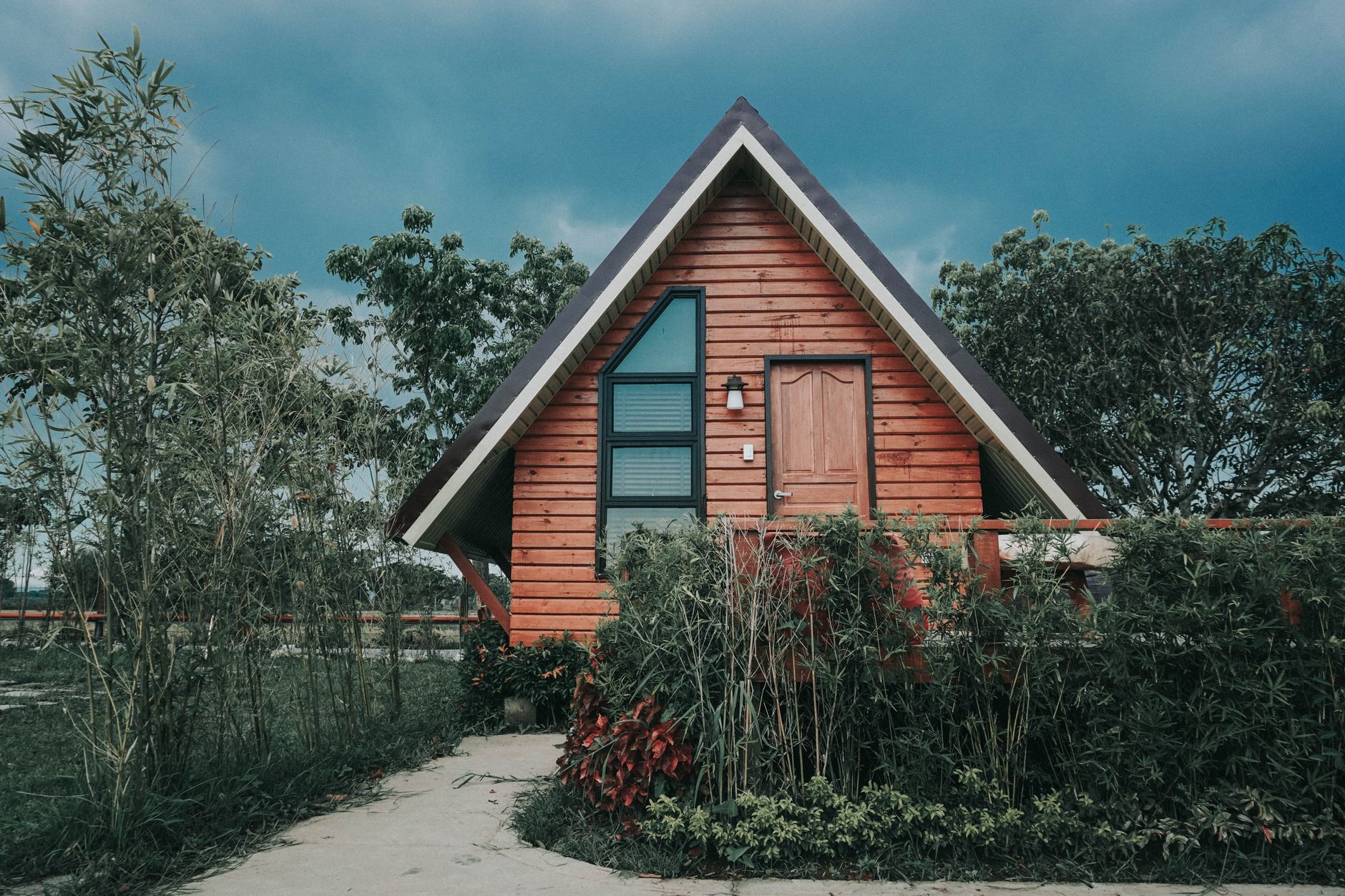
Photo by Czarinah Philline Rayray
In a backyard as an ADU: living near family without giving up privacy
Placing your tiny house in a backyard as an accessory dwelling unit (ADU) keeps you close to family. You share support without crowding the main house. Local codes must allow detached ADUs though.
Setbacks push you feet from property lines, often 5-10 feet. Height caps, like 16-20 feet, keep it from towering over fences. Owner occupancy rules pop up too; some spots require you live in the primary home. Utilities need separate meters in many places to track usage right. Shared lines work if the city okays it.
Neighbors gripe about parking or views. Chat early. Plant hedges or fences for screens. Clear boundaries build goodwill.
For details on common ADU hurdles like setbacks and utilities, see this guide from ADU Now. It spells out owner rules and connections.
In an RV park or campground: the simplest setup for a tiny house on wheels
RV parks offer the easiest start for a tiny house on wheels. Pull in, hook up to water, sewer, and electric. Pools, laundry, and trash service come standard.
Downsides hit hard. Many ban full-time living or cap stays at 6 months. Age limits nix rigs over 10 years old; send photos for exceptions. Inspections check certification like RVIA seals. Winter freezes pipes without heated hookups. Tight spaces mean no room for decks or sheds.
Monthly fees run $600 to $1,200 on average, higher for full hookups or resorts. Factor pet fees or deposits. Get all rules in writing before you tow in. Parks like Yreka RV Park list age caps and app steps upfront.
Renting a private spot: farms, extra lots, and land leases
Renting a spot on farms or extra lots beats buying upfront. Landowners get steady cash; you test the area cheap. Farms often have space and quiet.
Risks loom large if zoning bans residences. The county can evict you, lease or not. Don’t trust the landlord’s word; check yourself.
Spell out the lease clear:
- Term length, like 12 months renewable.
- Rent hikes capped at 5% yearly.
- Who pays utilities and maintenance.
- Driveway use rights.
- You own improvements like septic; they stay if you leave.
- Eviction plan if regulators complain.
See Tiny House’s land rental tips for zoning checks and lease must-haves. Solid paper protects you both.
Practical site checklist: utilities, access, and comfort (the stuff that makes a location livable)
Legal spots exist, but a site won’t work if you can’t hook up water or drive in your tiny house. Think daily life here. You need reliable utilities, easy access, and basic comfort to avoid regrets. Run this checklist before you commit to where to put a tiny house. It keeps things practical and livable.
Water and sewer: city hookups, septic, and what “legal” really means
City hookups offer the simplest setup. You connect to municipal water and sewer lines with approved fittings. Expect meters and fees, but it beats digging. Many RV parks provide these pads ready to go.
Septic systems suit rural spots. You install a tank and drain field designed for your soil and house size. Permits come from the local health department after soil tests prove it works. Costs run $5,000 to $15,000 depending on the site.
Some areas allow composting toilets or greywater systems as alternatives, but only with approval. Don’t count on “temporary” hoses or portable tanks for full-time living. Regulators spot those quick and shut them down. Call the health department early. Ask about perc tests, setbacks from wells, and occupancy limits. The EPA’s septic FAQ covers basics like tank sizes and maintenance to get you started.
Power, heat, and internet: off grid vs grid tied choices
Grid-tied power feels familiar. RV-style plugs work short-term at parks, but full residences need a permitted panel and meter from the utility company. Inspectors check wiring and grounding.
Off-grid setups rely on solar panels, batteries, and inverters. A 1-2 kW system powers lights, fridge, and basics for most tiny houses. Add propane for cooking or a wood stove for backup. Check local rules; some spots demand grid access for legal homes.
Plan heating and cooling by region. Insulate thick for cold winters; vent roofs beat attics in hot areas. Test cell signal and Starlink options before you buy remote land. Weak coverage means pricey boosters. This tiny house electrical guide explains panel sizes and solar math simply.
Quick power picks:
- RV plug: 30-50 amps for parks; cheap but limited.
- Permanent service: 100-200 amps; stable for daily use.
- Solar off-grid: 4-8 panels; free after setup, but cloudy days hurt.
Access and delivery: can a truck actually get your tiny house to the spot?
Your tiny house arrives on a flatbed truck, often 12 feet wide with 13.5-foot height. Narrow roads under 12 feet spell trouble. Tight turns, low bridges under 14 feet, or steep grades over 10% block delivery.
Overhead power lines or tree limbs snag roofs too. Muddy seasons turn driveways to swamps. Test the route yourself. Rent a box truck or follow a semi-trailer on the same path. Measure gate widths (need 14 feet clear), bridge weights (40,000 pounds min), and turnaround room at the end.
Foundation builds face similar issues. Concrete trucks need firm access for 10-yard pours. Stockpile gravel if soil’s soft. One overlooked branch cost a builder $2,000 in roof repairs.
Safety and long term comfort: flooding, wildfire, wind, noise, and privacy
A bad site makes your tiny house feel cramped fast. Floodplains soak foundations; check FEMA maps and elevate pads 2-3 feet. Wildfire areas need 30-foot defensible space, cleared of brush.
Winds hit THOWs hard; anchor wheels and skirt bases. Pick sheltered spots over hilltops. Noise from highways or trains echoes inside thin walls. Visit at rush hour.
Boost privacy with window placement away from roads. Add allowed fences, berms, or fast-growing shrubs like arborvitae. These steps turn a legal spot into a home you love.
How to choose the best spot for your tiny house (and avoid expensive mistakes)
You know the legal basics and site checklists now. The real trick comes down to picking a spot that fits your life without draining your wallet or sparking fights with officials. Think practical every day. The best place saves time, money, and stress. Let’s break it down.
Match your lifestyle to the location: commuting, schools, healthcare, and storage
Your daily routine sets the tone for where to put a tiny house. A remote field sounds peaceful until your commute doubles. Map your must-haves first.
Start with travel time. Aim for under 30 minutes to work or errands. Test drives at peak hours. Groceries and gas stations nearby cut trips too.
Schools matter if kids join you. Check district boundaries online. Healthcare access counts double for families or elders. Find hospitals or clinics within 20 miles.
Mail delivery needs a clear address. Rural spots often skip curbside boxes, so plan a secure spot. Don’t forget storage. Tiny houses pack tight. Tools, bikes, holiday gear need space. Many add a shed, but that triggers its own permit in tight zones. Rent a unit nearby if sheds won’t fly.
Picture tools rusting in rain or kids biking far to school. Match the spot to your flow.
Budget reality check: land costs, rent, hookups, permits, and monthly fees
Costs sneak up fast and flip a great spot into a money pit. Tally true expenses before you commit. Compare options side by side.
Break it into clear buckets:
- Land or rent: Rural acres run $20,000-$100,000 upfront, or $300-$800 monthly leases.
- Driveway work: Gravel pads cost $2,000-$5,000; paved jumps to $10,000.
- Utility hookups: Water/sewer lines hit $3,000-$20,000. Septic adds $5,000-$15,000.
- Permits and inspections: $500-$5,000 depending on foundation or wheels.
- Ongoing fees: Park rent averages $600-$1,200 monthly. Propane, trash, or internet tack on $100-$300.
Add them monthly. Own land might total $200 after setup. A park hits $900 easy. Use a spreadsheet. For zoning cost details, check this tiny home land selection guide. Numbers don’t lie.
Mistakes to avoid when deciding where to put a tiny house
Rookies trip on simple oversights. Dodge these to keep your project smooth.
Common pitfalls include:
- Buying land blind, then finding zoning blocks tiny houses.
- Thinking “rural equals free.” Counties enforce codes too.
- Ignoring setbacks; your house sits too close to lines and fails inspection.
- Skipping written park rules; verbal okay turns into eviction.
- Underestimating delivery access; trucks can’t turn around.
- Hooking utilities sans permits; fines or shutdowns follow.
A few calls fix most issues. Visit sites twice. Snap photos. Chat with neighbors. Calm steps prevent $10,000 headaches.
A simple action plan: what to do before you move your tiny house
Don’t tow or pour until you run this plan. It locks in a winner.
- Pick your top 2-3 spots: backyard, park, or acreage.
- Call the planning office. Confirm zoning and ADU status.
- Check utility providers. Ask about hookups and septic tests.
- Get firm quotes for work like driveways or power.
- Drive the access route. Time it with a wide rig in mind.
- Finalize your tiny house only now: wheels or foundation.
Keep a folder handy. Stuff it with emails, notes, and photos. Digital works fine. This paper trail saves you later. Your spot waits.
Conclusion
The right spot for where to put a tiny house hinges on your house type, local zoning rules, and solid utilities with good access. Wheels suit RV parks or short leases if you want to move around. Foundations fit backyards or rural land once permits clear. Check planning offices first to dodge fines and rework costs.
Pick your top option now, like a backyard ADU or private acreage. Call the county planner and utility providers today to confirm rules and hookups. You stay ahead and build without regrets.
Back to Tiny House Plans