
Why Are Tiny Houses So Popular?
Back to Tiny House Lifestyle
Picture Sarah. She stared at her $350,000 mortgage each month and felt trapped. One day, she sold it all, bought a 200-square-foot tiny house for $45,000, parked it on wheels, and hit the road. Now she pays $200 in lot rent and lives free.
Fast forward to 2026. Home prices hit a median $400,000, up from last year due to tight supply and high rates. Folks struggle to buy in. Tiny homes cost just $30,000 to $70,000, a fraction of that price.
So why are tiny houses so popular? People love their low costs that kill big debts fast. They fit the push for minimalism with less stuff and more peace. Sustainability shines too; they use way less energy and waste. Plus, flexibility rules: move them anywhere, from backyards to adventures.
This post breaks it down with real stats, costs, and tips. You’ll see how tiny living solves today’s housing crunch and frees up cash. Stick around for the full picture.
Tiny Houses Crush High Housing Costs Like Never Before
Housing costs keep climbing, and it’s squeezing everyone. By 2026, expect U.S. median home prices to hover around $400,000. High interest rates near 7% and low inventory make it tough to buy a traditional house. Tiny homes change that game. They run $30,000 to $60,000 on average, less than one-fifth the price of a single-family starter home. No massive mortgage means quick financial freedom. Pay cash or finance with payments under $300 a month. Take Mike, a 35-year-old teacher. He ditched a $2,500 rent for a $45,000 tiny home. Now he saves $24,000 a year and travels more. Numbers show this shift isn’t a fad. The market grows fast, and tiny houses deliver real relief from the crunch.
Real Numbers Behind the Affordability Boom
Sales data proves tiny houses gain steam amid high costs. In 2023, 30% of makers reported over 20% growth in online sales. By 2024, the U.S. saw more than 10,000 tiny homes built or sold. Look ahead to 2026. North America’s market hits $326 million in 2024 with a 19.4% compound annual growth rate. Globally, it jumps from $26.58 billion in 2024 to $32.21 billion in 2025.
Zoning changes fuel this. More cities like Portland and Austin ease rules for backyard units and wheels-based homes. By 2026, expect 20% more states to allow tiny homes as primary residences.
Here are key stats at a glance:
- U.S. tiny homes by 2024: Over 10,000 units.
- North America market 2024: $326 million, 19.4% CAGR.
- Global growth: $26.58B (2024) to $32.21B (2025).
- Median home vs. tiny: $400,000 vs. $30,000-$60,000.
| Metric | Traditional Home | Tiny Home |
|---|---|---|
| Avg. Cost (2026 est.) | $400,000 | $30,000-$60,000 |
| Monthly Payment (7% rate, 30 yrs) | ~$2,660 | ~$200-$400 |
| Build Time | 6-12 months | 3-6 months |
Picture an infographic here: a bar chart comparing costs side by side, with an upward arrow for tiny home sales. These figures explain part of why tiny houses draw crowds now.
Who’s Buying: Millennials and First-Time Owners
Millennials lead the charge. Zillow surveys show 58% to 75% of them eye tiny homes. Post-pandemic, demand spiked as remote work let folks rethink space. Traditional barriers hit hard: 20% down payments scare off buyers, and rates lock many out.
First-time owners love the low entry. 86% view tiny homes as perfect for starters, and 65% cite the hot market. Contrast that with standard homes. You need $80,000 down on a $400,000 place. Tiny? Often $5,000 to $10,000 starts it.
Consider Lisa, a millennial nurse. Pandemic layoffs pushed her to act. She bought a $50,000 tiny home on her parents’ land. Zero commute stress, full savings on a $60,000 salary. Younger buyers skip debt traps and gain freedom fast. They prioritize experiences over square footage. This buyer shift boosts popularity as costs stay out of reach elsewhere.
Minimalism Lets You Live Big in a Small Space
Tiny houses shine because they match a big shift to simpler lives. People ditch piles of stuff for more time on what matters, like trips or hobbies. This minimalism cuts stress and boosts joy. You keep under 500 square feet, yet 73% of Americans say they’d try it for the low costs and easy setup. It frees cash from debt, so you chase adventures instead of upkeep. Retirees love it too; 40% of those over 55 eye tiny homes for less worry and maintenance. Nomads park theirs on wheels and roam. Why are tiny houses so popular? They let you live large without the baggage.
Downsizing for Less Stress and More Adventure
Downsizing to a tiny house slashes daily hassles. You own less, clean less, and fix less. That leaves room for fun. Think about Tom, a retiree from Colorado. At 62, he sold his 2,500-square-foot home packed with junk. He bought a 300-square-foot tiny house for $55,000. Now he hikes national parks and visits grandkids. No more yard work or repair bills eating his pension.
Mobility adds thrill. Wheels let you chase sunsets or jobs. Digital nomads thrive here; remote work means no roots hold you back. Stationary urban tiny homes grow steady too, part of North America’s 19.4% CAGR through 2031. Park in a city lot, grow roots without the big price.
Adventure calls louder without debt chains. One owner shared, “I traded my mortgage for a road atlas. Best swap ever.” You save thousands yearly on utilities and taxes. Focus shifts to joy, not junk. Families even join in, teaching kids that less means more.
The Rise of Tiny Home Communities
Tiny home communities pop up fast, drawing folks who want neighbors without the sprawl. About 65% of Americans like the idea of these neighborhoods. They offer shared spaces, potlucks, and support. No isolation in your little box.
Events fuel the buzz. The Tiny Home Jamboree packs in crowds with tours, talks, and builds. Attendees leave inspired, ready to join or start one. These gatherings show tiny living as social, not solo.
Buyers chase small too. 30% pick under 130 square feet for pure basics. It fits the minimalism wave perfectly. Communities blend that with connection. Picture friends grilling in a common yard, kids playing safely. This setup explains part of the pull; you get roots, freedom, and folks nearby. One resident said, “It’s like camping with neighbors, year-round.” Popularity grows as people see tiny houses build real bonds.
Tiny Houses Are a Win for the Environment
Tiny houses cut your impact on the planet in ways big homes can’t match. Their small size means less energy use, fewer materials, and lower waste overall. Owners report a 45% lower ecological footprint, which ties right into why tiny houses grow so popular amid climate worries. You heat or cool just 200 to 400 square feet instead of 2,000. That simple switch saves resources and cash. Builders now craft 40% of their 2023 models with green features like recycled wood or low-VOC paints. Global trends push this further; less waste from construction helps crowded cities fight urban sprawl. Pair it with smart thermostats or LED lights, and you live light without sacrifice.
Energy Savings and Green Builds Explained
Small spaces slash your utility bills fast. Tiny homes use 45% less energy on average for heating, cooling, and lights. Some cut it by up to 60% compared to standard houses. Why? Less square footage means smaller HVAC systems and fewer appliances humming all day. Picture this: your electric bill drops from $200 monthly to $80 or less. One owner in Texas shared she pays $50 a month thanks to better insulation and compact layouts.
Solar panels make it even better. Many new builds add rooftop solar, which powers everything from fridges to fans off-grid. Costs fell 89% since 2010, so a basic setup runs $5,000 to $10,000 and pays back in three years through savings. Wind turbines or rain barrels often join in for full self-reliance.
Builders lean green too. They pick eco-materials like bamboo floors or reclaimed metal, which cut manufacturing pollution. This drops carbon emissions by up to 72% over a big home’s life. In urban spots like California, tiny houses fit tight lots and link with smart tech; apps track energy use in real time and tweak settings. Daily life feels the win: shorter showers, efficient cooking, no excess trash. Global waste shrinks as these homes need a fraction of the concrete or lumber. North America’s green tiny market heads to $8.20 billion by 2033. You get peace knowing your home helps the planet while costs stay low. That’s a pull many can’t ignore.
Mobility and Flexibility Fuel the Tiny House Trend
You can tow a tiny house to a new spot or anchor it down for good. That freedom draws crowds, especially now with remote work and high home prices. Mobile versions on wheels make up 60% of sales in North America, perfect for nomads who chase jobs or sun. Stationary ones suit those who want roots without big builds. The market hits $326 million in 2024 and grows at 19.4% a year through 2031. No wonder 86% of folks see tiny houses as ideal for first-time buyers. They fit any life stage, from young travelers to retirees.
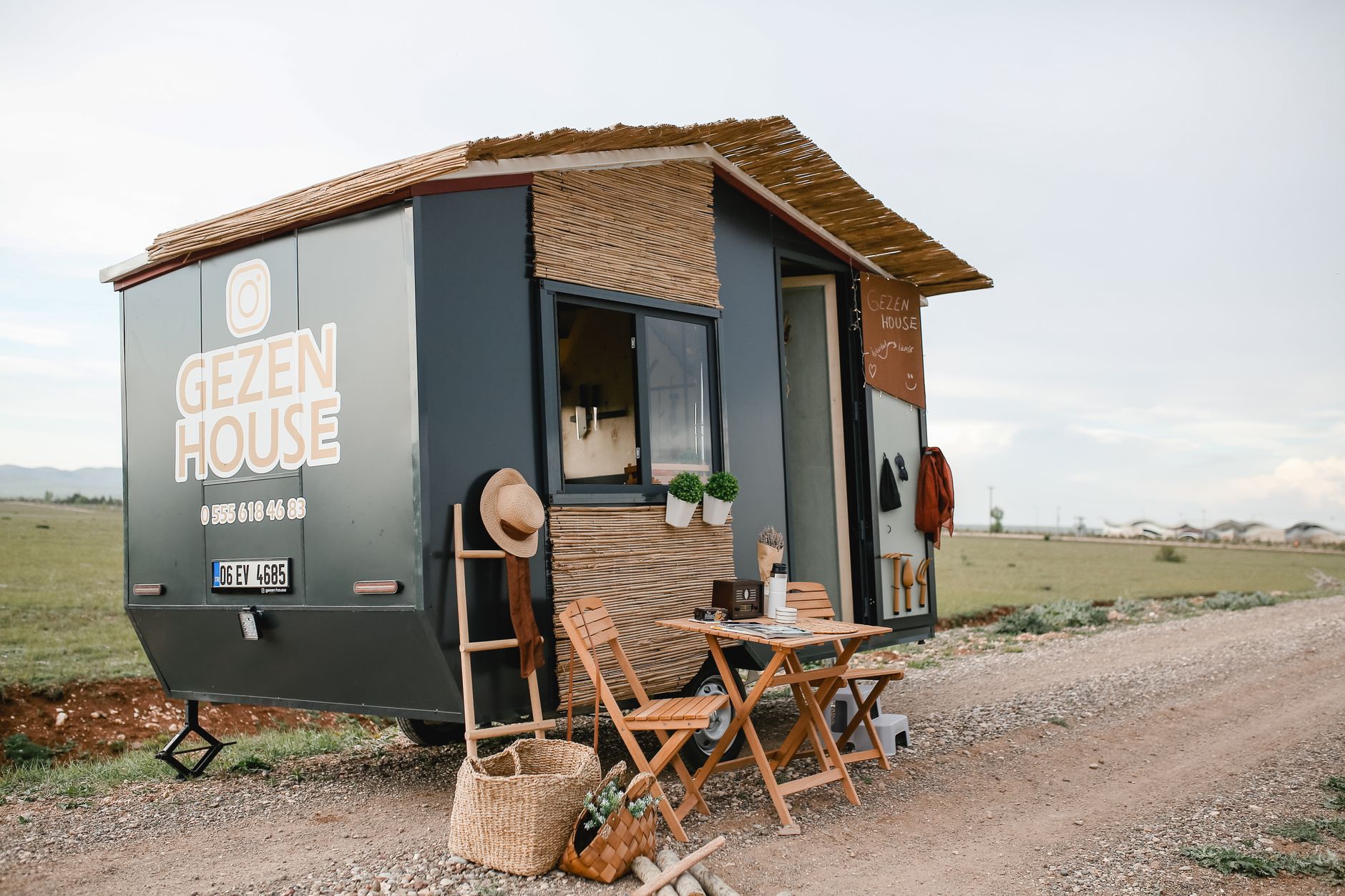
Photo by Melike B
From Road Trips to Backyard Retreats
Picture parking your tiny house by a lake for summer getaways. Vacationers love the setup; hook it to your truck and go. Retirees pick quiet spots too. One couple in their 60s towed theirs to national forests after selling a big home. They cut costs and gained peace.
Families add them as backyard units. Put one on your lot for aging parents or grown kids starting out. It keeps everyone close without crowding the main house. Younger nomads thrive on wheels. They work online from beaches or mountains, dodging rent hikes. Smaller designs under 130 square feet grow fastest at 8.43% a year, fitting tight spots or quick trips.
This mix works for all ages. Kids learn simple living in a family add-on. Adults roam free. Seniors downsize without losing comfort. You pick your spot and style it your way.
Overcoming Challenges with Smart Solutions
Zoning trips up plans, but changes help. Eight states still ban tiny houses outright. Others set minimum sizes over 800 square feet. Mobile ones often count as RVs with extra rules. In 2026, California allows under 400 square feet in most areas with faster permits. Colorado offers state certification to speed approvals.
Financing eases too. RV loans cover wheeled models at low rates. Builders offer rent-to-own deals. Check your county first; call the planning office for clear rules.
These shifts boost access. North America’s boom to 2031 favors mobile for nomads and stationary for backyards. Smart choices turn hurdles into wins, which fuels the trend.
Conclusion
Why are tiny houses so popular is a question that points to real life benefits as much as trends. Affordability, minimalism, eco benefits, and the freedom of mobility combine to give people a practical path out of high housing costs without sacrificing daily comfort. The data backs this up: entry costs fall dramatically, energy use drops, and many buyers gain flexibility to move, travel, or live closer to work or family. Add in growing zoning support and the appeal of tight, well designed spaces, and the appeal becomes clear rather than dreamy.
If you’re weighing your next move, consider how tiny living could fit your finances, your schedule, and your values. Start small with a plan that fits your budget, climate, and local rules, and let practicality lead the way. The 2026 outlook remains favorable, with steady market growth and more communities embracing smaller homes as a smart option for relief housing and lifestyle shifts.
As you explore, share your thoughts or dream setup in the comments. If tiny living sparks your curiosity, map out a simple first step for your situation, whether it’s a backyard unit, a mobile model, or a test month in a rental. Your next chapter could be lighter, cheaper, and filled with more experiences.
Back to Tiny House Questions