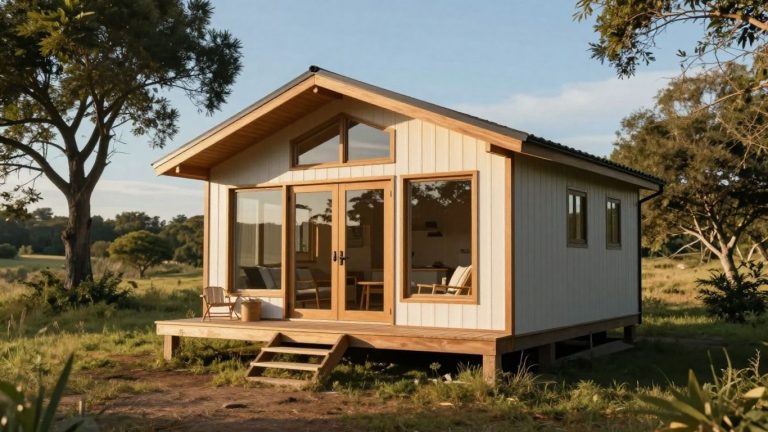
VA Loan Tiny House Tips

Imagine a veteran named Mike, fresh from 20 years in the Army. He craved freedom after years of rigid routines, so he sold his big suburban house. Now, he lives in a VA loan tiny house, saving thousands each year while enjoying simple adventures.
A VA loan tiny house means using your no-down-payment VA benefits to buy a small, efficient home. These loans help veterans, active-duty members, and eligible spouses own property without the usual upfront costs. However, tiny homes must follow strict VA rules to qualify.
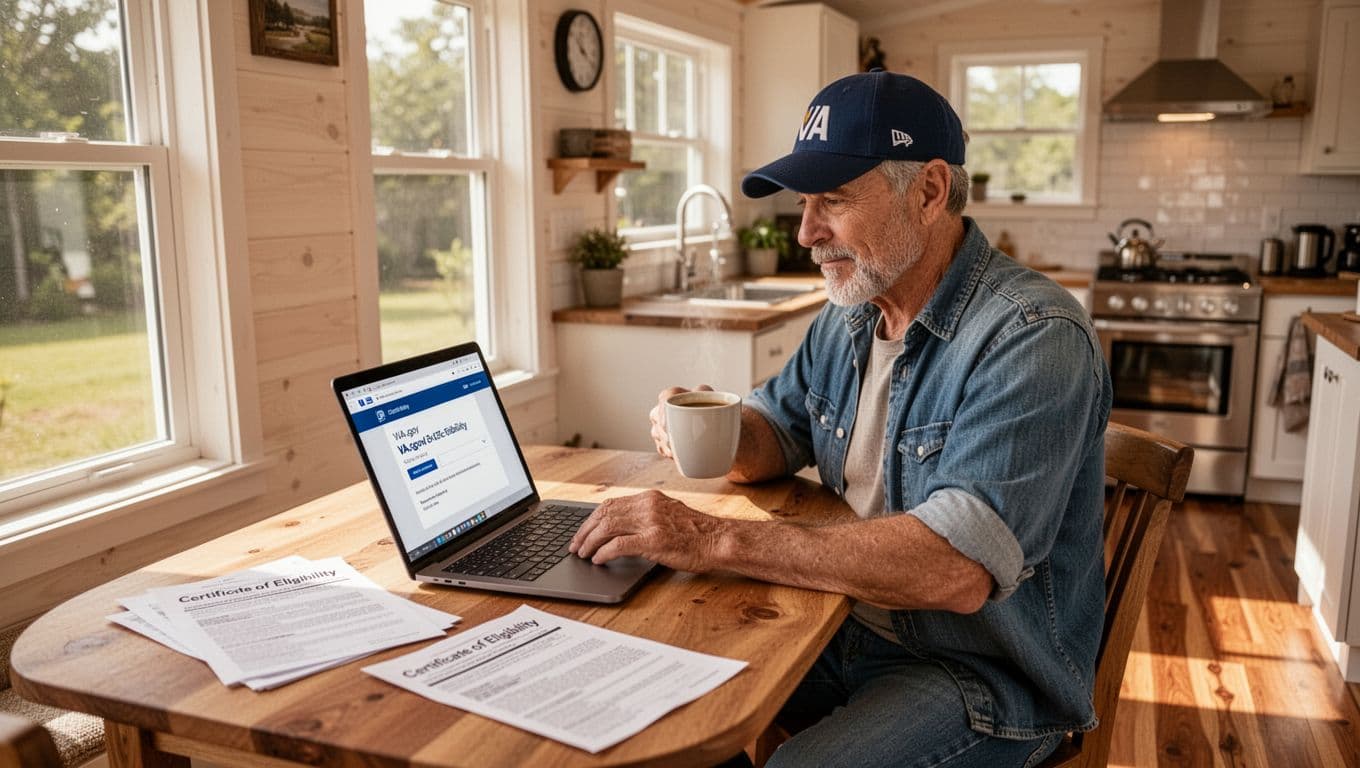
First, check your eligibility. You qualify if you’re a veteran with enough service time, currently serving, or a surviving spouse. Get your Certificate of Eligibility from the VA; it proves you can use these benefits. The home must become your primary residence, not a rental or vacation spot.
Tiny homes appeal because they cut costs and maintenance. Yet, most fail VA standards since they sit on wheels or measure under 400 square feet. Yours needs a permanent foundation tied to utilities like water and sewer to count as real property.
In addition, the VA requires at least 400 square feet of livable space for cooking, sleeping, and bathing. It must pass a safety appraisal with working heat, no hazards, and access from a road. Local zoning matters too; check if your area allows these setups.
Many lenders shy away from tiny homes due to extra rules. Still, some specialize in them and can guide you. For example, manufactured homes over 400 square feet with HUD tags might work if they meet VA minimum property requirements.
This post breaks it all down with proven tips. You’ll learn how to find eligible properties, navigate appraisals, and avoid common pitfalls. Whether you’re downsizing or starting fresh, these steps make a VA loan tiny house possible.
What Makes a Tiny House Eligible for a VA Loan?
You want a VA loan tiny house, but it must meet strict VA rules to qualify. These come from the VA’s Minimum Property Requirements, or MPRs, which focus on safety, soundness, and sanitation. In short, your tiny home needs to serve as your primary residence, sit on a permanent foundation, and connect to approved utilities. It counts as real property, like a standard house, not personal property like an RV. Tiny homes on wheels fail this test every time because lenders see them as movable. Manufactured homes built after 1976 with HUD certification can work if they follow these steps. However, local zoning and appraisals add hurdles. Let’s break down the key factors.
The Permanent Foundation Rule You Can’t Ignore
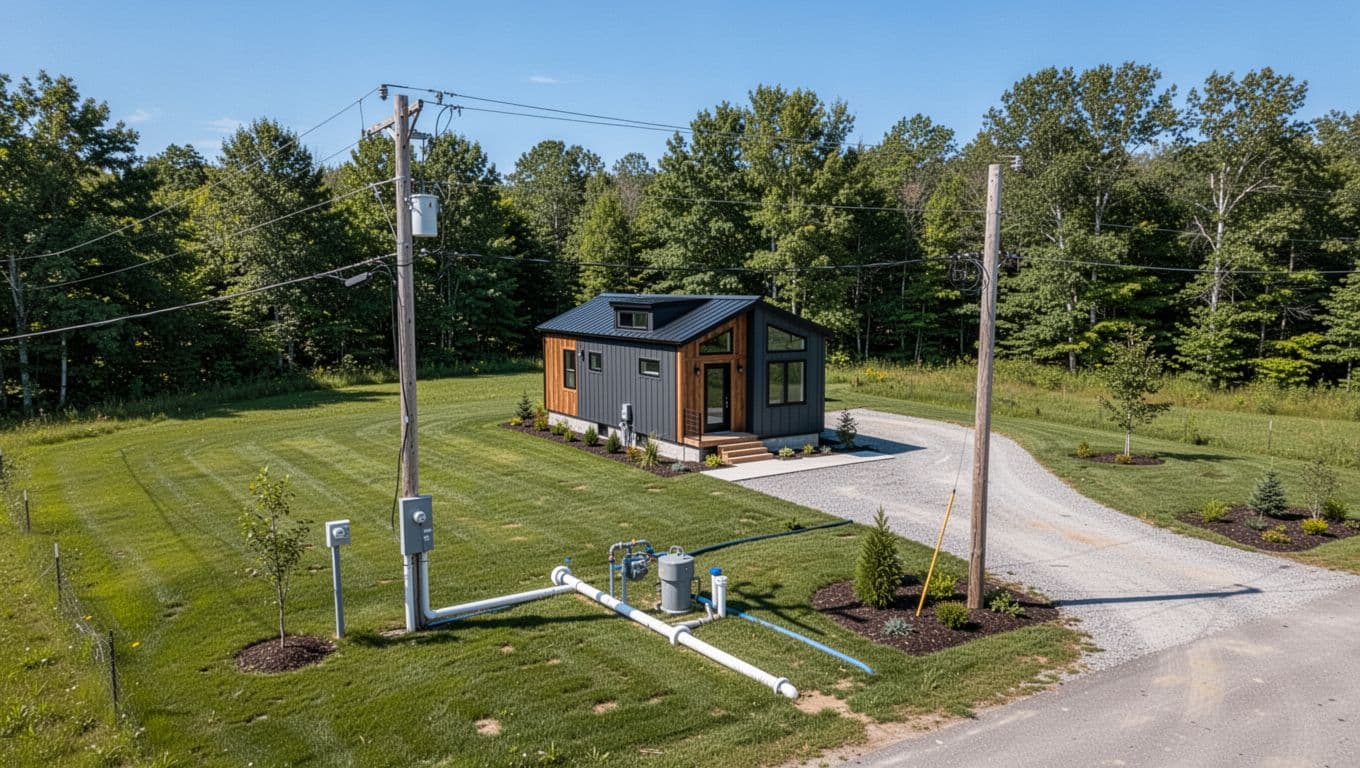
The foundation decides if your tiny house qualifies for a VA loan. It must match local building codes and secure the home to the ground. Movable setups, such as wheels or chassis, disqualify it outright because they make the home personal property.
Appraisers inspect closely. They check for solid attachments like concrete slabs or piers that prevent shifting. Slabs work best; pour them thick with rebar for strength. Piers suit uneven land; anchor them deep into soil. Always tie the home to these with permanent bolts.
For example, a veteran in Texas lost his loan last year. His 380-square-foot tiny home looked perfect, but it rested on wheels under a skirt. The appraiser flagged it as non-permanent, so the deal fell through. Connect to city water, sewer, and power too. These steps classify it as real estate. As a result, banks treat it like any house.
Minimum Size and Livable Space Standards
Size matters for VA approval. Single-wide manufactured homes need at least 400 square feet; double-wides require 700. Tiny homes must offer dedicated spaces for living, sleeping, cooking, dining, and bathing. Appraisers verify this to ensure resale value matches standard homes.
Why the focus on livability? Small spaces often lack room for essentials, so they fail MPRs. Your layout should include a kitchen with sink, stove, and fridge; a bathroom; and bedroom areas. Lofts count if accessible and safe.
Design tips help you comply. Opt for open plans that feel spacious. Place the kitchen near the living area for flow. Add a full bath with shower and toilet. Use ladders sparingly; stairs boost safety scores. One borrower succeeded with a 420-square-foot model. It had a ground-floor bedroom, L-kitchen, and loft storage. The appraiser approved because it mirrored nearby comps.
Step-by-Step Process to Get Your VA Loan for a Tiny House
Ready to turn your VA loan tiny house dream into reality? Follow these clear steps to secure financing. First, confirm your eligibility on VA.gov. Next, shop VA-approved lenders who handle small homes; many skip them due to extra rules. Then, own the land or include it in the loan. After that, pass the VA appraisal and inspections. Finally, close with zero down payment if your FICO hits 620 or higher. Timelines run 30 to 45 days for purchases, but add three to six months for construction. Costs stay low since you skip the down payment, though closing fees vary by lender. For new builds, consider a one-time close construction loan. It funds land and building in one go, then shifts to a permanent mortgage. Now, let’s break it down.
Finding the Right Lender and Preparing Your Application
Start by checking your eligibility on VA.gov. It takes minutes. Download your Certificate of Eligibility right there. Many veterans overlook this first step, so don’t skip it.
Shop lenders who know manufactured or small homes. Veterans United and Guaranteed Rate often handle these. They check for permanent foundations and 400-plus square feet. Call a few because standard banks pass on tiny setups. Pre-qualify early. It shows sellers you’re serious and locks your rate.
Gather your documents now. You’ll need your DD-214 discharge papers. Add recent pay stubs for income proof. Bank statements cover two months. Tax returns help too. Lenders verify steady income since debt-to-income ratios matter; aim under 41 percent.
Own the land outright, or buy it with the loan. Renting a lot won’t work; VA sees it as personal property. For example, one veteran bought a rural plot first. That cleared the path for his 420-square-foot home.
Pre-approval takes one to two weeks. Lenders run your credit; expect a 580 to 620 FICO minimum. Higher scores speed things up. As a result, you shop with confidence.
Navigating the VA Appraisal and Inspections
Order the VA appraisal once under contract. It costs about $500 to $800. Appraisers check safety first. They look for that permanent foundation, no wheels. Utilities must connect properly: water, sewer, power.
They measure livable space too. Kitchens need sinks, stoves, fridges. Baths require showers and toilets. Heat sources count; no hazards allowed. Zoning fits local codes. Common fixes include bolting the home down or adding stairs to lofts. One buyer fixed a weak slab for $2,000. That passed inspection fast.
Hire a private inspector besides the VA one. It costs $300 to $500 but spots issues early. They test electrical, plumbing, roof. For instance, leaks show up before closing.
Appraisals take seven to 14 days. Fixes add time, so plan ahead. If all clears, move to closing. You sign papers, get keys, no down payment needed. Construction loans follow similar paths but include builder bids upfront. In short, stay patient; your VA loan tiny house waits at the end.
Top Tips for Veterans Buying a Tiny House with VA Benefits
You have your eligibility sorted and lender lined up. Now focus on smart choices for your VA loan tiny house. These tips come from real veterans who succeeded. Consult VA loan experts early; they spot issues fast. Pre-screen every plan against Minimum Property Requirements. Budget extra for hookups too. No rentals allowed; make it your primary home. Builders like Clayton or Champion offer compliant models over 400 square feet. Local rules vary, so check zoning first. Follow these steps, and you’ll avoid delays.
Choosing Compliant Builders and Models
Pick builders who know VA rules. HUD-certified options top the list because they meet safety standards. Clayton Homes and Champion Homes build post-1976 models with red tags. These qualify if over 400 square feet and foundation-ready.
Ask for custom designs bolted to permanent slabs or piers. Verify everything with your VA lender before signing. They confirm MPR compliance on livable space, like kitchens and baths.
Shop smart. Visit builder sites or shows. Compare floor plans; pick open layouts with stairs, not just ladders. One veteran chose a Clayton 420-square-foot single-wide. It had a full bath and L-kitchen. The appraiser approved it quick.
Call the VA regional office too. They guide on approved lists. As a result, your build stays on track.
Handling Zoning, Land, and Utility Challenges
Own your land outright; VA loans demand it. Leased lots count as personal property, so buy first or roll it into the loan. Check county sites for zoning. Tiny homes need residential approval as primary residences.
Local rules differ. Some spots allow accessory dwelling units, but you must live in the main house then. Call planners early. They explain setbacks and heights.
Connect to city water, sewer, and power. Off-grid fails MPRs. Budget $5,000 to $15,000 for hookups. Hire pros for permits.
Here’s a quick checklist to stay ahead:
- Search “tiny home zoning [your county]” online.
- Confirm road access for appraisals.
- Get utility quotes before closing.
- Avoid rentals; VA watches that.
One buyer in rural Georgia owned five acres. He zoned it residential, hooked up utilities, and closed smooth. In short, plan land right, and challenges shrink.
Pitfalls to Dodge for a Smooth VA Loan Tiny House Purchase
Even smart veterans hit snags with a VA loan tiny house. These mistakes derail deals fast. However, you can spot them early and fix them. Common traps include size slips, wheel woes, bad lenders, appraisal shocks, credit gaps, and construction myths. Let’s cover each with real fixes so you stay on track.
Overlooking the 400-Square-Foot Minimum
Most tiny homes fall short at 225 square feet. The VA demands 400 for single-wides because it needs space for cooking, sleeping, bathing, and living. Smaller ones fail appraisals right away.
One veteran eyed a 350-square-foot beauty. It looked cozy, but the appraiser measured and rejected it. He upsized to a 410-square-foot model from Clayton. That passed with room to spare.
Check floor plans first. Measure livable areas only; porches don’t count. As a result, your VA loan tiny house qualifies smooth.
Falling for Tiny Homes on Wheels
Wheels tempt buyers for easy moves. Yet, the VA rejects them as personal property, not real estate. You need a permanent foundation like concrete piers or slabs.
A Texas vet almost closed on a wheeled unit. The skirt hid the chassis, but the appraiser spotted it. He lost $3,000 in fees. Instead, remove wheels and bolt it down. Local codes guide the best setup.
Picking the Wrong Lender
Standard banks skip tiny homes due to extra rules. They lack tiny house experience, so deals stall.
Shop VA specialists like Veterans United early. One buyer switched after his bank balked at 420 square feet. The new lender approved in weeks. Pre-qualify with two or three. In addition, confirm they handle manufactured homes over 400 feet.
Facing Appraisal Surprises
Appraisers flag hidden issues like weak roofs or no heat. They also check road access and resale odds.
A Georgia vet fixed a pest problem after the first fail. He spent $1,500 but closed happy. Hire a private inspector first. It catches flaws before the VA does.
Ignoring Credit and Income Rules
Low FICO scores or high debt kill loans. Aim for 620-plus and debt under 41 percent.
Boost your score months ahead. Pay down cards. One vet raised his from 610 to 635 and got approved. Lenders verify income too, so keep stubs ready.
Chasing Construction Loans or ADU Limits
VA skips construction loans for tiny homes. Buy existing ones instead. For ADUs, you can finance up to four units, but live in one.
Stick to pre-built compliant models. In short, dodge these, and your VA loan tiny house becomes reality.
Real Veteran Stories and Your Next Moves
Veterans like you have turned VA loan tiny house dreams into homes. They followed the rules on foundations, size, and land ownership. Their stories show it’s possible. You can learn from them and take clear next steps. Let’s look at successes first, then options if tiny homes don’t fit.
Success Stories from Real Veterans
One Army vet in Texas downsized after retirement. He bought five acres and placed a 420-square-foot manufactured home on a concrete slab. It had a full kitchen, bath, and loft bedroom with stairs. His VA lender, Veterans United, handled the appraisal smooth. Now, he saves $1,200 monthly on bills. In addition, he travels more with the extra cash.
A Navy spouse in Georgia owned her land outright. She chose a Clayton model over 400 square feet, hooked up city utilities, and passed zoning checks. The loan closed in 45 days with zero down. She calls it her “freedom base” because low costs let her garden and host family. These wins happened because they planned ahead.
Another vet couple in Colorado fixed early issues. Their 410-square-foot home needed pier anchors. They spent $4,000 but got approval. Today, they enjoy mountain views debt-free. As a result, real people prove VA loan tiny house setups work when you stick to MPRs.
What If Tiny Doesn’t Qualify? Smart Alternatives
Tiny homes often miss the 400-square-foot mark or permanent setup. Don’t stop there. Go for larger manufactured homes over 400 square feet with HUD tags. They meet VA rules easier and cost less than stick-built houses.
Standard homes work too. Use your VA benefits for a small ranch-style under 1,000 square feet. These pass appraisals fast and offer more space. One vet switched to a 600-square-foot manufactured option. It fit his budget and location perfect. Besides, resale holds strong.
Your Next Moves and the Road Ahead
Start today. Check VA.gov for your Certificate of Eligibility. It takes minutes. Then, contact VA lenders like Veterans United or Guaranteed Rate. Ask about tiny or manufactured options in your area.
No big changes hit in 2026. Loan limits rose to $832,750 baseline, but property rules stay the same. So, act now.
Grab your VA loan tiny house or next best fit. Picture low bills and simple living, like those vets. You served; now claim your reward.
Conclusion
Veterans deserve smart housing options after their service. A VA loan tiny house delivers that if you meet the rules. Start with eligibility on VA.gov. Get your Certificate of Eligibility fast. Then focus on permanent foundations and at least 400 square feet of livable space. These match Minimum Property Requirements for safety and resale.
The process stays straightforward. Shop lenders like Veterans United who handle small homes. Own your land, pass appraisals, and connect utilities. Builders such as Clayton offer compliant models. However, dodge pitfalls like wheels or undersized plans. Real veterans succeeded by planning ahead, just like Mike from the start of this guide.
In short, VA loans make tiny living real for you. No down payment means low costs from day one. Zoning checks and inspections add steps, but experts guide you through.
Get pre-approved today. Contact a VA specialist now. They spot issues early and lock your rate. Check VA.gov first, then call. Your simple home waits.
Picture low bills and freedom, like those success stories. Save thousands yearly on maintenance and utilities. I hope this post on VA loan tiny house benefits has been helpful to you and thanks for your service.
Back to Costs and Financing for Tiny Homes
Explore more tiny home living, design, downsizing, building, and lifestyle resources.