Exploring the Materials: What Are Tiny Homes Made Of?

Tiny homes are a growing trend for people looking to simplify their lives and reduce their environmental impact. But when you’re thinking about building one, a big question comes up: what are tiny homes made of? It’s not just about size; the materials you choose play a huge role in how sustainable, durable, and comfortable your tiny home will be. From the frame to the finishes, every material choice matters.
Key Takeaways
- Wood and steel framing are common, but SIPs offer a more integrated, insulated option.
- Exterior finishes range from traditional siding to metal roofing, with windows and doors impacting energy efficiency.
- Interior materials like drywall alternatives, sustainable flooring, and smart cabinetry are crucial for functionality.
- Eco-friendly options like reclaimed wood, bamboo, and hempcrete reduce environmental impact.
- Proper insulation (fiberglass, spray foam, natural materials) is vital for comfort and energy savings.
Common Materials Used In Tiny Home Construction
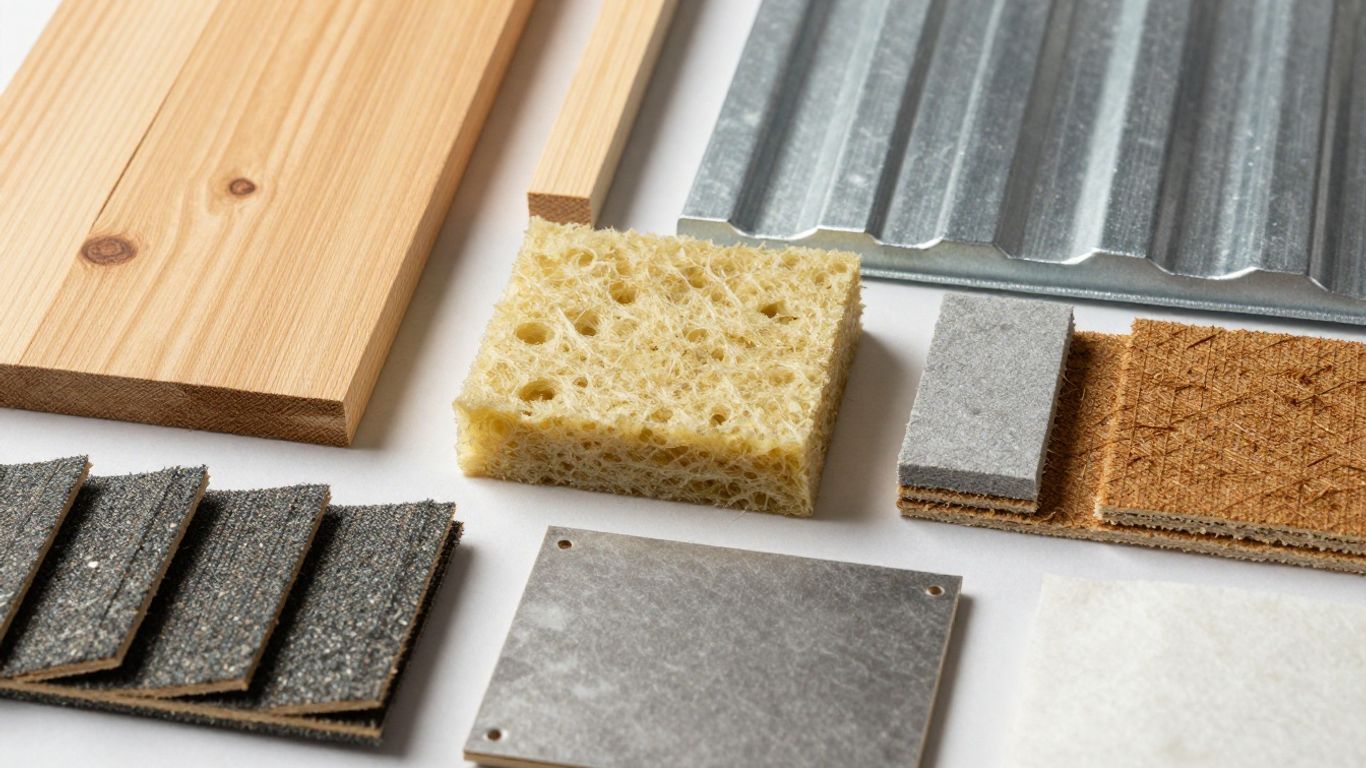
When you’re thinking about building a tiny house, the materials you choose are super important. They don’t just affect how the house looks and feels, but also how sturdy it is, how well it keeps out the weather, and even how easy it is to move if it’s on wheels. Plus, the stuff you pick can really change the overall cost and how eco-friendly your tiny home ends up being.
Wood Framing And Sheathing
Wood is probably the most common material you’ll see in tiny home construction, and for good reason. It’s pretty easy to work with, readily available, and offers a good balance of strength and weight. Most often, you’ll see standard dimensional lumber, like 2x4s or 2x6s, used for the framing. This creates the skeleton of your tiny house. Then, sheets of plywood or OSB (oriented strand board) are nailed onto this frame for sheathing. This adds rigidity and provides a surface to attach your exterior siding and interior finishes.
- Pros: Familiar to most builders, relatively inexpensive, good strength-to-weight ratio.
- Cons: Can be susceptible to moisture and pests if not properly treated or protected, can be heavy.
Steel Framing
Another popular option, especially for those looking for something a bit more durable or fire-resistant, is steel framing. It’s made from light-gauge steel studs, similar in concept to wood framing but with metal. Steel is lighter than wood, which can be a big plus for tiny homes on trailers. It’s also resistant to rot, termites, and fire. Some people really like the modern, industrial look that steel framing can lend to a structure. You can find prefab steel framing kits, which can speed up construction. For example, the SKÁLI BackCountry Cuboid uses a durable metal construction.
- Pros: Lightweight, strong, resistant to pests, rot, and fire, dimensionally stable (doesn’t warp).
- Cons: Can be more expensive than wood, requires specialized tools and fasteners, can conduct heat if not properly insulated.
SIPs (Structural Insulated Panels)
SIPs are a bit of a different beast. They’re basically sandwich panels made of an insulating foam core (like polystyrene or polyurethane) sandwiched between two structural boards, usually OSB. These panels are pre-fabricated and then assembled on-site. They combine framing, sheathing, and insulation all in one go. This can make construction really fast and result in a very strong, well-insulated structure. Because they’re so efficient, they can help keep your tiny home warmer in the winter and cooler in the summer with less energy.
Building with SIPs can lead to a tighter building envelope, which is great for energy efficiency. This means less air leakage and more consistent temperatures inside your tiny home, potentially saving you money on heating and cooling bills over time.
- Pros: Fast construction, excellent insulation, strong and durable, reduces thermal bridging.
- Cons: Can be more expensive upfront, requires careful planning for electrical and plumbing runs, less forgiving for design changes once ordered.
Exterior Finishes For Tiny Homes
Alright, let’s talk about what goes on the outside of your tiny house. This is the part that keeps the weather out and gives your home its personality, so it’s pretty important. You want something that looks good, lasts a long time, and doesn’t weigh a ton, especially if you’re planning on moving it.
Siding Options
When it comes to siding, you’ve got a bunch of choices. Metal siding is super popular because it’s tough, lasts ages, and can give your tiny home a really modern or even industrial vibe. It holds up well against rain, sun, and wind. Vinyl siding is another common pick; it’s usually more budget-friendly and comes in tons of colors. It’s lightweight, which is a big plus for tiny homes on wheels. Then there’s wood siding, which always looks classic, but you’ll need to keep up with maintenance to protect it from the elements. For something a bit different, you might see fiber cement board, which is really durable and fire-resistant, but it can be heavier.
- Metal Siding: Durable, low maintenance, modern look.
- Vinyl Siding: Affordable, lightweight, wide color selection.
- Wood Siding: Classic aesthetic, requires regular upkeep.
- Fiber Cement Board: Very durable, fire-resistant, can be heavy.
Choosing siding involves balancing aesthetics, durability, weight, and cost. Think about your climate and how often you plan to move your tiny home when making this decision.
Roofing Materials
Your roof is your tiny home’s first line of defense against the weather. You need something sturdy and reliable. Metal roofing is a fantastic option for tiny homes. It’s incredibly durable, can last for decades, and is relatively lightweight compared to some other materials. Plus, it comes in various styles and colors. Asphalt shingles are a more budget-friendly choice and are widely available, though they might not last as long as metal. Some people opt for rubber roofing, which is lightweight and flexible, making it a good fit for structures that might flex a bit during transport. The key is to pick a material that can handle rain, snow, and sun without a fuss.
Here’s a quick look at some common roofing materials:
- Metal Roofing: Long-lasting, weather-resistant, good for weight.
- Asphalt Shingles: Cost-effective, common, but may need replacing sooner.
- Rubber Roofing: Flexible, lightweight, good for movement.
Windows and Doors
Windows and doors are more than just openings; they let in light, provide ventilation, and contribute to your home’s overall look and feel. For tiny homes, especially those on wheels, weight is always a consideration. Standard vinyl windows are a popular choice because they’re affordable, energy-efficient, and not too heavy. You can find them in all sorts of sizes and styles. If you’re looking for something more high-end or custom, you might consider double- or triple-paned windows for better insulation. When it comes to doors, you’ll want something secure and well-insulated. Many tiny home dwellers opt for standard exterior doors, but some get creative with sliding barn doors or even Dutch doors to save space and add character. Don’t forget to check out inspiration for tiny house design to see how others have incorporated windows and doors into their unique spaces.
Interior Building Materials For Tiny Homes
When you’re building a tiny home, every inch counts, and that includes the materials you use inside. You want things that are durable, look good, and don’t weigh a ton, especially if your home is on wheels. Let’s talk about some popular choices for walls, floors, and those all-important cabinets.
Drywall Alternatives
Traditional drywall can be heavy and isn’t always the best choice for a tiny space that might move. Plus, moisture can be a real issue in smaller homes. Thankfully, there are some great alternatives.
- PVC Panels: These are super lightweight but still strong. They’re often bright white, which helps make the space feel bigger and brighter by reflecting light. A big plus is that they’re totally resistant to mold and mildew, making cleanup a breeze – just a quick wipe down and they look new again. They also integrate well with storage systems, which is a lifesaver in a tiny home.
- Lightweight Plywood or Luan: Thin plywood can be a good option. It’s lighter than standard drywall and can be painted or finished in various ways. It’s a solid choice for walls and ceilings.
- Wood Paneling: While heavier, some people love the look of wood paneling. Using thinner planks or reclaimed wood can keep the weight down while adding a lot of character.
Choosing interior wall materials that are moisture-resistant and easy to clean is a smart move for any tiny home. This helps keep the space feeling fresh and prevents potential problems down the line.
Flooring Choices
Flooring needs to be tough enough for daily life but also look nice. Weight is also a consideration.
- Vinyl Plank Flooring (LVP): This is a really popular choice. It’s durable, water-resistant, and comes in tons of styles that mimic wood or tile. It’s also relatively lightweight and easy to install.
- Laminate Flooring: Similar to LVP, laminate offers a wood-like appearance at a lower cost. It’s fairly durable but might not hold up as well to moisture as vinyl.
- Cork Flooring: This is a fantastic eco-friendly option. It’s surprisingly comfortable underfoot, provides good insulation, and is naturally antimicrobial. It’s also quite lightweight.
- Engineered Hardwood: If you love the look of real wood, engineered hardwood is a lighter and more stable option than solid hardwood, making it suitable for tiny homes.
Cabinetry And Countertops
These are the workhorses of your kitchen and bathroom, so they need to be functional and hold up well. Lightweight materials are key here too.
- Cabinet Materials: Look for cabinets made from lightweight plywood or composite materials. Many custom tiny home builders offer options to help you get exactly what you want without adding too much weight.
- Countertop Materials:
- Butcher Block: This is a classic choice that adds warmth. It’s wood, so it’s not the lightest, but it can be refinished over time.
- Laminate Countertops: These are very budget-friendly and lightweight. They come in a huge variety of colors and patterns.
- Recycled Glass or Paper Composites: These are more eco-friendly options that can be quite durable and add a unique look. They are often lighter than granite or quartz.
Sustainable And Eco-Friendly Tiny Home Materials
Building a tiny home is a fantastic way to live a simpler life, and it’s also a great chance to be kinder to the planet. Choosing the right materials makes a big difference in how green your tiny house really is. It’s not just about being small; it’s about being smart with what you use.
Reclaimed Wood
Think of reclaimed wood as history you can build with. This stuff comes from old barns, demolished buildings, or even old shipping pallets. Instead of letting it rot in a landfill, we get to give it a new life. Using reclaimed wood significantly cuts down on the need to harvest new trees, which is a huge win for our forests. Plus, it brings this amazing, warm, rustic feel to your home that you just can’t get with brand-new lumber. It’s perfect for accent walls, flooring, or even custom furniture.
Bamboo
Bamboo is pretty amazing. It grows super fast, like, ridiculously fast, making it a really renewable resource. You can harvest it without messing up the environment too much. It’s also incredibly strong and surprisingly lightweight, which is ideal when you’re building something small and maybe even on wheels. Plus, it’s naturally good at fighting off pests and moisture, so you don’t need a bunch of harsh chemicals.
Recycled Metal
Don’t toss that old metal! Recycling metal, like steel or aluminum, saves a ton of energy compared to making it from scratch. This means fewer greenhouse gas emissions. Recycled metal is tough, can handle rough weather, and looks pretty cool too, giving your tiny home a modern, industrial vibe. It’s a solid choice for roofing, framing, or even as exterior siding.
Hempcrete And Straw Bales
These might sound a bit out there, but they’re actually really cool eco-friendly options. Hempcrete is a mix of hemp hurds (the woody inner part of the hemp stalk), lime, and water. It’s breathable, good for insulation, and even helps regulate humidity. Straw bales, when used as building blocks, offer incredible insulation and are a completely natural, renewable resource. They create a super cozy and energy-efficient home.
Building green isn’t just a trend; it’s a responsible choice that benefits both your living space and the environment. By opting for materials that have a lower impact, you’re creating a healthier home for yourself and contributing to a healthier planet.
Here’s a quick look at some benefits:
- Reduced Waste: Gives old materials a new purpose.
- Lower Embodied Energy: Uses less energy to produce than new materials.
- Healthier Indoor Air: Often free from harmful chemicals.
- Unique Aesthetics: Adds character and a story to your home.
Insulation Options For Tiny Homes
Keeping your tiny home comfortable year-round is a big deal, and that’s where insulation comes in. It’s like a cozy blanket for your house, stopping heat from escaping in the winter and keeping it out in the summer. But not all insulation is created equal, and some options are way better for the planet and your health than others.
Fiberglass Batts
This is probably the most common type of insulation you’ll find. It’s made from fine glass fibers, usually packed into rolls or batts. It’s pretty affordable, often costing around $0.50 to $1 per square foot. Fiberglass is decent at stopping heat transfer, but it’s not the most eco-friendly choice. It can also be a bit itchy and irritating to work with if you’re doing the installation yourself.
Spray Foam Insulation
Spray foam is a bit more high-tech. It’s a liquid that expands when sprayed into cavities, creating a really tight seal. This makes it super effective at blocking air leaks, which is a huge plus for tiny homes where every bit of energy efficiency counts. Because it seals so well, it can really help keep your heating and cooling costs down. However, it’s generally more expensive, often starting at $2 per square foot, and some types can release chemicals called VOCs, so it’s worth looking into low-VOC options. It’s also a bit trickier to install and might require professionals.
Natural Insulation Materials (Wool, Cotton)
If you’re aiming for a truly green build, natural insulation materials are worth a serious look. Sheep’s wool is a fantastic option. It’s renewable, breathable, and actually helps manage moisture, which is super important in a small space. It’s also naturally resistant to pests and fire. Cotton insulation, often made from recycled denim, is another good choice. It’s non-toxic and provides good thermal performance. These natural options tend to be pricier than fiberglass, but they offer significant benefits for indoor air quality and the environment. They’re a great way to make your tiny home feel healthier and more sustainable. Choosing the right insulation is key to a comfortable tiny home, and there are many ways to approach it, from traditional fiberglass to more natural, eco-friendly choices like sheep’s wool.
When thinking about insulation, remember that a well-sealed tiny home with good insulation is key to keeping temperatures stable. This means less energy used for heating and cooling, saving you money and reducing your environmental footprint. It’s about creating a comfortable living space that works with, not against, the environment.
Utilities And Fixtures In Tiny Homes
When you’re thinking about building a tiny home, it’s easy to get caught up in the walls, the roof, and all the cool interior design stuff. But let’s not forget about the guts of the operation: the plumbing, electrical, and heating systems. These are the things that make a tiny house feel like a real home, not just a fancy shed.
Plumbing And Water Systems
This is where things can get a little tricky, especially if you’re aiming for an off-grid setup. Most tiny homes will need a way to get fresh water in and wastewater out. For water, you might hook up to a municipal supply if you’re parked somewhere with access, or you could go with a water tank and pump system. Some folks even use rainwater harvesting, which is pretty neat but requires filters and storage. When it comes to dealing with waste, you’ve got a few options. A standard septic system is common if you’re on land, but for true tiny living, composting toilets are super popular. They’re eco-friendly and don’t require a traditional sewer hookup. Greywater systems, which reuse water from sinks and showers for irrigation, are also a great way to conserve water.
- Water Source: Municipal hookup, water tank, or rainwater harvesting.
- Wastewater Management: Composting toilet, septic system, or greywater system.
- Water Heating: Propane or electric tankless water heaters are efficient for small spaces.
Electrical Systems
Powering your tiny home is another big decision. Are you going to connect to the grid, or are you going full solar? Grid-tied systems are straightforward if you have access, but they mean ongoing monthly bills. Off-grid solar setups are awesome for independence but require a significant upfront investment in panels, batteries, and an inverter. You’ll need to figure out how much power you’ll actually use – think about your fridge, lights, electronics, and any appliances. It’s all about balancing your needs with your power generation. Careful planning of your electrical load is key to avoiding power outages.
- Grid-Tied: Standard electrical connection to the utility company.
- Off-Grid Solar: Panels, batteries, charge controller, and inverter.
- Hybrid Systems: Combining grid power with solar for backup or cost savings.
HVAC And Ventilation
Keeping your tiny home at a comfortable temperature and ensuring good air quality is super important. Because these homes are so small, they can heat up or cool down quickly, but they also lose heat fast in the winter. Mini-split heat pumps are a really popular choice because they’re energy-efficient and can both heat and cool. Propane heaters are another option, especially for colder climates. Ventilation is also a big deal in a small, sealed space. You need to get fresh air in and moisture out to prevent mold and keep the air healthy. Heat Recovery Ventilators (HRVs) or Energy Recovery Ventilators (ERVs) are great for this, as they exchange air without losing too much heat.
Tiny homes often have lower utility costs compared to traditional houses, typically ranging from $50 to $150 per month. This can really depend on where you live, the weather, and whether you’re using off-grid systems.
- Heating and Cooling: Mini-split systems, propane heaters, or wood stoves (in some cases).
- Ventilation: HRVs, ERVs, or simple exhaust fans.
- Air Quality: Consider dehumidifiers or air purifiers if needed.
Tiny Homes: Big Ideas, Small Footprints
So, we’ve looked at what goes into building these smaller dwellings. It turns out, tiny homes aren’t just about shrinking your living space; they’re about making smart choices. From reclaimed wood and bamboo to recycled metal and eco-friendly insulation, the materials you pick really matter. They affect not just the look and feel of your home, but also its impact on the planet. Building a tiny house is a chance to be intentional, to create a space that’s both functional and kind to the environment. It’s about living with less stuff, but with more purpose. And that’s a pretty big idea, no matter the size of your home.
Frequently Asked Questions
What are the most common materials used to build a tiny house?
Tiny houses are often built using wood framing and sheathing, similar to traditional homes. Some builders also opt for steel framing for its durability or use Structural Insulated Panels (SIPs) for a more energy-efficient option. The exterior might feature various siding materials, while the interior can use drywall or alternative panels.
Are tiny houses eco-friendly?
Tiny houses can be very eco-friendly, especially when built with sustainable materials. This includes using reclaimed wood from old structures, rapidly growing bamboo, recycled metal, or even natural options like hempcrete and straw bales. Choosing low-VOC paints and finishes also helps create a healthier environment inside.
What kind of insulation is best for a tiny house?
Good insulation is key for comfort in a tiny house. Common choices include fiberglass batts, which are affordable, or spray foam insulation, which offers excellent sealing. Natural materials like sheep’s wool or cotton are also great eco-friendly options that help regulate temperature and moisture.
Can I build a tiny house by myself?
Building a tiny house by yourself is definitely possible if you have the right skills and tools. However, many people choose to hire professionals or work with tiny home builders. This helps ensure everything is built safely, meets local rules, and is done efficiently.
What are some lightweight materials suitable for tiny homes?
Because many tiny homes are on wheels, using lightweight materials is important. Options like PVC wall panels are strong yet light, and they are also resistant to moisture and mold. Recycled metal can be used for roofing or siding, and bamboo is a strong yet light material for various uses.
How do I choose materials for my tiny house?
When picking materials, think about durability, weight, and sustainability. For example, rot-resistant wood and metal roofing can withstand weather and travel better. Inside, opt for quality over quantity with furniture and fixtures that last. Also, consider flexible layouts and vertical storage to make the most of the small space.
Explore more tiny home living, design, downsizing, building, and lifestyle resources.