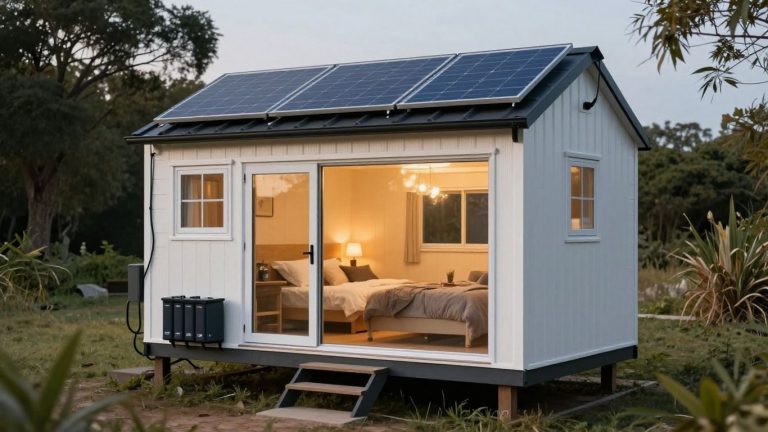
Where Are Tiny Home Communities? A Guide to the Top Locations Across the US

Thinking about downsizing or just curious about a different way to live? Tiny home communities are popping up all over the US, offering a unique blend of affordability, simplicity, and connection. If you’ve ever wondered where are tiny home communities, you’re in the right place. We’ve rounded up some of the coolest spots where people are embracing life in a smaller footprint.
Key Takeaways
- Tiny home communities offer a legal and supported way to live in small dwellings, ranging from a few homes to over a hundred.
- These communities provide essential infrastructure and shared amenities, balancing personal space with communal living.
- Locations vary widely, from urban settings to rural landscapes, catering to diverse lifestyle preferences.
- The movement is growing, with over 50 communities across the US and more emerging as regulations adapt.
- Key benefits include affordability, a simpler lifestyle, reduced environmental impact, and a strong sense of community.
1. Acony Bell
Nestled in the scenic Blue Ridge Mountains near Asheville, North Carolina, Acony Bell Tiny Home Village offers a unique living experience for tiny home enthusiasts. This community is designed for those who appreciate the outdoors and a strong sense of neighborliness. It’s a place where you can truly connect with nature and other like-minded individuals.
Residents here can bring their own certified tiny homes, provided they meet RVIA or NOAH standards. The lots are generously sized, often around 50×70 feet or larger, giving you ample space. You’ll find full hookups for utilities, making the transition smooth. Plus, there are community gardens where you can grow your own produce and plenty of hiking trails right on your doorstep.
What really sets Acony Bell apart is its commitment to an active, outdoor lifestyle. Imagine waking up to mountain views and spending your afternoons exploring the surrounding natural beauty. It’s a refreshing change from the hustle and bustle of city life, offering a more peaceful and sustainable way to live. If you’re looking for a place that combines the charm of tiny living with the beauty of the mountains, Acony Bell is definitely worth checking out. You can find more details about this move-in ready tiny home in Acony Bell Tiny Home Village.
2. Orlando Lakefront
If you’re drawn to the idea of living right on the water, Orlando Lakefront might just be your spot. This place really kicked off the whole tiny home community thing in the Orlando area back in 2015. It used to be an old RV park, but they totally revamped it into this lively village on Lake Fairview. It’s super close to downtown Orlando, just about 10 minutes away, which is pretty handy if you need city access but want to come home to a more relaxed vibe.
Living here means you get to enjoy the lake life. Think kayaking, fishing, or just chilling by the water. There’s even a restaurant across the lake you can get to by boat, which sounds pretty cool for a weekend outing. They’ve put in a lot of work to make it a nice place to live, with updated facilities and spaces where people can hang out. It’s designed so you can walk around and bump into your neighbors, which helps build that community feel.
It’s worth noting that it’s pretty popular, so it’s usually full. If you’re interested, you can get on a waitlist for a small fee. It really shows how much people are looking for this kind of living situation, blending easy access to city stuff with the peace of being by the water. It’s a great example of how to make a community feel connected and enjoyable, especially with Florida’s housing market being what it is. You can find out more about this unique lakeside community by checking out Tiny Town Orlando.
3. Circle Pond
Circle Pond is a really small community, with only about 12 spots available. This means it’s super easy to get to know everyone and feel like you’re part of something. It’s the kind of place where people actually share things, like honey from the community beekeeper.
Speaking of unique features, they’ve got a beekeeper right there on site, plus someone growing microgreens. It really leans into that whole idea of community farming and living sustainably.
Because it’s so small, the connections between residents tend to be pretty strong. You’re not just neighbors; you’re more like a little family.
It’s a great spot if you’re looking for that close-knit vibe and want to be involved in a community that’s all about working together and living a bit more simply.
4. Park Delta Bay
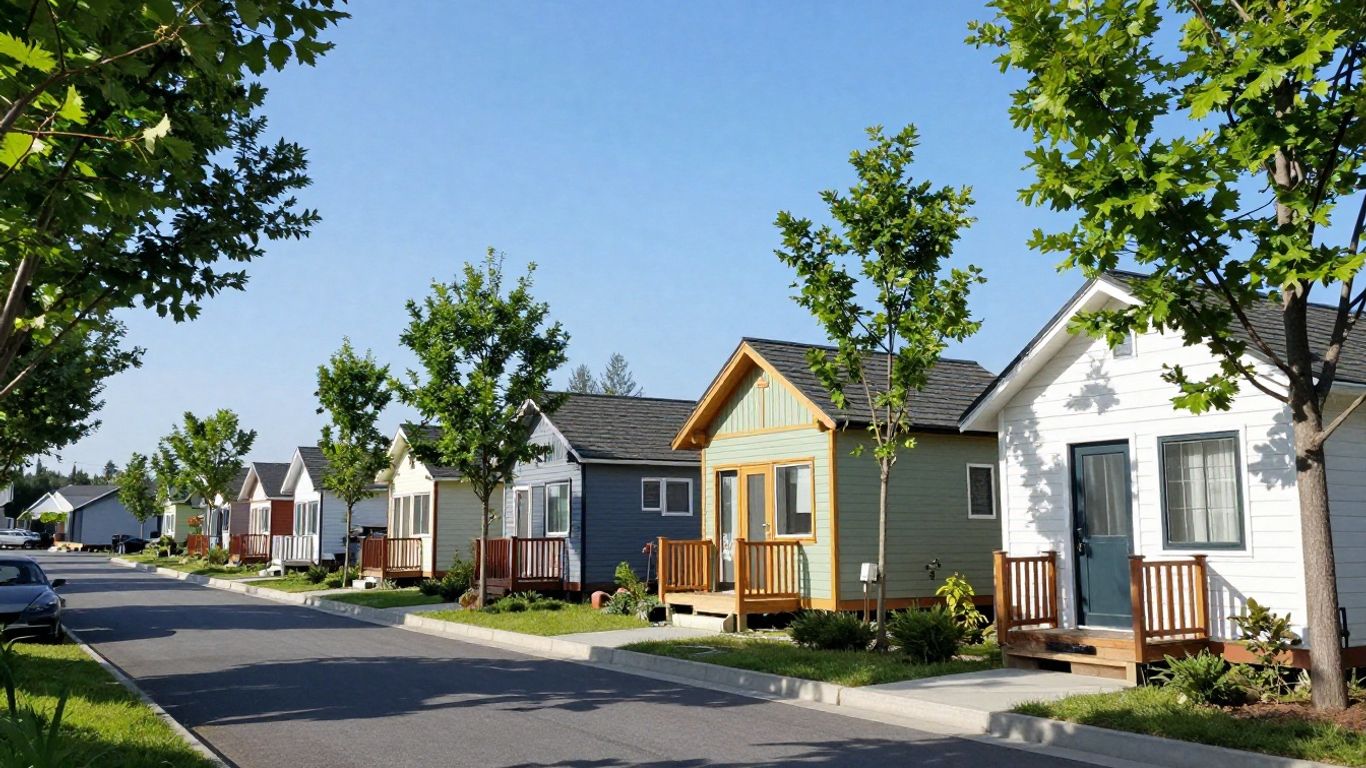
Park Delta Bay is a tiny house village and RV park located in Isleton, California. It’s known for fostering a really strong sense of community among its residents. If you’re looking for a place where people are friendly and supportive, this spot might be for you.
The area around Park Delta Bay is quite nice, offering a pleasant environment for those who enjoy being outdoors. It’s a place that seems to blend the convenience of an RV park with the unique charm of a tiny home community. The close-knit atmosphere is a major draw for many people.
For those interested in exploring lodging options in the vicinity, there are various cabin rentals available near Antioch, California, which is relatively close by. These options can give you a feel for the local area and its offerings. It’s a good way to get acquainted with the region before committing to a tiny home.
Park Delta Bay is a great example of how these communities are developing, providing a space for people to live simply and connect with their neighbors. It’s a place that really emphasizes the social aspect of tiny living, which is something many people seek when they decide to downsize.
5. Tiny Tranquility
Nestled on the Oregon coast in Waldport, Tiny Tranquility offers a really peaceful spot for tiny home dwellers. It’s the kind of place where you can hear the ocean and feel connected to nature. They’ve got a good number of sites, over 40, so there’s a decent amount of space. What’s cool is the direct beach access – imagine just stepping out and being by the sea!
This community isn’t just about individual homes; they really focus on building connections. There’s a lodge, some activity barns, and even a greenhouse. Plus, they host regular community events and DIY workshops, which is a great way to meet people and learn new skills. It sounds like a place where you can really get involved if you want to.
For those thinking about the practical side, the monthly costs seem to range from $600 to $900. They do allow you to bring your own tiny home (BYOH), which is a big plus for many. The whole vibe seems to be about a relaxed, coastal lifestyle combined with a strong sense of togetherness. If you’re looking for that Pacific Northwest charm with a community feel, Tiny Tranquility is definitely worth checking out. It’s a place that seems to balance personal space with shared experiences really well.
6. Simply Home
When you hear about tiny home communities, especially in North Carolina, Simple Life often pops up. They’ve really built a name for themselves with places like The Hamlet and The Village in Flat Rock. It’s not just about having a small house; it’s about how they design the whole neighborhood to make small living feel big.
What sets Simple Life apart is their focus on creating actual neighborhoods, not just a collection of tiny houses. They tackle common hurdles like zoning and financing head-on, making it easier for people to buy and live in these homes. Their houses are typically between 287 and 540 square feet, which is cozy but still functional. You’ll find full kitchens, decent ceiling heights, and big windows that make the space feel more open.
Beyond the homes themselves, they put a lot of thought into the community aspect. Think walking trails, fitness centers, and gathering spots. It’s about having amenities that add to your lifestyle without the hassle of maintaining them yourself. They handle a lot of the upkeep, so residents have more free time.
Living in a tiny home community like Simple Life means downsizing your physical space but often expanding your social connections and free time. It’s a trade-off that appeals to many looking for a simpler, more connected way of life.
Here’s a quick look at what makes their communities appealing:
- Thoughtful Home Design: Homes include full kitchens, good ceiling height, and large windows.
- Useful Amenities: Access to pools, fitness centers, gardens, and walking trails.
- Strong Community Feel: Regular events and neighborly interactions are common.
- Convenient Location: Flat Rock offers a balance of quiet living with access to nearby towns and cities.
If you’re considering a tiny home, touring a place like Simple Life can give you a real sense of what this lifestyle entails. They offer financing options and homes that start in the high $100Ks, making ownership more accessible than you might think.
7. The Hamlet
The Hamlet, located in Flat Rock, North Carolina, is part of the Simple Life community, which focuses on creating neighborhoods where life feels bigger, even with smaller homes. It’s not just about having a tiny house; it’s about the lifestyle and the connections you build.
This community is designed for people who want a more intentional way of living, balancing personal space with a strong sense of belonging. They offer homes that are right-sized, typically between 399 and 550 square feet, but the living space extends well beyond your front door. Think of it as a neighborhood built for actual people, not just houses on a map.
What really sets The Hamlet apart is the emphasis on shared spaces and activities. You’ll find amenities like walking trails that wind through green areas, a clubhouse that’s often buzzing with activity, and a general atmosphere where neighbors actually know each other’s names. It’s this blend of private home life and active community engagement that makes places like The Hamlet feel so alive and welcoming.
Here’s a quick look at what makes The Hamlet a standout:
- Thoughtful Home Design: Expect full kitchens, decent ceiling heights, and large windows that make the homes feel spacious and complete, not cramped.
- Useful Amenities: The community offers things you’ll actually use, like pools, fitness areas, gardens, walking paths, and even dog parks.
- Genuine Community Feel: There’s a calendar full of events and gatherings, and it’s common for neighbors to form real friendships.
- Convenient Location: Situated in Flat Rock, it’s close to Hendersonville and a reasonable drive to Asheville, offering a mix of small-town peace with access to city conveniences like healthcare and airports.
The idea behind The Hamlet is that you gain more by choosing less square footage. It’s about finding a balance, being more affordable, and living in a place that feels like a real neighborhood. It’s a great option for retirees, people working remotely, or anyone looking for a seasonal getaway that feels like home.
8. The Village
The Village is a place that really leans into the idea of a shared life, almost like a modern-day commune but with tiny homes. It’s not just about having a small house; it’s about being part of something bigger. They focus a lot on community events and making sure everyone knows their neighbors. Think potlucks, workshops, and just generally hanging out together.
What makes The Village stand out is its commitment to sustainability and shared resources. They often have community gardens where everyone pitches in, and sometimes even shared tools or workshops. It’s a pretty neat setup if you’re looking to reduce your footprint and live more collaboratively.
The core idea here is that living small doesn’t mean living isolated. It’s about building connections and supporting each other, all within a compact living space. This community is designed to encourage interaction and a sense of belonging.
Here’s a quick look at what you might find:
- Community Gardens: Grow your own food alongside your neighbors.
- Shared Workshops: Access to tools and spaces for DIY projects.
- Regular Social Events: From game nights to seasonal celebrations.
- Cooperative Living: Opportunities to share responsibilities and resources.
It’s a place where people seem to genuinely enjoy each other’s company and work together to make their little corner of the world a bit better. If you’re someone who thrives on connection and wants to be part of an active, engaged community, The Village could be a really good fit.
9. Lemon Cove Village
Nestled right at the foot of the Sierra Nevada not far from Sequoia National Park, Lemon Cove Village is an easy pick if you’re searching for affordable tiny home living in California. This spot isn’t your average RV setup—here, you get a mix of tiny houses, renovated trailers, and RVs, so there’s a pretty cool blend of neighbors. The vibe is relaxed, outdoorsy, and just a touch rustic, yet you won’t have to give up much in the way of modern necessities.
Here’s what you’ll find if you land in Lemon Cove:
- Community pool for those hot inland afternoons
- On-site laundry, which comes in handy more often than you’d think
- High-speed Wi-Fi, so working remotely or streaming isn’t a hassle
- Big gathering areas—bonfires, potlucks, or lazy Saturday hangs are a regular thing
Prices range a bit depending on what you need. Expect monthly rates from around $700 to $1,200, and most homes stretch from 400 to 800 square feet. You can bring your own RV-certified tiny home if that’s your thing, or you might find a pre-built unit or a trailer ready to move into. Parking spots are easy enough to sort out with the management.
| Monthly Rate | Home Size | Features |
|---|---|---|
| $700–$1,200 | 400–800 sq ft | Pool, Wi-Fi, Laundry, Community |
There’s something low-key special about waking up and having Sequoia National Park almost in your backyard. Easy access to hiking, wildlife, and mountain air kind of makes the early mornings worthwhile.
Lemon Cove Village makes it pretty straightforward: transparent pricing, flexible about your home style, and friendly management. If you’re after a small-space lifestyle that’s truly close to California’s major parks, this might be your new favorite corner of the state.
10. WeeCasa
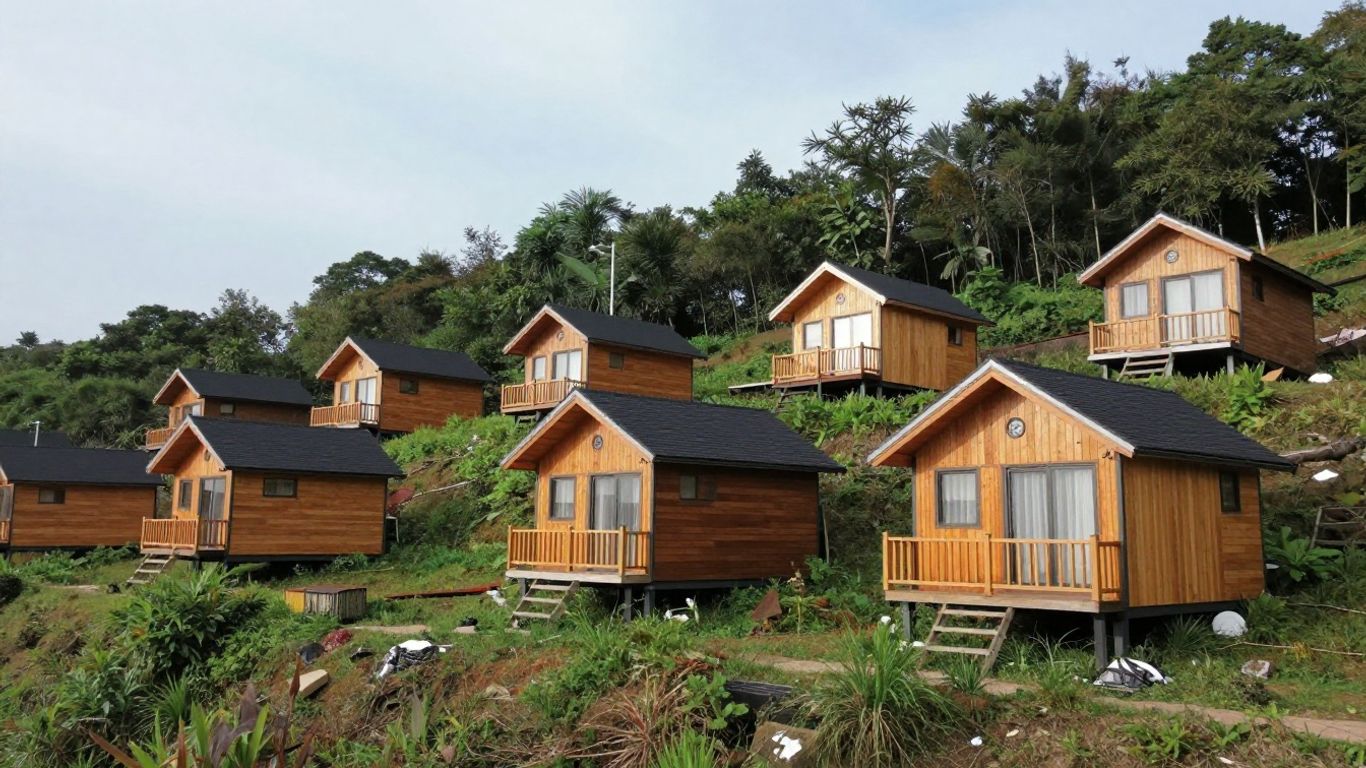
WeeCasa in Lyons, Colorado, offers a really unique take on the tiny house scene. Instead of just selling lots or requiring you to bring your own home, they’ve set up a whole resort. Think of it as a place where you can actually rent a tiny house, either for a quick weekend getaway or for a longer stay to really get a feel for the lifestyle. It’s located right in the Colorado Rockies, so the views are pretty spectacular.
They have about 22 tiny houses available, and they’re all fully furnished. This is super handy if you’re not sure about tiny living yet. You don’t have to worry about buying furniture or even setting up utilities. It’s all taken care of. Plus, being a resort, they’ve got amenities like an event center, a restaurant, and access to a creek. It’s a great way to test the waters before you commit to buying or building your own tiny home. You can find more about places like this by looking into Colorado tiny house communities.
WeeCasa operates on a rental-only model, meaning you can’t bring your own tiny home here. It’s designed for experiencing tiny living through their provided accommodations and services.
Finding Your Tiny Home Spot
So, you’ve seen a bunch of places where tiny homes are popping up. It’s pretty clear that this way of living is catching on, and for good reason. Whether you’re drawn to the mountains, the coast, or just a friendly neighborhood vibe, there’s likely a tiny home community out there for you. These places offer more than just a spot to park your house; they’re about finding a community and a simpler way to live. If you’re thinking about making the jump, remember to check out each community, maybe even visit, and see if it feels like the right fit. The tiny home adventure is out there waiting.
Frequently Asked Questions
What exactly is a tiny home community?
A tiny home community is a special neighborhood where people can live in small, compact houses. Think of it like a regular neighborhood, but all the houses are much smaller, usually under 400 square feet. These places have everything you need, like spots to park your tiny home and shared areas where neighbors can hang out.
Why are so many people choosing tiny homes now?
Lots of folks are drawn to tiny homes because they want to live more simply and save money. Traditional houses can be super expensive, and tiny homes offer a more affordable way to own a home. Plus, living small means less stuff to take care of and more time for things you enjoy, like hobbies or spending time with friends and family.
Can I bring my own tiny house to one of these communities?
In most cases, yes! Many tiny home communities are happy for you to bring your own tiny house, as long as it meets certain standards, like having official certifications. It’s always a good idea to check with the specific community first to make sure your home fits their rules.
Are there any downsides to living in a tiny home community?
Like anything, there can be a few challenges. You’ll need to downsize your belongings, which can take some effort. Also, making sure your tiny home meets all the local rules and regulations can sometimes be tricky, but communities are designed to help with this.
How much does it usually cost to live in a tiny home community?
The cost can really vary depending on where the community is and what it offers. Some places might cost around $400 a month, while others could be $1,000 or more. This usually covers your spot for your tiny home and access to shared facilities. Don’t forget to also think about bills like electricity and water.
How can I find a tiny home community near me?
The best way to find a community is to do some online searching for ‘tiny home communities’ in the area you’re interested in. Many communities have websites where you can see pictures, learn about their features, and even take virtual tours. Visiting in person is also a great way to get a feel for the place and talk to the people who live there.
Explore more tiny home living, design, downsizing, building, and lifestyle resources.
- Kansas HOA Laws Review
- How Much Does Tiny Home Insurance Cost? A Realistic Guide to Premiums
- EcoFlow Delta 3 Pro vs Jackery Explorer 5000 Plus Compared
- Small Septic System for Tiny House: Types, Costs, Rules
- Tiny Home Grey Water System: Reuse Water Legally
- Composting Toilets for Tiny Homes: Best Picks Compared