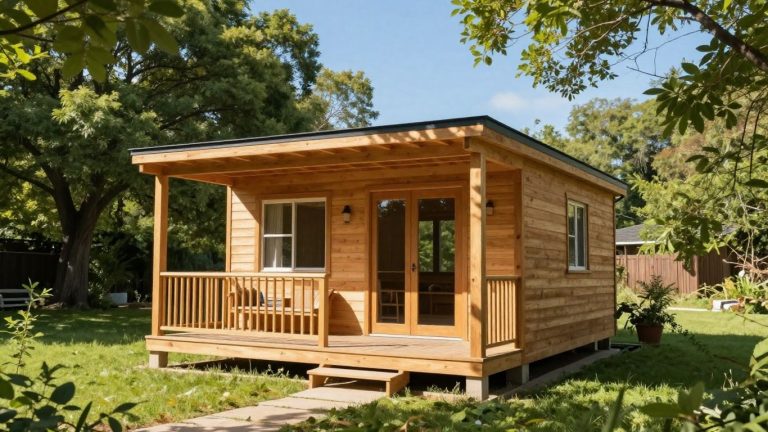
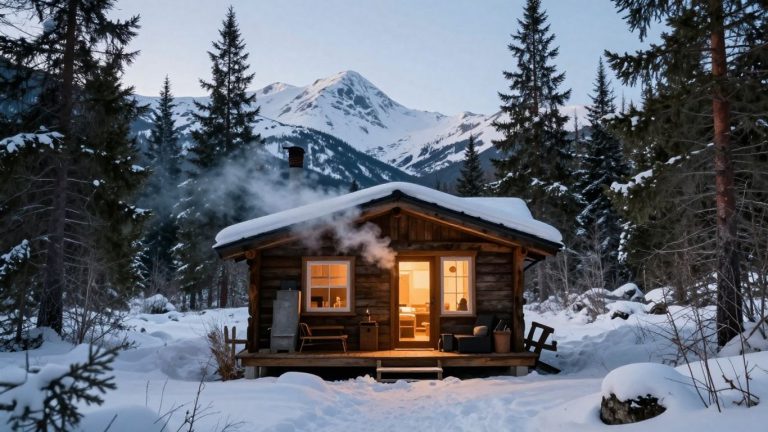
Which States Are Tiny House Friendly? A Comprehensive Guide

Thinking about downsizing to a tiny house? It’s a great idea for many people looking to simplify their lives and reduce expenses. But before you start planning your dream tiny home, you’ve got to figure out where you can actually put it. Laws about tiny houses can be pretty confusing and they change a lot depending on where you are. This guide is here to help you figure out which states are tiny house friendly and what you need to know to make your tiny living dream a reality.
Key Takeaways
- California and Florida have some of the most flexible rules, with many counties not setting minimum square footage limits.
- Texas offers a lot of freedom in rural areas, but you still need to follow local building and safety rules.
- Colorado has unique rules, especially for tiny houses on wheels, but some areas are very welcoming.
- Appendix Q of the International Residential Code provides standards for tiny homes on foundations, but not all states or cities have adopted it.
- Always check local zoning laws and building codes, as regulations vary greatly even within the same state.
States With Progressive Tiny House Regulations
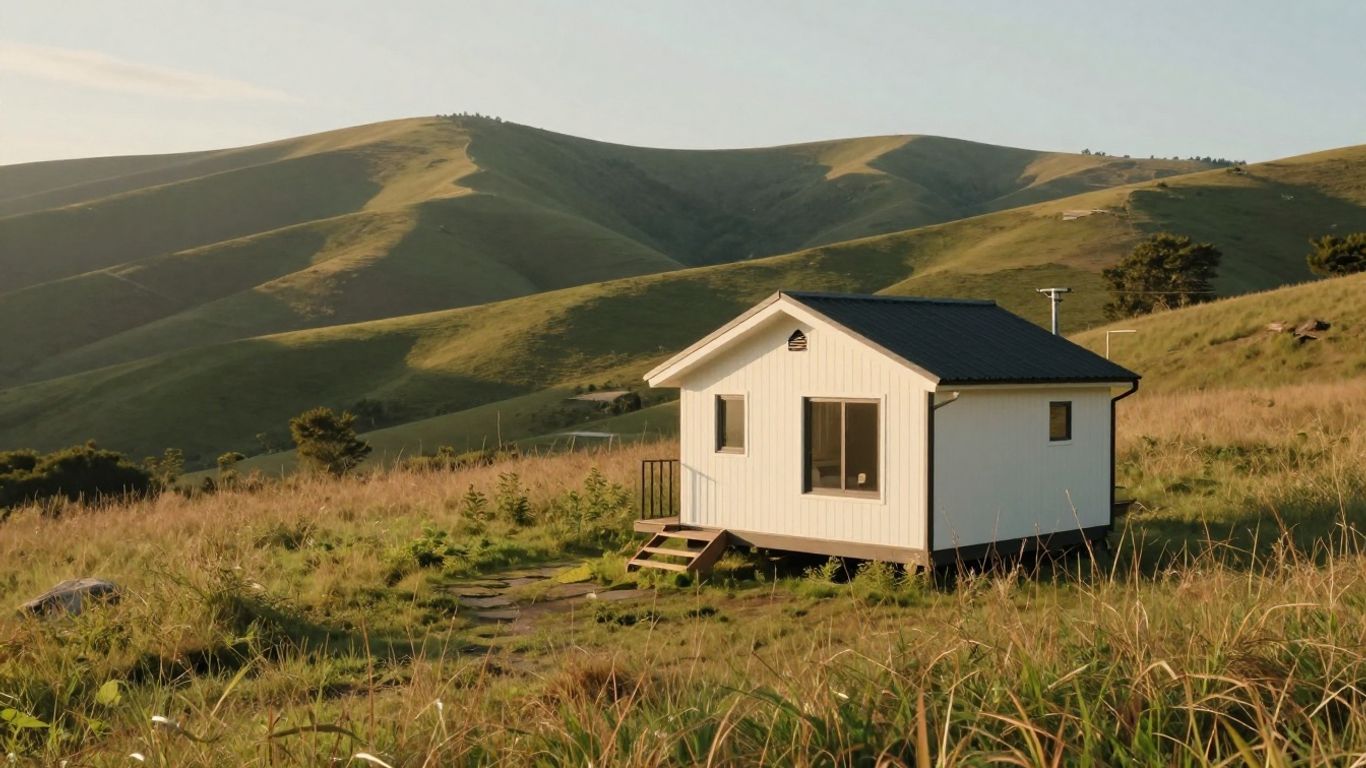
Some states are really stepping up and making it easier for people to build and live in tiny homes. It’s not a free-for-all everywhere, but these places have shown they’re open to alternative housing solutions. Let’s take a look at a few that stand out.
California’s Approach to Tiny Homes
California has been working on its tiny house rules, with the state’s Department of Housing and Community Development setting some guidelines. But here’s the thing: each county and city gets to make its own specific laws. So, while the state has a framework, you’ll always need to check with your local area. For tiny homes built on foundations, they generally need to follow the National Residential Code and the California Building Standards Code. If they don’t, there needs to be a special pre-approval for the project. It’s a bit of a mixed bag, but there’s definitely movement towards acceptance.
Texas: Rural Flexibility and Local Codes
Texas is often mentioned as being pretty friendly to tiny homes, especially outside of the major city limits. Many counties in rural Texas don’t have super strict rules, so you might find more freedom to place a tiny home there. However, don’t think you can just build anything anywhere. You still have to follow local building codes, safety rules, any subdivision regulations, and rules about things like water supply. It’s this balance between rural freedom and local oversight that makes Texas a notable spot.
Florida’s Lenient Housing Options
Florida has some counties that are quite relaxed when it comes to building tiny homes. Places like Sarasota and St. Petersburg, and even larger areas like Orange County, have fewer housing options, which has led them to be more open. Some areas in Florida don’t even have a minimum square footage requirement for building homes, which can make your tiny house plans much simpler to execute. It’s worth looking into specific counties to see just how easy they make it.
Colorado’s Unique Tiny House Ordinances
Colorado is another state that’s generally welcoming to tiny living, but it can be a bit tricky, especially with tiny homes on wheels (THOWs). Some counties in Colorado actually forbid THOWs from being used as a primary residence. On the flip side, El Paso County made history by creating one of the first zoning ordinances specifically for tiny homes on wheels. This shows that even within a single state, approaches can vary wildly, from very restrictive to quite innovative.
Navigating Tiny House Laws By Region
North Carolina’s City and County Ordinances
North Carolina has a bit of a mixed bag when it comes to tiny house rules. While the state itself has building codes you’ll need to follow no matter where you are, the real nitty-gritty details often come down to individual cities and counties. Think of it like this: the further you get from a major city center, the more relaxed things might become. Some popular spots, like Asheville, have their own specific rules that can be a bit stricter. It’s always a good idea to check with the local planning department for the exact area you’re interested in. They’ll have the most up-to-date information on what’s allowed and what’s not.
Utah’s Restrictions on Transportable Homes
Utah can be a bit tricky if you’re looking at a tiny house on wheels (THOW). The state generally prefers homes with a permanent foundation. This means finding a legal spot for a THOW might take some extra effort. Many people end up making arrangements with landowners in rural areas. However, if you’re thinking about an accessory dwelling unit (ADU) or a tiny home built on a foundation, you might find more options, especially in places like Salt Lake City. It really pays to do your homework here.
Midwest States: A Patchwork of Regulations
The Midwest is kind of a wild west for tiny houses. You won’t find many states with outright bans, but that doesn’t mean it’s simple. Each town, county, and sometimes even neighborhood can have its own set of rules. Some areas might have minimum square footage requirements that are hard for tiny homes to meet, while others are more flexible, especially in rural areas. It’s a real patchwork, so you absolutely have to research the specific location you have in mind. Finding a place to legally park or build your tiny home often depends on very local zoning decisions.
Here’s a general idea of what to expect:
- Minimum Square Footage: Many towns have rules about how small a house can be. Tiny homes might not meet these if they’re not classified correctly.
- Zoning Classifications: Is it considered an RV, a primary dwelling, or an ADU? This classification matters a lot.
- Permitting Process: Even if allowed, you’ll likely need permits and inspections, which can vary widely.
- Utility Hookups: Connecting to water, sewer, and electricity can be a hurdle depending on the location.
Understanding Tiny House Zoning Concepts
So, you’re thinking about going tiny. Awesome! But before you start dreaming about your miniature abode, we’ve got to talk about the nitty-gritty: zoning. It’s probably the most confusing part of the whole tiny house adventure, but it’s super important. Basically, zoning laws are what decide where you can put your tiny house and what kind you can even build. It’s a tangled mess of rules that can change from state to state, and even from town to town.
Foundation-Built vs. Tiny Houses on Wheels
This is a big one. You’ve got two main types of tiny homes to consider, and they’re treated very differently by the law. First, there are tiny houses built on permanent foundations. These are usually regulated like regular houses and can often fall under specific codes. Then, you have tiny houses on wheels, or THOWs. These guys are typically seen as recreational vehicles (RVs) or mobile homes. This classification really changes things, affecting where you can park it, how it’s taxed, and if you can even live in it full-time.
- Foundation Homes: Treated more like traditional dwellings, often easier to get permits for as a permanent residence.
- THOWs: Often classified as RVs, meaning they might only be allowed in RV parks or specific tiny house communities. This can also impact insurance and registration.
The Role of Appendix Q in Tiny House Construction
Think of Appendix Q as a special set of guidelines within the larger International Residential Code (IRC). It’s designed specifically for tiny houses that are between 120 and 400 square feet and are built on permanent foundations. If your local town or county has decided to adopt Appendix Q, it makes building a tiny house much more straightforward. It covers things like ceiling heights, loft rules, and how to handle stairs and emergency exits. It’s a big deal because it provides a clear legal path for tiny homes where it’s adopted. Not every state or city has hopped on board with it yet, though, so you still need to check your local rules. You can find more information about how states like Tennessee have incorporated Appendix Q.
Accessory Dwelling Units (ADUs) as a Tiny House Solution
Another really popular way to make tiny living work is through Accessory Dwelling Units, or ADUs. These are basically smaller, secondary homes built on the same property as a main house. Lots of places are creating specific rules for ADUs, and a tiny house often fits right in. These laws usually lay out size limits (often up to 1,200 square feet), how far they need to be from the main house, and whether the owner has to live on the property. It’s a great option if you want to add housing to your existing property or if your local zoning doesn’t allow for standalone tiny homes but does allow ADUs.
Zoning is complex, and rules change. Always, always, always check with your local planning and building departments. They are the ultimate source for what’s allowed in your specific area. Don’t rely on general information alone; get the facts straight from the horse’s mouth before you buy land or start building.
Here’s a quick rundown of what to expect:
- Zoning Verification: First things first, make sure your chosen spot allows for the type of dwelling you want. Is it zoned for residential use? Or specifically for an ADU or an RV if you’re going with a THOW?
- Permits and Inspections: Most places will require building permits. This means submitting plans, getting them approved, and then having inspectors come out at various stages of construction.
- Utility Hookups: You’ll need to figure out how to connect to water, sewer or septic, and electricity. This can sometimes be a hurdle, especially in more rural areas.
Understanding these zoning concepts is your first major step toward making your tiny house dream a reality. It takes some homework, but getting it right from the start saves a lot of headaches later on.
Key Considerations for Tiny House Placement
So, you’ve decided a tiny house is the way to go. Awesome! But before you start picking out paint colors, there are some pretty important things to figure out about where you’re going to put it. It’s not quite as simple as just parking it anywhere, unfortunately.
Local Zoning and Minimum Square Footage Requirements
This is probably the biggest hurdle for most people. Cities and towns have rules, called zoning ordinances, that dictate what kind of buildings can go where. Some places have minimum square footage requirements for homes, and if your tiny house is too small, it just won’t fly. It’s like trying to fit a square peg in a round hole, but with building codes.
- Check Local Zoning: Always, always, always start with your local planning or zoning department. They’ll tell you what’s allowed in different areas (like residential zones, agricultural zones, etc.).
- Minimum Size Rules: Look out for minimum square footage rules. These can range from 400 sq ft to over 1,000 sq ft in some places, which can be a real deal-breaker for tiny homes.
- Accessory Dwelling Units (ADUs): Sometimes, a tiny house can be placed on a property as an ADU. These often have their own set of rules, which might be more flexible than general zoning.
Don’t assume anything. What’s legal in one town might be completely forbidden in the next. Doing your homework upfront saves a ton of headaches later.
Building Codes and Inspection Processes
Beyond zoning, there are building codes. These are the technical rules about how a house needs to be built for safety. For tiny houses, this can get a bit tricky, especially depending on whether it’s on wheels or a foundation.
- Foundation Homes: If your tiny house is built on a permanent foundation, it’s usually treated like a regular house and needs to meet standard building codes. This means inspections during construction.
- Tiny Houses on Wheels (THOWs): These are often classified as RVs. This means they might need to meet RV safety standards and could be restricted to RV parks or specific zones where RVs are allowed long-term.
- Appendix Q: This is a part of the International Residential Code (IRC) that offers specific guidelines for tiny houses on foundations (between 120-400 sq ft). If your local jurisdiction has adopted Appendix Q, it can make things much clearer and easier.
Working with Local Government Officials
Honestly, talking to people in local government can make or break your tiny house dream. They’re the ones who interpret and enforce the rules.
- Be Prepared: Go in with a clear idea of what you want to build and where. Have drawings or plans ready.
- Ask Questions: Don’t be afraid to ask for clarification. If a rule seems confusing, ask them to explain it in plain terms.
- Build Relationships: Being polite, respectful, and showing you’ve done your research goes a long way. Sometimes, officials are more willing to work with you if they see you’re serious and trying to follow the rules.
It might seem like a lot of red tape, but understanding these placement considerations is the first step to actually living in your tiny home legally and happily.
States Embracing Alternative Housing Solutions
More states are getting creative about how they handle tiny homes, with each one rolling out its own version of flexibility. This is actually a big deal for people chasing that dream of simple, small-space living. Here’s how four noteworthy states—Wisconsin, Indiana, Iowa, and Minnesota—have each come up with different ways to support alternative housing options.
Wisconsin’s Dual Classification Approach
Wisconsin stands out because it lets builders and buyers choose how to classify their tiny houses. You can build a tiny home either as a permanent dwelling (using standard residential codes) or as a recreational vehicle (RV) if you’d rather be on wheels. How it works:
- Permanent dwellings need to meet local building codes including fire safety, insulation, and plumbing.
- Tiny homes on wheels are regulated as RVs, mostly used for seasonal or temporary stays.
- Some Wisconsin towns are piloting entire tiny home villages, creating pockets where alternative housing is truly welcome.
The dual path gives people a genuine chance to customize their living situation, whether that’s settling down or rolling from place to place.
Indiana’s Focus on Safety Standards
Indiana is focused less on how big your home is, and more on how safe it is. If you follow certain state safety standards, you can build a smaller home—sometimes under 400 square feet. This is what you’ll run into:
- Proper smoke alarms and emergency exits are a must for every tiny home—no exceptions.
- Structures must be placed on permanent foundations if you want full legal residence status.
- Some rural Indiana counties may be more lenient than cities, so rules vary.
The emphasis on safety means fewer bureaucratic hoops if your design is smart and straightforward.
Iowa’s Rural County Flexibility
Iowa’s rural counties can be refreshingly open-minded about non-traditional housing.
- Many counties don’t enforce minimum square footage requirements for stick-built homes.
- Tiny homes are mostly permitted on private lots with standard well and septic.
- Several townships are exploring options for tiny house developments, including small clusters and agrihoods.
Don’t forget to double-check local ordinances though—city areas in Iowa can have strict codes.
Minnesota’s Energy Efficiency Emphasis
In Minnesota, the tiny house movement has an eco-friendly twist. State and local governments have encouraged tiny homes by:
- Prioritizing energy-efficient construction and sustainable materials.
- Allowing ADUs (Accessory Dwelling Units) in a growing number of metro and rural communities.
- Providing grants or financial incentives in some places for green building methods.
| State | Foundation Built | Tiny Homes on Wheels | Focus Area |
|---|---|---|---|
| Wisconsin | Yes | Yes | Choice & Zoning |
| Indiana | Yes | Limited | Safety Standards |
| Iowa | Yes | Some Areas | Rural Flexibility |
| Minnesota | Yes (ADUs) | Not Common | Energy Efficiency |
Each of these states takes its own route—a real mix of practical fixes and creative rule-making. If you’re considering where to take your tiny home dreams, these are four places you’ll want to check out.
Exploring Tiny House Communities and RV Parks
Tiny house life comes with its own set of challenges—especially when it comes to finding the right spot to settle down. Many people turn to tiny house communities and RV parks because they make placement easier and offer built-in perks. Let’s break down what you can expect with these options.
RV Parks Welcoming Tiny Homes
RV parks are a go-to choice for tiny house owners, especially those with homes on wheels. These parks usually provide all the necessary hookups—water, power, sewage—which can make day-to-day living much simpler.
- RVIA-certified tiny homes are the most widely accepted, as parks are used to dealing with RVs and usually require this certification for long-term stays.
- Rental terms can be flexible: some spots allow weekly, monthly, or even annual agreements. Monthly costs can range from $400 to $800, depending on location and the level of amenities.
- Park amenities often include things like laundry, basic security, and on-site trash disposal, which many tiny house dwellers appreciate.
Here’s a quick look at typical rate ranges across the Midwest:
| Length of Stay | Estimated Cost (Per Month) |
|---|---|
| Short-Term | $500–$750 |
| Long-Term | $400–$800 |
RV parks are great for folks who want to ease into tiny living without dealing with land purchases or building permits upfront.
Tiny House Communities with Pre-Approved Zoning
For people who crave a sense of place and like the idea of neighbors who "get it," tiny house communities are appealing. These communities are designed for—and often by—tiny house enthusiasts. Many include thoughtful features you won’t find in a typical RV park.
Some benefits include:
- Affordability: Living costs here are generally lower compared to big city apartments or traditional houses.
- Community support: These neighborhoods encourage social connections, shared projects, and communal activities—ideal for avoiding isolation.
- Sustainability: Many communities emphasize solar power, community gardens, and eco-friendly living.
Examples of established tiny house communities include:
- Orlando Lakefront at College Park (Orlando, FL)
- Tiny House Siesta (Sarasota, FL)
- Circle Pond (Ruskin, FL)
- Gracious Tiny House Park (Okeechobee, FL)
A few things to keep in mind when considering these communities:
- Some have HOA rules or community guidelines you’ll need to follow.
- Waitlists are common—these communities can fill up fast.
- Not every state has them, so you may have to look out of state for the right fit.
A tiny house community could be the best choice if you’re looking for built-in friends, activities, and a slower-paced lifestyle.
In short, whether you’re thinking about parking at an RV park for a year or buying a spot in a fully-zoned tiny home community, both paths are real options. It mostly comes down to what you want out of your surroundings and how much flexibility you need.
So, Where Can You Park Your Tiny Dream Home?
Alright, so we’ve looked at a bunch of places and how they handle tiny houses. It’s pretty clear that while the idea of tiny living is catching on, it’s not exactly a free-for-all everywhere. Some states and even specific towns are really making it easier, with clear rules and even special zoning. Others? Not so much. It really comes down to doing your homework for the exact spot you have in mind. Laws change, and what’s allowed in one county might be a no-go just a few miles away. So, before you start packing, make sure you know the local rules. It’ll save you a lot of headaches down the road.
Frequently Asked Questions
Are tiny houses legal everywhere in the U.S.?
Tiny houses are legal in the United States, but it really depends on where you want to put one. Each town and county has its own rules, like how big a house has to be or if it can be on wheels. Some places are super welcoming, while others make it really tricky to get a tiny house approved.
What’s the deal with tiny houses on wheels versus those on a foundation?
This is a big one! Tiny houses on wheels (THOWs) are often treated like RVs, which means they might only be allowed in special parks or for short stays. Houses on foundations are usually seen more like regular homes, making them easier to place permanently, but they can’t be moved easily.
What is Appendix Q?
Appendix Q is like a special set of building rules for tiny houses that are built on a permanent foundation. It helps make sure they are safe and meet certain standards. Not all places use Appendix Q, but where they do, it can make building a tiny house much simpler.
What are ADUs?
ADUs stand for Accessory Dwelling Units. Think of them as smaller homes built on the same property as a main house, like a backyard cottage. Many places are allowing tiny houses to be built as ADUs, which is a great way to make them legal and fit into neighborhoods.
Do I need a permit for a tiny house?
Most of the time, yes! Just like regular houses, tiny houses usually need permits. This means you’ll likely have to go through an approval process with your local government, which might include showing building plans and having inspections done.
How much do utilities cost for a tiny house?
Good news here! Utility bills for tiny houses are usually much, much lower than for regular homes. Because they’re so small and often designed to be energy-efficient, people often pay around $50 a month for things like electricity and water. It’s a big money-saver!
Explore more tiny home living, design, downsizing, building, and lifestyle resources.
- Small Septic System for Tiny House: Types, Costs, Rules
- Tiny Home Grey Water System: Reuse Water Legally
- Composting Toilets for Tiny Homes: Best Picks Compared
- How to Install a Septic System for a Tiny House
- Septic Tank for Tiny House: What Size You Really Need
- Tiny House Septic System Cost: What You’ll Really Pay