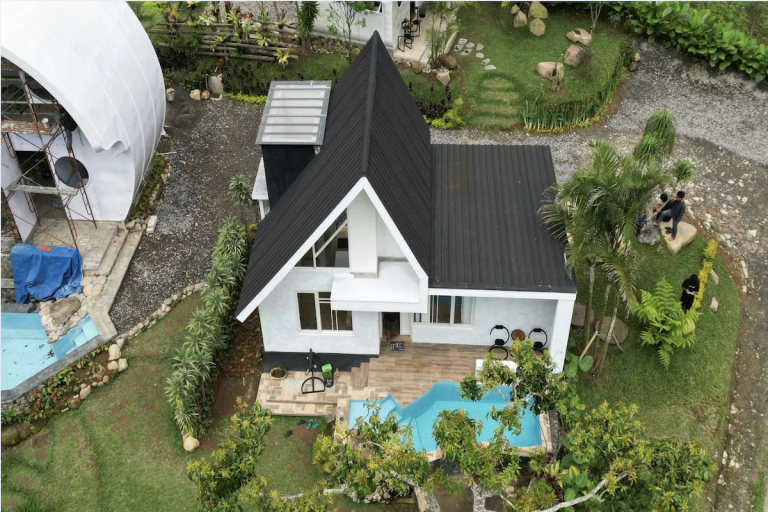
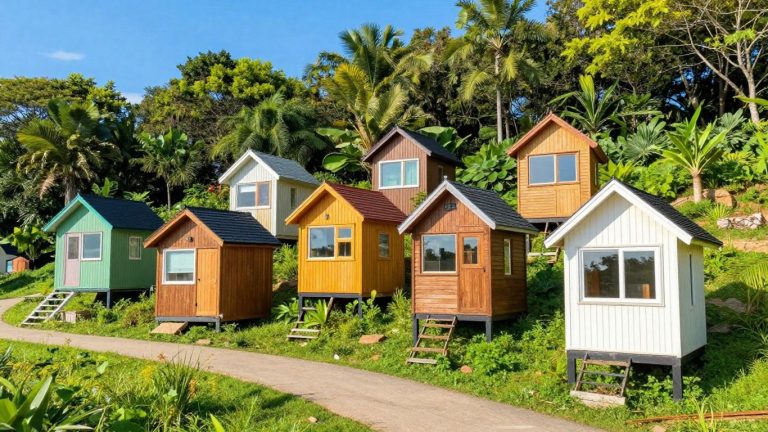
Tiny Homes for Rent in Indiana: Charming Lakeside Escapes

Waking up in a compact cabin or cottage, with Indiana woods, lakes, or a small town nearby, can make a weekend away feel refreshingly simple. Tiny homes for rent in Indiana come in different shapes and settings, so the right choice depends on your plans, comfort needs, and budget.
Use this guide to find tiny home rentals near the places you want to explore, compare the full cost of a stay, and check the details that matter before you book. First, it helps to know what hosts mean by a “tiny home” and what to expect inside.
Key Takeaways
- Tiny homes for rent in Indiana range from wooded retreats to lakeside stays and small-town getaways, so choose a setting that fits your plans.
- Check sleeping capacity, kitchen and bathroom setup, heating and cooling, parking, and outdoor space before booking, since compact rentals vary widely.
- Compare the full price, including cleaning fees, taxes, minimum-night rules, and cancellation terms, rather than relying on the nightly rate alone.
- For another compact lodging option, Indiana State Park family cabins have minimum-stay rules; review the official cabin reservation details before planning dates.
Tiny Homes for Rent in Indiana: What to Expect
Tiny homes for rent in Indiana can offer a snug place to sleep near a lake, trail, or quiet stretch of woods. However, the label covers different kinds of rentals, and the name alone won’t tell you how much space, privacy, or comfort to expect.
How a tiny home differs from a cabin or vacation rental
There’s no single listing format that defines every “tiny home.” A host might use the term for a small cabin, a cottage, a park model, or a home on wheels. Even two rentals with the same label can have very different layouts and amenities, so study the photos and description before booking.
A tiny home often makes careful use of limited floor space. You might find a sleeping loft above the main living area, a compact kitchen, and a bathroom tucked into a small corner. Some have a sofa bed or a dining table that doubles as a workspace. Others keep the interior simpler, with fewer appliances or less room to store luggage.
By contrast, a traditional cabin may have more separate rooms, while a vacation rental could be a house or apartment with a broader range of sizes. Those are general patterns, not guarantees. A well-designed tiny home may feel comfortable for a short stay, while a cabin can still have a compact layout.
The structure also matters. A park model may resemble a small cottage, and some rentals sit on wheels. The RV Industry Association describes a park model recreational vehicle as a towable unit designed for temporary living quarters, but hosts use listing labels in different ways. Check the property description for details such as whether the home is stationary, how the bathroom works, and whether stairs lead to the sleeping area.
Privacy depends on the site as much as the floor plan. One tiny home may sit alone at the edge of a wooded lot; another may share a campground or property with other rentals. Look for notes about neighboring units, shared outdoor areas, and how close the home sits to the host’s residence. Photos can reveal details the listing title leaves out.
Who tends to enjoy a tiny home stay
Couples and solo travelers often appreciate the simplicity of a small space, especially when they plan to spend much of the day outside. A compact rental can make a convenient base for hiking, fishing, paddling, or visiting nearby towns. In the evening, a porch or fire pit may provide room to unwind, if the listing includes one.
Tiny homes can also suit guests who pack light and don’t need separate rooms. Still, a smaller footprint can feel limiting when you bring bulky gear, want to cook elaborate meals, or expect to spend much of your trip indoors. Check the listed sleeping arrangement rather than assuming every bed or loft will suit your group.
Families and groups may find it harder to share one compact room, particularly when everyone needs privacy or different bedtimes. A loft ladder or narrow staircase can also pose a problem for young children or guests with limited mobility. If step-free access matters, ask about the entry, bathroom, and path from parking before reserving.
For a comfortable stay, match the layout to how you’ll use the space. Confirm the number of actual beds, the bathroom setup, heating and cooling, and the distance to other guests. A tiny home works best when its limits fit your plans, not when you have to squeeze your plans around the home.
Where to Find Indiana Tiny Home Rentals
Start with the places you want to visit, then look for a rental within a practical drive. Tiny homes for rent in Indiana are scattered across different settings, and availability changes by date. A listing near a region on a map may still leave you with a long trip to the trails, beaches, or towns on your itinerary.
Start with the places you want to explore
For a Brown County getaway, search around Nashville and the surrounding countryside, then check the drive to Brown County State Park and the trails you plan to hike. In northwest Indiana, look near Indiana Dunes National Park and Lake Michigan communities such as Chesterton, Porter, or Michigan City. These are search areas, not a promise that tiny homes are available in each town.
Southern Indiana covers a broad area, so narrow your search around specific plans. You might focus on Madison and the Ohio River, or look near another town or outdoor destination you want to visit. Before booking, check drive times to your planned stops, not just the distance between the rental and a park on a map. A short straight-line distance can still mean a longer drive by road.
Compare vacation-rental sites, campgrounds, and local hosts
Search major vacation-rental platforms alongside camping and glamping directories. Some campgrounds and property owners also list small cabins or cottages on their own websites, so checking more than one type of source can turn up options a broad search may miss.
Try several terms, since hosts describe compact stays in different ways. Search for “tiny house,” “tiny cabin,” and “small cottage,” then read each listing closely. A result may be a standard cabin, an RV, or a room in a shared property rather than a standalone tiny home.
Confirm the exact location and type of structure before you reserve. Check the address or map pin, whether the unit is private, and whether the photos show the actual rental. If the location seems vague, ask the host how long it takes to reach your main destinations. Also compare total travel time with the rental’s amenities and access details, such as parking and the route to the entrance.
Check what the location is like in every season
Season can change both the experience and the practical details. Brown County draws visitors for fall color, while summer brings more interest in Lake Michigan beaches and outdoor recreation. For current park information, check the Brown County State Park page and the National Park Service’s Indiana Dunes visitor information before you settle on dates.
Winter stays may offer a quieter visit, but snow, ice, and shorter daylight can affect road access and plans outdoors. Conditions also shift during warmer months: beach access, water conditions, trail status, and facility hours can vary. Check operating dates for nearby attractions and confirm how the rental’s road and driveway are maintained.
Nearby services matter, too. Find out how far you’ll need to drive for groceries, gas, or a meal, especially if you expect limited business hours or arrive late. A little date-specific research helps you choose a location that fits the trip you actually want to take.
How Much Does a Tiny Home Rental Cost?
There isn’t one standard price for tiny homes for rent in Indiana. A rental’s cost depends on its location, travel dates, size, and amenities, so compare the full price for your specific trip rather than relying on a nightly rate alone.
Look beyond the nightly rate
The nightly rate is only part of what you’ll pay. Cleaning and service fees can raise the subtotal, while taxes may appear later in the booking process. Some hosts also require a deposit or set a minimum stay, which can affect the total even if you planned a shorter visit.
When comparing listings, enter the same dates, number of nights, and guest count for each one. Then review the final checkout price and its breakdown. Airbnb’s U.S. pricing display guidance explains where guests can see taxes and price details during booking.
A two-night stay may cost more per night than a longer reservation if a fixed cleaning fee makes up a larger share of the total. Check whether a deposit is refundable, when it will be charged, and whether the listing’s minimum-stay rule fits your plans. Those details help you compare the actual cost of similar stays.
Understand what can change the price
Dates and location can shift rates. Weekends and holidays may attract more visitors, while fall foliage season can increase demand around Brown County. Events may also affect availability and pricing near the towns or venues where they take place. Popular lake and park areas can see more competition during busy travel periods.
Booking early may give you more listings to compare, especially if your dates are fixed. Flexible dates can also open up additional options, though neither approach guarantees a lower rate. If your schedule allows, compare a few nearby dates and locations before deciding.
Decide which amenities are worth paying for
A higher rate may reflect features that matter to your trip, but some amenities may go unused. A full kitchen can help if you plan to prepare meals, while reliable heating and air conditioning can make a difference during cold winters or humid summer nights. A private bathroom may be worth prioritizing if a shared or outdoor setup doesn’t suit your group.
Outdoor extras can add appeal, too. A hot tub, fire pit, or lake access may be valuable if you expect to spend time at the property. However, they may not justify a higher price if your itinerary centers on hiking, sightseeing, or visiting nearby towns.
Match the listing to how you’ll spend your days. Compare the total price alongside the features you’ll actually use, then choose the rental that fits both your plans and budget.
How to Choose and Book the Right Tiny Home
Before reserving one of the tiny homes for rent in Indiana, compare the layout and amenities with your group’s needs. A few direct questions can clarify whether the space will feel comfortable once everyone arrives.
Match the layout to your group and comfort needs
Study the floor plan and photos, then check how the sleeping space works in practice. A loft may have a low ceiling or require a steep ladder, while a sofa bed can take up much of the main room when opened.
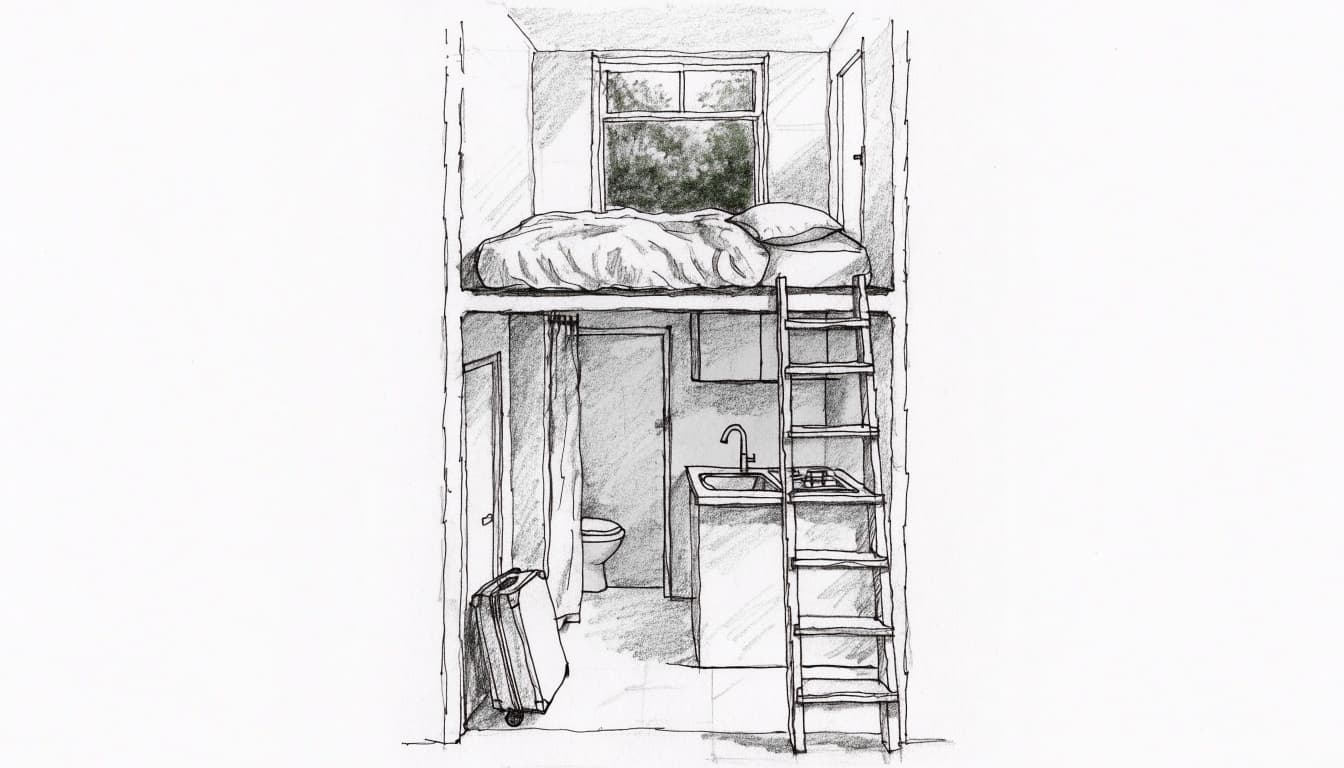
Before booking, confirm:
- The size and type of each bed, including whether linens are provided.
- Loft access, ceiling height, and available space for luggage or other belongings.
- Where the bathroom sits in relation to the sleeping areas.
- Whether the listed sleeping arrangements suit everyone in your group.
If you’re traveling with young children or someone with mobility needs, ask about stairs, handrails, entry steps, and the route from the parking area. A listing may show a ground-floor bed but still require steps to reach the entrance or bathroom. Confirm those details directly rather than relying on broad labels such as “family-friendly” or “accessible.”
Confirm utilities, climate control, and everyday basics
A compact rental can have a full set of conveniences, or a more limited setup. Check what the home actually provides, especially if you plan to cook, visit in cold weather, or stay several nights.
Ask whether the property has running water and reliable hot water, plus working heat and air conditioning. Then confirm what cooking gear, cookware, dishes, towels, and bed linens are included. Cell service can vary in rural parts of Indiana, so ask which carriers get reception nearby and whether the home has Wi-Fi.
Parking deserves a quick check, too. Find out how many vehicles fit and whether the space is close to the entrance. If the listing doesn’t clearly describe the bathroom or water system, ask whether it uses a composting toilet, shared facilities, or limited water. These arrangements aren’t automatically a problem, but they can change what to pack and how you plan your stay.
Read the rules and ask the host before you book
Review the listing’s house rules and cancellation terms before paying. Airbnb displays the applicable cancellation policy on each listing, and its host ground rules outline expectations for home listings on the platform. Other booking sites may set different terms, so check the policy attached to your reservation.
Confirm the practical details that could affect your arrival or stay:
- Check-in time, entry instructions, and what to do if you arrive late.
- Whether pets or visitors are allowed, and whether quiet hours apply.
- Rules for campfires, grills, smoking, and outdoor areas.
- Any checkout chores, such as taking out trash or washing dishes.
Send questions through the booking platform so the answers stay with your reservation. Keep the listing details and host replies accessible, especially instructions for entry and any rules that affect your plans. Once the layout, essentials, and expectations all fit, you can book with a clearer picture of what the stay will be like.
Frequently Asked Questions
Before booking a tiny home in Indiana, check the details that can change your plans: stay minimums, seasonal access, pet rules, and what the host provides. A listing’s description may not cover every practical detail, so confirm anything that affects your comfort or arrival.
Can I rent a tiny home in Indiana for one night?
Some hosts accept one-night reservations, while others require a longer stay. Minimums can vary by property and date, especially around weekends or busy travel periods. Check the calendar for your exact dates, then review the total price before planning around a short visit. A cleaning fee or other charge can make one night less affordable than the nightly rate suggests.
Are tiny homes in Indiana available year-round?
Some rentals welcome guests throughout the year, but others close seasonally or limit winter bookings. Even when a property is open, conditions may differ by season. For a cold-weather stay, ask whether the home has dependable heat, whether the driveway and access road are maintained, and which services or amenities remain available during your dates.
Are pets allowed in tiny home rentals?
Each host sets a separate pet policy, and some listings restrict pet size or charge an additional fee. Get approval before booking, even if the platform marks the property as pet-friendly. Also review leash, cleanup, and damage rules; if you’ll visit an Indiana State Park, check its pet rules and leash requirements, which may differ from the rental’s policy.
Do tiny home rentals usually have private bathrooms?
Bathroom arrangements vary. A listing may include a full private bathroom, shared facilities, or an alternative setup such as an outdoor or composting toilet. Read the amenity details and property description closely, then ask the host if anything remains unclear. Don’t assume the bathroom is inside the tiny home just because the listing uses that label.
What should I pack for a tiny home stay?
Start with the host’s packing notes, since linens, towels, cookware, and toiletries vary by rental. For a rural or outdoor-focused stay, bring weather-appropriate layers and sturdy shoes; pack food and any kitchen or bathroom basics the host doesn’t provide.
Conclusion
Tiny homes for rent in Indiana can make a memorable base for a weekend in the woods, near a lake, or close to a welcoming small town. The best fit depends on your destination, how you plan to spend your days, and the comfort features your group needs.
Choose the area you want to explore, compare each rental’s full cost, and confirm the layout, amenities, access, and house rules before booking. With those details settled, you can enjoy Indiana’s landscapes and towns from a cozy home base that fits your trip.
Explore more tiny home living, design, downsizing, building, and lifestyle resources.
- Tiny Homes for Rent in Wyoming: Wild West Getaways to Book
- Tiny Homes for Rent in Washington: Forest Escapes & Cozy Stays
- Tiny Homes for Rent in Utah: Red Rock Retreats to Book
- Tiny Homes for Rent in Oregon: Forest Retreats You’ll Love
- Tiny Homes for Rent in New Mexico: Desert Gems & Starry Skies
- Tiny Homes for Rent in Nevada: Desert Hideaways Worth Booking