Tiny Homes for Rent in Utah: Red Rock Retreats to Book
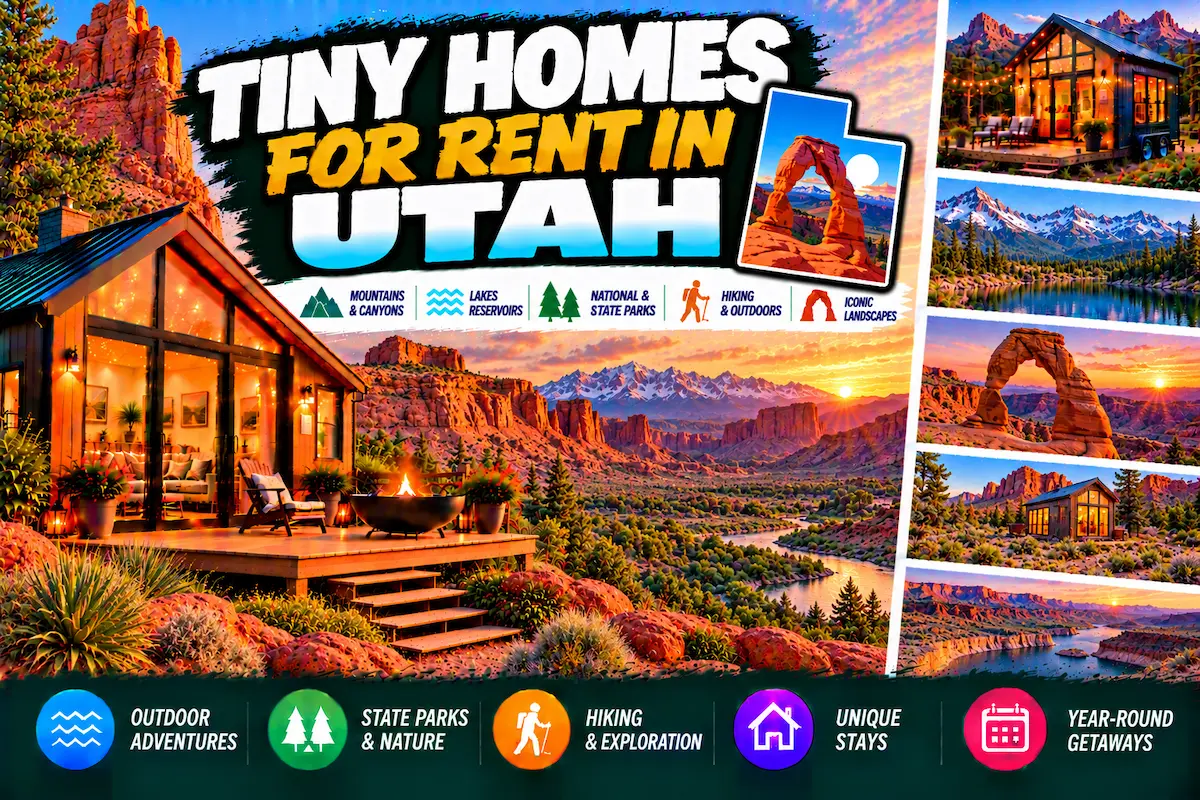
Waking up in a snug Utah cabin with red-rock cliffs, snowy peaks, or desert quiet just outside the door can make a trip feel more personal than a standard hotel stay. Tiny homes offer that change of pace, but the right rental depends on more than its photos: location, comfort, price, and your plans all matter.
Across Utah, listings range from simple cabins to compact homes near national parks and mountain towns. Before you book, compare what each place includes and how far it is from the sights you want to see. This guide covers where to look, what affects tiny home rental costs, and how to choose a tiny home that fits your trip.
Key Takeaways
- Tiny Homes for Rent in Utah range from simple cabins to compact stays near parks, desert towns, and mountain communities.
- Choose a location based on the sights you plan to visit, since drive times can shape each day of your trip.
- Compare the rental’s price, amenities, and sleeping arrangements before booking, because compact spaces vary in comfort and what they include.
- If national parks are on your itinerary, use Visit Utah’s Mighty 5 guide to explore the regions around them.
Tiny Homes for Rent in Utah Come in More Styles Than You Might Expect
A Utah rental labeled “tiny home” might be a detached cabin, a compact park-model home, or a small unit inside a campground. Since hosts use names like cottage, glamping pod, and cabin differently, compare the actual layout, setting, and amenities before you book.
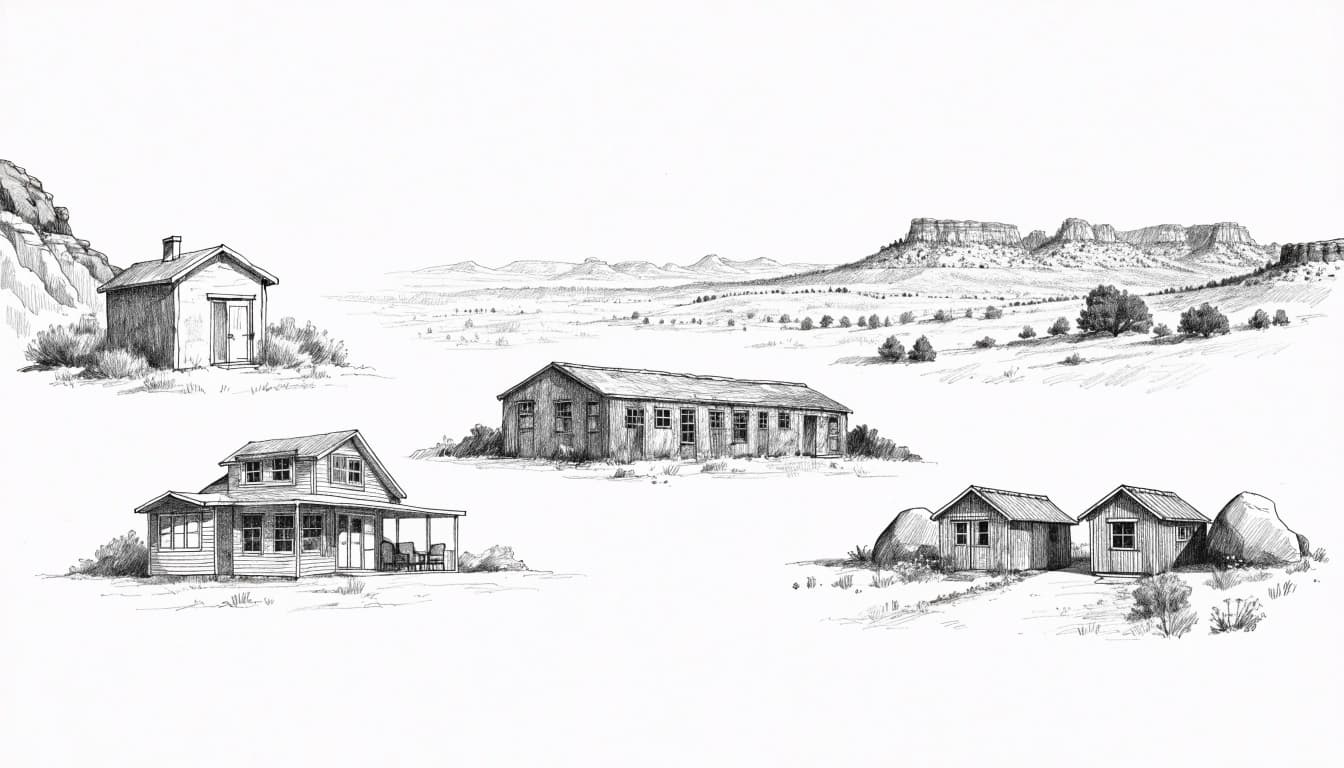
From off-grid cabins to tiny homes in a resort community
A stand-alone cabin usually gives you a separate building and more privacy, with outdoor space that may open onto desert, forest, or mountain scenery. Some sit far from towns and rely on limited utilities, so check whether the listing mentions electricity, running water, or an on-site bathroom.
Park-model homes tend to feel more like compact houses, with a defined kitchen, bathroom, and sleeping area. They may sit in a private park or resort, where neighbors are nearby and facilities such as laundry or a pool may be shared. A converted structure, such as a renovated shed or vintage trailer, can have its own character, but its insulation, ceiling height, and bathroom setup may differ from a conventional home.
Campgrounds and resorts often group several small rentals together. That can mean shared paths, common facilities, and less seclusion, but it may also put you closer to services and recreation. Utah’s East Zion area, for example, offers varied lodging styles, including tiny homes and treetop cabins.
Which amenities make a small stay feel comfortable?
In a compact rental, a few practical details can shape the whole trip. Check whether the bathroom is private or shared, and whether the kitchen has a full-size range, a small cooktop, or only a microwave and mini-fridge. Heating and air conditioning matter in Utah, where desert nights can cool quickly and summer afternoons can get hot.
Also confirm whether the listing includes reliable Wi-Fi, on-site parking, and a private outdoor area. Sleeping arrangements deserve a close look: a loft may require a ladder, and a sofa bed can leave little room to move around. If anyone in your group has mobility concerns, check stair and ladder access before booking.
Photos can show the layout, but listing details answer questions the images may leave open. Look for the number of beds, bathroom type, kitchen equipment, climate control, and whether outdoor seating belongs to your rental or a shared area. When a detail could affect your stay, ask the host before reserving.
Where to Find Tiny Home Rentals Across Utah
Utah’s tiny home rentals cluster near popular parks, mountain towns, and cities, but each location suits a different kind of trip. Compare the drive to your main activities with the setting you want, since a scenic, secluded listing can add substantial time on the road.
Red-rock country near Moab, Zion, and Bryce Canyon
Moab puts travelers close to Arches National Park and the red-rock trails around town. Some rentals sit just outside Moab, while more remote properties trade convenience for quiet. Check the exact address and route before booking: a listing described as “near Arches” may still require a drive back into town for food or services. Review the Arches National Park planning page for current access details.
Springdale is a practical base for Zion, with lodging near the park’s south entrance and shuttle connections in season. A tiny home farther from town may feel more private, but it can mean extra driving before you reach the park or local services.
Bryce Canyon City and nearby communities offer access to Bryce Canyon National Park, though properties beyond the gateway area can add road time. Check Bryce Canyon’s operating information and Zion’s visitor guidance as you plan your visit.
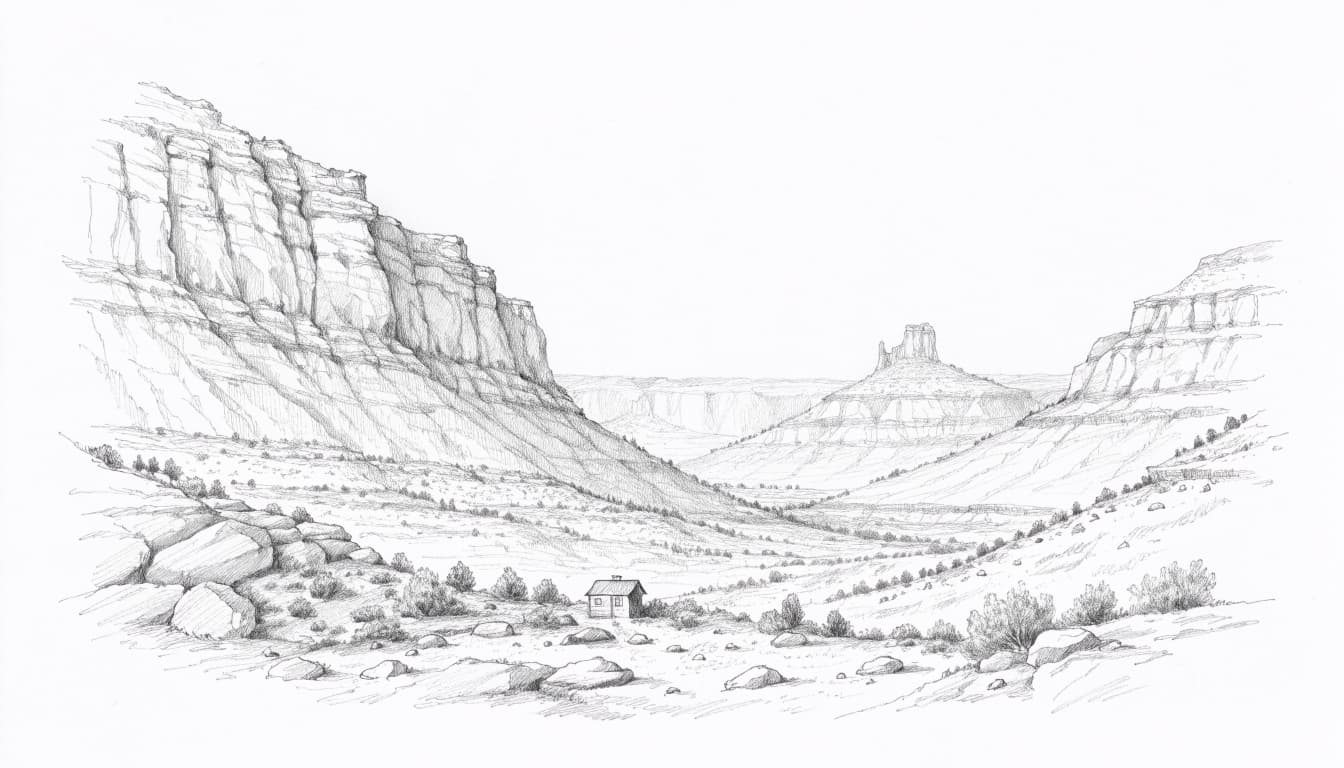
Southern Utah’s open desert is a major draw, but summer heat changes what a comfortable stay requires. Look for shade, reliable air conditioning, and a safe place to park, especially if you expect to spend afternoons outdoors. Also check park entrance rules and seasonal shuttle or road access before settling on a rental.
Mountain towns, city breaks, and quieter valleys
Park City and Heber Valley suit trips built around mountain scenery and seasonal recreation. Park City offers a lively town center and access to outdoor activities, while Heber Valley has a quieter pace and a broader rural feel. In winter, check how far the rental sits from the activities on your itinerary, as snow and road conditions can affect travel.
Salt Lake City works better for an urban stay, with restaurants, museums, and services nearby. A rental in the city may also make it easier to plan day trips, though mountain destinations require a separate drive. Farther south, St. George offers a warmer base for exploring the region, including Zion and nearby desert recreation. The drive to a park depends on the property and route, so compare addresses rather than relying on broad labels like “near Zion.”
Inventory and access vary by season and listing. Before booking, match the rental’s location to your plans, then compare the real driving distance with the photos and description.
What Does It Cost to Rent a Tiny Home in Utah?
There isn’t one statewide price for tiny homes for rent in Utah. The nightly rate depends on the destination, travel dates, size, privacy, and amenities, so compare similar rentals for the same dates before deciding.
When high-demand dates can raise the total
Rates often rise when more travelers want the same location. In southern Utah, busy park seasons and holiday weekends can limit availability near Zion, Bryce Canyon, and Moab. Around Park City and other ski areas, winter dates may cost more when visitors arrive for ski season. Local festivals, races, and other events can also make nearby rentals harder to book.
The property itself matters, too. A private home with a full kitchen, climate control, and outdoor space may cost more than a basic unit in a shared resort or campground. Larger layouts and rentals close to park entrances or ski areas can also command higher nightly rates.
If your schedule allows, compare weekdays with weekends and check several date ranges. Booking early for popular holidays, ski periods, or event weekends gives you more options, though it doesn’t guarantee a lower price. Before choosing a remote listing, weigh any rate difference against the extra driving to trails, restaurants, or resort access.
Compare the full price, not just the nightly rate
A low nightly rate can look different once you reach checkout. Calculate the cost for the entire stay, then compare it with a hotel, cabin, or campground option for the same dates and number of guests. Utah’s transient room tax information explains that local taxes may apply to temporary lodging, so account for taxes shown in the booking total.
Review each listing for cleaning charges, service fees, parking costs, and any required deposit. A deposit may be refundable, but check when the host returns it and what conditions apply. Also read the cancellation terms before booking, since a cheaper reservation may offer less flexibility if your plans change.
Minimum-stay rules can affect the total as well. A listing may require several nights during a holiday or peak season, even if you only need a shorter visit. Compare the amount due at booking and the final checkout total, not just the advertised nightly price, then judge whether the location and amenities justify the difference.
How to Choose the Right Utah Tiny Home for Your Trip
The best Utah tiny home fits the way you plan to spend your days, not just the view outside its windows. Compare your group’s needs, trip plans, comfort requirements, location, and full booking cost before you reserve.
Match the layout to your group and comfort needs
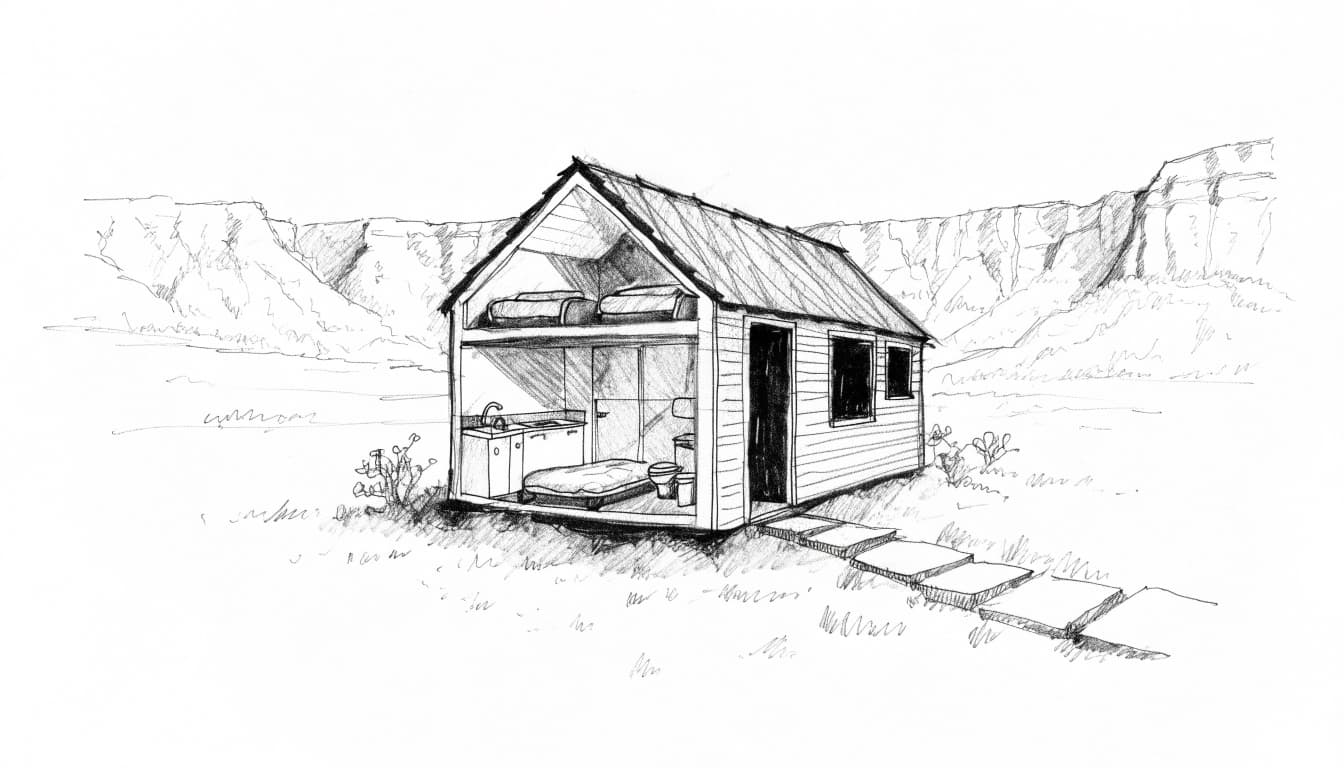
Start with your group size and how everyone will sleep. Confirm bed sizes, whether a loft requires a ladder, and whether the bathroom offers enough privacy. A compact layout can feel cozy for a couple, yet cramped for a family or group sharing one bathroom and common area.
Next, match the amenities to your comfort needs. Check the kitchen equipment if you plan to cook, and confirm heating or air conditioning for the season. Also verify the listing’s occupancy limit, rather than assuming every available bed or sofa bed counts as a permitted sleeping space.
Consider accessibility and privacy before you book. A beautiful loft cabin may not work for someone who needs step-free access, while a single open sleeping area may not suit travelers who need separate rooms. For accessibility planning around the state, Visit Utah’s accessible travel resources can help you research destinations and services.
Check location, access, and house rules before booking
Choose a rental based on the main purpose of your trip. If you’re visiting a national park or ski area, compare the property’s actual address and drive time with your daily plans. A remote cabin may offer more quiet, but it can add time to errands and early starts. For Utah’s changing road and weather conditions, consult UDOT’s real-time traffic map before you travel.
Then review practical details that listing photos rarely show. Confirm parking, check-in instructions, quiet hours, and pet rules. If you plan to prepare meals or gather outdoors, ask about cooking limits and campfires, since restrictions can vary by property and conditions.
For a remote stay, ask the host about cell service, internet, water, and power. These details matter if you need to work, stay in touch, or rely on devices during your trip. Finally, compare the total price for your dates, including fees and taxes, against the value of the location and amenities. That simple process helps you choose among Tiny Homes for Rent in Utah without paying extra for features your group won’t use.
Book and Prepare for a Small-Space Stay in Utah
Once you know which area fits your trip, compare listings across vacation-rental platforms, campground or resort websites, and direct property sites. The same stay may appear on more than one platform, but rates, fees, amenities, and cancellation terms can differ. Before paying, confirm the details that affect comfort and flexibility, then pack for the home’s limited storage and Utah’s local conditions.
Read listings and reviews for details the photos may miss
Look beyond polished photos and scan recent reviews for recurring comments about cleanliness, temperature control, noise, water pressure, and access. Guests may mention whether the listing matches the actual space, including tight sleeping areas, shared facilities, or a difficult approach road. Recent feedback can be more useful than older praise if the host has changed furnishings or policies.
Compare the full booking terms on each site. Check whether the rate includes cleaning or service fees, whether the property requires a minimum stay, and when the remaining balance is due. Read the cancellation policy before entering payment details. Policies vary by listing, so review the deadline for a refund and any fees that apply if plans change. Airbnb explains how guests can cancel a home reservation, but other platforms and direct bookings have their own terms.
If an important detail is missing, send the host a specific question before booking. Ask whether the bathroom is private, what cooking equipment is available, or whether the road requires a high-clearance vehicle. For an off-grid stay, confirm what utilities and cell service you can expect. Clear answers help you judge whether the rental suits your plans before the payment becomes binding.
Pack light and plan for Utah’s changing conditions
Storage is limited in many tiny homes, so bring a soft-sided bag that can tuck away instead of a rigid suitcase that takes up floor space. Pack flexible layers and footwear suited to your itinerary, whether that means walking around town, hiking on uneven ground, or handling chilly evenings. Bring personal toiletries, since some hosts provide only basic supplies.
Food and cooking supplies depend on the kitchen. If the listing has only a microwave, mini-fridge, or small cooktop, plan simple meals and check what cookware, dishes, and coffee supplies the host provides. For remote properties, ask whether you should bring drinking water or groceries before arrival, since shops may be a long drive away.
Utah’s conditions vary by region and elevation. Desert days can be hot while nights cool down, and mountain weather can turn cold or wet. Check the forecast for the specific destination shortly before departure using the National Weather Service forecast, then follow any arrival or road guidance from the property. A few adaptable layers and a quick host check can prevent a small home from feeling unprepared for the weather.
Frequently Asked Questions
A few practical details can make a big difference when choosing Tiny Homes for Rent in Utah. These answers cover seasonal access, pets, park entry, and arrival plans that can affect your stay.
Are Utah tiny homes open during winter?
Some rentals welcome guests year-round, while others close seasonally or become harder to reach in winter. Availability depends on the property, its location, weather, and seasonal demand. Check the listing’s open dates and ask the host about winter access before booking, especially if the rental sits on a remote road.
Can I bring a dog to a tiny home rental?
Pet rules vary by property, so check the listing for restrictions, fees, and limits on the number or size of animals. Also review the rules for nearby destinations. For example, Zion National Park’s pet guidance limits where visitors can take pets, so a dog-friendly rental doesn’t mean every park trail will be accessible with your dog.
Do I need a reservation to enter a Utah national park?
Park entry rules differ by destination and can change with the season. Zion currently says visitors don’t need a ticket, permit, or reservation to enter the park or ride its shuttle, but check the current Zion reservation information before your trip. Confirm requirements for each park on your itinerary, since rules at one destination may not apply elsewhere.
Can I book a tiny home at the last minute?
You may find open dates close to your trip, but availability depends on the area, season, and property. Popular destinations and holiday periods can leave fewer options, especially for rentals that fit a specific group size or budget. Before booking, confirm that the listing accepts your dates and that you can complete check-in on time.
What should I do if I expect to arrive late?
Check the property’s arrival window and check-in instructions before you reserve. Some hosts use self-check-in, while others require a scheduled arrival or have limited staff on site. If your plans change, contact the host as soon as possible, since a late arrival can be more difficult to manage at a remote rental.
Conclusion
A tiny home can be a welcoming base for exploring Utah’s deserts, mountains, and towns. The best fit depends on how well the location matches your itinerary, so compare drive times with the places you plan to visit.
Before booking, confirm what the rental includes, from its sleeping arrangements and kitchen to climate control and parking. Then compare the full cost, including fees and taxes, so you know what the stay will actually require.
With those details in hand, you can choose among Tiny Homes for Rent in Utah and find a stay that makes your trip easier and more memorable.
Explore more tiny home living, design, downsizing, building, and lifestyle resources.
- Tiny Homes for Rent in Wyoming: Wild West Getaways to Book
- Tiny Homes for Rent in Washington: Forest Escapes & Cozy Stays
- Tiny Homes for Rent in Oregon: Forest Retreats You’ll Love
- Tiny Homes for Rent in New Mexico: Desert Gems & Starry Skies
- Tiny Homes for Rent in Nevada: Desert Hideaways Worth Booking
- Tiny Homes for Rent in Montana: Big Sky Escapes You’ll Love