Tiny Homes for Rent in Nevada: Desert Hideaways Worth Booking
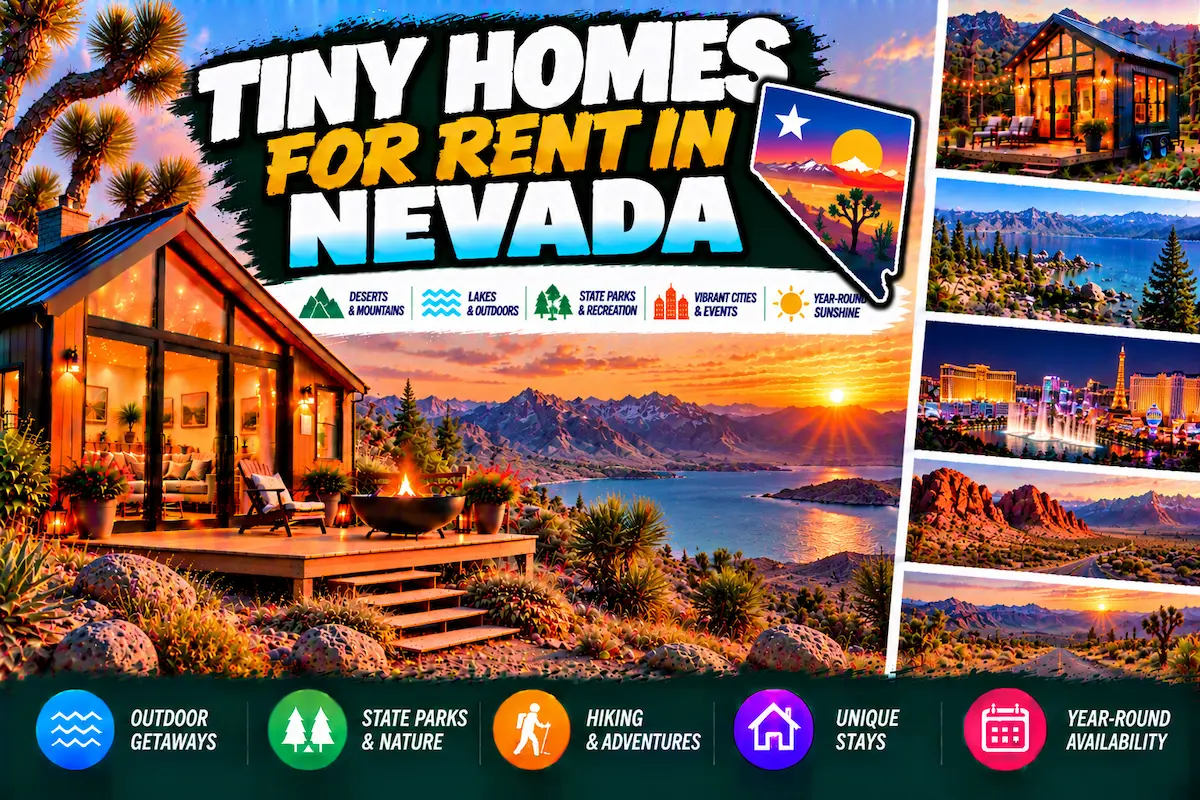
Nevada’s open desert and cool mountain air make a striking backdrop for a compact home base, where you can spend the day outdoors and return to a cozy place at night. Tiny-home rentals here range from simple off-grid cabins to small homes with full kitchens, bathrooms, and modern comforts.
The right stay depends on where you’re headed and how much convenience you want. Use this tiny home rental guide to compare Nevada locations, rental styles, total costs, and booking details before choosing a place that fits your trip.
Key Takeaways
- Tiny homes for rent in Nevada range from basic off-grid cabins to compact stays with full kitchens and bathrooms, so compare amenities before booking.
- Choose your base around the trip: Lake Tahoe offers mountain scenery, while southern Nevada puts desert attractions and Las Vegas within reach. Travel Nevada’s official trip-planning guide can help you compare regions.
- Rental prices depend on location, season, size, and included features; check the full total for cleaning fees, taxes, and other charges.
- Read the listing closely for heating, cooling, water, parking, and access details, especially for remote properties.
- Book early for popular travel dates, and review cancellation terms and check-in instructions before you pay.
Tiny Homes for Rent in Nevada: What Can You Expect?
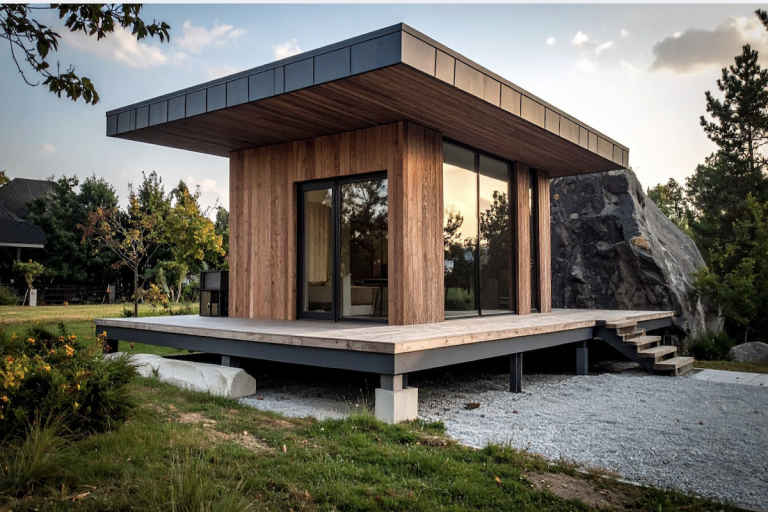
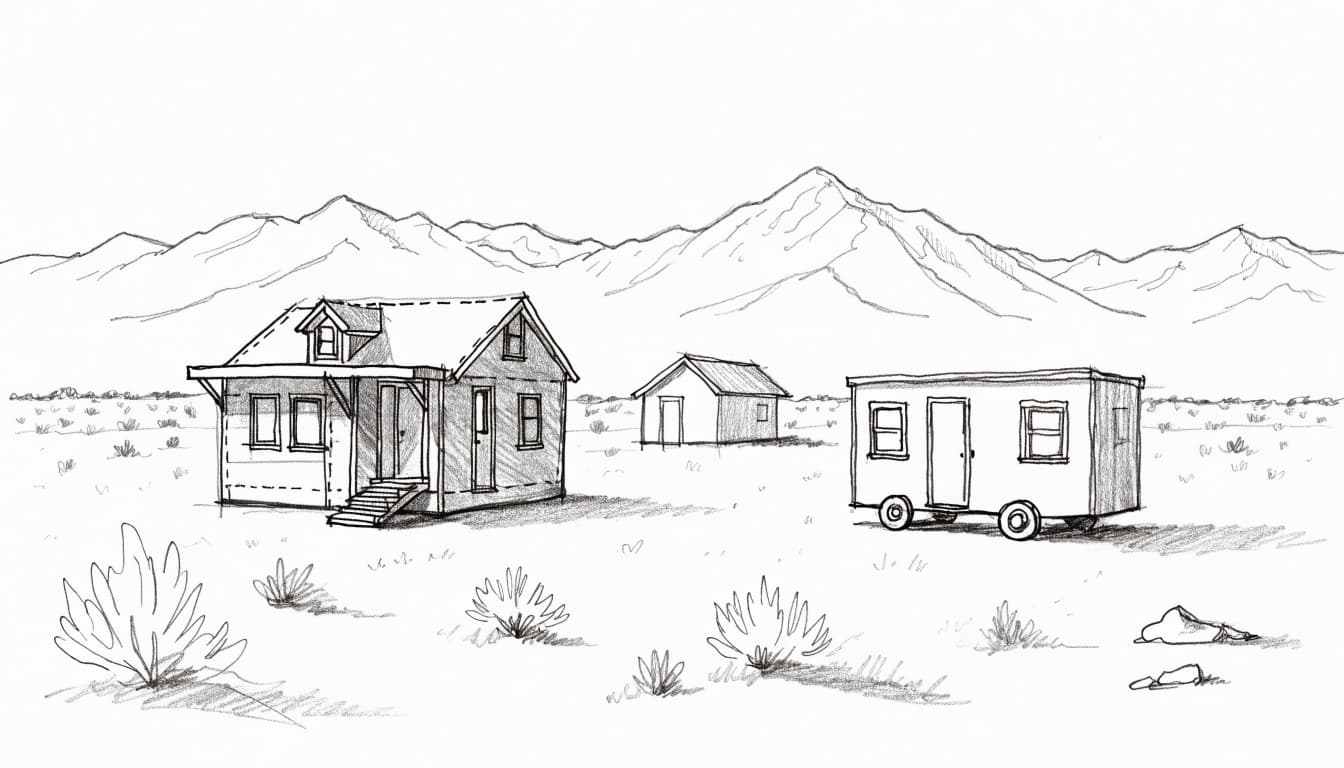
The phrase “tiny home” can describe several kinds of compact rentals in Nevada. One listing may feature a small house on a permanent foundation, while another may be a cabin, a park model, or a home built on wheels. Look beyond the title before comparing nightly rates, since the structure affects the layout, parking, and amenities.
Cabins, park models, and tiny houses on wheels
A fixed tiny house is a compact dwelling that stays in one place, often on a foundation. It may have a loft, a small kitchen, and a private bathroom, though the exact setup varies by property.
A park model is a type of recreational vehicle designed for placement at a campsite or similar location. The RV Industry Association says a Park Model RV has a gross trailer area of no more than 400 square feet in setup mode. That classification doesn’t tell you whether a rental has the layout or comforts you want, so check the listing details. The RV Industry Association’s park model standards explain how this category differs from other RVs.
A small cabin is generally a compact building, often with a rustic design. It may feel more like a traditional cabin than a tiny house, and it could have limited plumbing or kitchen facilities. Meanwhile, a tiny house on wheels sits on a trailer and may be parked at a campground, on private land, or beside another rental.
These categories can overlap in casual listing language. A host may call a park model a tiny house, or describe a cabin as a tiny home even if it isn’t built on wheels. Before booking, review the photos and floor plan, then check the property description for the sleeping arrangement, bathroom type, and kitchen equipment. Also confirm whether the unit has dedicated parking, whether you can reach it with a standard vehicle, and if the home itself can move.
Off-grid stays versus rentals with full utilities
Nevada rentals range from remote, self-sufficient stays to compact homes connected to standard utilities. An off-grid property may use solar panels or a generator for power, store water in a tank, and rely on propane for cooking or heat. Bathroom facilities can include a composting toilet or an outdoor shower rather than a conventional setup.
Those details shape the day-to-day experience. For example, solar power may support lights and device charging but not every appliance at once. A remote rental may also have limited cell service or no Wi-Fi, while a home with full utilities may offer reliable heating, air conditioning, plumbing, and internet.
Nevada’s remote areas can bring long drives and fewer nearby services, so plan ahead if a rental has restricted power or water. Confirm how the heating and cooling work, whether hot water is available, and what happens if a generator or internet connection fails. Ask about drinking water, bathroom access, and whether the host provides essentials such as towels or cooking supplies.
An off-grid stay can offer a memorable setting, but the listing should make its limits clear. Confirm which comforts are included before you reserve, especially if you need air conditioning in hot weather, dependable internet, or a standard indoor bathroom.
Where Can You Find a Nevada Tiny-Home Rental?
Tiny homes for rent in Nevada appear in a wide range of settings, from the outskirts of Las Vegas to mountain communities near Lake Tahoe and remote desert towns. Listings vary by season and location, so treat these regions as places to search rather than guarantees of available rentals. Match your base to the trip, then check the address, access, and nearby services before booking.
Las Vegas, Red Rock Canyon, and the desert edge
A small home outside central Las Vegas can suit travelers who want more space and a quieter place to return to after a day in the city. Properties on the western side of the metro area may also put Red Rock Canyon within reach. The conservation area sits about 17 miles west of the Strip, according to the Bureau of Land Management’s Red Rock Canyon guide.
That distance is only a starting point. The rental’s exact address, time of day, and traffic can change how long the drive takes, especially if you plan to visit the Strip and the canyon on the same day. Check whether the property is in a developed neighborhood or farther out, and confirm parking and road access.
A rural-feeling stay can still require a car. Public transit may not reach a property or trailhead conveniently, so factor in driving if you want to hike, dine in town, or shop for supplies.
Reno, Lake Tahoe, and northern Nevada
Reno offers a city base for restaurants, events, and everyday services, while rentals in nearby communities may bring mountain scenery closer. On the Nevada side of Lake Tahoe, a compact rental can work for lake days, hiking, or winter recreation, depending on its location and the roads you need to travel.
Availability and rates can shift with the season. Summer brings visitors seeking lake access and outdoor activities; winter holidays and ski trips can also increase demand. A listing that looks close to a destination on a map may still involve a winding mountain drive, so check the route and seasonal access before reserving.
Road conditions matter most when snow or storms affect travel. Before driving, consult the Nevada Department of Transportation’s travel information for current road updates. If your plans depend on a particular resort, trail, or lakeshore, check its distance from the rental rather than relying on the community name alone.
Small-town and wide-open desert escapes
Pahrump, Ely, and Tonopah are examples of quieter bases travelers might consider when seeking a stay beyond Nevada’s larger cities. Their settings can suit road trips, open-sky views, and excursions into nearby desert or mountain country. However, tiny-home rentals are not available in every town, and listings may sit well outside the town center.
Remote stays call for more planning than a city rental. Before booking, map the drives to your planned stops and check how far you’ll be from fuel, groceries, and medical services. Ask the host about cell reception and the final stretch of road, especially if you’ll arrive after dark or travel in a standard car.
A remote address can add solitude, but it also makes errands and day trips longer. Choose it when the surrounding area is part of the plan, and confirm that the driving distances fit your schedule.
How Much Do Tiny Homes in Nevada Cost to Rent?
There isn’t one standard price for tiny homes for rent in Nevada. The total depends on the property, travel dates, length of stay, and charges added to the nightly rate. Compare the final price for your trip, not just the number shown in a search result.
Look beyond the nightly rate
A low nightly price can look appealing, but added charges may change the overall cost. Cleaning and booking service fees can raise the amount due, while lodging taxes may vary by location. The Nevada Department of Taxation’s lodging tax guidance explains state lodging-tax rules. For a particular rental, the checkout page should show the taxes and fees that apply.
Also check whether the host requires a security deposit, and read the terms to see when it is charged and how it is handled. Optional extras, such as pet fees or firewood, may add to the bill. A minimum stay can affect your budget too: if a property requires more nights than you planned, you may pay for unused nights.
For a fair comparison, enter the same dates and number of guests for each listing, then review the full checkout price. Airbnb explains that a reservation total can include the host’s nightly price, fees, and taxes in its home pricing breakdown. Compare what’s included and note any charges that could apply after booking.
Season, location, and stay length can change the total
Availability and rates can shift with demand. Summer lake trips, winter recreation near mountain communities, holiday weekends, and major events may draw more travelers to particular areas. A rental near Lake Tahoe or Las Vegas may price differently from a remote desert stay, even when the homes look similar.
Your dates matter as much as your destination. Friday and Saturday nights may have different rates or minimum-stay requirements than midweek dates. If your schedule allows, test a few nearby arrival and departure dates. A shift of a day or two can reveal more available options, though it doesn’t guarantee a lower total.
Longer stays may come with different nightly pricing or booking requirements, but don’t assume an extended visit automatically costs less. Check the full amount across all nights and compare it with a shorter stay. For remote properties, include any extra driving or supply costs in your trip budget as well.
Check what is included before deciding it is a good deal
The lowest-priced rental may cost more once you account for meals, transport, or comfort. A kitchen can help you prepare breakfast and simple dinners; laundry access can be useful for longer trips. Reliable internet may matter if you need to work, while air conditioning and heating can make a major difference in Nevada’s desert heat or cooler mountain weather.
Parking and outdoor space also affect convenience. A rental with on-site parking may reduce the hassle of daily outings, while a patio or yard can make downtime more comfortable. Confirm the listing’s details rather than assuming a feature is available. Check whether the kitchen has cookware, if laundry is inside the unit or shared, and whether internet is reliable enough for your needs.
A slightly higher rate can offer better value when the included features lower other trip costs. Compare the total price alongside the amenities you’ll actually use, then choose the stay that fits both your budget and plans.
How to Choose and Book the Right Tiny Home
Start with your itinerary, then compare rentals based on how you’ll use the space and reach your planned stops. Airbnb, Vrbo, and Hipcamp are useful places to search, but listings and availability change, so confirm the current details before booking.
Match the rental to your trip and travel group
Count the guests, then check the actual sleeping arrangement. A listing may accommodate four people, for example, but that could mean one bedroom and a loft bed rather than two private sleeping areas. If anyone needs privacy, ask whether doors separate the sleeping spaces and whether the bathroom is private.
Lofts can save floor space, but stairs or ladders may be difficult for young children, older adults, or anyone with limited mobility. Look closely at photos and ask about step height, handrails, and the route to the bathroom. If you’re traveling with a pet, confirm the property’s pet policy and any related fees before you reserve.
Location matters just as much as layout. A remote home may offer quiet and open views, while a rental near town can make groceries, restaurants, and planned activities easier to reach. Choose a base that fits your days, not only the scenery in the listing photos.
Read the listing closely and check the map
Before paying, review recent guest feedback, house rules, cancellation terms, check-in instructions, and parking details. Guest comments can point to practical issues, such as a hard-to-find entrance, steep driveway, or noise that the listing doesn’t emphasize. Airbnb explains how guests can leave reviews for home stays, but check feedback on the platform where you plan to book.
Then locate the property on a map and estimate the routes you expect to drive. A listing described as being near Lake Tahoe, Las Vegas, or a trail area may still be a long drive from the specific places on your itinerary. Check travel times to key stops, groceries, and fuel, and consider whether mountain roads or unpaved access could affect your plans.
Use the checkout screen to confirm the total price and booking details. Make sure the dates, guest count, fees, and cancellation policy match what you expect. If a detail seems unclear, contact the host before submitting payment.
Ask the host about comfort, access, and local rules
A short message can clarify the details that matter most for a remote or off-grid stay. Ask how the home gets water, what heating and cooling it has, whether cell service works at the property, and what road conditions to expect. If reliable internet is important, ask what service is available rather than relying on a listing’s general Wi-Fi label.
Also confirm quiet hours, fire rules, and any extra charges that aren’t clear in the listing. Fire restrictions can change by location and date, so check current guidance for the area, including the Nevada fire restrictions map. Follow the property’s stated policies and applicable local requirements during your stay.
Once the host answers your questions, compare the information with the listing and booking terms. A clear fit on access, comfort, and rules helps you book with fewer surprises and spend less time troubleshooting after arrival.
Frequently Asked Questions
A few details can shape how comfortable and convenient your stay feels, especially when you’re booking outside a city. Use these answers to check the practical points that may not stand out in a listing’s photos.
Are tiny-home rentals in Nevada available year-round?
Availability depends on the property and its location. Rentals near popular mountain or lake destinations may follow seasonal demand, while remote stays can be affected by weather and road conditions. Before booking, check your exact dates, ask the host about access in that season, and review the forecast through the National Weather Service as your trip approaches.
Can I bring my dog to a Nevada tiny-home rental?
Pet rules vary by host, even when a property has outdoor space. A rental may limit the number or size of dogs, charge an additional fee, or require pets to stay with you rather than alone in the home. Get written approval before booking instead of relying on a general pet-friendly label, and ask about leash rules or nearby areas where dogs are allowed.
Are tiny homes near Nevada’s parks and outdoor areas?
Some rentals are within driving distance of parks, trails, lakes, or public lands, but proximity varies widely. Check the listing’s map location against your planned destinations, then review the route and whether the final stretch uses unpaved or seasonal roads. Park access can also change; for example, Valley of Fire State Park’s visitor information includes current conditions and facility details.
Is an off-grid tiny-home stay suitable for a first-time guest?
Yes, if the setup matches your comfort level and you’re prepared for limited services. Before reserving, ask how much water is available, what powers the home, and whether the bathroom is indoors or off-grid. Also confirm the heating and cooling options and whether you’ll have cell service or Wi-Fi, since those details affect both comfort and communication.
What should I pack for a tiny-home stay in the Nevada desert?
Pack for the season and the specific amenities listed by the host. Sun protection and refillable water bottles are useful in hot, exposed areas, while layers help with cooler nights and changing conditions. Check whether the rental supplies towels, toiletries, cookware, and drinking water, then follow the host’s guidance on local conditions and any items you should bring.
Do Nevada tiny-home rentals usually have kitchens and bathrooms?
Some compact rentals have a full kitchen and private bathroom, while others offer basic cooking equipment or a simpler bathroom setup. Listing photos may not show whether facilities are shared, so read the amenities and property description carefully. If anything is unclear, ask the host what’s inside the unit and what guests share with other visitors.
Conclusion
Tiny homes for rent in Nevada offer a compact, memorable base for exploring desert country, mountain towns, and the areas around Las Vegas. The best fit depends on more than scenery: choose a region that matches your plans, understand whether the rental is a cabin, park model, or tiny house, and compare the full cost for your dates.
Before booking, check the details that shape your stay, including heating and cooling, bathroom and kitchen facilities, cell service, parking, and road access. These practical checks matter even more for remote or off-grid properties.
Compare a few listings for the same dates, then book the one that fits your trip, not just the photos.
Explore more tiny home living, design, downsizing, building, and lifestyle resources.
- Tiny Homes for Rent in Wyoming: Wild West Getaways to Book
- Tiny Homes for Rent in Washington: Forest Escapes & Cozy Stays
- Tiny Homes for Rent in Utah: Red Rock Retreats to Book
- Tiny Homes for Rent in Oregon: Forest Retreats You’ll Love
- Tiny Homes for Rent in New Mexico: Desert Gems & Starry Skies
- Tiny Homes for Rent in Montana: Big Sky Escapes You’ll Love