Tiny Homes for Rent in Illinois: Cozy Hideaways Worth Exploring

A small, cozy rental can make an Illinois getaway feel like a welcome change of pace, whether you’re waking to quiet woods or spending a weekend near the water. Tiny homes for rent in Illinois vary widely in size, comfort, location, and price, so the right stay depends on how you travel and what you want nearby.
Before booking your tiny home rentals, compare the actual sleeping setup, amenities, total cost, and distance to the places you plan to visit. The listings may use “tiny home” to describe everything from a purpose-built small house to a cabin or cottage, so clear details matter. Start by looking at what to expect from these rentals and how to find a stay that fits your trip.
Key Takeaways
- Tiny homes for rent in Illinois vary in layout and amenities, so compare sleeping arrangements, bathroom details, kitchen access, and the total price before booking.
- Choose a location around your plans, whether you want time near state parks, a lake, a small town, or a city; Illinois travel destinations can help you narrow the region.
- Check what the listing includes, such as linens, cooking supplies, parking, and outdoor space, then confirm any fees or house rules with the host.
- Read recent guest reviews and map the drive to your planned activities. A well-matched stay should fit both your comfort needs and the pace of your trip.
Tiny Homes for Rent in Illinois: What to Expect
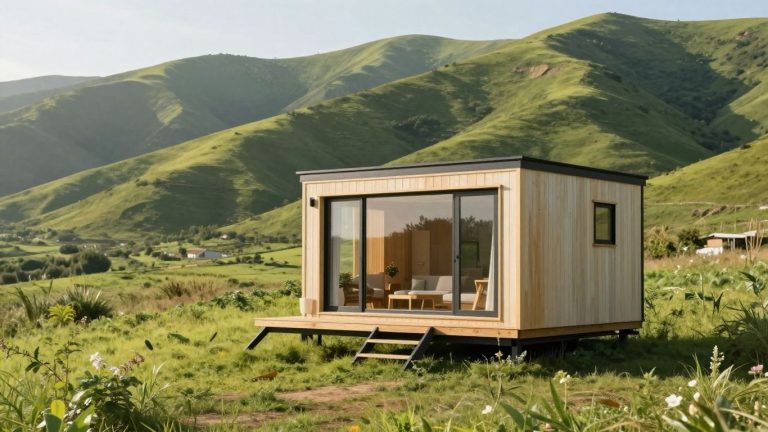
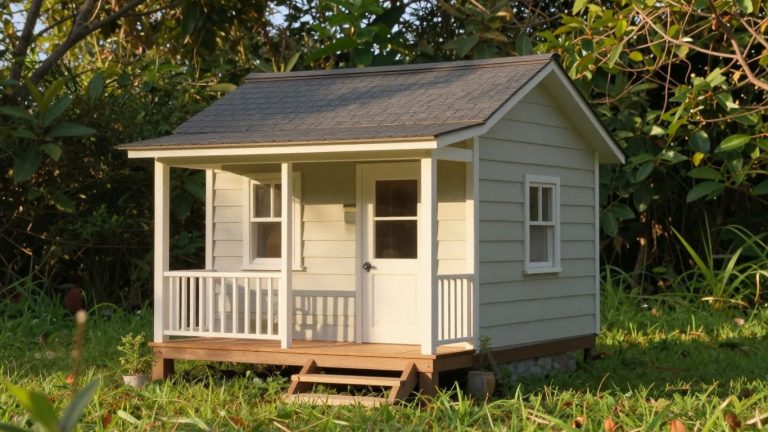
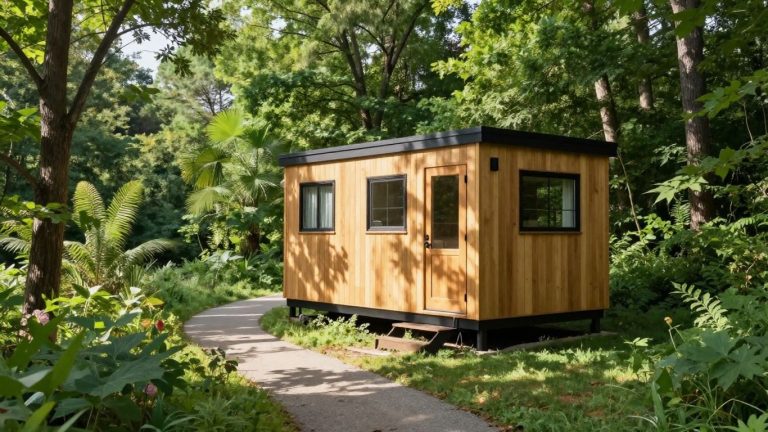
Listings for tiny homes in Illinois can describe very different places. Some are purpose-built small houses, while others use the label for a cabin, cottage, guesthouse, or park-model home. Compare photos and amenity details closely so the name doesn’t set expectations the property can’t meet.
Cabins, cottages, and converted small homes
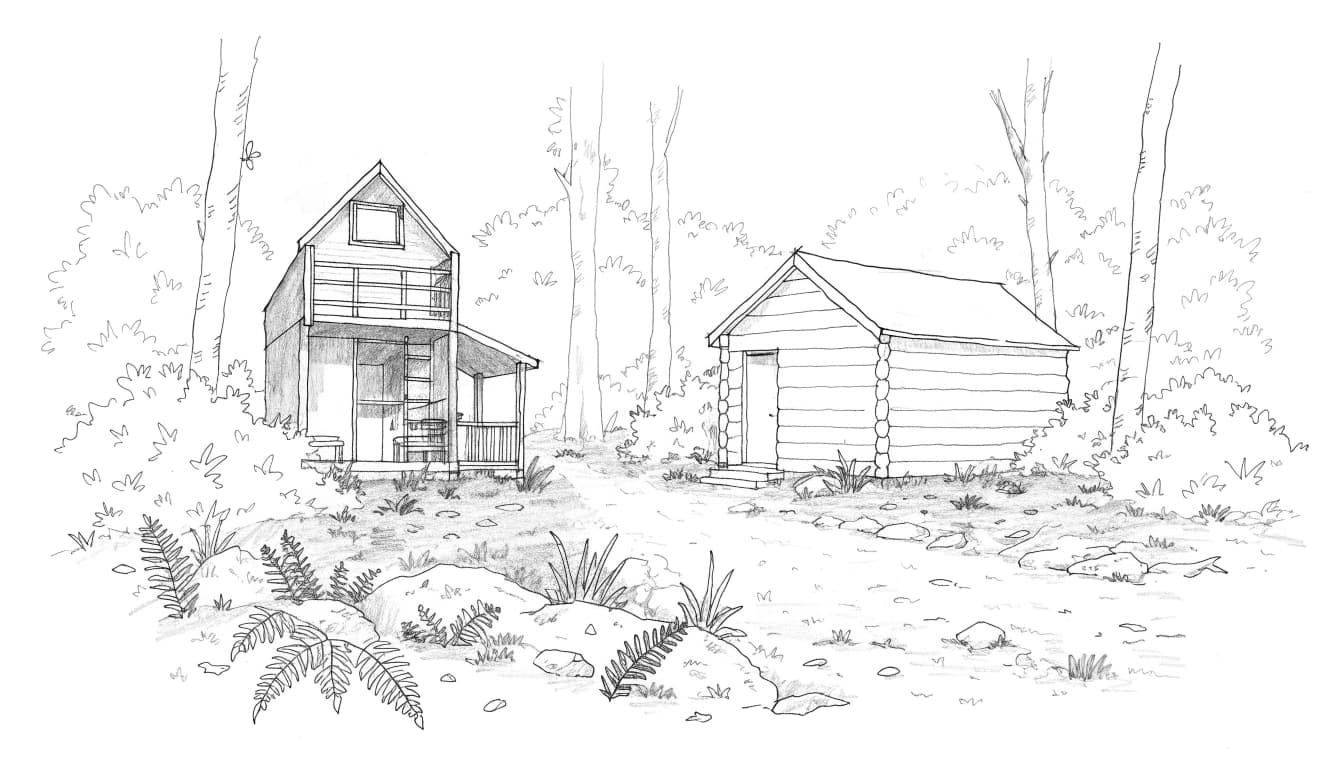
A purpose-built tiny home often has a compact, efficient layout, with a combined living and kitchen area and sometimes a sleeping loft. A cabin or cottage may have more conventional rooms, while a converted guesthouse could share a wall or yard with the host’s home. Park-model homes tend to look more like small manufactured units, and their layouts can vary.
Photos can help you tell the difference. Look for a loft ladder or stairs, a compact kitchen, built-in storage, and a small footprint. Then check the listing description for the actual floor plan, sleeping setup, and whether the rental is detached or shares a property with other guests. The International Code Council’s Appendix Q covers tiny-house construction features, but rental listings may use the term more loosely.
Sleeping capacity deserves special attention. A listing may count a loft mattress, pullout sofa, or bunk as a sleeping space, even if it feels tight for adults. Confirm whether the bathroom is private and inside the unit, and whether the kitchen includes a full-size stove or only basic appliances. Outdoor seating may mean a private porch, a shared patio, or simply a couple of chairs outside.
Amenities that make a small space comfortable
A small rental can feel comfortable when its essentials match your plans. In Illinois, check that heating is available for chilly nights and ask whether the unit has air conditioning for warm, humid weather. Kitchen listings vary, too: “kitchenette” may mean a microwave and mini-fridge rather than a cooktop, cookware, or full sink.
Before booking, confirm whether the rental includes:
- A private bathroom, and whether it has a shower or tub.
- Wi-Fi, if you’ll need it for work or streaming.
- Parking close to the unit, especially if you’re carrying luggage.
- Linens, towels, and basic cooking supplies.
- Private outdoor seating or access to a shared outdoor area.
Also check for features that affect comfort and access. Loft beds require climbing, narrow stairs can be difficult with luggage, and some cabins have uneven paths or steps at the entrance. Read the listing details and recent reviews, then message the host about anything unclear.
Where to Find Tiny Home Rentals Around Illinois
Tiny homes for rent in Illinois can put you near city attractions, historic downtowns, or wooded trails. Listings change, so treat regional labels as a starting point, then check the property’s exact location and travel time to your planned activities.
Chicago and the northern suburbs for city access
A rental near Chicago can make museums, restaurants, and neighborhood attractions easier to reach. However, an urban or suburban setting may feel less secluded than a cabin tucked into open countryside. If a quiet retreat matters, look beyond the city center and compare how close each property sits to busy roads and neighboring homes.
Before booking, check the nearest train or bus service, whether the property has dedicated parking, and how long it takes to reach the places on your itinerary. A listing described as “near Chicago” could still involve a lengthy drive or transit trip, depending on its location.
Galena, the Mississippi River, and northwest Illinois
Galena and the surrounding hills offer a different pace, with historic streets, scenic drives, and river towns suited to a slower weekend. A small cabin or cottage outside town may bring more privacy, while a stay closer to downtown can make shops and restaurants easier to reach.
Distances matter here, too. Check the drive from the rental to Galena’s historic district, riverfront stops, or other planned outings. A property in northwest Illinois may sound close to several attractions on a map, yet winding roads and rural routes can add time.
Starved Rock, the Illinois River, and central Illinois
Visitors heading to Starved Rock State Park often look for a compact cabin or cottage nearby, especially when they want a quiet place to rest after hiking. The park’s canyons and trails draw day-trippers, and Illinois state parks and national forests can help you explore outdoor options across the state.
Pay close attention to the wording in each listing. “Near Starved Rock” means the rental is outside the park, not on park grounds. Confirm the address and drive time to the park entrance, then consider nearby river towns such as Utica or Ottawa for dining and supplies.
Southern Illinois for forests, lakes, and outdoor escapes
The Shawnee National Forest region appeals to travelers seeking wooded trails, scenic overlooks, and time near lakes. Small cabins and cottages can offer a practical base, but sights in southern Illinois may be spread out across rural roads. Use the official Illinois hiking trail guide to identify destinations, then map each drive from the rental.
Check road access and seasonal conditions before you book, especially if the property sits on an unpaved lane or far from major routes. Also compare distances between trails, lakes, and towns; a convenient base for one outing may be a long drive from another.
How to Find and Book a Tiny Home in Illinois
Finding the right rental takes more than searching for “tiny home.” Illinois listings may use different labels, and a cabin or farm stay may have the compact layout you want. Search several channels, narrow the results around your trip, then confirm the details and full price before booking.
Search with the right filters and location terms
Start with vacation-rental marketplaces such as Airbnb and Vrbo, but treat them as search channels, not guarantees that tiny homes are available. Try terms like “tiny house,” “cabin,” “cottage,” and “small house.” You can also check campground and farm-stay listings, where compact cabins or stand-alone small homes may appear.
Enter your dates and destination first, since availability and prices can change by season and day of the week. Then filter by guest count, price, and must-have amenities. Airbnb’s search filter guidance explains how its filters can narrow stay results.
After that, check the map rather than relying on a broad location label. A rental described as near Galena or Starved Rock may still require a longer drive than you expect. Map the route to your main activities and check driving times, especially if your plans include several rural stops.
Read the listing and recent reviews closely
Before you book, confirm how the space works for your group. A listing’s guest capacity doesn’t tell you whether adults will be comfortable in a loft or on a pullout sofa. Check the exact sleeping setup, whether the bathroom is private and inside the unit, and what heating and cooling the home provides.
Kitchen descriptions can be vague, so look for details about the stove, cookware, refrigerator, and sink. Also review the check-in process, parking location, pet policy, and whether you’ll share a yard, patio, or other space. Recent reviews can reveal whether the unit was clean and whether the host communicated clearly. If a key detail is missing, message the host and keep the answer with your booking records.
Understand cancellation rules and extra charges
The nightly rate may not reflect what you’ll pay. Cleaning fees, taxes, service fees, and refundable or nonrefundable deposits can change the checkout total. Compare the full price for your dates across listings, rather than comparing nightly rates alone.
Cancellation terms also vary by property and booking platform. Read the policy attached to the specific reservation, including deadlines and any conditions for a refund. Airbnb and Vrbo outline their respective home cancellation policies and cancellation policy options, but the terms shown for your selected stay should guide your decision. Before paying, save the listing details, house rules, total price, and cancellation terms so you can refer to them later.
What Do Tiny Home Rentals in Illinois Cost?
There isn’t one dependable statewide rate for tiny homes in Illinois. A rural cabin near a trail, a cottage outside Galena, and a small home near Chicago can have very different prices, even for the same dates. Rates also shift with season, weekends, guest capacity, amenities, and the fees attached to each booking.
Compare the full trip cost, not just the nightly rate
A low nightly rate may not produce the least expensive stay. Cleaning charges, platform fees, lodging taxes, and optional add-ons can raise the checkout total. Some properties may also charge extra for pets, firewood, or other amenities, so read the fee details before you book.
To compare listings fairly, enter the same dates and guest count for each one. Then compare the full booking total, not a rate shown before fees or taxes. Airbnb says guests in the U.S. see fee-inclusive prices before taxes, but the final checkout amount remains the figure to review.
Travel costs matter, too. A cheaper rental far from your plans could mean more gas, parking, or time on the road. Add those expenses to the lodging total before deciding which stay fits your budget.
Look for seasonal and weekday savings
Prices can change with demand. Summer weekends near lakes and outdoor attractions, fall color trips, and holiday dates may draw more visitors, while a midweek stay or a shoulder-season visit may offer more options. Discounts aren’t guaranteed, so compare the actual dates rather than assuming one season will cost less.
If your schedule allows, search both weekday and weekend dates. Also check nearby dates around popular events or holiday weekends, when availability may be tighter. For a specific weekend you know you want, booking early can give you more listings to compare, though it doesn’t guarantee a lower rate.
Once you find a promising rental, compare the price, location, amenities, and travel needs together. That gives you a clearer picture of what the stay will cost overall.
Choose the Right Illinois Tiny Home for Your Trip
The best tiny home for your Illinois trip depends on more than its photos. Match the layout to your group, the location to your plans, and the amenities to how long you’ll stay. A quick check of those details can prevent a charming-looking rental from feeling cramped or inconvenient.
Match the space to your group and comfort needs
Start with the sleeping arrangements, not the advertised guest capacity. A couple may be comfortable in a loft, while a family might need separate beds and enough floor space for children to move around. Check whether the loft uses a steep ladder or proper stairs, and consider how easy it will be to reach the bathroom at night.
Privacy matters, too. Ask whether the bedroom is enclosed or open to the living area, and whether the bathroom is inside the rental. If anyone in your group has mobility needs, confirm step-free entry, doorway width, and whether the sleeping area requires climbing. Families should also ask about loft rails, steep stairs, and other features that could pose a safety concern for young children.
When photos leave questions, message the host for a layout description or details about the stairs, bathroom, and sleeping spaces. A quick clarification can help you avoid booking a place that doesn’t suit your group.
Pick the setting that suits your plans
A secluded rural stay offers quiet evenings and easier access to outdoor time, but it may put restaurants, grocery stores, and attractions several miles away. A home near a town, park, or trail can simplify day trips and meals, though it may bring more nearby activity.
Before booking, map your main stops and compare actual drive times. Then check the route and road access, especially if the rental sits on a gravel lane or far from a main road. For current travel information, use the Illinois Department of Transportation’s travel maps. Cell service can also vary in rural areas, so check the FCC mobile coverage map and ask the host about reception at the property.
Know whether a tiny home works for a longer stay
A compact layout can feel cozy for two nights and restrictive over a week. For longer stays, look for enough storage to keep bags out of walkways, laundry access, and a kitchen suited to the meals you plan to prepare. Confirm the internet connection if you need to work, and check that heating or air conditioning fits the season.
Couples on a weekend may value a scenic setting over extra storage. Families often need usable indoor space and practical laundry access, while outdoor visitors may prioritize trail access and a place to dry gear. For a longer booking, ask the host how the home handles everyday routines before you commit.
What to Know Before Your Tiny Home Stay
A smooth stay starts with details that listings often tuck into the fine print. Before booking a tiny home in Illinois, confirm how you’ll arrive, what the property shares with others, and whom to contact if something goes wrong.
Check arrival details, house rules, and property access
Ask when check-in begins and how you’ll get inside. Some hosts provide a keypad code, while others require a handoff or give directions to a separate entrance. Confirm where to park and whether you’ll need to walk along a path, gravel lane, or steps with your bags.
Read the rules before you book, especially those covering quiet hours, pets, and outdoor fires. Fire restrictions may change with conditions, and a fire pit shown in a photo doesn’t guarantee you can use it during your stay. Also ask whether the porch, yard, hot tub, or other outdoor areas are private or shared.
The setting can affect your experience as much as the home itself. A standalone rental offers a different level of privacy than a campsite cabin, a unit beside the owner’s home, or a property with several guest spaces. Confirm what’s included in your rental and which areas other guests may use.
Plan for Illinois weather and rural locations
Illinois weather shifts with the season. Summer heat and humidity can bring bugs, while spring and summer storms may disrupt outdoor plans. Cold weather can mean snow or icy roads, especially at rural properties. Pack for the forecast, and ask whether the home has working heating and air conditioning.
If snow or ice is possible, ask whether the access road and parking area receive maintenance. The National Weather Service’s Illinois winter preparedness guidance offers useful advice for winter conditions. In any season, check whether the final stretch to the rental is paved or gravel, and whether you’ll have reliable cell service.
Also clarify which utilities and supplies the rental provides. Ask about hot water, drinking water, cooking equipment, and backup plans if an essential amenity stops working.
Ask who manages the stay and what support is available
Save the host’s or property manager’s contact information before you travel, along with check-in instructions and the property address. Find out whether someone will respond during your stay and how to reach them after hours.
If a door code fails or an advertised amenity isn’t working, contact the manager promptly. Knowing whom to call and what steps to take can prevent a small snag from taking up valuable trip time.
Frequently Asked Questions
A few details can make or break a small-home stay, especially when weather, pets, or park visits shape your plans. Check these points with the host before booking.
Are tiny homes available to rent year-round in Illinois?
Availability depends on the property and the season. Enter your exact dates to see whether the rental is open, then confirm it has suitable heating or cooling and that winter roads, parking, and walkways remain accessible.
Can I bring a dog to an Illinois tiny home rental?
Pet rules vary by host. A listing may limit the number or size of dogs, charge a pet fee, or restrict pets from certain areas. Get approval and read the property’s pet policy before booking, even if the listing mentions that it welcomes pets.
Are tiny home rentals near Illinois state parks inside the parks?
No. A listing described as “near” a park may be on private land outside the park. Check the rental’s address and travel time, then confirm park access and any permits or reservations separately. For example, Starved Rock State Park’s official page provides visitor information for that park.
Do Illinois tiny home rentals usually have kitchens and bathrooms?
Some have full kitchens and private bathrooms, while others provide only limited cooking equipment or shared facilities. Review the amenity list and photos for details such as a stove, sink, shower, and whether the bathroom is inside the unit. Ask the host about anything the listing leaves unclear.
Are tiny homes in Illinois a good choice for families?
They can suit some families, depending on the sleeping arrangements and usable space. Before booking, check for lofts or steep stairs, consider child safety, and confirm the maximum guest count and layout with the host. A listed bed may be a loft mattress or pullout sofa, so make sure the setup works for your children.
How far ahead should I book a tiny home in Illinois?
Booking time depends on the location, season, and demand around local events. Start early for popular weekends, especially if you have a specific property or area in mind. If your plans are flexible, compare more than one set of dates to see whether other options are available.
Conclusion
Tiny homes for rent in Illinois can set the scene for a memorable, low-key getaway, whether you want a quiet nature break or a convenient base for exploring. Before you book, compare the full cost, confirm the layout and amenities, and choose a location that fits your plans.
Once you find a stay that feels right, explore the listings and choose dates that work for your trip. A little planning can help you spend less time sorting out logistics and more time enjoying Illinois.
Explore more tiny home living, design, downsizing, building, and lifestyle resources.
- Tiny Homes for Rent in Wyoming: Wild West Getaways to Book
- Tiny Homes for Rent in Washington: Forest Escapes & Cozy Stays
- Tiny Homes for Rent in Utah: Red Rock Retreats to Book
- Tiny Homes for Rent in Oregon: Forest Retreats You’ll Love
- Tiny Homes for Rent in New Mexico: Desert Gems & Starry Skies
- Tiny Homes for Rent in Nevada: Desert Hideaways Worth Booking