Embracing Off-Grid Living in Minnesota: A Comprehensive Guide
Thinking about ditching the grid in Minnesota? It’s a pretty appealing idea for lots of folks wanting more independence. Living off grid in Minnesota means relying less on public utilities and more on yourself. It’s not just about putting up some solar panels, though. You’ve got to really think about the rules, how to get water, and what to do with waste. Plus, Minnesota winters are no joke! This guide breaks down what you need to know to make off-grid living work for you, from the legal stuff to staying warm when it’s freezing outside.
Key Takeaways
- Off-grid living in Minnesota means being independent of public utilities like electricity and water, often using renewable energy sources.
- Understanding and complying with Minnesota’s specific zoning laws, building codes, and permit requirements is crucial for legal off-grid homes.
- Sustainable energy options such as solar and wind power are key for generating your own electricity off-grid.
- Managing water sources through methods like rainwater harvesting and handling waste with systems like composting toilets are essential for self-sufficiency.
- Year-round off-grid living in Minnesota requires careful planning for seasonal challenges, especially the harsh winter conditions.
Understanding Off-Grid Living in Minnesota
So, you’re thinking about ditching the utility bills and living a bit more self-sufficiently in Minnesota? That’s a big step, and honestly, it’s pretty cool. Off-grid living means you’re not hooked up to the usual power lines, city water, or sewer systems. It’s about taking charge of your own resources.
Definition of Off-Grid Living
Basically, living off-grid means you’re independent. You generate your own electricity, often with solar panels or maybe a small wind turbine. Water might come from a well you dug or a rainwater collection system. And waste? That’s usually handled with things like composting toilets. It’s a lifestyle choice focused on self-reliance and reducing your impact on the planet.
Benefits of Off-Grid Living
Why would anyone do this? Well, there are some good reasons. For starters, you get a lot more freedom. No more worrying about rising electricity prices or utility company shut-offs. It can also lead to a simpler life, closer to nature, which a lot of people find really appealing. Plus, you’re building resilience – you’re less affected by what happens in the wider world with energy or water supplies.
Here are a few more perks:
- Financial Savings: Over time, you can save a good chunk of money by not paying monthly utility bills.
- Environmental Impact: You’re likely using renewable energy and managing resources more carefully, which is better for the environment.
- Independence: You’re in control of your own power, water, and waste.
- Connection to Nature: Living off-grid often means being in more rural, natural settings.
The initial setup can be a bit of an investment, and you’ll need to be prepared for ongoing maintenance and learning new skills. It’s not always easy, but for many, the rewards are worth the effort.
What Is Considered Off Grid in Minnesota?
In Minnesota, being "off-grid" generally means you’re not connected to the public utility grid for electricity. This often goes hand-in-hand with managing your own water supply (like a well or rainwater) and your own sewage (like a septic system or composting toilet). The state doesn’t have one single, strict definition that fits every situation, but the core idea is independence from those main utility services. Local county regulations can also play a big role in how "off-grid" is defined and what’s allowed in terms of building and systems.
Navigating Minnesota’s Off-Grid Regulations
So, you’re thinking about ditching the utility bills and living a more self-sufficient life in Minnesota? That’s awesome! But before you start dreaming of solar panels and rainwater barrels, we need to talk about the rules. It’s not quite a free-for-all out there, and understanding the regulations is a big part of making sure your off-grid adventure is legal and smooth sailing.
What Are Off Grid Regulations in Minnesota?
Basically, these are the laws and guidelines that tell you what you can and can’t do when you’re not hooked up to the usual power, water, and sewer lines. They’re in place to make sure everyone, including you and your neighbors, stays safe and that the environment stays healthy. Think of them as the guardrails for your independent lifestyle.
Overview of Regulations
Minnesota’s regulations for off-grid living aren’t all set in one big state rulebook. Instead, they’re a mix of state guidelines and, more importantly, local rules set by individual counties and townships. This means what’s okay in one county might be a no-go in another. You’ll need to pay attention to:
- Zoning Laws: These decide how land can be used. Some areas might not allow certain types of dwellings or might have minimum acreage requirements.
- Building Codes: Even if you’re off-grid, your home needs to be safe. You’ll likely need to follow building codes for construction, electrical, and plumbing, and yes, you might need permits.
- Environmental Rules: These cover things like how you handle waste (septic systems, composting toilets) and manage water sources to protect lakes, rivers, and groundwater.
It’s super important to do your homework on the specific rules for the county or township where you plan to live. Don’t assume anything; always check directly with the local planning and zoning departments.
Importance of Compliance
Why bother with all this? Well, ignoring the rules can lead to some serious headaches. You could face fines, be forced to tear down structures, or even be told you can’t live on your property. Plus, following the regulations helps ensure your home is safe and that you’re not negatively impacting the environment. It’s about being a responsible member of the community, even if you’re living a bit more independently. Getting the right permits upfront can save you a ton of trouble down the road.
Legal Requirements for Off-Grid Homes
Setting up an off-grid home in Minnesota involves more than just disconnecting from the power lines. You’ve got to deal with the paperwork, too. It’s not always straightforward, and honestly, it can feel like a maze sometimes. But getting this right from the start saves a lot of headaches down the road.
What Are the Legal Requirements for Off-Grid Living in Minnesota?
When you’re planning to live off the grid in Minnesota, there are specific rules you need to follow. These aren’t just suggestions; they’re laws designed to keep things safe and orderly. Think of it as the framework that makes sure your self-sufficient dream doesn’t accidentally cause problems for you or your neighbors.
Zoning Laws
Zoning laws are pretty important. They basically tell you what you can and can’t build on your land, and how you can use it. These rules change a lot depending on where you are in Minnesota – what’s okay in one county might be a big no-no in another. So, before you even buy land, you really need to dig into the local zoning ordinances. You want to make sure that building an off-grid home, with whatever systems you’re planning, is actually allowed. Sometimes, there are restrictions on things like dwelling size or even the type of foundation you can use, which can affect your off-grid setup.
Building Codes
Then there are building codes. These are all about making sure your home is safe and sound. Minnesota has its own set of codes, and they apply to off-grid homes just like any other house. This means your construction needs to meet certain standards for things like structural integrity, fire safety, and sanitation. You’ll likely need inspections along the way, and you’ll have to prove that your building methods and materials are up to par. It’s not about making things difficult; it’s about making sure your home is a safe place to live, especially when you’re relying on your own systems.
Permits Needed
Don’t forget about permits! You’ll probably need several different ones. This could include a general building permit for the house itself, permits for any electrical work (especially if you’re installing solar or wind systems), and permits for your water source (like drilling a well) and waste disposal (like a septic system or composting toilet). Each county has its own process for getting these permits, and you absolutely need to get them before you start building or installing anything. Skipping this step can lead to hefty fines, or worse, being forced to tear down what you’ve built. It’s always best to check with your local planning and zoning department early on to find out exactly what you need.
Navigating the legal side of off-grid living requires patience and thorough research. Connecting with local authorities and understanding the specific requirements for your chosen location are key steps to a smooth and compliant setup.
Sustainable Energy for Off-Grid Living
Is It Possible to Generate Your Own Electricity Off Grid?
Absolutely. Generating your own power is a cornerstone of living off the grid. It’s not just about cutting ties with the utility company; it’s about creating a reliable, independent energy source tailored to your needs. This usually involves a mix of technologies that capture natural resources and store them for when you need them. Think of it as your own personal power plant, right on your property.
Solar Energy Systems
Solar power is probably the most common choice for off-grid setups in Minnesota, and for good reason. Those panels you see on roofs? They capture sunlight and turn it into electricity. The amount of power you can generate depends on the size of your system, the number of panels, and how much sun you get. Minnesota does have its sunny days, but you also need to account for cloudier periods and the long winter nights.
Here’s a basic breakdown of how a solar system works off-grid:
- Solar Panels: These are the collectors. They convert sunlight directly into DC (direct current) electricity.
- Charge Controller: This device protects your batteries from overcharging, which can damage them.
- Battery Bank: This is where you store the electricity generated during the day for use at night or on cloudy days. The size of your battery bank is critical for consistent power.
- Inverter: Most home appliances run on AC (alternating current) power. The inverter takes the DC power from the batteries and converts it into AC power.
The initial investment in a solar setup can seem high, but when you factor in the elimination of monthly electricity bills and the long lifespan of the equipment, it often makes financial sense over time. Plus, you’re using a clean, renewable resource.
Wind Power Options
If your property has consistent, strong winds, wind turbines can be a great addition or even a primary source of power. Smaller turbines are available for residential use. Like solar, wind power generation is variable – it depends on the wind blowing. This is why many off-grid systems use a combination of solar and wind to provide a more stable power supply throughout the year.
Consider these points for wind power:
- Wind Speed: You need an average wind speed of at least 10-12 mph for a small turbine to be effective.
- Turbine Size: The size and output of the turbine should match your energy needs.
- Location: Turbines need to be placed away from obstructions like trees and buildings to catch the wind effectively.
- Maintenance: While generally low, turbines do require periodic checks and maintenance.
Combining solar and wind can create a more resilient system. When the sun isn’t shining, the wind might be, and vice versa. This intermittency is a key challenge in off-grid power, and diversification is the best way to manage it.
Water and Waste Management Off-Grid
Best Water Sources for Off-Grid Living
Finding a reliable water source is a big deal when you’re living off the grid in Minnesota. You can’t just turn on a tap and expect clean water, right? Many folks turn to rainwater harvesting. It’s a pretty straightforward system: you set up gutters and tanks to catch rain as it falls. This can be your main water supply or just a backup. You’ll definitely need a good filtration system, though, no matter where your water comes from. Another common option is drilling a well. This requires finding a good spot where groundwater is accessible. You’ve got to be smart about where you drill to make sure you get a consistent supply. Some people are lucky enough to have natural springs on their property, which can be a fantastic source if managed properly.
Rainwater Harvesting Regulations
While rainwater harvesting is a great idea, Minnesota does have some rules about it. You can’t just set up a massive system without checking things out first. The main goal of these regulations is to make sure the water you collect is safe to use and that your system doesn’t cause any problems for your neighbors or the environment. It’s usually about proper installation and making sure your storage tanks are secure and clean. You’ll want to look into local ordinances because they can vary a bit from county to county. It’s not usually a huge hurdle, but it’s something you need to be aware of before you start building.
Managing Waste Off-Grid
Dealing with waste when you’re off the grid is a whole different ballgame compared to city living. You’ve got to be pretty mindful about what you’re throwing away. Composting toilets are a popular choice because they significantly cut down on water usage and turn waste into usable compost. It sounds a bit strange, but it’s a really effective and eco-friendly method. Then there’s greywater, which is water from your sinks, showers, and laundry. You can often reuse this water for things like watering your garden or flushing toilets, which saves a lot of water. For anything that can’t be composted or reused, like packaging or other trash, you’ll need a plan for responsible disposal. This might mean hauling it to a transfer station or finding local recycling options. Reducing what you produce in the first place is always the best strategy.
Living off the grid means taking responsibility for your entire resource cycle, from water intake to waste output. It requires a shift in thinking, where every bit of waste is seen as a potential resource or something that needs careful, planned removal.
Year-Round Off-Grid Living in Minnesota
So, you’re thinking about living off the grid in Minnesota all year long? It’s definitely doable, but let’s be real, it’s not exactly a walk in the park. Minnesota’s weather can be pretty intense, and you’ve got to be ready for it. Thinking ahead is key to making this lifestyle work, especially when the snow starts flying.
Seasonal Challenges
Minnesota winters are no joke. We’re talking serious cold, lots of snow, and temperatures that can swing wildly. If you’re living off-grid, your home needs to be super well-insulated, and your heating system has to be reliable. Don’t forget about keeping your water from freezing solid and having enough food stored away. It’s a lot to consider, but people manage it.
Living Off Grid in Winter
Winter is where off-grid living really gets tested. You’ll need a good stockpile of firewood, or whatever you’re using to stay warm. Making sure your living space is sealed up tight against drafts is a big job. And yeah, you’ll probably be doing some snow removal. Having backup plans for your power and water is a smart move, just in case things get really rough out there. It’s all about being prepared.
Preparing for Minnesota’s climate is crucial for a successful off-grid lifestyle. This means more than just having a good coat; it involves robust infrastructure and a mindset ready for anything nature throws your way.
Here are some things to keep in mind for year-round living:
- Energy Independence: Relying on renewable sources like solar power is a great way to stay powered up. You can explore different solar energy solutions designed for rural homes.
- Water Security: Having a reliable water source that won’t freeze is vital. This might mean a deep well or a well-thought-out rainwater harvesting system.
- Food Storage: You’ll want to preserve plenty of food from your garden or local sources to get through the lean winter months.
- Heating Strategy: A primary heating source, plus a reliable backup, is non-negotiable. Wood stoves are popular, but you need a plan for fuel supply.
It’s a lifestyle that demands a lot of self-reliance and planning, but for many, the rewards of independence and connection to the land are well worth the effort.
Skills and Resources for Off-Grid Success
So, you’re thinking about ditching the grid in Minnesota? That’s a big step, and honestly, it’s not just about setting up solar panels or digging a well. You’ve got to have some skills and know where to find help. It’s a whole different way of living, and being prepared makes all the difference.
What Skills Do You Need for Off-Grid Living?
Living off-grid means you’re the one in charge of pretty much everything. Think of yourself as the general contractor, plumber, electrician, and farmer all rolled into one. It sounds like a lot, and it is, but it’s also incredibly rewarding.
- Basic Survival Skills: This is your foundation. Knowing how to make a fire without matches, find safe water, identify edible plants (and more importantly, the poisonous ones!), and navigate using a map and compass are non-negotiable. These aren’t just for emergencies; they connect you to the natural world.
- Homesteading Skills: This is where self-sufficiency really kicks in. We’re talking about growing your own food, whether it’s a small garden or a larger farm. You’ll want to learn about preserving that food – canning, drying, fermenting. If you plan on having animals, animal husbandry is key. It’s a lot of work, but imagine eating food you grew yourself!
- DIY Repair Skills: Things will break. It’s a fact of life, and even more so when you’re managing your own systems. You’ll need to be comfortable with basic plumbing repairs, fixing minor electrical issues (especially with your power system), and general carpentry. Being able to fix things yourself saves a ton of money and keeps you from being dependent on someone else.
- First Aid and Emergency Preparedness: When you’re miles from the nearest town, knowing how to handle a medical emergency is vital. Basic first aid, CPR, and knowing how to manage common injuries or illnesses are a must. Having a solid emergency plan for everything from power outages to severe weather is also super important.
Being prepared isn’t just about having the right tools; it’s about having the right mindset. It’s about being resourceful, adaptable, and willing to learn. Every challenge you overcome builds your confidence and your ability to live independently.
Best Resources for Learning About Off-Grid Living
Okay, so you know you need skills, but where do you get them? Luckily, we live in an age with tons of information at our fingertips.
- Books and Guides: There are countless books out there covering every aspect of off-grid living. From detailed guides on solar power systems to books on organic gardening and wilderness survival, these are your go-to for in-depth knowledge. Look for authors who have actually lived the life they’re writing about.
- Online Communities and Forums: This is gold. Websites and social media groups dedicated to off-grid living are full of people who are doing exactly what you want to do. You can ask questions, share your own experiences, and get advice from folks who have been there. It’s a great way to find out what works and what doesn’t in real-world situations.
- Local Workshops and Classes: Nothing beats hands-on learning. Check out local community centers, agricultural extension offices, or even private homesteads that might offer workshops on topics like canning, beekeeping, building with natural materials, or setting up renewable energy systems. These are fantastic for practical skill-building.
- YouTube Channels: Seriously, YouTube is a treasure trove. You can find channels where people document their entire off-grid journey, showing you step-by-step how they built their homes, installed their systems, and managed their gardens. It’s like having a mentor right in your living room.
- Local Libraries: Don’t underestimate your local library! They often have a great selection of books and magazines on homesteading, sustainable living, and DIY projects. Plus, they might host local events or have connections to people in your community who are knowledgeable about these topics.
Community and Tiny House Living
Are There Off-Grid Communities in Minnesota?
Minnesota’s landscape is dotted with pockets of intentional communities, and while not all are strictly off-grid, many embrace sustainable living principles that align with an off-grid lifestyle. These communities often share resources, work together on projects, and foster a strong sense of mutual support. Think of places focused on organic farming, renewable energy, and shared land use. They can be a fantastic way to ease into off-grid living, offering a built-in support system and shared knowledge base. It’s not just about living separately; it’s about living together in a more connected, sustainable way.
Can You Live Off Grid in a Tiny House in Minnesota?
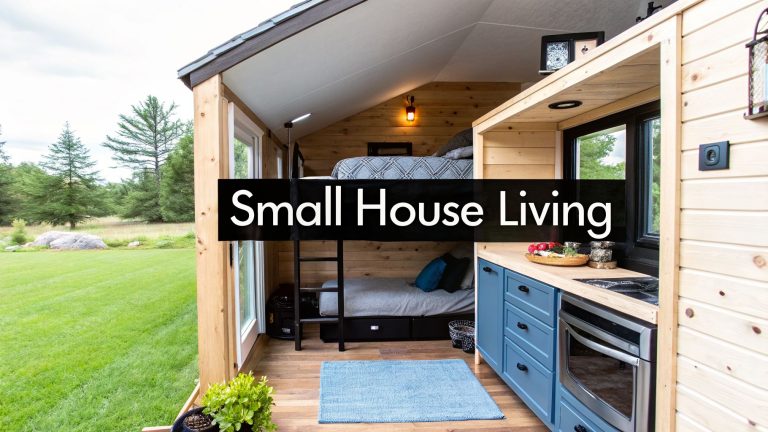
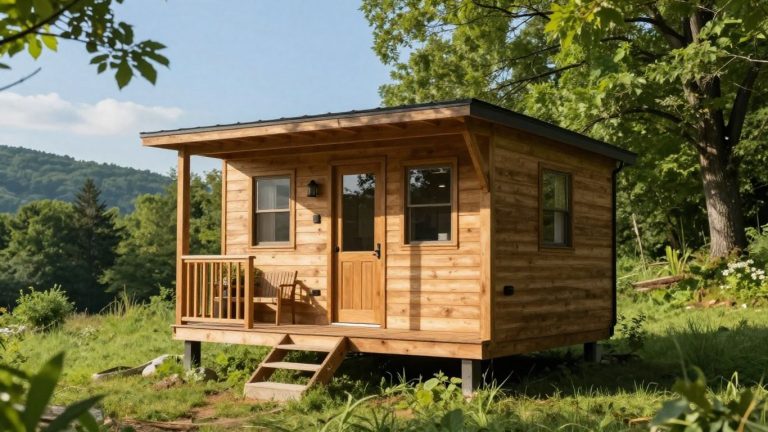
Absolutely! Tiny houses and off-grid living go hand-in-hand for many people. The smaller footprint of a tiny home means less energy is needed for heating and cooling, and it’s often easier to manage resources like water and waste. Plus, the lower cost of building or buying a tiny home can free up funds for investing in solar panels, a good well, or other off-grid necessities. Many tiny homes are designed with mobility in mind, but for a truly off-grid setup, you’ll likely be looking at a more permanent foundation, which still keeps the overall cost and environmental impact lower than a traditional house.
Tiny House Benefits
Living in a tiny house offers a lot of perks, especially when you’re aiming for an off-grid lifestyle. Here are a few big ones:
- Reduced Costs: Less space means less material to build, less to heat and cool, and generally lower property taxes. This financial freedom is a huge draw for off-gridders.
- Environmental Impact: A smaller home uses fewer resources to construct and operate. This aligns perfectly with the sustainability goals of off-grid living.
- Simplicity and Minimalism: Tiny living encourages you to declutter and focus on what’s truly important. It’s a lifestyle shift that often leads to less stress and more intentional living.
- Flexibility: While many tiny homes are stationary, their smaller size can sometimes make zoning and placement easier, especially if you’re looking at specific types of land or community setups.
Finding the right community or the perfect tiny house spot involves a lot of research. Don’t rush the process. Visit potential locations, talk to people who are already living the lifestyle, and really get a feel for the place and its people. It’s a big decision, and making sure it’s the right fit for you is key to long-term happiness off the grid.
When looking into tiny house communities, especially those that might support off-grid living, keep an eye out for places that have:
- Clear guidelines on home size and utilities: Some communities have specific rules about what kind of tiny homes are allowed and how you’ll connect to shared or individual off-grid systems.
- Shared resources: Look for communities with shared gardens, tool sheds, or even communal energy systems. This can significantly reduce your individual burden.
- A strong sense of community involvement: The best communities have residents who actively participate in decision-making and upkeep. This shared responsibility is vital for smooth operation.
Your Minnesota Off-Grid Journey
So, you’ve been thinking about ditching the grid in Minnesota. It’s a big step, for sure, and this guide has tried to cover a lot of ground, from understanding the rules to figuring out power and water. It’s not always easy, and there will be challenges, especially with those Minnesota winters. But for many, the freedom and connection to the land are totally worth it. Take your time, do your homework, and maybe start small. Living off-grid is a journey, and with the right preparation, you can make it work for you right here in the North Star State.
Frequently Asked Questions
What exactly does it mean to live off-grid in Minnesota?
Living off-grid means you’re not connected to the main power lines, city water pipes, or sewer systems. You’ll use your own sources for electricity, like solar panels, and manage your own water and waste, often with things like rainwater collection and composting toilets. It’s all about being self-sufficient.
Is it legal to live off-grid in Minnesota?
Yes, it’s possible to live off-grid in Minnesota, but you have to follow specific rules. These rules are usually set by the local towns or counties and cover things like building safety, land use, and how you handle waste. It’s super important to check with your local government first.
What are the main challenges of living off-grid in Minnesota?
The biggest challenges include dealing with Minnesota’s tough winters, making sure your power and water systems are always working, and learning new skills to fix things yourself. You also need to be prepared for the costs of setting up your systems and maintaining them.
How do people get electricity when they live off-grid?
Most off-grid homes in Minnesota get their power from renewable sources. Solar panels are very common, and some people also use wind turbines. These systems collect energy during the day or when it’s windy, and store it in batteries so you have power at night or when the weather isn’t cooperating.
Can I grow my own food while living off-grid?
Absolutely! Growing your own food is a big part of the off-grid lifestyle. You can start a vegetable garden, use techniques like composting to make your soil healthy, and even use greenhouses to grow food for longer periods, even through Minnesota’s colder months.
Are there communities for people who want to live off-grid in Minnesota?
Yes, there are! Some communities in Minnesota are designed for people who want to live off-grid. These places often share resources like tools, land for gardening, or even energy systems. Living in a community can offer support, shared knowledge, and a sense of belonging.
Explore more tiny home living, design, downsizing, building, and lifestyle resources.
- EcoFlow Delta 3 Pro vs Jackery Explorer 5000 Plus Compared
- Modern Tiny Living: Complete Small-Space Design Guide
- Shed to Tiny House Conversion How to Do It Right
- Tiny Homes for Rent in Wyoming: Wild West Getaways to Book
- Tiny Homes for Rent in Washington: Forest Escapes & Cozy Stays
- Tiny Homes for Rent in Utah: Red Rock Retreats to Book