Navigating NJ Tiny House Laws: What Homeowners Need to Know in 2026

Thinking about building a tiny house in New Jersey? You’re definitely not alone. More people are looking for ways to live smaller and smarter, especially with home prices going up every year. But NJ tiny house laws can be confusing, and there’s a lot to figure out before you start building. Whether you want your tiny home on a foundation or on wheels, it’s important to know the rules so you don’t run into trouble later. This article breaks down what you need to know in 2026 to make your tiny house dream happen in the Garden State.
Key Takeaways
- Tiny homes on foundations usually follow local building codes, while tiny homes on wheels are often treated like RVs and can’t be lived in full-time in most towns.
- Every town in New Jersey has its own zoning laws, so always check with your local office before buying land or starting construction.
- Getting permits and passing inspections can be tricky—expect to provide detailed plans and follow New Jersey’s Uniform Construction Code.
- Finding land zoned for tiny houses can be tough, especially in crowded or expensive areas, but rural counties may have more options.
- Connecting utilities or going off-grid both have their own rules and challenges, so plan ahead for water, power, and waste solutions.
Understanding New Jersey Tiny House Laws
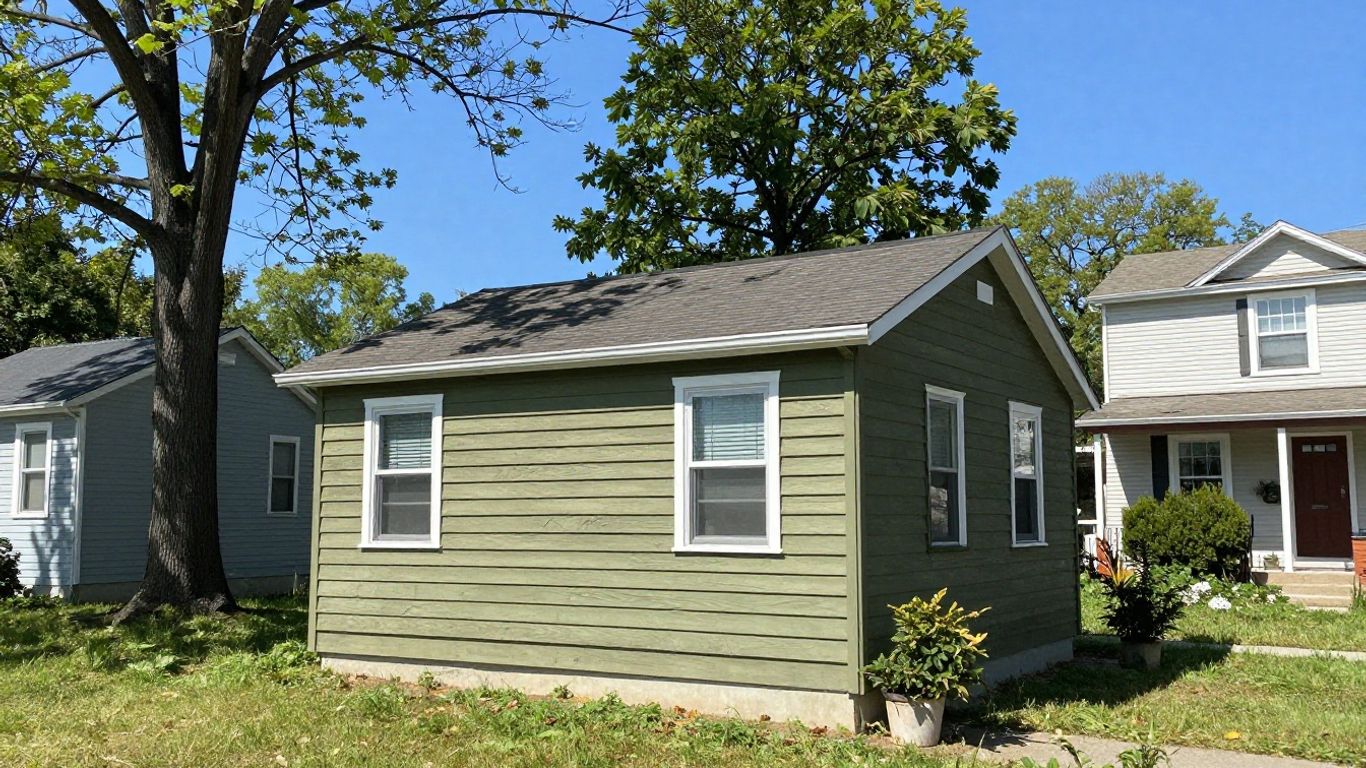
So, you’re thinking about going tiny in the Garden State? That’s awesome! But before you start sketching out your dream miniature abode, we gotta talk about the rules. New Jersey’s approach to tiny houses is, well, a bit of a mixed bag. There isn’t one big, statewide law that says ‘tiny houses are great!’ Instead, it’s a whole lot of local decisions that really shape what’s possible.
Tiny House on Foundation vs. Tiny House on Wheels (THOW)
First off, we need to figure out what kind of tiny house you’re dreaming of. Are you picturing a permanent little home built right on a foundation, or are you leaning towards a Tiny House on Wheels (THOW) that you can move around?
- Tiny House on Foundation: This is basically a small, traditional house. It sits on a permanent foundation and has to follow all the usual building codes for houses in that area. Think of it as a regular home, just much smaller. In New Jersey, these are generally treated like any other dwelling, meaning they need to meet minimum square footage, setback rules, and utility connection requirements set by the town.
- Tiny House on Wheels (THOW): These are built on trailers and are designed to be mobile. Because they can be moved, they often get classified more like RVs (Recreational Vehicles). This is where things get tricky. In most places in New Jersey, you can’t just park a THOW on your property and live in it full-time. They’re usually only allowed for temporary stays or in specific zones, like RV parks.
Basically, if it’s on a foundation and meets all the local requirements, it’s more likely to be accepted as a permanent home. A THOW? That’s usually for camping or short-term visits, unless your town has made specific allowances.
State vs. Local Jurisdiction Over Tiny Homes
This is a big one. New Jersey uses the Uniform Construction Code (UCC) for building standards, which is a state thing. But when it comes to where you can put your house and what size it can be, that’s almost entirely up to the individual towns and municipalities. It’s like the state sets the general rules for building a car, but each town decides if you can drive it on their streets and where you can park it.
Some towns are really forward-thinking and might have specific rules for Accessory Dwelling Units (ADUs) or even tiny homes. Others are super strict and might have minimum square footage requirements that a tiny house just can’t meet. So, what’s legal in one town could be a big no-no just a few miles away.
Before you even think about buying land or starting construction, your first stop should be the local building department or zoning office. Ask them directly about:
Minimum dwelling size requirements.
Setback rules (how far your house has to be from property lines).
Any regulations about RVs, ADUs, or alternative housing.
Getting this info upfront can save you a ton of headaches and money down the road. Seriously, don’t skip this step!
Key Legal Requirements for Building Tiny Homes in NJ
Building a tiny house in New Jersey isn’t just about shrinking blueprints; it’s about fitting into a legal framework that wasn’t really designed with tiny living in mind. Here’s what you generally need to consider:
- Minimum Size and Code Compliance: While there isn’t a statewide minimum size for a dwelling in New Jersey, local rules can impose them. However, the state does have habitability standards. For tiny homes, especially those under 400 square feet, you’ll need to make sure they meet basic living requirements. This includes having at least one multi-purpose room that can function as a kitchen, living area, or bedroom. You also need proper ventilation and safe exits. If you’re building on a foundation, it must comply with the NJ Residential Code.
- Utility Connections: Most towns will require you to connect to public water and sewer systems if they are available. If not, you’ll need an approved septic system. For THOWs, this can be more complicated, as they often rely on RV hookups or self-contained systems, which might not be permitted for permanent residency.
- Permits and Inspections: Just like any other home, you’ll need building permits before you start construction. Your tiny house will also need to pass inspections at various stages to ensure it’s built safely and meets all applicable codes. This process can sometimes be more challenging for tiny homes because inspectors might not be as familiar with their unique construction.
It’s a lot to keep track of, but understanding these basics is the first step to making your tiny house dream a reality in New Jersey.
Navigating Permits and Inspections for NJ Tiny Homes
Getting the green light for your tiny house project in New Jersey involves a bit of paperwork and a few key steps. Since there isn’t a specific "tiny house code" statewide, you’ll be working within the New Jersey Uniform Construction Code (UCC) and your local municipality’s own rules. It’s not always straightforward, but understanding the process early can save you a lot of headaches down the road.
Step-by-Step Permit Process for Tiny Houses
Here’s a general rundown of what you can expect when applying for permits. Keep in mind that each town might have slight variations, so always check with your local building department.
- Check Local Zoning: First things first, make sure the land you plan to build on actually allows for small dwellings or accessory dwelling units (ADUs). This is usually handled by the local zoning office or municipal clerk.
- Submit Your Application: You’ll need to provide detailed plans, including site plans and blueprints of your tiny house. This goes to the local building department.
- Get Construction Permits: Depending on your project, you might need separate permits for electrical, plumbing, and foundation work. These need approval from the construction official.
- Inspections During Construction: As you build, inspectors will visit at various stages – think framing, electrical rough-in, plumbing, etc. A certified inspector assigned by the town will conduct these.
- Final Inspection and Certificate of Occupancy (CO): Once everything is finished and up to code, a final inspection will happen. If all goes well, you’ll get a CO, which means your tiny home is officially safe and legal to live in.
Common Challenges During Tiny House Inspections
It’s not uncommon to run into a few snags during the inspection phase. Being aware of these potential issues can help you prepare:
- Minimum Square Footage: Some inspectors might question homes that fall below a certain size threshold, even if they meet all safety standards. Appendix Q of the International Residential Code (IRC) can be a helpful reference here.
- RV vs. Dwelling Confusion: Tiny houses on wheels (THOWs) can sometimes get caught in a gray area between being classified as a recreational vehicle (RV) and a permanent dwelling.
- Setbacks and Height Limits: Just because it’s small doesn’t mean it gets to ignore local rules about how far structures must be from property lines or how tall they can be.
- Energy Codes: New Jersey has specific requirements for insulation, ventilation, and energy efficiency that even small homes must meet.
Always have printed copies of your plans and any relevant building code sections handy when you meet with officials. Showing you’ve done your homework and are prepared can make a big difference in getting approvals smoothly.
Permitting Specifics for Tiny Houses on Wheels
If you’re going the THOW route, the process has its own set of considerations. In New Jersey, these are often classified as recreational vehicles. This means:
- Titling: You’ll handle titling through the Motor Vehicle Agencies, similar to any other vehicle. You’ll likely need a Manufacturer’s Certificate of Origin.
- Placement: THOWs are generally restricted to approved RV parks or campgrounds. There might be limits on how long you can stay in one spot to avoid issues with permanent residency rules.
- Safety Features: Inspections during manufacturing often focus on roadworthiness, like the integrity of the hitch and propane systems.
- Insurance: You’ll typically need RV insurance, which can differ from standard homeowner’s policies and might not cover things like flood damage.
It’s a different ballgame than a foundation tiny home, offering flexibility but requiring careful attention to regulations designed for mobile structures.
Finding Land and Building Your Tiny House in NJ
So, you’re thinking about building a tiny house in New Jersey? That’s awesome! It’s a fantastic way to live more simply and save some cash, especially with how pricey things are here. But before you start dreaming about your cozy little abode, you’ve got to figure out where you’re going to put it and how you’re going to build it. It’s not as straightforward as just buying a plot of land and plopping down your tiny home, unfortunately.
How to Find Land Legally Zoned for Tiny Houses
This is probably the biggest hurdle. New Jersey doesn’t have a blanket law saying tiny houses are okay everywhere. You really need to dig into local zoning ordinances. Some towns are more open to them than others, and you’ll often find that they’re permitted as Accessory Dwelling Units (ADUs) or sometimes as RVs if it’s a Tiny House on Wheels (THOW). It’s super important to check the minimum square footage requirements for a dwelling in any town you’re considering. Some places have a minimum of 800 square feet, which, let’s be honest, most tiny homes don’t meet. Your best bet is to contact the local zoning officer directly. They can tell you if you can build a primary or accessory dwelling on your chosen lot. Rural counties like Sussex, Warren, and Cumberland tend to be more flexible, but you still have to check each town’s specific rules. For a broader look at foundational considerations and what to expect during the entire build process, check out our guide on tiny house building best practices.
Buying vs. Leasing Land for Tiny Homes
Once you’ve identified a potential spot, you’ll have to decide whether to buy or lease. Buying land gives you total freedom to do what you want with your property, and it’s a long-term investment. But, it comes with a hefty upfront cost, ongoing property taxes, and the full responsibility for making sure everything complies with the law. Leasing land is much cheaper to get started and can be quicker, offering flexibility if you’re not sure you want to stay put forever. The downside? You don’t own it, and if zoning rules change or the owner decides to sell, you might have to move. Some people even rent space on private property, like in a friend’s backyard, but you’ve got to make sure local regulations allow for that kind of setup.
Here’s a quick rundown:
- Buying Land: Full ownership, freedom to modify, long-term stability.
- Leasing Land: Lower cost, faster setup, flexibility to move.
Choosing Reputable Tiny House Builders in NJ
Unless you’re a seasoned DIYer, you’ll want to find a good builder. This is where things can get tricky. You want someone who knows New Jersey’s building codes, local zoning quirks, and energy efficiency standards. It’s not just about building a small house; it’s about building a legal and safe small house. Look for builders who have experience with tiny homes specifically, not just general contractors. Ask for references, check out their past projects, and make sure they’re transparent about the entire process, including permits and inspections. Some builders specialize in custom builds, while others offer prefabricated tiny homes that can be a good option if you’re on a tighter budget or timeline. Don’t be afraid to get multiple quotes and ask lots of questions. Remember, this is your home, so you want it done right.
Finding the right piece of land and the right builder are two of the most critical steps in making your tiny house dream a reality in New Jersey. Take your time, do your homework, and don’t cut corners on legalities or quality.
Tiny House Communities and Parking in New Jersey
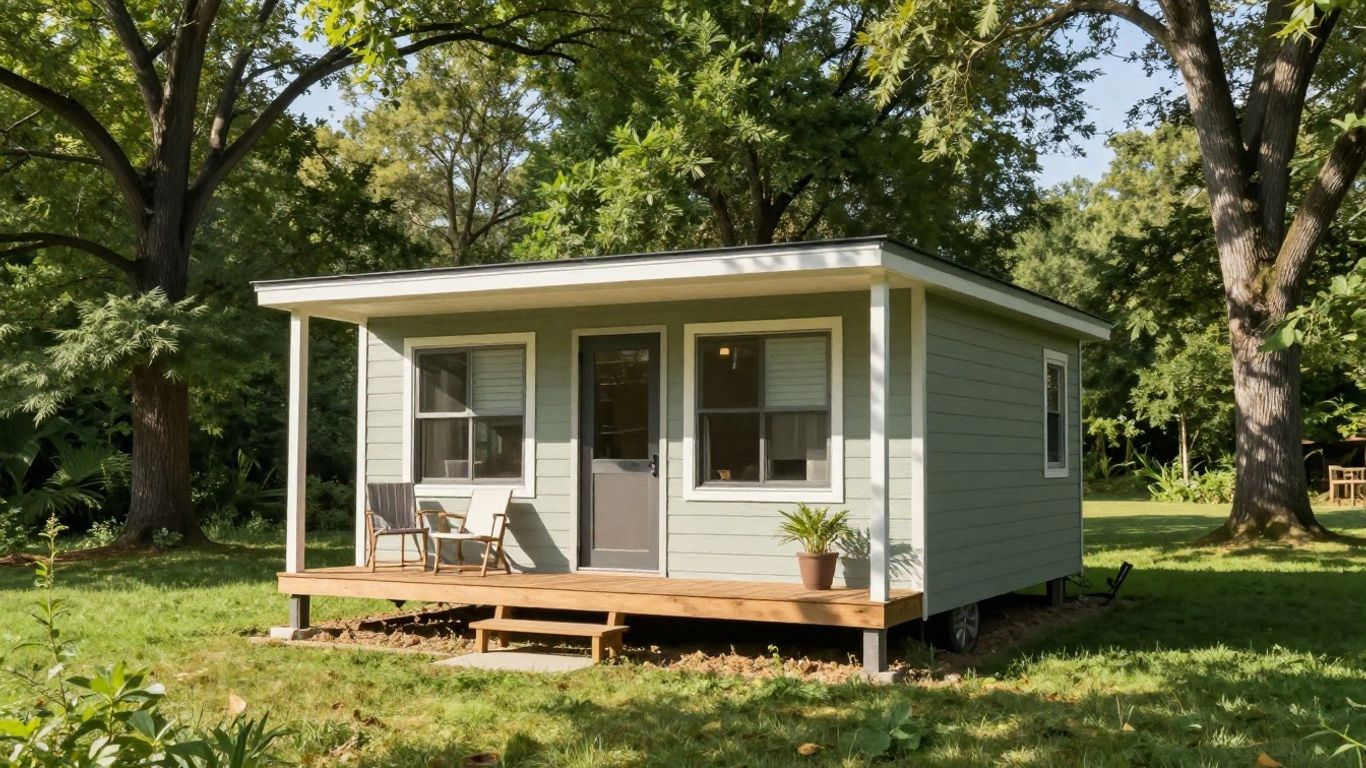
Finding a legal spot for your tiny house in New Jersey can feel like a treasure hunt, but it’s getting easier. While dedicated tiny house villages are still popping up, there are several ways to make it work, whether you’re building a tiny house on foundation or have a tiny house on wheels (THOW).
Exploring Tiny House Communities and Cooperative Living
New Jersey is seeing a rise in co-living and eco-community projects that align with the minimalist lifestyle. These places often focus on shared resources and sustainable living. Think of places that might have communal gardens, shared workshops, or even opportunities to participate in local farming. Some private eco-villages in South Jersey and areas like Warren County are leasing land for small dwellings or off-grid setups. It’s a great way to live tiny with a built-in community. You might also find that some towns are starting to allow accessory dwelling units (ADUs) more broadly, which can be a legal route for a stationary tiny home on someone else’s property, like a family member’s backyard. This is a growing trend that helps with housing diversity.
Utilizing RV Parks and Campgrounds for THOWs
If you’ve got a tiny house on wheels, RV parks and campgrounds are often your best bet. Many parks, especially in the southern and coastal parts of the state, are open to longer-term stays for THOWs. Areas around Cape May County and Ocean County have campgrounds that might offer extended options. Always call ahead and confirm their specific rules, as not all parks allow year-round residency or have restrictions on the size or type of tiny home. It’s also worth checking if they have the utility hookups you’ll need. You can find some options for tiny houses for sale in New Jersey that might already be situated in such locations.
Parking Tips for Tiny House on Wheels Owners
Parking a THOW legally and comfortably requires a bit of planning. Here are some pointers:
- Check Local Zoning First: Before you even think about parking, find out what the local town or city ordinances say. Some places have strict rules against living in RVs or trailers long-term, even if it’s a fancy tiny house.
- Get Written Permission: If you’re planning to park on private land that isn’t yours (like a friend’s or family member’s property), always get written permission. This avoids misunderstandings down the road.
- Consider Privacy and Aesthetics: Sometimes, local rules have aesthetic requirements. Using natural barriers like hedges or even decorative fencing can help your tiny home blend in and meet local standards.
- Understand Utility Hookups: Make sure you know how you’ll connect to water, sewer, and electricity. Some RV parks offer full hookups, but if you’re on private land, you might need to arrange for temporary or permanent connections, which can involve permits.
Navigating the rules for where to place your tiny house is often the trickiest part of the whole process. It requires patience and a willingness to talk to local officials and property owners to find a solution that works for everyone involved.
For those looking to build a tiny house, understanding that New Jersey allows them statewide, provided they meet specific building codes like Appendix Q of the International Residential Code, is a good starting point statewide tiny house rules. This means that while specific parking and community rules vary, the foundation for building is there.
Utilities and Off-Grid Living for NJ Tiny Homes
When you’re thinking about a tiny house in New Jersey, one of the big questions is how you’ll handle utilities. It’s not always as straightforward as you might hope, especially with the state’s varied climate and sometimes strict local rules. You’ve got two main paths: connecting to the grid or going off-grid. Each has its own set of things to figure out.
Connecting to Public Utilities
For tiny homes that are built on a permanent foundation, hooking up to the usual services – water, sewer, and electricity – is often a must if you want that all-important Certificate of Occupancy. This process can add to your overall build cost, and the price can really jump depending on how far away you are from the main lines. Expect to budget anywhere from a couple thousand to upwards of $8,000 for water and sewer connections alone. Electricity hookups might run you another $1,000 to $4,000. If you’re in a more rural spot without access to city services, you’ll be looking at private systems like wells and septic tanks, which come with their own set of permits and installation fees.
Exploring Off-Grid Tiny House Options
Lots of folks in New Jersey are choosing to go off-grid with their tiny homes. It’s a way to boost self-sufficiency and, let’s be honest, cut down on those monthly bills. Solar power is a popular choice; a decent 3kW system can cost around $6,000 to $10,000 and usually covers most of your electricity needs. Composting toilets are also becoming more common, and they’re legal in some counties, especially when paired with a greywater system. Rainwater harvesting can help with water conservation, and propane heating is a reliable option for keeping your small space cozy, even if you’re far from anywhere.
Living off-grid doesn’t mean roughing it. With smart design, good insulation, and the right renewable energy systems, a tiny home can be both sustainable and comfortable.
Local Rules for Utility Connections
This is where things can get a bit tricky. Even in rural areas, some towns in New Jersey might still require you to have at least one public utility connection for a home to be considered legally habitable. It’s super important to check with your local health and zoning departments before you start installing any alternative systems. They’ll have the final say on what’s allowed. For example, if you’re building in a coastal or flood-prone area, you might face restrictions on things like composting toilets or greywater systems, and you’ll likely need to elevate your home on piers.
Here’s a quick look at some common off-grid systems and their potential costs:
| System | Estimated Cost Range | Notes |
|---|---|---|
| Solar Power (3kW) | $6,000 – $10,000 | Covers most electricity needs; battery storage recommended. |
| Composting Toilet | $500 – $2,000 | Check local regulations; often requires greywater system. |
| Rainwater Harvesting | $500 – $3,000 | For irrigation or filtered household use; requires filtration system. |
| Propane Tank/System | $500 – $2,500 | For heating and cooking; requires regular refills. |
Remember to always factor in installation and maintenance costs for any system you choose.
Addressing Challenges in New Jersey Tiny Home Building
Building a tiny house in New Jersey, while rewarding, definitely comes with its own set of hurdles. It’s not always a straightforward path, and you’ll likely run into a few roadblocks along the way. The state’s existing building codes and zoning laws weren’t exactly written with tiny living in mind, which can make things complicated.
Top Challenges Tiny Home Builders Face in NJ
One of the biggest headaches is zoning. Many towns still have minimum square footage requirements for homes, or they simply don’t have a category for tiny houses, especially if you’re looking at a tiny house on wheels (THOW). This means you might find a perfect spot of land, only to discover you can’t legally put your tiny home there full-time. Finding affordable land in general is also tough here, given how populated New Jersey is. Then there’s the whole financing and insurance puzzle. Traditional banks and insurance companies can be hesitant to lend money or insure a home that doesn’t fit their standard mold. It often feels like you’re trying to fit a square peg into a round hole.
- Zoning Restrictions: Minimum home sizes and prohibitions on RV living are common.
- Limited Land Availability: High demand and density make finding affordable plots difficult.
- Financing and Insurance Barriers: Lenders and insurers often view tiny homes as non-standard risks.
- Permitting Delays: Navigating local government can be a lengthy process.
- Community Pushback: Some neighborhoods may resist alternative housing styles.
It’s important to remember that while these challenges exist, they are not insurmountable. Persistence, thorough research, and a willingness to work with local officials can often lead to successful outcomes. Engaging with your local planning board early and presenting a well-documented plan that addresses safety and code compliance is key.
Navigating the Legal Grey Areas
Beyond the obvious challenges, there are also some legal grey areas that can be confusing. For instance, how exactly is a THOW classified? Is it an RV, a mobile home, or something else entirely? This classification can affect where you can park it legally and what permits you need. For tiny homes on foundations, while New Jersey does reference Appendix Q of the International Residential Code for smaller dwellings, local interpretations can still vary. You might find that one town is very accommodating, while the next is much stricter, even if they’re only a few miles apart. This inconsistency can make planning a statewide project quite tricky. It’s why understanding the specific rules in the municipality you’re interested in is so important.
Positive Progress and Future Acceptance
Despite the difficulties, there’s definitely a growing movement towards acceptance. More and more towns are starting to look at updating their zoning laws to include Accessory Dwelling Units (ADUs) and smaller, more affordable housing options. This shift is encouraging for tiny house enthusiasts. While it might still take some effort and patience, the trend suggests that building and living in a tiny house in New Jersey is becoming more feasible. Staying informed about local initiatives and advocating for sensible tiny house regulations can help speed up this positive progress.
Conclusion
So, is building a tiny house in New Jersey the right move for you? Honestly, it depends on your patience and how much you’re willing to work with local rules. The process isn’t always smooth—there’s paperwork, zoning headaches, and sometimes you’ll feel like you’re jumping through hoops just to get a straight answer. But if you’re set on downsizing, saving money, or just want a simpler life, it can be worth it. Start by talking to your local zoning office, ask a lot of questions, and don’t be afraid to reach out to other tiny homeowners in your area. Every town is different, and what works in one place might not fly in another. At the end of the day, living tiny in NJ is possible—it just takes a bit of homework and a lot of persistence. If you’re up for the challenge, you might find that small really does mean more freedom.
Frequently Asked Questions
What’s the main difference between a tiny house on a foundation and a tiny house on wheels (THOW) in New Jersey?
A tiny house on a foundation is built right onto the land, like a regular small house. A tiny house on wheels (THOW) is built on a trailer and can be moved around. In New Jersey, houses on foundations are usually treated as regular homes if they meet local rules, but THOWs are often seen as RVs and can’t be lived in all year round in most places.
Who makes the rules for tiny houses in New Jersey: the state or local towns?
It’s mostly up to the local towns! While New Jersey has building codes that everyone has to follow, each town has its own specific rules, called zoning laws. These local rules decide if and where you can build a tiny house, and what size it has to be.
What are the basic legal things I need to do to build a tiny house in New Jersey?
You’ll need to check your town’s zoning laws first to make sure tiny houses are allowed. Then, you’ll apply for building permits, which means showing your plans to the town. Your house will be inspected during and after building to make sure it’s safe and meets all the rules, like having proper electricity and plumbing.
What are some common problems people run into when trying to get permits for a tiny house in NJ?
Some towns have rules about a minimum house size, and tiny houses might be smaller than that. Also, it can be confusing whether a tiny house on wheels is considered an RV or something else. You also have to make sure your tiny house meets the state’s rules for things like insulation and how much energy it uses.
Where can I legally park or build a tiny house in New Jersey?
Finding a spot can be tricky. Some towns are starting to allow tiny houses, especially as ‘accessory dwelling units’ (ADUs) in backyards. Rural areas in counties like Sussex or Warren might have more flexible rules. RV parks and special tiny house communities are also options, but you need to check their specific rules.
Can I live completely off the grid in my tiny house in New Jersey?
Living off the grid is possible, but you’ll need to check local rules very carefully. Some towns might require you to connect to public water and power. If you can get permission, you might be able to use solar panels for electricity and have your own water source, but it’s not always straightforward.
Explore more tiny home living, design, downsizing, building, and lifestyle resources.
- EcoFlow Delta 3 Pro vs Jackery Explorer 5000 Plus Compared
- Modern Tiny Living: Complete Small-Space Design Guide
- Shed to Tiny House Conversion How to Do It Right
- Tiny Homes for Rent in Wyoming: Wild West Getaways to Book
- Tiny Homes for Rent in Washington: Forest Escapes & Cozy Stays
- Tiny Homes for Rent in Utah: Red Rock Retreats to Book