Navigating Texas Tiny House Laws: Your Essential Guide to Zoning and Regulations
Thinking about building a tiny house in Texas? It’s a great idea, but the rules can be a bit tricky to figure out. Texas doesn’t have one single law for all tiny homes. Instead, it’s a mix of state guidelines and local rules. This means what’s allowed in one town might not be allowed in the next. We’ll break down the important stuff about Texas tiny house laws so you know what to expect.
Key Takeaways
- Texas tiny house laws are not uniform statewide; local zoning and building codes are the primary regulators.
- Tiny Homes on Wheels (THOWs) are generally treated as Recreational Vehicles (RVs) and are subject to RV regulations and placement restrictions.
- Permanent tiny homes on foundations must comply with the International Residential Code (IRC), potentially including Appendix Q if adopted locally.
- Researching local zoning ordinances, including setbacks, utility requirements, and permits, is critical before starting any tiny home project.
- Consider factors beyond zoning, such as utility connections, financing, insurance, and tax implications, for a successful tiny home build.
Understanding Texas Tiny House Laws: A Foundation for Your Project
So, you’re thinking about a tiny house in Texas? That’s awesome! But before you start sketching floor plans or looking at land, we need to talk about the rules. Texas doesn’t have one big, statewide law that covers every tiny house. Instead, it’s a bit of a patchwork quilt, with different rules depending on where you want to put your home. This means understanding the local scene is super important.
The Crucial Distinction: THOWs vs. Homes on Foundations
This is probably the most important thing to get your head around right away. Are you looking at a Tiny House on Wheels (THOW), which is basically a house built on a trailer and often treated like an RV? Or are you planning a permanent tiny home that sits on a foundation, much like a traditional house? This difference really changes everything when it comes to regulations. A THOW might fall under RV park rules, while a home on a foundation will likely need to meet standard building codes. Getting this classification right from the start will save you a lot of headaches later.
State Law as a Starting Point, Not the Final Word
While Texas does have some general requirements for cities to adopt minimum building codes, these are just the basics. Think of state law as the first chapter in a much longer book. The real details, the ones that actually affect where you can park or build your tiny home, are usually found in the local zoning ordinances. So, while it’s good to know the state has some guidelines, you absolutely must dig into the specific rules for the city or county you’re interested in. You can find some general information about Texas building codes online, but always verify locally.
Deciphering Local Zoning Ordinances
This is where the real detective work begins. Every city and county in Texas has its own set of zoning rules. These ordinances dictate things like what kind of structures are allowed in different areas, how big they need to be, where they can be placed on a lot (those are called setbacks), and what utilities you need. For tiny homes, you’ll want to look for rules about minimum square footage, accessory dwelling units (ADUs), and whether THOWs are permitted as permanent residences. It can feel like a lot, but understanding these local rules is key to making your tiny house dream a reality.
The path to building or placing a tiny home in Texas involves understanding that state law sets a baseline, but local ordinances are the true gatekeepers. Each municipality or county has its own zoning map and land use regulations that will dictate the specifics of your project. It’s not uncommon for rules to vary significantly even between neighboring towns.
Here’s a quick rundown of what to look for:
- Zoning District: Is your property zoned for residential use, and what specific type of residential use?
- Minimum Square Footage: Some areas have minimum size requirements for new construction.
- Accessory Dwelling Units (ADUs): Many places are creating specific rules for smaller, secondary homes on existing lots.
- RV Regulations: If you have a THOW, where are you legally allowed to park and live in it long-term?
Don’t skip this step! Researching these local rules upfront is the most critical part of planning your tiny house project in Texas.
Tiny Homes on Wheels (THOWs): Navigating RV Regulations
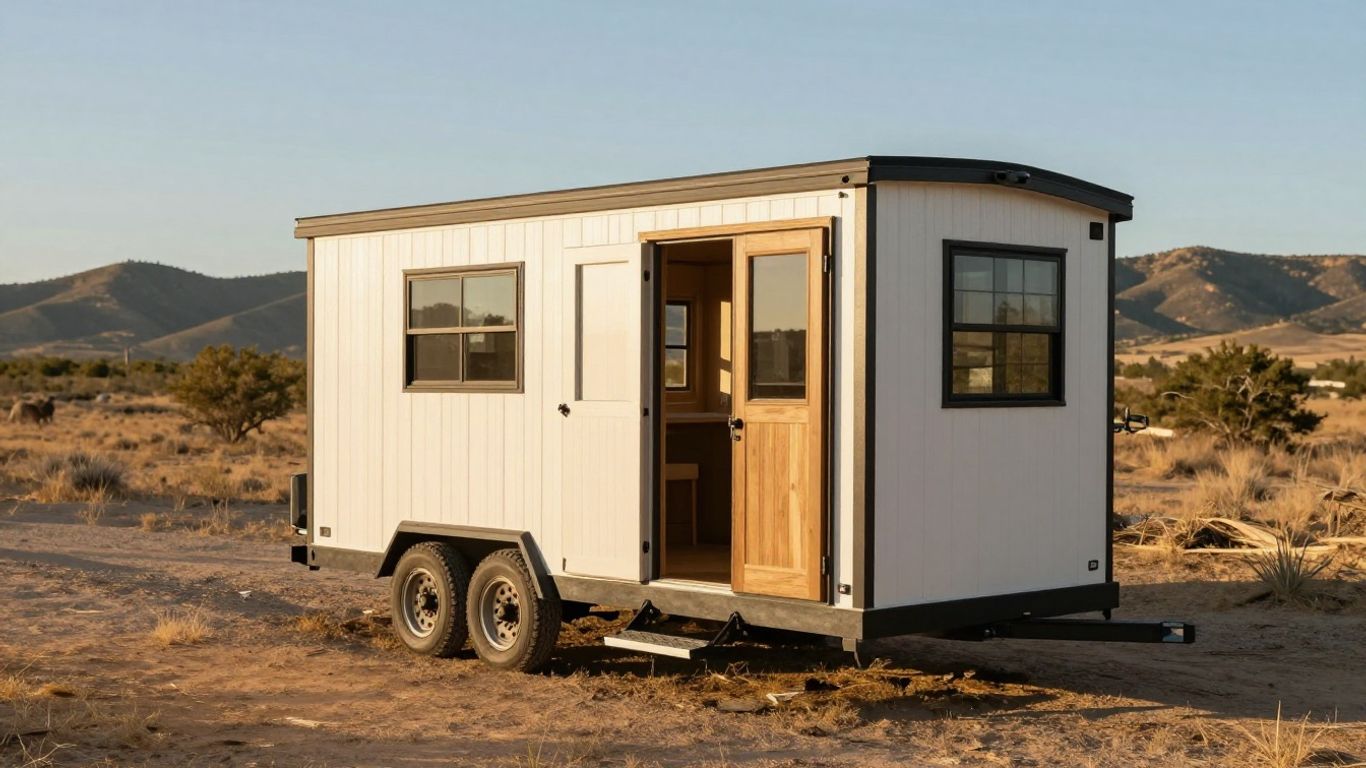
So, you’re thinking about a Tiny Home on Wheels, or THOW, in Texas? That’s awesome! These mobile abodes are super popular, but here’s the thing: Texas law pretty much sees them as fancy RVs. This means they don’t follow the same rules as houses built on foundations. It’s a big difference, and it affects where you can put your tiny home and how you can set it up.
THOWs Classified as Recreational Vehicles
Basically, if your tiny house has wheels and is designed to be moved, the state considers it a Recreational Vehicle (RV). This is a really important point because it shifts the regulations from building codes to those governing RVs. You’ll need to register and title your THOW with the Texas Department of Motor Vehicles, just like any other travel trailer or camper. This classification is the first hurdle to clear when figuring out your THOW’s legal standing.
Certification Requirements for THOWs
Many places that allow THOWs, like RV parks or specific tiny home communities, will want proof that your home is safe and up to snuff. Often, this means getting certified by the Recreational Vehicle Industry Association (RVIA). This certification shows that your THOW meets certain safety standards, like those set by NFPA 1192 for travel trailers. Without this, you might find yourself unable to park in many desirable locations.
Placement Restrictions for Tiny Homes on Wheels
Because THOWs are legally classified as RVs, their placement is usually restricted. You generally can’t just park one in any backyard or on any piece of land. Most often, you’ll find that THOWs are permitted in:
- RV Parks: These are specifically zoned for recreational vehicles and often have the hookups you’ll need.
- Mobile Home Parks: Some of these parks may also allow THOWs, but it’s best to check their specific rules.
- Designated Zones: Some cities or counties have created special areas or ordinances that allow for THOWs, sometimes with specific conditions like being tied down or skirted.
It’s rare to find a place where you can live in a THOW full-time on private property outside of these designated areas. Always check your local zoning ordinances to see what’s allowed in your desired location. Some towns, like Spur and Lake Dallas, have even created specific rules to welcome tiny homes, showing that local regulations are key.
Permanent Tiny Homes: Adhering to Building Codes
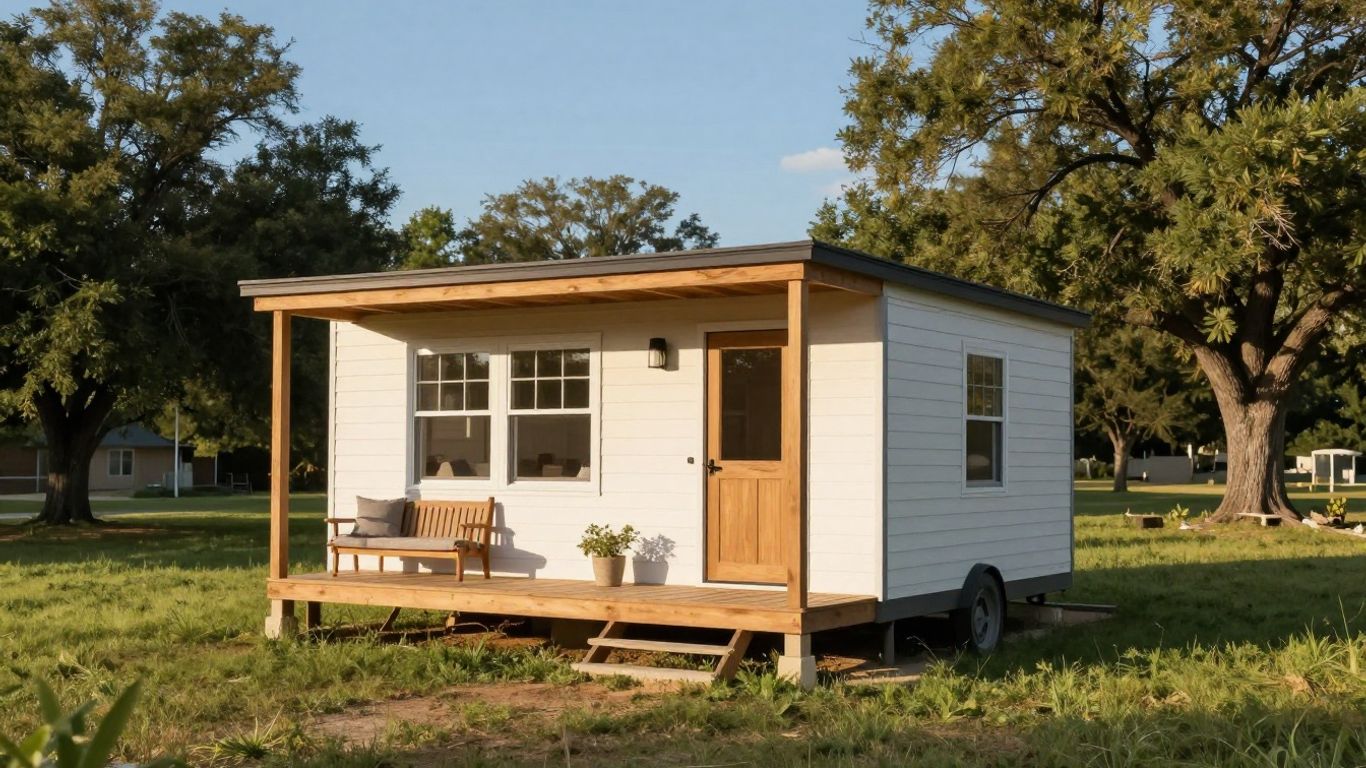
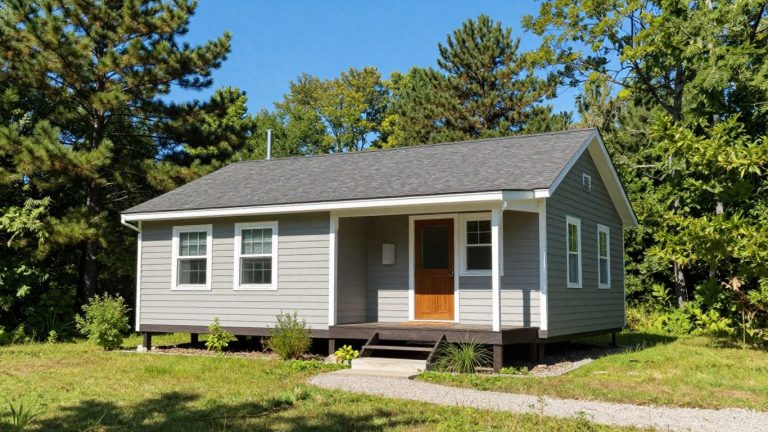
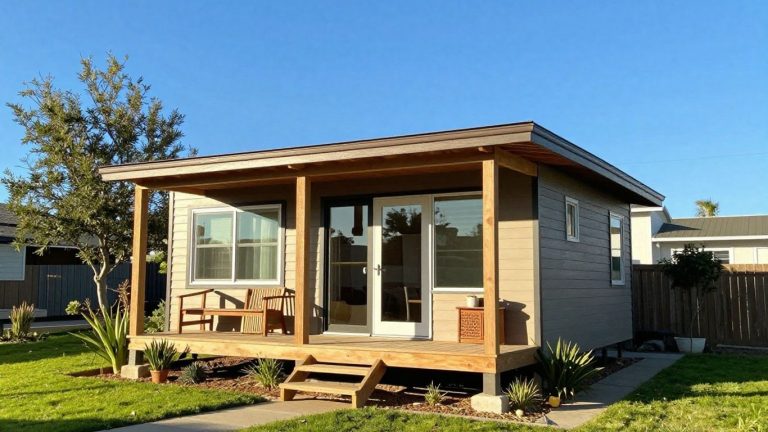
So, you’re thinking about a tiny house that’s going to stay put, right? Not one you can tow around. This means we’re talking about a permanent structure, and that brings a whole different set of rules into play, mostly related to building codes. It’s not quite as simple as just plopping a small house down anywhere.
International Residential Code (IRC) Adoption in Texas
Texas, like many places, uses the International Residential Code (IRC) as a baseline for building. This is a big, detailed book that covers pretty much everything about how houses should be built to be safe and sound. For tiny homes on foundations, this is your main guide. Local cities and counties in Texas adopt their own versions of the IRC, so what’s allowed in one town might be slightly different in another. It’s all about making sure these permanent tiny homes are built to last and won’t cause problems down the road.
Appendix Q: Flexibility for Tiny Homes on Foundations
Now, here’s where it gets a bit more specific for tiny homes. The IRC has something called Appendix Q. Think of it as a special section just for tiny houses on foundations. It offers some more relaxed rules compared to the main code, but only if your local government has actually decided to adopt Appendix Q. This appendix can help with things like minimum room sizes and ceiling heights, making it a bit easier to build a compliant tiny home without needing a massive amount of space. It’s a good idea to check if your local building department uses Appendix Q – it could make your project much smoother.
Minimum Size and Safety Standards
Even with Appendix Q, there are still minimum standards you have to meet. For a permanent tiny home, you’re generally looking at requirements for things like:
- Foundation: It needs to be a proper, permanent foundation that meets local code.
- Ceiling Height: Habitable rooms usually need at least a 7-foot ceiling.
- Floor Area: While tiny, there are often minimums for living areas (like 120 sq ft) and bedrooms (like 70 sq ft).
- Utilities: Plumbing, electrical, and heating/cooling systems must be installed correctly and safely, often requiring inspections.
- Egress: You need safe ways to get in and out, like proper doors and windows.
Building a permanent tiny home means it’s treated much like any other house when it comes to safety and structural integrity. The goal is to ensure that even though it’s small, it’s still a safe, durable, and comfortable place to live, especially considering Texas’s sometimes wild weather.
It’s really important to talk to your local building department early on. They can tell you exactly which version of the IRC they use, whether they’ve adopted Appendix Q, and what specific requirements you’ll need to follow for your permanent tiny home. Getting this right from the start saves a lot of headaches later!
Key Steps for Zoning Compliance in Texas
Zoning compliance in Texas isn’t as easy as it sounds. You might think, "I’ve got a plot of land, why can’t I just put my tiny house there?" Unfortunately, a lot can get in the way—city rules, county rules, even your HOA or old deed restrictions. Let’s break down the big steps so you know what to expect and what to watch out for.
Researching Local Zoning and Land Use Rules
Understanding the zoning on your property is the first real task before anything else. Some places are zoning deserts (looking at you, Houston) while others have more rules than you’d expect. Check out your city or county’s zoning office—many now have online maps or quick guides.
- Contact city or county offices to ask about allowances for tiny homes or ADUs (Accessory Dwelling Units).
- Figure out what you can use your tiny house for—a full-time residence, rental, or just an office? The answer changes the game.
- Double check terms: "zoning ordinance," “land development code,” or sometimes something unique.
A useful summary of county and rural land processes can be found in this guide to zoning and permitting rules.
Understanding Setbacks, Utilities, and Permits
You’ll run into a handful of technical terms as you go:
| Requirement | What It Means | Why It Matters |
|---|---|---|
| Setbacks | Distance from property lines | Keeps houses spaced legally |
| Lot coverage | Percent of lot used by structures | Stops overcrowding |
| Height limits | Maximum home height | Preserves local character |
| Parking spaces | Number you must provide | Traffic and safety |
| Utility hookup | Water, sewer, electrical plans | Must connect or have plan |
You’ll need permits for just about everything: building, electrical, plumbing, sometimes septic if you’re out in the county. Fees and rules vary wildly by town and county, so prepare to make a lot of calls or stop by offices in person.
Considering Accessory Dwelling Unit (ADU) Ordinances
Lots of folks try to get their tiny home approved as an ADU. Here’s what you should check:
- Does your city or county let you build ADUs?
- Do you need a certain lot size or extra parking?
- Do minimum or maximum size limits apply?
- Are there caps on the number of units per property?
- Is owner-occupancy required (meaning you have to live there too)?
Sometimes, just having one conversation with your local planning office can save weeks of headaches. Don’t assume online info is up-to-date—rules change often and sometimes without notice.
In short, give yourself permission to slow down and make a checklist. Zoning isn’t about red tape for red tape’s sake—it’s so everyone can live together without headaches down the road. The right up-front research saves you from costly surprises and lets you move forward with your tiny home project confidently.
Location, Location, Location: Where to Place Your Tiny Home
Finding the right spot for your tiny house is almost as big a deal as the house itself. It’s not just about where you want to put it, but where you can legally and practically set it up. Texas is a big state with a lot of different rules depending on where you are.
Cities vs. Unincorporated County Areas
Cities often have stricter rules. Many have minimum square footage requirements for homes, which can be a real hurdle for tiny houses. You might also run into specific zoning laws about what kind of structures are allowed in different neighborhoods. Think about it: a tiny house might fit perfectly in a backyard as an accessory dwelling unit (ADU), but putting one on a vacant lot in a traditional subdivision might be a whole different story.
On the flip side, unincorporated county areas usually have fewer regulations. This is where you might find more freedom to place your tiny home on private land. However, you’ll need to be extra diligent about checking for things like septic system requirements (OSSF permits) and any potential floodplain issues. It’s a trade-off: more freedom, but you’re responsible for more of the groundwork.
Tiny Home Communities and RV Parks
These places are becoming more popular for a reason. They’re often set up specifically for tiny homes or RVs, meaning the zoning and utility hookups are usually sorted. It’s a great way to live tiny without having to figure out all the land-use rules yourself. Plus, you get a built-in community of like-minded people, which can be a nice bonus.
- RV Parks: Many RV parks in Texas welcome certified Tiny Homes on Wheels (THOWs). They typically offer hookups for water, sewer, and electricity. Just be sure to check their specific rules – some might have restrictions on the age or appearance of the unit.
- Tiny Home Communities: These are purpose-built neighborhoods for tiny houses. They often come with shared amenities and a strong sense of community. Researching these communities early on is key, as they can fill up quickly.
Deed Restrictions and HOA Rules
This is a big one, especially if you’re looking at land in a planned development or even some rural areas. Deed restrictions and Homeowners Association (HOA) rules are private agreements that can dictate what you can and can’t build or park on your property. They can be even more restrictive than city or county zoning laws. Always get a copy of these rules and read them carefully before you buy land or place your tiny home. You don’t want to fall in love with a spot only to find out your tiny house isn’t allowed.
When you’re scouting locations, think beyond just the immediate spot. Consider how easy it will be to get utilities connected, what the neighbors are like, and if the area has any natural risks like flooding. The land around your tiny home is just as important as the home itself.
Essential Considerations Beyond Zoning
So, you’ve wrestled with zoning laws and figured out where your tiny home can legally sit. That’s a huge step! But before you start hammering nails, there are a few other important things to think about. These often get overlooked, but they can make or break your tiny house dream.
Utility Connections: Water, Sewer, and Power
Getting your tiny home hooked up to essential services is a big one. It’s not always as simple as just plugging in.
- Water: Will you connect to a municipal water supply, a well, or use a water tank system? Each has its own setup and potential costs.
- Wastewater: Options include connecting to a city sewer line, installing a septic system, or using a composting toilet. Septic systems require specific permits and soil evaluations.
- Power: You might hook up to the grid, install solar panels, or use a generator. Consider your energy needs and how you’ll meet them reliably.
Connecting utilities often involves working with different local departments and utility companies. It’s wise to get quotes and understand the timelines involved early in your planning process. Sometimes, the cost and complexity of utility hookups can significantly impact your overall budget.
Financing and Insurance for Tiny Homes
Getting a loan or insurance for a tiny home can be a bit different than for a traditional house. Because they don’t always fit neatly into existing categories, lenders and insurers might be hesitant.
- Financing: Traditional mortgages are usually out. You might look into RV loans (especially for THOWs), personal loans, or even financing through tiny home builders. Saving up a substantial down payment is often key.
- Insurance: For Tiny Homes on Wheels (THOWs), you’ll likely need RV insurance. For permanent tiny homes, it might be covered under a standard homeowner’s policy, but you’ll need to ensure it meets the insurer’s requirements, especially regarding foundation and building codes.
Tax Implications: Real Property vs. Personal Property
How your tiny home is taxed depends heavily on whether it’s considered real property (like a house on a foundation) or personal property (like an RV).
- Real Property: If your tiny home is on a permanent foundation and meets local building codes, it will likely be taxed as real estate. This means property taxes based on its assessed value.
- Personal Property: Tiny Homes on Wheels (THOWs) are often classified as recreational vehicles (RVs). This means they might be subject to personal property taxes or registration fees, similar to a car or RV, depending on state and local rules.
Understanding these distinctions early can help you avoid surprises when tax season rolls around.
Your Tiny House Journey in Texas
So, building a tiny house in Texas might seem a bit tricky with all the different rules. It really comes down to where you want to put it and whether it’s on wheels or a foundation. Most places have their own specific ideas about what’s allowed, so doing your homework on local zoning is super important. Don’t just guess; actually talk to your city or county folks. It might take a little extra effort upfront, but figuring out the regulations now will save you a lot of headaches later. Texas has a lot to offer for tiny living, and with a bit of planning, you can make your small-space dream a reality.
Frequently Asked Questions
What’s the main difference between a Tiny House on Wheels (THOW) and a tiny house on a foundation in Texas?
In Texas, the biggest difference is how they’re legally seen. A Tiny House on Wheels (THOW) is usually treated like a recreational vehicle (RV), meaning it needs to be registered and follows RV rules. A tiny house on a foundation is treated more like a regular house and has to meet building codes, similar to larger homes.
Do I need special permission to build a tiny house in Texas?
Yes, you likely will. While Texas has some general building codes, each city or county has its own specific rules, called zoning ordinances. You’ll need to check with your local government to see what’s allowed on your property, especially regarding size, placement, and utilities.
Can I park my THOW anywhere in Texas?
Not usually. Because THOWs are often seen as RVs, they are typically only allowed in designated RV parks, mobile home parks, or specific areas set aside for temporary living. Many places don’t let people live in RVs full-time on private property outside of these parks.
Are there minimum size rules for tiny houses on foundations in Texas?
Yes, many cities in Texas have minimum square footage requirements for homes built on foundations. These can often be quite large, sometimes between 600 to 1,000 square feet. However, some areas might be more flexible, especially if they’re trying to encourage affordable housing.
What is Appendix Q, and does it apply to my tiny house in Texas?
Appendix Q is a part of the International Residential Code (IRC) that offers more flexible building standards specifically for tiny houses on foundations. While Texas requires cities to adopt the main building code, they have to choose to adopt Appendix Q separately. Not all cities have done this, so you need to check if your local area has adopted it.
What are the important things to consider besides zoning for my tiny house in Texas?
Besides zoning, you’ll need to plan for utility connections like water, sewer, and electricity. You also need to think about financing and insurance, as these can be different for tiny homes. Finally, consider how your tiny house will be taxed – whether it’s treated as real property (like a house) or personal property (like a vehicle).
Explore more tiny home living, design, downsizing, building, and lifestyle resources.
- Tiny Homes for Rent in Wyoming: Wild West Getaways to Book
- Tiny Homes for Rent in Washington: Forest Escapes & Cozy Stays
- Tiny Homes for Rent in Utah: Red Rock Retreats to Book
- Tiny Homes for Rent in Oregon: Forest Retreats You’ll Love
- Tiny Homes for Rent in New Mexico: Desert Gems & Starry Skies
- Tiny Homes for Rent in Nevada: Desert Hideaways Worth Booking