How Long Can You Finance a Tiny Home? Exploring Loan Terms and Options

Thinking about a tiny home? They’re charming, affordable, and offer a simpler way to live. But when it comes to paying for one, things can get a little tricky. Unlike regular houses, most tiny homes don’t fit the mold for traditional mortgages. So, how long can you finance a tiny home, and what are your options? Let’s break down the different ways you can make your tiny home dream a reality.
Key Takeaways
- Traditional mortgages are usually not an option for tiny homes due to size and foundation requirements.
- Personal loans offer flexibility but often come with shorter terms and higher interest rates.
- RV loans can be a good fit for tiny homes on wheels, provided they meet specific certification standards.
- Builder financing can be convenient but may have less favorable interest rates than other options.
- Factors like land costs, zoning laws, and the resale value of tiny homes are important to consider alongside financing.
Understanding Tiny Home Financing Options
When people decide to buy or build a tiny home, they’re in for a bit of a surprise: The process isn’t much like financing a traditional house. Most tiny homes don’t check the boxes for standard home loans, so finding the right funding means thinking outside the box. Let’s get a handle on why this is and what paths you might take instead.
Why Traditional Mortgages Don’t Fit Tiny Homes
Traditional mortgages sound comforting—big banks, long payment terms, predictable rates. But with tiny homes, it’s usually a no-go. Here’s why:
- Minimum loan amounts: Tiny homes just don’t cost enough for many lenders to bother.
- Most require a permanent foundation, but a lot of tiny homes are built on wheels.
- Lenders often have minimum square footage rules tiny homes never meet.
So, if you dream of a tiny house that moves or sits under 400 square feet, you’ll probably need something other than a regular mortgage.
Exploring Alternative Loan Avenues
Turns out, there are still quite a few ways you can fund your tiny home dream:
| Financing Option | Key Points | Best For |
|---|---|---|
| Personal Loan | Up to $50,000, 1–7 year terms | Buyers wanting flex |
| RV Loan | Needs RVIA cert, 10–20% down, 5–20 year term | Mobile tiny home fans |
| Builder Financing | Direct from builder, varied terms | Turnkey solutions |
| Cash | No interest, but needs high savings | Low-cost tiny homes |
| Credit Card | Super high rates, small amounts | Finishing touches |
- Personal loans tend to be the most flexible if you need a moderate sum fast.
- RV loans work if your home is certified as an RV.
- Builder loans can be convenient but sometimes pricier in the long run.
Before deciding on financing, always think about the total cost—down payment, interest, and fees—not just the monthly bill.
The Role of Credit Score in Tiny Home Loans
Lenders look at your credit score no matter which route you pick. The better your score, the better your loan offers will look. Here’s how it comes into play:
- Higher scores = lower interest rates. (Could save you thousands in the end.)
- Low scores might limit you to smaller loan amounts or higher rates.
- Good credit habits—paying bills on time, lowering debt—help you get approved.
If you’re planning ahead, even a few months of improving your score can make a difference.
To wrap up: Tiny home financing takes a little extra planning, but with the right approach, you can find the option that fits your needs without getting stuck in a bad deal.
Personal Loans for Tiny Home Purchases
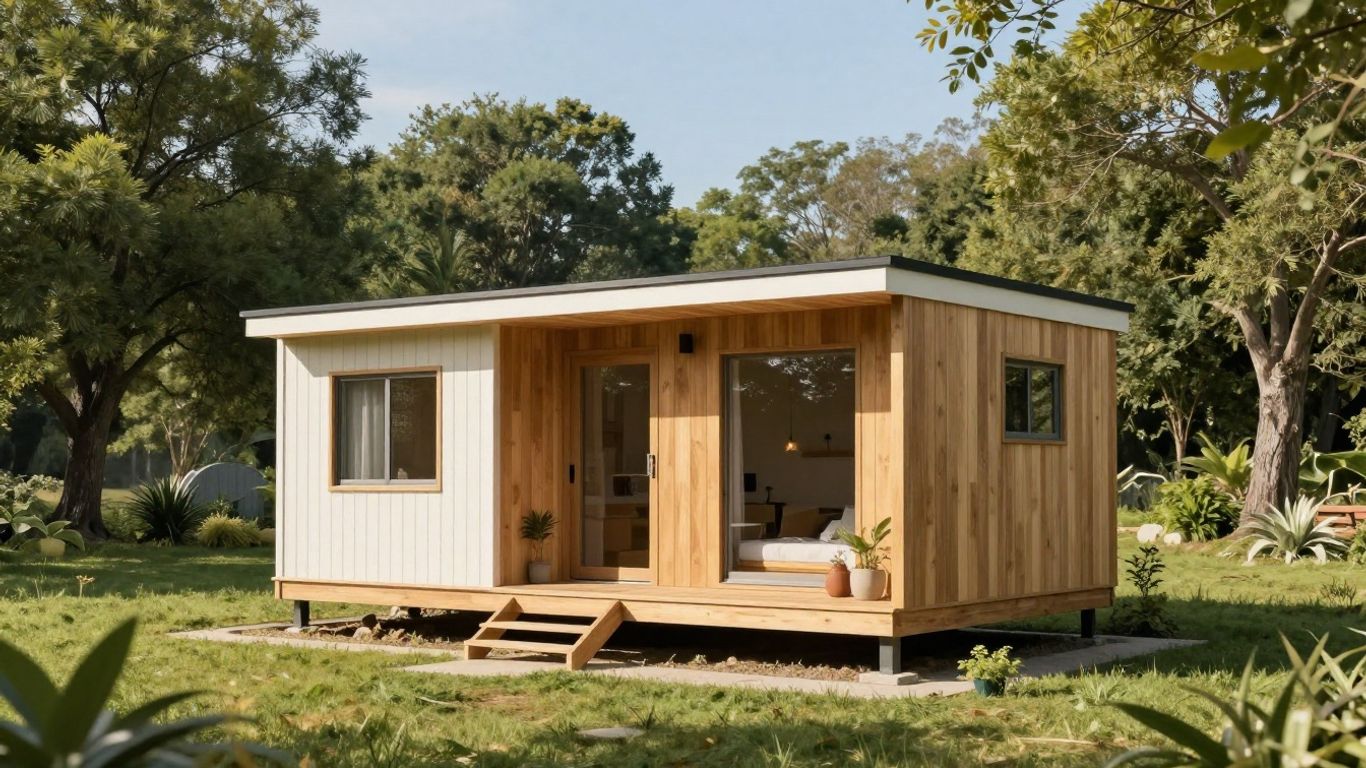
If you’re struggling to find a mortgage for your tiny home, personal loans might be your best shot. Personal loans stand out because they’re flexible, fast, and don’t usually need collateral—perfect for folks who want to buy or build a tiny home without tying it to their land. But before you start filling out applications, it pays to know exactly what you’re getting into.
Loan Terms and Amounts for Personal Loans
Most personal loans for tiny homes let you borrow anywhere from $5,000 up to around $100,000, depending on your credit and income. The typical term runs somewhere between 1 and 7 years—way shorter than a traditional 30-year mortgage. Shorter terms mean you pay off the loan quicker, but your monthly payments might be a bit steeper.
| Loan Amount Range | Typical Loan Term | Average Interest Rate |
|---|---|---|
| $5,000 – $100,000 | 1 – 7 years | 6% – 36% |
If you’re curious about monthly costs and approval basics, you might want to check out these detailed financing options for tiny homes.
Benefits of Using Personal Loans
- No need for collateral: Most personal loans are unsecured, so your tiny house or other assets aren’t at immediate risk if you miss payments.
- Quick approval process: Some lenders fund personal loans in just a few days. Handy if you’ve found the perfect tiny house and don’t want to wait around for paperwork.
- Flexible usage: You can use the loan to build, buy, or renovate a tiny home—plus cover other costs, like delivery or utility hook-ups.
Personal loans can give you the freedom and speed to close your tiny house deal without a lot of red tape, especially if you don’t already own land or don’t want to risk it as collateral.
Considerations for Personal Loan Interest Rates
Interest rates for personal loans can move all over the map, mostly depending on your credit score, income, and debt load.
- Lenders usually offer the lowest rates if your credit score is excellent.
- Shorter loan terms may lead to higher monthly payments, even if you’re saving on total interest.
- Unsecured loans often come with higher interest rates compared to options backed by property (like home equity loans).
Before you sign, read every detail of your loan—interest rates, fees, and all. Make sure you get a quote from more than one lender so you know you’re not overpaying before you walk away with the keys to your new tiny home.
RV Loans for Mobile Tiny Homes
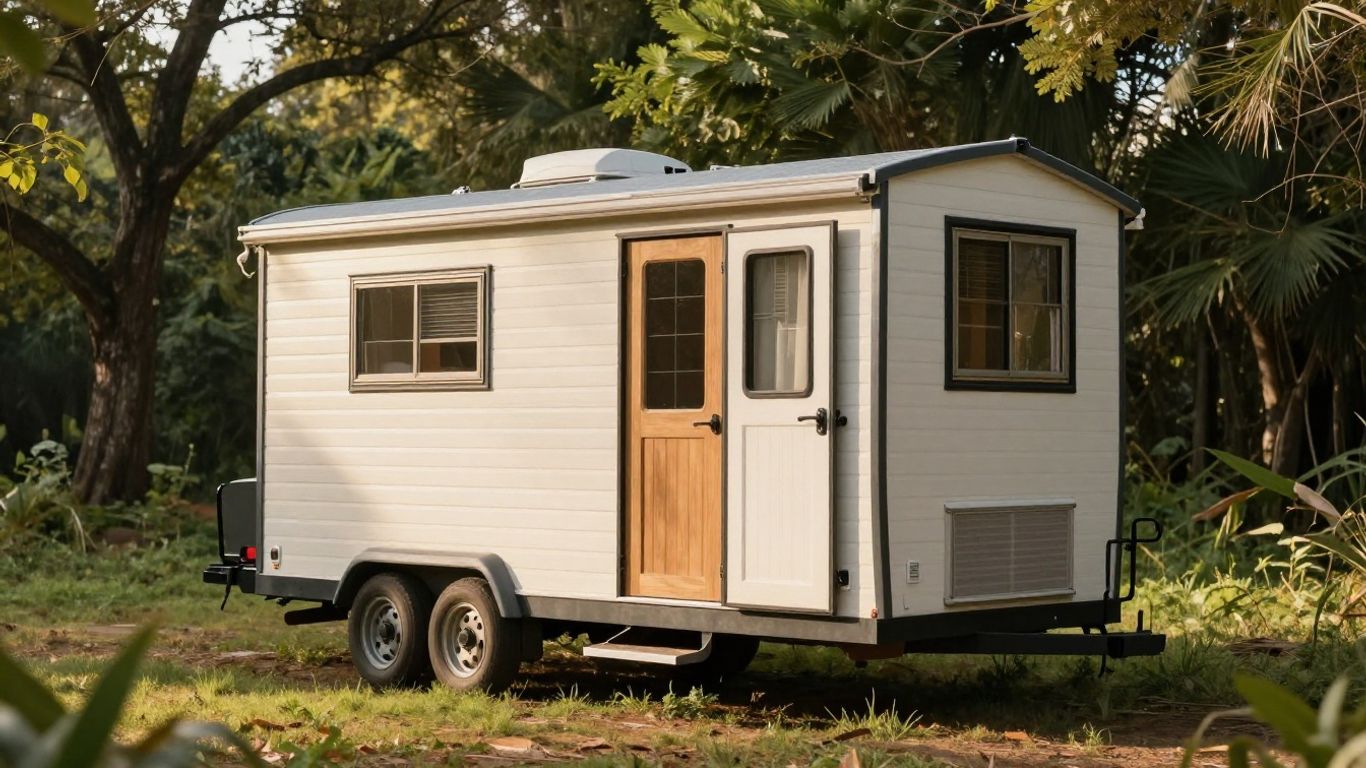
If you’re planning to put your tiny home on wheels, you might be looking at RV loans as a possible way to finance it. This section walks through what that looks like, how to qualify, and some things to watch out for if you want your tiny home to double as your adventure mobile.
Eligibility Requirements for RV Loans
Getting an RV loan for a tiny home isn’t like signing up for a general loan—you need to meet some pretty specific rules first:
- Your tiny home must usually be RVIA certified. That means it has to pass safety rules covering electrical, plumbing, and fire codes. Not all tiny homes meet this, especially hand-built or DIY versions.
- Lenders most often require a minimum credit score (somewhere between 660 and 700 is typical).
- The home may need to be your primary or permanent residence rather than just a weekend getaway.
- The lender could ask for a down payment—expect anything from 10% to 20% of the price upfront.
It’s not as simple as just having a tiny home on wheels; the paperwork and certifications are key.
Loan Durations and Interest Rates
RV loans can feel a bit like a mix between auto loans and personal loans. Their terms offer more flexibility than short personal loans, but usually less than a full 30-year mortgage.
Here’s a quick comparison in a table:
| Loan Type | Typical Term Length | Typical Interest Rate* | Down Payment |
|---|---|---|---|
| RV Loan | 5 – 20 years | 6% – 8% | 10% – 20% |
| Personal Loan | 1 – 7 years | 6% – 36% | None (usually) |
*Rates can change based on your credit history, lender, and if the tiny home is certified.
RV loan monthly payments are often more affordable than personal loans, since you can stretch payments over a longer time. But there’s a trade-off—if you go for a lower monthly payment with a longer term, you’ll pay more in interest over time. Budgeting for both the monthly payment and the total cost over the loan term is important.
RVIA Certification and Its Importance
RVIA stands for Recreation Vehicle Industry Association. If your tiny home is RVIA certified, you’re showing the lender (and insurance companies) that it meets strict safety standards for things like wiring, water systems, and structure.
Here’s why that matters:
- Many banks simply won’t consider your loan application unless they see an RVIA seal on your home.
- Certification often requires professional building and inspections, so DIY builders might not qualify.
- RVIA certification can also make it easier to register, insure, and resell your tiny home down the road.
If you want financing that matches the life-on-the-road dream, planning for RVIA certification from the start can save loads of headaches later. Otherwise, your options narrow and rates often go up.
In the end, RV loans sit right in the middle: longer terms than a personal loan, lower interest than a credit card, but with a few more hoops to jump through. For many, that’s a trade-off that makes tiny home life possible—and just a bit more structured than you might think.
Builder and Contractor Financing
Sometimes, the easiest way to get your tiny home built and financed is to work with the builder themselves. Many tiny home builders have relationships with lenders, or even offer financing directly. This can feel like a one-stop shop, simplifying the whole process.
Convenience of Builder-Provided Loans
Working with a builder who offers financing can really cut down on the hassle. Instead of you hunting for a loan and then finding a builder, they’re often linked up. This means less paperwork and fewer separate applications to juggle. It’s pretty straightforward: you pick your tiny home design, and the builder helps you sort out the money side of things, often with a lender they already trust. This can be especially helpful if you’re new to this kind of purchase and want a guided experience. Some builders even offer combined financing for land, site preparation, and the tiny home itself in a single loan, with interest-only payments during construction and then automatically converting to a permanent mortgage after completion.
Potential for Higher Interest Rates
While convenient, builder financing isn’t always the cheapest option. Because they’re offering a package deal, the interest rates might be a bit higher than what you could find shopping around independently. It’s like getting a bundled service – sometimes you pay a premium for that ease. You’ll want to pay close attention to the Annual Percentage Rate (APR) and compare it with other loan types we’ve discussed.
Reviewing Terms with Builder Lenders
Before you sign anything, it’s super important to read all the fine print. Ask questions about:
- The total cost of the loan, including all fees.
- The interest rate – is it fixed or variable?
- The loan term – how long do you have to pay it back?
- Any prepayment penalties if you want to pay it off early.
- What happens if you miss a payment?
It’s always a good idea to get a second opinion on the loan terms from an independent financial advisor if possible. Don’t feel pressured to accept the first offer just because it comes from your builder. Your goal is to get a fair deal that works for your budget long-term.
Lease-to-Own and Other Programs
Lease-to-own is one of those options you stumble on when you feel like a traditional loan’s just out of reach. Basically, you’re renting the home with an agreed plan: after a set period and regular payments, the tiny house is yours to keep.
How Lease-to-Own Agreements Work
With a lease-to-own agreement, you start out as a tenant, making monthly payments that often go toward the final purchase. Here’s how these contracts usually break down:
- Move in with a lower upfront cost compared to buying with a loan
- Fixed period for lease (usually 1-5 years)
- Option or obligation to buy at the end of the lease term
- Monthly payments may include a portion that builds toward the equity in the home
This approach works well for folks who might not qualify for financing right now, but want a shot at ownership down the line.
Building Equity Through Lease Agreements
One perk here is that some of your rent turns into equity. It’s not that different from putting money toward a down payment, except you get to live in the home while you do it. Typically:
| Monthly Payment | Goes Toward Rent | Goes Toward Future Equity |
|---|---|---|
| $950 | $800 | $150 |
| $1100 | $900 | $200 |
Just know that not all programs work exactly the same, so it’s smart to double-check how much actually counts toward ownership before signing.
Eligibility for Lease-to-Own Programs
Getting into these programs isn’t too hard, but there are still some requirements. Generally, here’s what you might need:
- Proof of stable income (pay stubs, tax info, etc.)
- A credit check (though the bar may be lower than a typical loan)
- Some form of upfront payment (like first month’s rent or a security deposit)
- Agree to property upkeep and other terms in the contract
If you’re not ready for a regular loan or you feel stuck by your credit, lease-to-own is worth a look—it’s more flexible and can turn renters into homeowners without jumping through all the hoops of traditional lending.
Some people even use these agreements as a stepping stone: they lease for a few years, work on their credit or save up, and then either purchase the tiny home outright or refinance. Just make sure you understand all the terms before jumping in, especially what happens if you choose not to buy at the end.
Key Factors Beyond the Loan
When it comes to financing a tiny home, it’s easy to get lost in the excitement about loan approvals and payment plans. But trust me, that’s just part of the story. There are a few hidden costs and details no one talks about until you’re knee-deep in unexpected bills. Here are some of the things I wish someone had told me before I started my tiny home journey:
Land and Utility Costs
You might think once the home is paid for, you’re done. Not even close. Finding and prepping a spot for your tiny house can get expensive fast.
- Land purchase or lease: If you need to buy land, prices can swing wildly depending on location. Some folks end up leasing or renting land, but that means monthly bills.
- Utility connections: Just because your home is small doesn’t mean getting water, power, or a septic system hooked up is cheap or easy.
- Site preparation: Leveling ground or pouring a concrete pad can throw your budget out of whack fast.
Here’s a quick look at what these costs could be:
| Expense | Estimated Range |
|---|---|
| Land Purchase/Lease | $500 – $50,000+ |
| Utility Hookups | $2,000 – $15,000 |
| Site Prep | $2,000 – $10,000 |
Even if the home itself was affordable, getting everything set up on a piece of land can cost way more than you’d expect. It’s not always just plug-and-play.
Zoning Laws and Regulations
People sometimes forget that you can’t put a tiny home wherever you want. Local zoning and building code restrictions can make or break your plans.
- Some areas outright ban full-time living in tiny homes.
- Minimum size laws might disqualify your setup.
- Even if mobile, some towns treat tiny homes like RVs and restrict where they can be parked.
If you skip this research, you might end up moving again, or worse—facing fines or having to undo all your hard work.
Resale Value of Tiny Homes
Unlike traditional houses, tiny homes don’t always go up in value. In fact, many tiny homes can lose value, especially if they’re built on wheels.
- Tiny homes on foundations tend to hold value better.
- Mobile units may be treated more like vehicles—often depreciating over time.
- Limited buyer pool: Not everyone is drawn to tiny living, so it can take longer to sell when the time comes.
So, when you’re thinking about tiny home life, just remember: There’s more to it than snagging a good loan. Land, local laws, and future value—these are the things that can sneak up on you. If you plan for these ahead of time, you’ll thank yourself later.
Wrapping Up Your Tiny Home Financing Journey
So, you’ve looked into how long you can finance a tiny home, and it’s clear it’s not quite like getting a mortgage for a regular house. Most of the time, you’ll be looking at personal loans, RV loans, or maybe even builder financing, with terms that are usually shorter and sometimes come with higher interest rates. It’s a bit different, for sure. But don’t let that stop you if a tiny home is your dream. With a good understanding of your options and a solid plan, you can absolutely find a way to make it happen. Just remember to check all the details, like interest rates and fees, before you sign anything. Happy tiny home living!
Frequently Asked Questions
Can I get a regular mortgage for a tiny home?
Usually, no. Most tiny homes are too small or aren’t built on permanent foundations, which are requirements for standard home loans. You’ll likely need to look into other types of financing.
What are the main loan options for tiny homes?
The most common ways to finance a tiny home are through personal loans, RV loans (if your home is on wheels and certified), or loans directly from the builder. Sometimes, lease-to-own programs are also available.
How long are the loan terms for a tiny home?
Loan terms vary. Personal loans are often shorter, maybe 1 to 5 years. RV loans can sometimes be longer, up to 15 or 20 years. Builder financing terms can differ greatly depending on the lender.
What credit score do I need for a tiny home loan?
It depends on the loan type. For personal loans, a score of 580 or higher is often needed, but a better score (like 700+) gets you better deals. RV loans usually require a score of 660 to 700 or more.
Are there any special programs or grants for tiny homes?
Finding grants specifically for tiny homes can be tough, but sometimes local affordable housing groups or non-profits might offer assistance. It’s worth looking into programs that help with affordable housing in your area.
What’s the difference between financing a tiny home and a regular house?
Financing a tiny home is different because they often don’t meet the strict rules of traditional mortgages. This means you can’t usually get a 30-year mortgage. Instead, you use loans designed for personal use, vehicles, or specific builders, which can have different rates and terms.
Explore more tiny home living, design, downsizing, building, and lifestyle resources.
- Tiny Homes for Rent in Wyoming: Wild West Getaways to Book
- Tiny Homes for Rent in Washington: Forest Escapes & Cozy Stays
- Tiny Homes for Rent in Utah: Red Rock Retreats to Book
- Tiny Homes for Rent in Oregon: Forest Retreats You’ll Love
- Tiny Homes for Rent in New Mexico: Desert Gems & Starry Skies
- Tiny Homes for Rent in Nevada: Desert Hideaways Worth Booking