Understanding California Tiny Home Laws: Your Essential Guide

Thinking about living in a tiny home in California? It’s a big trend right now, but figuring out where you can legally park or build one isn’t always simple. California tiny home laws are a mix of state rules and local city or county regulations, so what works in one place might not work in another. Whether you want a tiny home as your main house, a backyard unit, or something you can move around, knowing the basics will save you a lot of headaches. Here’s what you need to know before you get started.
Key Takeaways
- California tiny home laws are different in every city and county, so local research is a must.
- Tiny homes can often be used as accessory dwelling units (ADUs), but you’ll need to follow specific building and zoning codes.
- Some counties, like Fresno and Humboldt, have made it easier to live in a tiny home, while others have more restrictions.
- Tiny homes on wheels (THOWs) usually follow RV rules and need proper registration if you plan to live in them full-time.
- Getting the right permits and making sure your tiny home meets utility, safety, and foundation requirements is key to staying legal.
Understanding California Tiny Home Laws
So, you’re thinking about a tiny home in California, huh? It’s a pretty cool idea, right? Lower costs, less stuff, maybe even a smaller environmental footprint. But before you start dreaming about your cozy little place, we gotta talk about the rules. California’s got a lot of them, and they can get a bit confusing because they change depending on where you are.
What Qualifies as a Tiny Home?
First off, what even is a tiny home in the eyes of the law? Generally, we’re talking about homes under 400 square feet. Some places might stretch that a bit, maybe up to 600 square feet, but that’s the usual ballpark. These homes can either be built on a permanent foundation, like a regular house, or they can be mobile, like a tiny house on wheels (THOW). The way it’s built really matters for the rules that apply to it. For example, a THOW often has to meet standards for RVs, while a home on a foundation needs to follow the regular building codes.
Tiny Homes as Accessory Dwelling Units (ADUs)
One of the biggest ways people are making tiny homes work in California is by using them as Accessory Dwelling Units, or ADUs. Think of it as a second, smaller home on your property. California has been pushing for more ADUs, so state law makes it easier for homeowners to add them. This is great if you want to rent out the space, house a family member, or just have some extra room. If your tiny home is on a foundation and meets the building codes, it can often be permitted as an ADU. Just remember, ADUs still need to be properly hooked up to utilities and get the right permits.
Statewide ADU and Building Codes
California has statewide rules, especially for ADUs, that aim to make things simpler. The state has building codes, like the California Residential Code (CRC), that set minimum standards for things like room size and ceiling height. For tiny homes on wheels, there are also standards, often related to RVs and park model homes, that cover safety and roadworthiness. The state also has Appendix Q in its building code, which is specifically for tiny homes on foundations, setting requirements for things like minimum floor area and utility connections. But here’s the kicker: even with state rules, local governments have a lot of say in how these are applied.
Local rules can really change things. What’s allowed in one city might be a no-go just a few miles away. It’s super important to check with your specific city or county planning department before you get too far into your tiny home plans. They’ll have the most up-to-date information on zoning, permits, and any special requirements for your area.
Navigating Local Zoning for Tiny Homes
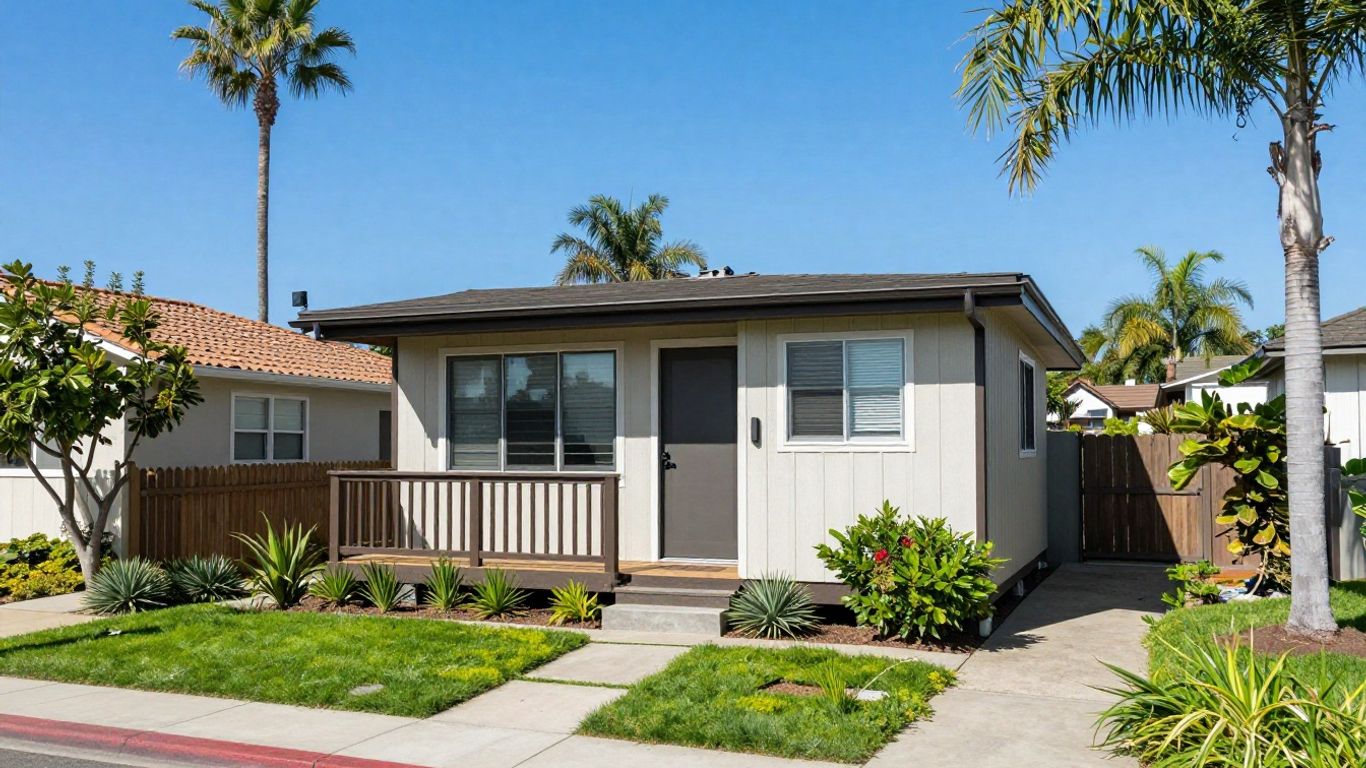
So, you’ve got your eye on a tiny home, which is awesome! But before you start dreaming about where to put it, we need to talk about the nitty-gritty: local zoning. This is where things can get a little tricky, because while the state has some general rules, each city and county in California has its own specific take on where and how tiny homes can be placed.
Local Regulations Vary by City and County
Think of it like this: California sets the main stage, but each town or county gets to write its own script for tiny homes. This means what’s perfectly legal in one place might be a no-go just a few miles down the road. It’s super important to check with your specific local planning or zoning department. They’re the ones who know the exact rules for your area. Some places might have specific rules about:
- Minimum lot sizes
- How close your tiny home can be to property lines (setbacks)
- Maximum height restrictions
- Parking requirements
- Whether your tiny home needs to be on a permanent foundation or if it can be on wheels.
Even with statewide laws making Accessory Dwelling Units (ADUs) easier to add, local governments often add their own layers. For example, one county might cap tiny homes at 400 square feet, while another might have different rules about utility hookups or even prohibit certain features like composting toilets. It’s a lot to keep track of, and honestly, it can be pretty confusing trying to figure it all out on your own.
The biggest takeaway here is that state laws provide a framework, but local zoning ordinances are the final word on placement and usage. Always, always verify with your local authorities before making any big decisions or purchases.
Tiny Homes in Rural Areas in California
If you’re picturing your tiny home nestled in the countryside, you might find a bit more breathing room. Rural areas in California often have fewer restrictions than bustling cities. Counties with large agricultural parcels or bigger lots might offer more flexibility. You might be able to place a tiny home on a larger piece of land without as many hurdles. However, this often comes with its own set of considerations, especially if you’re thinking about going off-grid. You’ll need to figure out water (well or hauling?), sewage (septic or composting toilet?), and power (solar or generator?). It’s definitely doable and can be a fantastic way to live, but it requires careful planning and a good understanding of what the local rural ordinances allow.
Key Rules for Permanent Structures
When we talk about tiny homes that are built on a permanent foundation, they generally need to follow the same building codes as any other house. This means they have to meet standards for things like:
- Structural integrity
- Insulation and energy efficiency
- Fire safety
- Egress (how you get out in an emergency)
- Plumbing and electrical systems
These homes are treated much like a traditional home addition or a small primary dwelling. You’ll likely need a full building permit, and the construction will be inspected to make sure it meets all the safety requirements. The goal is to ensure that even though it’s small, it’s a safe and livable structure.
Requirements for Movable Tiny Homes
Movable tiny homes, often called Tiny Homes on Wheels (THOWs), have a different set of rules. Because they’re on wheels, they’re often classified more like RVs or park models. This means they might need to meet specific safety standards, like those set by ANSI or RVIA. You’ll still need permits, but the process can differ from a foundation-built home. Some places might allow THOWs in RV parks or designated tiny home communities. Others might allow them on private property, but often with conditions like needing to be connected to utilities or meeting certain size and appearance standards. It’s crucial to get clarity on whether your THOW will be considered a permanent dwelling or a recreational vehicle, as this impacts where you can legally park it and live in it full-time.
Specific Counties Embracing Tiny Homes
California is really stepping up when it comes to tiny homes. It feels like every other week, a new county is figuring out how to make these smaller dwellings work for their residents. It’s not just about having a smaller footprint, though that’s a big part of it; it’s also about making housing more affordable and accessible. Many places are seeing tiny homes as a smart way to add housing without massive development projects.
Fresno County’s Pioneering Approach
Fresno County was one of the first out of the gate to really welcome tiny homes, especially as Accessory Dwelling Units (ADUs). They’ve made it pretty clear that they’re open to creative housing solutions. This means if you’ve got a backyard, you might have a great spot for a tiny home, whether it’s for family or to rent out. They’ve got zoning rules that are more flexible, which is a big deal when you’re trying to get a project off the ground.
San Diego County Opportunities
Down in San Diego, things are also looking up for tiny home enthusiasts. They’re pretty open to both permanent tiny homes and those on wheels. Their rules generally line up with the state’s building codes, so you have a good framework to work with. This means you could potentially use a tiny home as a rental unit or even your main place to live, and there are options in both city and more suburban settings. Their planning folks seem to be pretty helpful with tiny home projects, which is always a plus.
Los Angeles County ADU Initiatives
Los Angeles County is tackling its housing crunch head-on, and tiny homes are part of the strategy, particularly as ADUs. So, if you own a home in LA County, adding a tiny home in your backyard is a real possibility. This could be a permanent structure or a park model home. It’s a good way to get into urban living with access to all the city has to offer, but on a smaller, more manageable scale.
Santa Cruz County Regulations
Santa Cruz County has its own set of rules, and they’re pretty specific. They allow one tiny home on wheels (THOW) per property, but there’s a size limit – usually around 400 square feet. It’s a good example of how local rules can differ, even with state laws in place. You really need to check with them directly to get the exact details before you start planning.
Humboldt County’s Rural Retreats
If you’re picturing a more remote, rural lifestyle, Humboldt County might be your spot. They’re pretty welcoming to tiny homes, especially if you’re looking for a place to get away from it all. They even allow park-model tiny homes to be used as permanent ADUs in certain inland areas. For those who want to live sustainably and enjoy the natural beauty of the region, Humboldt offers some great possibilities. They do have specific requirements, like making sure movable homes meet ANSI standards, so it’s worth looking into.
It’s super important to remember that even with state laws trying to make things easier, each county and city has its own specific rules. What works in one place might not fly in another. Always, always double-check with your local planning department before you get too far into your tiny home dreams. It can save you a lot of headaches later on.
Building Codes and Compliance
Tiny Homes on Foundations
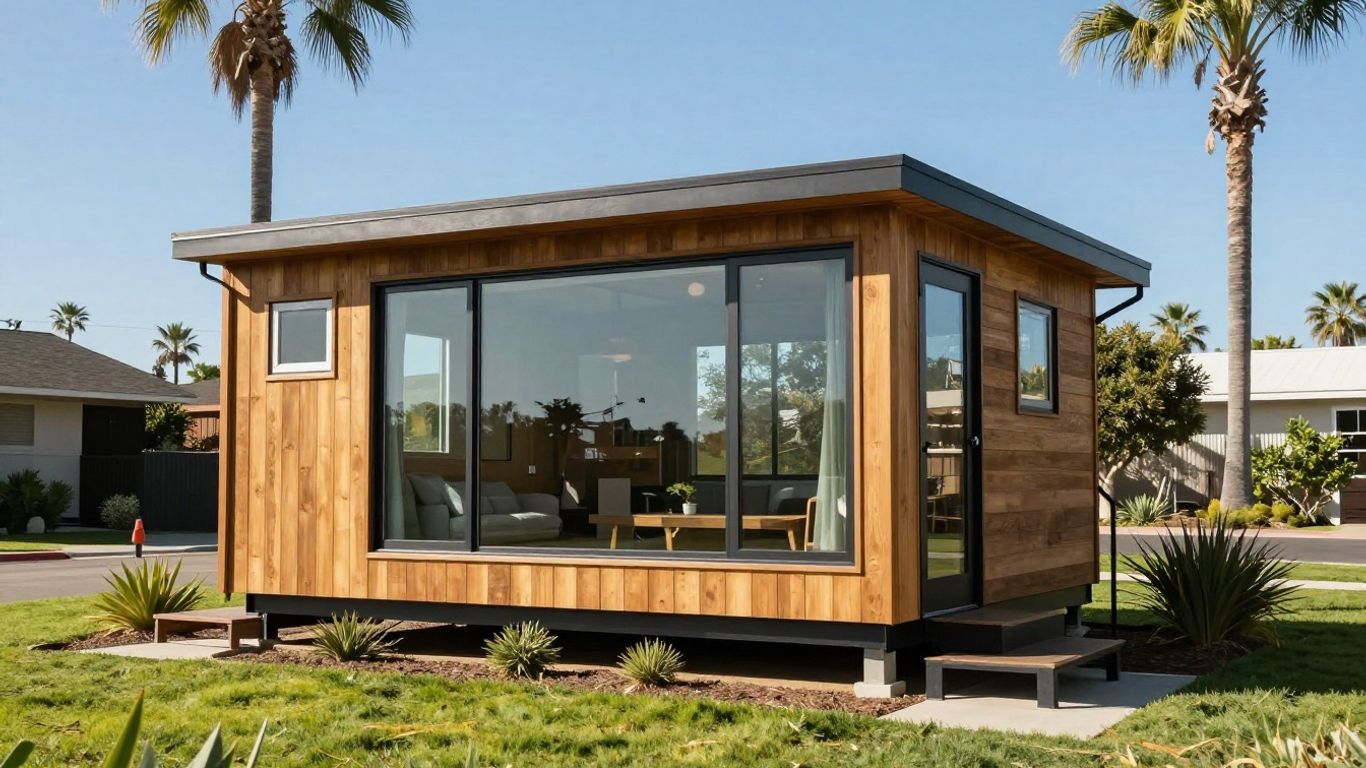
When you’re looking at building a tiny home that’s meant to stay put, essentially on a permanent foundation, California has specific rules to follow. These aren’t just suggestions; they’re part of the state’s building code designed to keep things safe and livable. Think of it like building any other house, just on a smaller scale. You’ll need to make sure your structure meets all the standard safety requirements, including things like proper insulation, fire safety measures, and structural integrity. The state has laid out minimum square footage requirements, too. For instance, Appendix AQ, which is a big deal for foundation-based tiny homes, says at least one room needs to be 120 square feet. Other main living areas, not counting bathrooms or kitchens, should be at least 70 square feet. Getting these details right from the start is key to passing inspections and getting your occupancy permit.
Tiny Homes on Wheels (THOWs)
Tiny homes on wheels, or THOWs, have a different set of rules because, well, they move. They’re often treated more like recreational vehicles (RVs) or manufactured homes when it comes to building standards. This means they usually need to be built to specific safety standards, like those set by the RV Industry Association (RVIA). The idea is to ensure they’re safe for travel and for living in. It’s important to know that even though it’s on wheels, if you plan to use it as a dwelling, it still needs to meet certain requirements, especially if you’re placing it on a property. Local zoning laws will play a big role here, dictating where you can park it and for how long.
Appendix AQ and ANSI Standards
California has adopted Appendix AQ of the International Residential Code (IRC). This appendix specifically addresses tiny homes on foundations, providing guidelines for their construction. It covers things like minimum room sizes, which we touched on earlier, and other habitability standards. For THOWs, the focus often shifts to standards like those from the American National Standards Institute (ANSI) or RVIA. These standards are all about ensuring the safety and quality of the manufactured or mobile dwelling. So, whether your tiny home is fixed to the ground or has wheels, there’s a set of standards it needs to meet. It’s a bit of a maze, but understanding these different standards is your first step to compliance.
Utility and Foundation Needs
Don’t forget about the practical stuff: utilities and foundations. Even the smallest home needs power, water, and a way to handle waste. For tiny homes on foundations, this means connecting to existing utility lines or setting up independent systems that meet code. This could involve plumbing hookups, electrical wiring that’s up to par, and proper sewage or septic systems. For THOWs, while they might have onboard systems, you’ll still need to consider how you’ll connect to water and power when parked, and how you’ll manage waste. A solid, code-compliant foundation is non-negotiable for homes built on the ground. Skipping these steps or cutting corners here can lead to major headaches, costly rework, and significant delays in getting your tiny home approved for living.
Common Pitfalls and Considerations
So, you’re thinking about diving into the tiny home life in California? That’s awesome! It’s a fantastic way to live more simply and save some cash. But, like anything that sounds too good to be true, there are definitely a few bumps in the road you’ll want to be aware of before you start packing your minimalist wardrobe.
State Law vs. Local Zoning
This is probably the biggest one. California has some pretty progressive laws when it comes to Accessory Dwelling Units (ADUs) and tiny homes, which is great. They’re trying to make housing more accessible. However, here’s the catch: local zoning laws can still throw a wrench in your plans. Think of it like this: the state sets the general rules of the road, but each city and county gets to put up its own specific speed limits and stop signs. What’s allowed in one town might be a big no-no just a few miles away. So, even if state law seems to give you the green light, you absolutely must check with your specific city or county planning department. They’re the ones who have the final say on whether your tiny dream can become a reality on their turf.
THOW Classification and Usage Rights
Tiny Homes on Wheels (THOWs) are super appealing because of their mobility. You can move them, right? Well, yes and no. While they’re built on trailers, how they’re classified legally can get tricky. In many places, a THOW is treated as a recreational vehicle (RV) rather than a permanent dwelling. This means you might not be able to live in it full-time on your own property unless your local zoning specifically allows it. Some areas might only permit them in designated RV parks or mobile home communities. You’ve got to get crystal clear on what your local rules say about where you can park it and how you can use it. Don’t assume that just because it’s on wheels, you can just plop it down anywhere.
Permitting and Approval Processes
Getting the official go-ahead can feel like a maze. For tiny homes on foundations, you’ll likely follow standard building permit processes, which can be lengthy and involve multiple inspections. For THOWs, it’s a bit different. You might need RVIA certification or have it inspected to meet specific safety standards, similar to manufactured homes. Then there’s the zoning permit, which, as we mentioned, is a whole other ballgame. It’s easy to get bogged down in paperwork and inspections. Some folks find it helpful to work with builders or consultants who are experienced in dealing with local authorities. They can help smooth out the process, but it still takes time and patience. Don’t expect to buy a THOW on a Friday and move in on a Monday.
Utility and Foundation Needs
Even the tiniest home needs power, water, and a way to handle waste. For homes on foundations, you’ll need to connect to existing utilities or potentially install your own septic and well systems, especially in more rural areas. This can be a significant expense and require its own set of permits. For THOWs, while they might have the option of being off-grid with solar panels and composting toilets, you still need to consider how you’ll get water and deal with greywater and blackwater. Hookups at RV parks are common, but if you’re parking on private land, you’ll need a plan. Ignoring these practical needs upfront can lead to major headaches and unexpected costs down the line. It’s not just about the house itself; it’s about the infrastructure to support it.
Benefits of Tiny Home Living in California
Financial Freedom and Affordability
Let’s be real, California’s housing market is no joke. Tiny homes offer a way out for many. We’re talking about significantly lower upfront costs compared to traditional houses. Many people can actually pay for their tiny home outright, or at least with a much smaller loan. This means no more massive mortgage payments eating up your paycheck every month. Think about what you could do with that extra cash: travel more, save for retirement, start a business, or just have a much less stressful financial life. It’s about freeing up your money so you can actually live.
Environmental Sustainability
Living tiny is pretty good for the planet, too. These homes use way less energy for heating and cooling because, well, there’s just less space to heat and cool. They also require fewer building materials, which means less waste and a smaller carbon footprint from the get-go. California is all about sustainability, and tiny homes fit right into that. Plus, with a smaller footprint, you’re not contributing as much to urban sprawl, helping to keep more of California’s beautiful natural landscapes intact.
Community and Lifestyle Enhancement
It’s not just about the house; it’s about the life you build around it. Tiny home living often attracts people who value experiences over possessions. This can lead to really strong communities where people share similar values. You might find yourself with more time and energy for hobbies, spending time outdoors, or connecting with neighbors. It’s a shift towards intentional living, where you focus on what truly matters.
Mobility and Flexibility
This is a big one, especially for tiny homes on wheels (THOWs). If you have a job that requires you to move, or if you just like to change scenery with the seasons, a THOW gives you that freedom. You can pack up your home and take it with you. Even for tiny homes on foundations, the smaller size and lower cost can make it easier to relocate or downsize further if your needs change down the road. It’s about having options and not being tied down by a massive, inflexible property.
The appeal of tiny living in California is growing, driven by a desire for simpler, more affordable, and eco-conscious lifestyles. It’s a practical response to high living costs and a conscious choice for those seeking greater personal freedom and a lighter impact on the environment. This movement is reshaping how people think about homeownership and what truly constitutes a fulfilling life.
Conclusion
So, that’s the scoop on tiny home laws in California. It’s a bit of a patchwork—what works in one county might not fly in the next, and the rules for wheels versus foundations can get confusing fast. But if you do your homework and check with your local planning department, you’ll save yourself a lot of headaches. Tiny homes are definitely becoming more accepted, especially as ADUs, and there are more options than ever for folks wanting to downsize or just try something different. Whether you’re looking for a backyard cottage in the city or a little house out in the country, there’s probably a way to make it happen. Just remember: permits, utilities, and local codes matter. Take your time, ask questions, and you’ll be on your way to tiny living in the Golden State.
Frequently Asked Questions
Are tiny homes allowed in California?
Yes, many places in California are okay with tiny homes! However, the rules can be different from one city or county to another. It’s super important to check the specific rules where you want to put your tiny home to make sure it’s allowed.
Can I live in a tiny home full-time?
You bet! Tiny homes can be your main home, especially if they are built on a solid foundation or are considered an ‘accessory dwelling unit’ (ADU), which is like a small extra home on your property. Just make sure it meets all the local rules.
What’s the difference between a tiny home on wheels and one on a foundation?
A tiny home on wheels (THOW) is like a camper or RV and can be moved around. A tiny home on a foundation is built right onto the land and can’t be moved easily. The rules for each can be quite different.
Do I need special permits for a tiny home?
Usually, yes. Whether it’s on wheels or a foundation, you’ll likely need permits to build or place your tiny home. These permits help make sure your home is safe and follows all the building rules.
What is an Accessory Dwelling Unit (ADU)?
An ADU is a smaller, separate home built on the same lot as a main house. Think of it as a guest house or a rental unit. Many tiny homes in California are built and used as ADUs.
Are there specific building rules for tiny homes?
Yes, there are building codes that tiny homes need to follow to ensure they are safe. For homes on foundations, they often follow the California Residential Code. For homes on wheels, they might need to meet standards similar to RVs.
Explore more tiny home living, design, downsizing, building, and lifestyle resources.