How to Build a Tiny House Cheap: Budget-Friendly Tips and Tricks
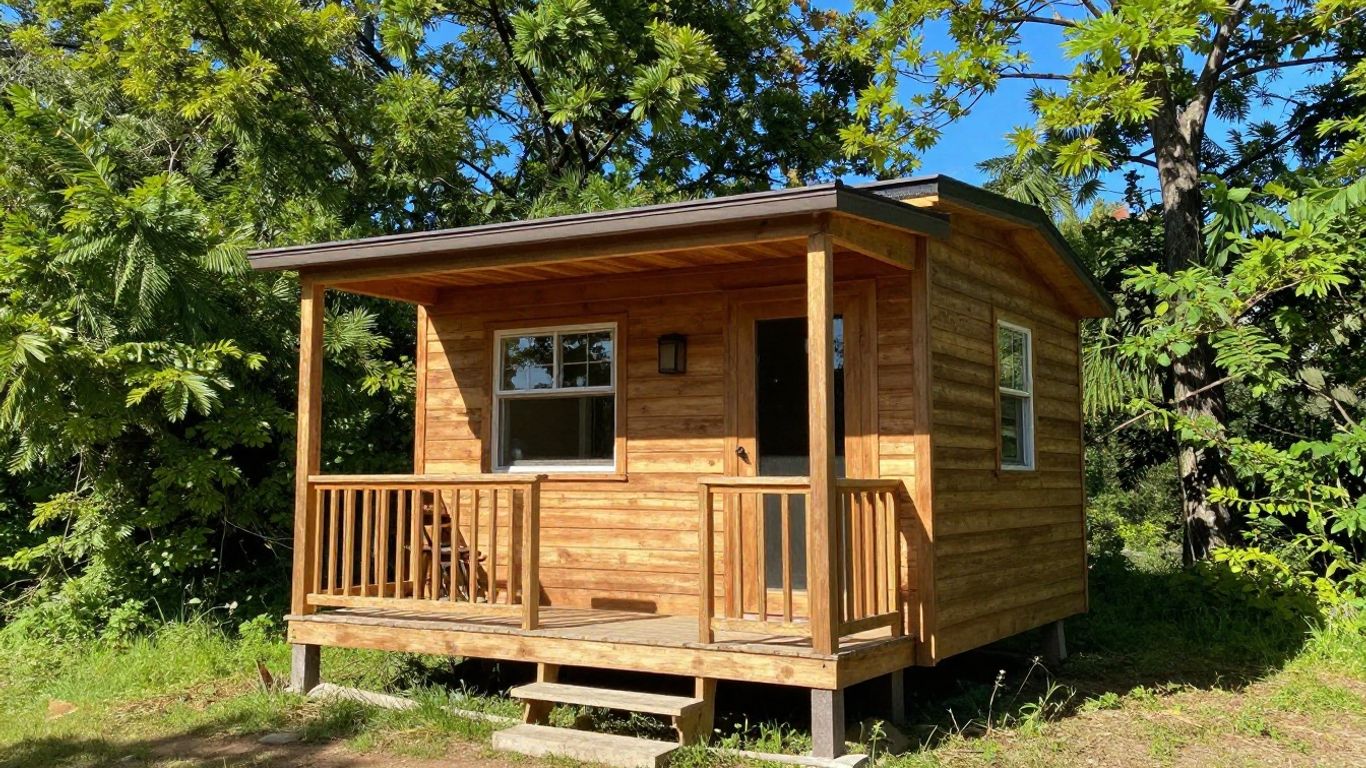
Dreaming of your own tiny home but worried about the price tag? Building a tiny house cheap is totally achievable with the right approach. You don’t need a massive savings account to create a cosy, functional living space. It’s all about smart planning, clever material choices, and a bit of elbow grease. Let’s explore how to build a tiny house cheap and make your dream a reality without breaking the bank.
Key Takeaways
- Understand local laws and size limitations before you start building.
- Create a detailed budget, including potential pitfalls and unexpected costs.
- Prioritize affordable and sustainable building materials, like recycled or locally sourced options.
- Maximize your living space with smart, multifunctional design and storage solutions.
- Consider DIY labor and resourceful material sourcing to significantly cut down costs.
Understanding Tiny Home Basics
Thinking about building a tiny house on a budget? That’s awesome! Before you start grabbing lumber and dreaming of your cozy new space, it’s a good idea to get a handle on a couple of key things. It’s not just about the fun stuff like picking out paint colors, you know?
Tiny Home Legality
First off, you absolutely have to check out the rules where you plan to put your tiny house. This isn’t the same everywhere. Some towns or counties might not allow tiny homes at all, or they might have specific spots where you can park or build one. You might need special permits, or there could be rules about how it’s hooked up to utilities. Ignoring these rules can lead to big headaches, like being told you have to move or even tear it down. It’s way better to find out what’s what before you spend a dime. You can usually find this info on your local government’s website or by calling their planning or zoning department.
Size Limitations
Okay, so "tiny" is in the name, but how tiny is tiny? This really depends on what you need and what the local rules allow. Some people are super happy in a place that’s only 100 square feet, while others feel more comfortable with a bit more wiggle room, maybe 300 or 400 square feet. The goal is to simplify your life, not to feel like you’re living in a closet. Think about what you absolutely need to have with you and how you’ll use the space day-to-day. It’s a balance between being minimalist and being practical for your own life.
Don’t get too caught up in the "smallest possible" idea. Focus on making a space that works for you and your lifestyle, while still keeping it small enough to be affordable and manageable.
Setting A Realistic Budget
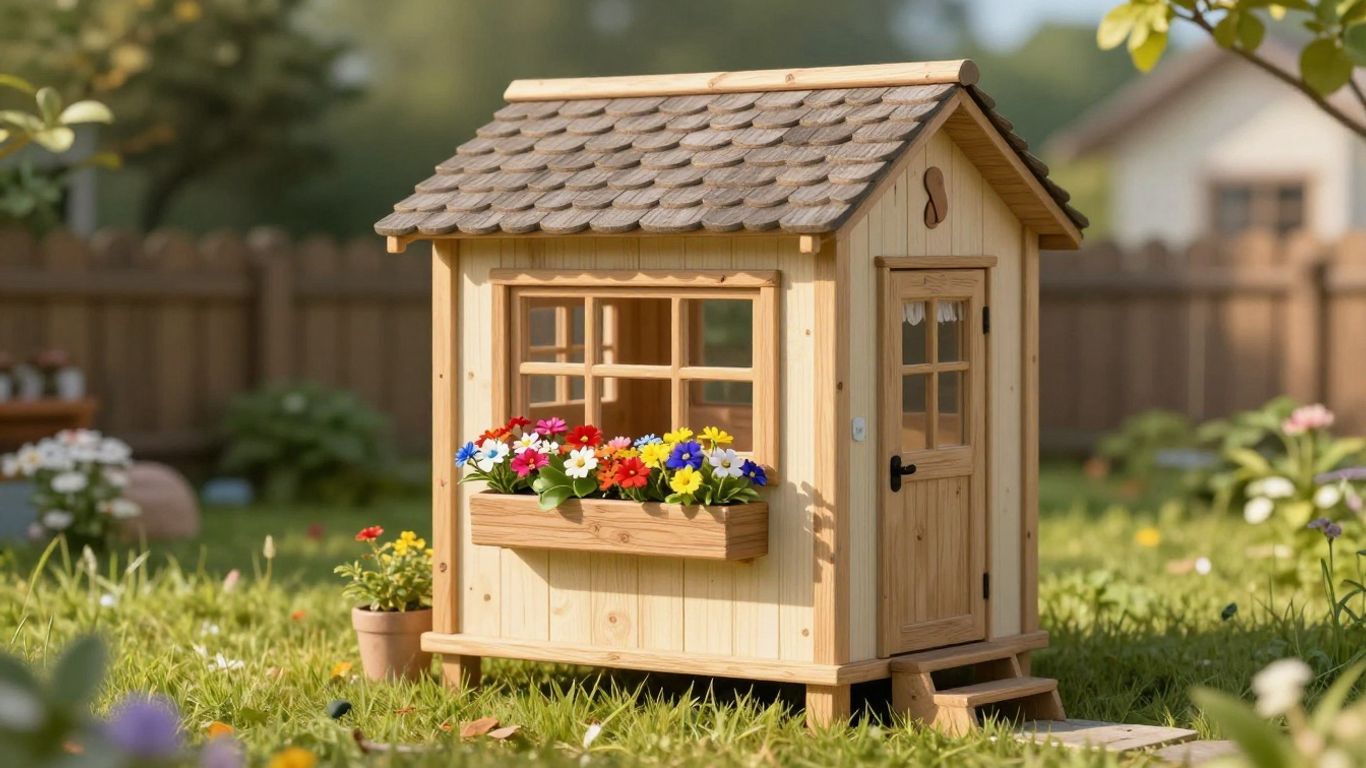
Alright, let’s talk money. Building a tiny house on a shoestring budget sounds great, but you’ve got to be smart about it. The first step is figuring out exactly how much you can spend. This isn’t just about picking a number out of thin air; it’s about looking at your savings, what you can borrow, and what you can realistically afford each month if you have a loan. Don’t start building until you have a solid number in mind.
Budgeting Pitfalls
So, what trips people up when they’re trying to budget for a tiny home? A big one is underestimating the little things. You know, the screws, the glue, the caulk, the delivery fees for that one piece of lumber you couldn’t fit in your car. These add up fast. Another common mistake is changing your mind halfway through. Deciding you want a different window or a bigger kitchen sink after the walls are up? That’s a quick way to blow your budget. Permits and inspections can also cost more than you think, depending on where you live. Some places have strict rules that might mean you need a licensed electrician or plumber, which costs extra.
Unexpected Expenses
Stuff happens. Always. You might hit unexpected rock when digging for your foundation, or maybe a storm damages some materials you’ve already bought. It’s smart to have a buffer for these kinds of surprises. A good rule of thumb is to add about 10-20% to your total estimated cost for a contingency fund. This isn’t money you plan to spend, but it’s money you have set aside just in case.
Here’s a rough idea of how costs can break down:
| Expense Category | Estimated Percentage |
|---|---|
| Land (if applicable) | 10-15% |
| Building Materials | 30-40% |
| Labor (if hiring help) | 15-25% |
| Permits & Fees | 5-10% |
| Utilities & Connections | 5-10% |
| Contingency Fund | 10-20% |
Comprehensive Cost List
Before you buy a single nail, make a list. A really detailed list. Think about everything: the trailer or foundation, framing, insulation, roofing, siding, windows, doors, plumbing, electrical, interior finishes, appliances, and even things like a water heater or a composting toilet. Don’t forget tools you might need to buy or rent. Break it down by room or by system. This list will be your best friend for tracking expenses and making sure you don’t forget anything important. It helps you see where you can potentially save money, too.
Planning is key. The more detailed your initial plan and budget, the fewer surprises you’ll encounter. Making big decisions early, like the layout and the types of systems you’ll use, will save you money down the line. Avoid last-minute changes whenever possible.
Selecting Affordable Building Materials
When you’re trying to keep costs down on your tiny house build, the materials you choose can make a huge difference. It’s not just about picking the cheapest stuff you can find, though. You’ve got to be smart about it. Thinking about where your materials come from and what they’re made of is key to saving money without building something that falls apart.
Utilizing Recycled Materials
This is a big one for budget builds. Think about using reclaimed wood for framing or siding, old windows, or even salvaged doors. Places like Habitat for Humanity ReStores are goldmines for this kind of stuff. You can often find materials that are still in great shape, sometimes even new items that were overstocked or returned. It’s not just about saving cash, either; using recycled materials gives your tiny house a unique character and a story. Plus, it’s good for the planet.
Local Sourcing Benefits
Don’t forget about looking for materials close to home. Buying lumber from a local mill or stone from a nearby quarry cuts down on transportation costs, which can add up fast. It also means you’re supporting businesses in your own community. Sometimes, local materials can even give your home a distinct regional feel.
Durability Over Initial Cost
Here’s where you have to be careful. Just because something is cheap upfront doesn’t mean it’s the best deal. You don’t want to build your house with materials that will need replacing in a few years. For example, spending a bit more on good quality insulation now will save you money on heating and cooling bills later. The same goes for a solid roof and a reliable trailer if you’re building on wheels. Think about the long-term value. A tiny house is an investment, and you want it to last.
It’s easy to get caught up in finding the absolute cheapest option for every single item. But sometimes, spending a little more on a critical component, like the trailer frame or the main structural beams, will save you headaches and money down the road. Balance the desire for savings with the need for a safe and lasting structure.
Maximizing Space With Smart Design
When you’re building a tiny house on a budget, figuring out how to make the most of every square inch is super important. It’s not just about fitting things in; it’s about making your small space feel open and functional. This means getting creative with how you use the rooms and where you put your stuff.
Multifunctional Rooms
Think about how each area in your tiny home can do more than one job. For example, your dining table could also be your desk for working from home. When you’re not eating or working, it can fold up or slide away. A couch can easily become a bed for guests, saving you from needing a separate bedroom. This kind of flexibility means your home can adapt to what you need it to do throughout the day. It’s all about making your space work harder for you.
- Living Room/Bedroom: Use a sofa bed or a Murphy bed that folds into the wall. Add storage ottomans for extra seating and hidden storage.
- Kitchen/Dining/Workspace: Opt for a fold-down table attached to the wall or a rolling island that can be moved out of the way. Consider slimline appliances that take up less counter space.
- Bathroom: Look for space-saving vanities and consider a wet bath where the shower and toilet are in the same waterproofed area.
Designing multi-function spaces isn’t just a trend; it’s a smart way to make every square foot count. This approach allows for design flexibility that can drastically change the way you live in your home.
Innovative Furniture Solutions
Furniture is a big part of making a tiny house livable, and in a small space, it needs to be smart. Forget bulky, single-purpose items. Look for furniture that can transform or has hidden features. Think about pieces that are built-in or can be easily moved or stored. This kind of furniture can make a huge difference in how spacious your home feels. You can find some really neat ideas for space-saving organization that will help you out.
- Convertible Furniture: Sofa beds, lift-top coffee tables with storage, and expandable dining tables are great examples.
- Wall-Mounted Items: Desks, shelves, and even beds can be mounted to the wall to free up floor space.
- Mobile Furniture: Rolling carts or islands can serve multiple purposes and be tucked away when not needed.
Optimizing Storage
Storage is probably the biggest challenge in a tiny house, but it’s also where you can get really creative. You need to think vertically and use every little nook and cranny. Don’t just think about shelves; consider hidden compartments, under-floor storage, and even storage built into the stairs if you have them. Good storage keeps your home looking tidy and feeling bigger. It’s amazing how much you can store when you really put your mind to it.
- Hidden Compartments: Under-bed drawers, storage ottomans, and false-bottom cabinets are perfect for less-used items.
- Vertical Storage: Use wall shelves, tall cabinets, and over-the-door organizers to take advantage of vertical space.
- Built-in Storage: Integrate storage into furniture like benches, stairs, or even the structure of the house itself.
Strategic Material Sourcing
When you’re trying to keep costs down on your tiny house build, where you get your materials from is a big deal. It’s not just about finding the cheapest stuff; it’s about being smart and resourceful. Think of it like a treasure hunt for your home!
Salvaging vs. New Purchases
Okay, so everyone loves the idea of using salvaged materials. It’s good for the planet and definitely good for your wallet. You can find amazing things at places like Habitat ReStores, which get donations of everything from doors to lumber. Craigslist and Facebook Marketplace are also goldmines for used building supplies. Sometimes people are practically giving away leftover materials from their own projects. However, you’ve got to be realistic. Sometimes, the time and effort it takes to clean up, repair, or even just transport salvaged items can end up costing you more in the long run than buying new. You also need to be careful about the quality. Is that old window going to be drafty? Is that reclaimed wood structurally sound for what you need? For some things, like your trailer frame or maybe even framing lumber, buying new might just be the safer and more straightforward bet. It’s all about weighing the savings against the potential headaches.
Clearance Sales and Overstock
Don’t forget about the deals at regular building supply stores! Keep an eye out for their clearance sections. You can often find perfectly good materials that are just being phased out or have minor cosmetic flaws for a fraction of the original price. Contractors sometimes have overstock from jobs, and they’re happy to sell it off cheap rather than store it. It’s worth asking around at local lumber yards or big box stores if they have any surplus materials available. You might snag some great deals on things like siding, flooring, or even windows.
Tool Sharing and Maker Spaces
Buying all the tools you need for a tiny house build can add up fast. Instead of purchasing everything, look into tool lending libraries in your community. Many towns have them, where you can borrow tools for a small fee or even for free. Maker spaces or co-working workshops are also becoming more common. These places often have a wide range of tools, from basic hand tools to specialized equipment, that you can use on-site for a membership fee. This can save you a ton of money compared to buying tools you’ll only use once or twice. Plus, you might even meet other builders who can offer advice or help.
Sourcing materials isn’t just about finding the lowest price tag. It’s about finding the right balance between cost, quality, and the effort you’re willing to put in. Sometimes the ‘cheapest’ option upfront can cost you more in time and repairs later on. Be smart, do your homework, and don’t be afraid to ask around.
Here are some places to check out:
- Habitat for Humanity ReStores: Great for a wide variety of donated building materials and home goods.
- Craigslist & Facebook Marketplace: Excellent for finding used items directly from individuals.
- Local Lumber Yards & Big Box Stores: Check their clearance and overstock sections.
- Architectural Salvage Yards: For unique, older building components.
- Tool Lending Libraries & Maker Spaces: To access tools without buying them outright.
The Power Of DIY Labor
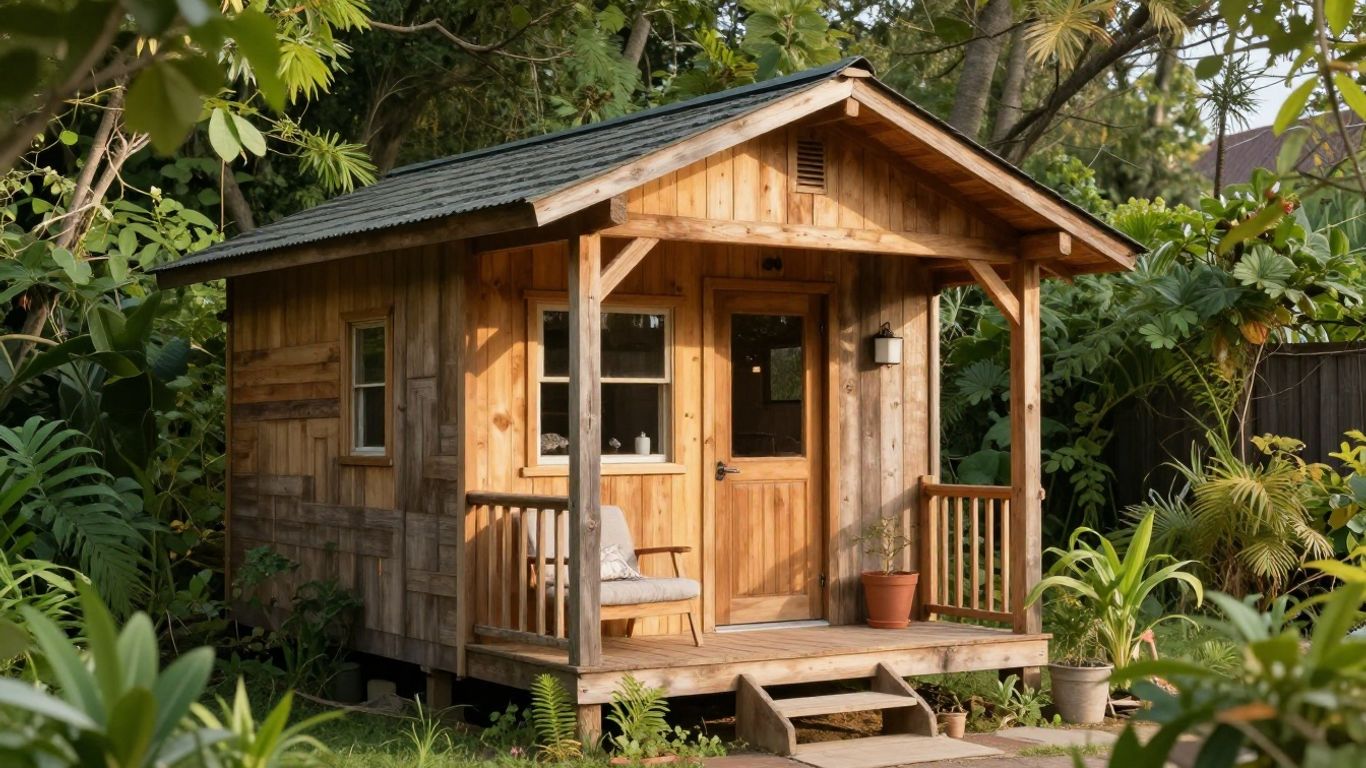
When you’re trying to build a tiny house on a tight budget, doing a lot of the work yourself is probably the biggest money-saver you can find. Seriously, labor costs can add up super fast. Think about it: hiring professionals means paying for their time, their skills, and often their crew. If you can swing it, tackling the work yourself means you’re not paying those hourly rates, which can easily be $35 to $100 or more depending on where you live.
Reducing Labor Costs
This is where you really see the savings. Instead of paying someone else to frame your walls, install your windows, or put up siding, you do it. It takes time, for sure. You’ll be spending weekends and evenings working on your house. But that time investment directly translates into cash saved. It’s not just about the money, though. There’s a real sense of accomplishment that comes with building something with your own two hands. You learn a ton, too. You might start out not knowing a thing about plumbing, but by the time you’re done, you’ll have a pretty good handle on it.
- The biggest savings usually come from decisions you make before you ever pick up a tool: a clear plan, a realistic budget, and a design that stays simple.
- You’ll learn new skills that can be useful for future projects.
- You get exactly what you want because you’re making all the decisions.
- The feeling of pride when you finish is pretty amazing.
Working With Contractors
Now, I’m not saying you have to do everything yourself. Some jobs are just too risky or complicated if you don’t have the right know-how. Electrical work, for example. Messing that up could be a fire hazard, and nobody wants that. In cases like these, it makes sense to hire a professional. You can still save money by being your own general contractor, managing the project, and only hiring out specific tasks. You can also work with contractors. Some might let you do the grunt work, like hauling materials or cleaning up the site, under their supervision. You’re still saving on their skilled labor, but you’re contributing to the physical work.
Knowing when to call in the pros is just as important as knowing what you can do yourself. Safety first, always. A wonky trim job is one thing; faulty wiring is another.
Volunteer Labor
Don’t underestimate the power of your community! Tiny house building often attracts people who are happy to lend a hand. You can organize work parties where friends and family come help out for a day or a weekend. Potluck lunches and good company can make even the most tedious tasks feel more fun. You can also trade skills with other builders. Maybe your friend is great at roofing, and you’re good at installing cabinets. You help them with their project, and they help you with yours. It’s a win-win. There are also tool libraries and maker spaces where you can borrow tools you might only need once, saving you a ton of money on equipment.
- Organize a work party: Invite friends and family to help with specific tasks. Make it a fun event with food and music.
- Skill swap: Find other builders or DIYers in your area and trade services. You help them with their project, they help you with yours.
- Tool libraries: Borrow tools instead of buying them. This saves money and reduces waste.
- Maker spaces: Use shared workshops to access tools and learn from others.
Considering Existing Structures
Sometimes, the most budget-friendly way to get into a tiny home isn’t to build from scratch. You can save a ton of cash and time by starting with something that’s already built, even if it needs some work. It’s like getting a head start on your dream. Think about it – a lot of the heavy lifting, like framing and roofing, is already done for you.
Converting Campers and Vans
Old RVs, campers, and even cargo vans can be fantastic starting points. They already have wheels, a basic structure, and often some existing amenities like plumbing hookups or insulation. You’re essentially buying a shell that’s ready for a tiny home makeover. The key here is to find one that’s structurally sound. Rust and water damage are your biggest enemies. Look for solid frames and roofs. You’ll need to gut the interior, of course, and then customize it to your needs. This can involve adding better insulation, new flooring, a kitchenette, and a sleeping area. It’s a popular route for people who want a mobile tiny home.
Repurposing Sheds and Barns
Got a spare shed or an old barn on your property? These can be surprisingly good candidates for tiny homes. They offer more space than a van and can be more permanent. You’ll need to check local zoning laws to make sure you can legally live in one, but if that’s sorted, you’re golden. The process usually involves reinforcing the structure, adding windows and doors, running utilities (or going off-grid), and finishing the interior. It’s a great way to use existing structures and give them a new life. Plus, they often have a rustic charm that’s hard to beat.
Purchasing Halfway-Built Homes
This is a bit of a gamble, but it can pay off big time. Sometimes people start building a tiny home and then, for whatever reason, can’t finish it. They might list it for sale online or through local classifieds. You can find homes that are just a shell, or ones that are partially finished. Buying a home that’s already framed and roofed can save you thousands in labor and material costs. You’ll need to be good at assessing the quality of the work already done and figuring out what’s left. It requires a keen eye and a good understanding of construction, but if you find the right deal, it’s a massive shortcut. You’re essentially stepping in to finish someone else’s project, often at a significant discount.
Your Tiny Dream Home is Within Reach
So, you’ve seen that building a tiny house on a budget isn’t some far-off fantasy. It really is possible to create a cozy, functional space without breaking the bank. With smart planning, choosing your materials wisely, and getting a little creative with design, you can make your tiny home dreams a reality. Don’t forget that sometimes, the best way to save is to do the work yourself or find good quality used items. It might take a bit more effort, but the reward of living in a home you built affordably is totally worth it. Start planning, start building, and get ready to enjoy your new, smaller, and much cheaper home.
Frequently Asked Questions
What’s the first thing I should do before building a tiny house?
Before you start building, make sure you understand the rules in your area about tiny homes. Some places have special laws, and you need to know them so you don’t run into problems later.
How can I save money on building materials?
You can save a lot by using recycled stuff like old wood or metal. Also, try to buy materials from local stores because shipping costs more. Sometimes, older, used materials can be just as good as new ones.
Is it cheaper to build a tiny house myself?
Yes, doing the work yourself can save you a lot of money because paying builders is expensive. If you can’t do it all, maybe you can help with some of the easier tasks to cut costs.
What are some smart design tricks for tiny houses?
Think about furniture that does more than one thing, like a sofa that turns into a bed. Also, make sure you have plenty of places to store things, like shelves on the walls, so your space doesn’t feel cluttered.
Should I buy new or used materials for my tiny house?
It’s smart to mix and match. For important things like the trailer your house sits on, it might be safer to buy new. But for things like wood or decorations, used items can save you a lot of cash.
Are there any existing structures I can turn into a tiny house?
Absolutely! You could fix up an old camper, van, or even a shed or barn. Sometimes you can even buy a tiny house that someone else already started building, which can be much cheaper.
Explore more tiny home living, design, downsizing, building, and lifestyle resources.
- Tiny Homes for Rent in Wyoming: Wild West Getaways to Book
- Tiny Homes for Rent in Washington: Forest Escapes & Cozy Stays
- Tiny Homes for Rent in Utah: Red Rock Retreats to Book
- Tiny Homes for Rent in Oregon: Forest Retreats You’ll Love
- Tiny Homes for Rent in New Mexico: Desert Gems & Starry Skies
- Tiny Homes for Rent in Nevada: Desert Hideaways Worth Booking