Embracing Off-Grid Living in Florida: Your Essential Guide

Thinking about living off the grid in Florida? It’s a pretty big change, moving away from the usual power lines and water pipes. But honestly, a lot of people are finding it’s a great way to live more simply and connect with nature. This guide is here to break down what you really need to know if you’re considering off grid living in Florida, from the sunny days to the rainy ones, and everything in between.
Key Takeaways
- Off grid living in Florida means being self-sufficient, relying on your own power, water, and waste systems instead of public utilities.
- Florida’s sunny climate is a huge plus for solar power, a main component of off-grid setups.
- You’ll need to understand local rules, like building codes and zoning, to make sure your off-grid home is legal.
- There are upfront costs for things like solar panels and water systems, but it can save money over time.
- Be ready for challenges like hurricanes and humidity, and plan for how you’ll manage water and energy during bad weather.
Understanding Off-Grid Living in Florida
Defining Off-Grid Living
So, what exactly does it mean to live off the grid? It’s basically about being independent from the usual public services like electricity, water, and sewer systems. Think of it as managing your own resources. This often means generating your own power, usually with things like solar panels, collecting your own water, and handling your waste in a sustainable way. It’s a lifestyle choice focused on self-reliance and often, a lighter touch on the environment. It’s not about being completely cut off from the world, but rather about taking control of your essential needs.
The Appeal of Off-Grid Living
Why do people choose this path? For many, it’s about getting away from the constant demands of modern life – the bills, the noise, the general rush. There’s a real draw to living more simply and being closer to nature. Plus, there’s the idea of financial freedom; not being tied to utility companies can lead to significant savings over time. It also builds a sense of capability. When you’re managing your own power and water, you learn a lot and become more resourceful. It’s a way to live more intentionally and in line with your values.
What is Off Grid Living?
At its core, off-grid living is about self-sufficiency. This means not depending on the big utility companies for your basic needs. In Florida, with its sunny days, solar power is a big part of this picture. But it goes beyond just electricity. It includes making sure you have a reliable water source, often through rainwater collection and filtration, and managing your waste responsibly, perhaps with composting systems. It’s a holistic approach to living that prioritizes independence and sustainability. It’s a lifestyle that requires planning and a willingness to learn, but for many, the rewards are well worth the effort.
Living off the grid in Florida means embracing a lifestyle where you are responsible for your own power, water, and waste management. It’s a commitment to self-reliance and often, a more sustainable way of life, taking advantage of the state’s natural resources like sunshine and rain.
Florida’s Climate and Off-Grid Potential
Harnessing Abundant Sunshine for Solar Power
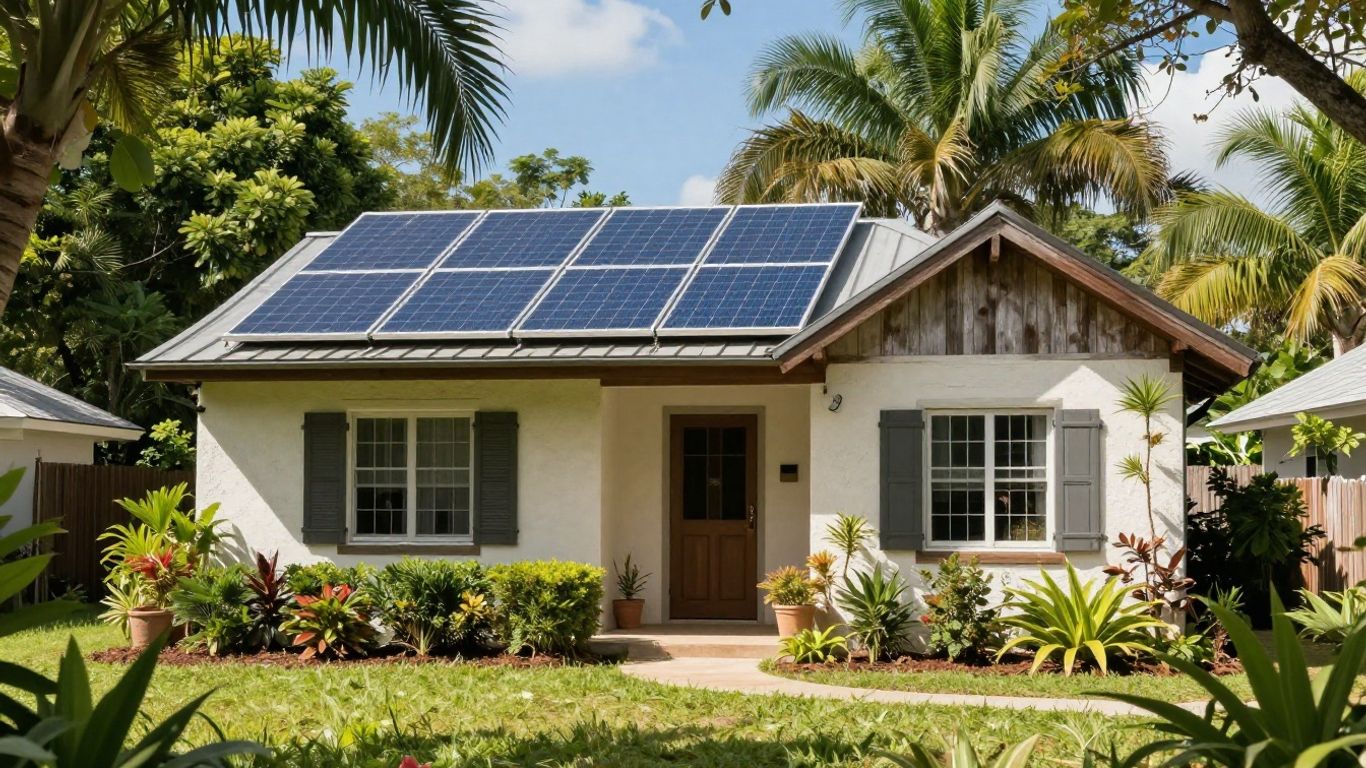
Florida really is the Sunshine State, and that’s a huge plus if you’re thinking about living off the grid. We get a ton of sun year-round, which means solar panels can be your main power source. Setting up a good solar system is key to making this work. You’ll need to figure out how many panels you need based on your energy use and how much sunlight your specific location gets. Don’t forget about battery storage, too; you’ll need that for cloudy days or at night. It’s not just about slapping some panels on the roof; it’s about creating a reliable energy system that works for you.
Rainwater Collection and Water Self-Sufficiency
Florida gets a lot of rain, especially during the summer months. This makes collecting rainwater a really practical way to get your water supply. You’ll need a good system of gutters, downspouts, and storage tanks. Think big tanks, because you’ll want to store enough water for dry spells. After collecting, you’ll definitely need a filtration and purification system to make sure the water is safe to drink and use. It’s a bit of work to set up, but having your own water source is a massive part of being self-sufficient.
Navigating Humidity and Heat
Okay, let’s talk about the heat and humidity. Florida summers can be intense, and this is something you absolutely have to plan for in an off-grid home. Good insulation is super important, but you also need to think about ventilation. Passive cooling techniques, like strategically placed windows for cross-breezes, can help a lot. You might also consider things like ceiling fans powered by your solar system. Dealing with the humidity means preventing mold and making your living space comfortable without relying heavily on air conditioning, which uses a lot of power. It’s all about smart design and using natural elements to your advantage.
Legal and Regulatory Considerations
So, you’re thinking about ditching the grid in Florida? That’s awesome! But before you start dreaming of solar panels and rainwater tanks, we gotta talk about the paperwork. Florida’s legal landscape for off-grid living is a bit of a maze. It’s not just one set of rules; it’s a mix of state laws, county rules, and even city ordinances. You absolutely need to know what’s allowed where you plan to set up your sustainable haven. Ignoring this can lead to a whole lot of headaches, and nobody wants that when they’re trying to live a simpler life.
Building Codes and Regulations
Florida has building codes, and they’re there for a reason – mostly safety. This means even your off-grid home needs to meet certain standards. Think about things like structural integrity, especially with hurricane season in mind. You’ll want to make sure your construction is sound. It’s about finding that sweet spot between building green and building safe. You can’t just throw up any old structure; it has to pass inspection. This might mean using specific materials or following particular construction methods. It’s a good idea to look into Florida’s building codes to get a general idea, but remember, local rules can be even stricter.
Zoning Laws and Local Ordinances
This is where things can get really specific. Zoning laws dictate what you can and can’t do with your land. Some areas might be fine with off-grid living, while others might have restrictions on things like water collection systems, waste disposal, or even the type of dwelling you can have. You’ll need to do some serious digging into the specific zoning for the county or city you’re interested in. Sometimes, you might need special permits or variances. It’s not always straightforward, and you might find yourself talking to local planning departments quite a bit.
- Check county and city zoning maps.
- Talk to local planning and zoning officials.
- Understand restrictions on dwelling types and sizes.
- Inquire about rules for alternative energy systems.
- Ask about requirements for water and waste management.
It’s really important to get this right from the start. Trying to fix a legal issue after you’ve already built or moved in is way harder and more expensive than getting it sorted beforehand. Be prepared to spend time researching and communicating with local authorities.
Ensuring Compliance with State Statutes
Beyond local rules, there are state laws to consider. These often cover broader issues like sanitation, water rights, and environmental protection. For instance, how you handle wastewater is usually regulated at the state level, even if your county has its own specific requirements. You’ll want to make sure your plans for things like septic systems or composting toilets align with state statutes. It’s all about being a responsible resident, whether you’re on or off the grid. Staying informed about these regulations helps you avoid fines and ensures your off-grid setup is legal and sustainable in the long run.
Financial Aspects of Off-Grid Living
Initial Setup Costs for Essential Systems
Going off-grid in Florida means you’re looking at some upfront costs to get your systems running. Think about solar panels – they’re a big one, especially if you want enough power for your needs. Then there are batteries to store that sunshine for cloudy days or nighttime. Don’t forget about water collection, like setting up tanks and filters, and a way to handle your waste, which might mean a septic system or composting toilet. These aren’t small purchases, but they’re the building blocks for your independence.
Here’s a rough idea of what you might be looking at:
| System | Estimated Cost Range (USD) |
|---|---|
| Solar Panels | $5,000 – $20,000+ |
| Battery Bank | $3,000 – $15,000+ |
| Water Collection | $1,000 – $5,000+ |
| Waste Management | $2,000 – $10,000+ |
| Inverter/Charge Controller | $500 – $3,000+ |
These numbers can change a lot depending on the size of your home, how much power you use, and the quality of the equipment you choose. It’s a significant investment, no doubt about it.
Ongoing Maintenance and Living Expenses
Once your systems are up and running, the costs don’t completely stop, but they change. You’ll need to keep an eye on your solar panels and batteries, making sure they’re clean and working well. Batteries, especially, have a lifespan and will eventually need replacing, which can be another chunk of change. Water filters might need changing, and your waste system will need occasional checks.
Beyond the systems, your day-to-day living expenses will shift too. You might spend more on food if you’re not growing a lot yourself, or on fuel if you need to travel for supplies. Property taxes are still a thing, and you’ll want a little emergency fund for unexpected repairs. It’s a different kind of budgeting than paying a monthly utility bill, for sure.
- Regularly inspect solar panels for debris.
- Test battery health annually.
- Maintain water filters and pumps.
- Budget for eventual battery replacement (typically 10-15 years).
Long-Term Savings and Financial Independence
While the initial setup is a hurdle, the real draw for many is the long-term financial picture. Once your systems are paid off, your monthly utility bills can drop to almost nothing. That’s a huge difference compared to traditional living. You’re no longer sending money to power companies or water suppliers. This can lead to significant savings over the years, freeing up money for other goals or simply providing a greater sense of financial security.
Living off-grid means you’re investing in your own infrastructure. While there’s a cost to that, it’s an investment in your own independence rather than paying ongoing fees to external companies. This shift can lead to a more stable and predictable financial future, especially as utility costs tend to rise over time.
This independence from fluctuating utility prices is a major benefit. You gain control over a significant portion of your living expenses, making your budget more predictable and less vulnerable to external economic factors. It’s a path toward true financial freedom for those willing to put in the work upfront.
Challenges and Solutions for Self-Sufficiency
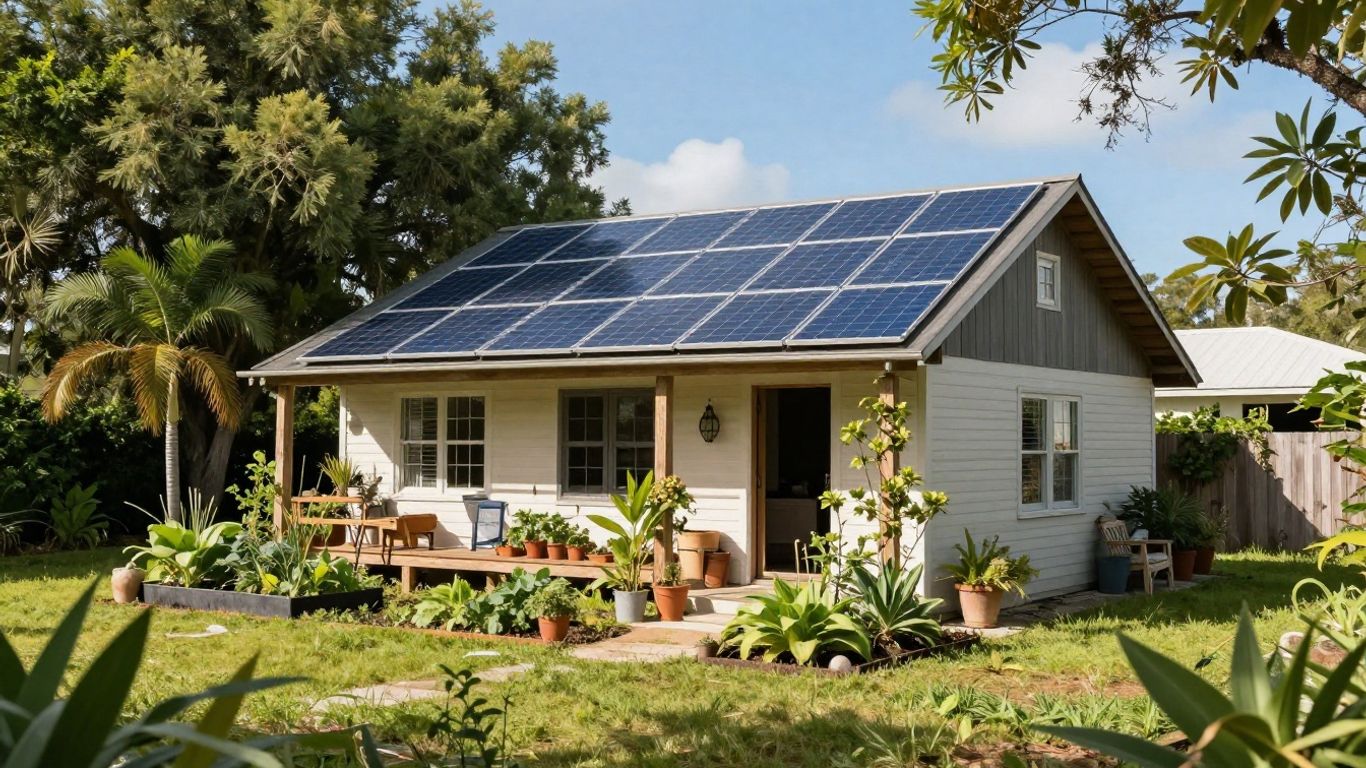
Dealing with Hurricanes and Extreme Weather
Florida’s weather can be pretty wild, and living off-grid means you’re on your own when a storm hits. We’re talking hurricanes, tropical storms, and those sudden, intense thunderstorms. It’s not just about riding it out; it’s about making sure your home and your systems can handle it. Think about building structures that can withstand high winds – maybe reinforced roofs or shutters. For your power, having backup systems like battery banks is a good idea, so you’re not left in the dark if your solar panels get damaged. Having a solid emergency plan, including where you’ll go if you need to evacuate and how you’ll communicate, is super important.
Maintaining Water Sources and Quality
Water is life, right? When you’re off-grid, you’re responsible for your own supply. In Florida, especially near the coast, saltwater intrusion can be a real headache, messing with your wells. Rainwater harvesting is a popular choice, but you’ve got to have a good filtration system to make sure it’s safe to drink. Keeping those filters clean and checking your water quality regularly is a must. You don’t want to be caught without clean water, especially after a dry spell or a storm.
Staying Connected Without Traditional Utilities
Being off-grid doesn’t mean you have to be completely cut off from the world, but it does mean finding different ways to connect. Forget your standard cable internet or landline. Satellite internet is often the go-to, though it can be pricey and sometimes spotty. For waste, composting toilets are common, and they work well if you manage them right. It’s all about finding practical alternatives for things we often take for granted.
Energy Independence During Inclement Weather
This is a big one. When the sun isn’t shining because of clouds or storms, your solar panels aren’t doing much. That’s where battery storage comes in. You need enough stored power to get you through those cloudy days or extended periods of bad weather. Some folks also look into small wind turbines, but they can be noisy and might not be ideal everywhere. The key is having a diversified energy plan and a good battery bank so you’re not totally reliant on one source, especially when you need power the most.
Embracing the Off-Grid Lifestyle
Building a Stronger Connection with Nature
Florida’s wild spaces offer a unique chance to really get back to nature. When you’re living off the grid, your backyard isn’t just a patch of grass; it’s a whole ecosystem. Imagine waking up to the sounds of birds instead of traffic, or watching the sunset paint the sky without any city lights to dim it. This close connection to the natural world can be incredibly grounding and peaceful. It’s a chance to really appreciate the environment around you and feel like a part of it, not just someone living next to it.
Establishing Your Sustainable Oasis
Creating your own off-grid haven in Florida means you get to build a life that truly reflects your values. Think about setting up solar panels to catch all that sunshine, or putting in a system to collect rainwater. You can even start a garden to grow your own fresh food. It’s all about making choices that are good for you and good for the planet. This kind of living helps reduce your impact and build a more sustainable future.
Escaping the Noise and Daily Grind
One of the biggest draws of off-grid living is the peace and quiet. Florida has some beautiful spots where you can really get away from the constant rush of modern life. The silence becomes a welcome friend, and the frantic pace just melts away. It’s an invitation to slow down, take things one step at a time, and really enjoy the moment. This deliberate pace allows for more reflection and a deeper appreciation for the simple things.
Creating a Legacy of Resilience
Living off the grid is more than just a lifestyle; it’s about becoming more self-reliant. You learn to handle things yourself, from managing your own power and water to growing your own food. This builds a strong sense of capability and independence. It means you’re better prepared for whatever comes your way, and you’re building a life that’s not dependent on outside systems. This self-sufficiency can be a powerful thing to pass on.
Here are some key aspects of building this resilient lifestyle:
- Resourcefulness: Learning to make do with what you have and finding creative solutions to problems.
- Self-Reliance: Developing the skills and confidence to manage your own needs.
- Mindfulness: Being more aware of your consumption and your impact on the environment.
- Adaptability: Being ready to adjust to changing conditions, whether it’s the weather or equipment.
The journey to off-grid living is a continuous process of learning and adapting. It requires a willingness to step outside your comfort zone and embrace new skills. The rewards, however, are a life of greater independence, a deeper connection to nature, and a profound sense of accomplishment.
Recommended Locations for Off-Grid Living
So, you’re thinking about ditching the grid in Florida? That’s a big step, but totally doable. Florida’s got some pretty sweet spots if you know where to look. It’s not all about being totally isolated, either; some places let you have a bit of community while still being self-sufficient.
Everglades City and Surrounding Areas
This area, right on the edge of the massive Everglades National Park, is a real escape. Think mangroves, wildlife, and lots of water. It’s a place where you can really feel connected to nature. You’ll want to look into how you’ll manage water here, given the environment, but the natural beauty is a huge draw. It’s a good spot if you like the idea of living with the tides and the wild.
Ocala National Forest Region
If you’re more of a forest person, Ocala is your jam. It’s got tons of trees and some really clear springs. It’s a big wilderness area, so you can set up your sustainable living situation without too many people around. Just remember, you’ll need to be smart about your energy here, especially if you’re planning on being deep in the woods.
Big Pine Key and the Florida Keys
Okay, the Keys might not seem like an obvious choice for off-grid, but Big Pine Key offers something different. It’s got that island vibe, but you can still set up solar and collect rainwater. It’s a bit more developed than some other spots, so you might have easier access to certain things, but you can still live pretty self-sufficiently. Plus, who doesn’t love the Keys?
Apalachicola National Forest
Up in the Panhandle, this forest is huge. We’re talking pine forests, swamps, and rivers. It’s pretty remote, which is great for off-grid living. You can really build your own homestead here and rely on the natural resources. It’s a good place if you want that deep-woods, self-reliant feeling.
Choosing the right location is more than just picking a pretty spot. It’s about matching the land’s resources and challenges with your own goals and capabilities for self-sufficiency. Think about water access, sunlight for solar, and how you’ll handle the Florida weather year-round.
Here’s a quick look at what makes these areas stand out:
- Everglades City: Abundant waterways, rich biodiversity, close to national park.
- Ocala National Forest: Dense forests, clear springs, vast wilderness.
- Big Pine Key: Island living, potential for solar and rainwater, unique Keys atmosphere.
- Apalachicola National Forest: Remote, diverse ecosystems, good for homesteading.
Each of these places has its own character, so it really comes down to what kind of off-grid life you’re dreaming of.
Ready to Live Your Florida Off-Grid Dream?
So, you’ve read all about it – living off the grid in Florida. It’s more than just cutting ties with the power company; it’s about finding a simpler way to live, connecting with the natural world, and really relying on yourself. Florida, with all its sunshine and wide-open spaces, really does offer a unique spot for this kind of life. It takes some planning, sure, and you’ll have to get used to doing things a bit differently, but the payoff – that feeling of independence and peace – is pretty amazing. If you’re thinking about it, take the leap. It might just be the best decision you ever make for a more grounded and fulfilling life.
Frequently Asked Questions
What does it mean to live off the grid in Florida?
Living off the grid means you don’t rely on public power, water, or sewer services. Instead, you create your own energy, often using the sun, and manage your own water and waste. It’s about being self-sufficient and independent from typical utility companies.
Why do people want to live off the grid in Florida?
Many people are drawn to off-grid living in Florida to feel more connected to nature, escape the busy city life, and live a more sustainable lifestyle. It also offers a sense of freedom and independence from monthly bills.
Is it hard to get power when living off the grid in Florida?
Florida gets a lot of sunshine, which is great for solar panels! While cloudy days or storms can sometimes affect power, having good battery storage and backup options helps ensure you have electricity when you need it.
What are the biggest challenges of off-grid living in Florida?
Some challenges include the high cost to set up systems like solar and water collection, the need for regular maintenance, and dealing with Florida’s weather, like hurricanes. You also might have fewer modern conveniences.
Do I need to worry about laws and rules for off-grid living in Florida?
Yes, you do. Florida has building codes and local rules, called zoning laws, that you need to follow. It’s important to check these rules to make sure your off-grid home meets all the requirements.
Can I still get water easily when living off the grid in Florida?
Most off-grid homes in Florida collect rainwater. They use special systems to filter it so it’s safe to drink. Some areas might have other water sources, but managing water is a big part of living off the grid.
Explore more tiny home living, design, downsizing, building, and lifestyle resources.
- Tiny Homes for Rent in Wyoming: Wild West Getaways to Book
- Tiny Homes for Rent in Washington: Forest Escapes & Cozy Stays
- Tiny Homes for Rent in Utah: Red Rock Retreats to Book
- Tiny Homes for Rent in Oregon: Forest Retreats You’ll Love
- Tiny Homes for Rent in New Mexico: Desert Gems & Starry Skies
- Tiny Homes for Rent in Nevada: Desert Hideaways Worth Booking