Navigating Florida Tiny Home Laws: Your Guide to Legal Building and Placement
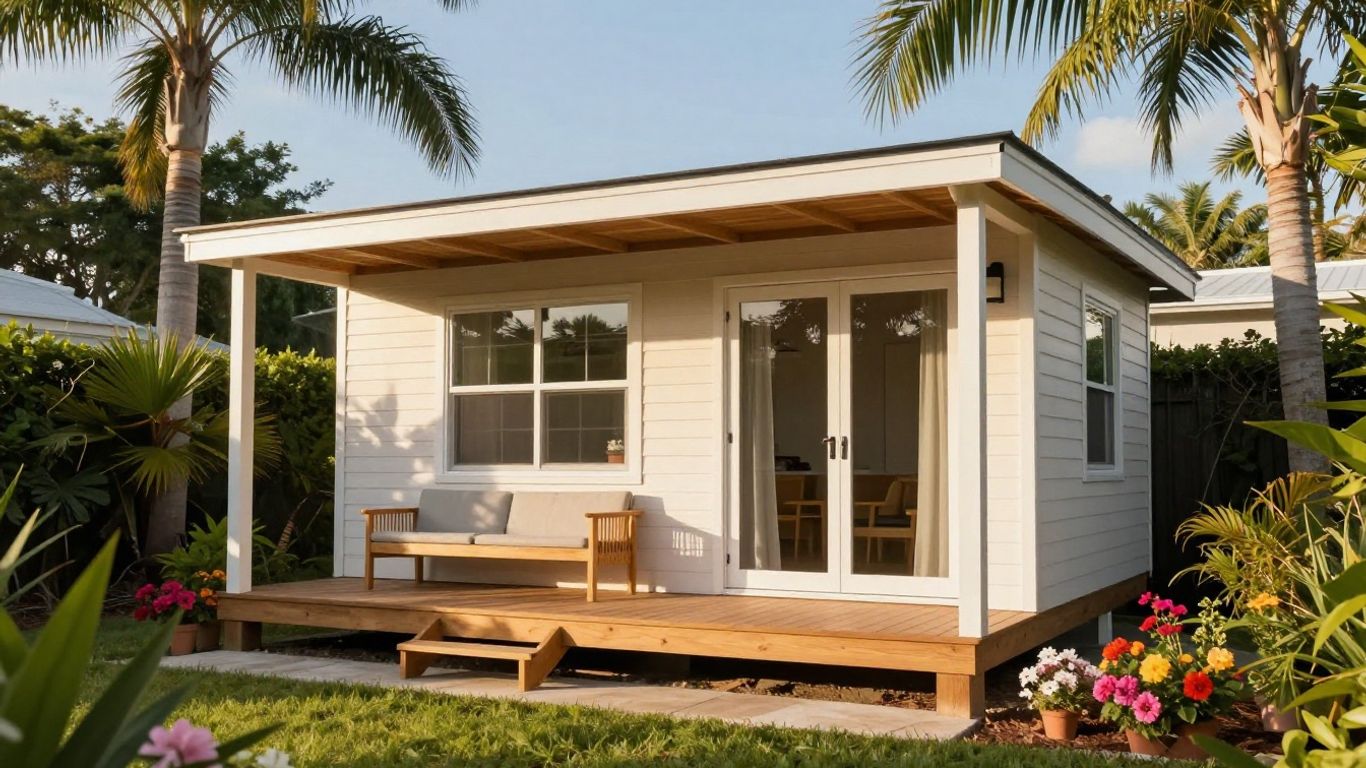
Thinking about building a tiny home in Florida? It’s a great idea, but you’ve got to know the rules. Florida tiny home laws can be a bit tricky, with state building codes and local zoning playing big parts. Whether your tiny home sits on a foundation or rolls on wheels, understanding these regulations is the first step to making sure your dream home is also a legal one. Let’s break down what you need to know.
Key Takeaways
- Florida has adopted Appendix Q of the International Residential Code, which sets standards for building tiny homes under 400 square feet.
- Tiny homes on wheels (THOWs) are often treated as RVs and must meet specific ANSI safety standards, plus be registered with the DMV.
- Local zoning laws are critical; they dictate where you can place a tiny home and what uses are permitted, varying significantly by city and county.
- Accessory Dwelling Units (ADUs) are a common way to legally place tiny homes on foundations in residential areas, but specific requirements apply.
- Ignoring permits or zoning rules can lead to fines, code enforcement actions, and difficulties selling your property.
Understanding Florida Tiny Home Laws: An Overview
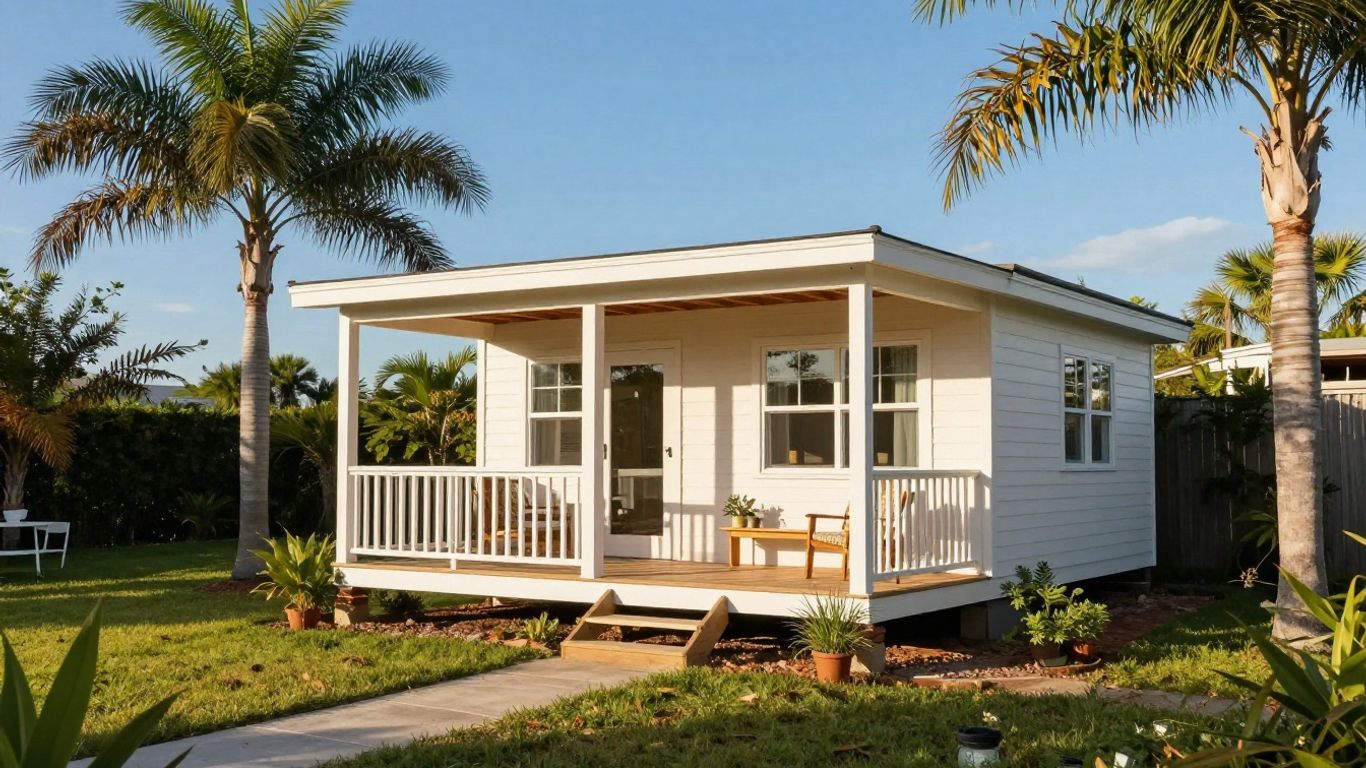
So, you’re thinking about a tiny home in Florida? That’s awesome! But before you start dreaming about your cozy new place, we need to talk about the rules. It’s not quite as simple as just parking your house anywhere. Florida has a few layers of regulations that you’ll need to get through.
State Building Codes and Appendix Q
First off, Florida has adopted Appendix Q of the International Residential Code (IRC). What does that mean for you? Basically, it’s a set of guidelines for building homes that are 400 square feet or less. Think of it as a baseline for safety and construction. It covers things like how stairs should be built, railing heights, and where to put emergency exits. This appendix is your friend when it comes to the actual construction of a tiny home on a foundation. However, Appendix Q doesn’t tell you where you can put your tiny home. That’s where local rules come in.
Local Zoning and Placement Regulations
This is where things can get a bit tricky. While the state gives us Appendix Q, your city or county is the one that decides if and where you can place a tiny home. Zoning laws dictate what kind of structures are allowed in different areas. Some places are really embracing tiny homes as a way to offer more affordable housing options, while others might be more hesitant due to concerns about infrastructure or neighborhood character. You’ll definitely need to check with your local planning and zoning department to see what’s allowed in your specific area. It’s always a good idea to contact individual counties directly to understand their unique rules and permissions for tiny homes.
It’s important to remember that rules can change, and what’s allowed today might be different tomorrow. Staying informed about both state and local regulations is key to a smooth tiny home journey.
The Role of Accessory Dwelling Units (ADUs)
Sometimes, tiny homes on foundations can be classified as Accessory Dwelling Units, or ADUs. An ADU is basically a second, smaller living unit on a single-family home lot. This can be a great way to get a tiny home approved, especially if you’re looking to put it in your backyard. However, there are usually specific requirements for ADUs, such as minimum lot sizes and restrictions on the size of the ADU itself. For example, Miami-Dade County has specific rules about ADUs, including size limits and zoning districts where they are permitted. Understanding if your tiny home qualifies as an ADU in your area can open up more placement possibilities.
Here’s a quick look at how some areas might view tiny homes:
- Tiny Home on Foundation: Often treated like a traditional home, must meet building codes (like Appendix Q), and is subject to local zoning for permanent structures. Likely to be considered an ADU in many places.
- Tiny Home on Wheels (THOW): Usually classified as an RV, meaning it needs to meet RV safety standards and be placed in areas zoned for RVs or mobile homes. This is a big distinction to keep in mind.
- Accessory Dwelling Unit (ADU): A secondary housing unit on an existing lot, often with specific size and placement rules. Can be a pathway for tiny homes on foundations.
Tiny Homes on Foundations: Building and Compliance
So, you’re thinking about a tiny home that’s going to stay put, built on a permanent foundation? That’s great! It means you’ll be dealing with a different set of rules than those mobile tiny homes. The big thing here is making sure your structure meets the Florida Building Code. This isn’t just about making it look nice; it’s about safety and making sure it can handle whatever Florida throws at it, especially those hurricanes.
Adhering to the Florida Building Code
When you build a tiny home on a foundation, it has to follow the same rules as any other house in Florida. This includes things like electrical, plumbing, and structural integrity. For homes 400 square feet or less, Florida often references Appendix Q of the International Residential Code. This appendix is specifically designed for smaller dwellings, offering guidelines that make sense for tiny living. It’s really important to check with your local building department to see exactly which codes and any local amendments apply to your specific project. They’re the ones who will be signing off on your plans, after all.
Hurricane Preparedness and Construction
Florida is no stranger to hurricanes, so building codes reflect that. Your tiny home on a foundation will need to be built to withstand high winds and heavy rain. This might mean using specific types of windows and doors, like impact-resistant ones, or ensuring your roof is securely attached. Think about things like:
- Stronger connections between the roof and walls.
- Proper anchoring to the foundation.
- Hurricane shutters or impact-rated glass.
- Ensuring your structure is properly sealed against water intrusion.
Permitting and Inspection Processes
Before you even break ground, you’ll need to get permits. This usually involves submitting detailed building plans to your local government. They’ll review them to make sure everything complies with the Florida Building Code and local zoning ordinances. Once you get the green light, construction begins. Throughout the building process, there will be inspections at various stages – foundation, framing, electrical, plumbing, and final inspection. Passing these inspections is key to getting your Certificate of Occupancy, which means your tiny home is officially legal to live in. It might seem like a lot of steps, but it’s all part of making sure your home is safe and sound. You can find more information on building codes at Florida Building Code.
Building a tiny home on a foundation means treating it like any other permanent residence. This involves a thorough process of planning, permitting, and inspections to ensure it meets all safety and structural requirements, especially those related to Florida’s climate.
Tiny Homes on Wheels (THOWs): RV Standards and Placement
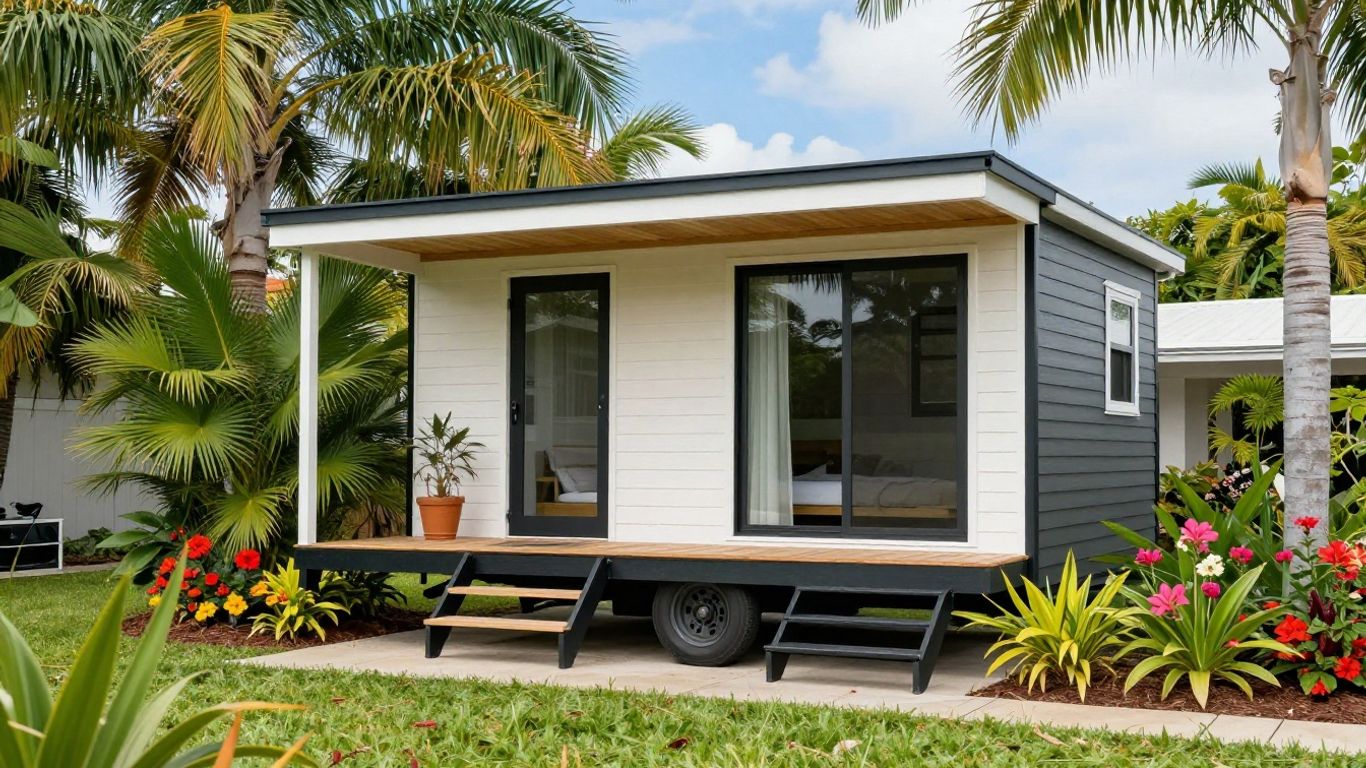
Tiny homes on wheels, or THOWs, present a unique set of considerations when it comes to Florida law. Unlike their foundation-bound counterparts, THOWs are generally treated as recreational vehicles (RVs). This classification means they’re often viewed as temporary or seasonal dwellings rather than permanent residences. Florida doesn’t have a specific law dedicated solely to THOWs, so understanding their legal standing involves looking at RV regulations and local zoning ordinances.
THOWs as Recreational Vehicles (RVs)
Because THOWs are typically classified as RVs, they must meet certain safety standards. Florida Statutes require RVs to comply with the American National Standards Institute (ANSI) safety standards. This covers important areas like plumbing, heating, electrical systems, and fire safety. If you plan to use your THOW as an RV, you’ll also need to register and license it with the Florida Department of Motor Vehicles. Think of it like registering any other vehicle you’d take on the road.
ANSI Safety Standards for THOWs
The ANSI standards are pretty detailed and aim to ensure your THOW is safe for habitation. These standards cover:
- Plumbing: Proper installation and function of water supply and drainage systems.
- Heating, Ventilation, and Air Conditioning (HVAC): Safe and effective operation of heating and cooling systems.
- Electrical Systems: Compliance with wiring, grounding, and circuit protection requirements.
- Fire Safety: Measures to prevent fires and ensure safe egress.
It’s important to ensure your THOW, whether you built it yourself or bought it, meets these standards. If you’re building your own, consulting with the manufacturer or a qualified builder is a good idea. For those buying a pre-built THOW, ask for documentation proving it meets ANSI standards.
Registration and Licensing Requirements
As mentioned, if your THOW is classified as an RV, you’ll need to register and license it. This process is handled by the Florida Department of Motor Vehicles (DMV). You’ll likely need to provide proof of ownership, insurance, and that your THOW meets the required safety standards. The exact requirements can vary, so it’s best to check with your local DMV office for the most up-to-date information. This registration is what allows you to legally operate your THOW on public roads and, in many cases, park it in designated RV areas.
The biggest hurdle for THOW owners in Florida often isn’t the vehicle itself, but where it can be legally placed for long-term living. Local zoning laws are the primary gatekeepers, and they can be quite restrictive regarding permanent RV occupancy outside of designated parks.
Navigating Local Zoning for Tiny Home Placement
So, you’ve got your tiny home dream, but where does it actually go? This is where local zoning laws come into play, and let me tell you, they can be a bit of a maze. It’s not as simple as just parking it anywhere. You absolutely need to figure out what your city or county allows before you get too far along.
First off, you need to know what zone your property is in. Most places have this info online these days, often with interactive maps. Just search for your city or county’s zoning map. Once you know your zone (like R-1 for single-family residential, or something else), you can look up the rules for that specific zone. The zoning code, sometimes called a land development code, will tell you what kind of uses are permitted. Generally, in a standard residential zone, you can have a main house and maybe some smaller accessory buildings, but not much else. This is where the type of use for your tiny home becomes really important.
Think about it: is this tiny home going to be a guest house, a rental, an art studio, or your main residence? The rules can change drastically depending on the answer. If you’re thinking of using it as something other than a primary dwelling, like a workshop, you might be okay. But if you want to live in it full-time, especially if it’s a tiny home on wheels (THOW), you’ll likely run into more restrictions. THOWs are often treated like RVs, and most places don’t let you live in an RV permanently outside of designated RV parks or mobile home communities. Some areas are getting more flexible, but you’ll have to do some digging.
Here’s a quick rundown of what to look for:
- Identify Your Zoning District: Find out what zone your property falls under using online maps or by contacting your local planning department.
- Check Allowed Uses: Review the zoning code for your district to see what activities or structures are permitted. This is the most critical step.
- Understand Development Standards: Look for rules about lot coverage, setbacks (how far from property lines it must be), height limits, and parking requirements. These all affect whether a tiny home can physically fit and be legally placed.
It’s always a good idea to talk to your local planning or zoning department directly. They can clarify the rules for your specific situation and tell you what permits might be needed. Don’t just assume; ask questions. Getting it wrong can lead to fines or even having to move your tiny home.
If your tiny home is on wheels, you’ll also need to consider how it will be secured, especially in Florida with hurricane season. Some areas might have specific tie-down requirements even for RVs. For tiny homes on foundations, they’ll need to meet all the standard building codes, including those for wind resistance. It’s a lot to consider, but knowing these zoning rules upfront saves a ton of headaches later on.
Key Considerations for Tiny Home Use in Florida
So, you’ve got your tiny home dream in mind for Florida. That’s awesome! But before you start picturing yourself sipping coffee on your mini-porch, there are a few important things to think about regarding how you’ll actually use the space. It’s not just about building it; it’s about making sure it fits into the local picture legally and practically.
Distinguishing Between Habitation and Other Uses
This is a big one. How you plan to use your tiny home makes a huge difference in what rules apply. Is it going to be your primary residence, a guest house, an art studio, or maybe a rental property? The Florida Building Code and local zoning ordinances often have different requirements for each. For instance, using a tiny home as a rental often means it needs to meet stricter safety and occupancy standards than if it were just a detached workshop or studio. You absolutely need to clarify your intended use with your local planning department before you build or place anything.
- Primary Residence: This is usually the most regulated use, requiring full compliance with residential building codes and zoning for dwelling units.
- Accessory Dwelling Unit (ADU): Often treated similarly to a primary residence, but with specific size and placement rules relative to the main house.
- Guest House/Office/Studio: These uses might have fewer restrictions, but they typically cannot be rented out independently or used as a primary dwelling.
- Short-Term Rental: This is a complex area, often governed by specific local ordinances that may or may not permit tiny homes, and usually requires additional permits and inspections.
Applying for a Change of Use
What if you initially set up your tiny home for one purpose, like a home office, but later decide you want to live in it full-time? You’ll likely need to go through a formal process to change its designated use. This usually involves submitting an application to your local government, demonstrating that the structure now meets the requirements for habitation. This might mean upgrading plumbing, electrical, or insulation, and passing inspections. It’s not as simple as just moving your bed in; you’ll need official approval.
It’s always better to get clarity on your intended use from the start. Trying to switch uses later can sometimes be more complicated and costly than getting it right the first time. Check with your local planning and zoning office early in the process.
Impact on Property Value and Resale
Thinking about the long-term? How your tiny home is situated and whether it complies with all local regulations can definitely affect your property’s value. A legally permitted tiny home, especially one that’s integrated well into the property and meets all codes, could be a selling point. However, an unpermitted structure or one that violates zoning laws could be a major headache for future buyers and might even lower your property’s marketability. Buyers will want to know that everything is above board, so having all your permits and approvals in order is key for a smooth resale.
Exploring Placement Options for Tiny Homes
Finding the right spot for your tiny home in Florida can feel like a puzzle, but there are definitely some good options out there. It really depends on what you’re looking for in terms of community, convenience, and cost. Let’s break down a few of the main ways people are placing their tiny homes.
Dedicated Tiny Home Communities
These are places built specifically for tiny homes. Think of them as neighborhoods where everyone is on the same page about living small. You get a designated spot for your home, and often, you’re surrounded by people who share similar values. It’s not just about having a place to park; it’s about being part of a community. Some of these places even have shared gardens or workshops, which is pretty neat.
- Community Living: Offers a built-in social network.
- Shared Amenities: Access to common areas, laundry, and sometimes even recreational facilities.
- Specific Rules: Usually have their own set of guidelines for tiny homes.
RV Parks and Mobile Home Parks
This is a really common route for tiny homes on wheels (THOWs). Many RV parks are happy to have tiny homes because they often fit the bill for what they consider an RV. It’s a flexible choice because you can find RV parks all over Florida, from the coast to inland. Plus, they usually have hookups for water, sewer, and electricity, which makes life a lot easier. Just be sure to check the park’s specific rules about how long you can stay and any size restrictions.
- Flexibility: Wide availability across the state.
- Utilities: Hookups are typically available.
- Varying Rules: Stay lengths and specific requirements can differ greatly.
Agricultural Land Opportunities
Sometimes, you can place a tiny home on land zoned for agricultural use. This isn’t always straightforward and often depends on local ordinances. In some cases, a tiny home might be allowed if it’s considered housing for farm workers or if it’s part of a larger agricultural operation. It’s a bit of a niche option, and you’ll definitely need to do your homework with the local county planning department to see if this is a viable path for you. It can offer more privacy and space, but the regulations can be tricky.
It’s always a good idea to talk directly with the local zoning or planning office. They are the ones who know the specific rules for your area and can tell you what’s allowed and what’s not. Don’t rely just on what you hear or read online, because rules can change and vary a lot from one town to the next.
Finding the right place is a big step, and it’s worth taking the time to explore all your options. The best placement for your tiny home will depend on your personal needs and the specific regulations in the area you choose.
Addressing Non-Compliance and Legal Challenges
So, you’ve got a tiny home, or you’re planning to get one, and you’ve run into some snags with the rules. It happens. Florida’s regulations can be a bit of a maze, and sometimes, things don’t go exactly as planned. Let’s talk about what happens when you’re not quite in compliance and what your options are.
Consequences of Skipping Permits
Look, nobody likes paperwork, right? But skipping out on permits is a fast track to headaches. If you just place a tiny home on your property without getting the proper land-use permits or building approvals, you could be looking at fines. Seriously, code enforcement can show up, and they’re not usually handing out cookies. This can also make selling your property later a real pain, potentially lowering its value. It’s always better to get things squared away upfront. If you’re unsure about the requirements, talking to a Florida-licensed land use attorney is a smart move to make sure your tiny house is lawful. For those building off-grid, remember that off-grid homes in Florida must also meet specific building codes to avoid legal trouble.
Seeking Legal Counsel for Zoning Issues
When zoning rules feel like a foreign language, or you’re in a situation where your tiny home doesn’t fit the current regulations, getting professional help is key. A lawyer who specializes in land use and zoning can help you understand the specific ordinances in your area. They can review your situation, explain your rights, and guide you through the process of seeking variances or special exceptions if your situation warrants it. This is especially important if you’re dealing with complex local rules, like those found in different cities within counties like Broward or Palm Beach, where ADU regulations can vary significantly from one municipality to the next.
Advocating for Zoning Code Amendments
Sometimes, the rules just don’t make sense for tiny homes. If your community’s zoning code doesn’t allow for tiny homes or accessory dwelling units (ADUs), and you believe it should, you have the option to advocate for change. This usually involves a formal process of petitioning your local government. It can be a long road, and it might cost money, but if there’s enough community interest and support, local leaders might be willing to update the land-use regulations. This could involve:
- Researching current zoning ordinances thoroughly.
- Gathering support from neighbors and community groups.
- Attending public hearings and presenting your case to the planning commission or city council.
- Working with legal counsel to draft proposed amendments.
Making sure your tiny home is compliant from the start saves a lot of trouble down the line. It’s about understanding the rules, getting the right approvals, and if needed, working within the system to make changes. Don’t let a little bit of red tape turn into a big legal headache.
It’s also worth noting that if you’re looking at placing a tiny home, understanding the different pathways, like those for ADUs or even considering agricultural land opportunities, can help you avoid these issues altogether. There are resources available that break down the legal ways to place a tiny home in Florida, which can be a great starting point.
So, Can You Build That Tiny Home?
Figuring out the rules for tiny homes in Florida can feel like a puzzle. It’s not just one set of laws; you’ve got state building codes, but then each city and county has its own zoning rules. Whether your tiny house is on wheels or a foundation, and how you plan to use it, all change what’s allowed. The best advice is to do your homework. Check with your local planning department and understand your specific area’s regulations before you get too far along. It might take some effort, but getting it right from the start means you can enjoy your tiny home without future headaches.
Frequently Asked Questions
What’s the main difference in rules for tiny homes on foundations versus tiny homes on wheels (THOWs) in Florida?
Tiny homes on foundations must follow Florida’s building codes, similar to regular houses, and need permits and inspections. THOWs are often treated like RVs, meaning they have to meet RV safety standards and might need to be registered. Their placement is usually more restricted, often limited to RV parks or specific zones.
Does Florida have specific laws for tiny homes?
Florida doesn’t have one single law just for tiny homes. Instead, rules are a mix of state building codes (like Appendix Q for homes under 400 sq ft) and local zoning rules set by cities and counties. For THOWs, RV standards often apply.
Can I put a tiny home in my backyard in Florida?
It depends! You need to check your local city or county zoning rules. Some areas allow tiny homes, especially when built as an Accessory Dwelling Unit (ADU) on an existing property. Other areas might have strict rules against them or only allow them in specific types of parks.
What are the safety rules for building a tiny home in Florida, especially for hurricanes?
All homes in Florida, including tiny homes on foundations, must meet building codes that consider hurricanes. This can mean using stronger materials, special window types, and secure roof connections to withstand high winds and heavy rain. THOWs, if treated as RVs, also need to meet safety standards set by groups like ANSI.
What happens if I don’t get the right permits for my tiny home?
Skipping permits can lead to big problems. You might face fines, be forced to move your tiny home, or even have trouble selling your property later. It’s always best to follow the rules and get all the necessary approvals before you build or place your tiny home.
Where are the best places to park a tiny home in Florida?
Options include dedicated tiny home communities, RV parks that allow tiny homes, and sometimes even agricultural land in rural areas. Each location has different rules and offers a unique lifestyle, so it’s important to research what works best for you and fits local regulations.
Explore more tiny home living, design, downsizing, building, and lifestyle resources.
- Tiny Homes for Rent in Wyoming: Wild West Getaways to Book
- Tiny Homes for Rent in Washington: Forest Escapes & Cozy Stays
- Tiny Homes for Rent in Utah: Red Rock Retreats to Book
- Tiny Homes for Rent in Oregon: Forest Retreats You’ll Love
- Tiny Homes for Rent in New Mexico: Desert Gems & Starry Skies
- Tiny Homes for Rent in Nevada: Desert Hideaways Worth Booking