Can You Insure a Tiny House? Everything You Need to Know in 2026

Thinking about embracing the tiny house lifestyle? It’s a fantastic way to simplify and save, but one big question often comes up: can you insure a tiny house? The short answer is yes, but it’s not always as straightforward as insuring a traditional home. We’ll break down what you need to know about getting coverage for your compact dwelling in 2026.
Key Takeaways
- Tiny homes, generally under 400 square feet, can often be insured, but the type of policy depends on whether it’s stationary or mobile.
- Stationary tiny homes might qualify for mobile or manufactured home insurance, while those on wheels typically need RV insurance.
- Lenders usually require insurance if you finance your tiny home, even if it’s not legally mandated otherwise.
- Factors like size, location, and how the home is built (DIY vs. factory-built) significantly impact insurance costs and availability.
- Specialty coverage might be needed for unique features like off-grid systems or for homes in high-risk areas.
Understanding Tiny Home Classifications for Insurance
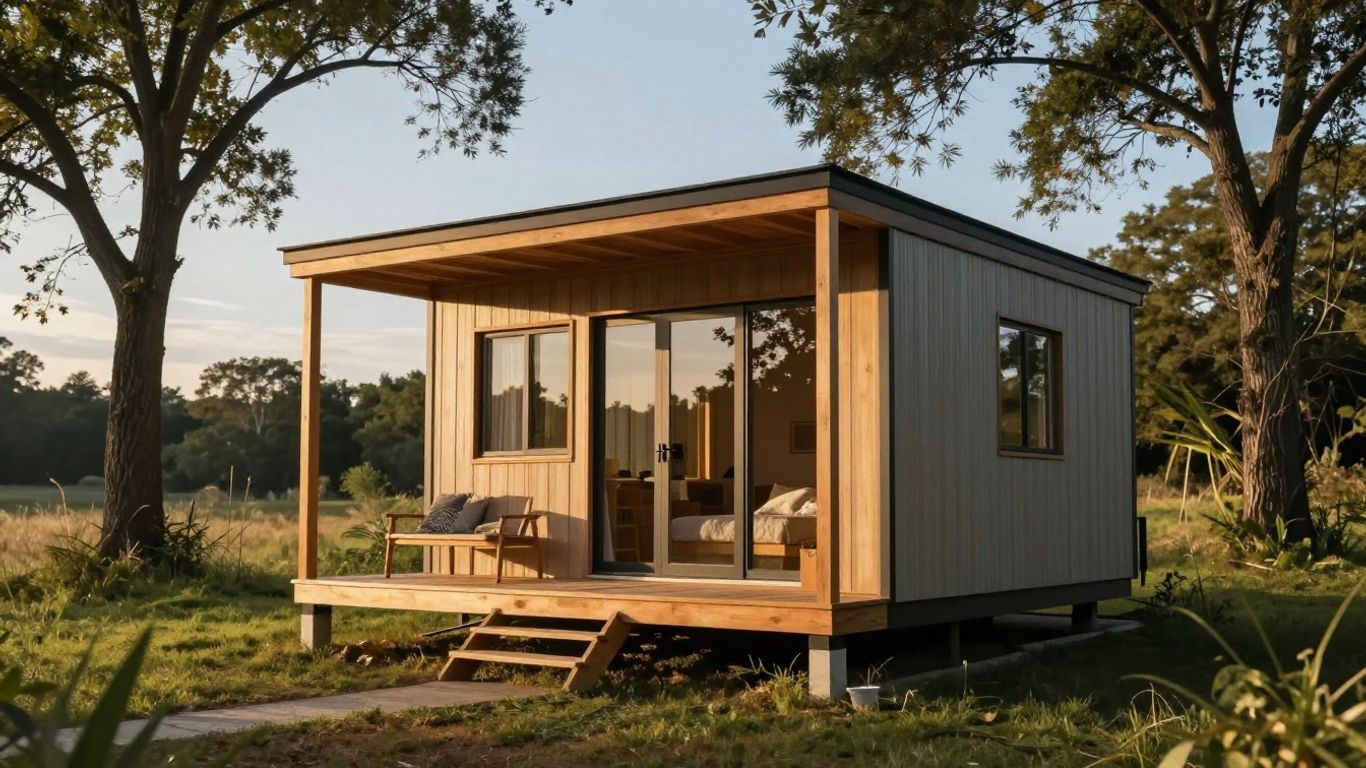
So, you’re thinking about the tiny home life, huh? It’s a big decision, and one of the first things you’ll bump into is figuring out how to insure it. It’s not quite as straightforward as insuring a regular house, mostly because tiny homes come in a few different flavors, and insurance companies like to know exactly what they’re dealing with.
What Defines a Tiny Home?
Generally speaking, a tiny home is considered a dwelling that’s under 400 square feet. The International Residential Code (IRC) actually has a definition for this, and it doesn’t even count lofts in that square footage. But here’s the thing: while that’s a good starting point, insurers often look beyond just the size. They’re really interested in how it’s built, where it’s located, and how you plan to use it. These factors heavily influence the type of insurance policy you’ll need. For example, is it built to meet specific building codes? Is it considered a permanent structure or something more mobile? These questions are key.
Tiny Homes on Wheels vs. On Foundations
This is probably the biggest distinction when it comes to insurance. A tiny home that’s built on a permanent foundation and isn’t meant to move is often treated more like a traditional home. You might be able to get a standard homeowners policy, or at least something very similar, like a mobile or manufactured home policy. These policies usually cover the dwelling itself, your personal belongings, and liability. You can find insurers that offer specialized tiny home insurance for these stationary models.
On the flip side, a tiny home on wheels (THOW) is a whole different ballgame. Because it’s designed to be moved, it often falls under the umbrella of RV insurance. Think of it like insuring a motorhome. This type of policy usually covers the structure, your stuff inside, and liability, but it’s tailored for a vehicle that travels. It’s important to know how your home is titled and registered, as this can also affect its classification and the insurance options available.
DIY Builds and Conversions
Building your own tiny home or converting a van or bus adds another layer of complexity. Insurers can be a bit hesitant with DIY projects. They worry about whether the build meets safety standards and local regulations. If you’re financing a DIY build, your lender will definitely want proof of insurance, but getting it can be tougher. You might need to provide detailed plans and proof of your building process. For conversions, the original vehicle’s structure and the extent of the modifications will play a big role in how it’s insured. Sometimes, these might require a custom policy or a specialized RV policy that accounts for the living space additions.
When you’re looking into insurance, be prepared to answer a lot of questions about your specific tiny home. Insurers need to understand its construction, its mobility status, and its intended use to offer the right coverage. Don’t be surprised if you have to shop around a bit to find a policy that fits your unique situation.
Navigating Tiny Home Insurance Policies
So, you’ve got a tiny home, and now you’re wondering about insurance. It’s not quite as straightforward as insuring a regular house, but don’t worry, it’s definitely doable. The type of policy you’ll need really depends on whether your tiny home is stationary or if it’s built on wheels.
Homeowners Insurance for Stationary Tiny Homes
If your tiny house is on a permanent foundation, it’s often treated more like a traditional home. You’ll likely be looking at a mobile or manufactured home insurance policy. Think of it this way: if it’s not moving, it needs a policy that covers a fixed dwelling. These policies generally include:
- Dwelling Coverage: This helps pay to fix or rebuild the actual structure of your tiny home if something covered by the policy happens, like a fire or storm damage.
- Personal Property: This covers your stuff inside the home, like furniture, clothes, and electronics, up to a certain limit if it’s damaged or stolen.
- Liability Protection: If someone gets hurt on your property or you accidentally cause damage to someone else’s property, this coverage can help with the costs.
- Loss of Use: If your home becomes unlivable due to a covered event, this can help with extra living expenses like hotel stays and meals while it’s being repaired.
Some insurers might have specific requirements, like preferring homes that are factory-built or have certain certifications. DIY builds can sometimes be trickier to insure under this category, so be prepared to show documentation.
RV Insurance for Movable Tiny Homes
Now, if your tiny home is on wheels – a Tiny Home on Wheels (THOW) – you’re probably going to need RV insurance. Even if you don’t plan on moving it much, the fact that it’s designed to be mobile often puts it in the RV category for insurance purposes. This is especially true if it’s titled as an RV or a trailer.
RV insurance policies can offer similar coverages to homeowners policies, but they’re tailored for vehicles. You’ll find:
- Collision Coverage: For damage to your tiny home if it collides with something.
- Comprehensive Coverage: For damage from things other than collisions, like theft, vandalism, or natural disasters.
- Liability Coverage: Similar to homeowners, this protects you if you’re responsible for injuries or property damage to others.
- Uninsured/Underinsured Motorist Coverage: This can help if you’re in an accident with a driver who doesn’t have enough insurance.
If you live in your THOW full-time, you’ll want to make sure your policy reflects that, as full-time RV insurance usually offers more robust coverage than policies for occasional use.
Mobile and Manufactured Home Insurance Options
Sometimes, a tiny home, especially if it’s factory-built and meets certain standards, might qualify for what’s called mobile or manufactured home insurance. This can be a good middle ground. It’s similar to standard homeowners insurance but designed for factory-built homes that might be moved at some point. The key here is that the home needs to meet specific construction and safety requirements. If your tiny home fits these criteria, this type of policy can offer solid protection for the structure, your belongings, and liability.
It’s important to remember that insurance companies look at a lot of factors. The classification of your tiny home – whether it’s seen as a permanent dwelling, an RV, or a manufactured home – is the biggest one. Always be upfront with your insurance provider about how you use your tiny home and its construction details to get the right coverage.
Getting the right insurance can feel like a puzzle, but understanding these different policy types is the first step to making sure your tiny home is protected. It might take a bit of shopping around, but finding a policy that fits your specific situation is definitely possible.
Key Factors Influencing Tiny Home Insurance Costs
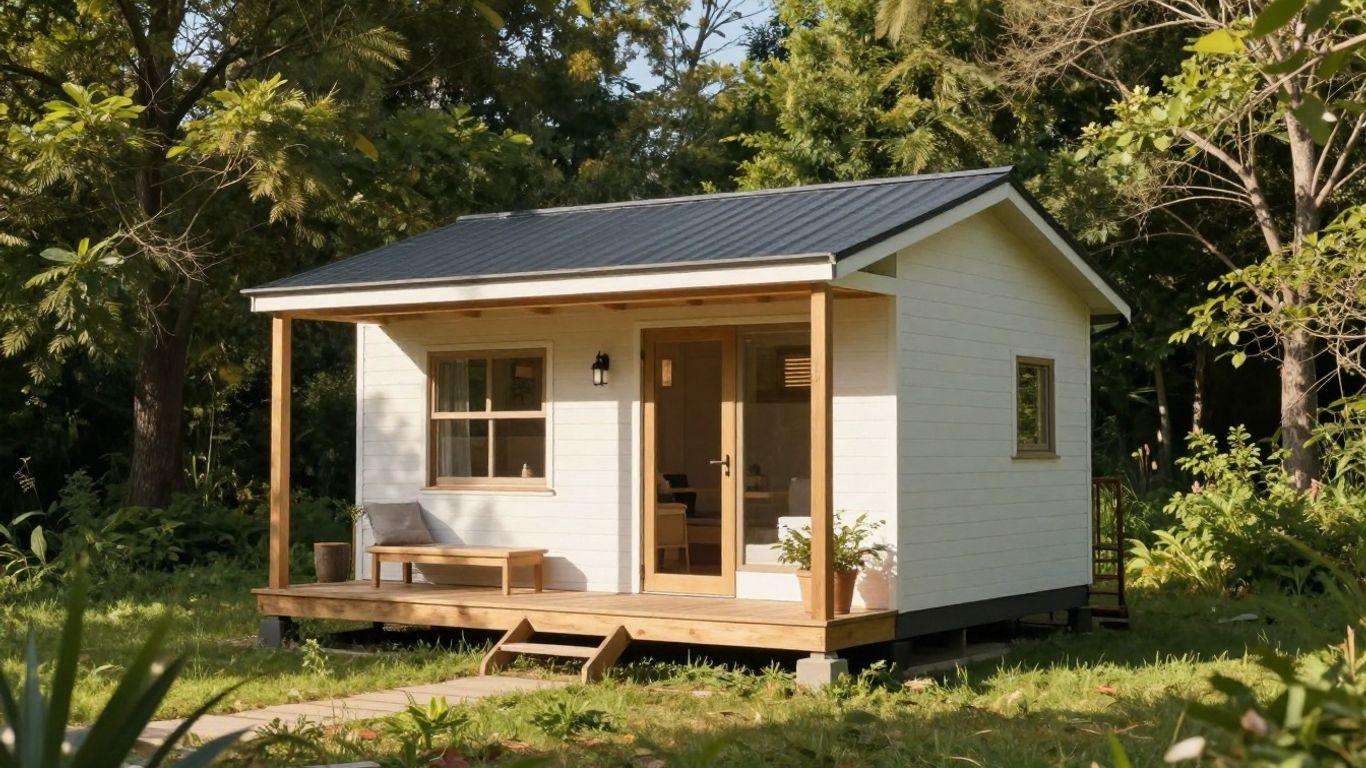
So, you’re thinking about insuring your tiny home. That’s smart! But like anything with insurance, the price tag isn’t just a flat number. Several things play a role in how much you’ll end up paying. It’s not just about the size, though that’s a big one. Think of it like buying a car – a souped-up sports car costs more to insure than a basic sedan, right? Your tiny home is similar.
Dwelling Size and Value
This one’s pretty straightforward. The bigger your tiny home, the more it generally costs to insure. More square footage means more materials, more labor, and more to replace if something goes wrong. Also, the value of your tiny home matters a lot. If you’ve got high-end finishes, custom cabinetry, or expensive appliances, that all adds to the replacement cost, and thus, your premium. A tiny home valued at $80,000 will naturally cost more to insure than one valued at $30,000.
Location and Risk Factors
Where you park your tiny home is a huge deal for insurance companies. Are you in an area prone to wildfires? High winds? Flooding? Hurricanes? These risk factors mean a higher chance of damage, so your insurance will reflect that. For example, a tiny home parked in a coastal area during hurricane season will likely have a higher premium than one in a more sheltered, low-risk zone. Even things like proximity to a fire station or the general crime rate in the area can sometimes factor in.
Coverage Limits and Deductibles
This is where you have a bit more control over the final price. Your coverage limits are the maximum amounts your insurance company will pay out for a covered loss. If you opt for higher limits – meaning you want more protection – your premium will go up. On the flip side, your deductible is the amount you pay out-of-pocket before your insurance kicks in. Choosing a higher deductible usually means a lower premium, but remember, you’ll have to pay more if you ever need to file a claim. It’s a trade-off between lower upfront costs and higher potential out-of-pocket expenses later.
Here’s a quick look at how deductibles can affect costs:
| Deductible Amount | Estimated Annual Premium (Example) |
|---|---|
| $500 | $950 |
| $1,000 | $700 |
| $2,500 | $500 |
Choosing the right balance between coverage limits and deductibles is key. You want to be adequately protected without paying more than you can afford. It’s a personal decision based on your financial situation and risk tolerance.
Other things that can pop up and affect your rate include:
- DIY Builds: If you built it yourself, insurers might see it as a higher risk, especially if you don’t have proper certifications or documentation. They want to know it was built to code and safely.
- Usage: Is it your primary residence? A vacation home? A rental property? How you use the tiny home can change the insurance needs and costs.
- Age and Condition: An older tiny home, or one that hasn’t been well-maintained, might cost more to insure than a brand-new one.
- Personal Property: The value of the stuff inside your tiny home matters too. If you have a lot of expensive electronics, art, or collectibles, you’ll need more coverage for them, which increases the premium.
Specialty Coverage and Add-Ons for Tiny Homes
So, your tiny home is pretty unique, right? That’s why standard insurance might not always cut it. You’ve probably got some cool stuff in there, maybe some fancy off-grid systems, or perhaps you’re even renting it out sometimes. These situations often need a little extra protection beyond the basic policy. It’s like getting a custom fit for your insurance, making sure everything important is covered.
Protecting High-Value Personal Property
Think about all the gear you’ve got packed into your tiny space. Laptops, specialized tools, maybe even an e-bike or two – these items can add up quickly in value. Standard homeowners or RV policies usually have limits on how much they’ll pay out for personal belongings. If you have items that are particularly expensive, you’ll want to look into scheduled personal property coverage. This means listing those specific high-value items on your policy, often with their own individual coverage limits. It’s a good idea to keep receipts and maybe even take photos of these items, just in case.
Coverage for Off-Grid Systems
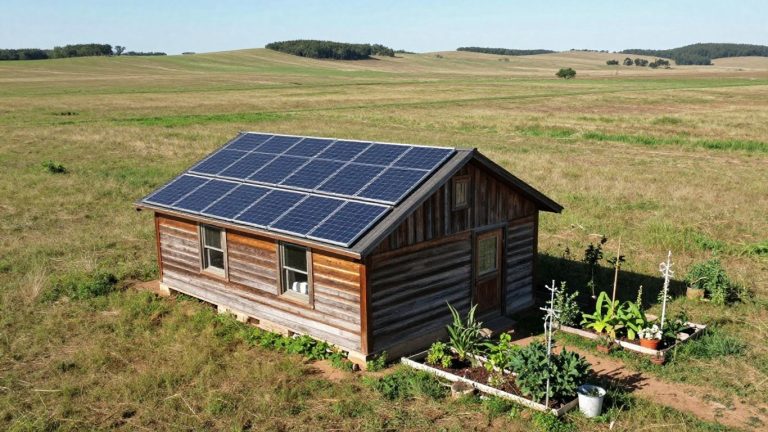
Living the off-grid dream with solar panels, a rainwater collection system, or a composting toilet? That’s awesome, but these systems can be expensive to repair or replace if something goes wrong. Standard policies might not cover them, or they might only cover them under a general
Finding the Right Insurer for Your Tiny Home
So, you’ve got your tiny house all set up, and now it’s time to think about insurance. It can feel a bit like a treasure hunt, right? Not every insurance company is set up to handle the unique needs of a tiny home. Some might stick to the traditional houses, while others might not quite get what a tiny home on wheels entails. The key is to find an insurer who actually understands tiny homes.
Insurers Specializing in Tiny Homes
Some companies are really getting into the tiny home scene. They’ve started offering policies specifically designed for these smaller dwellings. These are often the best places to start because they already know the lingo and the potential risks. Think of them as the specialists in the field. They might be smaller, independent agencies or even larger companies that have created a special division for tiny homes, RVs, or manufactured homes.
Working with Insurance Marketplaces
If you’re feeling overwhelmed by all the options, or if you’ve had trouble finding a specialist, an insurance marketplace can be a good next step. These platforms act like a central hub. You fill out one application with details about your tiny home, and they’ll send it out to several different insurance companies. This saves you the hassle of contacting each one individually. It’s a way to compare quotes and see who offers the best fit for your situation without a ton of extra work. They can often connect you with agents who have experience with tiny homes, even if the marketplace itself doesn’t specialize.
Gathering Necessary Documentation
No matter who you go with, you’ll need to have your ducks in a row. Insurers will want to know a lot about your tiny home. This is especially true if you built it yourself or if it’s a converted vehicle. You’ll likely need:
- Proof of ownership (like a title or registration)
- Builder’s specifications or certifications (if applicable)
- Details about the materials used in construction
- Information on your electrical and plumbing systems
- Photos of the interior and exterior
- Details about its location and how often it moves (if it’s on wheels)
Having this information ready will make the application process much smoother. It shows the insurer you’re serious and have put thought into the safety and construction of your home. It can also help them assess the risk more accurately, which might even lead to better rates.
When you’re looking for insurance, remember that your tiny home’s classification is a big deal. Is it on wheels? Is it on a foundation? Is it a DIY build or a factory-made unit? The answers to these questions will point you toward the right type of policy and, consequently, the right kind of insurer. Don’t skip this step; it’s the foundation for finding good coverage.
When Insurance May Be Required for Tiny Homes
So, you’ve got your tiny home all set up, and you’re wondering if you actually need insurance. It’s not always a straightforward ‘yes’ or ‘no’. A lot of it really boils down to how your tiny house is classified and how you’re paying for it.
If you took out a loan to buy or build your tiny home, chances are your lender is going to want you to have insurance. Think of it like getting a car loan; the bank wants to protect their investment. They’ll likely require you to get a policy that covers the dwelling and possibly liability, similar to what you’d get for a traditional house. This is usually a condition for approving your loan, so it’s not really optional if you’re financing.
Now, if your tiny home is built on wheels and you plan on moving it around, things get a bit more complicated. Many states require any vehicle that’s regularly driven on public roads to have some form of insurance, and this often includes tiny homes that are classified as RVs. Even if you’re living in it full-time, you might need to meet minimum coverage requirements just to be legal on the road. It’s kind of like needing car insurance for your daily driver, but for your home on wheels.
Even with insurance, it’s super important to read the fine print. Policies, especially for unique dwellings like tiny homes, can have exclusions. These are specific situations or types of damage that the insurance company won’t cover. For example, some policies might not cover damage from extreme weather if your home isn’t in a designated safe zone, or they might have limitations on coverage for DIY builds if they don’t meet certain safety standards. It’s always a good idea to ask your insurer directly about what’s not covered, so you don’t get any nasty surprises down the road.
Here’s a quick rundown of when insurance is typically a must:
- Financed Tiny Home: Your lender will almost certainly require it.
- Tiny Home on Wheels (TOW) Used as an RV: Many states mandate RV insurance for road use.
- Full-Time Living in a TOW: Often requires specific RV insurance that covers full-time occupancy.
- Renting Out Your Tiny Home: You’ll likely need specific landlord or rental property insurance.
It’s easy to think that because a tiny home is small, it’s less risky. But insurance isn’t just about the size; it’s about protecting against financial loss from damage, theft, or liability. Whether it’s a lender’s rule or a state law, sometimes insurance is just part of the deal.
So, Can You Insure Your Tiny Home?
Alright, so we’ve gone over a lot of ground here. It turns out insuring a tiny house isn’t quite as straightforward as a regular home, but it’s definitely doable. Whether your tiny home is on wheels or a foundation, stationary or mobile, there are options out there. You might need RV insurance, or maybe a specialized policy that covers manufactured homes. The key is to know how your home is classified and what your specific needs are. Don’t just assume your standard homeowners policy will cut it. Shopping around and talking to different companies is a must. It might take a little extra effort, but getting the right coverage means peace of mind, and that’s pretty important when you’re living large in a small space.
Frequently Asked Questions
What exactly is a tiny home?
A tiny home is basically a smaller house, usually between 100 and 400 square feet. Think of it as a cozy, space-saving dwelling. Some are built on wheels like an RV, while others sit on a permanent foundation. The main idea is to have less space, which can mean less cost and a simpler lifestyle.
Do I really need insurance for my tiny home?
If you own your tiny home outright, you’re not legally required to have insurance. However, if you got a loan to buy it, your lender will almost certainly make you get insurance, just like with a regular house or car. Even if it’s not required, insurance is a good idea to protect yourself from unexpected problems like fires or damage.
Can I use my regular homeowners insurance for a tiny home?
Usually, no. Standard homeowners insurance is designed for larger, stationary homes. If your tiny home is fixed in one spot, you’ll likely need a special type of policy called mobile or manufactured home insurance. If your tiny home is on wheels and moves around, you’ll probably need RV insurance instead.
What if I built my tiny home myself (DIY)?
Building your own tiny home can be rewarding, but it can make getting insurance a bit trickier. Insurers might be hesitant if they don’t have proof that it meets safety and building rules. You might need extra inspections or special insurance coverage. It’s important to keep all your building records and receipts handy.
How much does tiny home insurance typically cost?
The cost can vary a lot, but for a stationary tiny home, you might expect to pay somewhere between $600 and $1,000 each year. If it’s more like an RV and needs RV insurance, it could cost up to $1,500 a year, sometimes more or less depending on many things.
What kinds of things does tiny home insurance cover?
Generally, tiny home insurance can help pay to fix or replace the structure of your home if it’s damaged. It can also cover your personal belongings inside the home, protect you if someone gets hurt on your property (liability), and help with living expenses if you can’t stay in your home while it’s being repaired after a covered event.
Explore more tiny home living, design, downsizing, building, and lifestyle resources.
- Tiny Homes for Rent in Wyoming: Wild West Getaways to Book
- Tiny Homes for Rent in Washington: Forest Escapes & Cozy Stays
- Tiny Homes for Rent in Utah: Red Rock Retreats to Book
- Tiny Homes for Rent in Oregon: Forest Retreats You’ll Love
- Tiny Homes for Rent in New Mexico: Desert Gems & Starry Skies
- Tiny Homes for Rent in Nevada: Desert Hideaways Worth Booking