Tiny Homes for Rent in Oregon: Forest Retreats You’ll Love

Wake up to evergreens beyond the window, ocean air along the coast, or wide high-desert skies from a cozy tiny home in Oregon. These compact rentals can offer a more personal, often lower-impact alternative to a standard hotel, but comfort, location, and amenities vary by property.
The right stay depends on your trip, whether you need a private bathroom, room for a family, or easy access to trails and towns. Compare where to search, what shapes the total cost, and which details to check before booking your tiny house rental so you can find a rental that fits.
Key Takeaways
- Tiny homes for rent in Oregon vary in price, so compare the full stay cost, including cleaning fees, taxes, and seasonal rates.
- Choose a region around your plans: the coast, forested mountains, and high desert offer different scenery and access to activities. Explore Oregon’s seven regions.
- Check each listing for essentials such as a private bathroom, heating, kitchen equipment, parking, and sleeping capacity before you book.
- Read cancellation terms and arrival instructions carefully, then reserve early for popular travel dates and sought-after locations.
Where to Find Tiny Homes for Rent in Oregon
Start with broad vacation-rental platforms, then narrow your search by region, travel dates, and the kind of space you want. Listings and availability change, so compare several options before choosing a stay.
Search vacation-rental sites and read listings closely
Airbnb, Vrbo, and Hipcamp are useful starting points for finding small stays across Oregon, though each platform’s inventory changes. Try search terms such as “tiny house,” “micro-cabin,” and “small cabin.” You can also search a specific area, such as the Oregon Coast, Bend, or the Columbia River Gorge, then adjust the filters to fit your trip.
For a more targeted starting point, browse Airbnb’s Oregon tiny-house listings. Hipcamp can help you explore rustic stays in wooded settings through its Oregon forest cabin search. On Vrbo, look for compact rentals near your destination, then confirm the property’s size and layout in its description.
A platform label or attractive exterior photo doesn’t confirm that a property is a true tiny home. Read the listing for details such as approximate square footage, loft sleeping areas, compact kitchens, and space-saving furniture. If the description calls it a cabin but doesn’t explain its size, layout, or features, ask the host before booking. A small standard cabin may offer a different setup than a tiny home, especially when it comes to stairs, headroom, storage, or bathroom access.
Compare results using the same dates and guest count. A rental that looks affordable for two guests may have different pricing or occupancy rules for a family, while a remote property may require more driving than its map location suggests.
Check the details that photos can leave out
Photos show the mood of a stay, but they may not answer practical questions. Before paying, read recent guest feedback and check whether visitors mention cleanliness, noise, access roads, heating, or differences between the listing and the property.
Review the cancellation terms and the full price, including cleaning, service, and other listed fees. Then confirm parking arrangements, check-in instructions, and the number of guests the rental allows. Some rural properties have limited parking or self-check-in steps that require advance planning.
House rules can affect your trip, too. Check policies for pets, quiet hours, smoking, and use of shared outdoor spaces. If you plan to arrive after dark, make sure the directions are clear and ask whether the final stretch of road is paved.
When a feature is unclear, message the host before booking. Ask direct questions about essentials such as a private bathroom, hot water, kitchen equipment, bed sizes, or whether the loft has a ladder. A clear answer helps you judge whether the space suits your group, rather than relying on assumptions based on a few carefully framed photos.
Choose an Oregon Region That Fits Your Kind of Getaway
Oregon’s regions offer very different backdrops for a tiny-home stay, so choose based on the activities you want nearby, not just the view in a listing photo. Travel Oregon’s regional guide can help you narrow the map; then check how far a rental sits from the places you plan to visit.
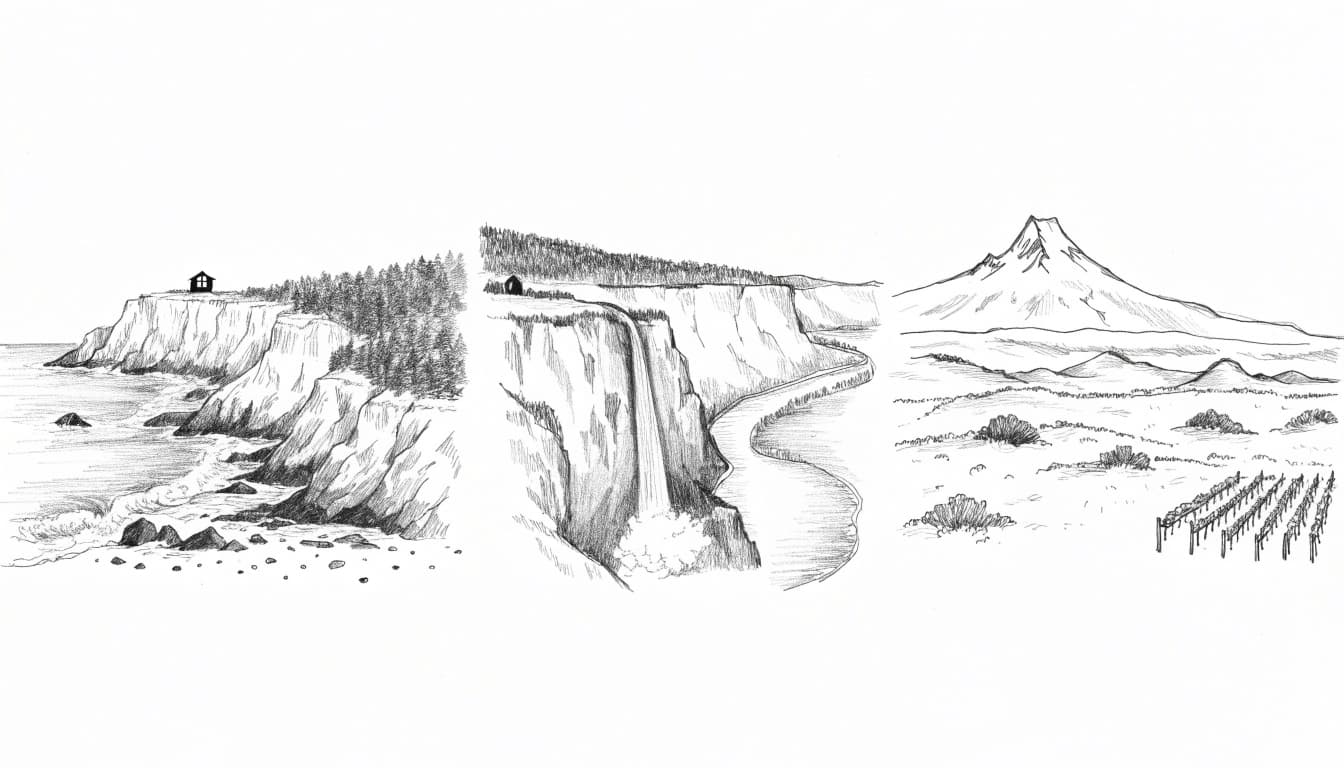
Coast and Columbia River Gorge for dramatic scenery
On the coast, ocean views, windswept headlands, and forest trails can make the rental feel like part of the trip. A stay near Cannon Beach or Yachats may suit travelers who want time by the water, while the Columbia River Gorge draws visitors with waterfalls, wooded hikes, and overlooks above the river.
The tradeoff is access. A property described as coastal may sit inland, and a Gorge rental may be outside the towns or trail areas you expect to reach on foot. Check the exact map location and estimate drive times to beaches, trailheads, grocery stores, and restaurants. Also look at parking and road access, especially if you plan to arrive after dark or visit during a busy weekend.
Mount Hood and Central Oregon for mountain and desert trips
Mount Hood offers a cooler, greener setting, with evergreen forests and mountain recreation near places such as Government Camp and Hood River. Central Oregon feels drier and more open. Around Bend, high-desert scenery, volcanic terrain, and river trails shape the trip, so a rental here may work well for travelers who want a different landscape than the coast.
Season affects what you can do in both areas. Snow can change mountain road conditions and access, while wildfire smoke may affect outdoor plans in summer. Recreation options also shift through the year, so check local updates before you leave. For road closures, weather, and traffic, consult Oregon TripCheck conditions close to your travel date.
Willamette Valley and southern Oregon for slower-paced stays
The Willamette Valley suits travelers drawn to vineyard country, small towns, and a relaxed drive between stops. In southern Oregon, you can pair a quiet rental with river scenery, outdoor areas, or visits to towns such as Ashland and Jacksonville. These regions can make a comfortable base when your plans involve exploring at an unhurried pace rather than staying beside a major attraction.
However, rural settings can mean fewer places to eat or shop nearby. Before booking, map the drive to wineries, rivers, trailheads, and the towns you want to visit. Check whether restaurants keep the hours you need, especially outside peak travel season. A peaceful location can be a welcome part of the getaway, but only if its distance from activities and food options fits your itinerary.
What Tiny Homes for Rent in Oregon Cost, and What the Rate Includes
There’s no reliable statewide nightly rate for tiny homes in Oregon. The price you see depends on when and where you travel, how many people are staying, and what the rental includes. Compare the full checkout price for your dates before deciding which listing offers the best value.
Compare the total price, not just the nightly rate
Rates can shift with the season and location. A coastal home may cost more during summer, while a rental near Mount Hood may see higher demand during winter recreation season. Weekends, holidays, local events, and limited availability can also raise the rate. Some hosts offer a lower nightly price for longer stays, while others require a minimum number of nights.
The guest count matters, too. A listing may charge extra for additional guests or set a strict occupancy limit. Before comparing options, enter the same dates and party size on each platform. Then review the complete price breakdown, including cleaning fees, service charges, lodging taxes, deposits, and any minimum-night rules that affect your plans.
Oregon’s state transient lodging tax is 1.5% for stays ending on or before December 31, 2026. Local lodging taxes may apply as well, so the total varies by destination. The Oregon Department of Revenue lodging tax guide explains the state tax, while the platform’s checkout page shows charges for the specific booking. If you use Airbnb, its service fee explanation describes how platform fees factor into a reservation.
A refundable deposit may not appear in the same way as a booking fee, so check when it’s charged and when the host returns it. Comparing only the nightly rate can make a short stay with a large cleaning fee look less expensive than it is.
Look for amenities that change the value of a stay
A private bathroom can make a small rental feel more comfortable, especially for longer stays. A kitchenette may help you prepare simple meals, but don’t assume it includes cookware or dishes. In Oregon’s cooler months, reliable heating matters; in warmer areas or summer weather, ask whether the home has cooling.
Amenities also shape what you’ll need to pack or pay for elsewhere. Check whether towels and linens are provided, whether Wi-Fi is available, and whether outdoor space is private or shared. A hot tub or deck can add appeal, but it may also affect the rate or come with use rules.
Because tiny homes vary widely, confirm essentials directly in the listing or with the host. A clear list of what’s included helps you compare the real value of each stay, not just its headline price.
How to Choose a Tiny Home That Feels Comfortable, Not Cramped
A tiny home can look spacious in wide-angle photos, yet feel tight once bags, coats, and guests fill the room. Before booking, picture how your group will sleep, move around, and spend downtime inside.
Match the floor plan to your group and stay length
Look beyond the guest capacity and check how the space actually works. Confirm bed sizes, whether anyone sleeps in a loft, and whether a ladder or steep stairs provide access. Loft ceiling height matters, too, especially for guests who need to sit up comfortably or get up during the night.
Then check the bathroom setup, storage, and indoor seating. A private bathroom may be more convenient than a shared one, while a few hooks and shelves can make a longer stay easier. If the only seating is the bed, rainy evenings may feel less relaxing.
A layout that suits a couple for one night may not work for a family or a weeklong visit. For a longer trip, consider where everyone will keep luggage and whether the kitchen and seating areas support your routine. Ask the host about anything the photos leave unclear, including the room’s dimensions or how much headroom the loft offers.
Check access, weather protection, and everyday basics
A remote rental can feel peaceful, but getting there and staying comfortable takes planning. Confirm whether the road and driveway are paved, steep, or difficult in wet or snowy weather, and ask where you can park. If you’re arriving after dark, clear directions and reliable parking can make check-in much easier.
Oregon’s weather varies by region and season, so check what the home provides for heating and cooling. Some listings offer fans instead of air conditioning, or limited heat in certain areas. Also confirm cell service, internet availability, and which kitchen supplies come with the rental.
Rural properties may sit far from restaurants, grocery stores, and gas stations. Plan meals and errands before you arrive, especially if you expect to cook or have limited transportation. If you need a stable connection for work, ask the host whether the internet supports your needs rather than assuming Wi-Fi is dependable.
Consider privacy, pets, and house rules before booking
A tiny home may sit on shared land, with the host’s house, other rentals, or common outdoor areas nearby. Check whether the listing promises private outdoor space, and read recent reviews for comments about noise or visibility. Quiet hours can shape your evenings, particularly when other guests stay close by.
Pet policies also vary. Confirm whether pets are allowed, whether fees apply, and if the property has a fenced area. Review smoke rules and outdoor fire restrictions before planning a campfire; Oregon conditions can change, so consult the state’s current fire restrictions as your trip approaches.
Compare these rules with how you plan to use the rental. A property may have a lovely deck, for example, but restrict fires or shared-space use. Knowing those limits before booking helps you choose a stay that fits your group, not just the photos.
Plan a Smooth Stay, From Booking Through Checkout
A little planning can prevent small hassles from taking over a tiny-home getaway. Before you leave, confirm how to reach the property, what the host provides, and which local conditions could affect your plans.
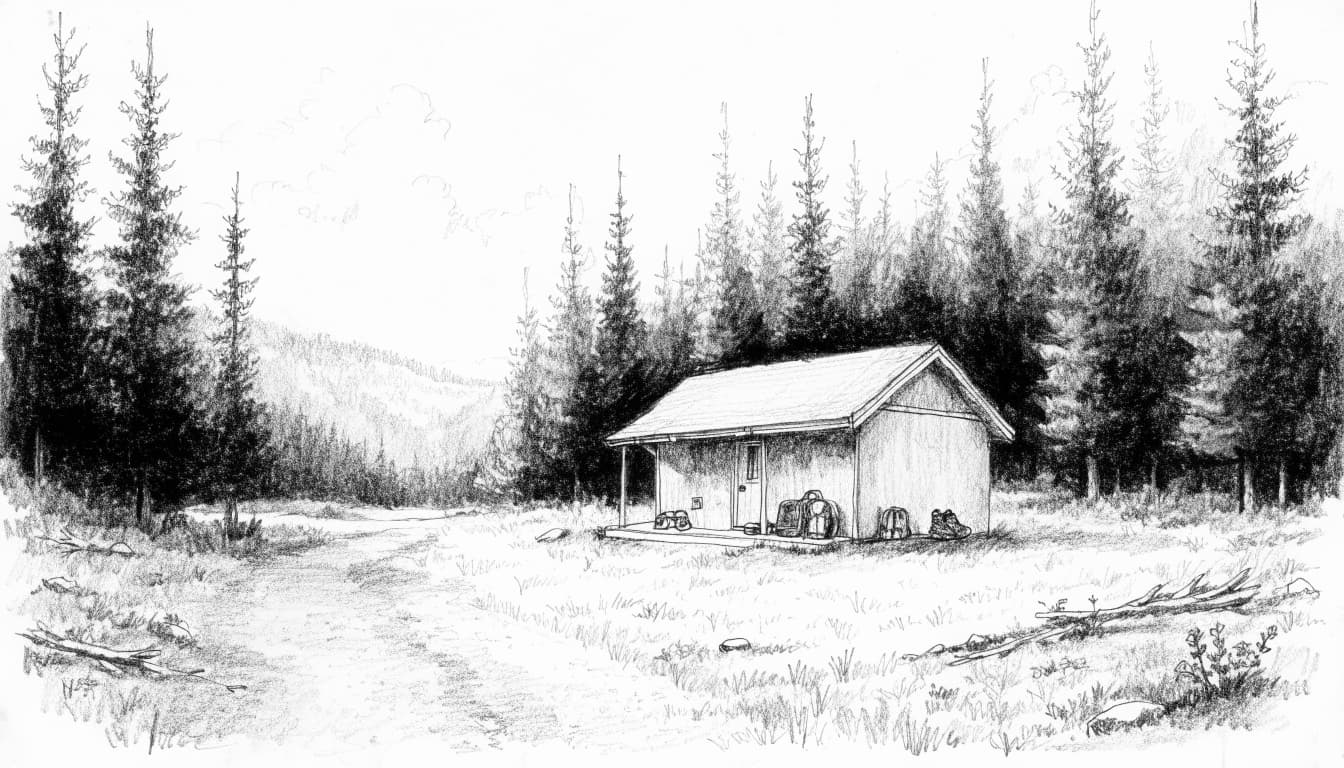
Ask the host the right questions before you arrive
Read the arrival instructions a few days before your trip, then message the host about anything unclear. Confirm the check-in window, exact directions, parking location, and whether you’ll use a key, lockbox, or access code. If you expect to arrive late, ask whether the entrance and driveway are easy to find after dark.
Also save the host’s contact details and ask who to call if you can’t get in or need help during the stay. Find out what to bring, since a compact rental may not include items you expect, such as cooking oil, coffee, extra blankets, or toiletries. For a remote property, ask about cell coverage and the nearest gas station, grocery store, and medical service. That information can shape when you shop, how much fuel you carry, and what you do if plans change.
Before driving out, check the route and weather for your travel day. Oregon road conditions can shift with snow, heavy rain, or construction, especially on mountain roads. Pack a printed or offline copy of directions if your phone may lose service along the way.
Pack for the setting and respect local conditions
Choose clothes for the region and season, not just the forecast at home. Layers help when coastal evenings turn cool or mountain weather changes, while sturdy shoes make gravel paths and muddy ground easier to handle. Add trip-specific supplies, such as a headlamp for a dark driveway, swim gear for a hot-springs visit, or food for the first morning if shops are far away.
Don’t assume the home has every convenience. Check whether the host provides towels, bedding, cookware, drinking water, and basic cleaning supplies, then pack only what’s missing. If you rely on medication or a particular food, bring enough for the stay and a small delay.
During your visit, follow the posted fire rules and use only designated fire areas. Restrictions can vary by location and change with conditions, so check the Oregon public fire restrictions map before lighting a fire. Keep noise within the host’s quiet hours, respect shared outdoor spaces, and avoid leaving food or trash where wildlife can reach it.
Before checkout, follow the host’s instructions for dishes, trash, and used linens. Lock doors, return keys as directed, and send a brief message if you notice damage or a maintenance issue. Leaving the home in the requested condition helps the next guest arrive to a clean, ready space.
Frequently Asked Questions
A few details can make or break a tiny-home stay, especially when the weather, your group, or a must-have amenity affects the choice. Check the listing for your exact dates, then confirm anything important directly with the host before booking.
Are tiny homes in Oregon available year-round?
Availability depends on the property, season, location, and booking demand. Coastal rentals may have different busy periods than homes near Mount Hood or Bend, and remote properties can face seasonal access limits. Search your exact dates and ask the host about weather-related closures or road conditions. If you’ll drive through a snow zone, review Oregon’s winter travel guidance before you go.
Are tiny-home rentals suitable for families with children?
Some are, but the layout and house rules matter more than the guest capacity alone. Check sleeping arrangements, loft ladders or stairs, railings, and any age limits; a high loft may not suit young children. Ask the host whether the home has child-friendly features such as a safe sleep setup, outlet covers, or space for a travel crib. Also confirm whether the rules allow children before you reserve.
Can I bring a dog to a tiny-home rental in Oregon?
Pet policies vary by host and may include extra fees, limits on the number or size of dogs, or restrictions on where pets can go. A pet-friendly filter can help narrow your search, but it doesn’t confirm the rules for a specific rental. Message the host with your dog’s details and get permission before booking. Ask about fencing, nearby places to walk, and whether dogs can be left alone inside.
Do Oregon tiny homes usually have kitchens and bathrooms?
Amenities differ by property, and a small footprint doesn’t guarantee a full kitchen or private bathroom. One rental may have a cooktop and compact shower, while another may offer only a mini-fridge or access to a shared bathroom. Read the amenity list and description closely, then ask the host about anything essential, such as hot water, cookware, or bathroom access at night.
How far ahead should I book a tiny home in Oregon?
Popular dates and scenic areas can book up early, especially during summer weekends, holidays, and peak recreation seasons. Quieter periods may offer more choices, though availability still varies by location and property. Compare flexible dates if your schedule allows, then book once the rental’s cancellation terms, house rules, and total checkout price fit your trip.
Conclusion
Tiny homes for rent in Oregon can bring you closer to the coast, forest, or high desert, but the best stay is the one that fits your region, budget, group, and comfort needs. A striking photo may catch your eye, yet the layout, amenities, access, and house rules determine whether the rental works for your trip.
Compare the total cost for your dates, confirm the details that matter most, and choose timing that suits your plans. With those pieces in place, you can find a compact Oregon stay that feels comfortable and makes the surrounding landscape part of the experience.
Explore more tiny home living, design, downsizing, building, and lifestyle resources.
- Tiny Homes for Rent in Wyoming: Wild West Getaways to Book
- Tiny Homes for Rent in Washington: Forest Escapes & Cozy Stays
- Tiny Homes for Rent in Utah: Red Rock Retreats to Book
- Tiny Homes for Rent in New Mexico: Desert Gems & Starry Skies
- Tiny Homes for Rent in Nevada: Desert Hideaways Worth Booking
- Tiny Homes for Rent in Montana: Big Sky Escapes You’ll Love