How Do You Get Water and Electricity in a Tiny House? Essential Guide to Off-Grid Utilities

So, you’re thinking about the tiny house life? Awesome! It’s a great way to save money and live a bit simpler. But one big question pops up: how do you get water and electricity in a tiny house, especially if you’re not hooked up to the usual city services? It sounds complicated, but honestly, it’s totally doable. You’ve basically got two main paths: connect to the existing power and water lines, or go completely off-grid. Let’s break down how to make that happen.
Key Takeaways
- Connecting a tiny house to municipal water and electricity is possible if your location allows for grid hookups, similar to a traditional home.
- Off-grid water solutions include collecting rainwater, using wells, or storing water in tanks, but always check local laws first.
- Solar power is a popular choice for off-grid electricity, often paired with battery storage, though generators can serve as primary or backup power.
- Propane appliances can significantly reduce electrical load and offer a reliable energy source, especially during power outages.
- Careful planning regarding location, zoning, and the specific utilities you’ll use is vital for successful off-grid tiny house living.
Connecting to Grid Utilities for Tiny Houses
Plugging your tiny house into traditional city utilities might not be as whimsical as designing its layout, but it’s pretty important if you want worry-free water and power. Whether your home sits still on a foundation or sometimes rolls down the highway, knowing how to set up reliable connections can save you headaches (and cold showers) down the road.
How to Hook Up to Municipal Water Supply
Most tiny homeowners with a spot in an established community or on private property with existing services will find municipal water hookups their simplest option. Here’s how it typically goes:
- Locate the nearest water main or spigot on the property.
- Use a food-grade hose (like those meant for RVs) to connect your house’s inlet to the supply point.
- Install a water pressure regulator to prevent damaged pipes from high or fluctuating pressure.
- Consider an inline sediment filter at your point of entry if you’re in an area prone to rusty lines or sediment.
| Step | Tool Needed | Notes |
|---|---|---|
| 1 | Water Key | To access water shut-off valve |
| 2 | Food-grade Hose | Prevents water contamination |
| 3 | Pressure Regulator | Keeps pressure at safe levels (45-60psi) |
Connecting to city water is usually fast—sometimes you just thread on a hose and you’re set.
Accessing Grid Electricity Safely
If there’s one thing you don’t want to mess around with, it’s electrical hookups. Most people either:
- Plug into an external 30A or 50A RV-style outlet using a heavy-duty cable.
- Have an electrician set up a proper outdoor electrical box that connects to the main grid.
- Use surge protectors to keep electronics safe during storms or grid hiccups.
- Regularly inspect all cords and inlets for weather damage or loose connections.
Always test your electrical setup before running all your appliances at once.
Legal Considerations for Utility Hookups
This is where things can get a bit tricky. Every city, county, or HOA has its own rules about what you can and can’t do when it comes to tapping into public utilities.
- Make sure your tiny house meets all plumbing and electrical codes (sometimes the rules are stricter for houses on wheels).
- Some areas require licensed professionals for any utility work beyond plug-and-play hookups.
- You may need a permit to connect, especially if you’re running new lines or living on rural land.
Don’t skip out on the paperwork, even if it means an extra day or two of setup. Getting caught with an unauthorized hookup can mean big fines (or getting shut off without warning).
Even in a tiny house, being smart about utility connections means less hassle, fewer repairs, and more peace of mind every single day.
Harvesting and Managing Water Off-Grid
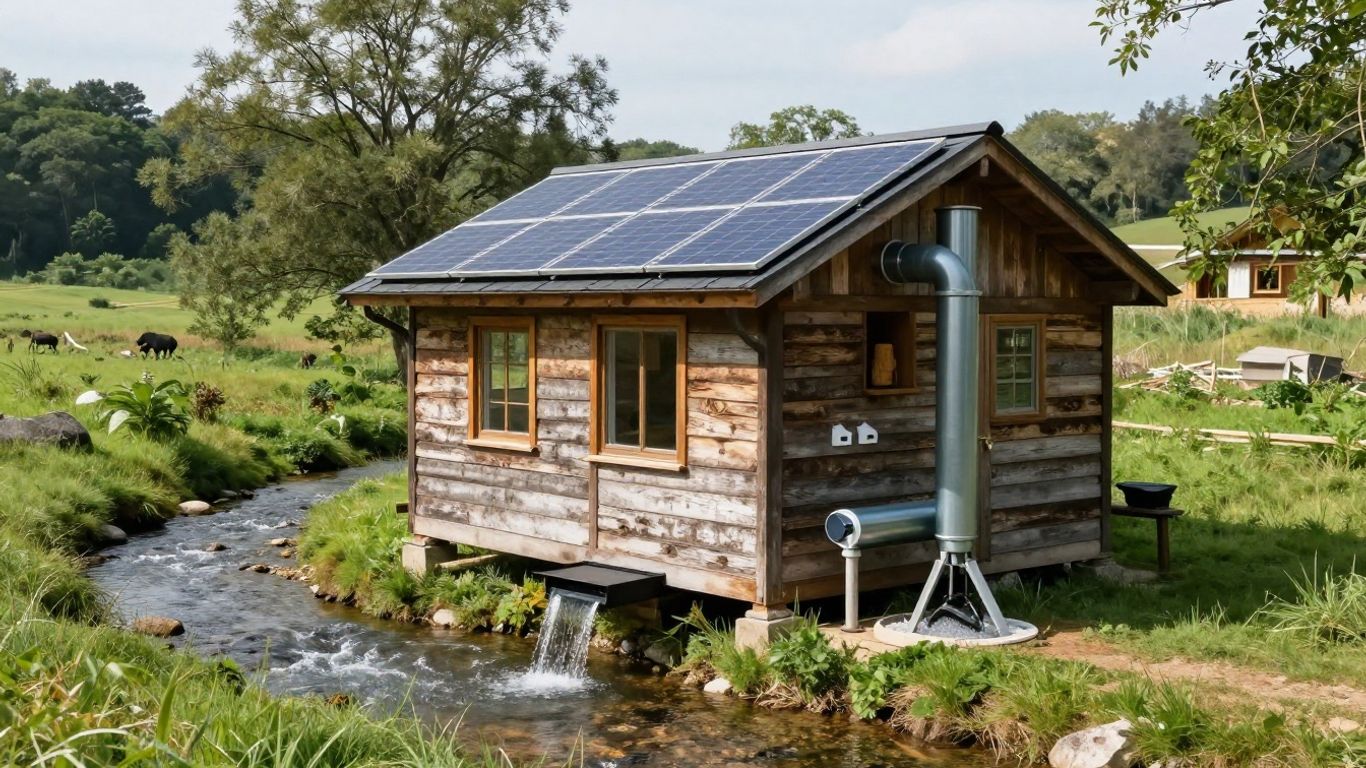
Getting water to your tiny house isn’t as hard as you might think, but there’s quite a bit to figure out. Whether you’re aiming to pull water from the sky, the ground, or you’re hauling it in tanks, you need a plan that matches your space, climate, and how much water you really use. Let’s talk options.
Rainwater Collection Systems and Legality
Collecting rainwater can be a simple, low-cost way to supply your tiny house, but it’s not as straightforward as just sticking a barrel out in the yard.
- You’ll need a gutter setup with screens to filter big debris.
- Large storage tanks (cisterns) collect the water. You can choose above-ground or bury them below.
- Plan on installing a pump, especially if your house is up a hill.
Always check your local rules first. Rainwater harvesting is totally legal in some states, restricted in others, and in a few spots, it’s not allowed at all. You don’t want to set up a system only to find out you’re breaking the law.
Wells and Groundwater Solutions
If rain is rare (or the law says no), a well might be your core water source. Setting up a well means a bigger investment up front. Here’s what’s involved:
- Hire a pro to find the right spot and drill down to groundwater.
- Choose a suitable pump (hand, solar, or electric) to bring water to the surface.
- Test your water—minerals, iron, bacteria, and sulfur are common in well water.
Wells are great for steady, year-round supply, but keep costs and maintenance in mind.
Freshwater Storage and Filtration Options
Even if you’re not collecting or pumping water, hauling it works for plenty of folks. Many tiny housers install large holding tanks right in or under their homes. Some fill up on trips to town, while others have water delivered.
Here’s a quick look at tank types and size options:
| Tank Type | Typical Capacity | Best For |
|---|---|---|
| Portable (plastic) | 10–50 gallons | Travel, temporary use |
| Built-in (poly/steel) | 100–300 gallons | Stationary tiny homes |
| Underground cistern | 500+ gallons | Long-term, off-grid |
No matter where your water comes from, filtration is key—never skip it! Often, a basic filter isn’t enough. Consider:
- Sediment filters for sand and silt
- Activated carbon for bad taste and chlorine
- UV or ceramic for killing bacteria
Choosing the right water system is honestly about balance. Sometimes the simple solution is hauling tanks; other times digging a well or setting up rain barrels works better. Figure out what you can handle, and don’t skimp on making the water safe.
Generating Electricity for an Off-Grid Tiny House
When your tiny house sits far from any city grid, figuring out how to generate and manage your electricity becomes a top priority. It’s not just about plugging in a few solar panels and calling it good. There’s a real mix of planning, equipment, and a bit of creativity that goes into keeping the lights on—especially when you want things to actually work when you flip a switch.
Solar Power Systems and Installation
For most off-grid tiny homeowners, solar power is an attractive choice. It’s quiet, reliable, and you don’t need to keep pouring in fuel. But, setting up a good solar system takes some know-how. First, you have to figure out your energy use—think about everything you want to run at once: fridge, lights, laptop, and maybe a heater. Once you have your daily needs nailed down, you can size your system.
Here’s a simple breakdown of what you might need to piece together a basic solar setup:
| Component | Purpose | Notes |
|---|---|---|
| Solar panels | Generate electricity from sunlight | Choose total wattage to match needs |
| Charge controller | Manages charging of batteries | Prevents battery overcharge |
| Batteries | Store excess electricity | Lithium or deep-cycle recommended |
| Inverter | Convert DC battery power to AC | Needed for most household items |
- Position your panels for maximum sun exposure.
- Keep panels clear of leaves, snow, and debris.
- Regularly check wiring and connection points for wear or corrosion.
When you go solar, you’re investing upfront, but the sense of energy independence you get every time the sun powers your house just feels different.
Using Generators as Primary or Backup Power
Generators are still a real lifesaver, especially on cloudy winter days when the sun barely comes out. You can run them on gasoline, diesel, or propane—and while they’re noisier and not so kind on the environment, they definitely get the job done. Most folks use them as a backup to their main solar system, but some use them every day, depending on where they live.
Key tips for using generators with tiny houses:
- Choose a size that handles your peak electrical loads.
- Keep fuel stored safely and plan for refills.
- If you’re running inside, install a proper exhaust to prevent carbon monoxide risks.
- Service regularly to extend lifespan and avoid breakdowns.
Wind and Micro-Hydro Options for Tiny Homes
Not every site is great for solar. If you’ve got steady wind or a creek nearby, wind turbines and micro-hydro generators can play a part in your energy plan. Both options work best as partners to solar, filling in gaps when weather isn’t cooperating.
- Wind turbines generally need wind speeds of at least 12 mph to work efficiently.
- Micro-hydro requires a reliable flowing water source, which isn’t always available but is one of the most consistent renewable sources when you have it.
- You’ll need batteries to store the power from these sources, just like with solar.
Sometimes, mixing energy sources—solar by day, wind at night, and a generator for the rough patches—is what makes living off-grid in a tiny home possible without major sacrifices.
No single solution does it all, so most off-grid tiny houses combine two or more methods for the most reliable power. A bit of research about your land goes a long way before you start drilling, wiring, or climbing on the roof with new panels.
Optimizing Water Usage in a Tiny House
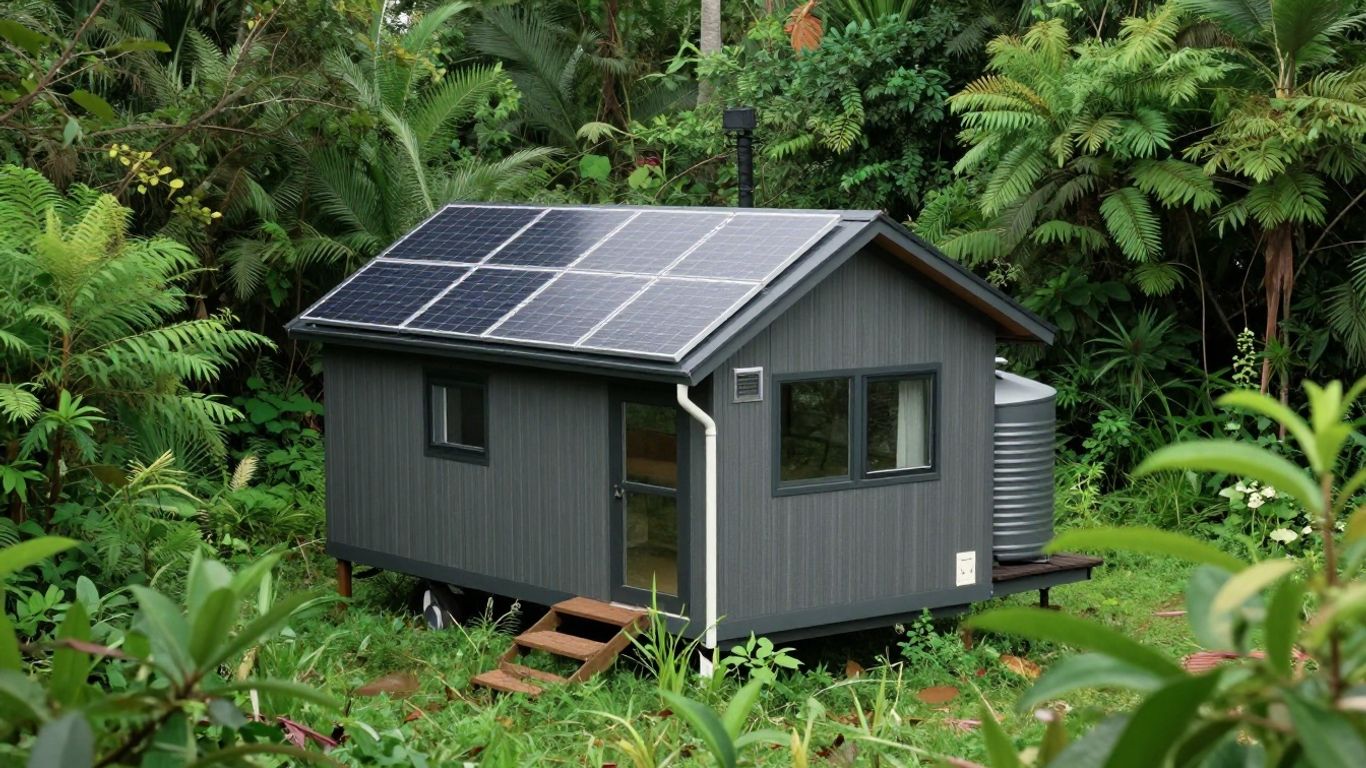
Water is a big deal when you’re living tiny, especially off-grid. You can’t just turn on a tap and expect endless supply. So, making every drop count is super important. It’s all about being smart with what you have.
Low-Flow Fixtures and Water Conservation
One of the easiest ways to save water is by switching out your old fixtures for newer, low-flow models. Think showerheads, faucets, and even your toilet. These don’t use nearly as much water as older versions, but they still get the job done. You’d be surprised how much water you can save just by making these simple changes. It’s not about sacrificing comfort; it’s about being more efficient. Every little bit of water saved adds up significantly over time.
- Showerheads: Look for models with a flow rate of 2.0 gallons per minute (GPM) or less.
- Faucets: Aerators can reduce faucet flow to 1.5 GPM or less.
- Toilets: Consider dual-flush or low-flush models that use 1.28 GPF or less.
Greywater Recycling Systems
Greywater is basically the water from your sinks, showers, and washing machines. Instead of sending it all down the drain, you can actually reuse it for things like watering your garden or flushing your toilet. Setting up a greywater system might sound complicated, but it’s really just a way to give your water a second life. It’s a fantastic way to reduce your overall water consumption and lessen the strain on your primary water source. You’ll need to make sure your system is set up correctly to avoid any issues, but the benefits are huge for off-grid living.
Seasonal Water Supply Management
If you’re relying on something like rainwater collection, you know that water isn’t always available year-round. Dry spells happen, and you need a plan. This means thinking about how much water you’ll need during different seasons and making sure your storage can handle it. Sometimes, you might need to supplement your collection with water trucked in or from another source during drier months. It’s about being prepared and not getting caught without water when you need it most. Planning ahead is key to a smooth tiny house experience.
Managing your water supply effectively means understanding your usage patterns and the reliability of your sources. It’s a continuous process of monitoring and adjustment, especially when dealing with variable conditions like weather or seasonal changes. Being proactive can prevent a lot of headaches down the road.
Propane and Alternative Energy Solutions
When you’re figuring out how to power a tiny house, propane and other alternative power setups are worth a good look. Propane especially pulls its weight in small spaces, letting you cook, heat, and even shower without relying on the grid. But that’s not your only option. Most folks mix and match different fuels and renewable sources to stretch their dollar and keep things running even when the weather turns.
Incorporating Propane-Powered Appliances
You’ll find propane appliances in lots of off-grid homes. Here’s why many make that choice:
- Propane is portable—tanks are easy to get and swap almost anywhere.
- It works for cooking ranges, water heaters, and even space heaters, so it slashes electric demand.
- Propane keeps things running during extended cloudy spells, when solar might fall short.
Popular Tiny House Propane Appliances
| Appliance | Propane Use (gal/hr) | Notes |
|---|---|---|
| Stove/Oven | 0.03–0.05 | For daily cooking |
| Tankless Water Heater | 1.5–2.0 | Only runs when in use |
| Space Heater | 0.10–0.25 | Great for cold mornings/nights |
Propane may not be the “greenest” energy, but in off-grid scenarios, it remains the most reliable backup to keep life comfortable and kitchens humming.
Integrating Battery Storage with Renewables
Relying only on propane doesn’t cut it for most off-grid folks. That’s where battery storage comes into play, letting you store energy from the sun or wind when you have it, and pull from it at night or during storms. Here’s why serious battery systems matter:
- Batteries smooth out the ups and downs of solar and wind.
- They mean you don’t need to rely on gas or propane unless you choose to.
- Modern lithium batteries last longer and need less maintenance than old-school lead-acid ones.
Key Battery Choices for Off-Grid Use:
- Lithium Iron Phosphate (LiFePO4): Longest life, safest.
- Absorbed Glass Mat (AGM): More affordable upfront.
- Flooded Lead-Acid: Simple, but needs checking and topping up with water.
Even with a small battery bank, you can have light, charging, and refrigeration through storms—without burning any fuel.
Hybrid Energy Systems for Maximum Efficiency
Sticking to just one power source can be risky, especially if you’re out in the woods or away from regular stores. That’s why hybrid systems, which blend a couple of energy options, are so popular in tiny houses.
Typical combos:
- Solar panels plus propane appliances, so you use the sun when it’s out, propane only when needed.
- Solar and wind: Solar in summer, wind in stormy seasons or on ridges.
- Solar with a backup generator and batteries, for rough weather or peak demand.
Getting Your System Right:
- Track your power and heating needs for a week.
- Size your solar/batteries for typical use, propane or generator for backup only.
- Don’t forget regular maintenance—keep batteries charged, propane lines checked, and filters clean.
Mixing energy solutions is the best way to keep your tiny home running all year, no matter where you park.
Waste Management and Sanitation Off-Grid
Handling waste away from city sewers means getting creative, practical, and a bit hands-on. You’ll want things to stay as clean and odor-free as possible, not just for comfort but for safety and the environment, too. Here’s how folks in tiny houses make it work, whether rolling through the mountains or sitting on a quiet patch of land.
Choosing Between Composting and Incinerating Toilets
If you can’t flush—or don’t want to waste gallons of water—a composting or incinerating toilet is usually the answer:
Composting toilets turn waste into compost using aerobic bacteria. They don’t need water or plumbing. You’ll have to empty and manage the compost often, which isn’t as bad as it sounds if you keep up with it.
Incinerating toilets use heat to burn waste into a small pile of ash, with electricity or propane as their fuel. They keep things pretty neat but watch for energy costs.
| Option | Pros | Cons |
|---|---|---|
| Composting Toilet | Low water use; makes compost | Needs regular emptying |
| Incinerating Toilet | No compost pile; kills pathogens | Requires power or propane |
| Portable Toilet | Cheap; easy setup | Frequent dumping; chemicals |
Managing Greywater and Blackwater Responsibly
Greywater comes from sinks, showers, and laundry; blackwater’s from toilets. If you only have a composting system, you might avoid blackwater altogether—makes life easier. For the rest:
- Greywater should go through simple filtration (maybe a mulch basin) before watering trees or garden beds.
- Blackwater (from flush toilets) must be disposed of carefully, often through a septic tank or by pumping out holding tanks.
- Always check local rules. Some places are strict, while others allow DIY greywater recycling.
When you’re living off-grid, how you handle waste directly affects your land and lifestyle. Even a tiny mistake can lead to bad odors or bigger issues, so design your systems for easy, regular upkeep.
Eco-Friendly Waste Disposal Practices
Cutting down on trash helps keep your off-grid home manageable. Here are some reliable ways to keep things under control:
- Use compost bins for food scraps and yard waste.
- Reduce single-use plastics—glass jars and cloth bags work well for storage.
- Sort recyclables, and haul them to a collection point every few weeks.
- Avoid harsh chemicals that could mess with compost or poison soil when tossed.
If you take small steps every week, things won’t pile up—and you won’t get overwhelmed. In a tiny house, responsible waste management isn’t just eco-conscious—it’s what makes the whole lifestyle possible.
Planning Location and Infrastructure for Off-Grid Living
Setting up a tiny house off-grid isn’t just about tiny square footage or clever storage – it’s about picking the right spot and getting your basic needs covered. Many of us dream about pulling up to a secluded patch of land, but the real work happens before you ever roll up in your tiny home. Let’s break down what you need to think about.
Assessing Sunlight and Water Accessibility
You’ve probably heard it before: location is everything. But off-grid, that means more than a nice view. Finding a spot with enough sunlight makes all the difference for solar power.
- Walk the land at different times to see where sunlight hits most.
- Check local records or dig a test well to figure out groundwater depth.
- Notice natural features: Are there streams, a sheltered spot from wind, or an exposed slope?
| Feature | What to Check | Why it Matters |
|---|---|---|
| Sunlight Hours | Shade from trees or hills | Affects solar system output |
| Water Sources | Wells, springs, rain patterns | Determines water independence |
| Weather Patterns | Wind speed, rainfall, snow load | For wind energy & shelter design |
Sometimes, the best-looking plot on a map ends up being wrong for a tiny house – the ground might be too rocky to dig a well, or trees might block all your sun.
Zoning Laws and Tiny House Land Use
We all want freedom with our home, but even off-grid, local zoning laws can kill your plans fast.
- Research current zoning and building rules for small dwellings where you want to live.
- Find out if off-grid utilities like composting toilets and solar setups are allowed.
- Talk to county officials or neighbors who’ve already built off-grid.
- Some areas won’t let you live in a tiny house full-time, or require special waste systems.
- Rules can change – keep checking before you move or build.
Long-Term Maintenance and Resilience Considerations
Building your tiny oasis is just step one. Keeping it running smoothly comes next. Set up everything with maintenance in mind, not just cost.
- Choose systems you (or a neighbor) can fix without specialty parts.
- Have backup plans for water and power: think spare filters, fuel, or even a backup generator.
- Insulate water lines and cables – winter can turn small mistakes into big headaches.
| System | Typical Maintenance Needed | Backup Recommendation |
|---|---|---|
| Water Filtration | Filter changes, tank cleaning | Extra filters, vinegar |
| Solar Panels | Seasonal cleaning, wire checks | Generator, hardware kit |
| Compost Toilet | Monthly emptying, ventilation | Spare bin, cover material |
- Plan your setup so you can upgrade or swap parts as technology changes.
- Track maintenance dates and have parts on hand – things tend to break at the worst time!
Planning for repairs and obstacles isn’t pessimistic—it’s what keeps off-grid living possible (and enjoyable) year after year.
Wrapping Up Your Off-Grid Tiny House Journey
So, you’ve looked into how to get water and power to a tiny house when you’re not hooked up to the usual city services. It might seem like a lot at first, but it’s totally doable. Whether you’re collecting rainwater, setting up solar panels, or using a generator, there are solid ways to make it work. Living tiny off-grid is about being smart with resources and finding what fits your spot and your needs. It’s a big step towards independence and a simpler way of life, and with a little planning, you can definitely make it happen.
Frequently Asked Questions
What are the main ways to get water for a tiny house?
You have a few options for water. You can connect to the city’s water supply if available. If you’re going off-grid, you can collect rainwater, use a well if you have land, or fill up a freshwater tank from a truck or other source. Storing and cleaning the water you collect is also super important.
How can a tiny house get electricity without being plugged into the main power grid?
When you’re not connected to the main power, solar panels are a popular choice to generate electricity from the sun. Generators are another option that can provide power, especially when the sun isn’t shining. Some people also look into wind or water power if their location is suitable.
Is rainwater collection always allowed for tiny houses?
Not always. While it’s a great way to get water, some places have rules against collecting rainwater. It’s really important to check the local laws and regulations where you plan to put your tiny house before you set up a rainwater collection system.
What’s the difference between grid-connected and off-grid utilities for tiny homes?
Grid-connected means your tiny house is hooked up to the regular city water and power lines, just like a normal house. Off-grid means you’re not connected to those lines and have to create your own power (like with solar) and find your own water sources (like rainwater or a well).
Why do people choose off-grid utilities for their tiny houses?
Many people choose off-grid utilities to save money on bills, gain independence from utility companies, and live a more environmentally friendly lifestyle. It allows them to live in more remote locations where connecting to the grid might be too expensive or impossible.
Besides solar, what other power sources can I use for an off-grid tiny house?
If solar isn’t enough or you need a backup, generators are a common choice. Some people also explore wind turbines or micro-hydro systems if they have access to consistent wind or moving water. Propane is also used for appliances, which can reduce the electrical load.
Explore more tiny home living, design, downsizing, building, and lifestyle resources.
- Off Grid Living in California: Your Guide to Sustainable Independence
- Exploring Off Grid Communities in Washington State: Where to Find Sustainable Living Options in 2026
- Off Grid Living in Montana: Essential Tips for Building a Self-Sufficient Lifestyle in Big Sky Country
- Tiny Homes for Rent in Wyoming: Wild West Getaways to Book
- Tiny Homes for Rent in Washington: Forest Escapes & Cozy Stays
- Tiny Homes for Rent in Utah: Red Rock Retreats to Book