Do I Need a Permit to Build a Tiny Home in Greenville County? A Comprehensive Guide

Thinking about building a tiny home in Greenville County? It’s a great idea for many reasons, but before you start hammering away, you need to figure out the rules. Specifically, you’re probably wondering, ‘Do I need a permit to build a tiny home?’ This guide breaks down what you need to know about permits, zoning, and all that other important stuff so you can get your tiny house project off the ground without any major headaches.
Key Takeaways
- You generally need a building permit for most construction, including tiny homes, in Greenville County. Permits ensure your build meets safety codes.
- The process involves submitting an application, often through their eTrakit system, and waiting for review and approval.
- Tiny homes need a Certificate of Occupancy, which requires proof of how it was built (e.g., manufactured home with HUD seal, industrialized unit compliance).
- Check Greenville County’s zoning classifications and property setback rules before you start. Your property’s tax map number is needed for applications.
- If a licensed contractor is doing the work, they typically submit and pick up the permit. Owner-builders may apply under specific conditions.
Understanding Greenville County Building Permit Requirements
So, you’re thinking about building something in Greenville County, maybe even a tiny home. Before you start swinging hammers or ordering lumber, let’s talk about permits. It might seem like a hassle, but these requirements are actually in place to keep things safe and up to code for everyone.
Why Building Permits Are Necessary
Basically, building permits are the county’s way of making sure that any construction or significant alteration meets safety standards and follows established building codes. When you get a permit, it means the project has been reviewed, and it will be inspected at various stages to ensure it’s built right. This protects not just you, but also future occupants and the community. It’s all about safety and making sure structures are sound.
Permits are required to ensure construction aligns with state, city, and fire prevention codes. Inspections are part of the process to safeguard the well-being of Greenville County residents.
Types of Work Requiring a Permit
It’s not just for brand-new houses. A lot of different projects need a permit. This includes:
- New construction, additions, or major changes to existing homes or commercial buildings.
- Structural modifications.
- Installing new electrical, plumbing, or HVAC systems.
- Putting in swimming pools.
- Setting up manufactured homes.
- Even some temporary structures like sales kiosks or tents might need one.
If you’re unsure whether your specific project needs a permit, it’s always best to call the Planning and Codes Compliance Department at 864.467.7060. They can give you the definitive answer.
How to Apply for a Permit
Applying for a permit used to be a bit more of a paper chase, but things have moved online. Greenville County Building Safety and Code Enforcement now uses a system called eTrakit for all permit submissions. You’ll need to submit your application through this system. To get started, you’ll likely need your property’s Tax Map Number. If you don’t have it handy, there’s a way to look it up on the county’s website. Keep in mind that the county is currently experiencing a processing time of about two to three weeks for permits, so plan accordingly. They appreciate your patience as they work through the system.
Navigating Tiny Home Regulations in Greenville County
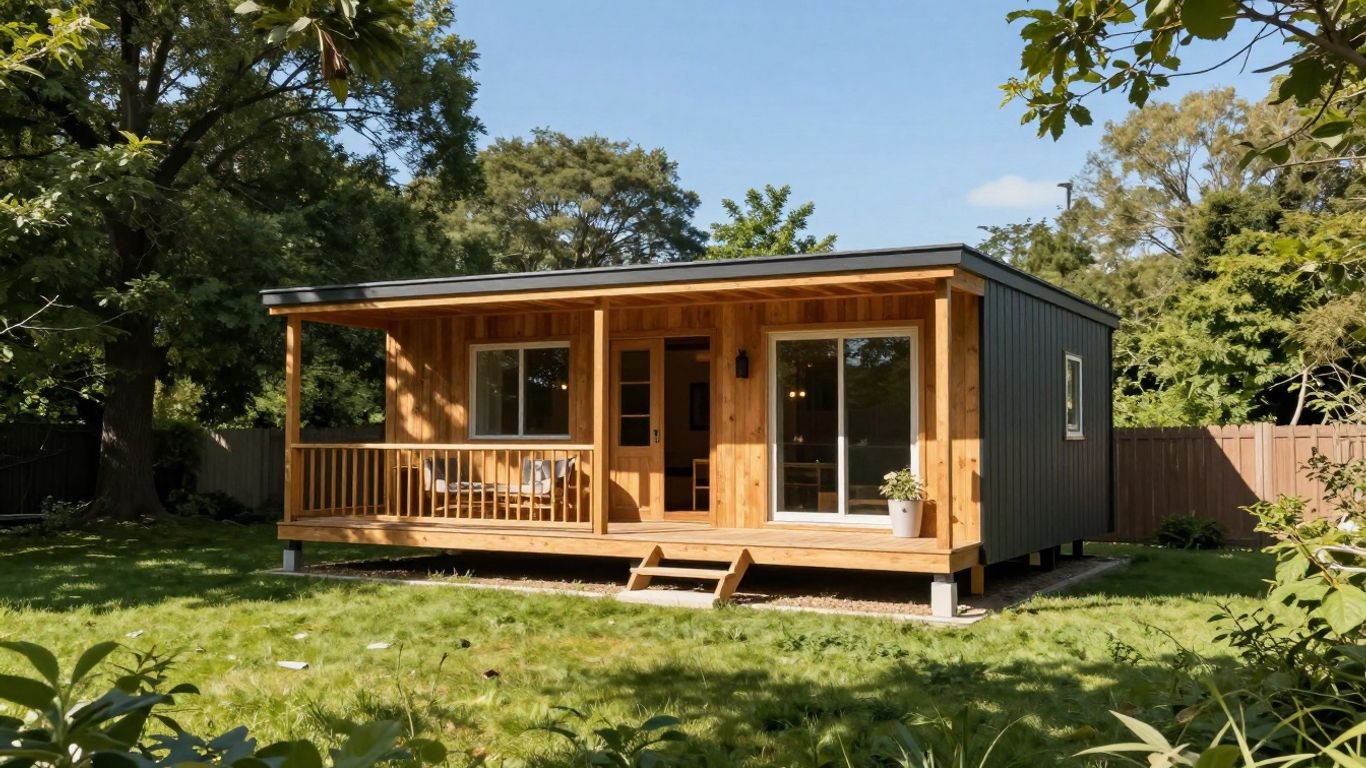
So, you’re thinking about a tiny home in Greenville County? That’s awesome! But before you start dreaming about your cozy little abode, we need to talk about the rules. It’s not quite as simple as just parking it anywhere. Greenville County has specific ideas about what counts as a tiny home and where you can put it.
Defining a Tiny Home in Greenville County
First off, what even is a tiny home according to Greenville County? Generally, it’s a structure built on a permanent chassis, sometimes with wheels, that needs a certificate of occupancy to be used as a dwelling. This means it has to meet certain standards, just like any other house. It’s not just a shed you decide to live in. The county looks at whether it was built as a manufactured home (with a HUD seal), an industrialized unit (with a compliance certificate), or constructed in another state with proof of its prior occupancy permit. If it’s built in a different way, you’ll need certification from a registered design professional. Basically, it needs to be a legitimate dwelling.
Certificate of Occupancy for Tiny Homes
Getting that Certificate of Occupancy (CO) is a big deal. Without it, your tiny home isn’t officially a place to live. For a tiny home to get a CO, it needs to prove it meets the building codes. This usually involves showing documentation that it was built to specific standards. Think of it as the final stamp of approval that says, ‘Yep, this is a safe and legal place to live.’ It’s a key step that many people overlook when planning their tiny house project.
Can I Have a Tiny Home on My Property?
This is the million-dollar question, right? Can you just put a tiny home on your land? Well, it depends. Greenville County has zoning classifications that dictate what can be built where. For example, areas zoned R-R3 (Rural Residential) or R-R1 (also Rural Residential) are meant for low-density housing and preserving natural features. Other zones, like R-S (Residential Suburban) or R-20 (Single-Family Residential), have different rules. You also have to consider property setbacks – how far your structure needs to be from property lines. You’ll need to check your specific property’s zoning and any associated restrictions before you even think about placing a tiny home. It’s always a good idea to verify the specific rules with the relevant local authorities before you get too far into your plans. It could save you a lot of headaches down the road.
The Permitting Process for Tiny Homes
So, you’ve got your tiny home dream all mapped out, but what about the paperwork? Getting a permit can feel like a maze, especially with something as unique as a tiny house. Let’s break down what you can expect when you start the official process in Greenville County.
Application Submission and Review
First things first, you’ll need to get your application in. This usually involves filling out some forms and providing details about your project. Greenville County requires either the tax map number or an active permit number for the site where your tiny home will be located. You can usually find your tax map number online if you don’t have it handy. Once submitted, a Permit Technician will give it a once-over. They’ll check things like floodplain status, whether your property has road frontage, and if you’re meeting setback requirements. They’re also looking for general accuracy and completeness. Keep in mind, things like deed restrictions or subdivision rules are on you to sort out.
Permit Processing Times
How long does it all take? Well, that’s the million-dollar question, isn’t it? The time it takes to process your permit really depends on a few things. The type of application you’ve submitted and how you submitted it can play a big role. Some applications might zip through the system pretty quickly, while others might take a bit longer, especially if they’re more complex or require additional reviews. It’s a good idea to factor in some buffer time for this part of the process.
Owner-Builder Permit Applications
If you’re planning on being your own general contractor, you might be looking into an owner-builder permit. This means you’re taking on the responsibility for managing the construction yourself. The process is generally similar to other permit applications, but you’ll be listed as the responsible party for the project. It’s important to understand all the requirements and your responsibilities before you decide to go this route. You’ll still need to meet all the same building codes and standards as any other builder.
Specific Permit Requirements for Dwellings
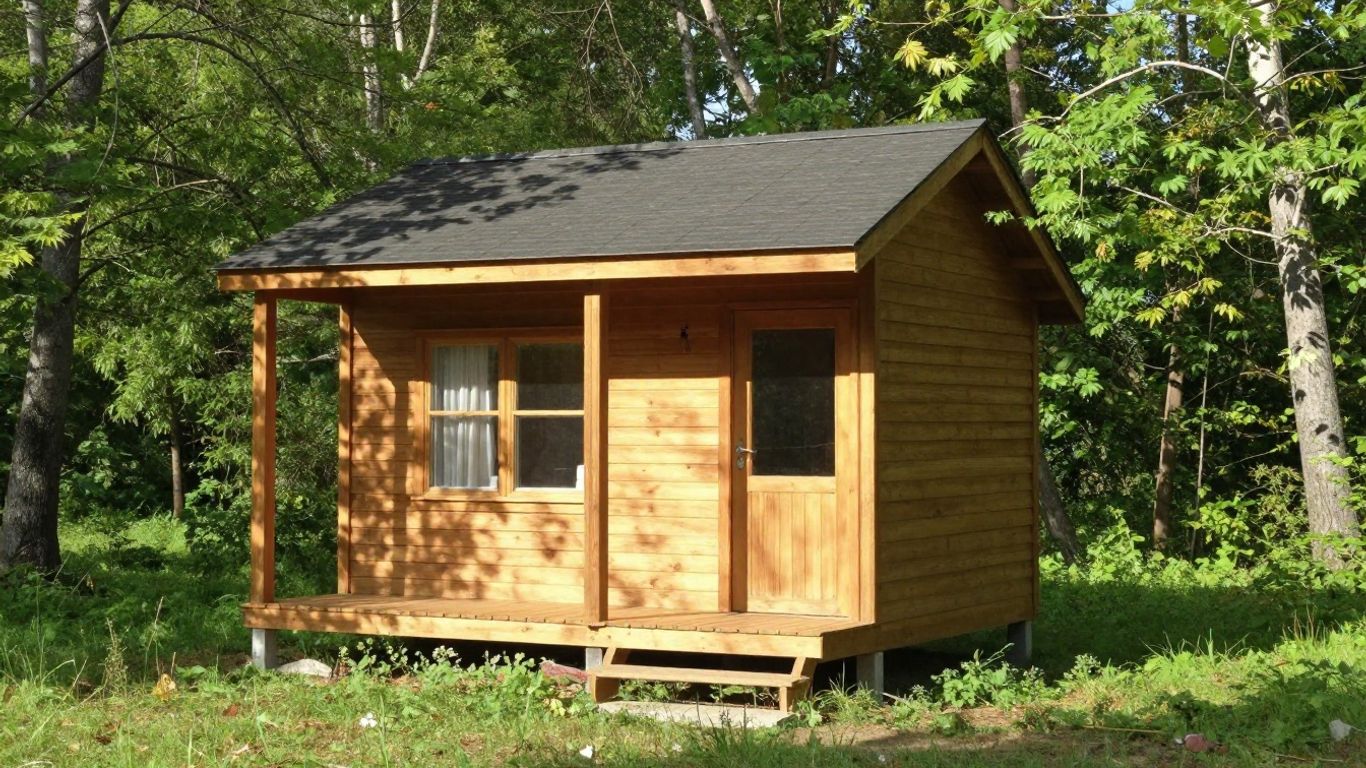
Manufactured Home Permit Process
So, you’ve got a manufactured home, huh? That’s great. But before you can officially call it home in Greenville County, you’ll need to make sure it meets certain standards. Basically, if it’s built as a manufactured home, you’ll need to show proof of its certification, which usually means having that HUD seal. This is a key step to getting your Certificate of Occupancy.
Site-Built Small House Codes
If you’re thinking about building a small house from scratch, right there on your property, it’s a bit different. Greenville County looks to the 2015 International Residential Code (IRC) for these kinds of builds. Sometimes, they might even allow the 2018 IRC Appendix Q for tiny houses, but that’s usually considered an alternate method. It’s all about making sure your site-built structure is up to code and safe for living.
Industrialized Unit Compliance
Now, if your tiny home is an "industrialized unit," that’s another category. These are typically built off-site in a factory. To get the green light in Greenville County, you’ll need to provide proof that your unit has a compliance certificate. This shows it was built according to specific standards for industrialized housing. Without this, you won’t be able to get that all-important Certificate of Occupancy.
Getting the right permits and certifications can feel like a maze, but it’s all about safety and making sure structures are built correctly. Don’t hesitate to reach out to the county’s Planning and Codes Compliance Department if you’re unsure about any of these requirements. They’re there to help you figure it out.
Zoning and Property Considerations
So, you’ve got this idea for a tiny home, which is awesome. But before you start dreaming about where to put it, we need to talk about zoning and property stuff in Greenville County. It’s not the most exciting part, but it’s super important. Think of it like the rules of the road for where you can build and what you can build.
Greenville County Zoning Classifications
Greenville County has different zones, and each zone has its own set of rules about what kind of buildings are allowed. You can’t just put any building anywhere. For example, you’ve got zones like:
- Business (BG, BH): These are for commercial stuff, like shops or offices. BG is more for walkable areas, while BH is more for car-focused businesses. Tiny homes usually aren’t the main thing here.
- Community Scale (RC-): This is more for neighborhoods where you might see duplexes, townhouses, or apartment buildings. Depending on the specific RC zone (like RC-2, RC-3, RC-5), there are rules about how many units can be on a piece of land and how tall buildings can be.
- Traditional Neighborhood (TN): This zone is designed for a mix of housing types, including single-family homes, in a neighborhood setting. It’s meant to feel like older, established neighborhoods.
- Medium Density Residential (MD) & High Density Residential (HD): These are pretty straightforward – they’re for multi-family housing like apartments and condos. High density means more units packed in.
It’s really important to know your property’s zoning. If you don’t know it, you can check the Greenville County GIS website. They have a map where you can look up your property. If your property is ‘unzoned,’ that doesn’t mean you can do anything you want. You’ll still have to follow the Land Development Regulations, but you won’t have the specific use restrictions that come with a zoned property.
Understanding Property Setbacks
Okay, so zoning tells you what you can build, but setbacks tell you where on your property you can build it. Setbacks are basically minimum distances your building has to be from property lines, roads, or other features. These rules are in place for things like access, light, air, and privacy. The exact setback requirements can change depending on your zoning district and sometimes even the type of structure you’re building. You’ll find these details in the Land Development Regulations. Don’t guess on this one; get the official numbers.
Locating Your Property and Tax Map Number
To figure out all this zoning and setback stuff, you’ll need to know exactly where your property is and what its official identifier is. That’s where your Tax Map Number (TMN) comes in. It’s like a Social Security number for your land. You can usually find this on your property tax bill or by using the Greenville County GIS system. Once you have your TMN, you can look up your property’s zoning classification, any existing easements, and other important details that will affect your tiny home project. It’s the first step to getting accurate information.
You really need to do your homework on zoning and property lines before you get too far into planning. It can save you a lot of headaches and money down the road if you know the rules upfront. Don’t assume anything; always check with the county or look up the official documents.
Contractor and Licensing Information
When you’re ready to pull the trigger on your tiny home project in Greenville County, you’ll need to know who’s allowed to actually submit the permit application and what kind of licenses they need. It’s not just a free-for-all, and there are some specific rules to follow.
Required Contractor Licenses
If a licensed contractor is handling the construction, they’ll need to show proof of their credentials. This means having a copy of their South Carolina State Contractor license or, if they’re a specialty contractor, their State Registration. You can usually find a way to look up licensed contractors on the South Carolina Department of Labor, Licensing, and Regulations website. It’s a good idea to check this before you hire someone, just to be sure.
Who Can Submit a Permit Application
This is where things can get a little specific. Generally, if a contractor is doing the work, they must be the one to submit, sign, and pick up the permit. They’re the licensed professional, after all. However, if you, the property owner, are doing the work yourself (we’ll get to owner-builder permits in a bit), then you can submit and sign the application. There’s a catch for rental properties, though: all work on residential rental properties must be done by a South Carolina licensed contractor. So, even if you own the property, you can’t just do the work yourself if it’s going to be rented out.
Authorization for Permit Pick-Up
Sometimes, the person who submits the application isn’t the one who can actually go and pick up the permit. If that’s the case, the applicant needs to provide a written letter of authorization. This letter basically says, "Yes, it’s okay for [Person’s Name] to pick up this permit on my behalf." This applies whether it’s a contractor picking up a permit they submitted or an owner-builder authorizing someone else. It’s all about making sure the right people are handling the official paperwork.
It’s important to remember that the county wants to make sure that all construction projects, big or small, are done safely and meet the required building codes. Having the right people with the right licenses involved is a big part of that process. Don’t skip this step; it could save you a lot of headaches down the road.
Here’s a quick rundown of who typically handles what:
- Licensed Contractor: Submits, signs, and picks up permits for work they are performing.
- Property Owner (Owner-Builder): Can submit, sign, and pick up permits for work they are performing themselves, provided certain conditions are met.
- Authorized Agent: Can pick up a permit on behalf of the applicant, but only with a written letter of authorization.
Keep these points in mind as you move forward with your tiny home plans. Getting the contractor and licensing details sorted out early will make the whole permitting process smoother.
So, What’s the Bottom Line on Tiny Home Permits in Greenville County?
Alright, so building a tiny home in Greenville County isn’t as simple as just parking it somewhere. You’ll definitely need to check in with the county about permits. It looks like they have specific rules, especially about how the home is built – think manufactured homes or certified units. Don’t forget about zoning, too, as that plays a big part in where you can put your tiny dwelling. It’s a bit of a process, but getting it right from the start means you can avoid a lot of headaches down the road. Always best to call the folks at the Permit Center or Zoning Administration to get the exact details for your situation before you start building.
Frequently Asked Questions
What exactly is a tiny home in Greenville County?
In Greenville County, a tiny home is a small structure, sometimes on wheels, that needs official approval to be lived in. To get this approval, it usually has to be built like a manufactured home with a special seal, or as an industrialized unit with its own compliance certificate. If built elsewhere, proof of its original approval is needed. Basically, it’s a small dwelling that must meet specific standards to be considered a legal place to live.
Do I need a permit for almost any construction project?
Yes, generally you’ll need a permit for most building projects. This includes putting up new buildings, making additions, or changing existing ones. It also covers major work like structural changes, adding pools, or even setting up certain temporary structures like sales kiosks. Basically, if you’re significantly altering or adding to a property, it’s best to assume a permit is needed.
How long does it usually take to get a permit?
Getting a permit can take a little while. Right now, the county is experiencing a processing time of about two to three weeks. This is because they’ve recently switched to a new online system, and they’re still working out the kinks. Patience is key during this transition period.
Can I build a tiny home on my property?
Whether you can have a tiny home on your property depends on several things, mainly the zoning rules for your land. Tiny homes are typically allowed as a secondary dwelling on lots zoned for single-family homes. You’ll need to check the specific zoning classification for your property and make sure you follow all the rules about where you can place it, like setback requirements from property lines.
Who is allowed to apply for and pick up a building permit?
Generally, the person who will be doing the work is the one who needs to apply for the permit. If a licensed contractor is hired, they must submit, sign, and pick up the permit. If the property owner is doing the work themselves, they can apply and pick it up. However, if someone else is picking up the permit for you, you’ll need to provide a written authorization letter.
What are the fees for building permits, and when do they change?
The fees for building permits are subject to change. There’s an important notice that starting July 1, 2025, the fees for both residential and commercial building permits will go up by 20 percent. So, if you’re planning a project, be aware that costs might be higher after that date.
Explore more tiny home living, design, downsizing, building, and lifestyle resources.
- Tiny Homes for Rent in Wyoming: Wild West Getaways to Book
- Tiny Homes for Rent in Washington: Forest Escapes & Cozy Stays
- Tiny Homes for Rent in Utah: Red Rock Retreats to Book
- Tiny Homes for Rent in Oregon: Forest Retreats You’ll Love
- Tiny Homes for Rent in New Mexico: Desert Gems & Starry Skies
- Tiny Homes for Rent in Nevada: Desert Hideaways Worth Booking