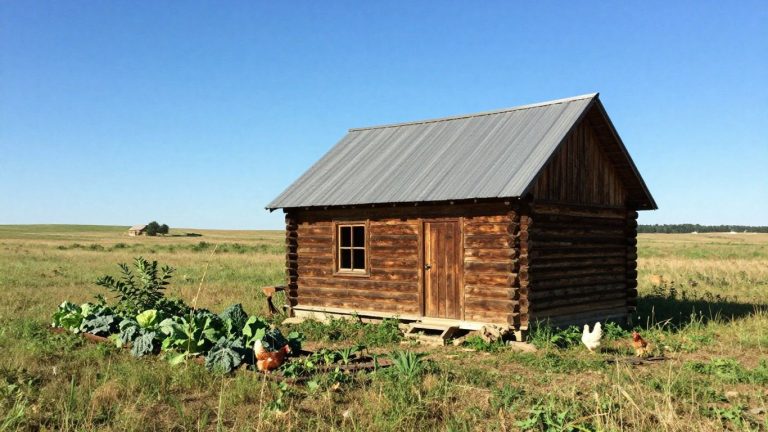
Mastering Tiny House Electricity: Your Guide to Getting Power Off-Grid and On

Thinking about how to get electricity in a tiny house? You’re not alone. Figuring out power for a small home, especially if you want to live off-grid, can feel like a puzzle. There are lots of ways to make it work, whether you want to keep things simple or go all out with solar panels and backup generators. In this article, we’ll break down the basics, share what to look out for, and help you understand your options—no technical jargon, just real talk about what works and what doesn’t.
Key Takeaways
- Start by figuring out exactly how much electricity you need—add up everything from lights to big appliances.
- Solar panels are popular, but wind, water, and even biomass can help power your tiny house if the conditions are right.
- Batteries and inverters are must-haves for storing and using your power, especially if you’re off-grid.
- Backup generators or portable power stations come in handy when the weather doesn’t cooperate or you need extra juice.
- Always check local laws and building codes before you install anything—rules can be different depending on where you live.
Understanding Your Tiny House Power Needs
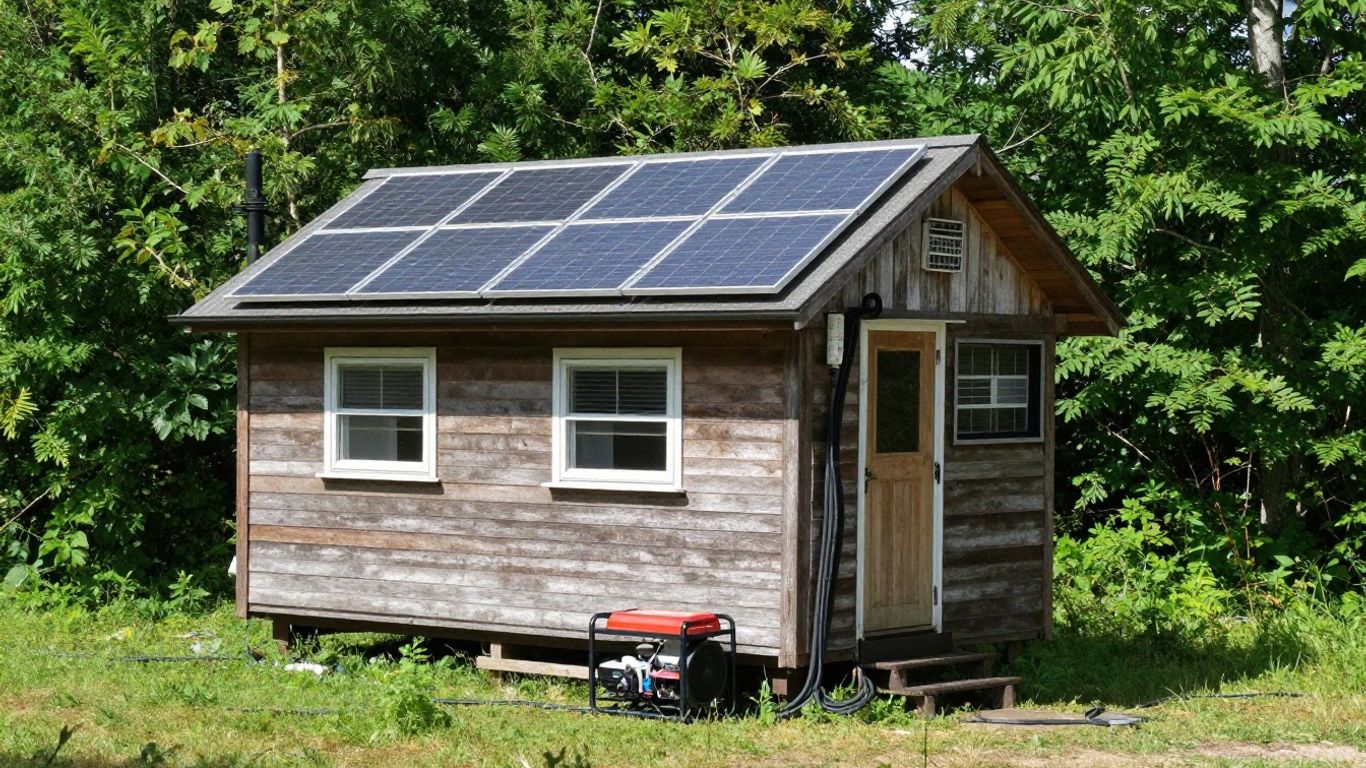
So, you’re thinking about going off-grid with your tiny house, huh? That’s awesome! But before you start dreaming about solar panels and wind turbines, we’ve got to talk about the nitty-gritty: how much power you’re actually going to need. It’s not as simple as just plugging things in like you do in a regular house. You’ve got to be smart about it.
Estimating Essential Energy Requirements
First things first, let’s figure out what you absolutely can’t live without. Think about your daily routine. What do you use every single day? We’re talking lights, your phone charger, maybe a small fan. Then there are the bigger items. Do you plan on having a fridge? A TV? A laptop for work? You need to make a list. The more detailed your list, the more accurate your power estimate will be. It’s easy to forget little things, like the power draw of your water pump or even your Wi-Fi router. Every little bit adds up, so don’t skip any steps here.
Identifying Power Consumption of Appliances and Devices
Once you have your list, it’s time to get specific. Most appliances and devices have a label that tells you how much power they use, usually in watts (W). Some might list their energy consumption in amps (A) and volts (V). If you only have amps and volts, you can figure out the watts by multiplying them (W = A x V). You’ll want to look at both the wattage when the device is running and, if possible, its standby power usage. Some things, like TVs or chargers, suck up a surprising amount of power even when they’re "off." You’ll also want to think about how long you’ll be using each item per day. A device that uses a lot of power but only runs for 10 minutes a day is very different from one that uses less power but is on for hours.
Here’s a quick way to get a rough idea:
- Lights: LED bulbs use way less power than old incandescent ones. Figure out how many you need and how long they’ll be on.
- Refrigerator: This is usually a big one. Check its energy star rating or look for its wattage. It cycles on and off, so you’ll need to estimate its daily run time.
- Electronics: Laptops, phones, tablets – they all need charging. Figure out the wattage of their chargers and how often you’ll use them.
- Water Pump: If you have running water, your pump will need power. This can be a significant draw when it kicks on.
Considering Special Power Needs
Beyond the everyday stuff, think about anything unique to your situation. Do you have any medical equipment that needs to run 24/7? That’s a non-negotiable power draw you need to account for. What about tools for hobbies or work? A power drill or a sewing machine might have a high wattage requirement that you’ll only need occasionally, but you still need to be able to supply that power when you do.
Don’t forget about seasonal changes. In the summer, you might need a fan or even a small air conditioner, which can be a huge power hog. In the winter, you might need more lighting or power for a small heater. Your system needs to be able to handle these fluctuations.
Figuring out your power needs is the first, and arguably most important, step in building a successful off-grid system. Get this right, and the rest of the planning becomes much clearer.
Exploring Off-Grid Electricity Generation Methods
So, you’re ditching the grid. That’s a big step, and it means you’ve got to become your own power company. It sounds a bit daunting, but it’s totally doable. The main thing is figuring out where your electricity is going to come from. Luckily, there are a few solid ways to do it, and often, people mix and match them to get the best results.
Harnessing Solar Power for Your Tiny Home
Solar is probably the first thing that pops into your head when you think ‘off-grid power,’ right? And for good reason. Solar panels convert sunlight directly into electricity. It’s pretty neat when you think about it. During the day, your panels soak up the sun, and that energy can be used right away or stored for later. The amount of power you get really depends on how much sun you get in your area and the size of your panel setup. If you’re in a place that gets a lot of clear, sunny days, solar is a fantastic option. It’s quiet, there are no moving parts to break, and once it’s set up, the fuel (sunlight) is free.
Utilizing Wind Turbines for Consistent Energy
If your tiny house is in a spot that’s consistently breezy, a wind turbine could be a great addition. Think of it like a little windmill that spins when the wind blows, and that spinning action generates electricity. They can be really effective, especially in areas where solar might not be as reliable, like places that get a lot of fog or are heavily shaded. However, wind can be unpredictable. You might have days with no wind at all, so it’s usually not a standalone solution. Plus, they do have moving parts, so they need a bit more maintenance than solar panels. You’ll also want to check local rules, as some places have restrictions on how tall you can build them.
Investigating Hydro Power Potential
This one’s a bit more niche, but if you happen to live near a stream or river with a decent flow, hydropower is a seriously steady source of energy. Basically, you use the force of the moving water to turn a turbine, which then generates electricity. It’s often more consistent than solar or wind because water tends to flow pretty reliably. The catch? You need to be right next to moving water, and there are definitely environmental and legal considerations to sort out. It’s not something most people can just set up, but if you’ve got the location, it’s worth looking into.
Considering Biomass Gasifiers
Biomass gasifiers are a bit more complex, but they’re an interesting option, especially if you have access to organic materials like wood scraps or agricultural waste. The gasifier heats up this material in a low-oxygen environment, creating a combustible gas. This gas can then be used to run an engine that generates electricity. It’s a way to turn waste into power. This method is more common in rural or agricultural settings where the fuel source is readily available. It does require more hands-on management and maintenance compared to solar or wind, and you need to be mindful of emissions.
Designing Your Tiny House Solar System
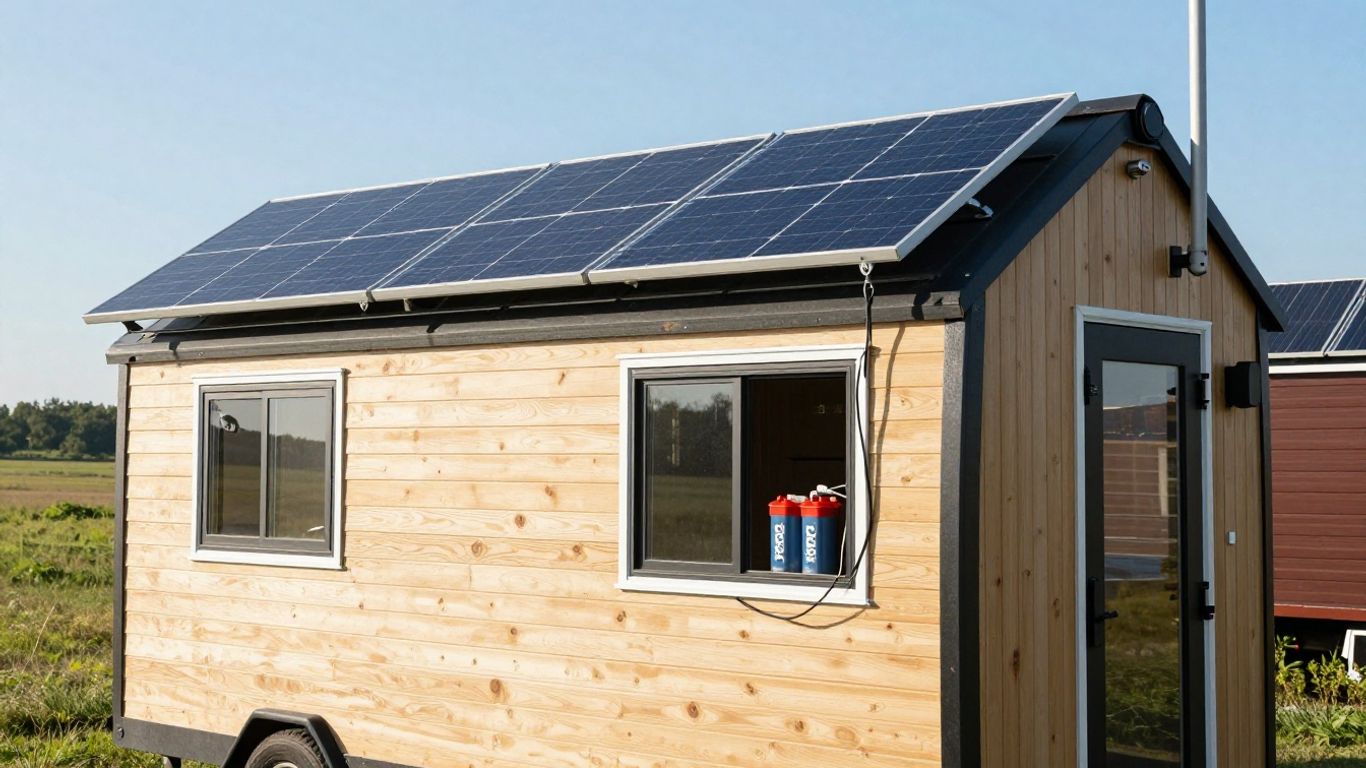
So, you’re ready to design your own solar setup for your tiny house. This is where things get really interesting, moving from just thinking about power to actually building a system that will keep your lights on and your devices charged. It’s a big step, but totally doable.
Key Components of an Off-Grid Solar Setup
An off-grid solar system isn’t just one thing; it’s a team of parts working together. You’ve got your solar panels, of course, which are the stars of the show, grabbing sunlight. Then there’s the charge controller, which is like the system’s brain, making sure your batteries don’t get too much juice. Batteries are next, storing all that good solar energy for when the sun isn’t shining. And finally, the inverter, which takes the power from your batteries and makes it usable for your regular appliances. Sometimes, people add a backup generator too, just for extra peace of mind.
Choosing the Right Solar Panels
When you’re picking solar panels, you’ll see a few main types. Monocrystalline panels are usually the most efficient, meaning they pack more power into a smaller space, which is great for tiny homes where every inch counts. They tend to be a bit pricier, though. Polycrystalline panels are a bit less efficient but cost less, so they can be a good budget option. Then there are thin-film panels; they’re flexible and light, but not as powerful. You’ll also want to look at the panel’s wattage – that’s how much power it can produce. For a small tiny house, you might need around 10 to 15 panels, each rated at, say, 300 watts. Most panels come with a warranty for 25 to 30 years, which is pretty solid. Make sure they have a strong frame and tempered glass to handle weather.
Selecting an Effective Charge Controller
The charge controller is super important because it protects your batteries. Think of it as a traffic cop for electricity. It stops the panels from overcharging your batteries, which can really shorten their lifespan. There are two main kinds: PWM (Pulse Width Modulation) and MPPT (Maximum Power Point Tracking). MPPT controllers are generally more efficient, especially in cooler weather or when the battery voltage is low, because they can get more power out of your panels. PWM controllers are simpler and cheaper, but they don’t work quite as hard to maximize power. For most off-grid tiny homes, an MPPT controller is usually the better investment.
Understanding Battery Bank Requirements
Your battery bank is where all that solar energy gets stored. This is what lets you use power at night or on cloudy days. The size of your battery bank depends on how much energy you use daily and how many days you want to be able to go without sun. You’ll need to figure out your daily energy needs in watt-hours. Then, you’ll want to size your battery bank to cover those needs, plus have some extra capacity. It’s common to aim for a battery bank that can store enough power for 2-3 days without any solar input. Lithium-ion batteries are becoming popular because they last longer and can be discharged more deeply than older lead-acid batteries, but they do cost more upfront.
Designing your solar system is a balancing act. You’re trying to match your energy needs with the amount of power you can generate and store, all while keeping an eye on your budget and the specific conditions where your tiny house will be located. It takes some planning, but the payoff is real energy independence.
Here’s a quick look at how different panel types stack up:
| Panel Type | Efficiency | Cost |
|---|---|---|
| Monocrystalline | Up to 22% | Higher |
| Polycrystalline | 15-17% | Medium |
| Thin-Film | ~10-12% | Lower |
When choosing your battery bank, consider these factors:
- Capacity (Amp-hours or Kilowatt-hours): How much energy it can store.
- Depth of Discharge (DoD): How much of the battery’s capacity you can safely use without damaging it.
- Voltage: Needs to match your system’s voltage (e.g., 12V, 24V, 48V).
- Lifespan (Cycles): How many times it can be charged and discharged before it degrades significantly.
Managing Energy Storage and Conversion
So, you’ve got your power generation sorted, maybe with some shiny new solar panels. That’s great! But what happens when the sun takes a break, or you need to run your blender and your lights at the same time? That’s where energy storage and conversion come into play. Think of your battery bank as the pantry for your electricity – it holds onto the power you generate so you can use it later.
The Role of Battery Banks in Off-Grid Living
Your battery bank is really the heart of your off-grid system. It’s where all that DC electricity from your solar panels or other sources gets stored. Without it, you’d only have power when the sun is shining, which isn’t super practical, right? The size and type of battery bank you choose are super important. You need enough storage to get you through cloudy days or nights. For tiny homes, people often look at systems that can provide 3-5 days of power without any new generation. This gives you a good buffer. Lithium batteries, especially LiFePO4 types, are becoming the go-to choice for many. They last a really long time, often over 10 years, which is way longer than older lead-acid batteries that might only give you 3-5 years. Plus, they don’t need much tinkering.
Here’s a quick rundown of what to think about when picking batteries:
- Capacity (Ah): How much energy can it hold? You figure this out by looking at how much power you use daily and how many days you want backup.
- Type: Lithium-ion is generally better than lead-acid for longevity and less maintenance, though it costs more upfront.
- Voltage (V): Common voltages are 12V, 24V, or 48V. Higher voltages can be more efficient.
- Depth of Discharge (DoD): Aim for batteries that can be discharged to 80% or more without damage. This means you can use more of the stored energy.
Choosing the right battery bank means you’re not constantly worrying about running out of power. It’s about having that reliable backup ready when you need it most, making off-grid living much more comfortable.
Converting DC to AC Power with Inverters
Now, most of the stuff you plug into your tiny house – your laptop, your TV, your fridge – runs on AC (alternating current) power. But your solar panels and batteries produce DC (direct current) power. So, you need a translator, and that’s where the inverter comes in. It takes the DC power and flips it into AC power that your appliances can actually use. It’s a pretty critical piece of the puzzle. When you’re looking at inverters, you’ll want to consider its wattage. This tells you how much power it can deliver at once. You need to make sure it can handle the combined power draw of all the appliances you might run simultaneously. For example, if your microwave pulls 1000 watts and your lights pull 100 watts, your inverter needs to be able to handle at least 1100 watts, plus a little extra for safety.
Ensuring Continuous Power with Backup Solutions
Even with a solid battery bank and a good inverter, sometimes you just need a little extra oomph, especially if you live in an area with less consistent sun or have higher energy demands. This is where backup solutions come in. While we’ll cover generators more in the next section, it’s worth noting that your battery system itself can be designed with redundancy. Think about modular battery systems that you can add to later if your needs grow. This flexibility is key for long-term off-grid success. You want a system that can adapt with you. Properly sizing your battery bank and understanding your peak loads are the first steps to avoiding energy shortages. It’s all about creating a stable power flow for your home, no matter what the weather is doing outside. You can find some great options for off-grid solar kits that include batteries and inverters designed to work together.
Ensuring Reliable Power with Backup Systems
Even the best off-grid solar setups can have days where the sun just isn’t cooperating, or maybe you’ve got more devices running than usual. That’s where backup systems come in. Think of them as your energy safety net, making sure you don’t get left in the dark when your primary power sources are running low.
Backup generators are super handy for a few key situations. If you’re heading into a stretch of cloudy weather that you know will last a while, firing up a generator can top off your batteries. It’s also a lifesaver if you suddenly need a lot more power than you planned for, maybe when you have guests or are running a power-hungry tool. A generator ensures you have power when solar and battery storage aren’t quite enough.
Here are some common scenarios:
- Extended periods of low sunlight (cloudy, rainy seasons).
- Unexpectedly high energy demands.
- Maintenance or temporary failure of your primary solar or battery components.
- During initial system setup and testing.
When picking a generator, fuel type is a big deal for off-grid living. While gasoline is common, propane and diesel often make more sense. Propane burns cleaner and can be stored for a long time, which is great if you don’t use the generator often. Diesel is known for its efficiency and durability, especially for larger loads. A dual-fuel generator gives you flexibility, letting you switch between propane and gasoline, which can be a real advantage if one fuel source becomes hard to get.
When looking at generators, pay attention to:
- Wattage: Make sure it can handle your peak load. If your inverter is rated for 5000 watts, you’ll want a generator that can comfortably supply at least that much, maybe a bit more to be safe.
- Fuel Type: Consider propane, diesel, or dual-fuel for better storage and efficiency.
- Noise Level: Some generators are much quieter than others, which can be important for your comfort.
- Starting Mechanism: Look for electric start for ease of use.
Sizing your generator correctly is key. Too small, and it won’t power what you need. Too big, and you’re wasting fuel and money. Aim for a generator that can meet your critical loads, not necessarily your absolute maximum possible load.
Sometimes, a big, stationary generator isn’t the best fit. Portable generators offer a different kind of backup. They’re great for smaller loads or for situations where you might need power in different spots around your property. You can also use them to directly power specific appliances if your main system is down. Many portable units can also charge your battery bank, acting as a mobile power source to get your system back up and running. They’re generally less expensive upfront than larger standby generators, making them a good option for those on a tighter budget or who only need backup power occasionally. Just remember to factor in fuel storage and refueling logistics.
Optimizing Your Tiny House Energy System
So, you’ve got your off-grid power generation and storage sorted. That’s a huge step! But just having the pieces in place doesn’t mean your system is running as smoothly as it could be. Think of it like having a car – you need to tune it up now and then to get the best mileage, right? The same goes for your tiny house energy setup. We’re talking about making sure you’re not wasting power and that your system is built to last, no matter what the weather throws at you.
The Impact of Location and Climate on System Size
Where you park your tiny house makes a big difference in how much power you can generate and store. If you’re living somewhere with tons of sunshine year-round, like the desert Southwest, you might get away with a smaller solar array. But if you’re in a cloudier, northern climate, or a place with heavy snowfall in winter, you’ll need to beef up your solar panels and battery bank to compensate for less sunlight. It’s all about understanding your average daily sunlight hours and how that lines up with your energy needs. Don’t forget about temperature, too. Extreme heat or cold can affect how well your batteries perform and even how efficient your solar panels are. Some panels get less efficient when they get really hot, so checking that temperature coefficient is a good idea.
Maximizing Energy Efficiency in Your Home
This is probably the easiest way to get more bang for your buck with your off-grid system. The less power you use, the smaller and cheaper your entire setup can be. It’s a no-brainer, really. Start with the basics: switch all your lighting to LEDs. They use a fraction of the power of old incandescent bulbs. When you’re buying appliances, look for the ENERGY STAR label. Even small things like unplugging chargers when they’re not in use can add up. Better insulation in your tiny house also means your heater or air conditioner won’t have to work as hard, saving you a ton of energy.
Here are some quick wins:
- Switch to LED lighting.
- Choose energy-efficient appliances.
- Seal air leaks around windows and doors.
- Use a programmable thermostat if you have heating/cooling.
- Unplug electronics when not in use.
Utilizing Monitoring Systems for Performance
Nowadays, most decent solar and battery systems come with some kind of monitoring capability. This is super handy. You can often check your energy production, how much you’re using, and the state of your batteries right from your smartphone. This real-time data helps you spot problems before they become big headaches. For example, if you notice your battery levels aren’t climbing as high as they used to, or your energy production drops unexpectedly, you can investigate. It might be a dirty panel, a loose connection, or something else. Catching these things early means less downtime and a more reliable power supply. It’s like having a doctor for your power system, keeping it healthy and running at its best.
Keeping an eye on your system’s performance through monitoring tools is key to long-term success. It allows for proactive maintenance and helps you understand your energy habits better, leading to smarter usage and a more robust off-grid experience.
Navigating Legalities for Off-Grid Living
So, you’re thinking about ditching the grid? That’s awesome! But before you start dreaming of solar panels and composting toilets, we gotta talk about the paperwork. Living off-grid is totally doable in most places, but there are definitely rules you need to follow. It’s not like you can just plop a tiny house anywhere and call it a day. Understanding your local laws is the first and most important step. Seriously, don’t skip this part.
Understanding State-Specific Building Regulations
Every state, and sometimes even every county, has its own set of rules about building. This can get pretty complicated. Some places are super chill and have minimal requirements, while others are really strict. You might need permits for everything from your foundation to your plumbing, even if you’re not connecting to any city services. It’s all about safety and making sure your structure won’t cause problems for anyone else. You’ll want to look into things like:
- Minimum square footage requirements for dwellings.
- Rules about waste disposal, especially for composting toilets or greywater systems.
- Building material standards and inspections.
- Requirements for utility hookups, even if you’re going off-grid (some places mandate you could hook up).
It’s a good idea to check out resources that list states that allow off-grid living to get a general idea, but always dig deeper into the specific county or town you’re interested in.
Researching Land Use and Zoning Laws
This is where things can get really tricky. Zoning laws dictate what you can and can’t do on your land. Some areas are zoned strictly for residential use, others for agriculture, and some might have specific rules for tiny homes or alternative dwellings. You might find that a piece of land is perfect for your off-grid dream, but the zoning laws won’t allow you to live there full-time, or at all. It’s a real bummer when that happens, but it’s better to know upfront. You’ll want to find out:
- Is the land zoned for residential use?
- Are there restrictions on the size or type of dwelling?
- Are there rules about how many people can live on the property?
- What are the regulations regarding farming or raising animals, if that’s part of your plan?
Don’t assume that just because you own the land, you can do whatever you want with it. Local governments have a lot of say in how property is used, and these rules are often in place to maintain a certain character or level of service in a community. It’s always best to get official confirmation from the local planning or zoning department before you buy.
Considering Tax Implications of Property Ownership
Finally, let’s talk about taxes. Owning land means paying property taxes, and these can vary wildly depending on where you are. Sometimes, off-grid living might even affect how your property is assessed. For example, if you’re growing a significant portion of your own food, some areas might have agricultural exemptions that could lower your tax burden. On the flip side, if your property is seen as a recreational dwelling rather than a primary residence, taxes could be higher. It’s worth looking into:
- The current property tax rate for the area.
- Any potential exemptions or special tax statuses for homesteads or agricultural land.
- How building a non-traditional home might affect your property assessment.
Doing your homework on these legal aspects might not be as exciting as picking out solar panels, but it’s absolutely vital for a smooth and successful off-grid adventure. It’ll save you a lot of headaches down the road.
Your Off-Grid Journey Starts Now
So, you’ve learned about powering your tiny home without the grid. It’s a big step, for sure, but totally doable. We’ve talked about solar panels, batteries, and making sure you have enough juice for everything you need. Remember, planning is key. Think about your energy use, where you’ll put your panels, and how you’ll store that power. It might seem like a lot at first, but taking it one step at a time makes it manageable. You’ve got this. Go build that independent life you’ve been dreaming about.
Frequently Asked Questions
What’s the main idea behind living off the grid?
Living off the grid means you’re not connected to the main power lines, water pipes, or sewer systems. It’s all about being more self-sufficient and relying on your own resources, like solar power or rainwater.
How do I figure out how much electricity I’ll need?
To figure out your power needs, make a list of everything you’ll use, like lights, your fridge, phone chargers, and any special medical equipment. Then, estimate how much power each item uses. This helps you know how big of a power system you’ll need.
What are the common ways to get power when living off the grid?
The most popular ways to get power are solar panels, which use the sun, and wind turbines, which use the wind. If you have a river nearby, you might also be able to use hydro power. Some people even use gasifiers that turn wood or other plant matter into gas for power.
Why are batteries so important in an off-grid system?
Batteries are super important because they store the electricity your solar panels or wind turbines make. This way, you have power even when the sun isn’t shining or the wind isn’t blowing, like at night or on cloudy days.
What’s a backup generator for, and when should I use one?
A backup generator is like an emergency power source. You’d use it if your main power system (like solar panels and batteries) can’t keep up, perhaps during a long stretch of bad weather. Some generators can run on different fuels, like propane or gasoline, giving you more options.
Can the place where I live affect how big my power system needs to be?
Yes, definitely! Where you live matters a lot. If you get a lot of sunshine, your solar panels will work better. If it’s very windy, wind turbines will be more effective. Also, how energy-efficient your home is plays a big role – a well-insulated house uses less power, meaning you might need a smaller, less expensive system.
Explore more tiny home living, design, downsizing, building, and lifestyle resources.
- EcoFlow Delta 3 Pro vs Jackery Explorer 5000 Plus Compared
- Modern Tiny Living: Complete Small-Space Design Guide
- Shed to Tiny House Conversion How to Do It Right
- Tiny Homes for Rent in Wyoming: Wild West Getaways to Book
- Tiny Homes for Rent in Washington: Forest Escapes & Cozy Stays
- Tiny Homes for Rent in Utah: Red Rock Retreats to Book