Embracing Off-Grid Living in Kansas: A Comprehensive Guide for Homesteaders

Thinking about ditching the grid in Kansas? It’s a big step, for sure. People are drawn to this lifestyle for all sorts of reasons – wanting more control, saving money, or just getting closer to nature. Kansas, with its wide-open spaces, seems like a natural fit for some. But it’s not all sunshine and self-sufficiency. There are real things to consider, from what the law says to how you’ll actually get water and power. This guide is here to break down what you need to know about off grid living in Kansas, so you can make a smart choice.
Key Takeaways
- Off-grid living in Kansas means being independent from public utilities, relying on your own resources for power, water, and waste management.
- Before you start, check Kansas zoning laws and building codes; they can really affect your plans.
- You’ll need a solid plan for getting water (rain, wells) and power (solar, wind) that works with Kansas’s climate.
- Finding the right spot is key – rural areas usually offer more space and fewer restrictions than cities.
- Connecting with other off-grid folks in Kansas can offer support, advice, and a sense of community.
Understanding Off-Grid Living in Kansas
So, you’re thinking about ditching the utility bills and living a bit more on your own terms here in Kansas? That’s awesome! Off-grid living is basically about being self-sufficient. It means you’re not hooked up to the usual city or county services like electricity, water, or even sewer. Instead, you’re generating your own power, finding your own water, and dealing with your own waste. It’s a big change, for sure, but lots of folks are finding it really rewarding.
Definition Of Off-Grid Living
At its core, living off-grid means you’re independent. You’re not relying on the power company to keep the lights on or the water company to deliver clean water. This usually involves setting up your own systems. Think solar panels on the roof, maybe a small wind turbine, or even a well for water. You’re managing your resources directly. It’s not a one-size-fits-all thing, either. Some people go all-in with a full homestead, while others might just want to disconnect from the grid for a few months out of the year. The goal is usually to live more sustainably and have more control over your lifestyle.
Benefits Of Living Off Grid
Why would anyone want to do this? Well, there are some pretty good reasons. For starters, you can save a good chunk of money by not paying monthly utility bills. That adds up fast! Plus, you’re generally living a more eco-friendly life, using resources like the sun and wind, which cuts down on your environmental impact. Many people also talk about feeling a stronger connection to nature and a real sense of freedom and accomplishment from being able to provide for themselves. It’s a different pace of life, for sure.
Challenges Of Off-Grid Living
Now, it’s not all sunshine and free electricity, though. There are definitely hurdles to jump. Getting reliable water, especially during dry spells, can be tricky. Kansas weather can be pretty extreme – think scorching summers and freezing winters – so you need to plan your heating and cooling carefully. And then there are the legal bits. You’ve got to make sure you’re following local zoning rules and building codes, which can sometimes be a headache. It takes a lot of planning and sometimes a bit of trial and error to get everything working smoothly.
It’s important to remember that off-grid living is a journey, not just a destination. Be prepared for a learning curve and embrace the process of figuring things out as you go.
Legal Considerations for Off-Grid Homesteaders
Zoning Laws And Regulations
Before you even think about buying land, you’ve got to get a handle on the local zoning laws. Kansas has a lot of rural areas, which is great for off-gridders, but that doesn’t mean there are no rules. Some counties might have specific rules about what you can build, how you can use your land, or even if you’re allowed to live in certain types of structures. It’s not uncommon for areas to have minimum acreage requirements or restrictions on livestock. Ignoring these can lead to some serious headaches, like fines or being told to tear down something you just built. It’s always best to talk to the county planning or zoning office directly. They can tell you what’s allowed and what’s not, saving you a lot of trouble down the road.
Building Codes In Kansas
Building codes are another big one. While some rural areas might be more relaxed, others adhere strictly to state building codes. This can affect everything from the foundation of your home to your plumbing and electrical systems. If you’re planning on building a new structure, you’ll likely need to get permits and have inspections done. This is especially true if you’re connecting to any kind of public utility, even if you’re mostly off-grid. For off-grid systems like septic tanks or wells, there are usually specific health and safety codes you need to follow. It’s worth looking into the Kansas Building Codes or contacting your local building department to see what applies to your situation.
Permitting Requirements
Permits are often tied to building codes and zoning. If you’re building a new home, adding an extension, installing a well, or putting in a septic system, you’ll probably need a permit. The process can seem like a lot of paperwork, but it’s there to make sure your home is safe and doesn’t negatively impact the environment or your neighbors. Some off-grid systems, like solar power, might not require permits in all areas, but it’s always good to check. You don’t want to invest a lot of time and money into your homestead only to find out you’ve been operating without the proper permissions. A quick call to your local planning and zoning office can clarify what permits you’ll need for your specific project.
Understanding and complying with local regulations isn’t just about avoiding trouble; it’s about being a responsible member of the community and ensuring your homestead is safe and sustainable for the long term.
Essential Resources for Off-Grid Sustainability
Setting up an off-grid life in Kansas means you’ll need to think about where your water comes from, how you’ll power your home, and what to do with your waste. It’s not just about disconnecting from the grid; it’s about creating a self-reliant system that works.
Water Sourcing and Management
Water is obviously a big one. You can’t just turn on a tap and expect clean water. Many homesteaders in Kansas rely on wells, which can be a good source if you’re in an area with a decent water table. Another popular method is rainwater harvesting. Setting up barrels or larger cisterns to collect rain from your roof can provide a significant amount of water, especially during wetter months. You’ll want to make sure you have a good filtration system in place, though, because collected rainwater isn’t always pure. Sometimes, people even use nearby streams or ponds, but that requires serious purification. Having a reliable water source and storage is non-negotiable for off-grid living.
Here are some common water solutions:
- Wells: Drilled deep into the ground to tap into underground aquifers.
- Rainwater Harvesting: Collecting precipitation from rooftops into tanks or cisterns.
- Surface Water: Utilizing water from rivers, lakes, or ponds (requires extensive treatment).
Renewable Energy Options
Powering your home without the utility company is a major part of going off-grid. Solar panels are probably the most common choice. Kansas gets a good amount of sunshine, making it a decent spot for solar. You’ll need panels, an inverter to convert the DC power to AC, and a battery bank to store energy for cloudy days or nighttime. Wind turbines are another option, especially in open, windy areas of Kansas. Some folks even look into micro-hydro systems if they have a consistent water flow on their property. Often, people use a combination of these to ensure they always have power. Propane or wood stoves are still common for heating, which is a form of energy use too.
Common energy sources include:
- Solar panels
- Wind turbines
- Battery storage systems
- Propane or wood for heating
Waste Management Solutions
Dealing with waste is another area you’ll need to manage yourself. Septic systems are standard for homes not connected to a municipal sewer. If you’re really going off-grid, you might consider composting toilets. These break down waste differently and can even produce usable compost for your garden, reducing water usage significantly. Greywater systems, which reuse water from sinks and showers for irrigation, are also a smart way to conserve water and reduce the load on your septic system. It’s all about closing the loop and making your homestead as self-sufficient as possible. You can find more information on sustainable living practices that cover these areas.
Managing waste effectively is key to a healthy and sustainable off-grid homestead. It involves thinking about both human waste and household refuse, aiming to minimize environmental impact and maximize resource recovery.
Finding Your Ideal Off-Grid Location
Choosing the right place to set down roots in Kansas means a lot more than just browsing pictures of old barns and open fields. Where you end up living will affect almost every part of your off-grid project—your ability to get water, produce food, and even keep warm through winter. This section walks through the nitty gritty of finding your homestead spot away from city noise and close to what matters most: land, water, and maybe a few friendly neighbors who don’t mind a bit of isolation.
Rural Areas Versus Urban Settings
Moving away from city life isn’t just about finding peace and quiet. Kansas has plenty of wide-open spaces, but whether you pick pure countryside or something on the edge of a small town will change how your daily life unfolds.
List of factors:
- Cost: Land in the rural stretches is much more affordable than near bigger towns or commuter corridors. Properties like those listed on the market for springs in Kansas show average prices and per-acre costs that can help keep your plans realistic.
- Rules: Less regulation and fewer zoning headaches usually come with moving further from urban centers.
- Community access: Living extremely remote means driving longer for groceries or hardware.
A rural setting offers tougher solitude, but it pays back with freedom to do almost anything with your land. Small towns can give a balancing act: close enough for a social lifeline, still far enough to do your own thing without much interference.
Climate Considerations For Kansas
Kansas weather should not be underestimated. Sure, everyone jokes about the wind, but the climate here shapes what you can grow, how you build, and even what kind of livestock makes sense. From hot summers with surprise thunderstorms to winters that can get icy, planning for every season is a must.
Here’s a table to show key Kansas weather facts:
| Season | Average Low | Average High | Main Challenges |
|---|---|---|---|
| Winter | 20°F | 40°F | Ice, snow, wind |
| Spring | 40°F | 70°F | Tornado season |
| Summer | 65°F | 92°F | Drought, high heat |
| Fall | 40°F | 72°F | Fast weather changes |
Make sure your house plans and garden dreams match the reliability—or unpredictability—of Kansas weather. It’s better to think through four seasons now than regret a poor location when a blizzard or drought shows up.
Access To Natural Resources
Before you even think about blueprinting your dream cabin, you need to be sure the land can sustain your lifestyle. Water is the big one—no pond, well, or creek? You’ll be spending a lot hauling water, which frankly turns every chore into a bigger job.
Checklist for resources:
- Find out if there’s a well, spring, or other reliable water supply. If you see ponds, check if they dry up in late summer.
- Is the land good for gardening? Sandy, rocky, or heavy clay soils each come with their own set of problems.
- Trees and topography matter—for shelter, windbreaks, and possible firewood.
- How far are you from a maintained road? In wet or snowy months, bad access could leave you stranded.
- What’s nearby: Is it miles of cropland, woodland, or a patchwork of small farms?
The bottom line: Trust your instincts, ask neighbors about trouble spots, and never skip a personal visit before signing on any land. The ideal off-grid spot supports your plans, not just your daydreams.
Building Your Off-Grid Homestead
Choosing The Right Dwelling
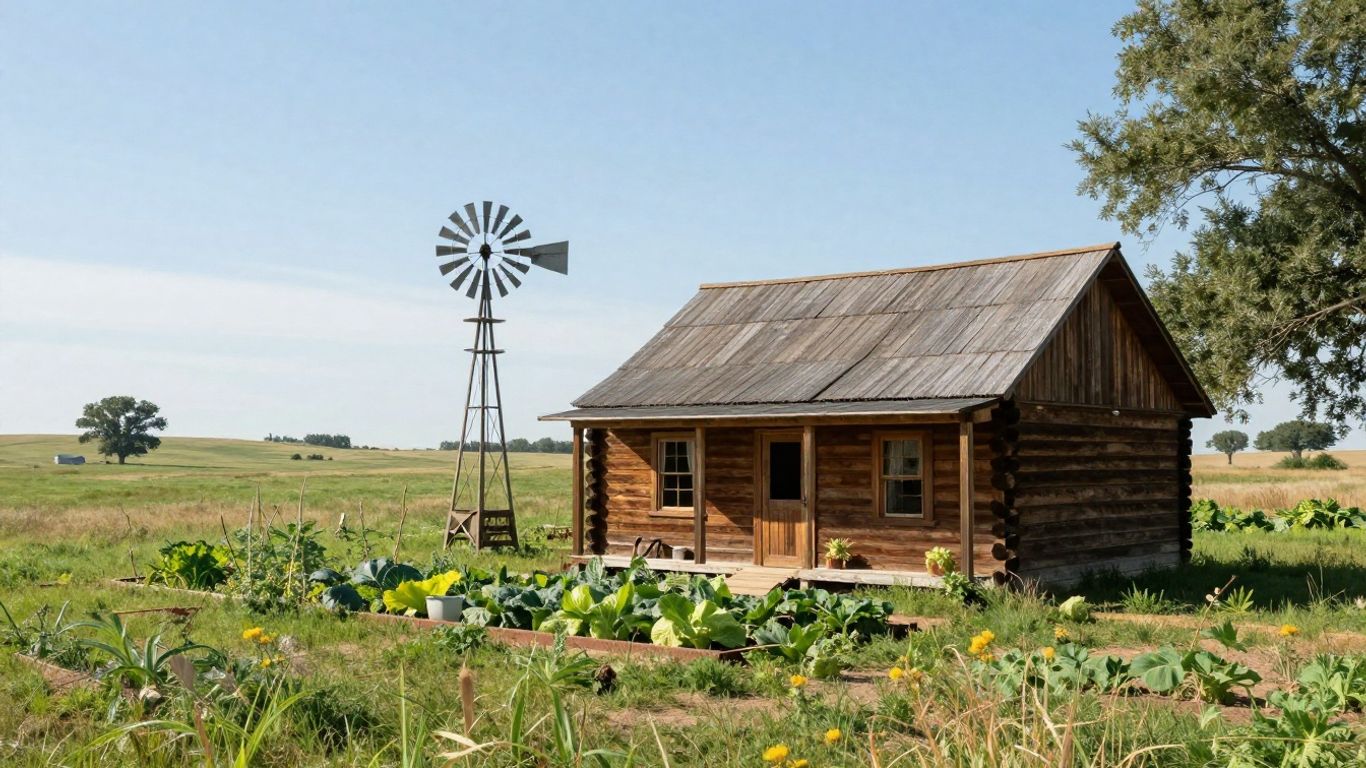
When you’re thinking about building your off-grid place in Kansas, the first big question is what kind of home you’ll live in. It’s not just about looks; it’s about how it works with the land and your resources. You could go with a tiny home, a traditional stick-built house, or even something more unconventional like a yurt or a cob house. The key is to pick something that fits your budget, your skills, and the Kansas climate. Think about how much space you really need. Smaller homes generally use less energy and are cheaper to build and heat. Also, consider how you’ll manage water and waste right from the start. Some dwellings are easier to outfit with off-grid systems than others.
Sustainable Construction Practices
Building green is kind of the whole point when you’re going off-grid, right? You want to use materials that are good for the environment and that will last. Think about using local lumber if you can, or reclaimed materials. Straw bale construction is popular because it’s a great insulator, and so is rammed earth. These methods can make your home super energy efficient, meaning you’ll need less power to keep it warm in the winter and cool in the summer. It’s also about minimizing waste during construction. Planning your build carefully can help you use materials more wisely and reduce what ends up in the landfill. It’s a bit more work upfront, but it pays off in the long run for your wallet and the planet.
Integrating Essential Systems
This is where the ‘off-grid’ part really comes into play. You’ve got to figure out how you’ll get power, water, and deal with your waste. For power, solar panels are a common choice here in Kansas, but you might also look at wind turbines depending on your location. You’ll need a good battery bank to store that energy for cloudy days or when the wind isn’t blowing. Water is another big one. You might collect rainwater, dig a well, or haul water in. Then there’s wastewater – a septic system is usually the way to go, but there are also composting toilets that can be a good option. Getting these systems designed and installed correctly from the start is super important. It’s better to do it right the first time than to have problems later on.
Here’s a quick look at some common off-grid systems:
- Energy: Solar panels, wind turbines, micro-hydro (if you have moving water).
- Water: Rainwater harvesting, well water, cisterns, filtration systems.
- Waste: Septic systems, composting toilets, greywater systems.
Planning and integrating these systems thoughtfully during the construction phase will save you a lot of headaches down the road. It’s much easier to build them in from the ground up than to try and retrofit them later.
Cultivating Self-Sufficiency Through Food Production
Gardening And Permaculture
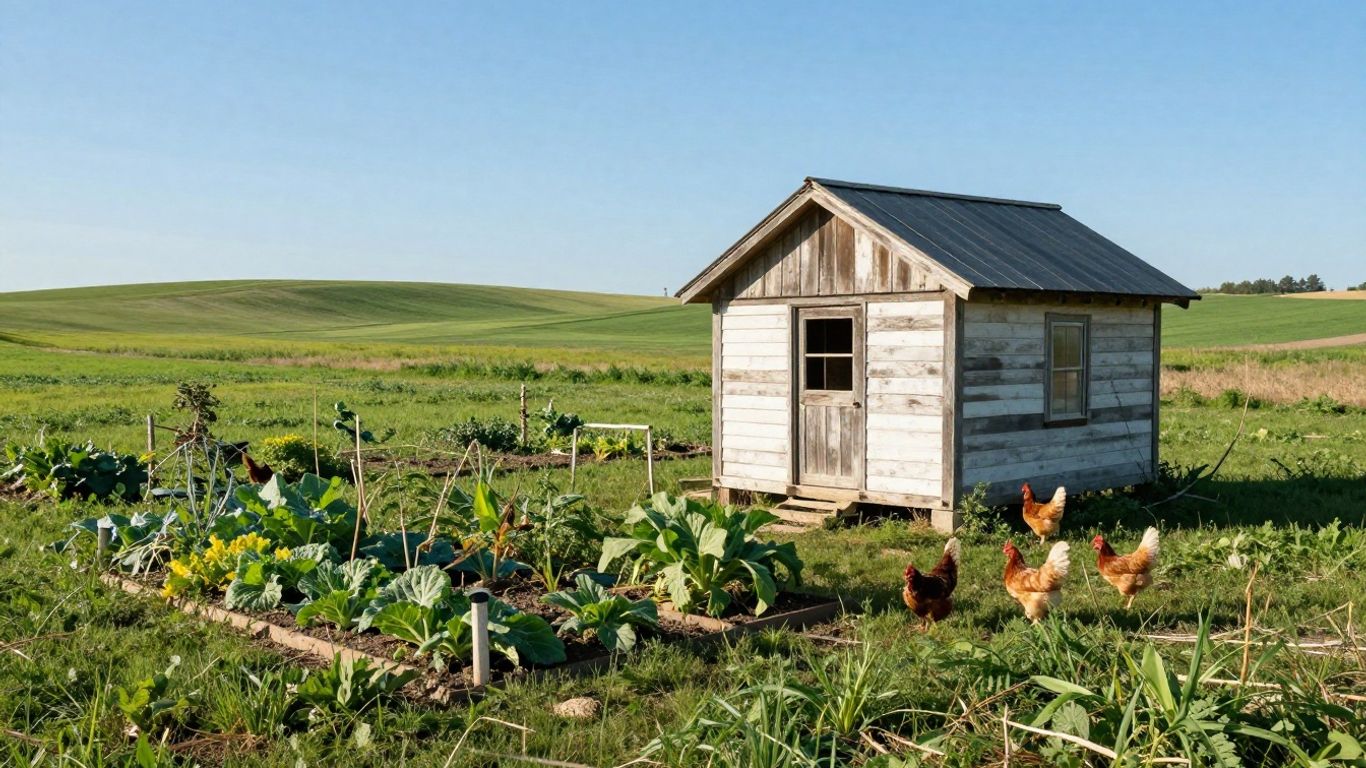
Growing your own food is a big part of living off the grid. It’s not just about having fresh vegetables; it’s about knowing where your food comes from and having a reliable source. Kansas weather can be a bit wild, with hot summers and cold winters, so you’ll want to pick plants that can handle it. Think about starting a garden that uses permaculture principles. This means designing your garden to work with nature, not against it. You can create systems where plants help each other, and you use resources wisely. For example, you might plant things that attract good bugs to keep the bad ones away, or use cover crops to keep your soil healthy.
Here are some ideas to get your garden going:
- Start small: Don’t try to grow everything at once. Begin with a few things you like to eat and that grow well in Kansas.
- Know your soil: Get your soil tested. Knowing what’s in it will help you figure out what to add to make it better for growing.
- Water smart: Plan how you’ll water your garden. Rain barrels are a great way to collect water, and using mulch can help keep the soil moist.
- Season extension: Consider a small greenhouse or a hoop house. These can help you start plants earlier in the spring and keep growing later in the fall, giving you more fresh food throughout the year.
Building a garden that feeds you year-round takes time and learning. It’s okay to make mistakes; that’s how you figure out what works best for your land and your family. The goal is to create a system that’s productive and doesn’t require a lot of outside inputs.
Livestock Management
Adding animals to your homestead can really boost your self-sufficiency. Chickens for eggs are a popular choice because they’re relatively easy to care for and provide a consistent food source. You might also consider raising meat birds seasonally. If you have more space, sheep or goats can provide meat, milk, and wool. Managing livestock responsibly means providing them with good food, clean water, and safe shelter. This also includes understanding their natural behaviors and needs. For example, rotational grazing for sheep or goats can improve pasture health and keep your animals healthier. You’ll also need to think about how you’ll process any meat animals you raise, whether that’s learning to do it yourself or working with a local butcher.
Preserving Your Harvest
Even with a great garden and healthy animals, you’ll have more food than you can eat right away, especially during peak season. That’s where food preservation comes in. Learning to can, freeze, dry, or ferment your food means you can enjoy the fruits (and vegetables!) of your labor all year long. Canning is great for fruits, vegetables, and even meats. Freezing is simple for many items, but requires reliable electricity. Drying can be done with a dehydrator or even just by hanging things in a dry, airy spot. Fermenting, like making sauerkraut or kimchi, not only preserves food but also adds beneficial probiotics. Having a root cellar is also a fantastic way to store root vegetables, apples, and other items that keep well in cool, dark conditions.
Connecting With The Off-Grid Community
Online Forums and Groups
It’s easy to feel like you’re the only one trying to figure out how to build a rainwater catchment system or what kind of solar panels are best for Kansas winters. That’s where online communities come in. Websites and social media groups are packed with people who are either living off-grid right now or are planning to. You can ask questions, share your own progress, and get advice from folks who have been there. It’s like having a whole bunch of experienced neighbors, even if they’re miles away. Think of places like dedicated subreddits, Facebook groups for homesteaders in Kansas, or forums focused on sustainable living. People often share their successes and, just as importantly, their failures, which can save you a lot of headaches.
Local Meetups and Events
While the internet is great, nothing beats face-to-face interaction. Look for local homesteading groups or sustainability meetups in your area of Kansas. These gatherings are fantastic for sharing practical tips, trading seeds or tools, and just generally connecting with people who get your lifestyle choices. Sometimes these events include workshops or potlucks, making them a fun way to learn and socialize. You might even find someone willing to lend a hand with a big project or share knowledge about local resources. It’s about building a real-world support system.
Learning From Successful Dwellers
There’s a wealth of knowledge out there from people who have already made the transition to off-grid living. Many successful homesteaders are happy to share their experiences, whether through blogs, podcasts, books, or even by hosting tours or workshops. Pay attention to what they say about the realities of living without public utilities – the good, the bad, and the unexpected. Learning from their journey can help you prepare for your own and avoid common pitfalls. It’s about understanding the practicalities of making it work long-term.
Building connections within the off-grid community is more than just social; it’s about creating a network of mutual support and shared knowledge. This can be incredibly important when facing unexpected challenges or simply needing a different perspective on a problem. Don’t underestimate the power of a helping hand or a shared piece of advice from someone who truly understands the off-grid lifestyle.
Navigating The Transition To Off-Grid Life
Making the switch to living off the grid isn’t usually an overnight thing. It’s more like a gradual shift, a learning curve, and a whole lot of figuring things out as you go. Think of it as a marathon, not a sprint. You’ll want to have a solid plan in place, and honestly, being ready to adapt is half the battle.
Financial Planning For Homesteading
Let’s talk money. Going off-grid can seem cheaper because you’re ditching utility bills, but there’s a significant upfront cost. You’re looking at setting up your own power, water, and waste systems. Depending on how fancy you want to get, a basic setup might run you anywhere from $20,000 to $50,000. If you’re dreaming of a self-sufficient farm, that number can easily jump over $150,000. It’s not just about the initial setup, either. You’ll need to budget for maintenance, repairs, and unexpected issues. Saving up a good chunk of change beforehand is pretty important.
Developing Essential Skills
You can’t just wing it when you’re living off the grid. There are skills you’ll need to pick up, and some you might already have. Things like basic carpentry, plumbing, and electrical work are super handy. Knowing how to grow your own food, whether it’s a small garden or raising chickens, is a big plus. And don’t forget about preserving food, fixing things, and maybe even some basic first aid. The more you can do yourself, the easier and cheaper life will be.
Here are some skills that are really helpful:
- Basic home repairs (plumbing, electrical, carpentry)
- Gardening and food preservation (canning, drying, freezing)
- Animal husbandry (if you plan on livestock)
- Resource management (water, energy, waste)
- First aid and basic medical care
Embracing Adaptability And Resilience
Things will go wrong. That’s just a fact of life, and it’s even more true when you’re managing your own systems. Your solar panels might not produce enough power on a cloudy week, your water pump could give out, or a storm might knock out your wind turbine. The key is not to panic. You need to be able to roll with the punches, figure out a solution, and learn from the experience. Building resilience means being mentally prepared for setbacks and having backup plans. It’s about finding creative ways to solve problems and not getting discouraged when things don’t go perfectly. Celebrating the small wins, like getting your garden to produce or successfully fixing a leaky pipe, can really help keep your spirits up.
Living off the grid is a journey of learning and self-reliance. It requires careful planning, a willingness to acquire new skills, and the mental fortitude to handle unexpected challenges. It’s about finding a balance between independence and resourcefulness, and enjoying the freedom that comes with it.
Your Kansas Off-Grid Adventure Awaits
So, you’re thinking about living off the grid here in Kansas? It’s definitely a path that can bring a lot of independence and a closer connection to the land. We’ve talked about how to get started, what to watch out for with laws and resources, and how to make sure you’ve got what you need to make it work. It’s not always easy, and there will be things to figure out along the way, but that’s part of the journey. Remember to plan well, keep learning as you go, and be ready to adapt when things don’t go exactly as you thought they would. With a bit of grit and smarts, you can build a really rewarding life out here, your way.
Frequently Asked Questions
What exactly does it mean to live off-grid?
Living off-grid means you’re not connected to the main power, water, or sewer lines. You’ll be responsible for generating your own electricity, finding your own water, and handling your own waste. It’s all about being self-sufficient and independent from public utilities.
Is it legal to live off-grid in Kansas?
Yes, you can live off-grid in Kansas, but you need to be aware of local rules. Each town or county has its own zoning laws and building codes that you must follow. It’s important to check these rules before you start building or setting up your off-grid system.
What are the best places in Kansas to live off-grid?
Generally, the best spots are in rural areas. These places often have more land available and fewer restrictions. Having access to natural resources like water and timber is also a big plus for off-grid living.
How do people get water when living off-grid in Kansas?
There are a few ways to get water. Many people collect rainwater, while others use wells or other systems to tap into underground water sources. Making sure you have a reliable water supply is key.
What are the main challenges of living off-grid?
Some common challenges include making sure you have enough power and water, especially during extreme weather. You also need to deal with waste properly. Learning to manage these resources and adapting to the lifestyle are important parts of the journey.
How can I connect with other people who live off-grid?
You can find a lot of support online through forums and social media groups dedicated to off-grid living. Attending local meetups, workshops, or even visiting established off-grid communities can also help you learn from others and build connections.
Explore more tiny home living, design, downsizing, building, and lifestyle resources.
- EcoFlow Delta 3 Pro vs Jackery Explorer 5000 Plus Compared
- Modern Tiny Living: Complete Small-Space Design Guide
- Shed to Tiny House Conversion How to Do It Right
- Tiny Homes for Rent in Wyoming: Wild West Getaways to Book
- Tiny Homes for Rent in Washington: Forest Escapes & Cozy Stays
- Tiny Homes for Rent in Utah: Red Rock Retreats to Book