Navigating Mississippi Tiny House Laws: What You Need to Know in 2026

Thinking about a tiny house in Mississippi? It’s a cool idea, offering a simpler, more affordable way to live. But before you pack your bags and downsize, you’ll want to get a handle on the Mississippi tiny house laws. It’s not quite as straightforward as you might think, with rules that can differ a lot depending on where you want to set up your little home. We’ll break down what you need to know so you can make sure your tiny living dream fits within the legal lines.
Key Takeaways
- Mississippi tiny house laws aren’t uniform; always check local zoning and building codes, as they vary by city and county.
- Tiny homes on wheels (THOWs) are often regulated as RVs, impacting where and how long you can park them.
- Permanent tiny homes might face challenges with minimum square footage rules and building code compliance.
- Consider specialized insurance for tiny homes, as standard policies may not offer adequate coverage.
- Exploring tiny home communities can offer a supportive environment and potentially simplify regulatory hurdles.
Understanding Mississippi Tiny House Laws
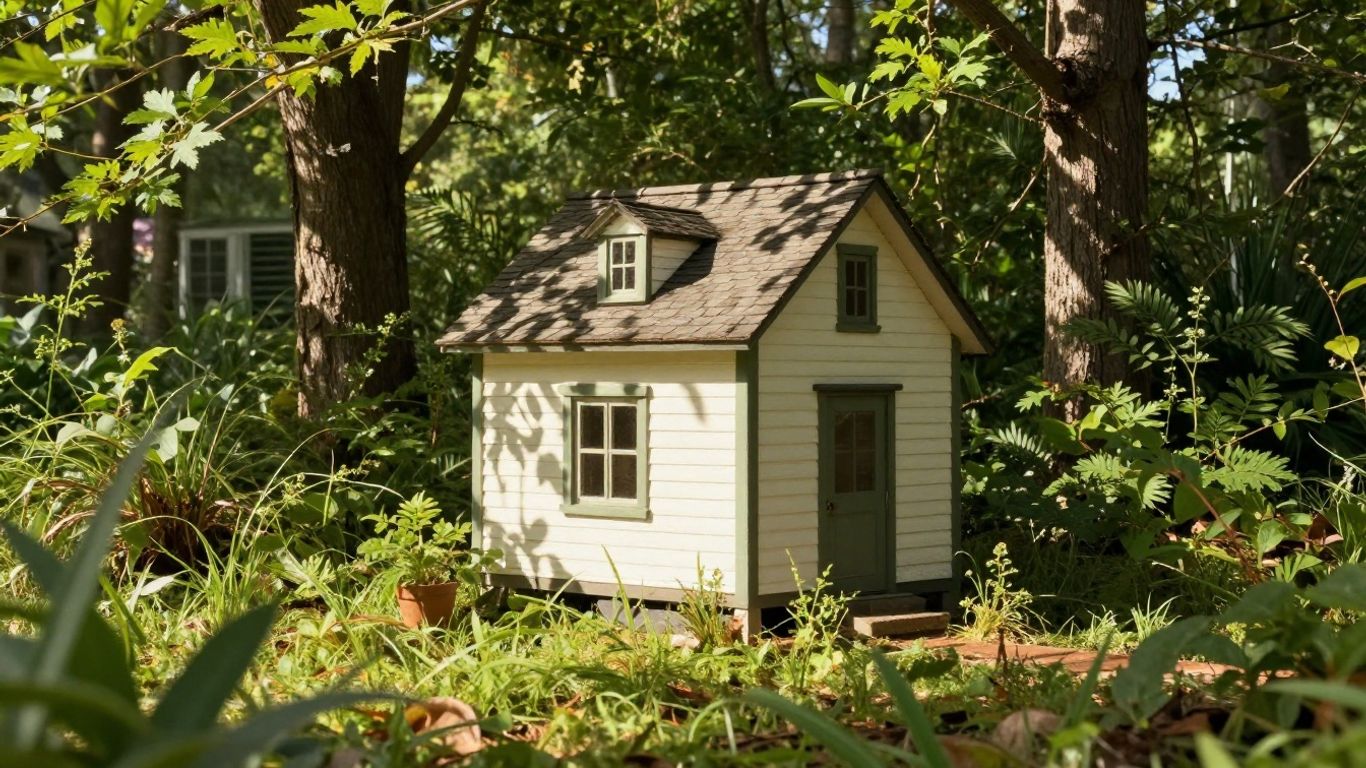
So, you’re thinking about joining the tiny house movement here in Mississippi? That’s awesome! It’s a big change, and honestly, it can feel a little like trying to find your way through a maze sometimes. But don’t worry, we’re going to break down what you need to know about the laws and rules surrounding these smaller dwellings.
Defining Tiny Homes in Mississippi
First off, what exactly is a tiny home in Mississippi? Generally speaking, we’re talking about houses that are pretty small, usually under 400 square feet. They’re designed to be efficient and often have a smaller footprint, both literally and environmentally. The key thing to remember is that Mississippi doesn’t have one single, statewide definition or ban on tiny homes. This means the rules can change depending on where you want to put your tiny house.
The Growing Popularity of Tiny Living
It’s no secret that tiny living is catching on. People are drawn to it for all sorts of reasons – maybe it’s the idea of saving money, living a simpler life, or just wanting to reduce their environmental impact. It’s a different way of looking at what ‘home’ means, and more and more folks are exploring it. This trend is definitely influencing how communities are starting to think about housing options.
Key Legal Considerations for Tiny Home Owners
Before you even start looking for land or drawing up plans, there are some important legal points to consider. You’ll need to figure out where your tiny house will sit. Will you own the land, or will you be in a tiny home community? Each situation has its own set of rules about property rights and what you’re allowed to do. It’s also super important to know about local rules, like zoning laws and building codes. Not following these can lead to trouble, like fines or even having to move your home. And don’t forget about insurance; your standard homeowner’s policy might not cover a tiny house, so you’ll likely need something specialized. Getting these legal aspects sorted out early can save you a lot of headaches down the road.
- Land Ownership: Decide if you’re buying land or renting space.
- Local Ordinances: Research zoning and building codes in your specific area.
- Insurance: Look into specialized tiny home insurance policies.
- Utilities: Plan for how you’ll connect to water, electricity, and sewage.
It’s really about being prepared. Understanding the local regulations is the first step to making sure your tiny home dream doesn’t turn into a legal nightmare. Mississippi generally permits tiny houses, but the specifics are all local. Check specific county regulations to make sure you’re on the right track.
Navigating Zoning and Building Codes
Local Zoning Variations Across Mississippi
Alright, so you’re thinking about a tiny house in Mississippi. The first big hurdle? Zoning. It’s not like there’s one single rulebook for the whole state. Nope. Each town, each county, they’ve all got their own ideas about what you can and can’t build, and where. Most of these rules were written way back when everyone just wanted a standard-sized house, so tiny homes often don’t fit neatly into those old boxes. You might find them lumped in with sheds, guest houses, or even classified as RVs, depending on where you are. It’s a real patchwork quilt of regulations, and you absolutely have to do your homework for the specific spot you’re eyeing.
Minimum Square Footage and Placement Restrictions
This is where things get really specific. Many Mississippi towns have minimum square footage requirements for primary dwellings. If your tiny house is, say, 300 square feet, and the town says you need at least 800, well, that’s a problem right off the bat. Beyond just size, there are rules about where you can put your house on a lot. Think about setbacks – how far your structure has to be from property lines, roads, or other buildings. For tiny homes, especially if you’re trying to put one in a backyard as an accessory dwelling unit (ADU), these setbacks can be tricky. Some places might also have rules about how many unrelated people can live in a single-family zone, which could affect renting out a tiny home.
Building Code Compliance for Small Dwellings
Even if you get past the zoning hurdles, you still have to build the thing to code. Mississippi follows building codes designed to keep people safe. This means your tiny house needs to meet standards for electrical wiring, plumbing, insulation, structural integrity, and fire safety. For tiny homes, this can sometimes be a challenge. Fitting all the necessary systems into a small space without compromising safety or functionality requires careful planning. You might need to look into specific codes or appendices that address smaller dwellings, like Appendix Q of the International Residential Code, if your local jurisdiction has adopted it. It’s all about making sure your small space is still a safe and livable home.
Working with Local Officials for Approvals
Honestly, the best advice I can give is to talk to the people in charge early and often. Don’t just show up with a finished plan and expect a rubber stamp. Schedule meetings with your local planning and zoning departments. Bring drawings, explain your vision, and ask specific questions. Be prepared to explain how your tiny house will fit into the neighborhood and address any concerns they might have about property values or aesthetics. Sometimes, you might need to apply for a variance – a special permission to deviate from a specific rule – or a special use permit. Being polite, prepared, and persistent can make a huge difference in getting your tiny house project approved.
Navigating the legal landscape for tiny homes often feels like trying to solve a puzzle with missing pieces. Each locality presents a unique set of challenges and requirements, demanding thorough research and direct communication with local authorities. Patience and a willingness to adapt your plans based on specific regulations are key to a successful outcome.
Tiny Homes on Wheels vs. Permanent Structures
When you’re thinking about building or buying a tiny house in Mississippi, one of the first big questions you’ll bump into is whether it’s going to be on wheels or on a permanent foundation. This choice isn’t just about how it looks; it really changes how the law sees your tiny home and where you can put it.
Classification of Tiny Houses on Wheels (THOWs)
Tiny Houses on Wheels, or THOWs as they’re often called, are basically homes built on a trailer. Because they can be moved, the state and local governments often classify them like Recreational Vehicles (RVs) or sometimes mobile homes. This classification is a big deal. It means they might not have to follow all the same strict building codes that a regular house does. However, this also means there are specific rules about where you can park them and for how long. Think of it like parking an RV – you can’t just leave it on any street corner indefinitely. Many places have limits, and you might need to find designated spots or RV parks. It’s a bit of a trade-off: more flexibility in location, but potentially more restrictions on where and how long you can stay put. This is a key difference compared to Accessory Dwelling Units (ADUs), which are becoming more common as housing solutions.
Regulations for Recreational Vehicles and Mobile Homes
Since THOWs often fall under RV or mobile home rules, you’ll need to get familiar with those regulations. This can vary a lot from county to county in Mississippi. Some areas might be more welcoming to RVs, while others have very strict rules about where they can be parked, especially for long-term living. You might find that you can’t just park your THOW in a typical residential neighborhood. It often means looking for RV parks, designated tiny home communities, or properties zoned for such uses. It’s always best to check with the local planning and zoning department before you buy or build to see what their specific rules are for RVs and mobile homes.
Permanent Foundation Requirements
If you decide to build a tiny house on a permanent foundation, it’s treated much more like a traditional home by the law. This means it generally has to meet all the standard building codes for a permanent dwelling. This can include things like minimum square footage requirements, which can be a hurdle for tiny homes, as well as rules about foundations, utilities, and structural integrity. While this path might seem more complicated upfront, it can sometimes make it easier to get permits and financing, and it might be viewed more favorably by some neighborhoods. You’re essentially building a small, permanent house, so it has to meet the same standards. This often means it’s more integrated into the local housing stock, but less mobile if you ever wanted to move your home.
The choice between a tiny house on wheels and one on a foundation really boils down to your lifestyle and what the local laws allow. THOWs offer mobility but come with RV-like restrictions, while foundation homes are more permanent but must meet traditional building codes. Understanding these differences is step one in making your tiny house dream a reality in Mississippi.
Tiny Home Communities and Regulations
So, you’re thinking about joining the tiny house movement, but maybe the idea of owning your own plot of land and dealing with all the zoning yourself feels a bit… much? That’s where tiny home communities come into play. These places are popping up more and more, and for good reason. They offer a way to live small without necessarily going it alone.
Benefits of Tiny Home Communities
These communities aren’t just a collection of small houses; they’re often designed to foster a sense of connection and shared living. Think about it: you get the affordability and simplicity of a tiny house, but with built-in social support and often, shared resources. It can really cut down on the isolation that some people worry about with tiny living.
- Shared Costs: Things like landscaping, maintenance of common areas, and sometimes even utilities can be shared, making living expenses more manageable.
- Social Connection: Living in close proximity with like-minded people can lead to strong friendships and a supportive network.
- Easier Zoning Navigation: The community itself has often already worked through the complex zoning and legal hurdles, making it a simpler path for individual residents.
- Access to Amenities: Many communities offer shared spaces like gardens, workshops, laundry facilities, or even community kitchens, which you might not have space for in a standalone tiny home.
Zoning Frameworks for Community Developments
Setting up a tiny home community isn’t as simple as just putting a bunch of small houses on some land. Local governments have to figure out how these developments fit into their existing zoning plans. Sometimes, this means creating special zoning categories just for tiny home communities, or using existing frameworks like Planned Unit Developments (PUDs) or even RV park regulations, though the latter can come with its own set of restrictions.
The key is that these communities often require a more organized approach to land use, where the entire development is planned out rather than individual lots being approved piecemeal. This allows for better integration into the surrounding neighborhoods and ensures that infrastructure like water, sewer, and power can be adequately provided.
Shared Amenities and Resources
What really makes a tiny home community stand out are the shared amenities. These can range from very basic to quite elaborate. Some communities focus on sustainability, with shared composting systems or community gardens. Others might have communal gathering spaces for potlucks and events, or even shared workshops with tools that individual residents might not own.
Here’s a look at what you might find:
- Community Gardens: A great way to grow your own food and connect with neighbors.
- Common House: Often includes a shared kitchen, dining area, and lounge space for social gatherings.
- Laundry Facilities: Saves space within individual tiny homes.
- Workshops/Tool Sheds: Access to tools for DIY projects or home maintenance.
- Recreational Areas: Playgrounds, fire pits, or open spaces for relaxation.
Finding the right community often comes down to matching the available amenities and the community’s overall vibe with your own lifestyle needs. It’s about finding a place where you can live affordably and comfortably, surrounded by people who get it.
Insurance and Financial Aspects
Specialized Insurance for Tiny Homes
Finding the right insurance for your tiny house can feel a bit like searching for a needle in a haystack. Traditional homeowners’ policies often don’t quite fit the bill for these unique dwellings. You’ll likely need to look for specialized insurance designed specifically for tiny homes. These policies are built to cover the particular needs of smaller, often mobile, structures. It’s really important to get this sorted before you move in.
Liability Protection and Personal Property Coverage
Beyond just protecting the structure itself, you’ll want to think about what happens if something goes wrong. Liability coverage is key here. It helps protect you if someone gets hurt on your property or if your tiny home causes damage to someone else’s. Also, consider coverage for your personal belongings inside the home. While your stuff might be minimal, it’s still yours, and you’ll want it protected from theft or damage.
Here’s a quick rundown of what to look for:
- Dwelling Coverage: Protects the physical structure of your tiny home.
- Personal Property Coverage: Covers your belongings inside the home.
- Liability Coverage: Protects you financially if you’re found responsible for accidents or damages.
- Additional Living Expenses: May cover costs if you have to live elsewhere temporarily due to a covered loss.
Affordability and Hidden Costs
Tiny homes are often seen as a way to save money, and they certainly can be. The initial build or purchase price is usually much lower than a traditional house. However, there are other costs to keep in mind. Insurance premiums, while potentially lower than for a large home, are still a recurring expense. You also need to factor in things like land costs (if you own it), utility hookups, maintenance, and potential fees if you’re in a tiny home community. Sometimes, unexpected expenses pop up, so having a little buffer in your budget is always a good idea.
It’s easy to get caught up in the dream of a simple, affordable tiny home, but a realistic financial plan is a must. Think beyond just the sticker price and consider all the ongoing expenses. This way, you can truly enjoy the benefits of tiny living without financial stress.
Resources for Tiny Home Builders and Owners
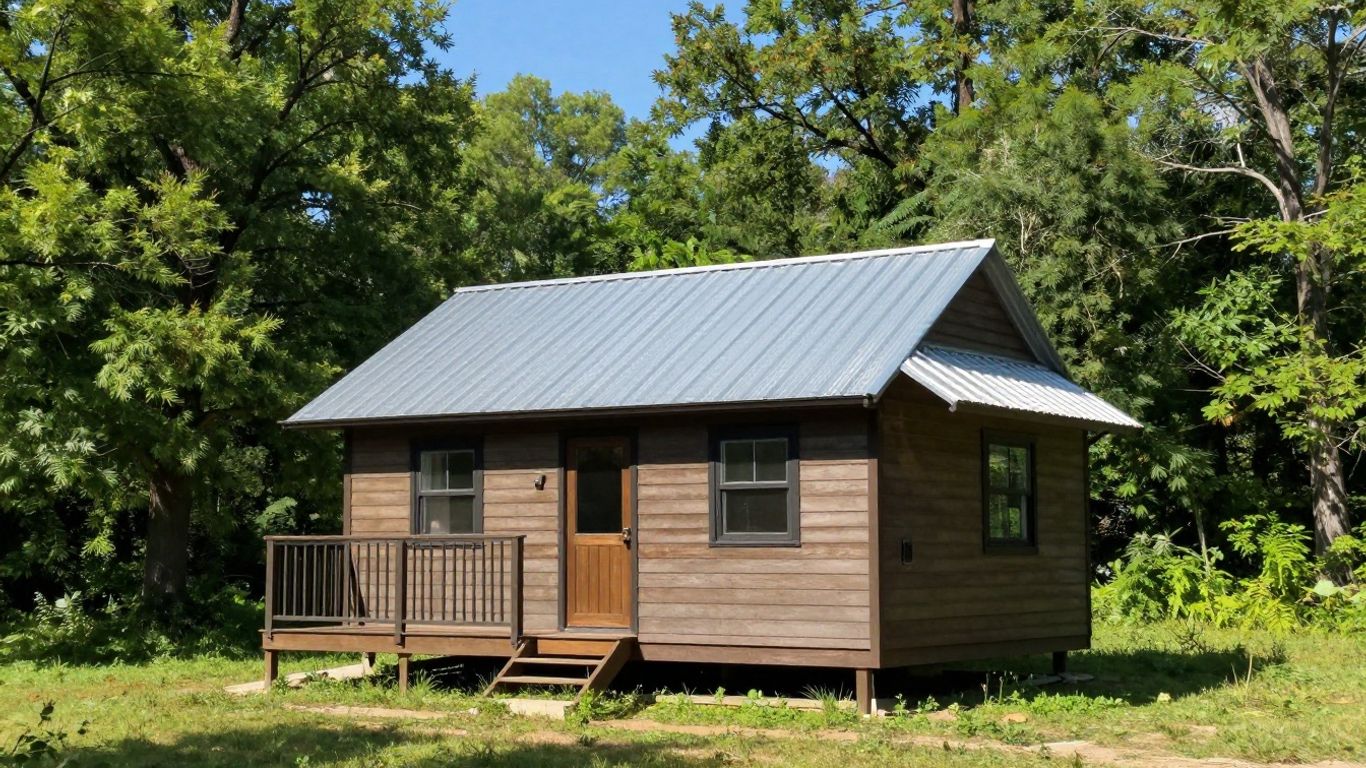
So, you’re thinking about building or living in a tiny house here in Mississippi? It’s a big step, and honestly, it can feel a little overwhelming at first. But don’t worry, there are plenty of folks and places that can help you out. Think of it like this: you wouldn’t try to build a whole house without a plan, right? Well, the same goes for a tiny one, maybe even more so because the rules can be a bit tricky.
Workshops and Seminars
Lots of groups around the state put on workshops. These aren’t just lectures; they’re hands-on sessions where you can learn about everything from framing a tiny house to figuring out plumbing for a small space. You’ll often find experienced builders there who’ve already been through the process, and they can share real-world tips. Plus, it’s a great way to meet other people who are into the tiny house idea. You might even find a future building buddy or get some design inspiration.
Online Platforms and Forums
If you can’t make it to a workshop, the internet is your best friend. There are tons of websites and online groups dedicated to tiny homes. You can find articles, plans, and discussions about everything from finding land to dealing with Mississippi’s specific building codes. Many of these platforms have forums where you can ask questions and get advice from people who are actually living in tiny homes or building them right now. It’s like having a whole community in your pocket.
Sustainable Building Practices
Living tiny often goes hand-in-hand with wanting to live more sustainably. You’ll find a lot of resources focused on eco-friendly building. This could mean learning about solar power for off-grid living, composting toilets, rainwater harvesting, or using reclaimed materials. Many workshops and online guides will touch on these topics, helping you make your tiny home as green as possible. It’s not just about saving space; it’s about reducing your impact on the planet too.
It’s important to remember that while the tiny house movement is growing, local regulations can still be a hurdle. Doing your homework and connecting with the right resources before you start building or buying can save you a lot of headaches down the road. Don’t be afraid to ask questions and seek out experienced advice.
Here’s a quick rundown of what to look for:
- Local Building Codes: Understand Mississippi’s specific requirements for small dwellings.
- Zoning Ordinances: Find out where tiny homes are permitted in your chosen area.
- Design and Construction: Learn about space-saving techniques and efficient building methods.
- Community Resources: Connect with local tiny house enthusiasts and advocacy groups.
- Sustainable Systems: Explore options for water, energy, and waste management.
The Future of Tiny Homes in Mississippi
Evolving Societal Attitudes
It feels like more and more people are starting to think differently about what ‘home’ really means. Across the country, and here in Mississippi too, there’s a growing interest in living with less stuff and a smaller footprint. Rising housing costs and a desire for more financial freedom are big drivers, pushing folks to look at alternatives. Tiny homes fit right into this shift, offering a way to live more affordably and sustainably. As more people embrace this minimalist approach, it’s likely that communities will start to see these smaller dwellings not as a novelty, but as a practical housing solution. This change in perspective is probably the biggest factor shaping what’s next for tiny homes in our state.
Potential for Code Adaptation
Because more people are interested in tiny homes, local governments are starting to pay attention. Right now, many of Mississippi’s building codes and zoning rules weren’t really written with tiny homes in mind. This can create hurdles, like minimum square footage rules that make tiny living impossible in some areas. But as the demand grows, we’re seeing more conversations about updating these regulations. This could mean clearer guidelines for tiny homes, making it easier for people to build or place them legally. It’s a slow process, for sure, but the trend suggests that codes will eventually become more flexible to accommodate these smaller structures. This adaptation is key to allowing the tiny home movement to really take root here.
Growth of Eco-Friendly Developments
Beyond just being small, tiny homes often go hand-in-hand with eco-friendly living. Think solar panels, composting toilets, and rainwater harvesting. As this lifestyle gains popularity, we’re likely to see more developments that focus on sustainability. These might be small communities where residents share resources, or individual homes designed with the environment in mind. It’s not just about saving money; it’s about living in a way that’s kinder to the planet. This focus on green building and living is a big part of the tiny home appeal and will probably shape how these homes are built and where they are located in the future. It’s exciting to think about more sustainable housing options becoming available, perhaps even supporting larger industrial projects needing adaptable housing modular workforce housing.
The shift towards tiny homes isn’t just about downsizing; it’s often about rightsizing. It’s about aligning your living space with your values, whether that’s financial independence, environmental consciousness, or simply a desire for a less cluttered life. This reevaluation of housing needs is a powerful force for change.
Wrapping Up Your Tiny Home Journey in Mississippi
So, building or buying a tiny home in Mississippi is definitely doable, but it’s not exactly a walk in the park. You’ve got to keep an eye on what the local towns and counties are saying about zoning and building rules, because they can be pretty different everywhere you look. It’s a bit of a puzzle, but lots of folks are figuring it out. Tiny home communities are popping up, which helps a lot with finding a spot and having neighbors who get it. Plus, with more people interested in simpler, greener living, things might get even easier down the road. Just remember to do your homework on the rules, and you’ll be well on your way to enjoying your own little slice of Mississippi.
Frequently Asked Questions
What exactly is a tiny home?
A tiny home is a very small house, usually less than 400 square feet. Think of it as a mini-house designed to be efficient and use less space. They are often built with the idea of being more affordable and eco-friendly.
Are tiny homes legal in Mississippi?
Mississippi doesn’t have one single law for all tiny homes statewide. Instead, each town or county has its own rules about building and zoning. So, you’ll need to check the specific rules where you want to put your tiny home.
What are the biggest challenges for tiny home owners in Mississippi?
One big challenge is that some people see tiny homes as less permanent or not as good as regular houses. This can make it hard to find a place to put one or get permission. Also, building codes designed for bigger houses can be tricky to follow for tiny spaces.
Can I put a tiny house on wheels (THOW) anywhere?
Tiny houses on wheels are often treated like RVs or mobile homes. This means there are usually rules about where you can park them and for how long. It’s not as simple as parking it in any yard; you need to check local rules.
What are the benefits of living in a tiny home?
Living tiny can save you money because it costs less to build or buy and to maintain. It also encourages a simpler lifestyle, focusing more on experiences than owning lots of stuff. Plus, tiny homes generally have a smaller impact on the environment.
Where can I find help or information about tiny homes in Mississippi?
There are many resources available! You can find workshops and online groups that offer advice on building, design, and understanding the laws. Connecting with other tiny home enthusiasts in Mississippi can also provide great support and ideas.
Explore more tiny home living, design, downsizing, building, and lifestyle resources.
- Tiny Homes for Rent in Wyoming: Wild West Getaways to Book
- Tiny Homes for Rent in Washington: Forest Escapes & Cozy Stays
- Tiny Homes for Rent in Utah: Red Rock Retreats to Book
- Tiny Homes for Rent in Oregon: Forest Retreats You’ll Love
- Tiny Homes for Rent in New Mexico: Desert Gems & Starry Skies
- Tiny Homes for Rent in Nevada: Desert Hideaways Worth Booking