Tiny Homes in Alaska

Thinking about a tiny home in Alaska? It’s a big idea for a small space, especially when you consider the unique climate. We’re talking about serious cold, lots of snow, and the need for things to be tough. But living small in the Last Frontier can also mean saving money and having more time for all those amazing outdoor adventures Alaska is famous for. Let’s look at what goes into making a tiny home work up here and if it’s the right fit for you.
Key Takeaways
- Tiny homes built for Alaska need extra strong insulation to handle the cold and a sturdy structure to withstand harsh weather.
- When planning your tiny home, think about how you’ll store all that winter gear like coats, boots, and snow pants.
- Before committing, consider trying out tiny living, maybe by renting one, to see if the lifestyle fits your needs.
- Choosing a builder with experience in Alaska’s climate is important to ensure your tiny home is properly equipped for the cold.
- Tiny homes in Alaska can offer lower living costs and a more sustainable lifestyle, freeing up time and money for outdoor activities.
Engineered Tiny Homes For Alaska’s Climate
Superior Insulation For Extreme Cold
When you’re thinking about a tiny home in Alaska, the first thing that should pop into your head is insulation. It gets cold here, like, really cold. Standard insulation just won’t cut it. We’re talking about needing walls that can keep the heat in and the brutal Alaskan winter out. Closed-cell spray foam insulation is the way to go. It has a much higher R-value compared to the fluffy stuff you might find in a regular house, meaning it’s way better at trapping heat. Plus, it adds a good bit of strength to the walls, which is always a bonus.
Here’s a quick look at why insulation matters so much:
- Heat Retention: Keeps your heating bills lower and your home cozy.
- Moisture Control: Prevents condensation, which can lead to mold and structural damage.
- Durability: A well-insulated home is a more robust home.
Enhanced Structural Integrity
It’s not just about staying warm; it’s about building a home that can handle Alaska’s weather. Think strong winds, heavy snow loads, and the general wear and tear that comes with living in a rugged environment. That’s why using 2×6 framing, or even 2x4s with dense spray foam, makes a big difference. It creates a sturdier frame that can stand up to whatever Mother Nature throws at it. Vented roof systems are also key for airflow and reducing moisture buildup, and those little things like 8-inch overhangs help keep water away from the exterior walls. It all adds up to a home that’s built to last.
Customization To Fit Your Lifestyle
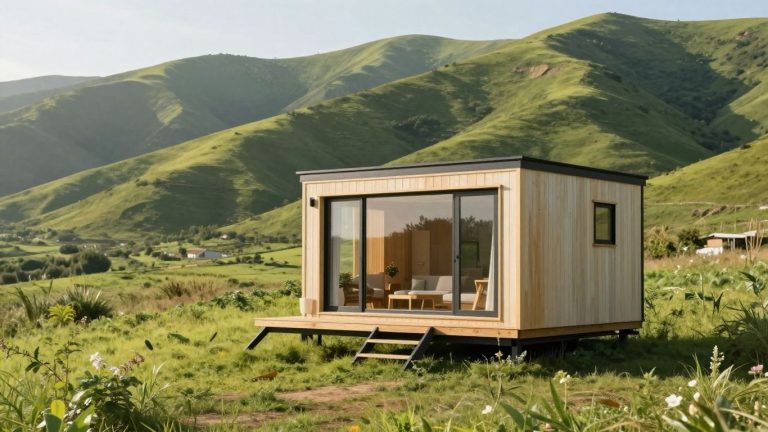
Just because it’s a tiny home doesn’t mean it has to be basic. You can totally tailor it to how you live. Want a place that looks like a rustic log cabin? Easy. Need a small deck to enjoy the summer evenings? That can be done too. The idea is to make the space work for you, whether you’re a minimalist at heart or want a few more creature comforts. It’s your home, after all, so it should feel like it.
Building a tiny home for Alaska means thinking about more than just square footage. It’s about creating a resilient, comfortable, and personalized living space that can handle the unique challenges of the Last Frontier.
The Practicalities Of Alaskan Tiny Home Living
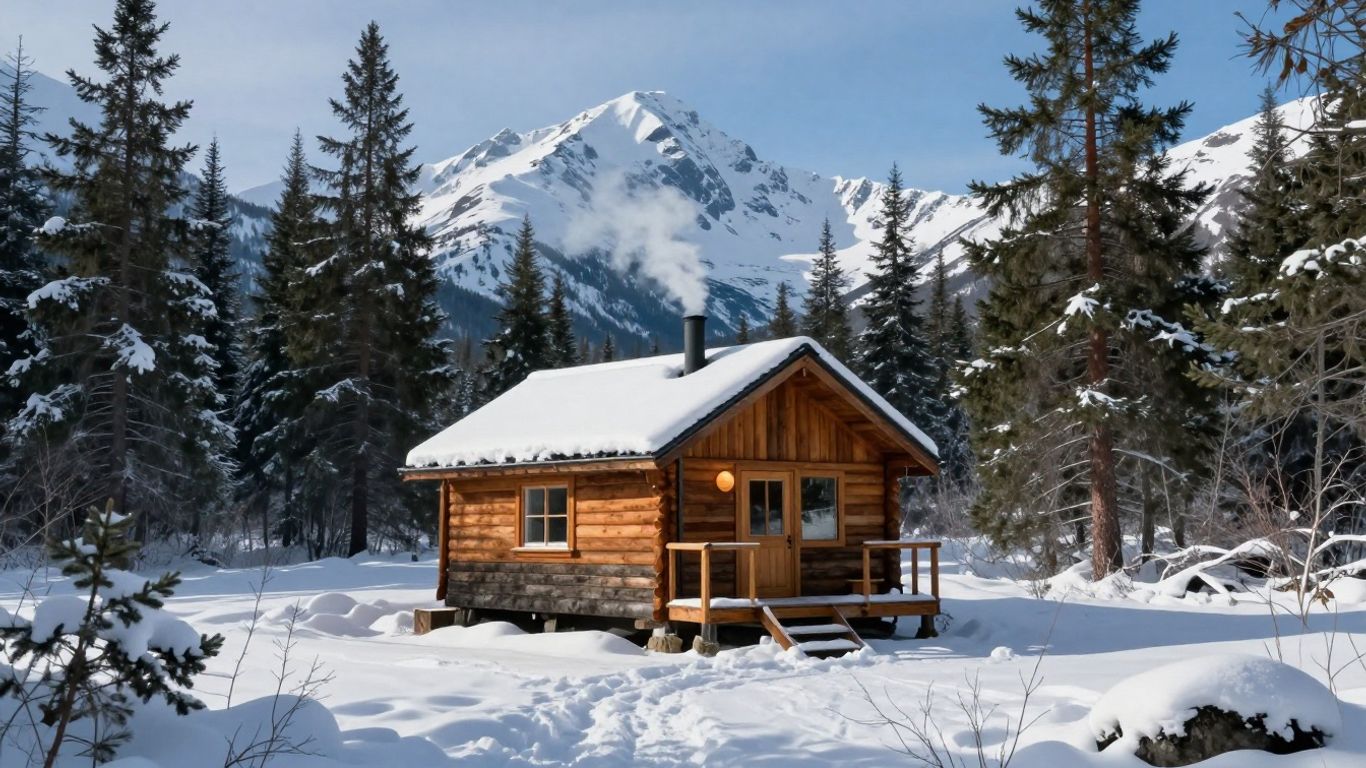
So, you’re thinking about a tiny home in Alaska? That’s awesome! But before you start dreaming of cozy cabins, let’s talk about what it’s really like to live small up here. It’s not just about having less stuff; it’s about adapting to a unique environment.
Storage Solutions For Winter Gear
One of the first things you’ll realize is that Alaska means gear. Lots of it. We’re talking heavy-duty parkas, insulated boots, multiple pairs of gloves, hats, snowshoes, maybe even skis. Finding smart storage for all this is non-negotiable. You need a place to stash your winter essentials so they’re accessible when you need them, but also out of the way during the warmer months. Think vertical storage, built-in cubbies, or even a small, well-insulated shed if space allows. It’s about making sure your tiny home doesn’t feel cluttered by your outdoor adventures.
Assessing If Tiny Living Is Right For You
Honestly, tiny living isn’t for everyone. It really depends on your lifestyle. Do you have a ton of hobbies that require a lot of equipment? Do you work from home and need a dedicated office space? If so, a tiny home might feel a bit cramped. But, if you crave simplicity, want to spend less time cleaning and more time exploring, and don’t mind downsizing your possessions, it could be a great fit. It forces you to be intentional about what you own and how you live.
Living small in Alaska means being prepared for the elements and embracing a more focused way of life. It’s about making conscious choices regarding your space and your belongings.
Experiencing Tiny Living Firsthand
Not sure if you can handle it? The best way to find out is to try it! Many places offer tiny home rentals. Spending a weekend or even a week in a tiny home can give you a real feel for the space. You’ll quickly learn what works for you and what doesn’t. It’s a low-commitment way to test the waters before making a big decision. Plus, it’s a fun way to experience a different kind of Alaskan getaway. You might even find that you love it so much you want to live off-grid in Alaska year-round!
Choosing The Right Builder For Your Tiny Home
Builder Location And Climate Expertise
When you’re looking for someone to build your tiny home, especially for Alaska, where you build it matters. A builder located right here in Alaska, or one with a solid track record of building in cold climates, is going to understand the unique challenges. They’ll know about things like snow loads, permafrost, and how to keep the cold out. Builders from warmer places might not have the same insights into what makes a home truly livable and durable in our winters. It’s worth asking them about their experience with Alaskan conditions specifically.
Prioritizing Insulation Quality
Insulation is probably the most important thing for a tiny home in Alaska. You don’t want to be freezing when the temperatures really drop. Look for builders who use high-quality insulation, like closed-cell spray foam, and who are upfront about the R-values they achieve. Don’t be afraid to ask detailed questions about their insulation methods and materials. It might cost a bit more upfront, but it will save you a lot on heating bills and keep you way more comfortable.
Here’s a quick look at what to consider:
| Feature | Importance for Alaska | Builder’s Approach |
|---|---|---|
| Wall Insulation | Very High | Closed-cell spray foam recommended |
| Floor Insulation | High | Thick insulation, consider heated floors |
| Window/Door Seals | High | Triple-pane windows, robust weather stripping |
| Air Sealing | Very High | Minimizing drafts is key for heat retention |
| Ventilation | Medium | Balanced ventilation to manage moisture without heat loss |
Understanding Customization Options
Even though tiny homes are small, they can still be incredibly personal. A good builder will work with you to make sure the layout and features fit your life. Think about how you’ll use the space. Do you need extra storage for winter gear? A specific spot for a home office? Maybe a kitchen designed for someone who loves to cook? Discussing these details upfront with your builder is key. They should be able to guide you on what’s practical and what might be a challenge, helping you design a space that truly feels like yours.
When you’re talking to potential builders, ask them about their design process. Do they have standard plans, or do they build completely custom? What’s their approach to incorporating your specific needs, like off-grid capabilities or unique storage requirements? A builder who listens and can translate your ideas into a functional design is the one you want.
Getting started usually involves a chat. You’ll want to reach out to a few builders, discuss your vision, and see who you connect with best. It’s a big decision, so taking your time to find the right partner makes all the difference.
Benefits Of Tiny Home Living In Alaska
Living in a tiny home in Alaska might sound a bit wild, but there are some pretty solid reasons why folks are considering it. For starters, let’s talk about money. Housing costs here can be pretty steep, especially in places like Juneau. A tiny home can seriously cut down on your monthly expenses, freeing up cash for, well, living more! Think about it: less mortgage or rent, lower utility bills because you’re heating a smaller space, and generally less upkeep.
Beyond the bank account, there’s the whole sustainability angle. We’ve all got too much stuff, right? A tiny home forces you to pare down to the essentials. It’s about living with less, which often means less waste and a smaller environmental footprint. Plus, less house means less time spent cleaning and maintaining, giving you more hours in your week for what really matters. Maybe that’s exploring the incredible Alaskan wilderness or spending quality time with loved ones. It’s a shift towards a more intentional way of life.
Lower Housing Costs In High-Cost Areas
Alaska, particularly its larger towns and cities, can be expensive when it comes to finding a place to live. Renting or buying a traditional home often comes with a hefty price tag. Tiny homes offer a much more accessible entry point into homeownership or even just a more affordable rental situation. This can be a game-changer for individuals and families looking to save money and reduce financial stress. It’s a practical solution for those who want to live in desirable areas without the overwhelming cost.
Embracing Sustainability And Minimalism
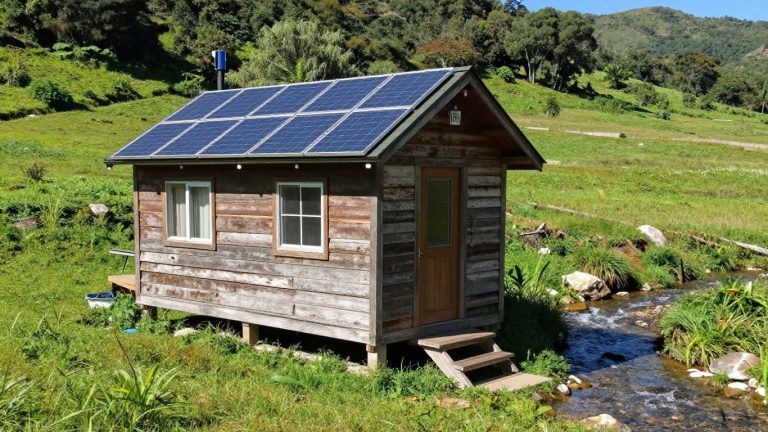
There’s a growing movement towards living more simply and with less impact on the planet. Tiny homes fit perfectly into this philosophy. By choosing to live small, you naturally consume less and produce less waste. This commitment to minimalism extends beyond just physical possessions; it often leads to a more focused and less cluttered lifestyle. Many tiny homes are also designed with energy efficiency in mind, further reducing their environmental impact. You can even look into options like solar panels to make your home even greener.
More Time For Living And Adventures
Think about how much time you spend cleaning, organizing, and maintaining a larger home. With a tiny house, that time commitment shrinks dramatically. This reclaimed time can be redirected towards activities you truly enjoy. For Alaskans, this often means more opportunities for outdoor adventures, whether it’s hiking, fishing, or simply enjoying the stunning scenery. It’s about trading chores for experiences and living a fuller life.
Tiny home living in Alaska isn’t just about having a small house; it’s about a lifestyle choice. It’s about prioritizing experiences over possessions and finding a more sustainable, affordable way to live in a place that demands a certain resilience and appreciation for the natural world. It allows for a different kind of freedom, one that comes from shedding the burdens of excessive space and expense.
Here’s a quick look at how tiny homes can help manage costs:
- Reduced Utility Bills: Heating and cooling a smaller space uses significantly less energy.
- Lower Maintenance Costs: Fewer materials and less space mean less to repair or replace.
- Increased Savings Potential: The money saved on housing can be put towards other goals, like travel or investments.
If you’re curious about experiencing this lifestyle firsthand, consider booking a stay in a tiny home. It’s a great way to get a feel for the space and see if it fits your needs before making a big commitment. Some places even offer different models suitable for solo travelers or small families, giving you a real taste of tiny home living in Alaska.
Delivery And Foundation Services
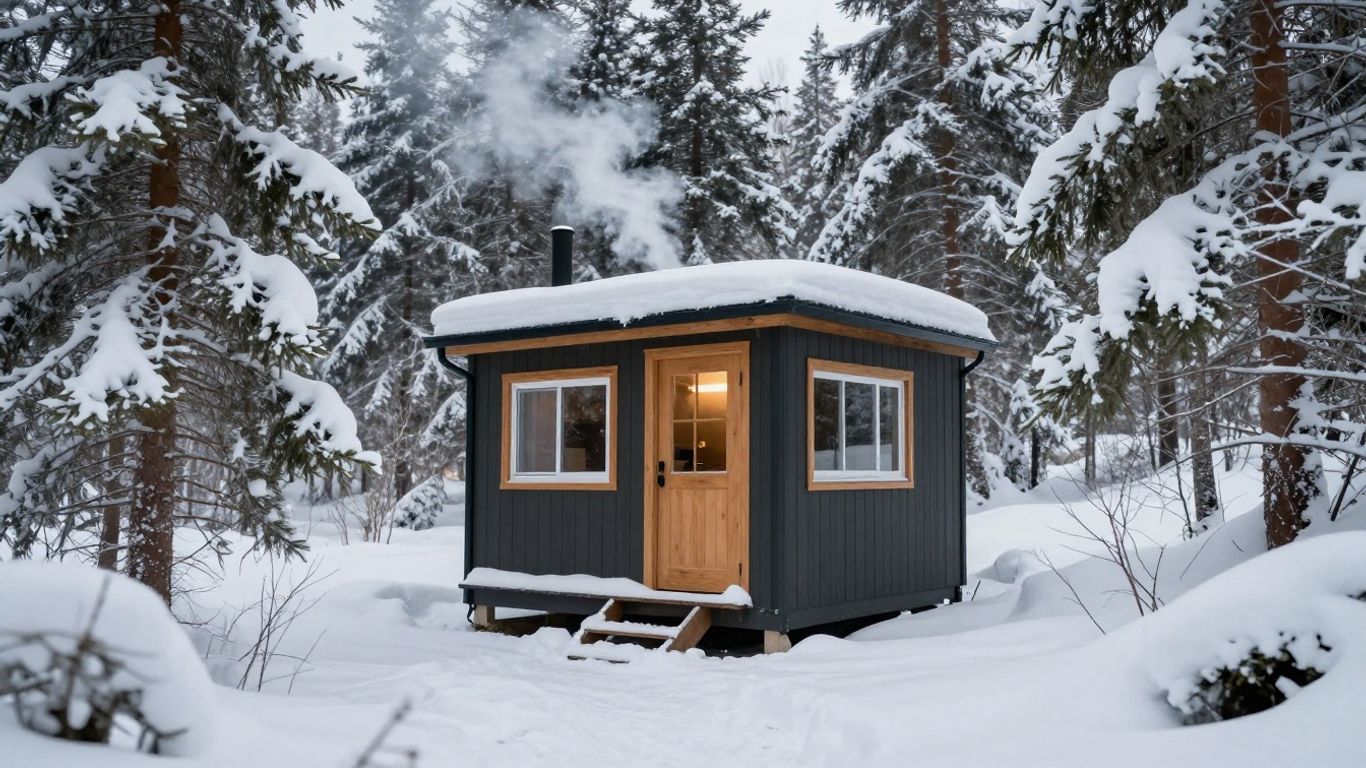
Getting your tiny home to its final spot in Alaska is a big part of the process. It’s not like just dropping off a package; it involves careful planning, especially with the state’s unique geography and weather.
Delivery Across The Alaskan Road System
Most builders who specialize in Alaskan tiny homes can handle delivery, but it’s usually limited to areas accessible by road. This means if your dream spot is deep in the wilderness with no road access, you might need to arrange separate transport, which can get complicated and costly. Always confirm the delivery radius and any potential extra fees for difficult locations. It’s good to know that companies are committed to getting your home to you safely and on time, as long as the roads cooperate.
Comprehensive Foundation Services
Setting up your tiny home properly is just as important as building it. A solid foundation keeps your home stable, especially with Alaska’s freeze-thaw cycles and varied terrain. Some builders offer foundation services, which can include:
- Site assessment and preparation
- Pouring concrete slabs
- Installing pier or post foundations
- Leveling and anchoring the tiny home
This takes a lot of the guesswork out of the equation for you. They understand what kind of foundation will best suit your specific location and the local climate conditions.
Building For Alaska’s Harshest Conditions
When it comes to foundations and delivery, the key is making sure everything is built to withstand Alaska’s tough environment. This means foundations need to be robust enough to handle extreme cold and potential ground movement. Delivery routes need to be planned considering road conditions, which can change rapidly. It’s all about making sure your tiny home is not just delivered, but set up to last through whatever Alaska throws at it. Think about the materials used for the foundation and how they’ll hold up over years of harsh winters and wet summers. It’s a big deal for long-term living.
The logistics of getting a tiny home to a remote Alaskan location require careful consideration. It’s not just about the build itself, but also about how it arrives and is set up to endure the elements. Planning ahead for these services can save a lot of headaches down the road.
Customization And Quality Craftsmanship
Tailored Features For Your Lifestyle
Your tiny home should feel like yours, right down to the last detail. When you’re building a tiny home in Alaska, customization isn’t just a nice-to-have; it’s how you make sure your space works for you, especially with the unique demands of the climate. Think about how you’ll use the space. Do you need extra room for storing winter gear like skis and snowshoes? Maybe a dedicated mudroom area is a must. Or perhaps you envision a cozy reading nook with a view of the snow-covered landscape. Builders who specialize in Alaskan homes understand these needs. They can help you design layouts that maximize functionality and comfort, incorporating features that fit your daily life and hobbies. This could mean anything from custom shelving for your extensive book collection to a built-in workbench for your projects. It’s all about making the small space feel big and perfectly suited to your personal needs.
Premium Materials And Trustworthy Builders
When it comes to building a home that can withstand Alaska’s tough weather, the materials and the builder’s skill are super important. You want a builder who knows how to work with the local conditions and uses materials that are up to the task. Look for companies that are transparent about where they source their materials and what kind of quality you can expect. A good builder will also be upfront about their process and happy to answer all your questions. It’s worth doing a little digging to find a team that has a solid reputation for quality work and reliability. Checking out their past projects and talking to previous clients can give you a good sense of what to expect. For example, D&M Construction of Alaska is known for its focus on quality and building for Alaska’s challenging environment.
Designing Your Dream Alaska Tiny Home
Creating your dream tiny home in Alaska is a collaborative process. It starts with your vision and ends with a space that’s both beautiful and practical. Here’s a general idea of how the design process might look:
- Initial Consultation: You’ll discuss your needs, lifestyle, and any specific features you want.
- Design Development: The builder will create initial designs and floor plans based on your input.
- Material Selection: You’ll choose finishes, fixtures, and any custom elements.
- Finalizing Plans: Once you’re happy, the detailed plans are approved.
- Construction: The home is built, often in a controlled environment, with regular updates for you.
Building a custom tiny home means you get exactly what you want. It’s not just about having a smaller footprint; it’s about having a home that truly reflects your personality and meets your specific needs, especially when living in a place like Alaska where practicality and durability are key.
So, Is Tiny Living for You in Alaska?
Thinking about ditching the big house for something smaller up here in Alaska? It’s definitely a big change, but it seems totally doable. We’ve seen how these tiny homes are built tough for our weather, with good insulation and strong frames. Plus, you can actually make them look like anything you want, from a cozy cabin to something more modern. It might mean rethinking how you store all that winter gear, but honestly, a little planning goes a long way. If you’re curious, maybe try renting one out for a weekend. It’s a good way to get a feel for it before you commit. Who knows, you might find that living small in the Last Frontier is exactly what you’ve been looking for.
Frequently Asked Questions
How do tiny homes handle Alaska’s cold weather?
Tiny homes built for Alaska have super good insulation, like special spray foam that keeps the heat in. They also have strong frames, often made with thicker wood, to handle snow and wind. It’s all about keeping you warm and safe when it’s freezing outside.
Is it hard to store winter stuff in a tiny home?
It can be a challenge, but smart tiny homes have clever storage spots. Think built-in shelves, under-bed drawers, or even small outdoor sheds. You just need to plan ahead to keep your snow gear, boots, and heavy coats organized.
Can I really live tiny in Alaska?
Yes, you absolutely can! Many people are finding it works well, especially if they get a home built for the cold. It’s a great way to save money and live more simply, but it’s best to try it out first, maybe by renting one for a weekend.
How much does a tiny home in Alaska cost?
Tiny homes can be much cheaper than regular houses in Alaska, where building costs are high. While the exact price changes depending on size and features, they usually cost less overall, saving you money on rent or a mortgage.
How do tiny homes get delivered to remote places in Alaska?
Builders can deliver tiny homes to most places in Alaska that have roads. They make sure the home is moved safely. For really remote spots without roads, it’s more complicated and might need special planning.
Can I design my own tiny home?
Definitely! Most builders let you pick the layout, windows, doors, and finishes. You can make it look like a cozy cabin or a modern space. It’s your chance to create a home that fits exactly how you want to live.
Explore more tiny home living, design, downsizing, building, and lifestyle resources.