Tiny Homes in Ohio: A Comprehensive Guide for 2026

Looking for more details about tiny homes in Ohio and zoning laws? Thinking about going tiny in Ohio? It’s a great idea, but honestly, the rules can be a bit confusing. We’re talking about tiny house zoning laws here, and Ohio isn’t exactly a walk in the park. It’s not like there’s a giant sign saying ‘Tiny Homes Welcome!’ everywhere.
You’ve got to do some digging to figure out what’s allowed and where. This guide is meant to help you sort through the details so you don’t end up with a beautiful tiny house that you can’t legally live in. Let’s get this sorted.
tiny homes in ohio Post Key Takeaways
- Ohio doesn’t have super clear statewide tiny house zoning laws, so you’ll need to check local rules.
- Permanent tiny homes often face big hurdles because Ohio’s building code has a large minimum square footage requirement.
- Tiny houses on wheels (RVs) might have an easier time, but they still need to meet specific vehicle and safety standards.
- Some counties and cities are more open to tiny homes, especially for accessory dwelling units (ADUs) or as RVs, but restrictions vary a lot.
- Always confirm local zoning and building codes before buying land or starting construction to avoid legal issues.
Understanding Ohio’s Tiny House Zoning Laws
Thinking about building or buying a tiny house in Ohio? It’s a great idea, but before you get too far, you really need to get a handle on the rules. Ohio doesn’t have a super clear, statewide law that says “tiny houses are totally fine here.” It’s more of a patchwork situation, and that’s where things can get a little tricky.
Legality of Tiny Homes in Ohio
So, are tiny houses even legal in Ohio? Well, they aren’t exactly banned, but the existing building codes can make it tough. Ohio’s building code, which is based on an older version of the International Building Code (IBC), doesn’t have specific sections for tiny homes like some newer codes do. This means you might run into issues trying to get permits or inspections for a dwelling that doesn’t fit the traditional mold. The biggest hurdle is often fitting into the existing definition of a ‘dwelling unit’ in local zoning ordinances.
Defining a Tiny House in Ohio
What even counts as a ‘tiny house’ in Ohio? That’s part of the confusion. Nationally, a tiny house is usually considered anything under 400 square feet. However, Ohio’s building code has a minimum size requirement for permanent structures that’s much larger – we’re talking 950 square feet. This is a major point of conflict for tiny home builders and buyers. For houses on wheels, it gets even more complicated, as they might be classified as RVs, travel trailers, or something else entirely, each with its own set of rules.
Navigating Ambiguous Regulations
Because the state laws aren’t super specific, a lot of the real rules come down to individual counties and cities. This means what’s allowed in one town might be a big no-no in the next. It’s like trying to solve a puzzle where some of the pieces are missing.
Here’s a quick rundown of what you’ll likely encounter:
- State Building Code: Based on older IBC versions, lacks specific tiny house provisions.
- Local Zoning Ordinances: These are where most of the specific rules (or lack thereof) for tiny homes are found.
- Minimum Size Requirements: State code suggests 950 sq ft for permanent structures, which is a major challenge for tiny homes.
It’s really important to do your homework on the specific area where you want to place your tiny house. Don’t assume that because it’s not explicitly forbidden, it’s automatically allowed. You’ll probably need to talk to local planning and zoning departments directly.
Types of Tiny Houses Permitted in Ohio
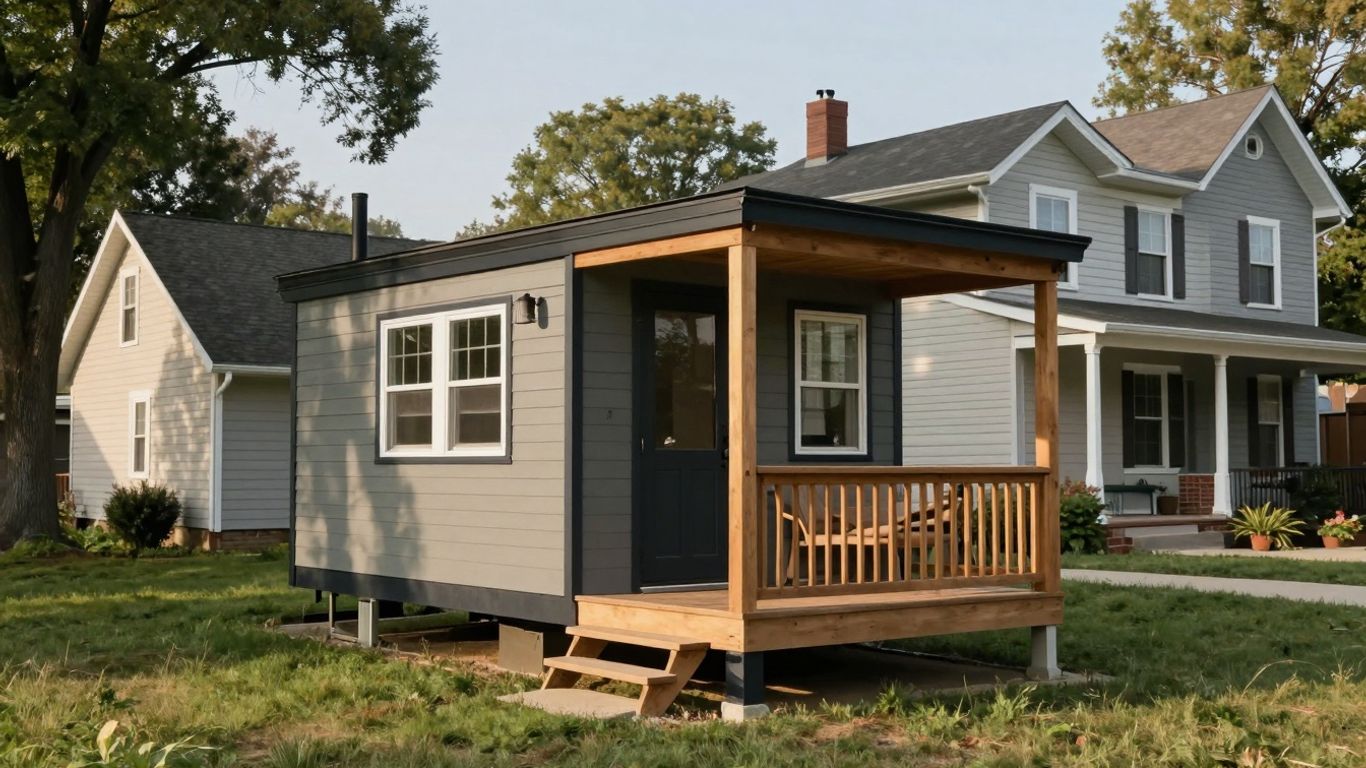
When you’re thinking about building or placing a tiny house in Ohio, it’s not a one-size-fits-all situation. The state has a few different categories that tiny structures can fall into, and each has its own set of rules. It can get a little confusing, but understanding these distinctions is key.
Permanent Tiny House Structures
These are the tiny homes that are built on a foundation, just like a traditional house. They’re meant to be a permanent dwelling. The catch here in Ohio is that the state’s building codes, which are generally based on older versions of the International Building Code, don’t always have specific sections for tiny homes. This means they often have to meet the same minimum size requirements as larger homes, which can be a hurdle. For a permanent structure, the minimum size requirement in Ohio is typically 950 square feet, which is a far cry from what most people consider a tiny house. This is a major point of confusion and a significant obstacle for many.
Temporary Tiny Houses on Wheels
This is where things get a bit more interesting for tiny house enthusiasts. Tiny houses on wheels (THOWs) are often classified as recreational vehicles (RVs). Ohio’s motor vehicle code has definitions for things like “travel trailers” and “house vehicles.” If your tiny house on wheels fits within certain length limits (like under 40 feet) and meets other specifications, it might be regulated more like an RV.
This can sometimes mean more flexible rules regarding size and placement compared to permanent structures. However, it’s not always straightforward, as a THOW could also potentially be classified as a motor home or park trailer, each with its own set of regulations. Some THOWs might also need certifications from organizations like NOAH or RVIA.
Transitional Structures and ADUs
Transitional structures often refer to things like Accessory Dwelling Units (ADUs). These are secondary housing units on a single-family property. Regulations for ADUs are usually handled at the local level, meaning you’ll need to check with the specific city or county where you plan to put one. Cuyahoga County, for example, has allowed ADUs with the right permits, but they can’t be used as a primary residence, only a secondary one. These are often seen as a way to add housing without building a completely new, standalone structure that might face stricter zoning.
Here’s a quick look at how these might be viewed:
| Structure Type | Typical Classification | Key Regulatory Factor | Potential Challenges in Ohio |
|---|---|---|---|
| Permanent Tiny House | Dwelling | State Building Code | Minimum size requirements (950 sq ft) |
| Tiny House on Wheels (THOW) | RV / Travel Trailer | Motor Vehicle Code | Classification ambiguity, varying RV standards |
| ADU / Transitional | Accessory Dwelling | Local Zoning Ordinances | Restrictions on primary vs. secondary residence use |
It’s really important to remember that even within these categories, the specifics can change a lot depending on where in Ohio you are. What’s allowed in one town might be a no-go just a few miles away. Always do your homework on the local rules before you get too far into planning.
Meeting Ohio Building Codes for Tiny Homes
So, you’re thinking about building a tiny house in Ohio. That’s awesome! But before you start sketching out floor plans, we really need to talk about the nitty-gritty: building codes. This is where things can get a little tricky, especially since Ohio’s codes haven’t always kept pace with the tiny house movement.
Minimum Size Requirements in Ohio
This is a big one. Unlike many places where a tiny house is generally under 400 square feet, Ohio’s building code has a minimum size requirement for permanent structures. The state code specifies a minimum of 950 square feet. Yeah, you read that right. This is a significant hurdle for most people looking to build a truly tiny permanent home. It means that if you’re aiming for a permanent foundation, you’ll likely need to meet this larger square footage, which kind of defeats the purpose for many.
Essential Building Code Compliance
For permanent tiny house structures, you absolutely must consult Ohio’s building codes. These codes cover everything from the foundation your house sits on, to how it’s put together structurally, how well it’s insulated, and all the electrical and plumbing systems. Safety features are also a major part of this. You’ve got to make sure everything is up to snuff to pass inspections and be considered a legal dwelling.
For tiny houses on wheels (THOWs), the rules are different and often fall under recreational vehicle (RV) regulations. These might include meeting specific size limitations and safety standards. Some THOWs might need certifications from organizations like NOAH or RVIA, depending on how they’re classified and where you plan to put them. It can get complicated fast, so understanding the classification is key.
Safety and Structural Integrity
Regardless of whether your tiny house is on a foundation or wheels, safety and structural integrity are non-negotiable. This means:
- Foundations: If it’s a permanent structure, it needs a proper foundation that meets local frost depth and load-bearing requirements.
- Framing: The structure needs to be sound, able to withstand wind, snow, and general use.
- Utilities: Electrical and plumbing systems must be installed correctly and safely, often requiring licensed professionals.
- Egress: You need safe ways to get in and out, especially in emergencies. This usually means specific window and door sizes and placements.
When building any structure, especially one that deviates from the norm, it’s always best to err on the side of caution. Double-checking requirements and getting professional advice can save you a lot of headaches and money down the line. Don’t assume anything; verify everything with your local building department.
For those looking at accessory dwelling units (ADUs), which are often considered transitional structures, the rules are usually dictated by local zoning ordinances. You’ll need to check with the specific city or county where you plan to place it. For example, Cuyahoga County has specific rules for ADUs, but they often can’t be used as the primary residence. Understanding lot size requirements is also important for ADUs, as many areas have minimums, sometimes between 5,000 and 10,000 square feet [6c76].
County-Specific Tiny House Regulations in Ohio
Favorable Counties for Tiny Homes
While Ohio doesn’t have a statewide law specifically for tiny houses, individual counties have started to create their own rules. This means some places are way more welcoming than others. It’s like a treasure hunt to find the spots where tiny living is actually possible. For example, Preble County has made specific allowances for tiny homes, even defining them as RVs under a certain size for a particular tiny house village. This shows that with a little digging, you can find counties that have thought about this and made space for smaller dwellings.
Restrictions in Specific Municipalities
On the flip side, some cities and counties are pretty strict. Columbus, for instance, has rules that make permanent tiny house living tough. Their building codes often require a minimum square footage that most tiny homes just don’t meet. So, even if the state is neutral, a local town’s ordinances can be a big roadblock. It’s not just about the size, either; some places might have rules about foundations, where you can park, or even how many people can live in a small space. You really have to check with the specific municipality you’re interested in.
The Role of Local Ordinances
Local ordinances are the real game-changers when it comes to tiny houses in Ohio. These are the rules that individual townships, cities, and counties put in place. They can dictate everything from whether a tiny house is even allowed on a piece of land to what kind of permits you’ll need.
For instance, Cuyahoga County has allowed Accessory Dwelling Units (ADUs), but with the catch that they can’t be the main home. This is a perfect example of how local rules can create specific opportunities or limitations. Always start your research with the local zoning department of the county or city where you plan to place your tiny house.
Here’s a quick look at how regulations can vary:
- Preble County: Has specific definitions and allowances for tiny homes, often classifying them as RVs for certain developments.
- Cuyahoga County: Allows ADUs with permits, but they serve as secondary residences only.
- Columbus: Generally has stricter requirements, often making permanent tiny house living difficult due to minimum size mandates.
Understanding these local rules is probably the most important step. What works in one county might be completely impossible in the next. It’s all about the specific zoning codes and building regulations that apply to that exact spot.
Finding Locations for Your Ohio Tiny House
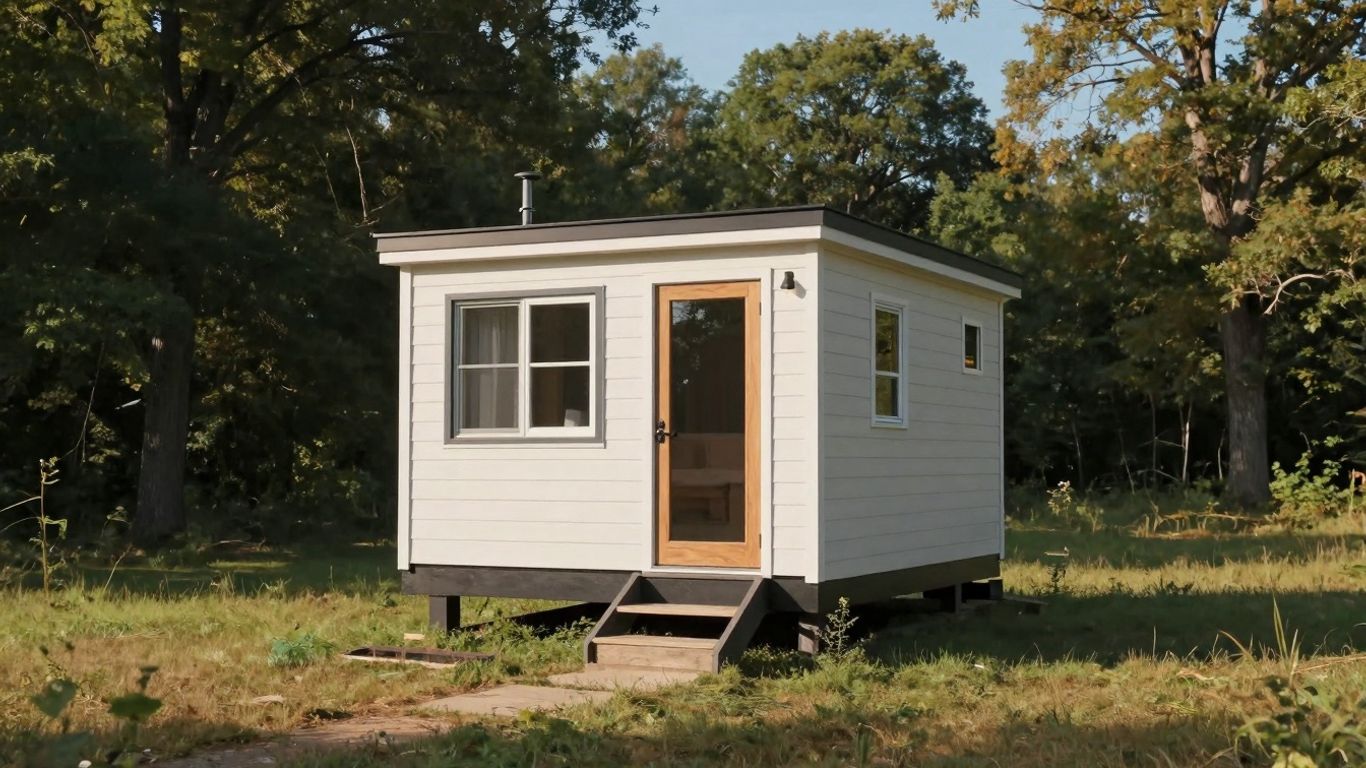
So, you’ve got the tiny house dream, but where do you actually put it in Ohio? It’s not as simple as just parking it anywhere, unfortunately. You’ve got a few main avenues to explore, and each has its own set of rules.
Zoning for Backyard Tiny Homes
Putting a tiny house in your backyard, often as an Accessory Dwelling Unit (ADU), is a popular idea. Whether this is allowed really boils down to your local township or city’s zoning ordinances. Some places are totally cool with it, especially if they’ve updated their rules to include ADUs. Others? Not so much. They might see it as turning a single-family lot into a multi-family situation, which is a big no-no in many areas. You’ll definitely need to check with your local zoning department to see if your backyard is a viable spot. It’s all about getting that permit and making sure you’re not breaking any rules.
Tiny House Communities and Villages
These are becoming more common and can be a great option. Think of them as planned neighborhoods specifically for tiny homes. They often come with shared amenities and a built-in community of like-minded folks. Some communities are even set up with specific zoning in mind, like Cedar Hill Tiny Village in Preble County, which defines a tiny home as an RV under 500 square feet. Finding these spots might take some digging, but online forums and local tiny house meetups are good places to start asking around. You can often find maps or lists of existing communities through tiny house resources.
Parking Tiny Houses on Wheels
This is where things get a bit more flexible, but also potentially trickier. If your tiny house is on wheels and classified as an RV, you might have more options. Some counties, like Preble County, have specific ordinances that allow for RVs under 500 square feet.
You might also find places that allow RV parking for a limited time. However, using an RV as a permanent residence can still run into zoning issues in many Ohio municipalities. It’s a good idea to look into counties that have explicitly welcomed tiny homes or RVs. Remember, even if you can park it, you still need to figure out utilities and long-term legality. You may also look into how long do tiny homes last.
Finding a legal spot for your tiny house often involves a mix of understanding state guidelines and digging into very specific local rules. What works in one town might be completely out of bounds in the next. Don’t skip the research step – it’s the most important part of the whole process.
Here are some general things to consider when looking for a spot:
- Zoning Classification: Is the land zoned for residential use? Does it allow for ADUs or RVs?
- Local Ordinances: Check for specific rules about minimum square footage, foundation requirements, and utility hookups.
- HOA Restrictions: If you’re in a neighborhood with a Homeowners Association, their rules might be even stricter than the city’s.
- Utility Access: How will you get water, sewer, and electricity to your tiny home? This is a big practical hurdle.
Permanent Residency in Ohio Tiny Homes
So, you’re thinking about making a tiny house your permanent digs here in Ohio? That’s awesome! But before you start packing, we need to talk about actually living in it full-time. It’s not quite as simple as just parking your tiny home and calling it a day.
Factors Affecting Full-Time Living
Several things really play a role in whether you can settle down permanently in a tiny house in Ohio. It’s a mix of how the state and local areas see your home, and what rules they’ve put in place.
- Classification: Is your tiny house considered a permanent structure, an RV, or something else? This matters a lot. Permanent homes usually have stricter size and code requirements.
- Local Zoning: This is probably the biggest hurdle. What one town allows, another might outright ban. You’ve got to check the specific rules where you want to live.
- Building Codes: Even if zoning allows it, does your tiny house meet Ohio’s building codes? For permanent structures, the state minimum is a hefty 950 square feet, which most tiny homes don’t meet. Temporary structures or RVs often have different, more relaxed rules.
Understanding Local Zoning Restrictions
This is where the rubber meets the road, or rather, where your tiny house meets the ground. Local zoning is king.
Many areas in Ohio haven’t caught up with the tiny house trend. They often rely on older rules designed for traditional homes, which can make permanent tiny house living tricky. It’s always best to talk directly with the local planning or zoning department.
Some places are more open than others. For example:
- Preble County has specific rules for tiny homes at Cedar Hill Tiny Village, defining them as RVs under 500 square feet. This makes it a more welcoming spot.
- Cuyahoga County allows Accessory Dwelling Units (ADUs), but they’re generally for secondary use, not as a primary, permanent residence.
- Columbus is a bit of a mixed bag. While they might not outright ban tiny homes, their zoning and building codes often make permanent residency difficult because most tiny homes are smaller than the state’s minimum for permanent dwellings.
Can You Permanently Reside in a Tiny House?
So, the big question: can you actually live in your tiny house year-round in Ohio? The short answer is: it depends. It’s not a simple yes or no across the entire state.
- Check the Specific Location: Your best bet is to research the exact township, village, or city where you plan to put down roots. Don’t assume what’s allowed in one county applies to another.
- Consider RV Classification: If your tiny house is built on wheels and meets RV standards, you might have more luck finding places that allow long-term parking, especially in RV parks or designated areas.
- ADUs as a Possibility: If you own property, an ADU might be an option, but again, check if it can be your primary residence or just a guest house.
Ultimately, making a tiny house your permanent home in Ohio requires a good amount of homework and often, a bit of flexibility. It’s about finding that sweet spot where your tiny dream home fits within the local rules.
Tax Implications for Ohio Tiny House Owners
So, you’ve got your tiny house all set up in Ohio, or maybe you’re thinking about it. That’s awesome! But before you get too deep into the minimalist dream, let’s talk about the less glamorous side: taxes. It’s not always as simple as you might think, and it really depends on what kind of tiny house you have and where it’s located.
Property Taxes on Permanent Structures
If your tiny house is built on a permanent foundation, consider it a regular house in the eyes of the taxman. This means it’s going to be subject to the same property taxes as any other home in your area. The county auditor will likely assess its value, and you’ll pay taxes based on that assessment. It’s pretty straightforward, but it’s definitely something to factor into your budget. The amount can vary a lot depending on your county and the assessed value of your home.
Personal Property Taxes for RVs
Now, if your tiny house is on wheels and you’re treating it more like a recreational vehicle (RV), things can get a bit different. In Ohio, and many other states, tiny houses on wheels are often classified as RVs. This usually means they fall under personal property taxes rather than real estate property taxes. The rules for personal property tax on RVs can vary, so it’s important to check with your local authorities. Sometimes, if you’re using it as a primary residence, the rules might even shift again.
Consulting Tax Professionals
Honestly, tax laws can be confusing, especially with newer housing types like tiny homes. They’re still figuring out the best way to handle them in many places. It’s always a smart move to talk to a tax professional or a financial advisor who knows about tiny houses and Ohio’s specific regulations. They can give you the most accurate advice based on your situation, whether your tiny house is on wheels or a foundation, and where you’re living. Getting this right upfront can save you a lot of headaches down the road.
Here’s a quick rundown of what to consider:
- Classification: Is your tiny house considered a permanent structure or an RV?
- Location: Property taxes are usually local, so where you park or build matters.
- Usage: How you use the tiny house (full-time residence, vacation home, rental) can sometimes affect its tax status.
- Local Ordinances: Some towns or counties might have specific rules or exemptions for tiny homes.
Don’t assume your tax situation will be the same as a traditional home or even another tiny home owner in a different county. The details really matter when it comes to taxes.
Wrapping It Up
So, we’ve gone over a lot about tiny houses in Ohio. It’s clear that while the idea of living small is appealing to many, the rules here can be a bit tricky. There isn’t one simple answer for every situation, and what works in one county might not fly in another. It really comes down to doing your homework. Check with your local town or county officials, understand if your tiny house is considered a permanent structure or more like an RV, and know the size requirements. It might take some digging, but getting this right from the start will save you a lot of headaches down the road. Good luck with your tiny house adventure in Ohio!
Frequently Asked Questions
Are tiny houses legal in Ohio?
It’s not a simple yes or no. While Ohio doesn’t outright ban tiny houses, the current building rules can make it tricky. The state’s building code, updated in 2017, doesn’t have specific rules for tiny homes like newer versions do. However, tiny houses on wheels might have an easier time fitting into rules for recreational vehicles.
What’s the smallest size a tiny house can be in Ohio?
Ohio has some strict rules for permanent homes, requiring at least 950 square feet. This is much larger than what most people think of as a tiny house. For temporary tiny homes or RVs, the size rules can be more flexible, sometimes allowing homes under 500 square feet if they are classified as a recreational vehicle.
Can I live in my tiny house full-time in Ohio?
Whether you can live in a tiny house all year depends a lot on where you are in Ohio. Some towns and counties are more welcoming and have specific rules that allow it. Others have strict rules that might consider it illegal because the house is too small. It’s really important to check the local rules for the specific area you’re interested in.
Which Ohio counties are good for tiny houses?
Some counties are more open to tiny homes. For example, Preble County has rules that define tiny homes as RVs of 500 square feet or less, used in places like Cedar Hill Tiny Village. Cuyahoga County allows accessory dwelling units (ADUs), which can be tiny homes, but usually only as a second home, not a main residence.
Where can I park a tiny house on wheels in Ohio?
Finding a spot for a tiny house on wheels can be a challenge. You might be able to park in some RV parks or campgrounds, but you need to check if they allow tiny homes. Some federal lands allow dispersed camping. Also, looking into cities that allow accessory dwelling units (ADUs) or joining tiny house communities can be good options.
Do I have to pay property taxes on my tiny house in Ohio?
It depends on how your tiny house is classified. If it’s a permanent structure on a foundation, it will likely be taxed like a regular house. If it’s on wheels and considered a recreational vehicle (RV), it might be subject to personal property taxes, which can differ from regular property taxes. It’s best to talk to a tax expert in Ohio for the most accurate advice.
Explore more tiny home living, design, downsizing, building, and lifestyle resources.
- Tiny Homes for Rent in Wyoming: Wild West Getaways to Book
- Tiny Homes for Rent in Washington: Forest Escapes & Cozy Stays
- Tiny Homes for Rent in Utah: Red Rock Retreats to Book
- Tiny Homes for Rent in Oregon: Forest Retreats You’ll Love
- Tiny Homes for Rent in New Mexico: Desert Gems & Starry Skies
- Tiny Homes for Rent in Nevada: Desert Hideaways Worth Booking