How Long Do Tiny Homes Last

Wondering how long do tiny homes last? They’re pretty neat, right? Super affordable and you can literally take your house with you. But a big question pops up: how long do tiny homes last? It’s not something you want to overlook, especially if you’re planning on living in one for a while.
Since they haven’t been around forever, figuring out their lifespan is a bit of a puzzle. We need to dig into what makes them tough or what makes them fall apart. That’s what we’re going to talk about – what affects how long they stick around and what you can do to make yours last as long as possible.
How Long Do Tiny Homes Last Post Key Takeaways
A well-built tiny home, with good care, can realistically last 30-50 years or even more. It’s not a hard science yet, but that’s the general idea.
Tiny homes built on a permanent foundation tend to last just as long as regular houses, provided they’re built well and maintained.
Whether your tiny home is mobile or stationary makes a difference in its expected lifespan. Mobile ones might wear out a bit faster.
You can totally make your tiny home last longer. It’s all about paying attention to the little things and taking good care of it.
The quality of the materials used and how it’s put together are super important for how long your tiny home will stand the test of time.
Understanding Tiny Home Lifespans
The Elusive Answer to Tiny Home Longevity
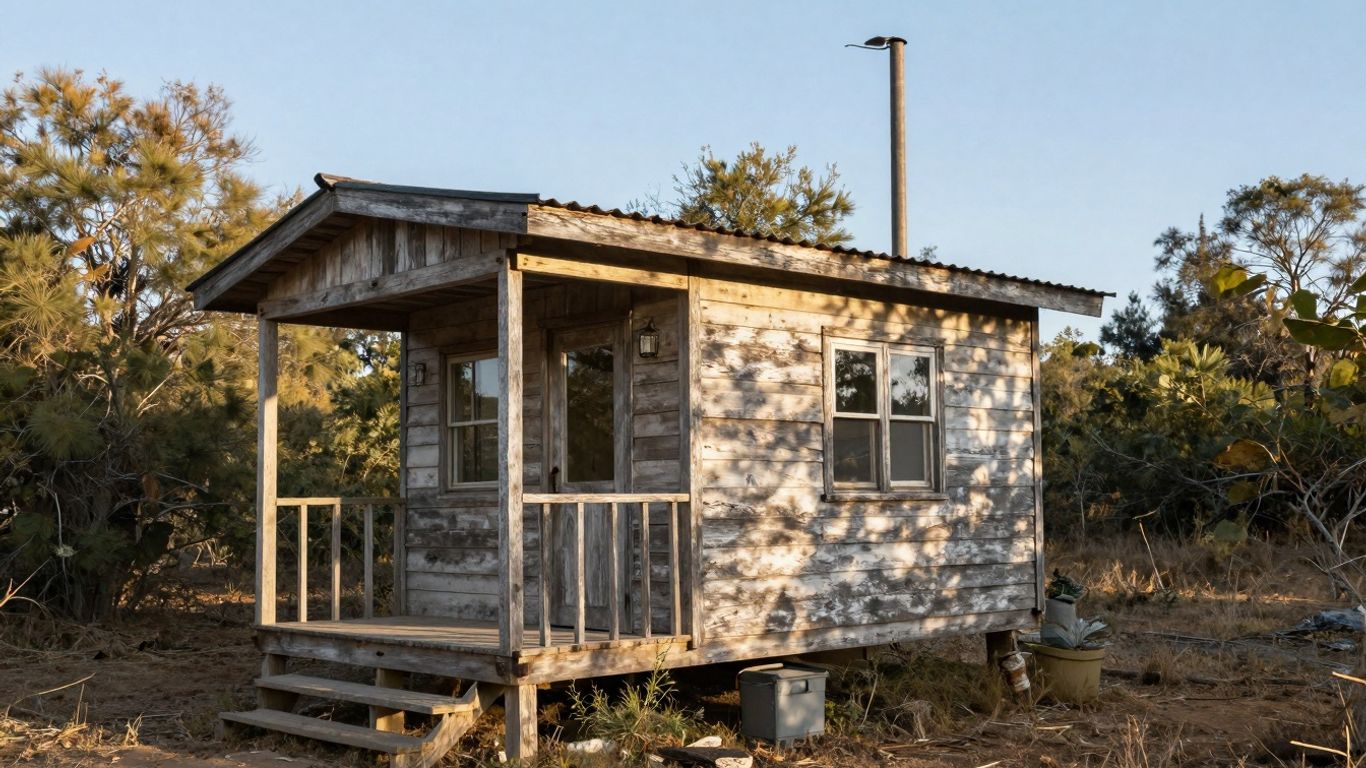
So, how long do these charming little dwellings actually stick around? It’s a question many people ponder when considering the tiny life, and honestly, there isn’t a single, straightforward answer. Tiny homes, especially those on wheels, haven’t been around long enough for us to have solid, long-term data.
Think about it, traditional houses have been built and observed for centuries, giving us a pretty good idea of their lifespan. Tiny homes are a newer concept, and their longevity is still being written. The best we can do right now is make educated guesses based on construction quality, materials used, and how they’re cared for. It’s a bit like asking how long a new car model will last without any real-world testing yet. Remember, there are tiny home grants out there as well to help with your financing plan.
Estimating the Lifespan of a Tiny House
Despite the lack of definitive data, most sources online suggest a general range for a well-built and maintained tiny house: around 30 to 50 years, and potentially more. This estimate often hinges on a few key things. A tiny house built on a permanent foundation, much like a traditional home, has the potential to last just as long, if not longer, with proper care. Mobile tiny homes, however, face different challenges.
The constant movement, exposure to road vibrations, and varying weather conditions during transit can put extra stress on the structure. This doesn’t mean they won’t last, but it’s a factor to consider when thinking about their lifespan. It really comes down to how robust the build is and how much attention it gets over the years.
Factors Influencing Durability
Several elements play a significant role in how long your tiny home will stand strong. It’s not just about slapping some walls together; it’s a combination of things:
Construction Quality: This is probably the biggest one. Was it built by professionals who know what they’re doing, or was it a rushed DIY project? High standards in building mean a stronger, more durable home.
Materials Used: Are the materials chosen for their ability to withstand the elements and daily wear and tear? Using subpar materials might save money upfront but can lead to problems down the road.
Location and Environment: Where the tiny home is situated matters. Is it in a harsh climate with extreme temperatures or heavy snow? Is it in an area prone to flooding? These environmental factors can impact longevity.
Maintenance Habits: Just like any home, a tiny house needs regular check-ups and upkeep. Neglecting small issues can turn them into big, costly problems that shorten its life.
Ultimately, the lifespan of a tiny house is a reflection of the investment made in its construction and the ongoing commitment to its care. It’s less about a fixed number and more about a dynamic relationship between the structure and its owner.
Key Determinants of Tiny Home Durability
So, what really makes a tiny home stand the test of time? It’s not just one thing, but a mix of how it’s put together, what it’s made of, and where it ends up living. Think of it like building with LEGOs versus using actual bricks – the materials and the way you connect them make a huge difference.
Quality Construction and Materials
This is probably the biggest factor. A tiny home built with cheap, flimsy materials and slapped together quickly just isn’t going to last. We’re talking about the bones of the house, the framing, the sheathing, the insulation, and especially how everything is fastened. Using screws instead of staples is a game-changer for structural integrity. Staples can loosen over time, especially with movement or temperature changes, leading to squeaks and potential structural issues. High-quality lumber, proper sealing against moisture, and good insulation all contribute to a home that can handle the elements and daily life.
Foundation vs. Mobile Living
Where your tiny home sits matters. A tiny house built on a permanent foundation is generally going to experience less stress than one that’s frequently moved. Think about it: every time you tow a tiny house, it’s subjected to bumps, vibrations, and potential jolts from the road. This constant movement can put a strain on the frame, plumbing, and electrical systems. While a well-built tiny home on wheels can still last for decades, one that stays put on a foundation might have a slight edge in longevity simply because it’s not constantly being shaken around.
The Role of Professional Builders
Look, building a house, even a tiny one, is complicated. While DIY is awesome for many things, when it comes to the long-term durability of your home, hiring experienced professionals can be a smart move. They know the building codes, understand structural loads, and have likely encountered and solved problems you haven’t even thought of yet.
A builder who uses quality materials and follows best practices is investing in your home’s future, not just its present appearance. They’ll know the difference between a quick fix and a lasting solution, which is pretty important when you’re talking about something you plan to live in for years.
Environmental and Usage Impacts
So, how does the world around your tiny home, and how you use it, actually affect how long it sticks around? It’s a big question, and the answer is pretty much: a lot.
Climate and Altitude Considerations
Where you park your tiny home matters. If you’re in a place with wild weather swings, that’s going to put more stress on the structure than a mild climate. Think about places with heavy snow loads; your roof needs to be built to handle that weight.
Or areas with intense sun, the UV rays can really break down paint and siding over time. High altitudes bring their own set of challenges, like bigger temperature shifts from day to night, which makes materials expand and contract. This can lead to cracks in siding or roofing, and fasteners might loosen up. Plus, at higher elevations, the air is thinner, which can affect things like sealed windows. It’s not just about comfort; it’s about the physical toll on your home.
Here’s a quick look at how different climates can impact your tiny house:
|
Climate Challenge |
Potential Impact |
|---|---|
|
Extreme Cold |
Frozen pipes, insulation effectiveness reduced |
|
Intense Heat |
Material degradation, increased cooling needs |
|
High Humidity/Rain |
Mold, mildew, wood rot, structural weakening |
|
High Winds (Hurricanes) |
Structural damage, roof uplift, flying debris impact |
|
Heavy Snow Loads |
Roof stress, potential collapse, leaks |
|
Increased UV Exposure |
Fading paint, degraded siding and roofing materials |
The Toll of Frequent Relocation
If your tiny home is on wheels and you plan on moving it often, that’s a whole different ballgame compared to a tiny house on a foundation. Every time you move, it’s like a mini-earthquake for your home. The frame, the joints, everything gets shaken up. Roads aren’t always smooth, and hitting potholes or rough terrain adds to the stress.
This constant vibration can lead to things loosening up, screws working their way out, or even cracks forming over time. It’s why using good quality trailer components and doing regular check-ups is so important for tiny homes on wheels. You’ve got to be mindful of the wear and tear that comes with being a rolling residence.
Protecting Against Extreme Weather
Dealing with harsh weather is a big part of making sure your tiny home lasts. You need to think about how to protect it. For areas prone to hurricanes or strong winds, proper anchoring and wind-resistant building techniques are key. If you’re in a flood zone, elevation is your friend. Wildfire areas?
Use fire-resistant materials and keep the area around your home clear. Even something like heavy rain requires good drainage and waterproof coatings. It’s about being proactive and building or choosing a home that can stand up to whatever Mother Nature throws at it.
Being prepared for the elements isn’t just about comfort; it’s a direct investment in the longevity of your tiny dwelling. Ignoring potential weather impacts can lead to costly repairs down the line, shortening the overall lifespan of your home.
Good ventilation is also a big deal, especially in humid climates or places with big temperature swings. Without it, moisture builds up inside, which can lead to mold and rot, damaging your home from the inside out. Making sure you have proper airflow helps keep things dry and healthy.
Maximizing Your Tiny Home’s Longevity
So, you’ve got your tiny home, and you want it to stick around for a good long while, right? It’s not rocket science, but it does take a bit of attention. Think of it like taking care of a car – regular check-ups and fixing little things before they become big headaches. A little bit of effort now can save you a lot of trouble later.
The Importance of Regular Upkeep
Keeping up with your tiny home’s needs is pretty straightforward. It’s about being observant and not letting small issues slide. This means more than just sweeping the floor; it’s about looking at the bigger picture of your home’s health.
Visual Inspections: Regularly walk around your home, inside and out. Look for anything that seems off – a loose shingle, a crack in the sealant, or water spots on the ceiling. Catching these early is key.
System Checks: Don’t forget the guts of your home. Check your plumbing for drips, your electrical outlets for any funny business, and your ventilation to make sure air is flowing properly. Poor ventilation can lead to moisture problems, which are a tiny home’s worst enemy.
Seasonal Tune-ups: Just like you might change your car’s oil, your tiny home benefits from seasonal attention. Before winter hits, make sure your insulation is sound and your pipes are protected. In the summer, check that your cooling systems are working efficiently
Proactive Maintenance Strategies
Being proactive means you’re one step ahead. Instead of waiting for something to break, you’re actively preventing it. This is where you really get the most bang for your buck in terms of longevity.
Sealant and Caulking: These are your first lines of defense against water. Reapply or touch up sealant around windows, doors, and any penetrations in your home’s exterior every couple of years, or sooner if you notice any cracking or peeling.
Roof Care: Your roof takes a beating from the sun, rain, and wind. Inspect it regularly, especially after severe weather. Clear debris like leaves and branches that can trap moisture or damage shingles.
Exterior Protection: Keep your home’s exterior clean and protected. Repaint or re-stain wood siding as needed to prevent rot and weathering. Check for any signs of pests trying to make a home where they shouldn’t be.
Addressing Repairs Promptly
This is probably the most important piece of advice. That little drip under the sink? It might seem minor, but it can quickly turn into a big, expensive problem if left unchecked. The same goes for a small crack in the siding or a sticky window.
Don’t let minor issues fester. A small repair now is almost always cheaper and easier than dealing with the consequences of neglect later. This applies to everything from a leaky faucet to a loose screw on your trailer hitch if you have a mobile home.
Here’s a quick rundown of what to watch out for:
Water Leaks: Check faucets, toilets, showers, and under sinks regularly. Even a slow drip can cause water damage and mold over time.
Structural Issues: Keep an eye on your home’s frame, especially if it’s on wheels. Loose bolts, creaking sounds, or visible damage to the structure should be addressed immediately.
Weatherproofing: If you notice drafts or feel moisture getting in, it’s time to reinforce your weatherproofing. This is especially important for homes in areas with extreme temperatures or high humidity.
Tiny Homes on Wheels vs. Permanent Structures
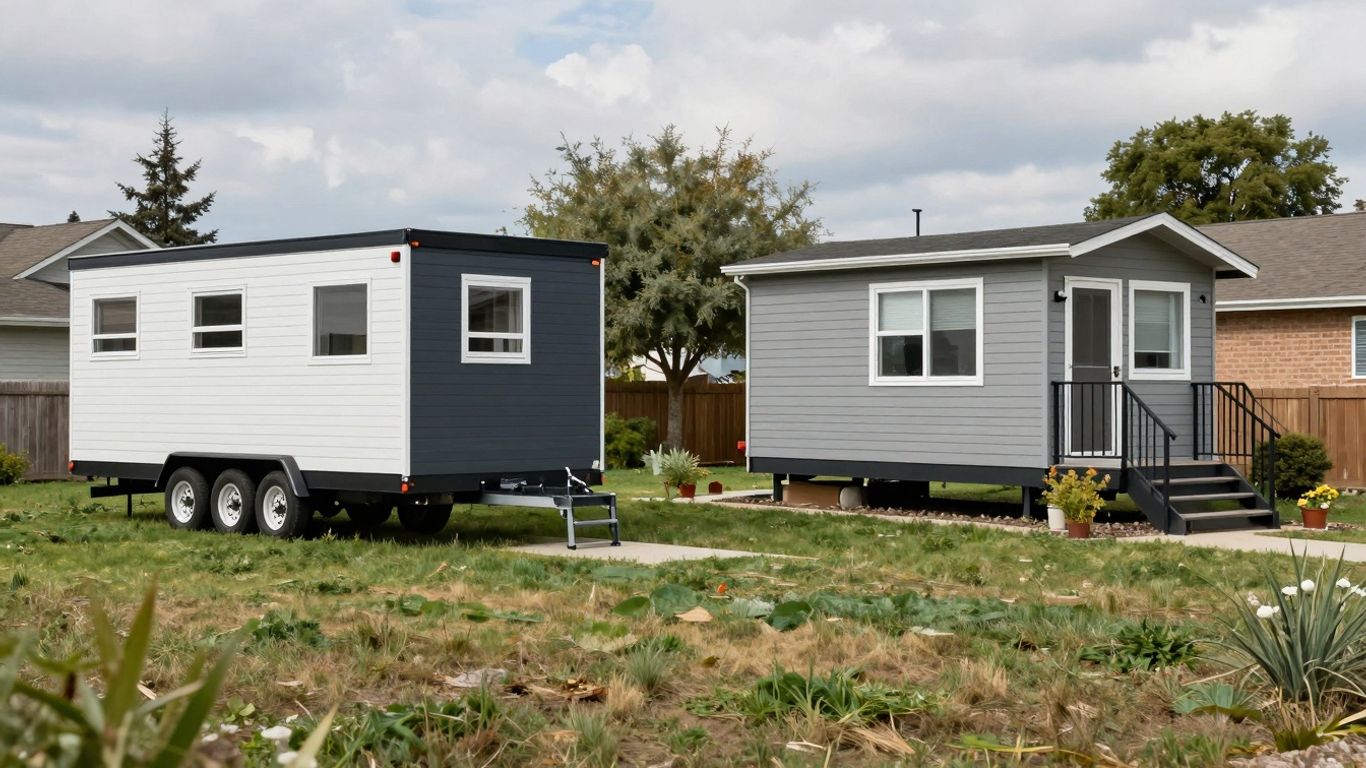
So, you’re thinking about a tiny home, but the big question is: do you go for one that’s mobile or one that’s set up for the long haul? It’s a pretty important choice, and it really changes how long your tiny home might stick around and how it holds up over time.
Durability Differences
Tiny homes on wheels, bless their hearts, are built to move. This means they’re often constructed with lighter materials and designed to handle the vibrations and stresses of the road. While this makes them portable, it can also mean they experience more wear and tear compared to a tiny home that sits on a permanent foundation.
Think of it like a car versus a house – the car is built for movement, but all that movement eventually takes its toll. A permanent tiny home, on the other hand, is built more like a traditional house, often with more robust framing and anchoring, which can lead to a longer lifespan if well-maintained.
Maintenance for Mobile Homes
If you’ve got a tiny home on wheels, you’ve got to be a bit more hands-on with its upkeep, especially if you move it around a lot. Regular checks on the trailer, axles, and tires are a must. You’ll also want to keep an eye on how the constant movement affects the structure itself. Things like plumbing and electrical connections can get stressed, and the frame might need occasional tightening. It’s not just about keeping it looking good; it’s about making sure the whole thing stays sound.
Frequent Inspections: Check the trailer frame, suspension, and tires at least annually, or more often if you travel extensively.
Structural Checks: Look for any signs of stress or loosening around windows, doors, and where walls meet the floor or roof.
Utility Lines: Inspect plumbing and electrical connections for wear or damage caused by movement.
Moving your tiny home frequently puts extra strain on its components. The constant jostling and vibrations can loosen fasteners, stress joints, and potentially damage sensitive systems like plumbing and electrical wiring. It’s like shaking a box of delicate items – over time, things can shift and break.
Lifespan Expectations
Generally speaking, a tiny home on wheels might have a slightly shorter lifespan than a permanent tiny home, perhaps in the 20-30 year range if moved often, though this can vary wildly. However, a well-built and meticulously maintained tiny home on wheels that stays put for long stretches could easily last 40-50 years or more. A tiny home built on a solid foundation, much like a traditional house, can last for many decades, potentially 50 years or even longer, provided it’s constructed with quality materials and receives consistent care. The key takeaway is that quality of build and diligent maintenance are far more significant factors than mobility alone.
|
Type of Tiny Home |
Estimated Lifespan (Years) |
Key Considerations |
|---|---|---|
|
Tiny Home on Wheels (Frequent Moving) |
20-30+ |
Road stress, component wear, regular inspections |
|
Tiny Home on Wheels (Stationary) |
40-50+ |
Reduced road stress, focus on weatherproofing |
|
Permanent Tiny Home (Foundation) |
50+ |
Similar to traditional home construction, foundation integrity |
Material Choices and Construction Standards
High-Quality Materials for Longevity
When you’re thinking about how long a tiny home will stick around, the stuff it’s made of really matters. It’s not just about slapping some wood together; it’s about picking materials that can handle the test of time and whatever weather gets thrown at them.
Think about it, a house built with cheap, flimsy materials is going to start falling apart way sooner than one put together with solid, durable stuff. This means looking at the framing, the siding, the roofing, and even the insulation. Are they rated for the kind of climate you’re in? Will they hold up against wind and rain? Choosing quality from the start is like giving your tiny home a good head start on a long life.
The Significance of Screws Over Staples
This might sound like a small detail, but it’s actually a pretty big deal for the overall sturdiness of a tiny home. You see, staples are quick and easy, sure, but they don’t hold things together as well as screws do over the long haul. Over time, especially with any movement from being moved or just temperature changes, staples can loosen and pull out. This can lead to panels separating or joints weakening.
Screws, on the other hand, create a much stronger, more lasting bond. They’re less likely to back out and keep the structure tight and secure. So, when you’re looking at a tiny home, or even building one, pay attention to how it’s put together. A structure built with screws is generally going to be more robust and last longer than one relying heavily on staples.
Ensuring Structural Integrity
Structural integrity is the backbone of any long-lasting home, and for tiny homes, it’s especially important because they often face unique challenges. This involves how the frame is put together, how the roof is supported, and how everything connects to the foundation or trailer. For tiny homes on wheels, this means the frame needs to be strong enough to handle being towed and the stresses that come with it.
For stationary tiny homes, a solid foundation is key. Things like proper bracing, strong connections between different parts of the house, and using materials that can handle the local climate are all part of making sure the structure stays sound. It’s about building something that won’t just sit there, but will actively resist wear and tear.
Here are some key aspects that contribute to a tiny home’s structural integrity:
Framing: Using quality lumber or steel, properly spaced and secured, forms the skeleton of the house.
Sheathing: This layer, often plywood or OSB, adds rigidity to the frame and provides a surface for siding and interior finishes.
Connections: How different parts of the house are joined together – using appropriate fasteners like screws, hurricane ties, and structural adhesives – is vital.
Roof Structure: The pitch and support of the roof need to be designed to handle expected loads, like snow or wind.
Foundation/Trailer: Whether it’s a permanent foundation or a trailer chassis, it must be level, stable, and capable of supporting the house’s weight without undue stress.
Building a tiny home is a bit like building a sturdy ship. It needs to be strong enough to withstand the elements and any movement it might experience. Paying attention to the details in construction, like using screws instead of staples and making sure all the structural components are well-connected, makes a huge difference in how long it will last.
Closing Thoughts
Alright, so we’ve talked a lot about how long do tiny homes last and how long they might stick around. The honest truth is, there isn’t one simple answer. It really boils down to a few things: how well it was built in the first place, what materials were used, and, super importantly, how you take care of it.
Think of it like any other home, big or small, a little regular attention goes a long way. Whether it’s on wheels or settled on a foundation, keeping up with maintenance, fixing little things before they get big, and protecting it from really rough weather can make your tiny house a cozy place to live for many, many years. It’s not just about the structure itself, but the effort you put into keeping it in good shape. You may also want to read this post I wrote about how much do tiny homes usually cost.
Frequently Asked Questions
How long can a tiny home actually last?
While there’s no exact number because tiny homes haven’t been around for ages, most experts and owners guess they can last anywhere from 30 to 50 years, and sometimes even longer. It really depends on how well it’s built and how it’s cared for.
Do tiny homes on wheels last as long as ones on a foundation?
Tiny homes on wheels might not last quite as long as those built on a solid foundation. Constantly moving them can cause wear and tear, and they’re more exposed to harsh weather. However, with good care, they can still last for many decades.
What makes a tiny home more durable?
Using strong, good-quality building materials is super important. Also, how it’s put together matters a lot – using screws instead of staples helps things stay together longer. Hiring experienced builders who know what they’re doing also makes a big difference.
How can I make my tiny home last longer?
Regular check-ups and fixing small problems before they get big are key. Protecting your home from bad weather, making sure it’s well-ventilated, and not moving it around too often (if it’s on wheels) will help it stay in great shape.
Does the weather affect how long a tiny home lasts?
Yes, the weather can definitely impact a tiny home’s lifespan. Places with lots of rain, snow, strong winds, or extreme temperatures can cause more wear and tear. It’s important to build and maintain your tiny home with its specific climate in mind.
Can a tiny home last as long as a regular-sized house?
It’s definitely possible! A tiny home, especially one built on a foundation with quality materials and consistent maintenance, can last just as long as a traditional house. Some people even think they might last longer because they’re simpler and owners tend to be more hands-on with upkeep.
Explore more tiny home living, design, downsizing, building, and lifestyle resources.
- Tiny Homes for Rent in Wyoming: Wild West Getaways to Book
- Tiny Homes for Rent in Washington: Forest Escapes & Cozy Stays
- Tiny Homes for Rent in Utah: Red Rock Retreats to Book
- Tiny Homes for Rent in Oregon: Forest Retreats You’ll Love
- Tiny Homes for Rent in New Mexico: Desert Gems & Starry Skies
- Tiny Homes for Rent in Nevada: Desert Hideaways Worth Booking